
Giant Yellowtail Adventure
7 Nights | Robinson Crusoe Island, Chile





Trip Details
Accommodation
Eco Lodge
Season
January – April
Target Species
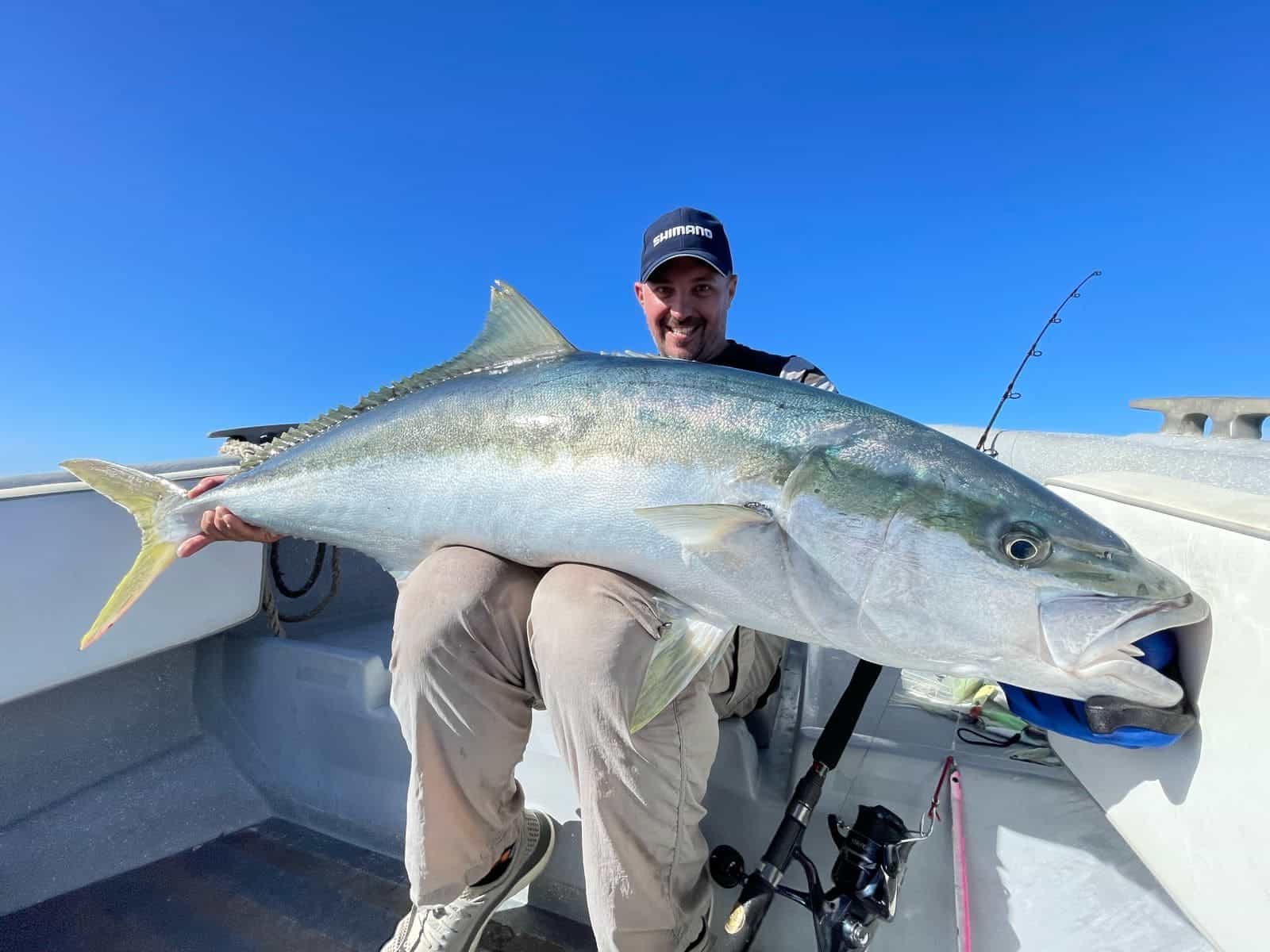
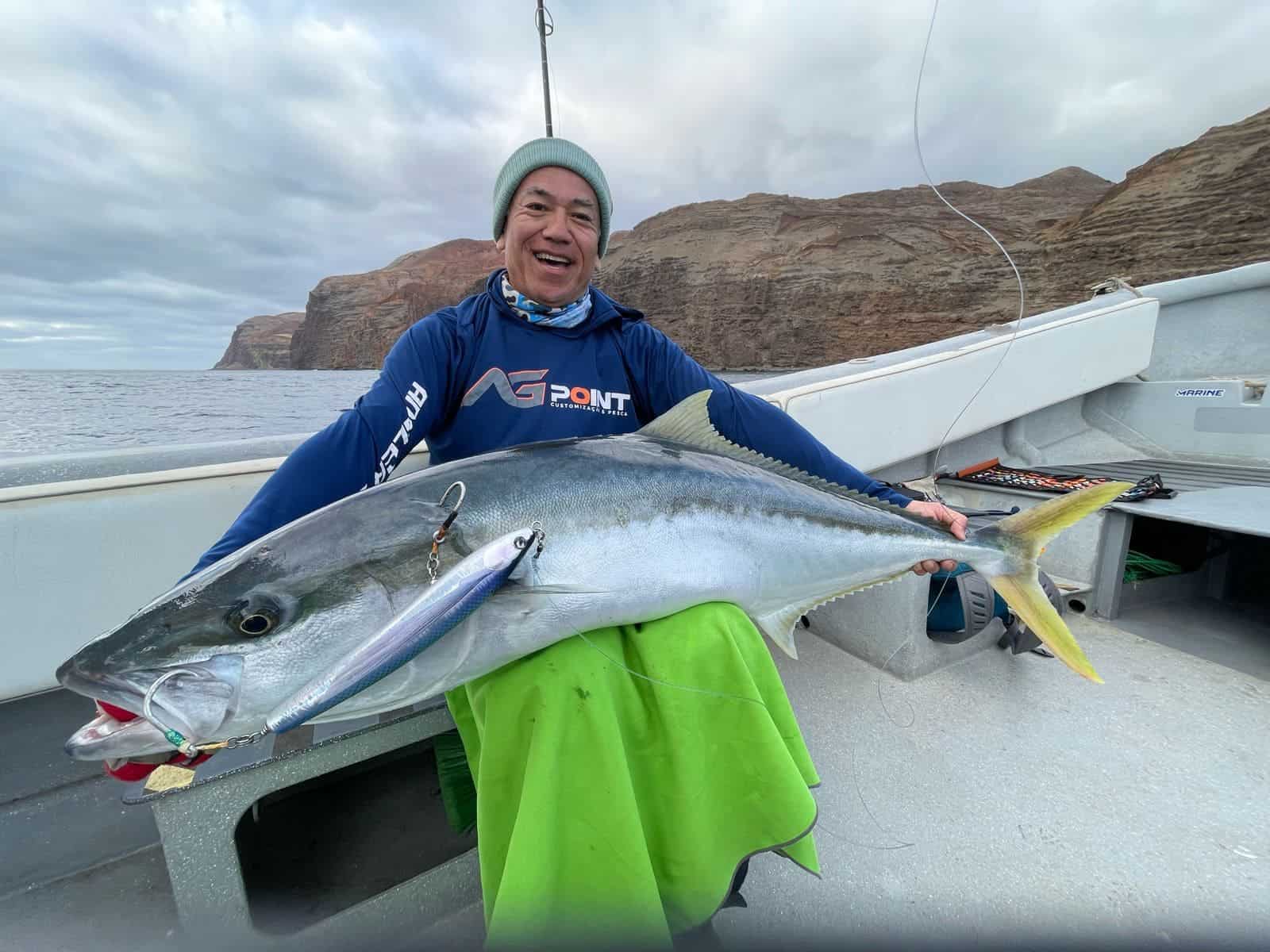
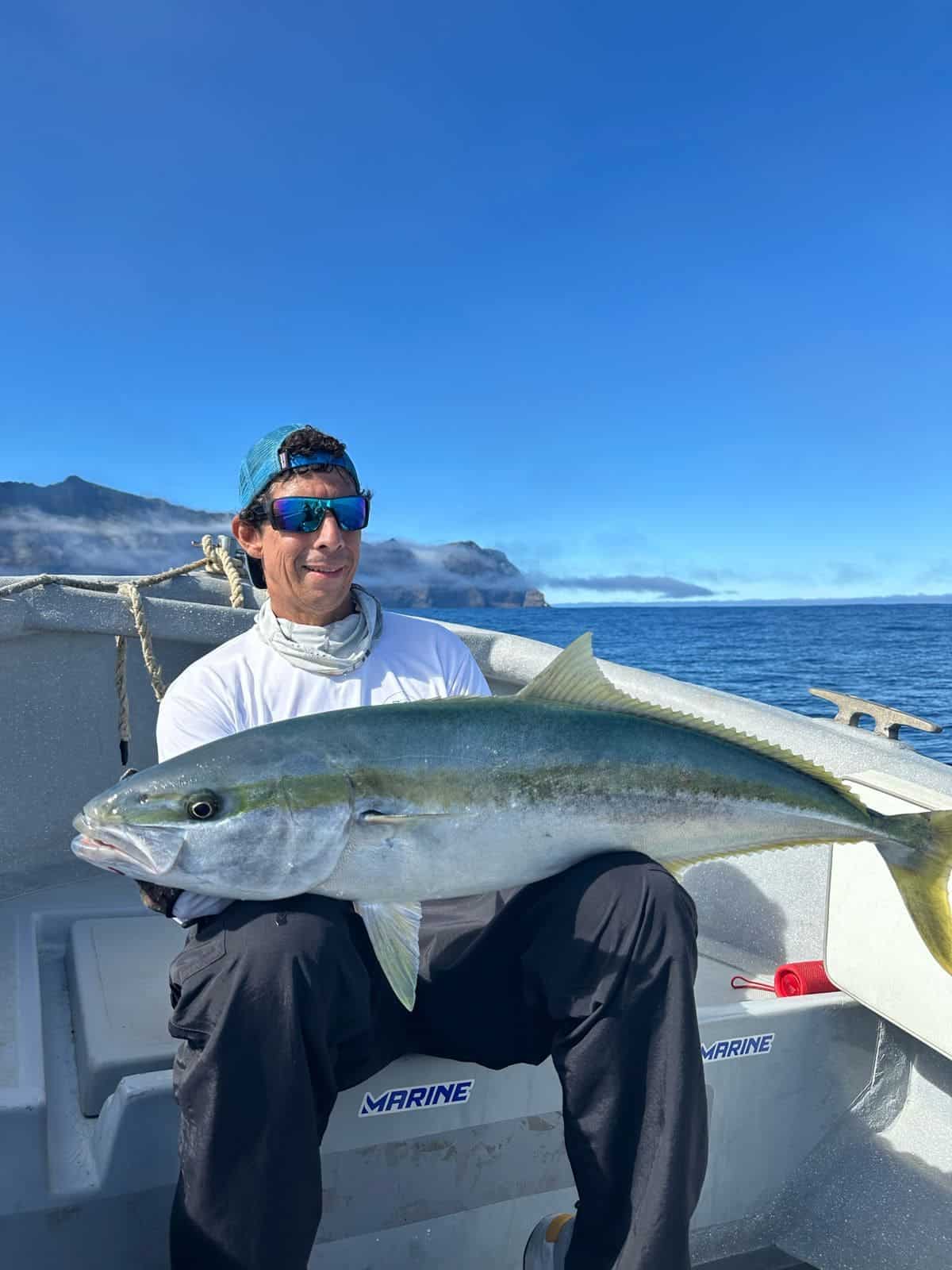
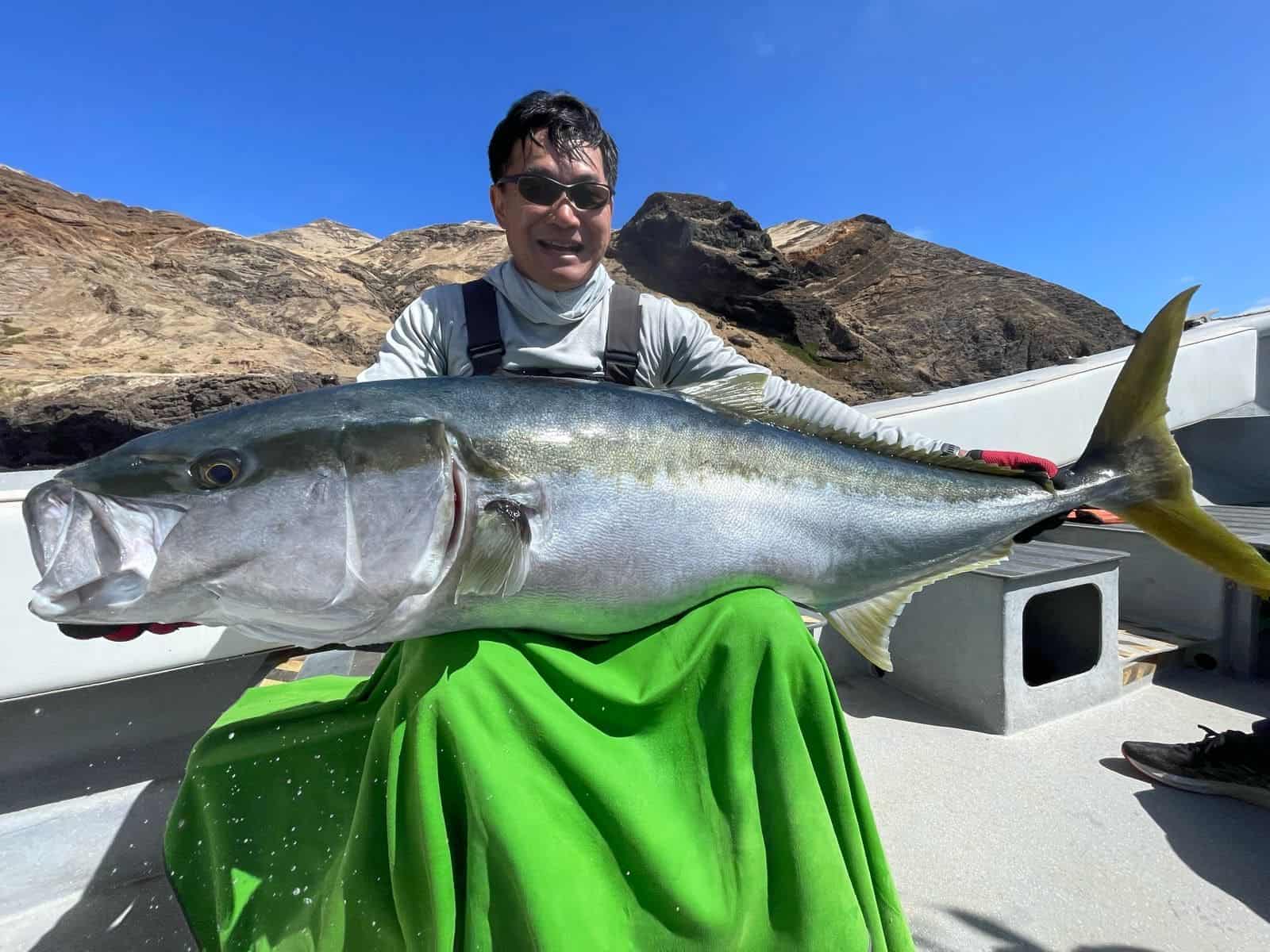
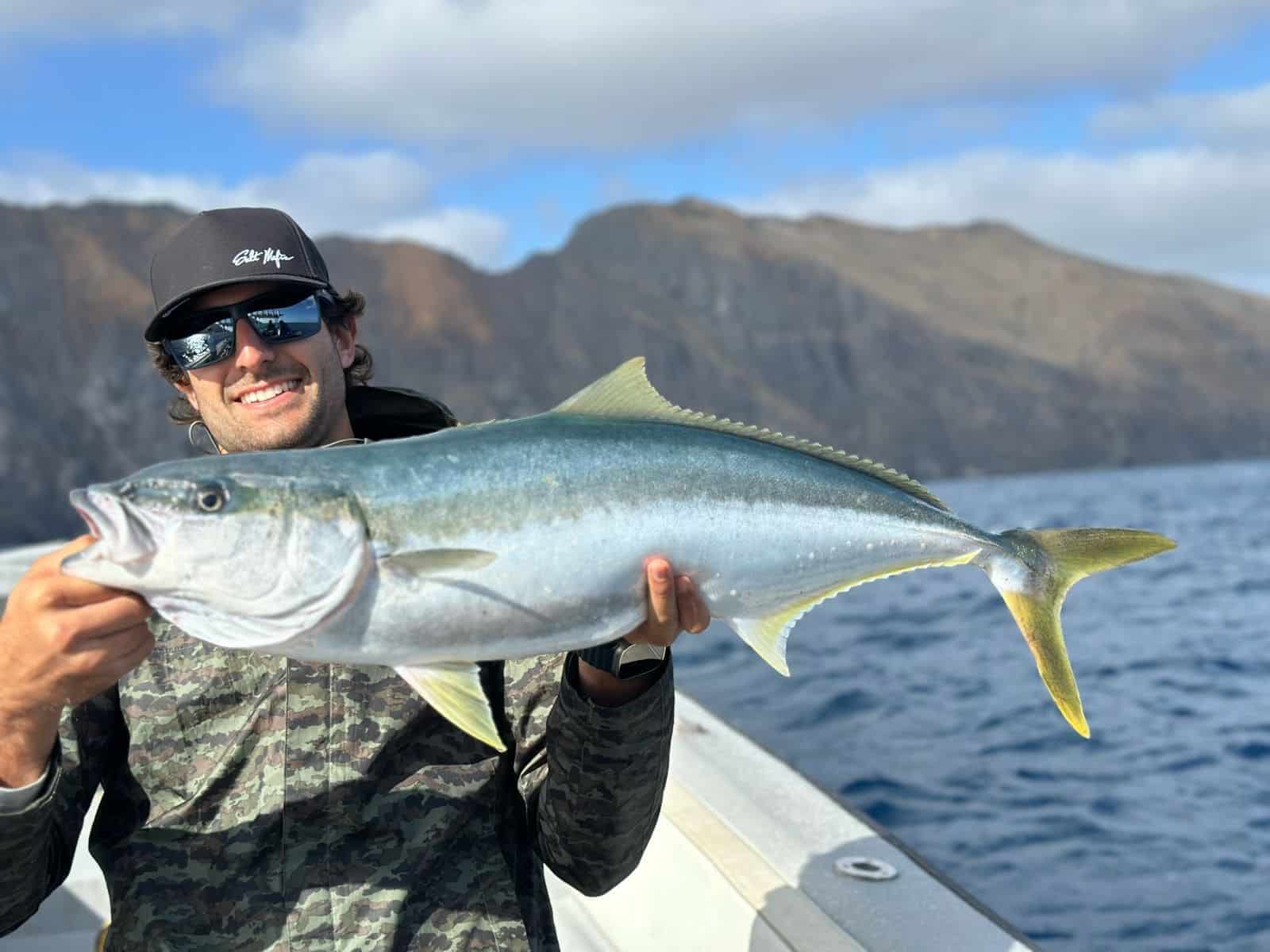
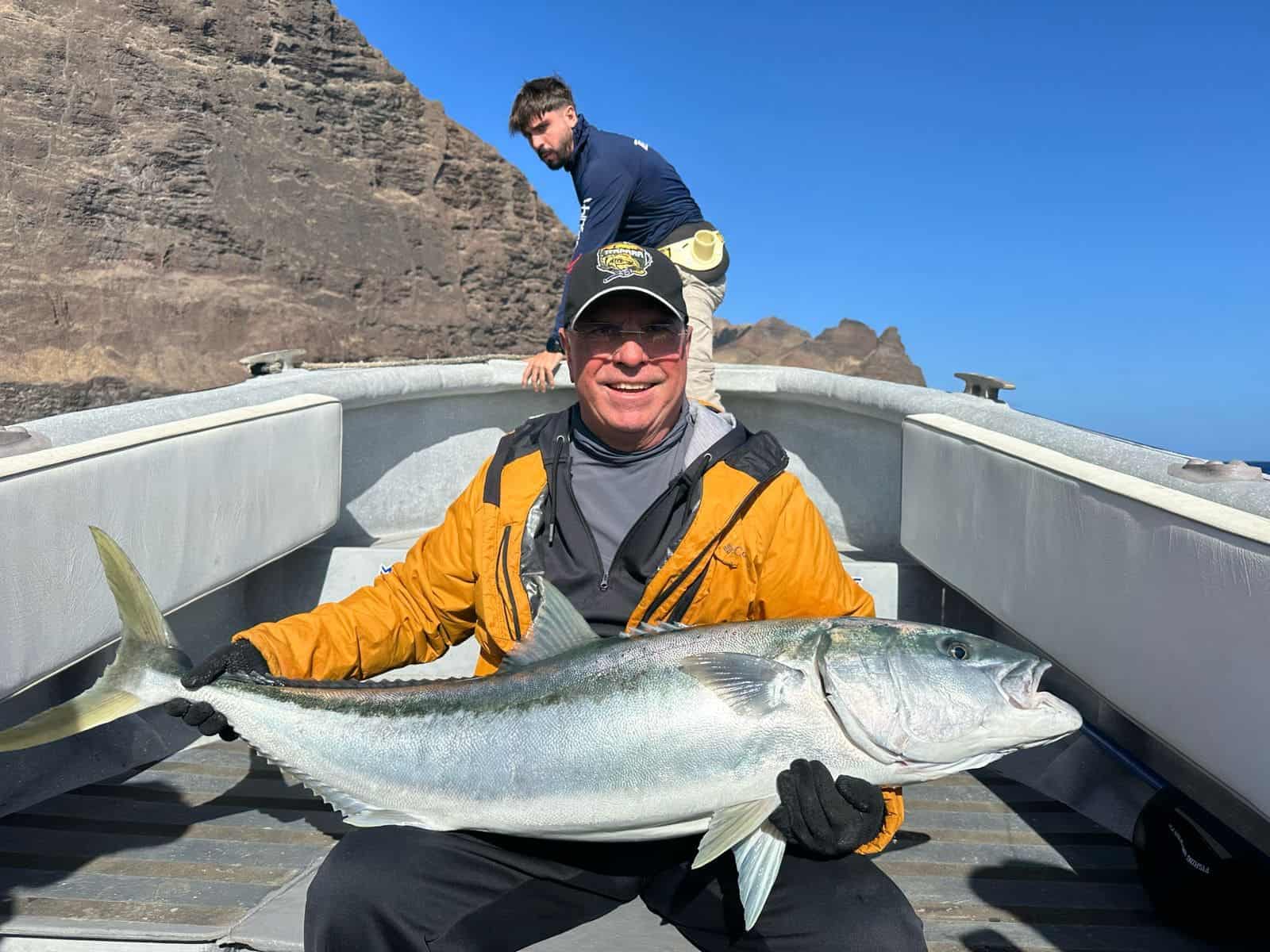
Yellowtail Kingfish
Style
Spinning, Popping, Jigging
Trophy Fishing on Robinson Crusoe Island
Trip Overview ➜
- Journey to Robinson Crusoe Island in the remote Juan Fernández Archipelago for a fishing adventure in the middle of the Pacific Ocean. These isolated waters are known for producing some of the largest yellowtail ever recorded, giving anglers a genuine opportunity to encounter fish of world-record proportions in a dramatic and rarely visited setting.
- Over the course of the week, you will explore the productive offshore grounds surrounding the island, targeting trophy yellowtail and a variety of endemic species. Between fishing sessions, the island’s towering volcanic landscapes, birdlife and remarkable marine biodiversity provide a constant reminder of just how remote and special this destination is.
- This eight-day trip includes a private charter flight from Santiago to Robinson Crusoe Island, seven nights of accommodation and five days of guided fishing. Meals, snacks and drinks on the island are also included.
8-Day Adventure
$5,000 per angler
- Private charter flight from Santiago to Robinson Crusoe Island
- Seven nights accommodation
- Five days guided fishing
- Spinning, popping, & jigging equipment
- Meals, snacks and drinks on the island
Robinson Crusoe Fishing
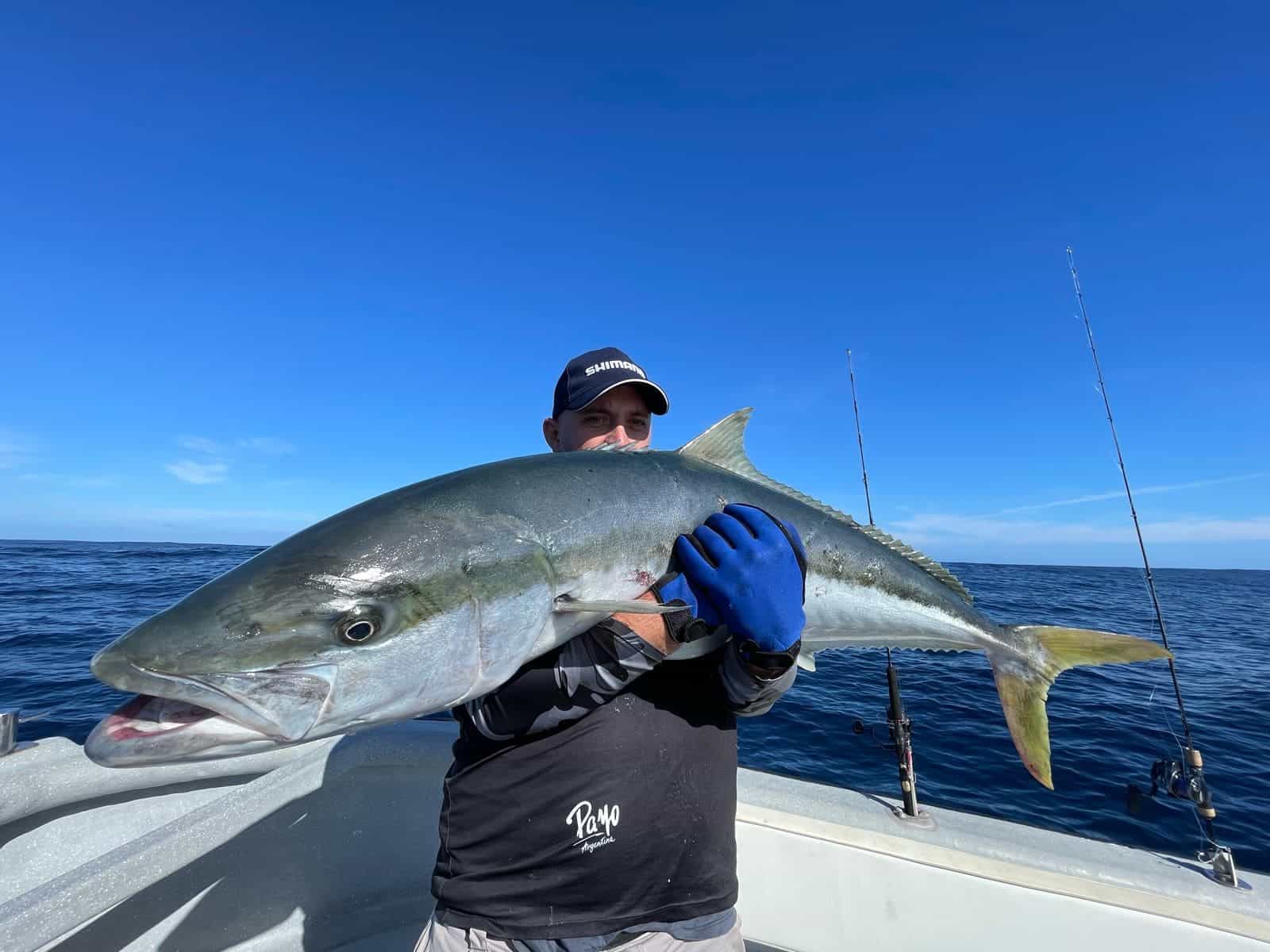
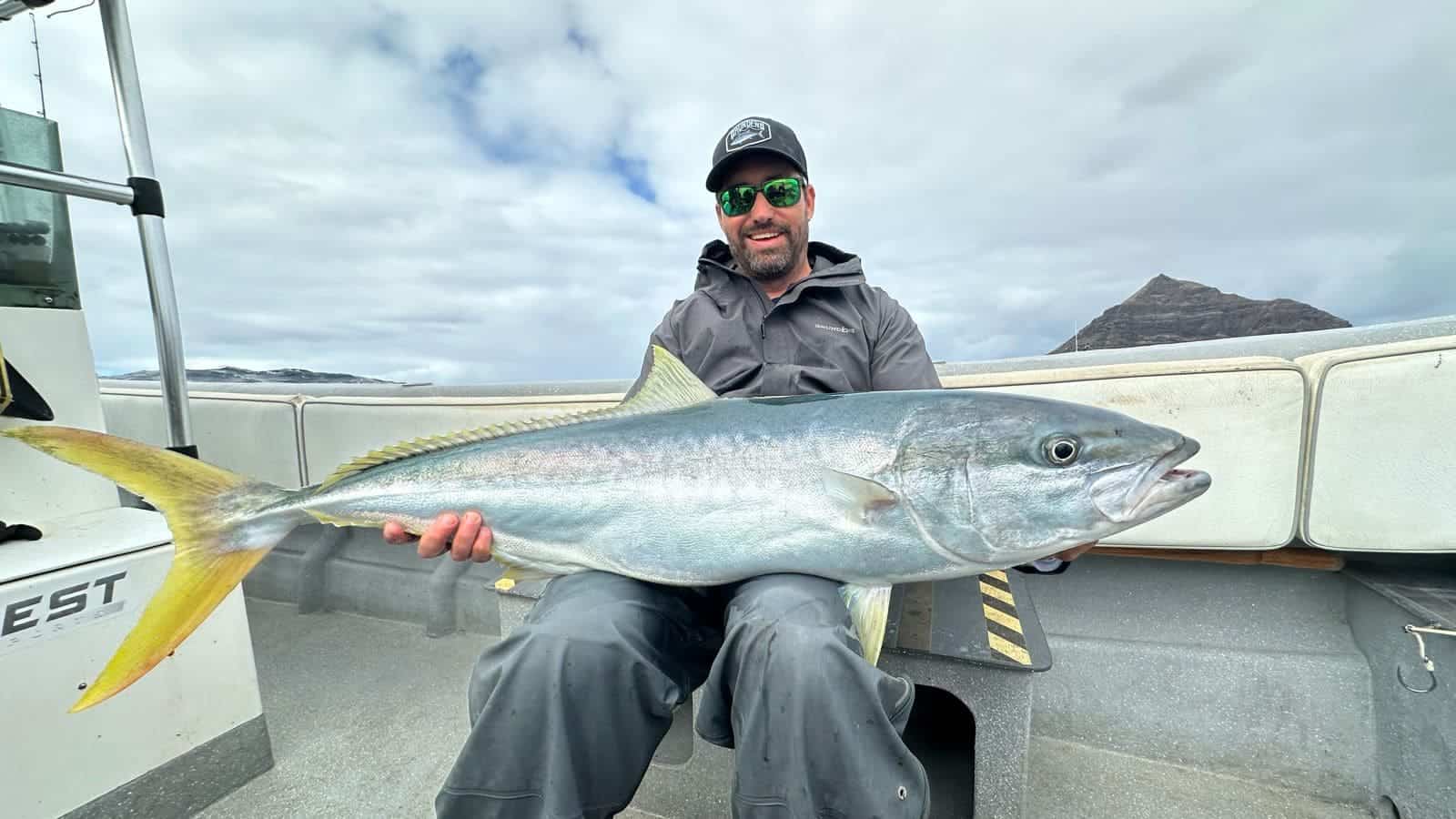
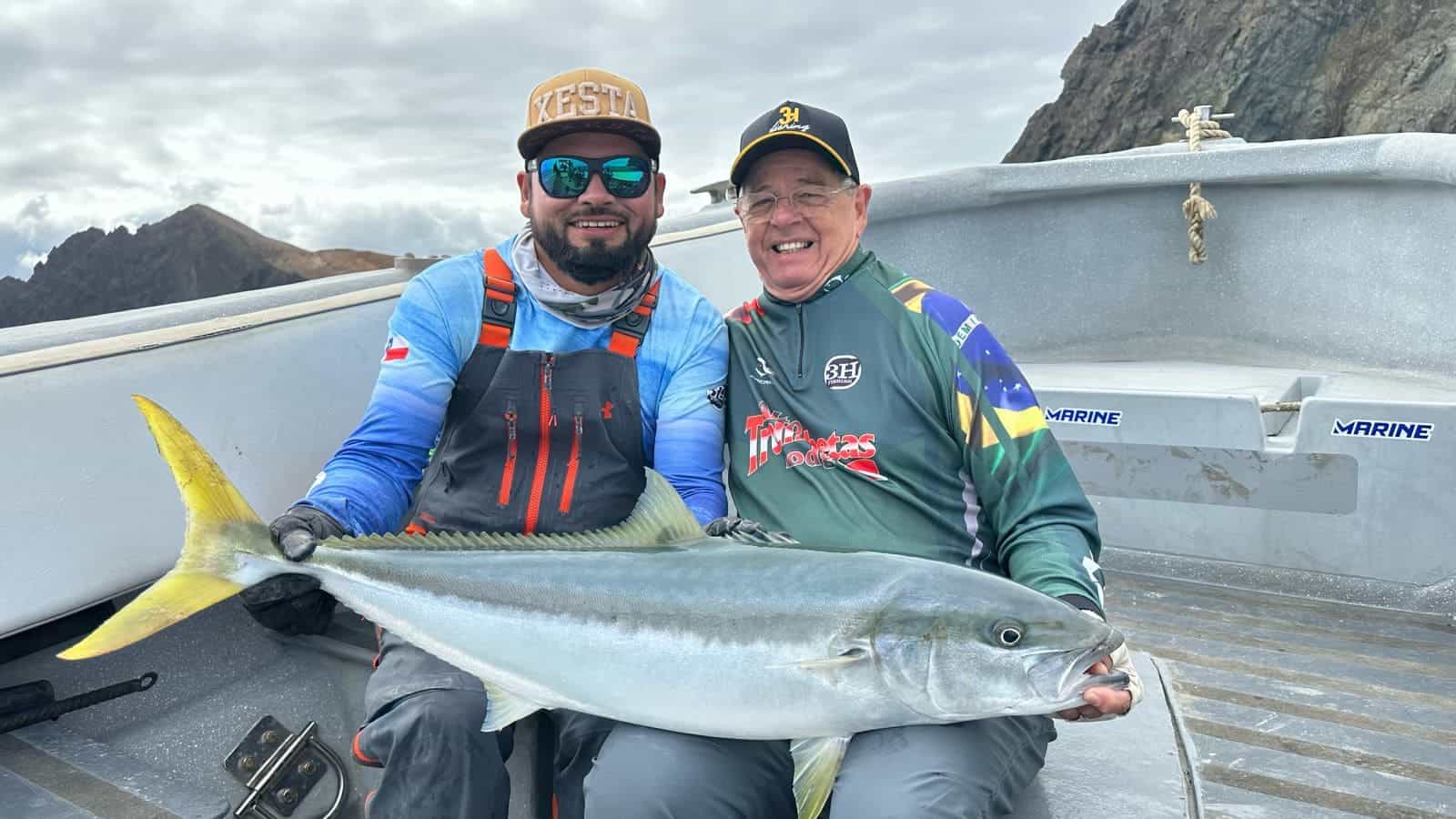
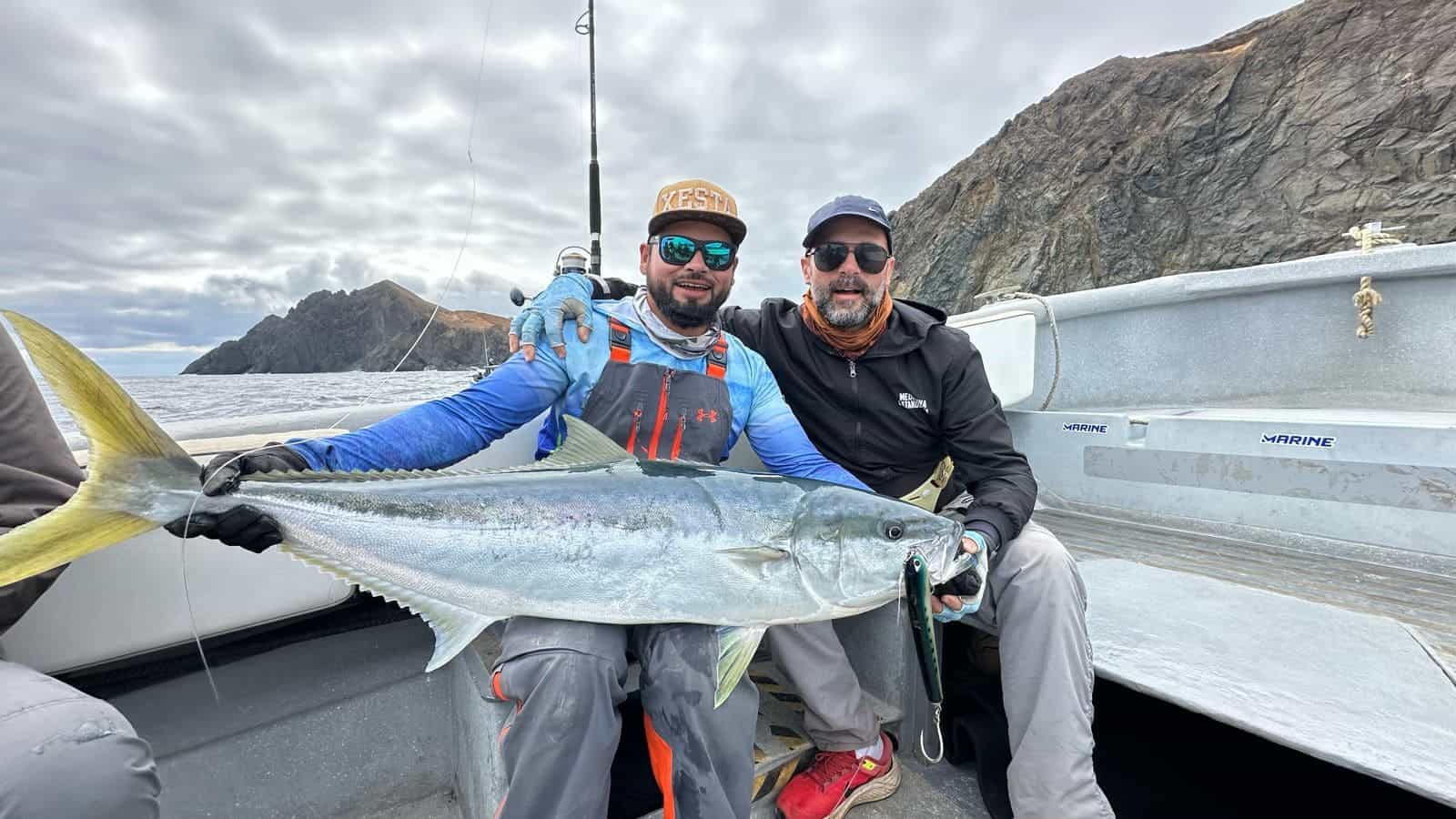
Robinson Crusoe Island has been a Marine Protected Area since 2015 and offers extreme adventure anglers the opportunity to target some of the largest Yellowtail on the planet, with records showing fish in excess of 130 pounds being landed in the waters surrounding the island. Fishing techniques mainly consist of jigging, casting topwater lures & poppers, and trolling. Fly-fishing is also possible.
In addition to the monster yellowtail, big marlins, tuna and a variety of reef fish also frequent these waters. The island is the only island in Chile where nets are not allowed and one of the reasons why the ecosystem is so healthy. It is believed that the waters around the island have some of the highest concentrations of marine life found anywhere on earth. Other species that can be caught are endemic breca, bacalao, lenguado, jurel de juan fernadez, sierra, salmonete, coginova, jergilla, pampanito, and corvina.
Boats & Equipment:
Anglers fish off two 11m (36ft) centre console sports fishing boats with 115hp Yamaha outboards. 4 anglers per boat. Boats are fitted with Garmin electronics and provide a comfortable platform to cast, hook and land fish from. Each boat has a satellite communication system, as well as certified lifeguards. The boats always sail together in the fishing areas.
Lodging:
The eco lodge is situated within walking distance of the ocean and has all the comforts needed for guests to enjoy a cozy environment that feels like home. The lodge only has 4 rooms, each with a king size bed or two double beds, private bathroom, private balcony, and ocean views. It can welcome a maximum of 8 guests, which allows for 100% personalised attention.
Food & Drinks:
The waters surrounding the island are famous for its massive rock lobsters and golden crabs and anglers can expect to enjoy phenomenal local seafood cooked by your hosts who have called this island home for 120 years.
Non-Angling Options & Activities:
The island has a variety of activities available for anglers to explore on their off day between fishing days. Diving, hiking, horseback riding, lobster fishing, bird watching and seal tours are just a few of the options.
Internet / Communications:
Wi-Fi is available for guests.
Robinson Crusoe Island is located approximately 700km west of Chile in the Pacific Ocean.
How to get there:
Anglers will fly into Santiago, the capital of Chile, direct flights are available from most major airports. From Santiago anglers will board a 2 hour charter flight to Robinson Crusoe Island. Learn more about Santiago.
Documents Required:
A valid passport is required for Chile. Many countries, including US/Canada do not require a visa to enter. We will inform you what is needed based on your country.
Travel Arrangements:
We will advise on your best options and travel routes, depending on place of departure.
Sample Itinerary:
7 nights / 5 full fishing days
Anglers need to travel to Santiago, Chile in advance from where the trip officially starts.
Day 1:
The trip officially begins by taking a charter plane from Pudahuel Airport in Santiago. Flights generally depart between 8am-10am. The trip takes approximately 02:15 minutes. Once the plane has landed at the Robinson Crusoe Island airfield, passengers take a boat for 30 minutes to Cumberland Bay, which is the only town on Robinson Crusoe Island with 900 inhabitants. Upon arrival at the dock, staff will be waiting to take you by buggy to the lodge.
Day 2 – 4:
Three full fishing days. Breakfast and dinner is served at the lodge, while lunch is served on the boat. All food is sourced locally and includes smoked king fish, octopus, lobster, golden crab, fish ceviche, empanadas and much more.
Day 5:
Off day to explore the island and do some of the many unique activities available on the island. Lunch takes place at a local restaurant.
Day 6 – 7:
Two full fishing days. Breakfast and dinner is served at the lodge, while lunch is served on the boat. Last day of fishing and grilled lobster, fish and octopus is served as a parting gift.
Day 8:
Breakfast is served at the lodge before departing the island and returning to Santiago. Flights generally arrive in Santiago around 4pm.
Rates Per Angler:
$5,000 USD per angler (double occupancy) – Based on group of 4 anglers
Option to include night/s in Santiago on arrival/departure.
What’s Included:
- Seven (7) nights lodging on the island.
- Five (5) full days of guided fishing.
- High-quality spinning, popping & jigging equipment.
- Charter flight to Robinson Crusoe Island & all domestic transfers.
- All meals, snacks, & non-alcoholic drinks on the island. Limited beers.
- Meals include locally sourced lobster, fish, octopus, sashimi and meat.
What’s Not Included:
- International flights to and from Santiago.
- Tips for guides & staff.
- Additional alcohol.
- Lunch on off day.
What makes Robinson Crusoe Island such a unique fishing destination?
Robinson Crusoe Island lies roughly 400 miles west of mainland Chile in the remote Juan Fernández Archipelago. Its volcanic coastline creates steep drop-offs, submerged pinnacles, rocky channels and turbulent whitewater where baitfish gather and powerful predators feed close to shore. Limited fishing pressure and almost no mass tourism ensure the ecosystem is extremely healthy.
How big do the yellowtail kingfish get around Robinson Crusoe Island?
The island is famous for exceptionally large yellowtail kingfish. Smaller school fish are common, but specimens exceeding 50 pounds are regularly encountered, and fish approaching or exceeding 100 pounds are possible. Robinson Crusoe is one of the few destinations where record-class fish are possible.
What are the main methods used?
The most productive techniques include casting poppers and sinking stickbaits, speed jigging, slow-pitch jigging and working heavy soft plastics around rocky points, submerged structure and bait schools. Surface fishing can be spectacular when yellowtail push bait into channels or against the cliffs, while jigging is highly effective over deeper pinnacles and steep drop-offs. Heavy tackle, powerful reels, strong leaders and reinforced terminal gear are essential because hooked fish often head straight for the rocks.
What other species can anglers target?
Although giant yellowtail are the main attraction, anglers may also encounter striped marlin, yellowfin tuna, mahi-mahi, albacore, silver trevally, snapper, Pacific halibut, wreckfish, grouper, cabrilla, snake mackerel and jack mackerel. Some species are targeted offshore, while others hold around reefs, deep drop-offs and rocky structure.
When is the best time to fish Robinson Crusoe Island?
The main fishing season generally runs from December through April, covering the Southern Hemisphere’s spring, summer and early autumn. The warmer months usually provide the broadest range of opportunities, including active yellowtail and seasonal pelagic species.
How do anglers get to Robinson Crusoe Island?
Anglers fly to Santiago, Chile, before taking a smaller aircraft to Robinson Crusoe Island. The flight normally takes about two and a half hours. The airfield is located on the opposite side of the island from San Juan Bautista, so travellers then transfer by boat to the main settlement. Flights are weather-dependent, making buffer nights in Santiago and flexible international connections highly advisable.