
Costa Rica Tarpon Adventure
6 Nights | Barra del Colorado, Costa Rica
Trip Details
Accommodation
River Lodge
Season
March – June, August – November
Target Species
Tarpon, Snook, Jack Crevalle
Fishing Style
Fly Fishing & Spinning
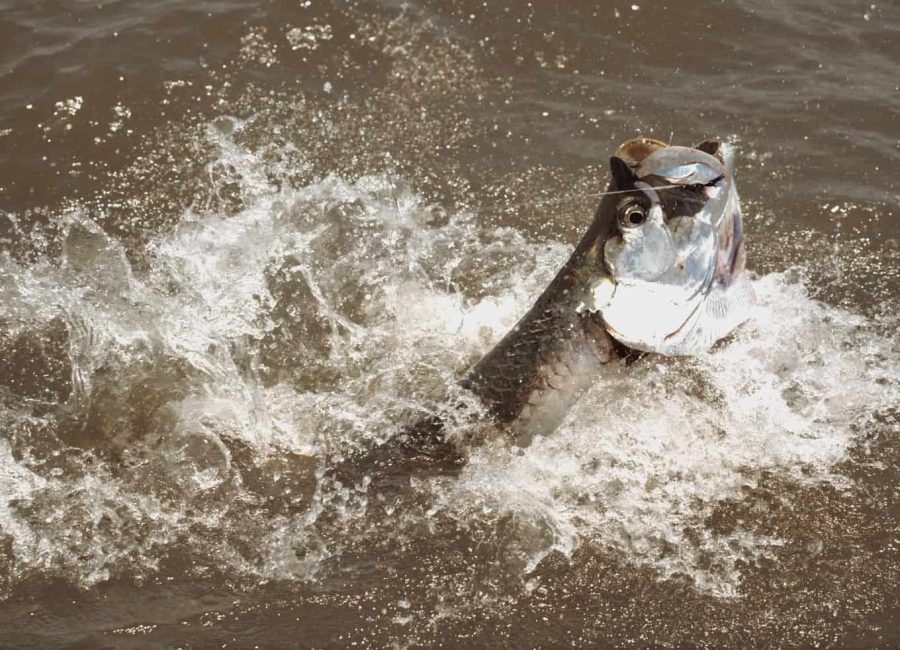
Trophy Tarpon Fishing in Barra Del Colorado
Trip Overview ➜
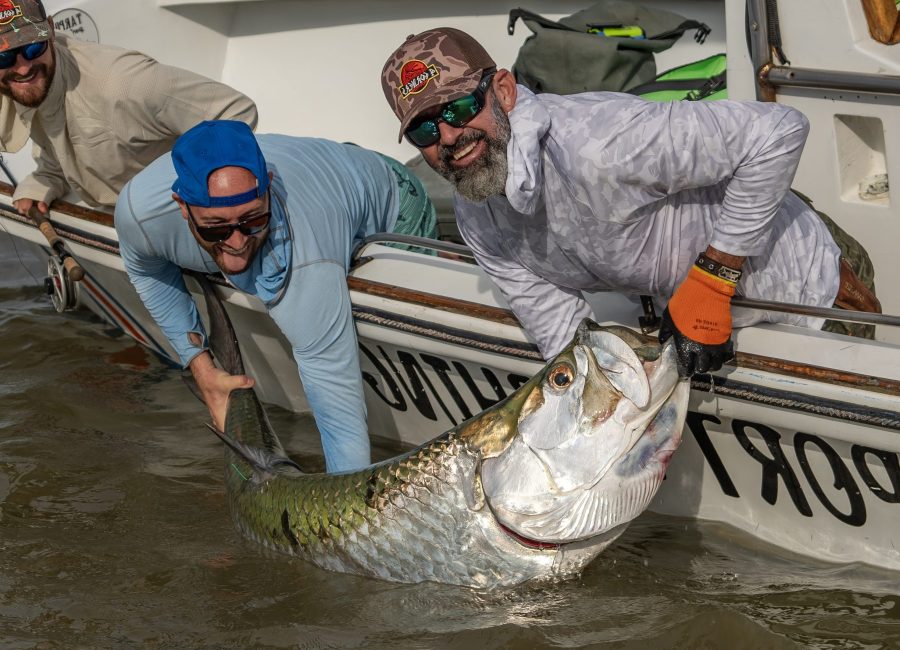
- Barra del Colorado is a remote region of northeastern Costa Rica best known for very large tarpon, with fish over 100 pounds regularly encountered and specimens in the 100 to 180-pound class not uncommon. The fishing takes place in the Río Colorado system, its river mouth and, when conditions allow, along the Caribbean coast.
- The fishery lies within the wider Barra del Colorado and Tortuguero region, an extensive system of rivers, lagoons, wetlands and lowland rainforest. This is one of Costa Rica’s most stunning and untouched natural areas, with abundant birdlife, reptiles, monkeys and other wildlife throughout the waterways.
- Anglers stay at a small riverside lodge with direct access to the fishing grounds. The lodge is reached by a short domestic flight from San José followed by a boat transfer through the jungle river system, giving the trip a genuine sense of isolation from the moment you arrive.
- Trophy tarpon are the main target, but the region also offers opportunities for snook, machaca, rainbow bass, mojarra, tropical gar and other river and coastal species. These additional species add variety when conditions change or when anglers want a break from heavy tarpon tackle.
7-Day Adventure
$4,300 per angler
- Round-trip domestic flights
- Airport pickup & boat transfers to lodge
- Six nights lodging
- Five full days guided fishing
- Breakfast, lunch, & dinner included
- Water, soft drinks, & beers
Tarpon Fishing in Barra del Colorado
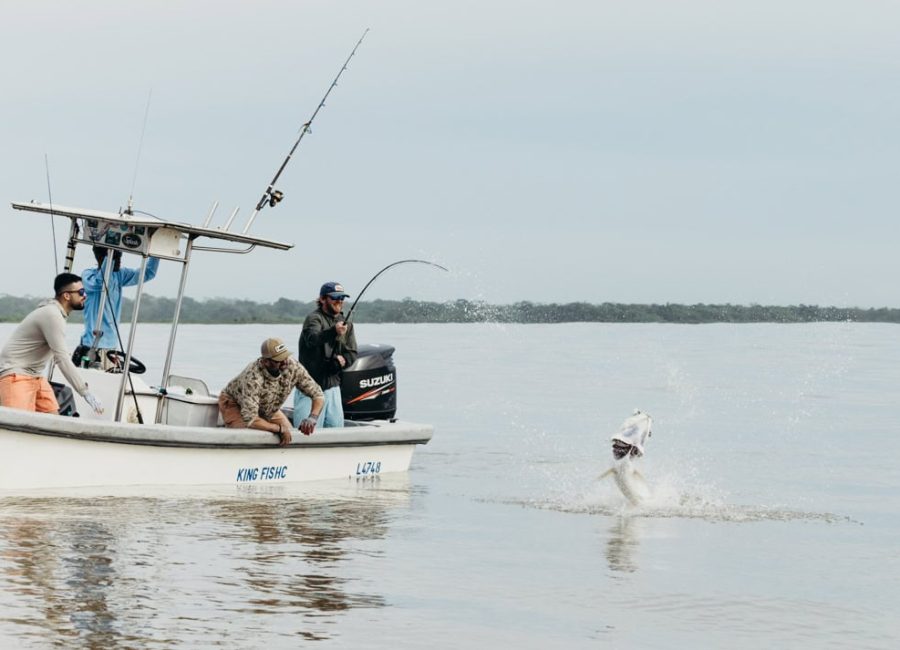
The fishing at Barra del Colorado is centred on the famous Río Colorado, the river mouth and the adjoining Caribbean coast. Tarpon move throughout this system, so the guides can choose where to fish according to river levels, sea conditions, bait movement and recent activity. Some days are spent working the deeper river channels. On calmer days, boats may cross the river mouth and search for tarpon feeding along the coast.
This is a genuine trophy fishery. Tarpon in the 100 to 180-pound class are not unusual, and fish over 200 pounds have been recorded in the region. The average size fish is larger than most tarpon destinations and every angler needs to arrive prepared for the possibility of hooking a very large tarpon.
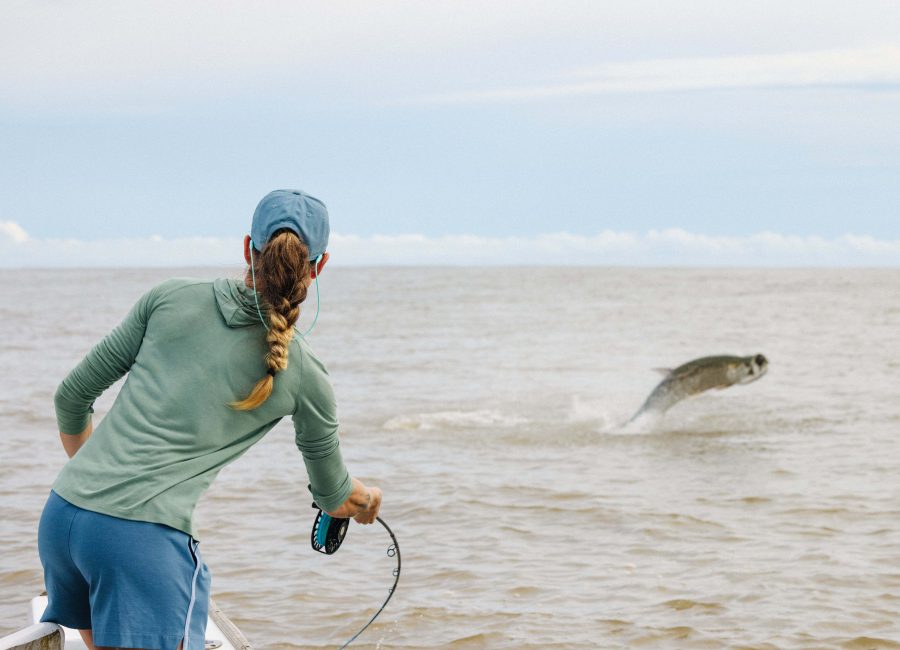
Fishing is available with both spinning and fly tackle. Spinning is the most accessible and versatile option, especially when fish are holding deep or conditions require heavier presentations. However, experienced fly anglers produce good results with heavy saltwater outfits, particularly when fish are rolling or feeding closer to the surface. Anglers can use one method throughout the trip or change according to conditions.
Tarpon often move through the lower river and river mouth while following bait or travelling between the river and coastal water. Guides look for rolling fish, bait activity, current lines, birds and other signs of feeding predators. When the mouth is not accessible, the guides continue fishing inside the river or move into protected waterways. Losing ocean access does not mean losing the fishing day. It simply changes the plan.
Additional Species
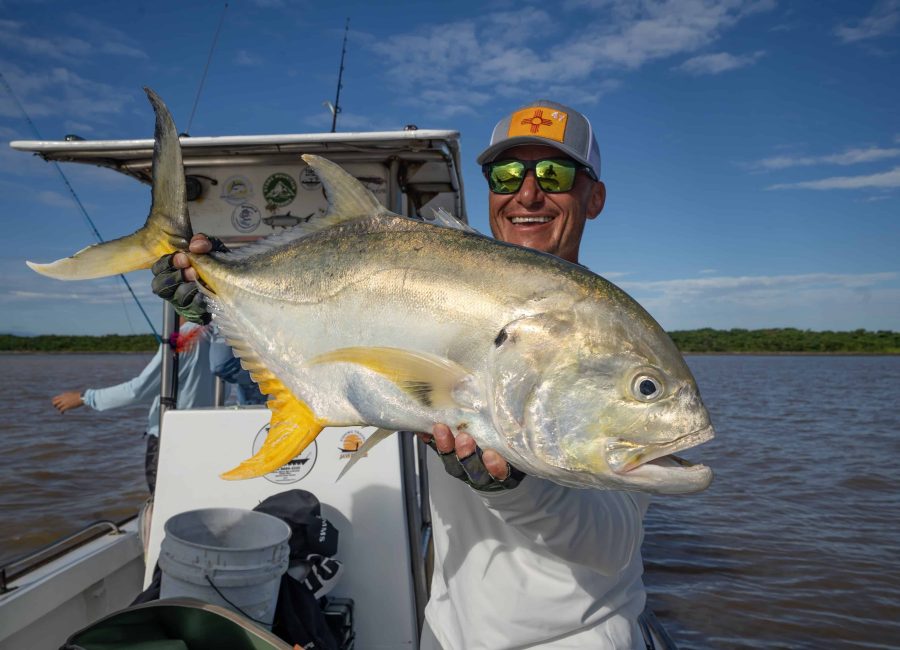
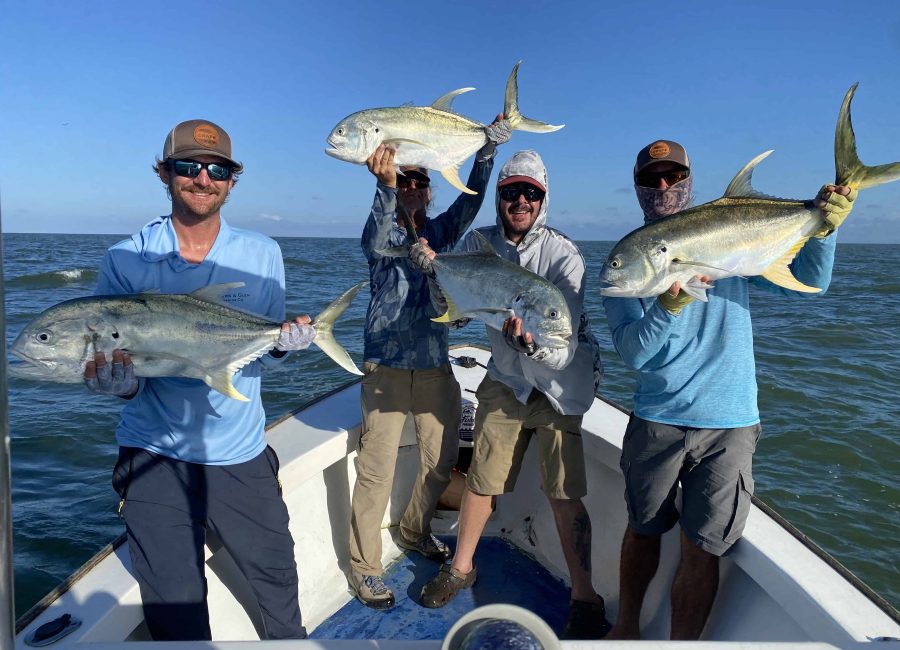
Tarpon are the priority, but they are not the only option. Snook are found throughout the rivers and brackish channels, while the quieter lagoons and backwaters hold machaca, mojarra, tropical gar and guapote. Jack crevalle, snapper, tripletail and other coastal species may also be encountered.
Accommodation is provided at a small riverside fishing lodge on the Río Colorado and within minutes of the fishing grounds. The lodge can only be reached by boat, giving anglers immediate access to the river and a quiet base between fishing days.
Single and double-occupancy rooms are available and include air conditioning, hot water, towels, bathroom amenities, storage space and daily cleaning. The accommodation is comfortable and practical, with everything needed after a full day in a hot and humid tropical environment.
Meals are served at the lodge and arranged around the fishing schedule. The menu includes fresh fish and seafood, meat, pasta and Costa Rican dishes. Dietary requirements can be accommodated when provided in advance. Evenings are informal and normally spent having dinner, discussing the day’s fishing and preparing tackle for the following morning.
Location
Barra del Colorado is located in Limón Province on Costa Rica’s northeastern Caribbean coast, close to the border with Nicaragua. It sits within an extensive wetland system of rivers, lagoons, swamps and rainforest that connects with the wider Tortuguero conservation area. See map.
How to get there
The trip begins in San José. From there, guests take a short domestic flight to Tortuguero or Barra del Colorado, replacing what would otherwise be a long journey by road and boat. Small aircraft are used for this route, so baggage allowances are more limited than on international flights. Final luggage limits and rod-tube requirements will be confirmed before departure.
After landing, anglers are transferred by boat through the jungle waterways to the riverside lodge. The journey provides a first look at the environment that makes Barra del Colorado so distinctive. Dense vegetation lines the riverbanks, and tropical birds, monkeys, caimans, iguanas and other wildlife may be seen along the route. The lodge can only be reached by water.
Barra del Colorado Itinerary:
Day 1: San José to Barra del Colorado
Arrive in San José and check in for the short domestic flight to Barra del Colorado or Tortuguero. On arrival, transfer by boat through the jungle waterways to the riverside lodge. After checking in, there will be time to settle into the rooms, prepare fishing equipment and meet the lodge team. Dinner and overnight at the lodge.
Day 2: First Full Fishing Day
After an early breakfast, meet the guide at the lodge dock and begin the first full day of fishing. The guide will select the area according to river conditions, coastal swell and recent tarpon activity. Fishing may take place inside the Río Colorado, around the river mouth or along the Caribbean coast. Dinner and overnight at the lodge.
Days 3-5: Full-Days Fishing
Continue fishing for trophy tarpon and other species. The guide may return to productive water from previous days or explore a different section of the system. The ability to move between the river, river mouth and coast allows the fishing plan to follow changing conditions.
Day 6: Final Full Fishing Day
Enjoy the fifth and final full fishing day. By this stage, the guides will know your goals and can plan the day around the most productive areas encountered during the week. Return to the lodge for dinner and the final night beside the river.
Day 7: Return to San José
After breakfast, leave the lodge by boat and travel back through the waterways to the local airstrip. Take the domestic flight to San José and continue with the arranged onward travel. International flights must be booked around the confirmed domestic schedule, and an additional night in San José may be required.
6 Nights / 5 Fishing Days
$4,300 per angler (double occupancy)
What’s Included:
- All domestic transfers from San José Airport to the lodge and back.
- Including flights & boat transfers.
- 6 nights lodging in air-conditioned cabins with hot water, WiFi, and bar service.
- All meals during the trip.
- 5 full days of guided fishing.
- Conventional fishing tackle and equipment.
- Water, soft drinks, and beers.
- Laundry service at the lodge.
What’s Not Included:
- International flights to Costa Rica.
- Travel insurance.
- Alcoholic beverages beyond the two daily beers.
- Gratuities for guides and lodge staff.
- Fly fishing gear and tackle (rods, reels, flies), though limited rentals are available.
Limited availability. Dates subject to confirmation.
When is the best time to fish Barra del Colorado?
Our preferred fishing periods are March through June and August through November. Tarpon are present throughout the year, but these periods generally offer a good combination of fish activity and workable river and coastal conditions. September and October can bring relatively calm conditions on Costa Rica’s Caribbean coast, which may improve access beyond the river mouth. Weather and sea conditions remain unpredictable, and no month guarantees ocean access or a particular level of fishing.
How big are the tarpon?
Barra del Colorado is known for adult tarpon, with fish in the 100 to 180-pound range regularly encountered. Larger fish are also possible, including occasional tarpon exceeding 200 pounds. The weight of a released tarpon is normally estimated rather than measured. The priority is to land the fish efficiently, limit handling and release it in good condition.
How many tarpon can I expect to catch?
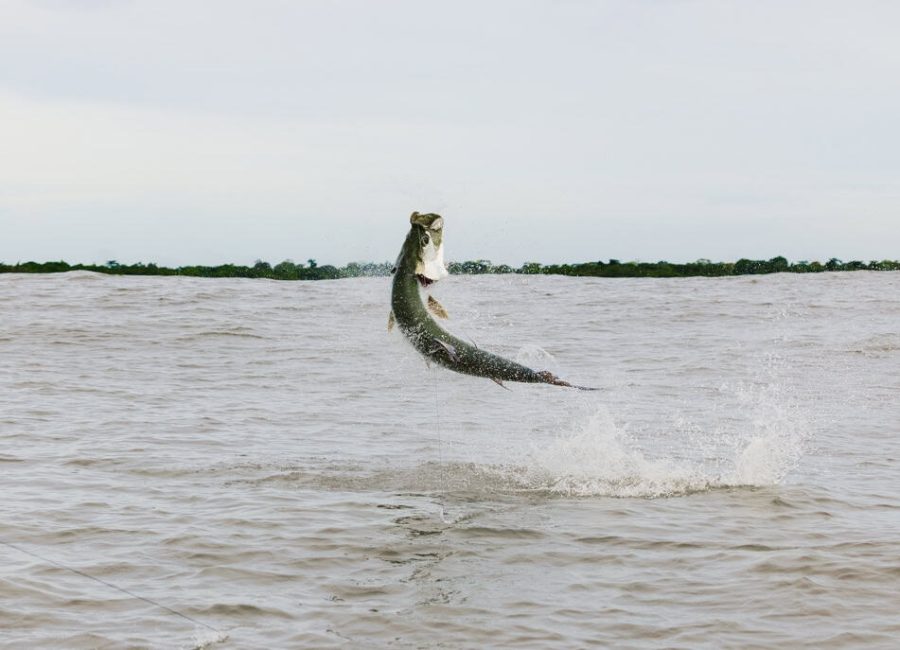
Tarpon fishing cannot be judged in the same way as high-volume fishing for smaller species. An angler may see several fish, receive one or more strikes and still finish the day without landing one. Tarpon have hard mouths, make powerful runs and frequently throw hooks while jumping. A single trophy tarpon can represent an excellent day, while periods of strong activity may produce several opportunities. Weather, fish movement, river conditions and the angler’s ability to convert a strike all influence the result.
Can I fish with fly or spinning tackle?
Both methods are effective. Spinning tackle works well in the river, around the river mouth and in coastal water, and it is generally the better option for anglers without experience casting heavy fly equipment. Fly fishing is suited to anglers who are comfortable using heavy saltwater rods and presenting large flies. The fishing does not always involve close-range sight casting, so fly anglers may need to make repeated casts or fish deeper water.
What other species can be caught?
Additional species include snook, jack crevalle, barracuda, mackerel and tripletail in the lower river, river mouth and coastal water. The surrounding lagoons and jungle channels can also hold guapote, machaca, mojarra and tropical gar.
What happens if the river mouth is too rough?
The guide will remain inside the Río Colorado or move into protected rivers, lagoons and channels. The river mouth can become difficult or unsafe when Caribbean swells increase, and the guide always makes the final decision. Tarpon are regularly caught inside the river, so an inaccessible river mouth does not mean the fishing day is lost. It simply changes where and how the guides fish.
Do I need previous tarpon fishing experience?
No. First-time tarpon anglers can fish with spinning tackle and receive guidance throughout the day. The guides will explain how to present the lure, set the hook, manage the drag and fight the fish. Fly anglers should already be comfortable casting heavy saltwater equipment, as this is not an ideal trip for learning basic fly casting.
What should I pack for the trip?
Bring lightweight, quick-drying fishing clothing, a breathable rain jacket, polarized sunglasses, sun protection, insect repellent and secure footwear suitable for a wet boat. Rain is possible throughout the year, including during the preferred fishing months. Soft-sided luggage is recommended for the domestic flight because aircraft baggage capacity is limited. Final weight allowances and rod-tube restrictions will be confirmed before travel.