
Bucket List Species
Arctic Char
World Record
32lbs 9oz (14.77kg)
Tree River, Nunavut, Canada
Distribution
North America, Greenland, Iceland, Scandinavia and Russia
Season
June – September
Techniques
Fly Fishing & Spinning
Arctic Char
Species Overview
What makes Arctic char so special isn’t just the fish, it’s where they take you. Most of the best char rivers are far off the beaten path, deep in tundra or mountainous terrain. You get there by small plane, boat, or even trekking across some pretty remote landscapes. Once you’re there, it’s a fishery that really feels like a complete experience. You’re casting in crystal-clear rivers, seeing fish holding in pools, all under the endless northern summer light.
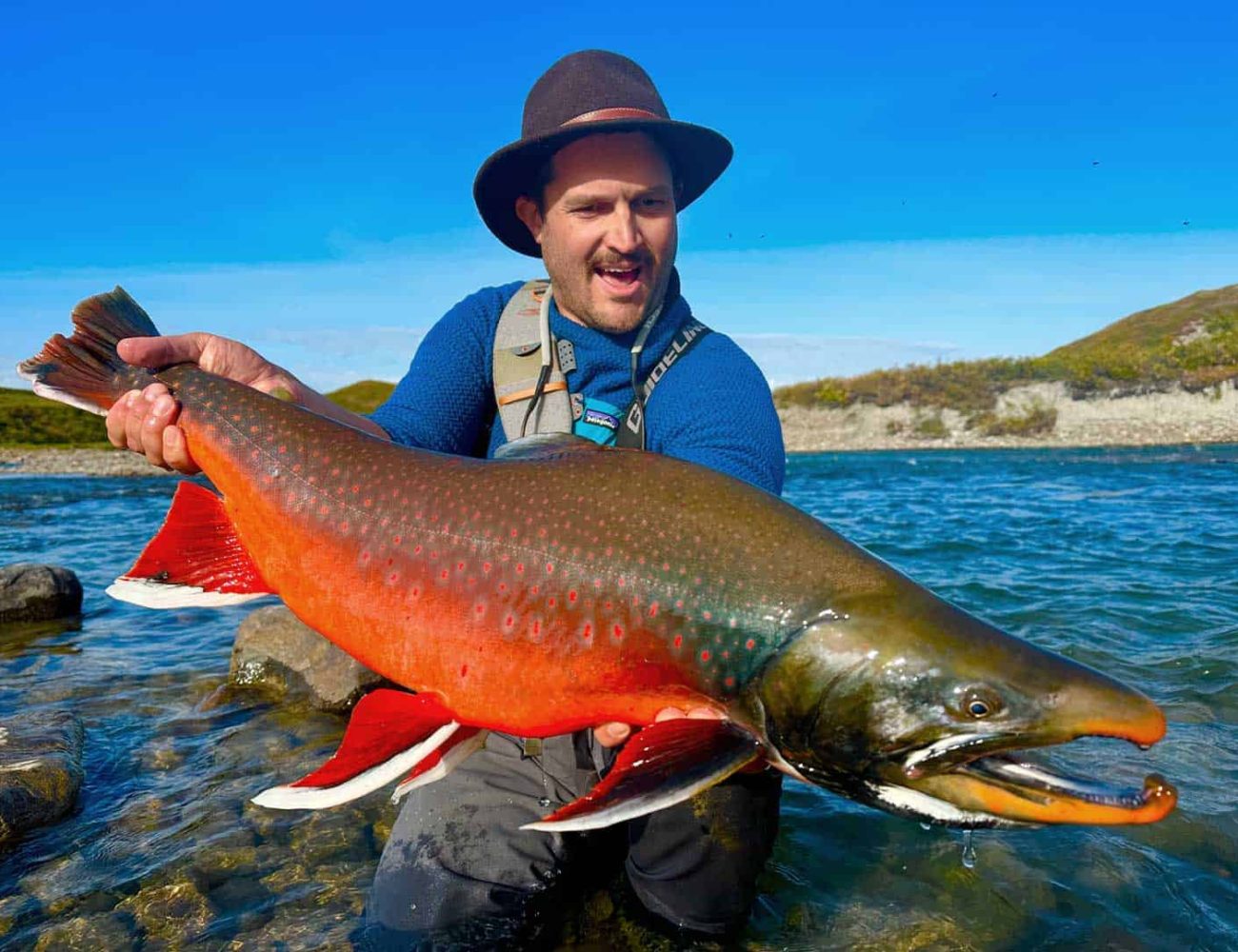
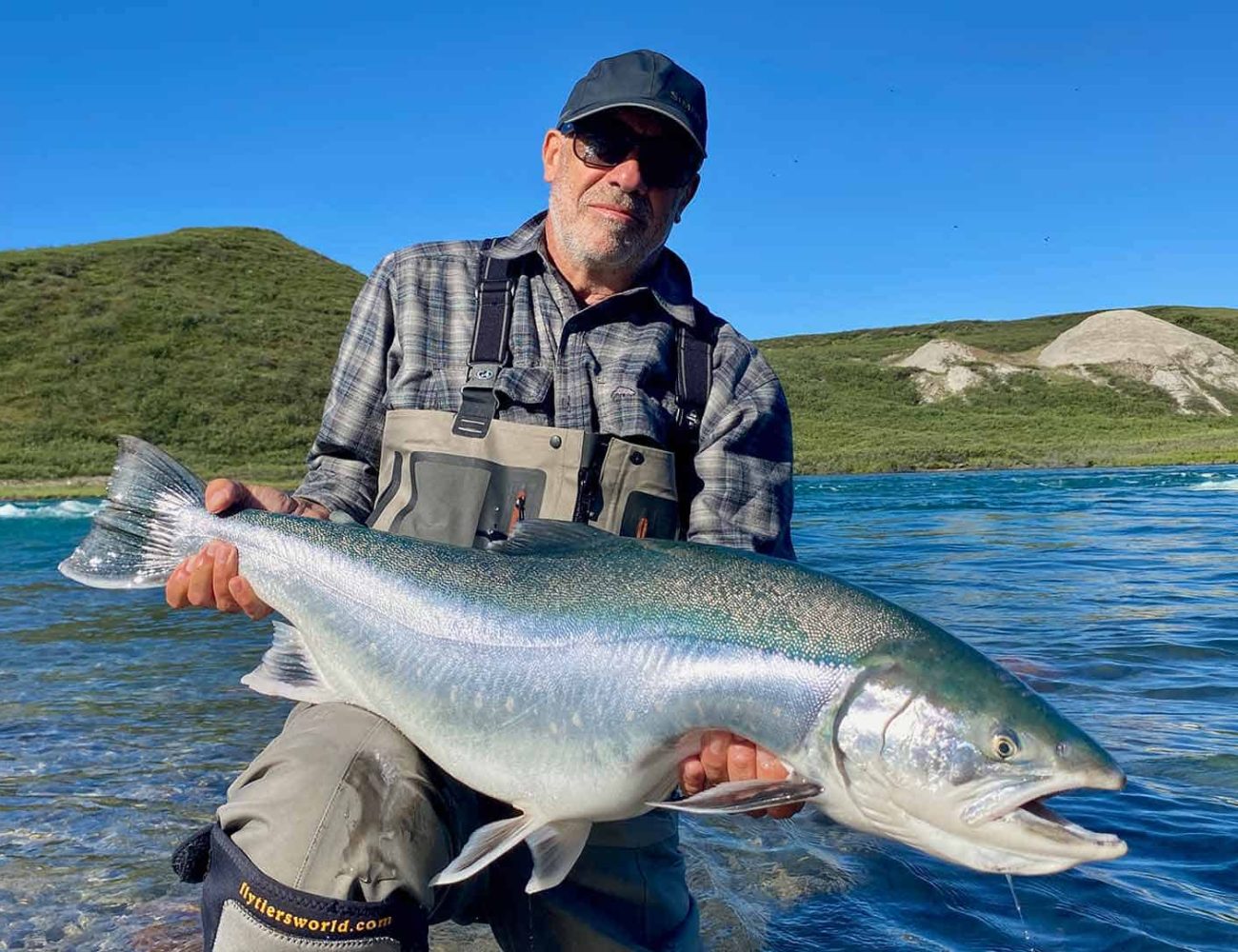
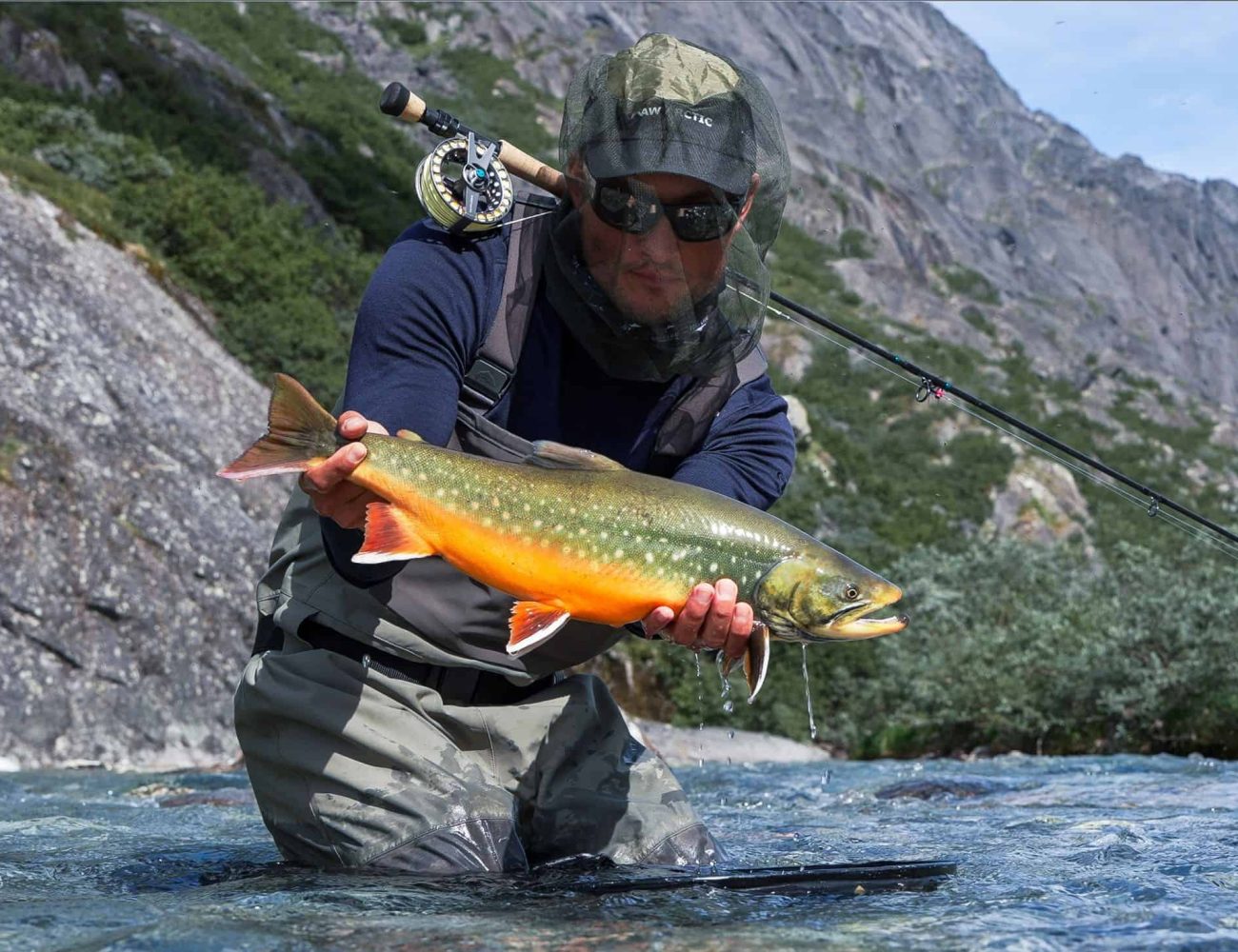
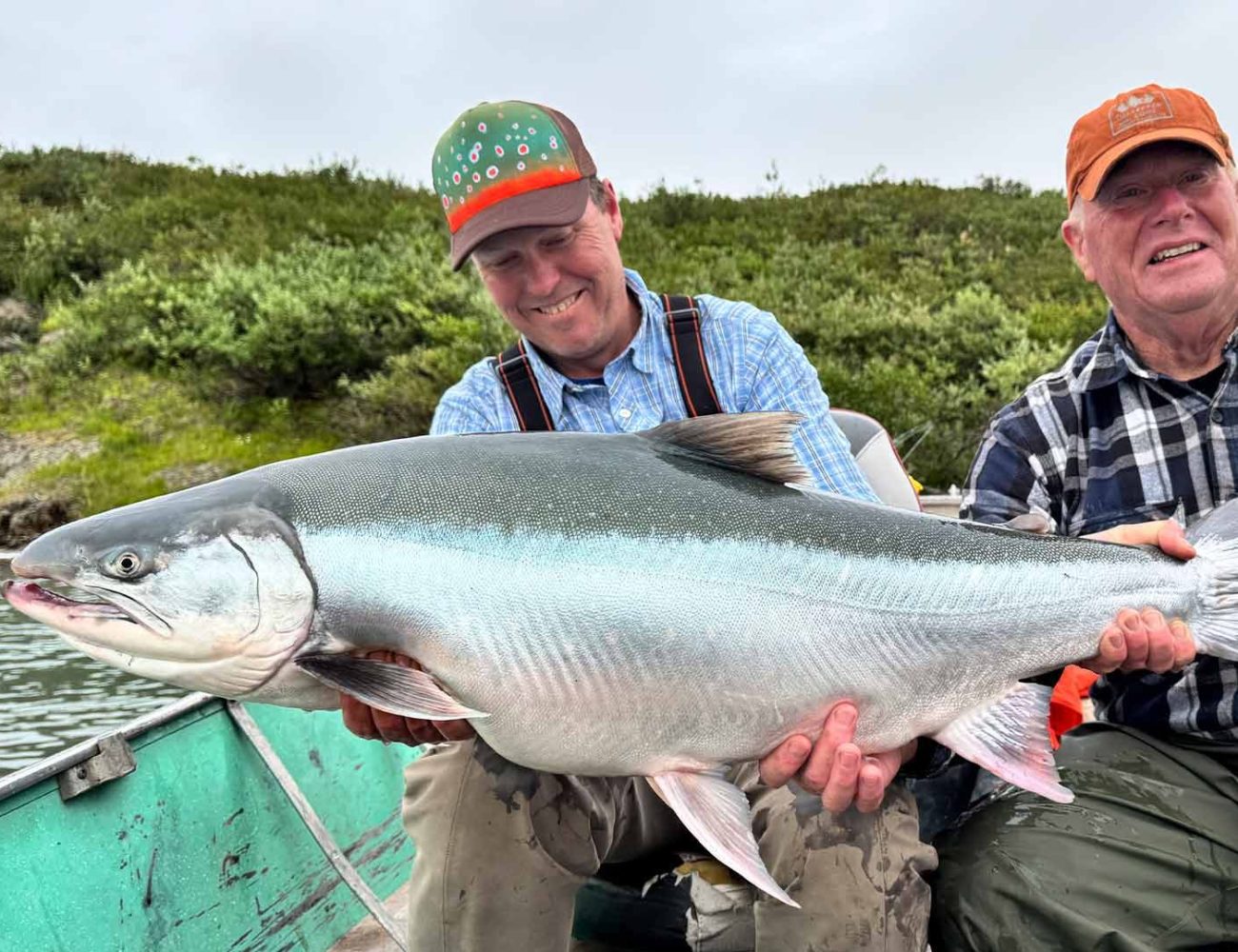
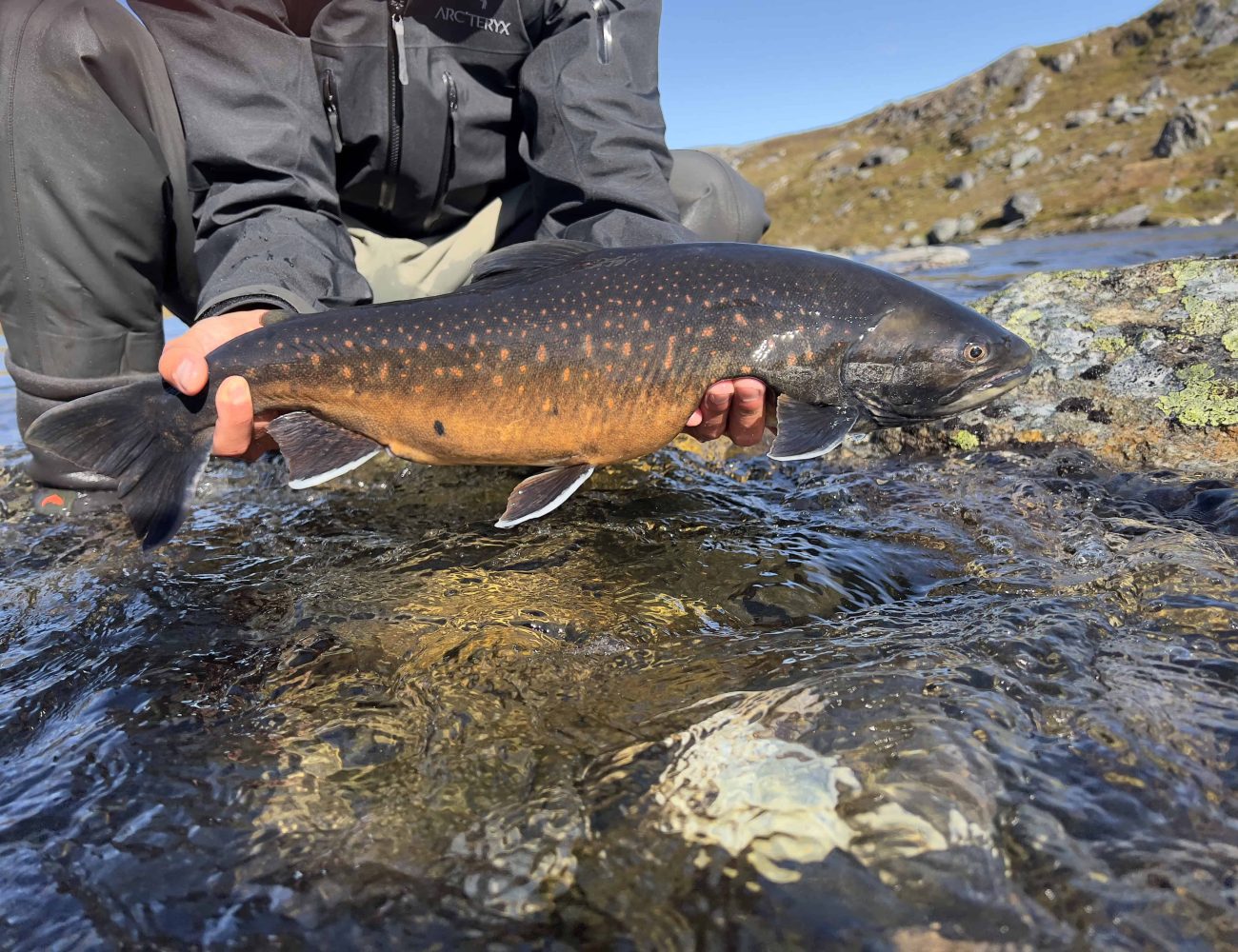
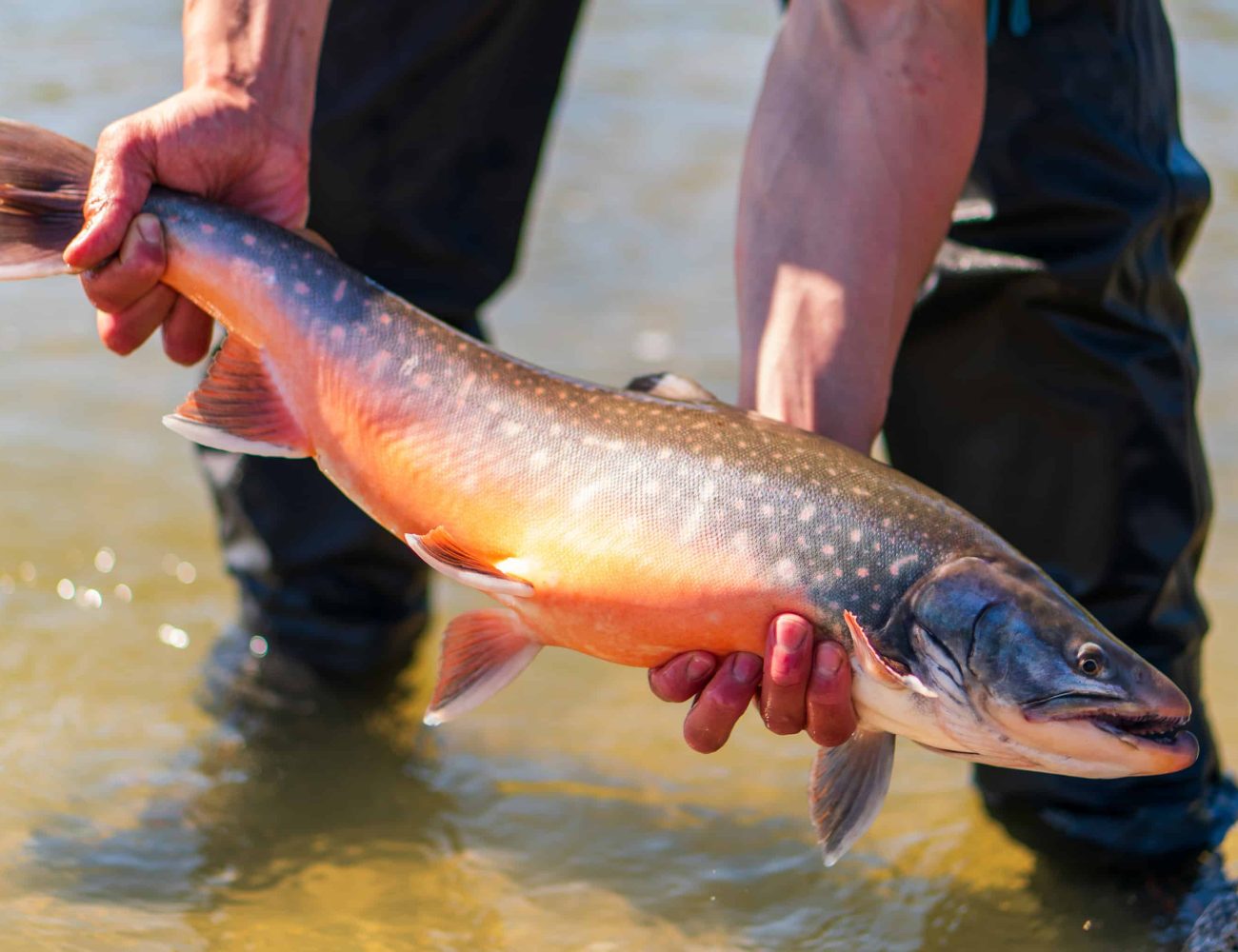
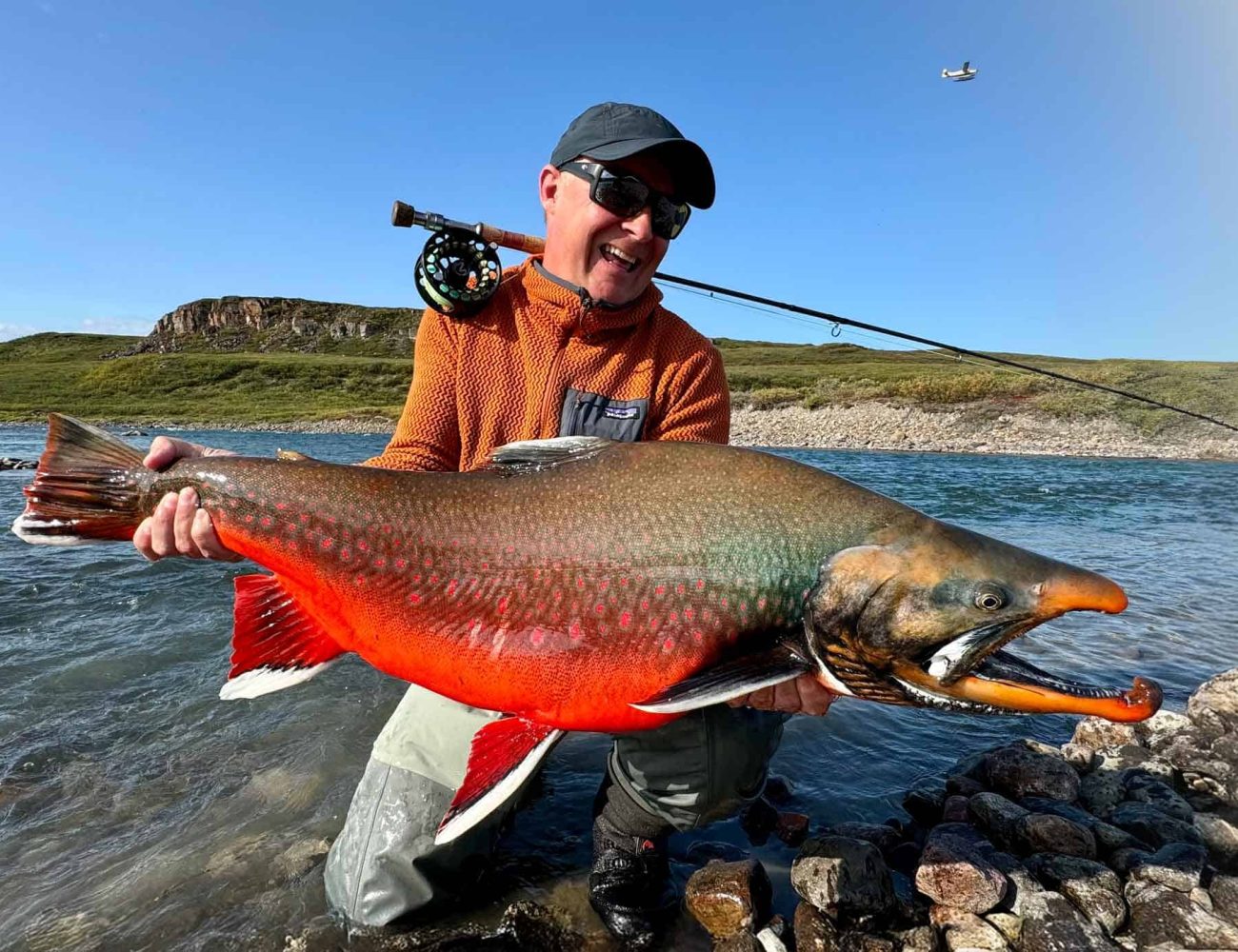
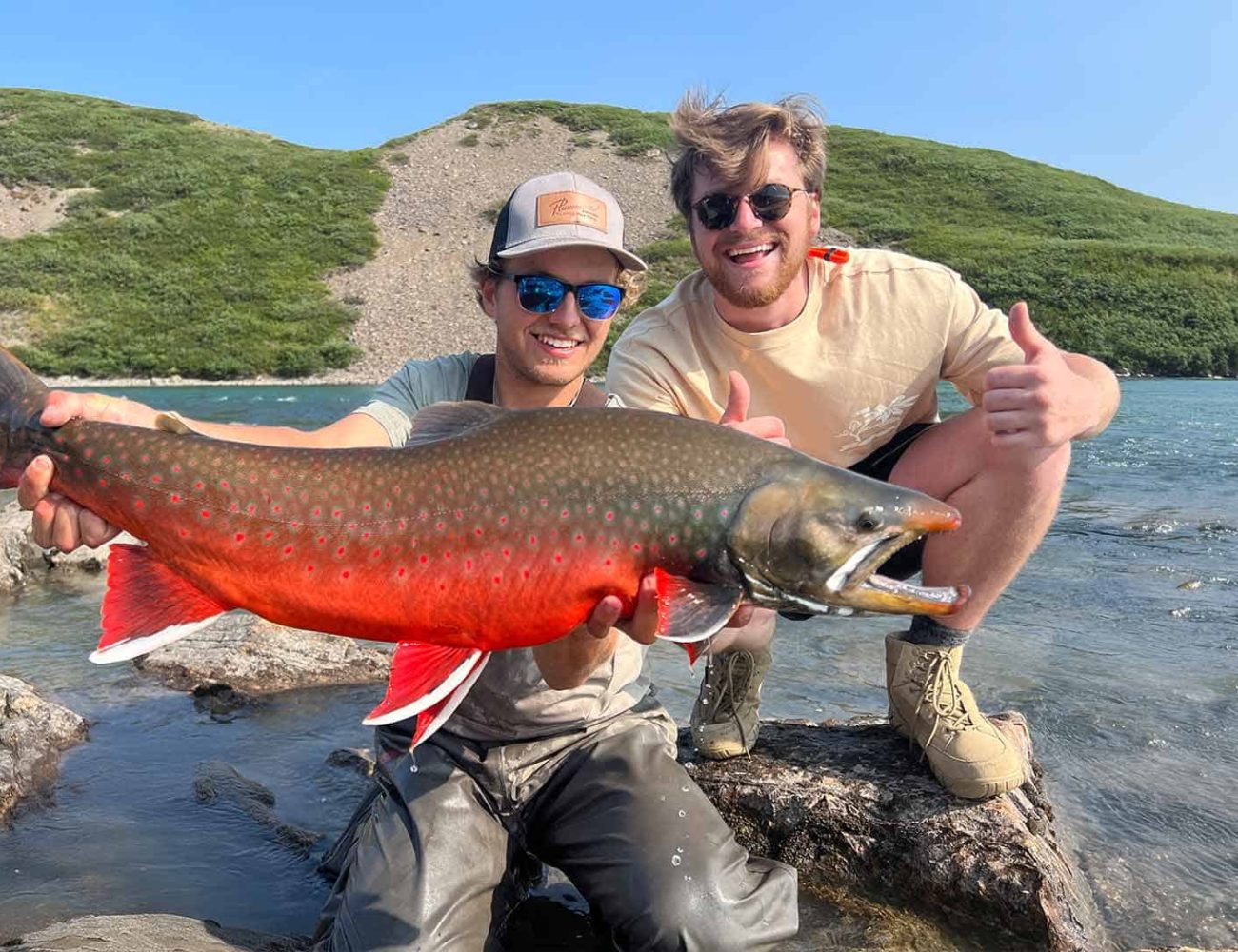
The transformation of sea-run Arctic char is one of the species’ defining features. Early fish entering from the sea may be bright silver with a pale belly. As the season develops, mature fish take on increasingly strong colours, with some males becoming deep red beneath an olive-green or charcoal back. The timing creates two quite different experiences. Early-season anglers may encounter powerful chrome fish fresh from saltwater. Later trips often produce the most striking photographs, when fully coloured char are holding throughout the river.
Timing-wise, it’s all about that short Arctic window. In Greenland, July into September is prime time. In Canada’s north, it’s usually July and August. Early in the season, you get more chrome-bright fish. Later on, those vivid spawning colours start showing up. And if you’re after the trophy char, Canada’s Tree River and Nunavut region is legendary, with the long-standing world record char weighing over 32 pounds. Nowhere on earth do arctic char grow larger.
Fishing techniques aside, Arctic char are just an incredible species to encounter. A bright silver fish fresh from the ocean or a fully coloured male with a blazing red belly, either way, it’s a species that leaves an impression, especially in the wild northern landscapes they take you.