
Baja Roosterfish Adventure
6 Nights | La Ventana, Mexico


Trip Details
Accommodation
Beach Lodge
Season
April – July
Target Species
Roosterfish
Fishing Style
Fly Fishing & Spinning
Fishing the Roosterfish Capital of the World
Trip Overview ➜
- Baja California Sur’s East Cape is where desert mountains meet the Sea of Cortez, creating a dramatic coastline of open beaches, rocky points, deep water and concentrated bait. Based in La Ventana, this trip places anglers within reach of some of Baja’s most productive inshore and offshore fishing grounds, including the Bay of Dreams and the waters surrounding Cerralvo Island.
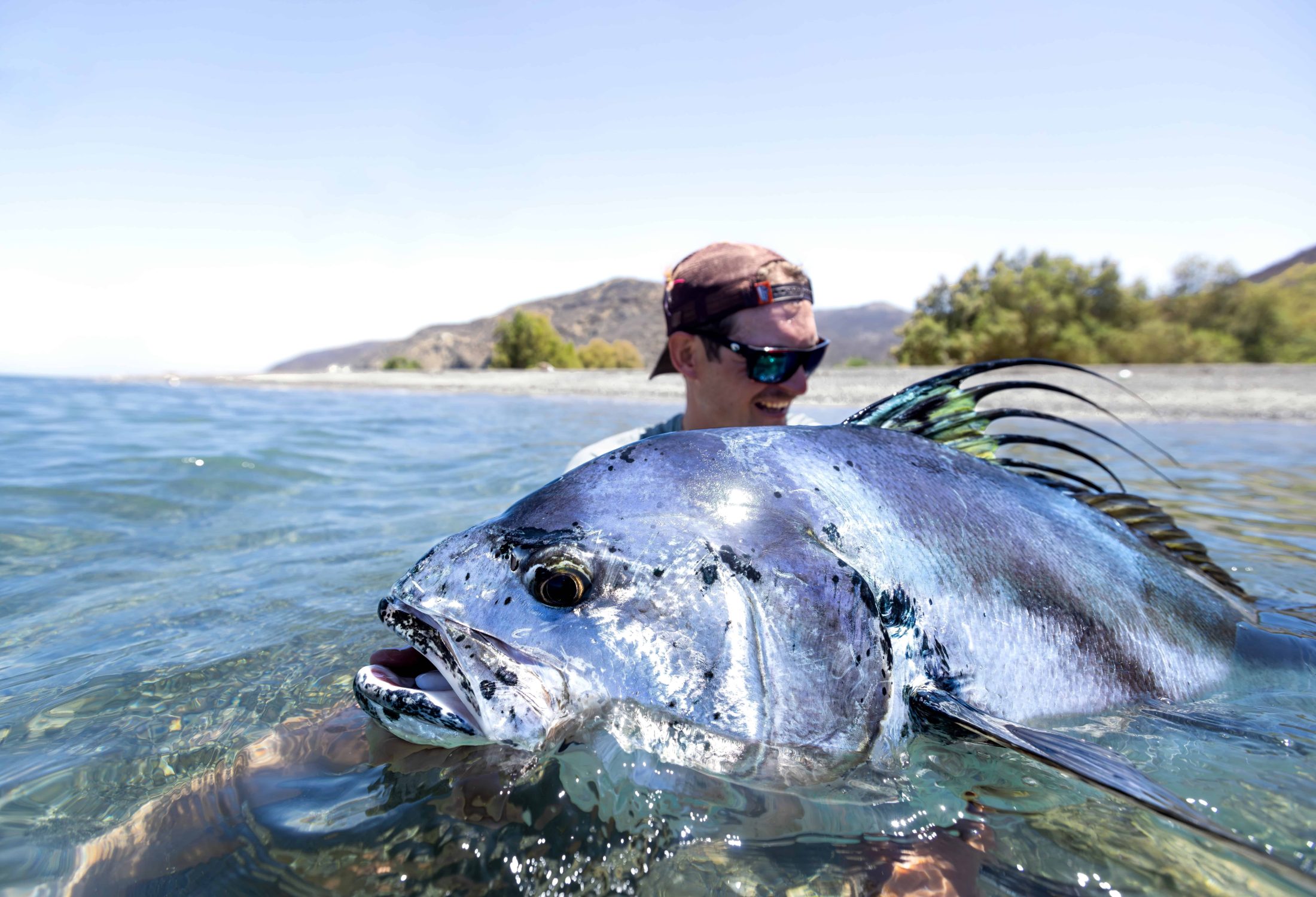
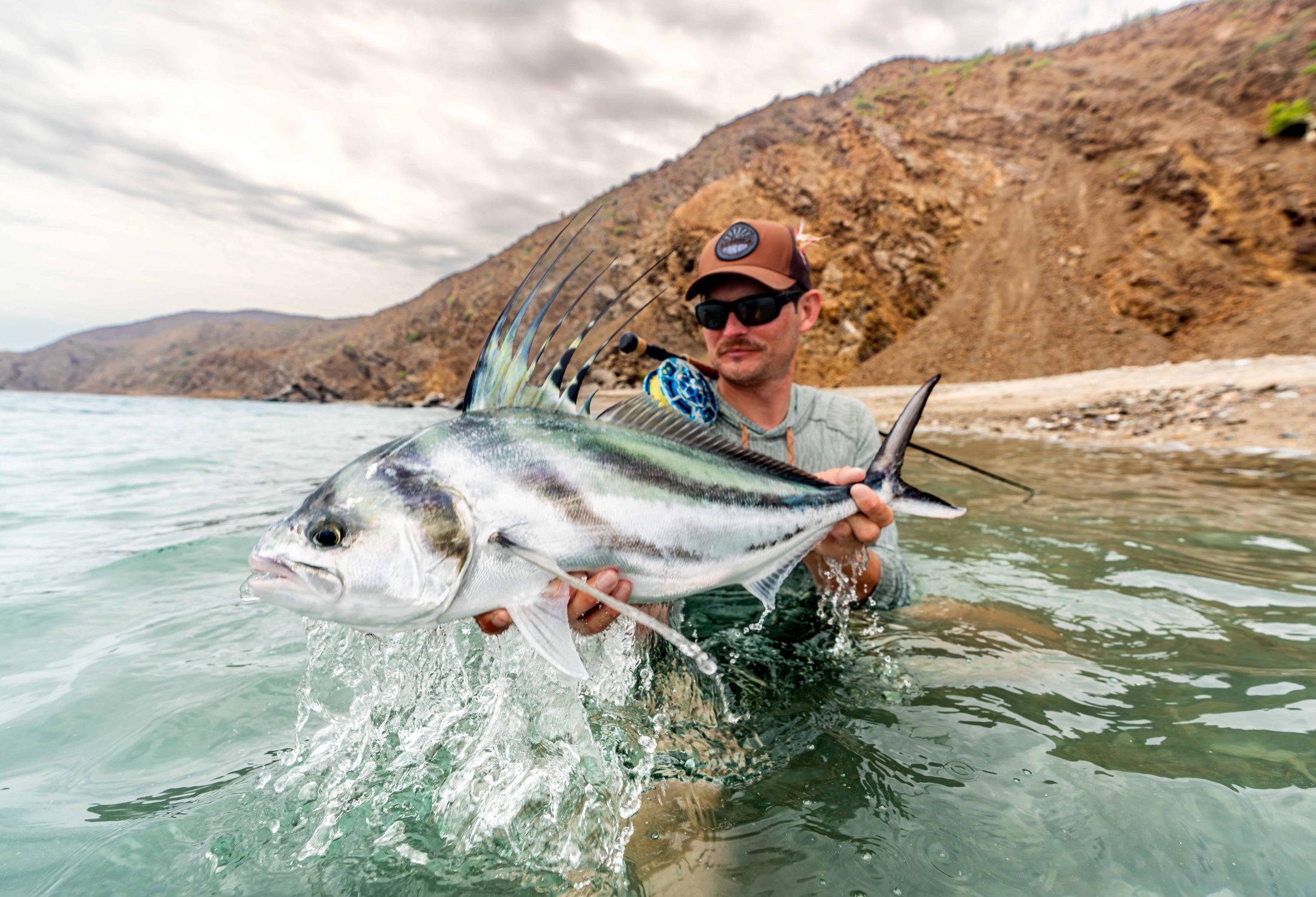
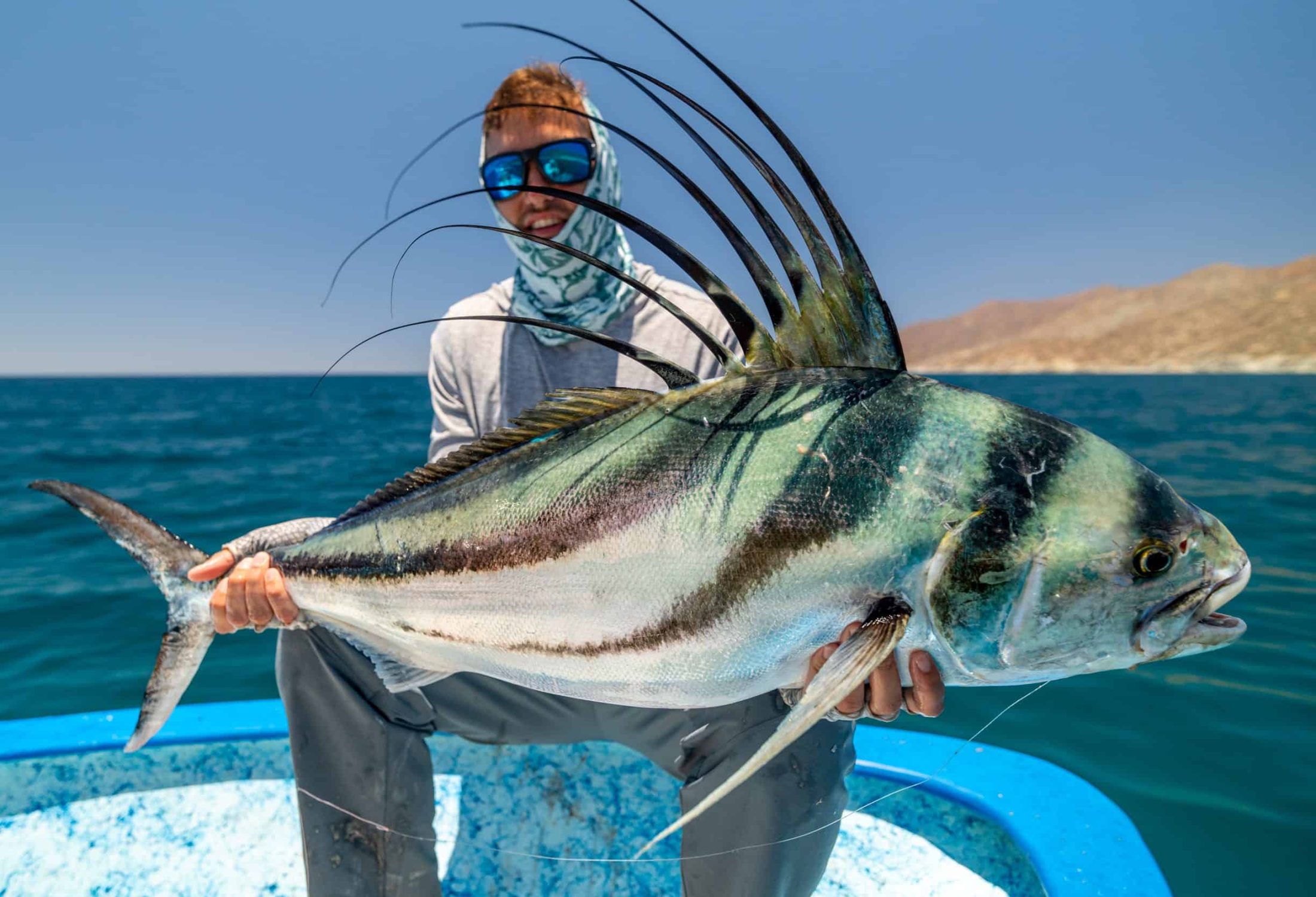
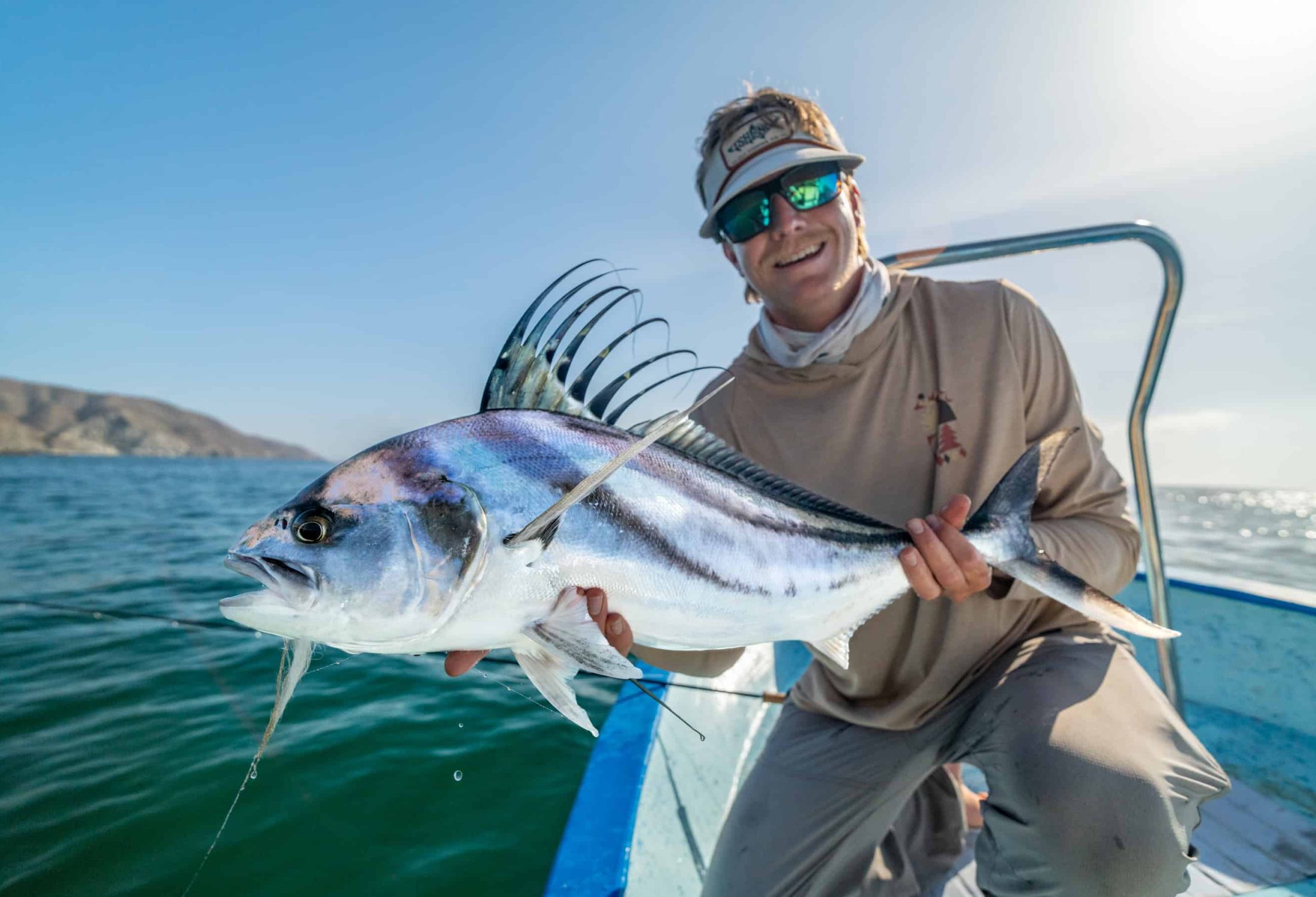
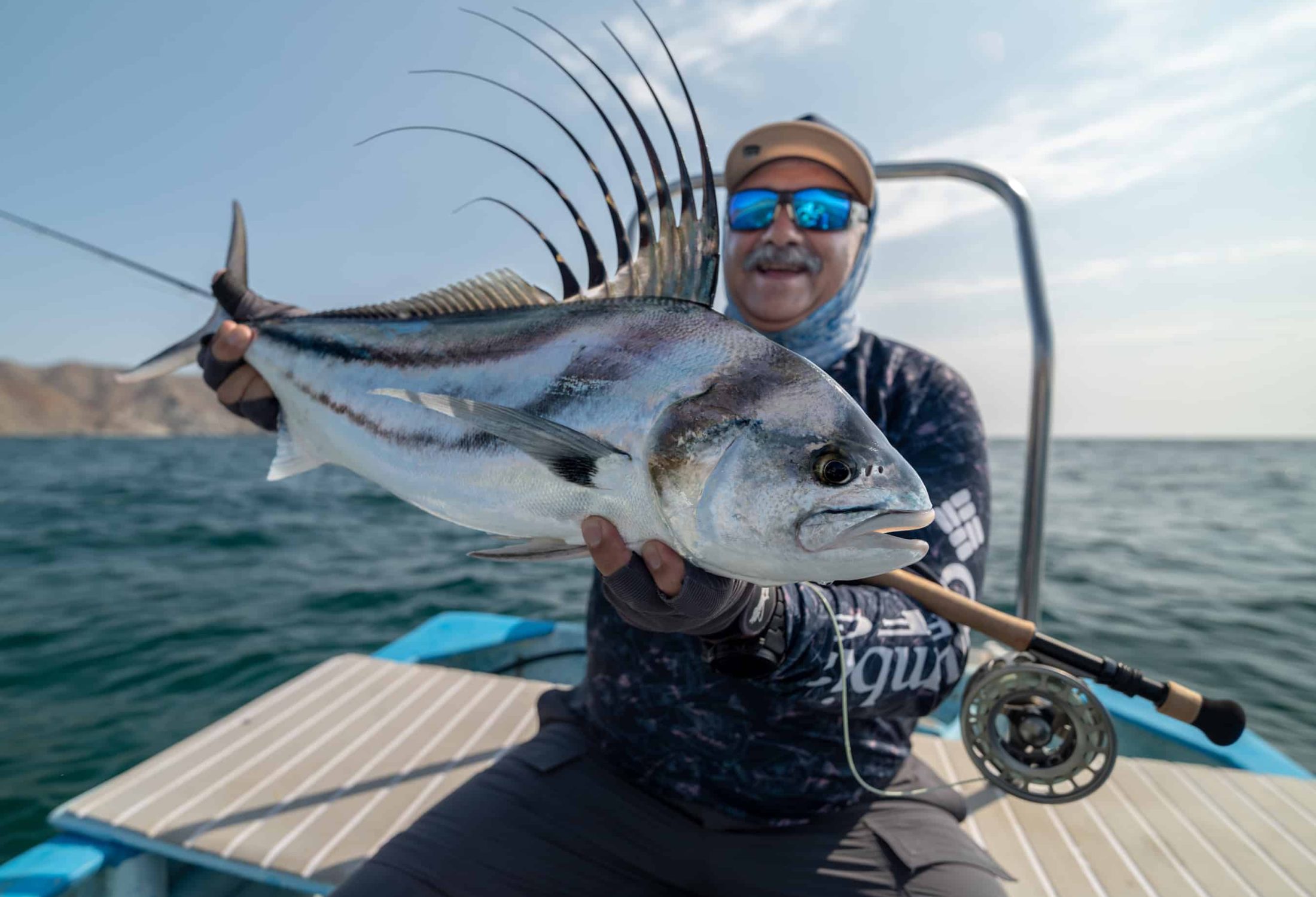
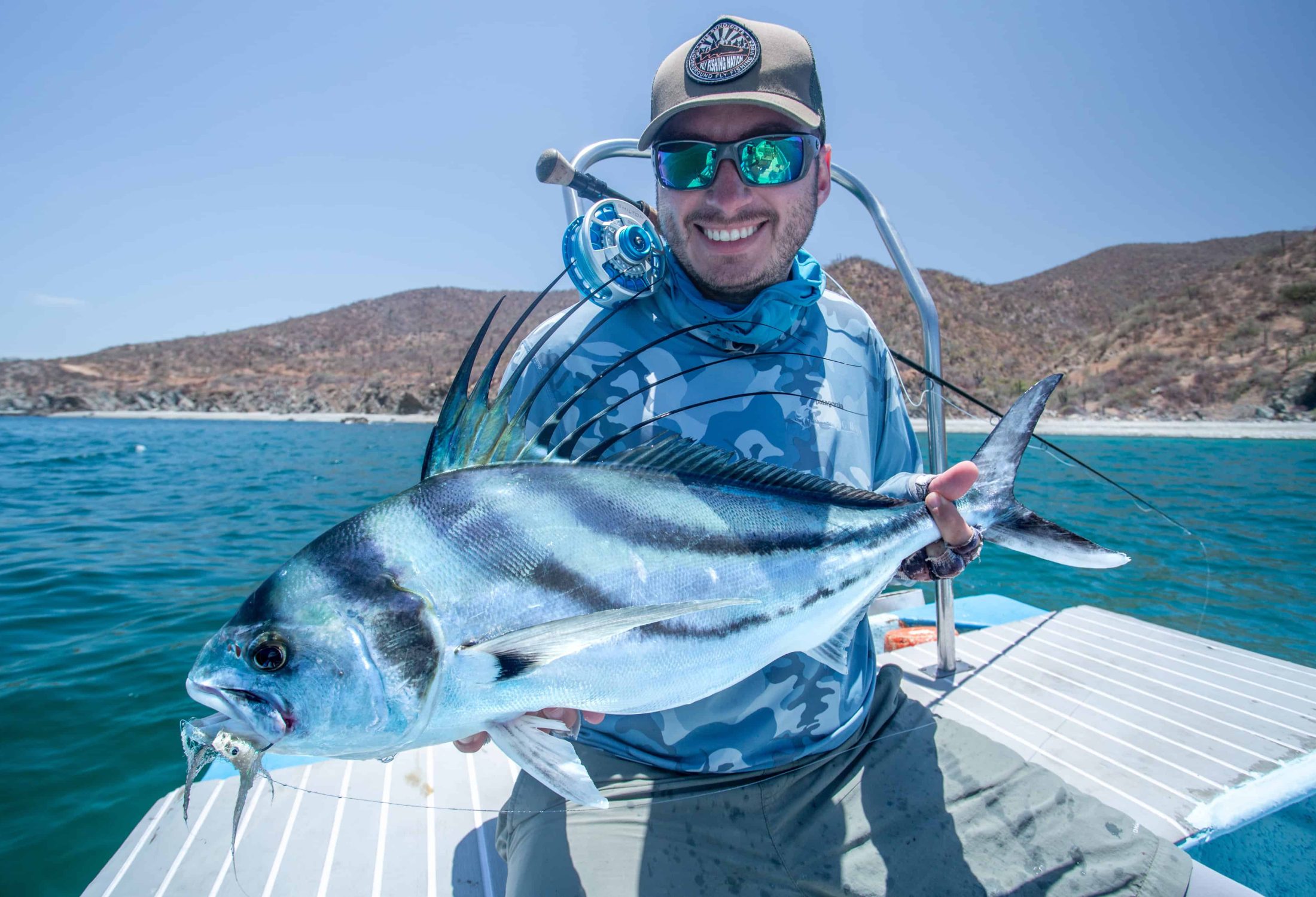
- Roosterfish are the central focus. From the beach, anglers search for dorsal fins, nervous bait and fish moving through the surf before racing into position for a brief casting opportunity. From open pangas, the guides can cover more coastline, locate feeding fish and use flies, lures, live bait or teasers to bring roosterfish within range.
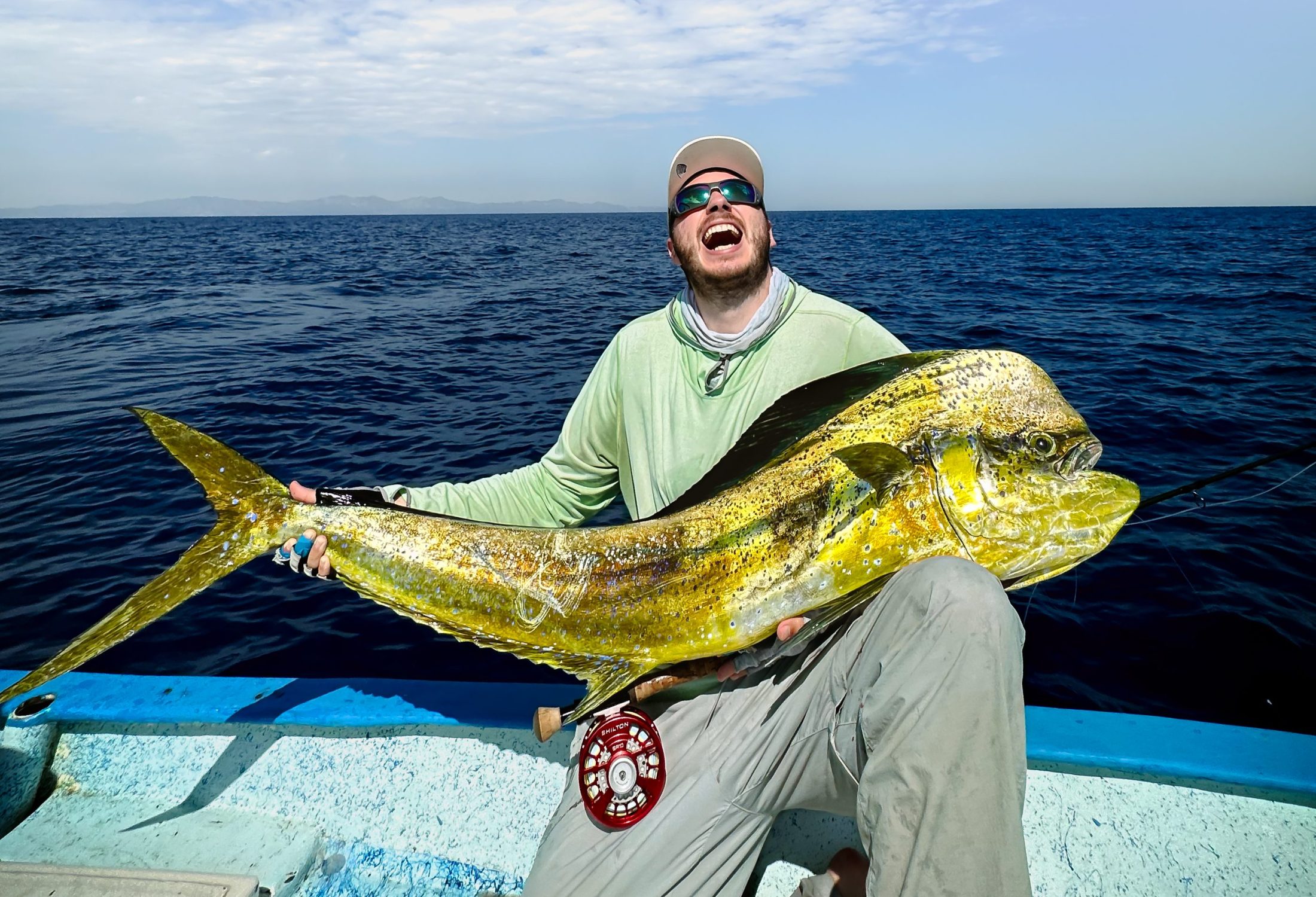
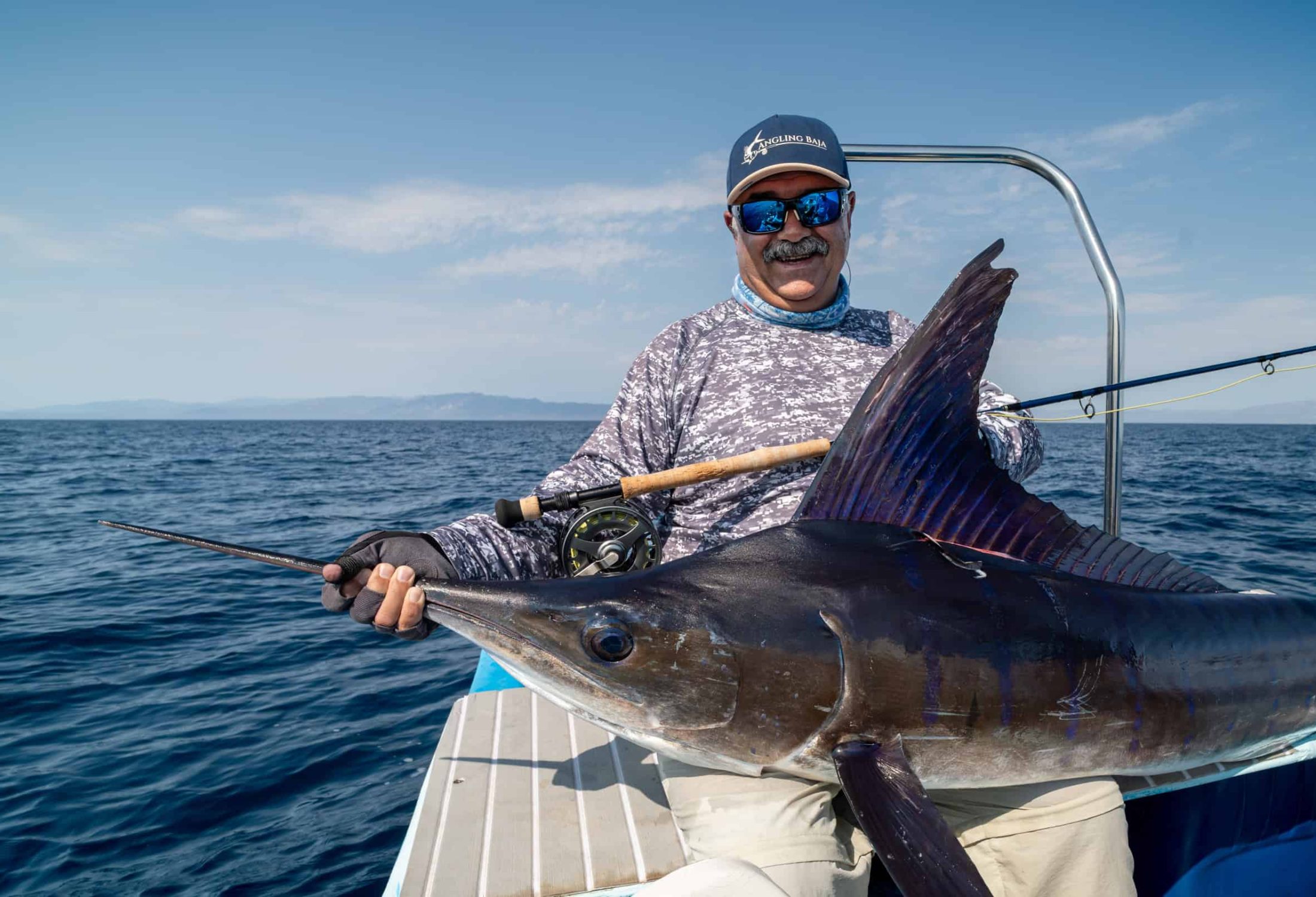
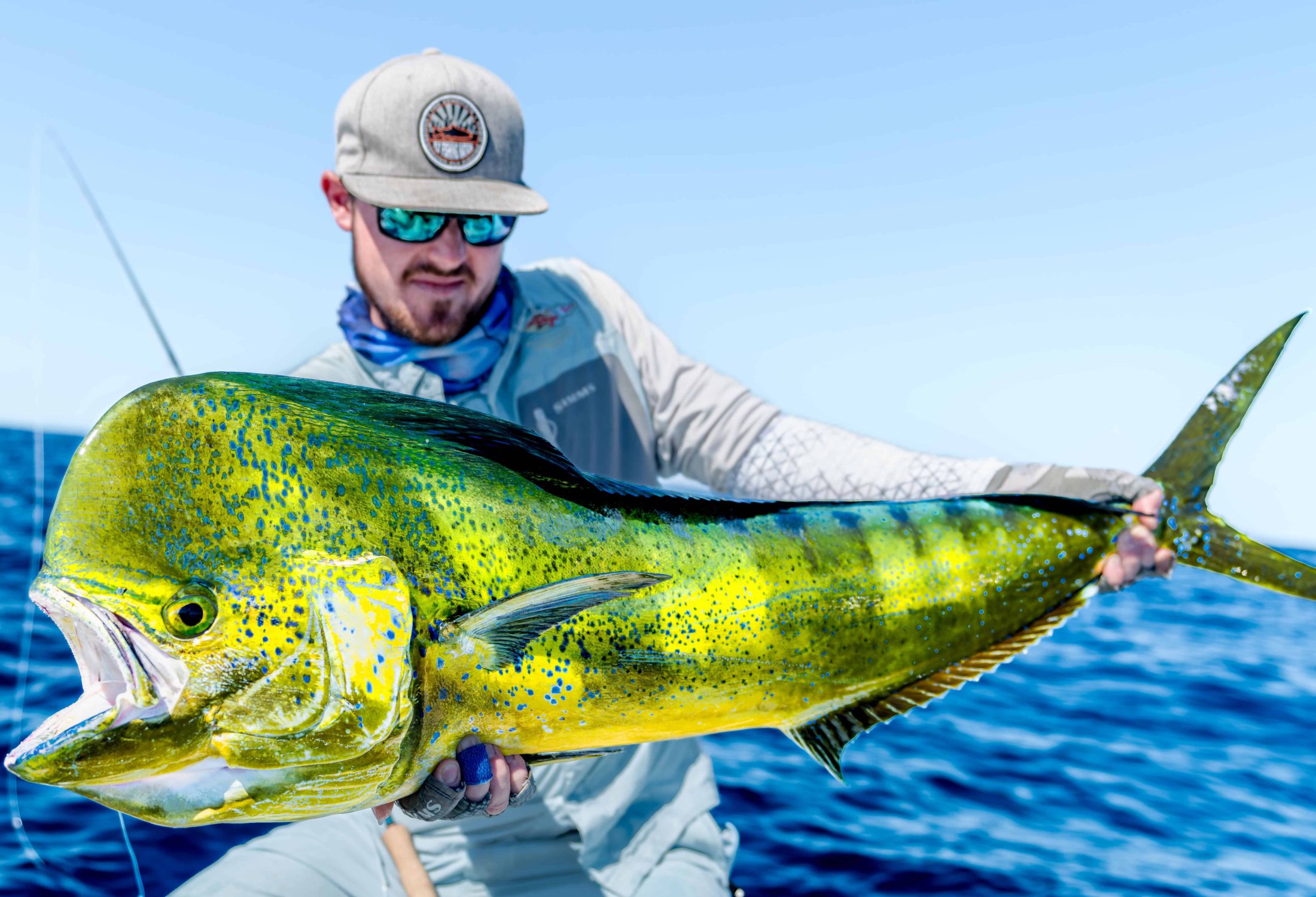
- The East Cape also offers exceptional variety. Jack crevalle, pompano, ladyfish, needlefish and snapper may be encountered close to shore, while dorado, yellowfin tuna, wahoo, sailfish and striped marlin can appear farther offshore when seasonal conditions align.
- After fishing, anglers return to a beachfront lodge overlooking the Sea of Cortez and Cerralvo Island. The setting is relaxed and comfortable, with space to prepare tackle, review the day and recover before the next session.
7-Day Adventure
$5,900 per angler
- Round-trip airport transfers
- Six nights accommodation at beach lodge
- Breakfast, lunch, and dinner included
- Five days guided inshore & offshore fishing
- Mexican fishing licenses
- Live-bait & Chum
Roosterfish Fishing in Baja, Mexico
The East Cape of Baja California Sur is a highly varied saltwater fishery. Baitfish gather along its beaches, bays and coastal structure, while deeper water allows the guides to switch between inshore and offshore fishing when conditions permit. The main fishing period for this trip runs from April to July, with May and June generally offering the strongest opportunities for anglers focused on large roosterfish. Timing can vary from year to year because fish movements are influenced by water temperature, currents, weather and the location of bait. Each fishing day is planned using recent reports and the conditions that morning. Anglers may fish from the beach, board a panga directly in front of the hotel or travel by road to another launch point. The aim is to remain flexible rather than follow the same fixed program every day.
Beach Fishing for Roosterfish
Catching a large roosterfish from the beach is one of the hardest achievements in saltwater fishing. It is physically demanding, technically difficult and never guaranteed. Anglers walk the shoreline with the guide while scanning for cruising fish, feeding activity, nervous bait or the distinctive dorsal fin of a roosterfish moving through shallow water. Fish are often seen only briefly and may remain outside normal casting range. When an opportunity develops, the angler may need to run along soft sand, move into the surf and make an accurate cast within seconds. The guide may cast a hookless teaser beyond the fish and retrieve it toward the beach to encourage the roosterfish into range. The angler must then manage loose line around waves and moving water, present the fly or lure without lining the fish and begin the retrieve immediately. Large roosterfish can accelerate quickly, change direction without warning or refuse a presentation at the last moment. Even experienced anglers can fish for several days without receiving a clear shot. Successful beach fishing requires stamina, mobility, determination, fast reactions, accurate casting and realistic expectations.
Panga Fishing
Pangas allow the guides to cover more coastline, search for baitfish and follow moving roosterfish that cannot be reached from the beach. They also provide access to deeper inshore water, Cerralvo Island and seasonal offshore fishing grounds. Roosterfish can be targeted with flies, poppers, stickbaits, live bait and other artificial lures. Hookless teasers or live bait may be used to attract fish toward the boat and create a casting opportunity. Panga fishing generally provides more opportunities than fishing exclusively from the beach because the guides can search a wider area and reposition the boat as fish move. It remains active, technical fishing, and no catch or number of opportunities can be guaranteed. When offshore conditions are suitable, the boats may also search for dorado, yellowfin tuna, wahoo, sailfish or striped marlin. The decision to fish offshore will depend on recent reports, sea conditions, travel time and the preferences of the anglers.
Other Target Species
Roosterfish are the main objective, but the East Cape supports a wide variety of inshore and offshore game fish. Inshore species may include jack crevalle, pompano, ladyfish, giant needlefish, sierra mackerel and snapper. Seasonal offshore opportunities may include dorado, yellowfin tuna, wahoo, sailfish and striped marlin.
Beachfront Accommodation in La Ventana
The trip is based at a beachfront lodge in La Ventana overlooking the Sea of Cortez and Cerralvo Island. Its location provides convenient access to the fishing grounds while giving anglers a comfortable place to prepare equipment and recover after each day. Depending on the fishing plan, anglers may board the pangas from the nearby beach or travel by shuttle to another launch point along the East Cape.
The lodge has a swimming pool, hot tub, outdoor relaxation areas, hammocks, a fire-pit lounge, television and sports area, restaurant and beach bar. Complimentary kayaks and stand-up paddleboards are also available for guests to use when conditions are suitable.
Food and Drinks
Breakfast and dinner are served at the lodge. On fishing days, each angler receives a packed lunch and a cooler for the boat. The package includes breakfast, packed fishing lunches, dinner, bottled water, soft drinks and beer while fishing. Alcohol purchased from the hotel or beach bar is not included. Breakfast is normally served before departure, although timings may change when the guides need to collect bait, launch from another location or adjust the fishing plan.
After Fishing
Most fishing days finish in the early afternoon, leaving time to rest, prepare tackle or use the lodge facilities. Anglers may also use the complimentary kayaks and paddleboards when local conditions permit. Optional activities may include snorkeling, wildlife excursions, hiking, mountain biking, golf or visiting La Paz. These activities are not included unless specifically stated in the confirmed booking. Marine-wildlife encounters are seasonal and cannot be guaranteed. Non-anglers should request current activity options and prices before travel.
Where Is the Trip Located?
The trip is based in La Ventana on the East Cape of Baja California Sur, Mexico. La Ventana overlooks the Sea of Cortez and provides access to beaches, bays, inshore structure and deeper water around Cerralvo Island. Guided fishing may take place along the East Cape coastline, around the Bay of Dreams and in the waters surrounding Cerralvo Island. The exact fishing location is selected each day according to wind, sea conditions, bait activity and recent fish movements. Some days may begin directly from the beach, while others may involve a road transfer to a different fishing area or launch point. This flexibility allows the guides to respond to changing conditions rather than committing the group to one location.
How to Get There
Anglers normally arrive through Los Cabos International Airport, SJD, or La Paz International Airport, LAP. Los Cabos International Airport generally provides the widest selection of international routes and is used by most visiting anglers. La Paz International Airport is geographically closer to La Ventana but usually offers fewer international flight options. Round-trip road transfers from either airport to the lodge are included in the package. The most suitable airport will depend on your departure city, flight schedule, group arrangements and transfer availability.
Arrival Procedure
After collecting your luggage, meet the arranged driver at the confirmed meeting point. The driver will transfer the group directly to the lodge in La Ventana. Detailed arrival instructions, emergency contact information and driver details will be supplied with the final travel documents before departure.
Itinerary:
6 Nights / 5 Days Fishing
Day 1:
Arrive to San Jose del Cabo (SJD) or La Paz (LP) airport. Transfer to the hotel.
Day 2 – 6:
Five days guided fishing in the Bay of Dreams and surrounding areas. Anglers have the option of fishing from the beach or from the pangas and will fish local waters up and down the East Cape and around Cerralvo Island.
Fishing Day:
05:00: Complete Breakfast, including Coffee, tea, toasts, jam/peanut butter, eggs, fruits and yogurt served at the hotel before departure.
05:30: Either the shuttle picks you up from the hotel and takes you to the fishing location, or our captains will pick you up from the beach between 5:30 and 7:00AM (if we take this approach, breakfast might be served later), depending on
whether they were able to get the chum first and how we plan the fishing day based on the previous day’s reports.
06:00: The shuttle arrives at the fishing location. You board a panga, and depart. The bait is picked up and the fishing adventure begins. Have your lunchbox on the panga whenever you prefer.
13:30: The Shuttle or captains will take you back to the hotel.
14:00: Arrive at the hotel. Relax at the pool or on the beach with a drink.
Day 7:
Transfer back to the airport. Depart Mexico to your home country.
Rates Per Angler:
6 Nights / 5 Days of Fishing = $5,900.00 per person
What’s Included:
- Six nights hotel accommodation in La Ventana.
- Seven days guided inshore and offshore fishing, two anglers per boat.
- Packed lunch, soft drinks, beer and bottled water while out fishing.
- Complete breakfast and dinner at the hotel.
- Airport transportation.
- Fishing licenses.
- Live bait and chum.
What’s Not Included:
- International flights to and from Baja.
- Tips for guides & staff.
- Alcohol at the hotel.
- Fly fishing & spinning equipment (rental equipment available).
When is the best time to fish for roosterfish in Baja?
The main season for this trip runs from April to July, with May and June generally offering the strongest opportunities for anglers focused on large roosterfish. Fish movements are influenced by water temperature, currents, baitfish concentrations and weather, so the timing and quality of the fishing can vary between seasons. The guides assess recent reports and daily conditions before deciding where and how to fish.
Can I catch roosterfish from the beach?
Yes, but catching a large roosterfish from the beach is not always easy and, for many anglers, the holy grail of roosterfish fishing. Anglers may walk long distances on soft sand while searching for cruising fish, nervous bait or feeding activity. When a fish appears, you may need to sprint into position, manage loose line in the surf and make an accurate cast within seconds. Large roosterfish are fast, unpredictable and often remain outside casting range, so even experienced anglers can fish hard for several days without receiving a clear opportunity. Success requires fitness, determination, strong casting skills and realistic expectations.
Will we fish from pangas as well as from the beach?
Yes. The trip combines beach fishing with guided fishing from open pangas, normally with two anglers per boat. Pangas allow the guides to cover more coastline, locate baitfish and follow moving roosterfish. They also provide access to deeper inshore water and fishing areas that cannot be reached from the beach. Depending on conditions, anglers may use flies, poppers, artificial lures, live bait or hookless teasers. Boats may also travel offshore when dorado, tuna, marlin or other seasonal species are present.
Can I use spinning tackle instead of fly-fishing equipment?
Yes. This trip is suitable for both fly anglers and anglers using spinning tackle. Spinning equipment is highly effective for roosterfish and allows anglers to cast farther, work poppers and stickbaits, and make presentations in strong wind or surf. Fly anglers may use large baitfish patterns, surface flies and other saltwater imitations. From the panga, live bait or hookless teasers may be used to bring fish within casting range. The guides will recommend the most suitable method based on fish location, bait activity, weather conditions and angler experience.
Is this trip suitable for beginner fly anglers?
Beginner fly anglers can join the trip, but roosterfish are an exceptionally demanding target and this is not an easy introduction to saltwater fly fishing. Fish can appear without warning and may remain within casting range for only a few seconds. Anglers must control heavy saltwater lines, manage loose line and make fast, accurate presentations in wind and surf. Before travelling, anglers should practise double-haul casting, shooting line quickly, casting into the wind and delivering large flies accurately. Those who are not confident with heavier fly equipment can use spinning tackle or divide their fishing time between both methods.
How physically demanding is the fishing?
Beach fishing for roosterfish is extremely physically demanding. Anglers may spend several hours walking on soft sand in hot conditions while carrying rods, water and essential tackle. When a fish is spotted, it may be necessary to run along the beach, move through shallow water or repeatedly reposition to obtain the correct casting angle. Good stamina, balance, mobility and heat tolerance are important. Panga fishing is less demanding than beach fishing, but it still involves several hours on a small open boat with exposure to sun, spray and continuous boat movement. Anyone with mobility, balance, joint, heart or other medical concerns should discuss their circumstances before booking.
What other species can we catch in Baja?
Roosterfish are the primary target, but the East Cape supports a wide range of inshore and offshore game fish. Inshore species may include jack crevalle, pompano, ladyfish, needlefish, snapper and sierra mackerel. Seasonal offshore opportunities may include dorado, yellowfin tuna, wahoo, sailfish and striped marlin. Whether these species are targeted depends on current fishing reports, water conditions, travel time and the priorities of the anglers. Species availability is controlled by water temperature, currents, bait movements and seasonal migration.
What fishing tackle should I bring?
Fly-fishing and spinning equipment are not included in the standard package, although rental equipment may be available when arranged in advance. Fly anglers will generally require saltwater rods capable of casting large baitfish patterns and controlling powerful fish, commonly in the 9 to 12-weight range, with reliable reels, substantial backing and warm-water fly lines. Spinning anglers should bring medium-heavy saltwater equipment with strong reels, quality braided line and sufficient drag capacity. Leader strength, flies, lures and terminal tackle will depend on the target species and current conditions. A detailed destination-specific tackle list will be provided before departure.
Which airport should I fly into?
Most international anglers fly into Los Cabos International Airport, SJD, because it generally offers the widest selection of international routes. La Paz International Airport, LAP, may provide a shorter road transfer when suitable flights are available. The best option depends on your departure airport, connection times, arrival schedule and the transfer arrangements for your group. Round-trip airport transfers are included, but flights should not be booked until the recommended airport, arrival time and transfer plan have been confirmed.