
The Best Tarpon Fishing Trips in Costa Rica
Tarpon Fishing in Costa Rica Overview
Costa Rica has long been one of the classic destinations for anglers chasing big tarpon. While the Pacific coast is better known for sailfish, marlin and roosterfish, the Caribbean side offers a completely different style of fishing. Here, tarpon (Megalops atlanticus) move between the open sea, river mouths, freshwater rivers and flooded jungle systems, with fish over 100 pounds not uncommon.
The northern Caribbean coast around Barra del Colorado, Tortuguero and Parismina is the heart of Costa Rica’s traditional tarpon fishing. Anglers target fish in the rivers, around the mouths and offshore along the coast, depending on water levels and sea conditions. Farther inland, tarpon migrate deep into freshwater rivers and flooded lagoons, creating one of the most unusual big-tarpon fisheries anywhere on earth. In the south, around Manzanillo and the Sixaola River near the Panamanian border, the fishing shifts to shallower coastal water with opportunities to target large fish in a more visual setting.
For anglers planning a dedicated tarpon trip to Costa Rica, these are the main fisheries worth knowing.
Rio Colorado and Barra del Colorado
If we had to choose the classic Costa Rican tarpon trip, Barra del Colorado would be near the top of the list.
Located in the far northeast of the country close to Nicaragua, the Rio Colorado drains into the Caribbean through a remote section of lowland rainforest. The river carries a huge volume of freshwater into the sea, creating a productive river-mouth environment used by both resident and migratory tarpon.
This is serious big-fish water. Tarpon ranging from 60 pounds into the 150-pound-plus class move through the system, with fish encountered in the river itself, around the mouth and offshore. Higher water during late summer and fall pushes more tarpon into the freshwater river, where anglers locate rolling fish in the main channel and deeper pools.
The fishing bears little resemblance to casting at tarpon over a clear Caribbean flat. The Colorado can be deep, turbulent and heavily coloured. Fly anglers use heavy sinking lines and 12 to 14-weight tackle when fish are holding deep, switching to intermediate or floating lines when tarpon begin rolling or feeding higher in the water column. Conventional tackle is equally effective and can make a lot of sense when wind, swell or current make fly fishing difficult.
Tortuguero and Rio Parismina
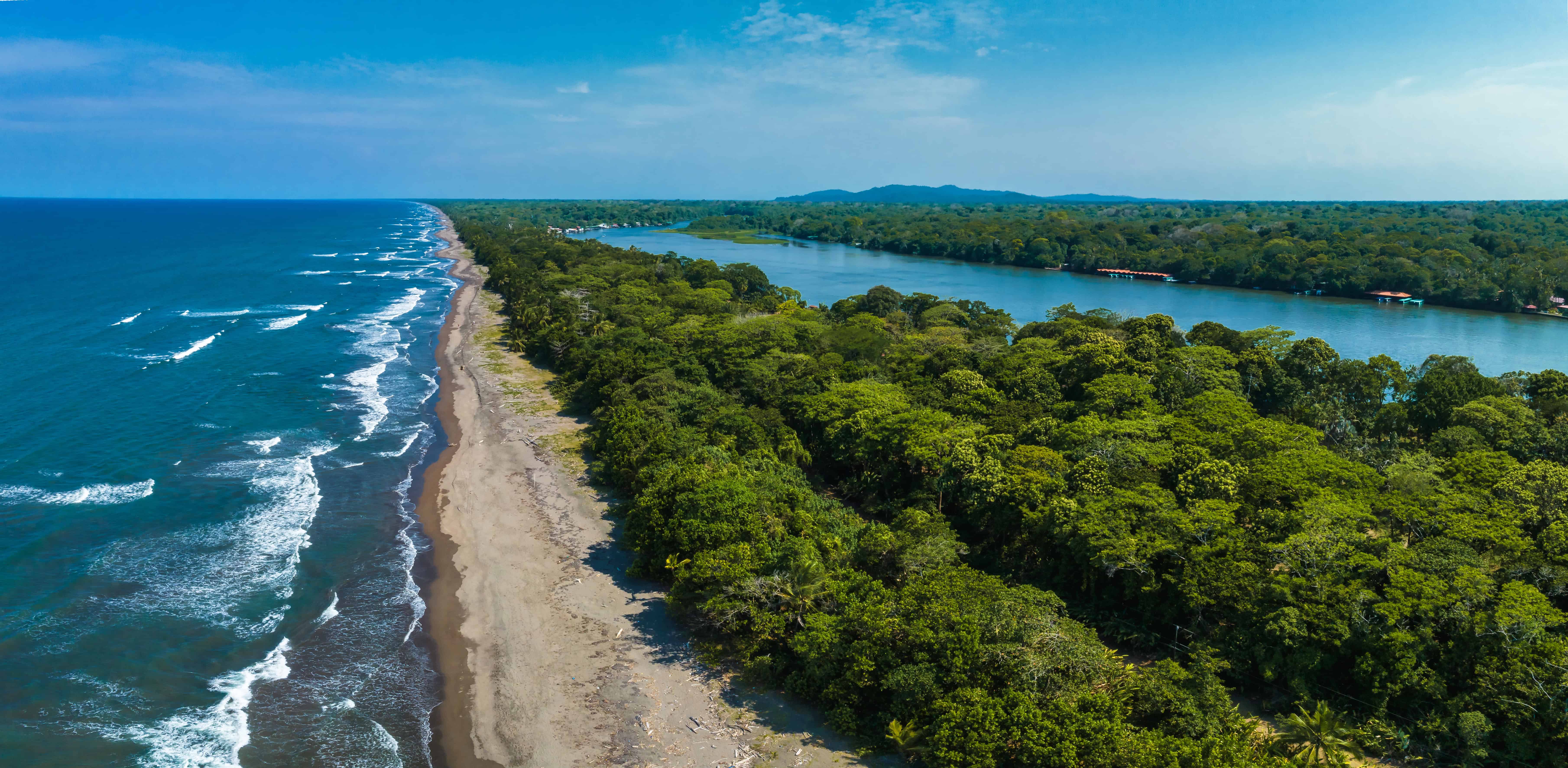
South of Barra del Colorado lies another important section of Costa Rica’s tarpon coast around Tortuguero National Park and the Rio Parismina.
This is classic Caribbean Costa Rica: blackwater rivers, rainforest, lagoons and river mouths opening directly into the sea. Rio Parismina lies adjacent to Tortuguero National Park and gives anglers access to both freshwater and saltwater fishing, with tarpon moving through the coastal zone and concentrating around the river systems.
Large adult tarpon are the main target. Depending on conditions, boats can fish the river mouths, work the coastal water or locate schools offshore. When the sea settles and bait accumulates along the coast, big schools of tarpon can gather offshore in clearer water. At other times fish push closer to the river mouths and into the rivers themselves.
Jungle Tarpon Reserve
The Jungle Tarpon Reserve is a completely different proposition.
Instead of fishing the Caribbean coastline, anglers travel inland into northern Costa Rica to a huge network of freshwater rivers, creeks and seasonally flooded lagoons. Rising water during the wet season floods the surrounding lowlands and allows tarpon to move deep into the interior to feed on abundant baitfish.
The setting feels more Amazon than Caribbean. Pangas move through jungle rivers and flooded lagoons surrounded by rainforest, with howler monkeys, tropical birds and caiman sharing the same environment.
Fishing is also more intimate than the Rio Colorado. Anglers cast at rolling fish along current seams, intercept tarpon hunting bait at creek mouths, work deeper river channels and, when conditions allow, target fish moving through shallow lagoons. Fish from 20 pounds into the 100-pound-plus class occur here, with even bigger fish taken each season.
This is a properly seasonal fishery. The broader season runs from August through December, but we would not treat all five months equally. The fishery depends on the wet season flooding the inland system and is at its core a late-summer and fall tarpon fishery. For a dedicated fly angler who wants something completely different from conventional saltwater tarpon fishing, this would be our pick.
Manzanillo and the Sixaola River
Costa Rica’s other major big-tarpon fishery lies almost at the opposite end of the Caribbean coast.
Manzanillo sits in the country’s southeastern corner close to the Panamanian border. From here, anglers fish coastal water, lagoons and the mouth of the Sixaola River, with much of the fishing taking place in relatively shallow water compared with the deep Rio Colorado system.
Tarpon averaging 90 to 120 pounds form a major part of the fishery, with fish exceeding 200 pounds having been caught from the area in the past. This area is suited to both fly and lure anglers.
Guides search for rolling fish, nervous bait, feeding birds and surface disturbances before positioning the boat for a cast. Productive water can be only five to 20 feet deep, allowing anglers to fish intermediate and, under suitable conditions, floating fly lines. Tarpon move through the coastal zone between Manzanillo and the Sixaola mouth, producing a much more visual style of fishing when sea conditions cooperate.
There is also more species variety here. Permit, triggerfish, jacks, tuna, bonito and dorado are all encountered through the surrounding coastal system, although tarpon remain the main reason to make the trip. For anglers who want giant tarpon but prefer relatively shallow water and a more visual saltwater fishery, southern Costa Rica is a very different alternative to the northern river systems.
What Are the Best Months for Tarpon Fishing in Costa Rica?
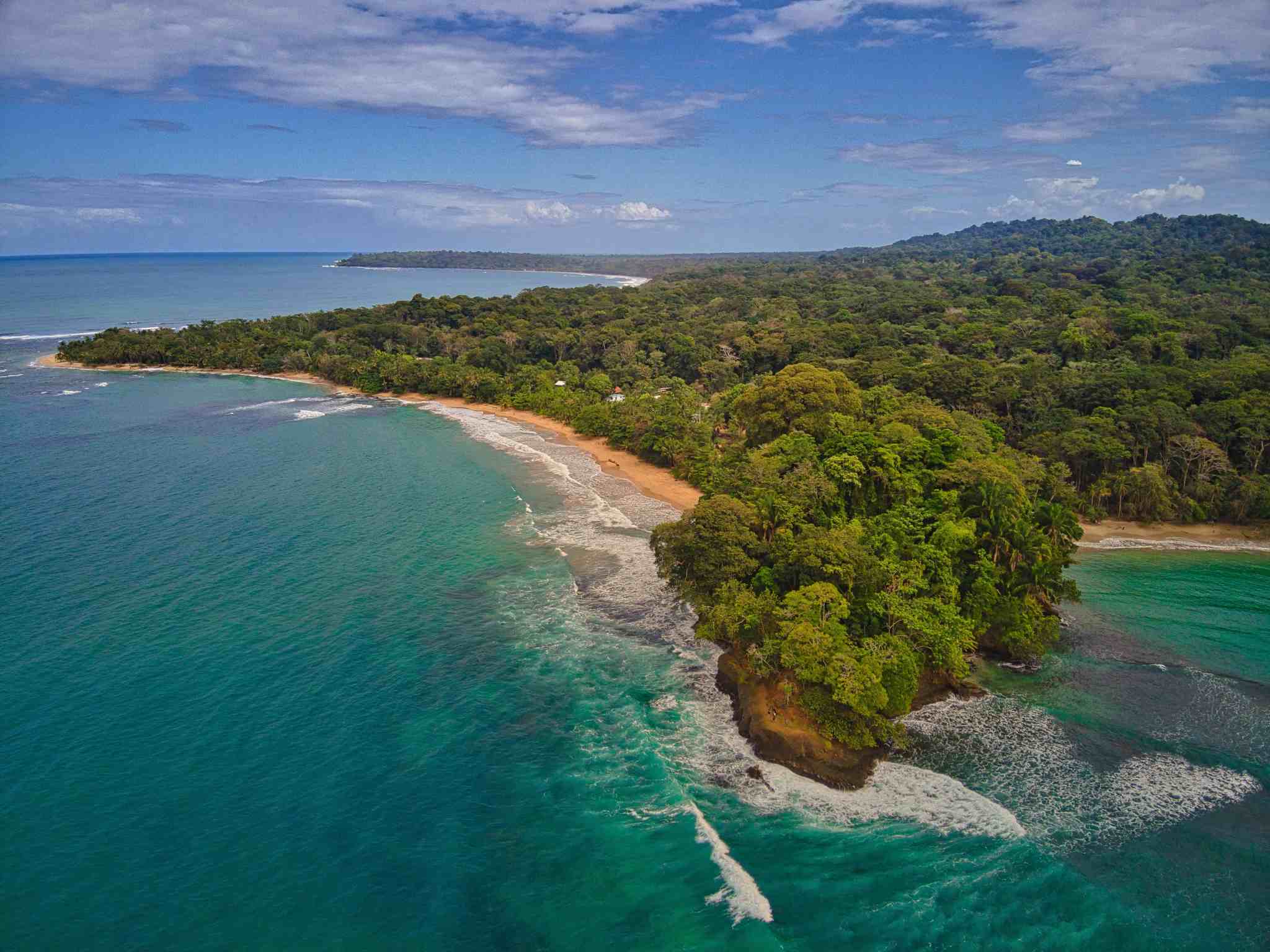
Costa Rica has two main windows for serious tarpon fishing on the Caribbean coast: March to May and September to November.
From Barra del Colorado through Tortuguero and Parismina, these seasonal patterns are broadly the same. The spring period from March into May can produce excellent coastal fishing, with tarpon feeding around the river mouths and offshore along the Caribbean coast. September through November brings another major window, with higher river levels pushing fish farther into the river systems while calmer periods can also open up the river mouths and coastal water.
If we had to narrow it down further, September and October would be our first choice for the northern Caribbean coast. They give anglers the best chance of fishing a mix of river, river-mouth and coastal water rather than relying on one specific environment.
The Jungle Tarpon Reserve follows a more defined wet-season pattern. The broader season runs from August into December, but September through November is the period we would target, when the inland rivers and flooded lagoons are carrying enough water for large tarpon to move deep into the system.
For anglers looking to combine the coast with the Jungle Tarpon Reserve, September and October are the best months to plan around. Both fisheries are in strong seasonal form at the same time, making it the most logical window for a dedicated Costa Rica tarpon trip.
In simple terms:
- Best northern Caribbean coast: March to May and September to November
- Best overall months: September and October
- Best Jungle Tarpon Reserve: September to November
- Best coast and jungle combination: September and October