
Bucket List Species
Lake Trout
World Record
72 lb / 32.65 kg
Great Bear Lake, NWT, Canada
Distribution
Northern North America
Native from Alaska across Canada to Labrador
Season
Year-round
Summer & Ice Fishing
Techniques
Fly fishing, spinning, conventional
Trolling, vertical jigging, casting spoons, swimbaits
Lake Trout
Species Overview
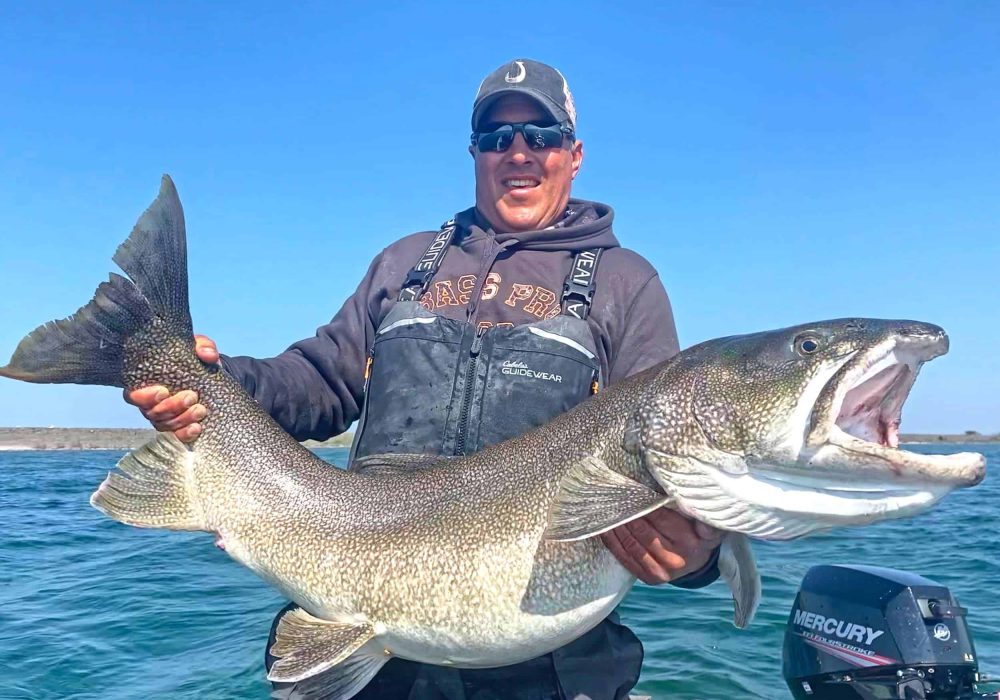
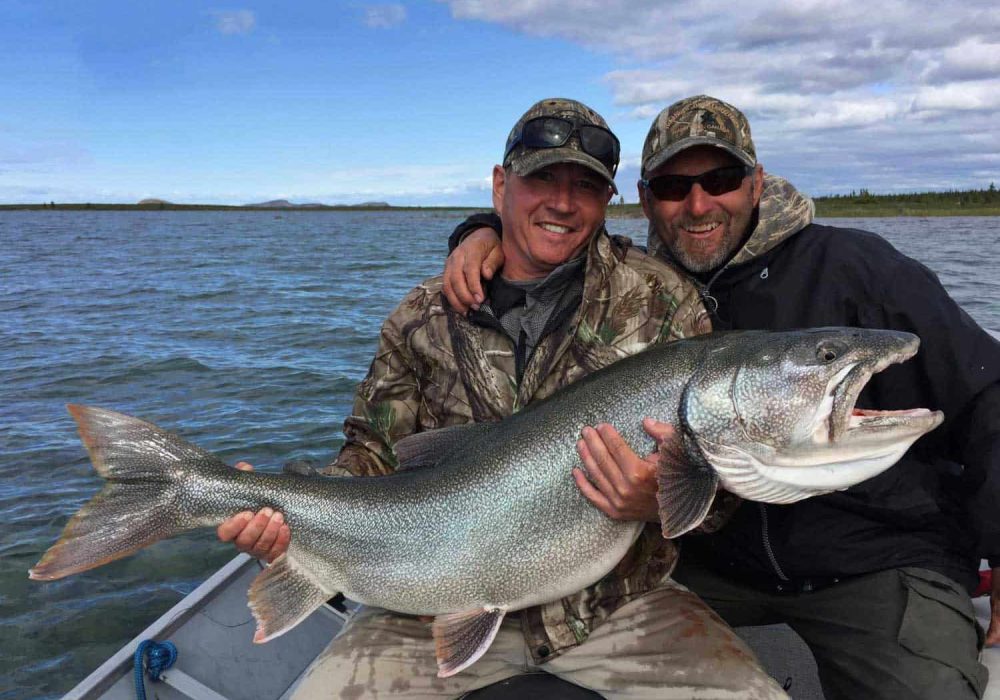
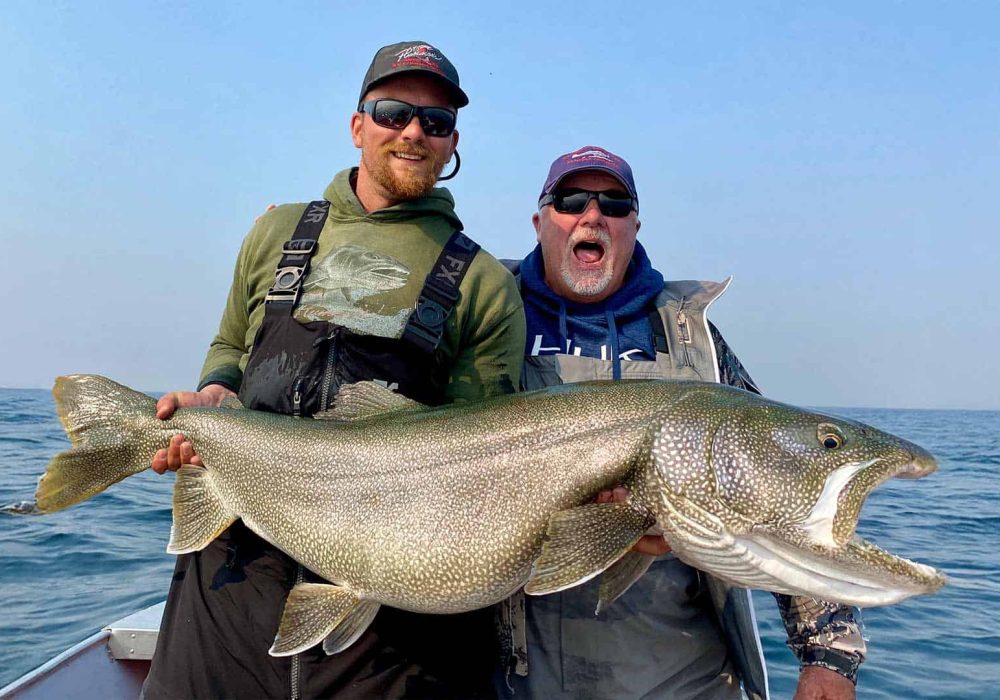
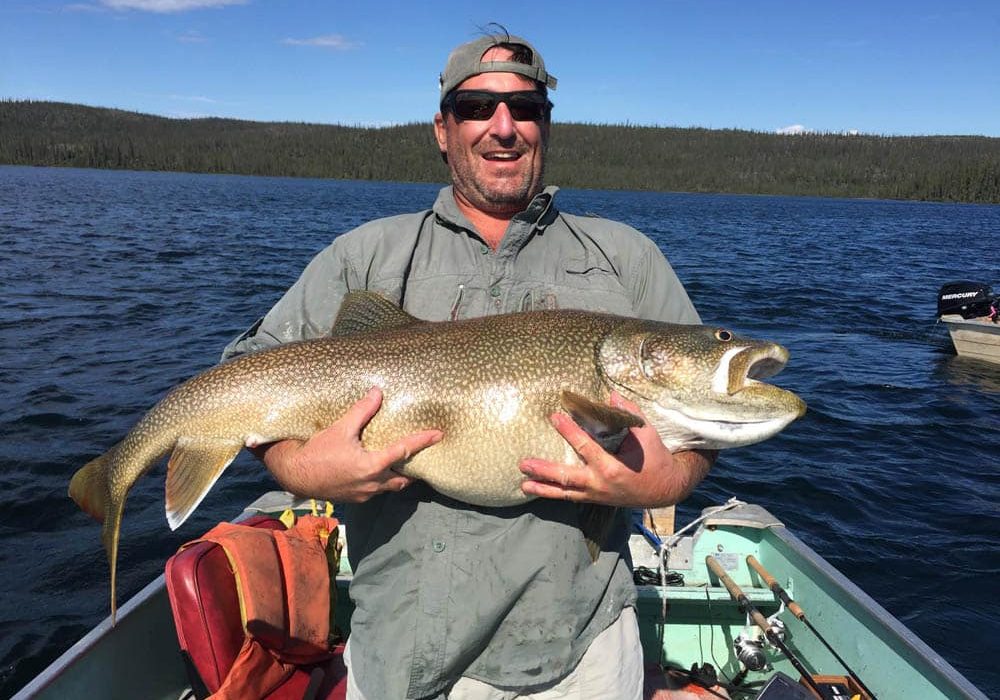
Lake trout (Salvelinus namaycush) are the largest members of the char family and one of North America’s great cold-water predators. Known as lakers across much of Canada and the United States, they are also called mackinaw in parts of the West and togue in New England. Their bodies are long and powerful, with deeply forked tails, broad heads and pale cream-coloured spots scattered across dark olive, grey or almost black flanks. Unlike brook trout and Arctic char, lake trout generally lack bright red spots and vivid spawning colours.
The species is native to northern North America, with a range extending from Alaska across Canada to Labrador, then south through the Great Lakes and parts of New England. They have also been introduced into reservoirs and mountain lakes beyond their natural range. In native waters, particularly across northern Canada, lake trout remain one of the defining fish of large glacial lakes.
Habitat & Distribution
Lake trout are usually associated with deep water, but that only tells part of the story. What they really need is cold, well-oxygenated water. In southern lakes, rising summer temperatures push them into deeper basins, where suitable conditions may exist far below the surface. Across the Arctic and sub-Arctic, entire lakes can remain cold enough for lakers to hunt over shallow reefs, shorelines and river mouths throughout summer.
Their seasonal movements follow temperature, spawning needs and food. After ice-out, fish often move onto shallow flats, rocky points and warm river inflows. As summer develops in more temperate regions, they retreat towards deep reefs, drop-offs and open water. During autumn, mature fish return to rocky shoals, islands and boulder-strewn shorelines to spawn. Their eggs settle between stones, where they remain protected through winter.
Not every lake trout looks or behaves the same. The familiar lean lake trout has the streamlined body most anglers recognise, but some large lakes support several distinct forms adapted to different depths and food sources. Lake Superior’s siscowet is a deep-water form with a heavy body and unusually high fat content, while the smaller humper occupies offshore reefs. These are not separate species, but different expressions of lake trout shaped by the enormous environments they inhabit.
Size & Feeding Habits
Young lake trout feed on aquatic insects, crustaceans and small fish. As they grow, larger prey becomes increasingly important. Ciscoes, whitefish, smelt, sculpins and other available fish can all form part of the diet. Lakers may hold close to the bottom, suspend alongside schools of bait or rise rapidly through the water column to attack. In clear northern lakes, we sometimes see fish cruising shallow rock like oversized brook trout, which is a very different picture from the deep-water fish most anglers imagine.
Growth rates vary enormously. Lake trout living in cold, unproductive Arctic water may grow slowly but survive for several decades, with some fish reaching 50 or even 60 years of age. In lakes with abundant oily baitfish, they can build tremendous weight through the shoulders and belly. Their slow growth and late maturity also make trophy populations vulnerable to excessive harvest.
Most lake trout caught by anglers weigh between a few pounds and the low double digits. A fish above 20 pounds is a proper trophy in most waters, while 40-pound lakers belong to a different class. The IGFA all-tackle record weighed 72 pounds and was caught from Great Bear Lake in Canada’s Northwest Territories in 1995. An even larger fish weighing 78.85 pounds was later caught and released from the same lake, but was never entered as an official record.
Fishing
Lake trout can be targeted with spinning, conventional and fly tackle, as well as through the ice. Trolling has long been one of the standard ways to cover large lakes, while vertical jigging is effective when fish gather around deep structure or concentrated bait. Casting spoons, swimbaits and streamers comes into its own when lakers move shallow during spring, autumn or the short northern summer.
The fight changes with depth. A fish hooked in deep water often stays down, using its weight and broad tail in a steady battle beneath the boat. A shallow laker can be surprisingly fast, running across reefs and changing direction with far more energy than its reputation suggests. Large fish rarely need to jump to make the encounter memorable. Their size, age and sheer weight through the rod are enough.
Lake trout stand belong to some of the biggest, coldest and least disturbed freshwater systems on the continent. They can live beneath the ice for much of the year, survive for half a century and grow heavier than almost any other salmonid. A trophy laker is not simply a large trout. It is an old northern predator, shaped by deep water, short summers and a life measured in decades.