
Bucket List Species
Huchen
World Record
76 lb 11 oz / 34.8 kg
Spittal an der Drau, Austria
Distribution
Danube River basin
Native to river systems across Central and southeastern Europe
Season
October to mid-February
Winter is the main dedicated huchen season
Techniques
Fly fishing and spinning
Large streamers, swimbaits, spoons
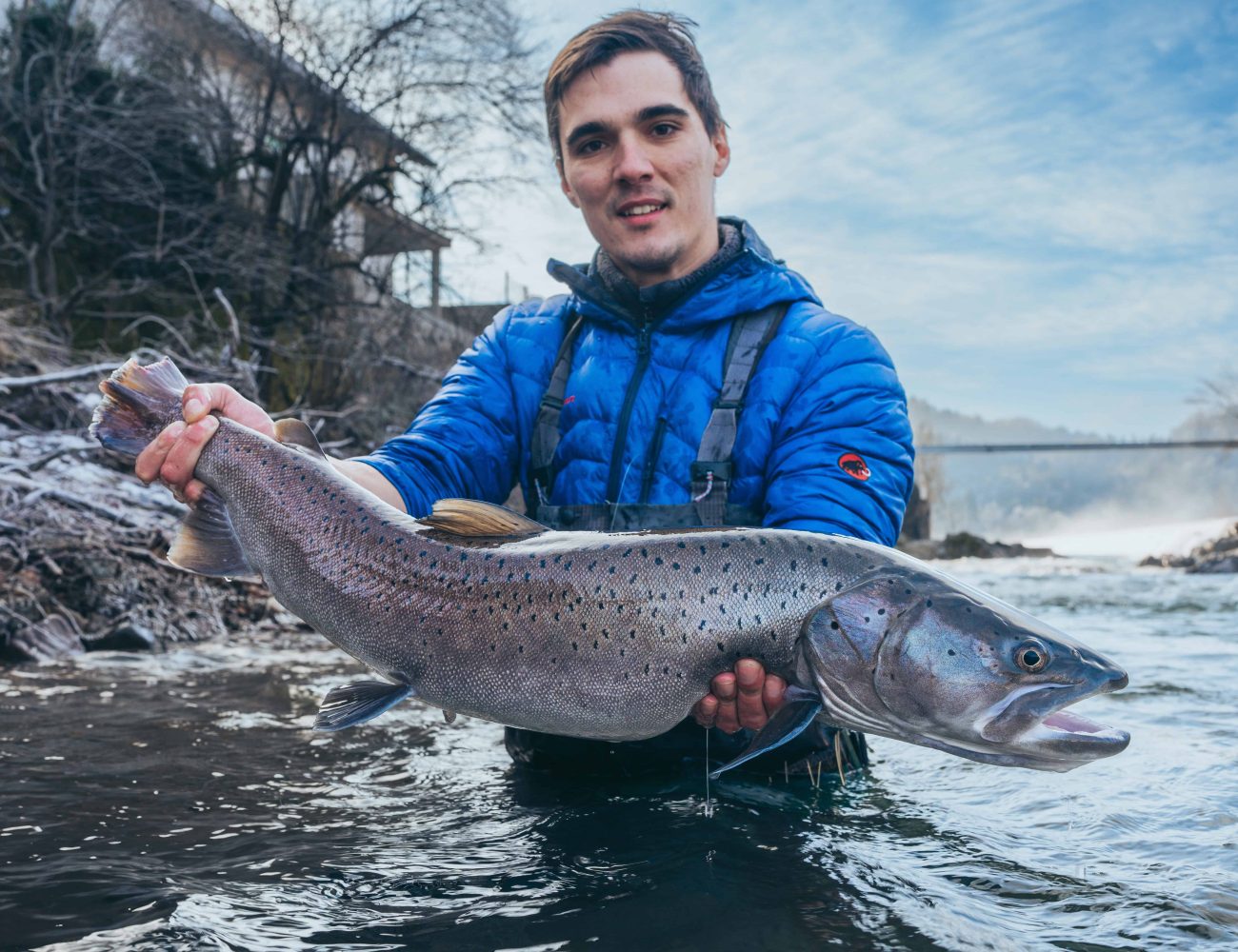
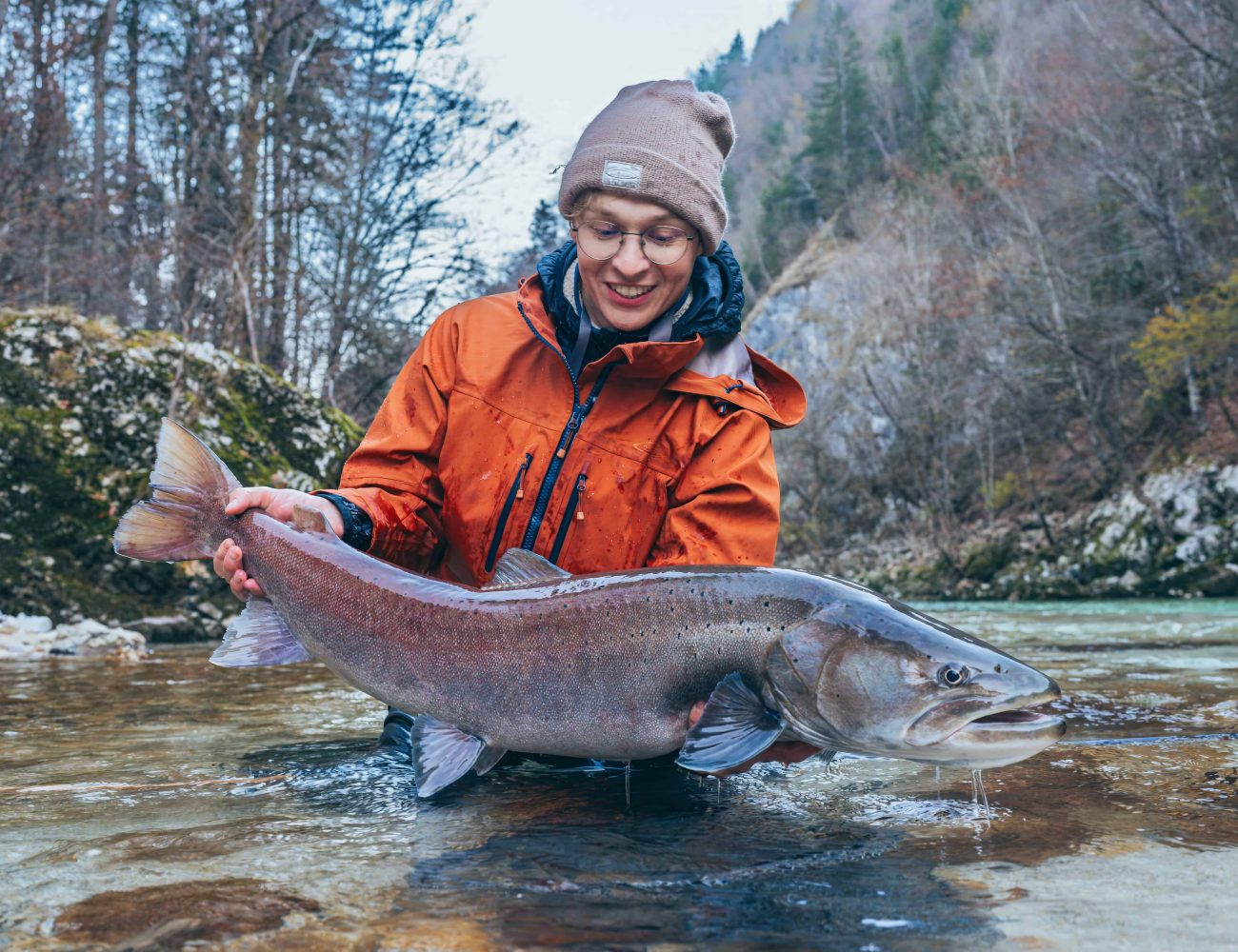
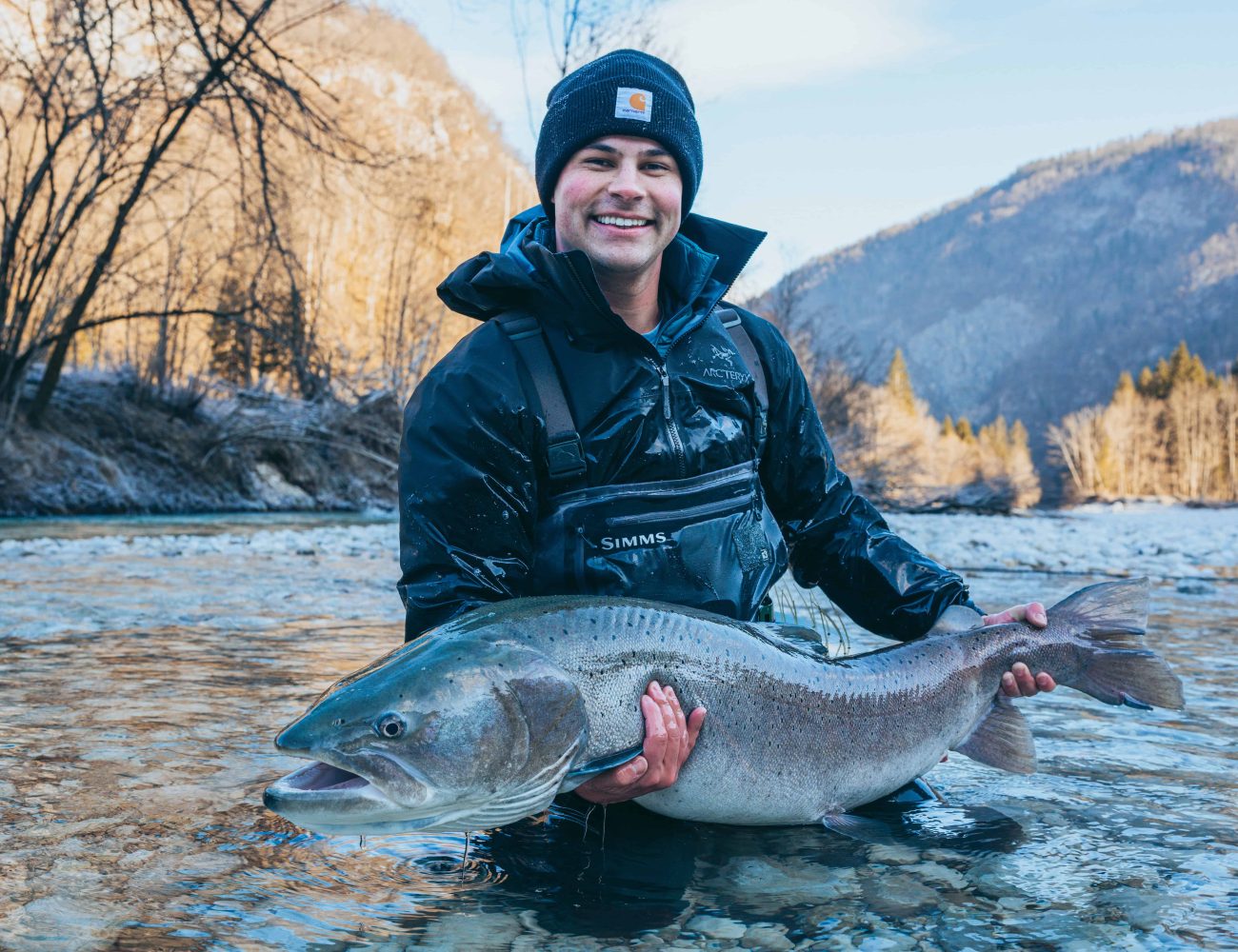
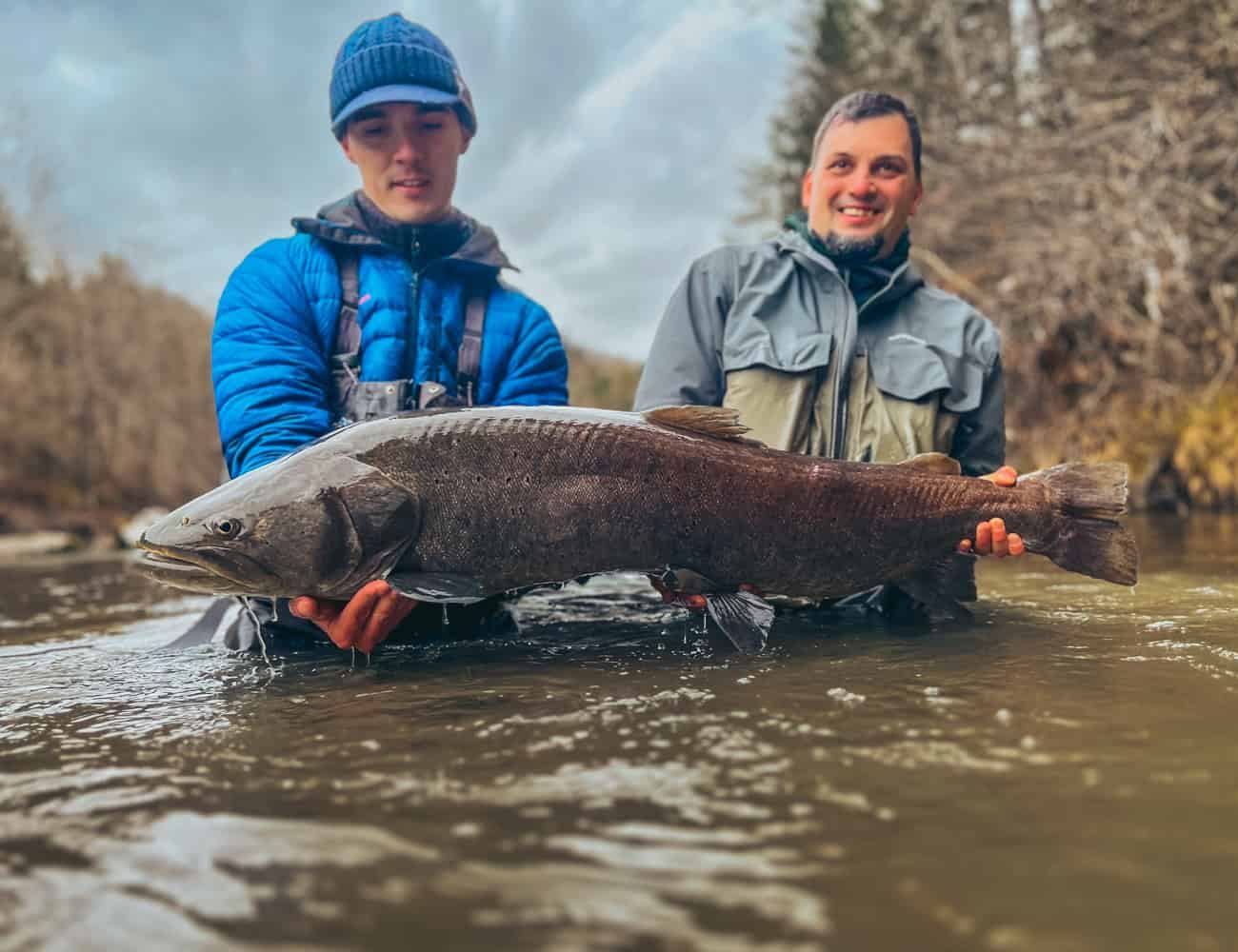
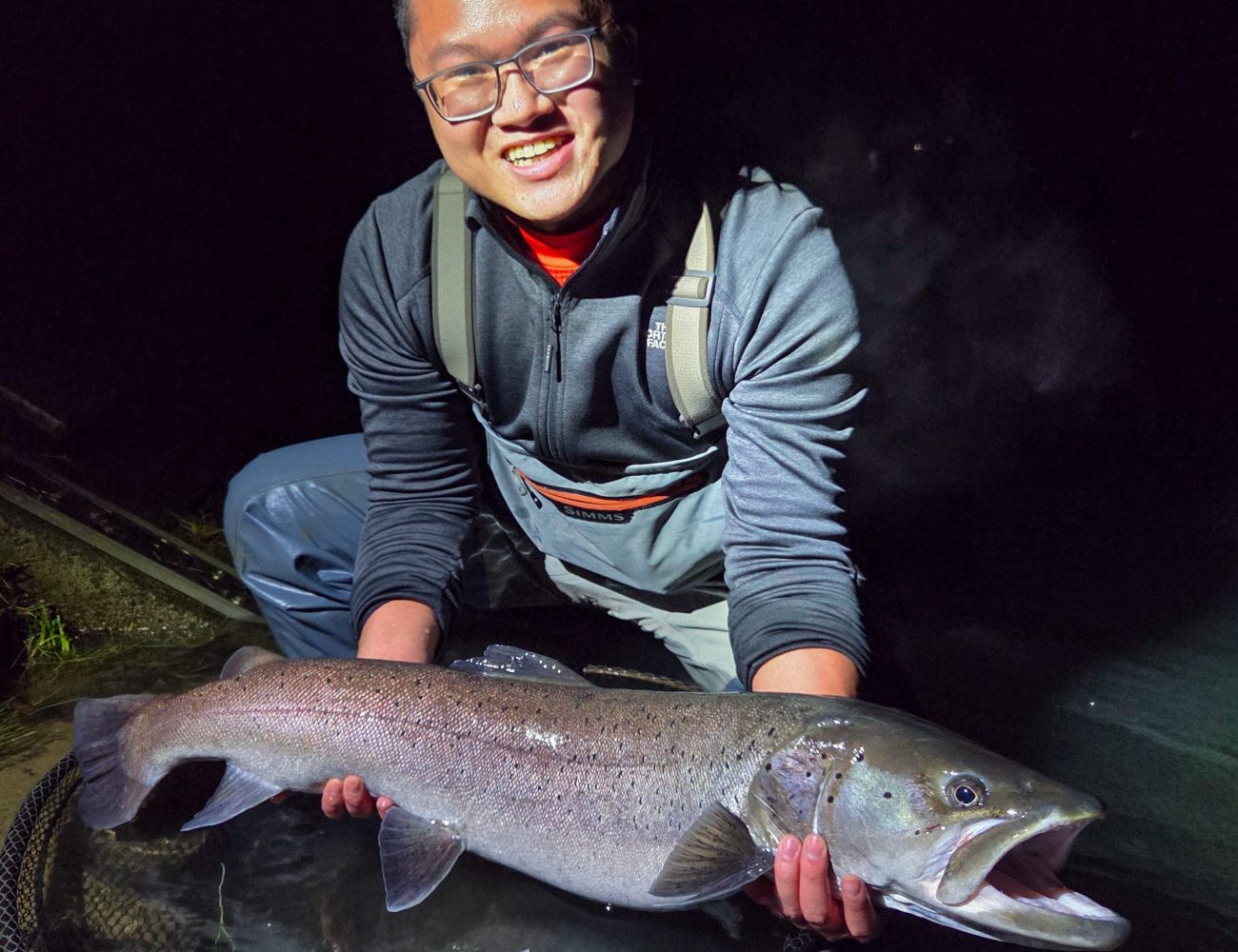
Huchen (Hucho hucho)
Species Overview
Huchen (Hucho hucho), also known as the Danube salmon, are one of Europe’s largest native salmonids and a close relative of the Siberian taimen. They have long, muscular bodies, broad heads and powerful tails built for holding in heavy current. Their colour varies between olive, bronze and dark grey, usually broken by small black spots across the back and flanks. Mature fish become thick through the shoulders, with a large mouth and the unmistakable proportions of a predator rather than a conventional trout.
Habitat & Distribution
The name Danube salmon is slightly misleading. Huchen do not migrate to the ocean and are not simply a landlocked version of Atlantic salmon. They spend their entire lives in freshwater and move within connected river systems to feed and reproduce. This makes them potamodromous rather than anadromous. A mature fish may travel considerable distances through the main river and its tributaries, particularly as the spring spawning season approaches.
Their native range lies within the Danube basin of Central and southeastern Europe. Historically, huchen occupied much of the Danube and many of its larger tributaries. Today, the strongest remaining fisheries are scattered across countries such as Austria, Slovenia, Croatia, Bosnia and Herzegovina, Slovakia and parts of the wider Balkans. Slovenia’s Sava system is one of the best-known examples, while rivers such as the Sana, Una and other clear limestone systems of Bosnia also hold these fish.
Huchen need large, cool and well-oxygenated rivers with enough depth, current and structure to support a large predator. They favour deep pools, sweeping runs, undercut banks, boulder-strewn channels and the slower edges of powerful current. River connectivity is especially important. Adults need room to move between feeding areas and clean gravel spawning grounds, which makes dams and heavily altered river channels a serious problem for the species.
Size & Feeding Habits
Young huchen begin life feeding on insects, aquatic invertebrates and small fish. As they grow, fish become the main part of the diet. Grayling, trout and the various minnows and cyprinids found throughout the Danube system can all become prey. Large huchen are efficient hunters rather than constantly active chasers. They often hold in a deep pool or along a current seam, waiting for the river to bring an opportunity within range.
This behaviour is part of what makes them difficult to understand. A pool may contain several huchen, yet appear completely lifeless for hours. Then, usually during a short feeding window, one of those fish may push bait into the shallows or strike with enough force to break the surface. Dawn, dusk, changing light and unsettled winter weather can all create those brief periods of activity.
Huchen are slow-growing, long-lived fish, with lifespans commonly reaching 20 to 30 years. A fish of around a metre is already a serious European freshwater predator, while the largest specimens grow considerably longer and carry enormous weight through the body. Fish of that age and size are increasingly rare, which is why the protection of mature breeding fish and connected river habitat matters so much.
Huchen Fishing
Although related to taimen, huchen have their own identity. Siberian taimen inhabit the huge river systems of Mongolia and Russia and can reach greater maximum sizes. Huchen live in a more compact, heavily populated part of the world, often within sight of villages, roads and old European towns. The wilderness may be different, but the fish remains every bit as elusive.
Most dedicated huchen fishing takes place from late autumn through winter, when the normal trout season has slowed and colder conditions can bring these predators into more predictable water. They are targeted with fly and spinning tackle, generally using large baitfish imitations worked through pools, runs and current seams. The fishing is less about constant action and more about covering water carefully until a fish decides to move. Once hooked, huchen use their length, weight and the full force of the river. Some fish make powerful downstream runs, while others remain deep and apply steady pressure from the bottom of the pool. In either case, the fight tends to feel heavy rather than frantic, particularly when a large fish turns broadside in strong current.
Huchen feel like a surviving piece of old Europe. They are native river predators living among Alpine valleys, limestone canyons, forests and towns that have stood beside these waterways for centuries. They are difficult to find, difficult to fool and dependent on rivers that remain free enough for them to move. Catching one is memorable, but simply knowing that fish of this scale still live in the heart of Europe is part of what makes the species so important.