
Slovenia Huchen Adventure
5 Nights | Sava River, Slovenia
Trip Details
Accommodation
Boutique Hotel
Season
October – February
Target Species
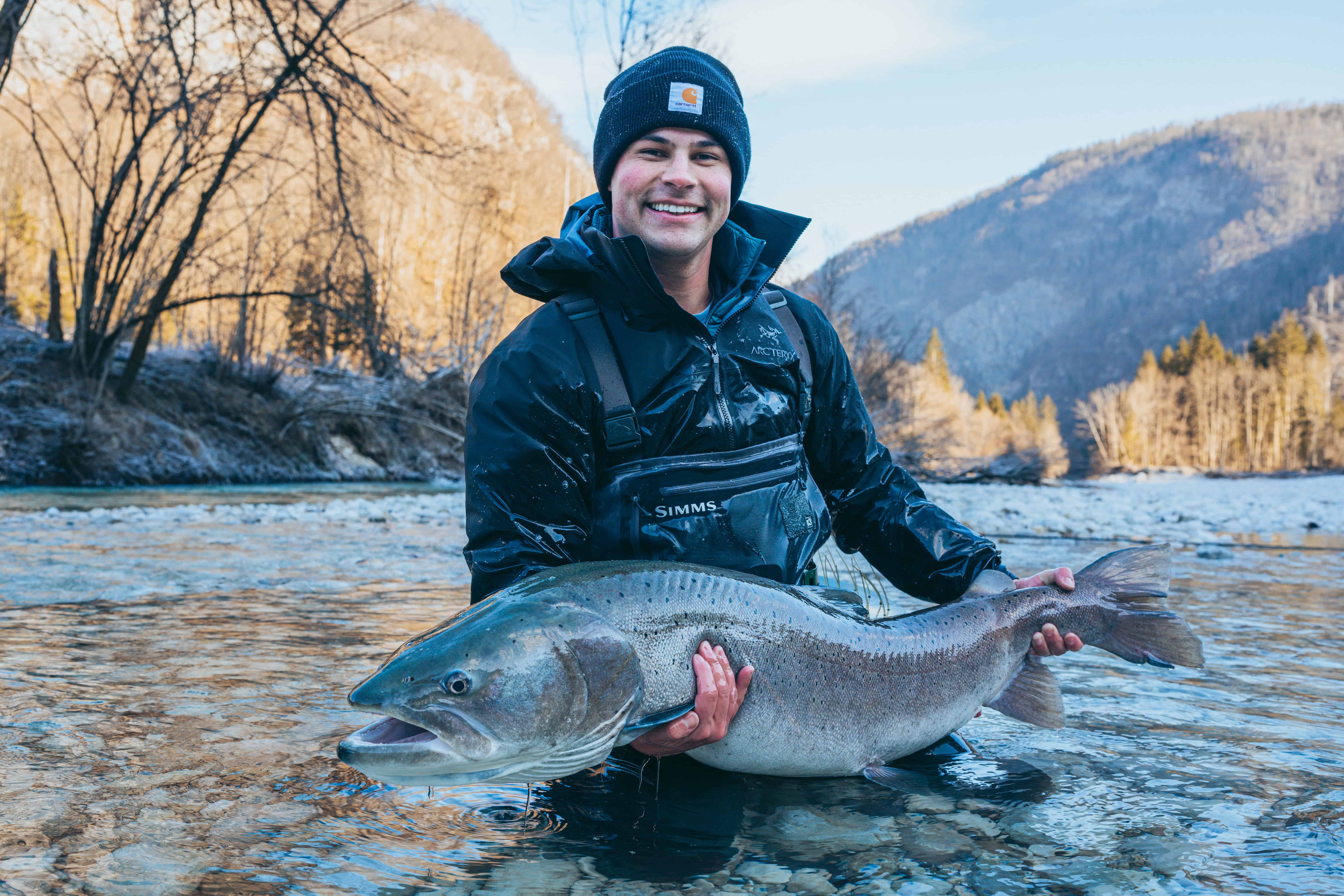
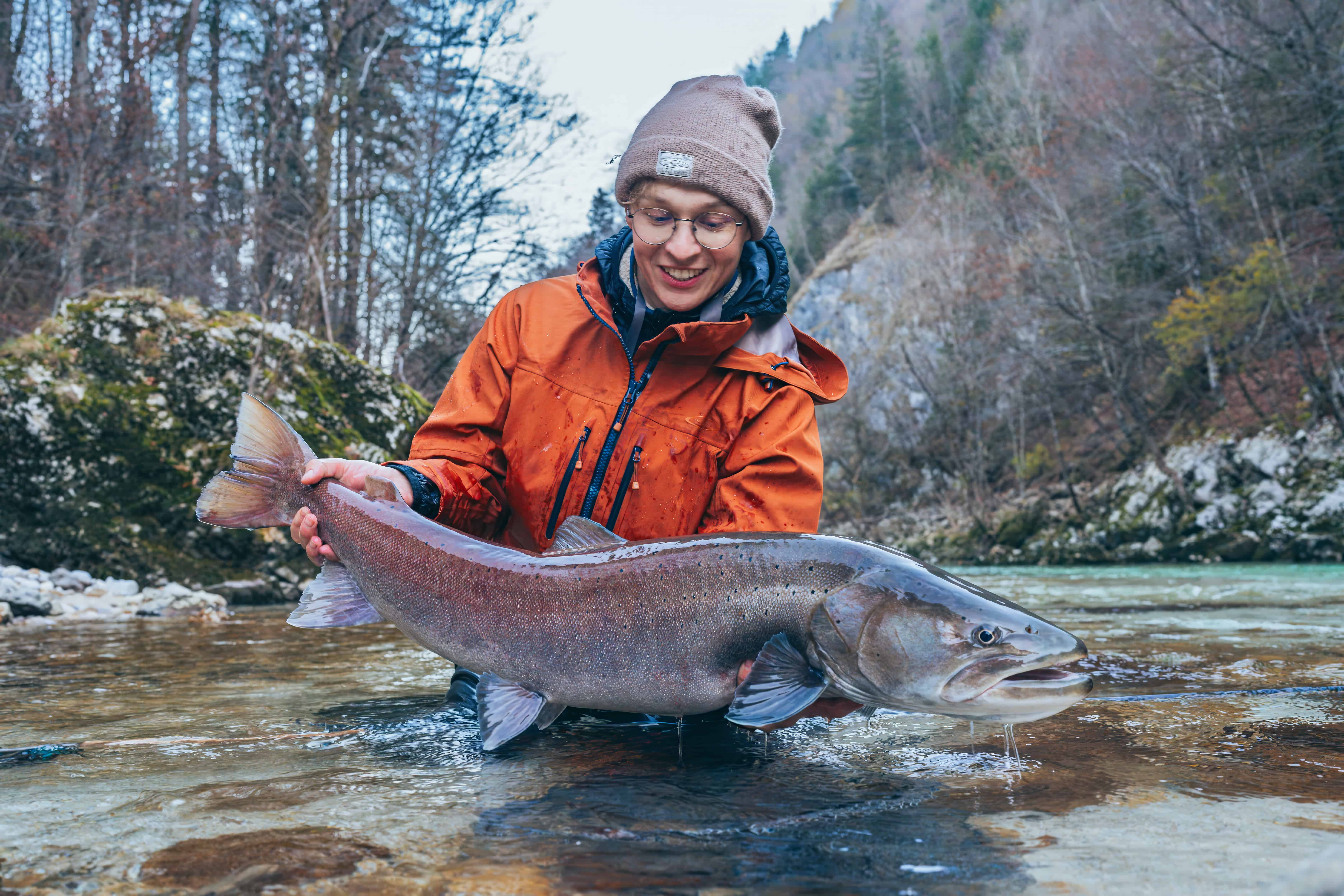
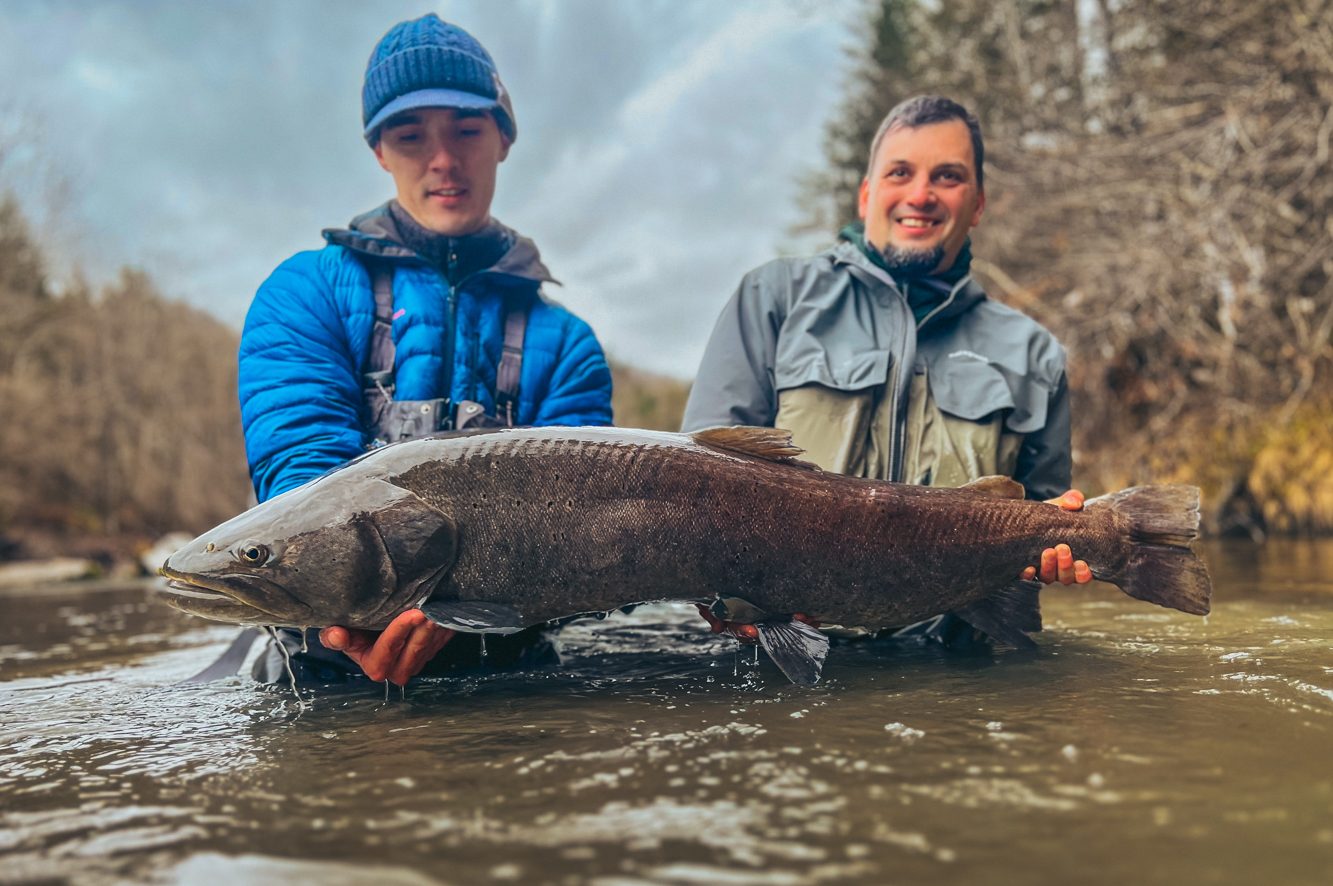
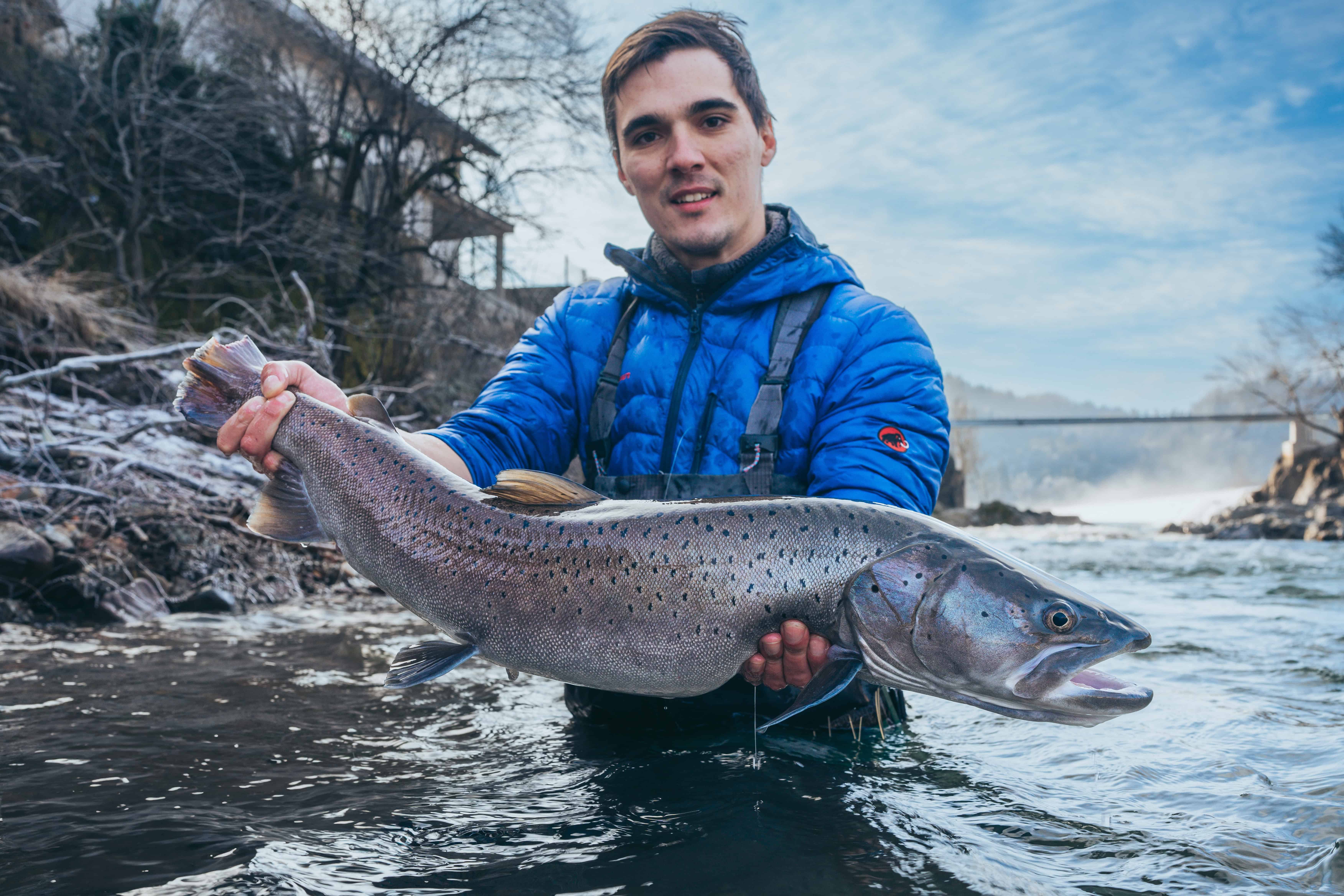
Huchen (Hucho hucho)
Fishing Style
Fly Fishing & Spinning
Winter Huchen Fishing in Slovenia
Trip Overview ➜
- This trip is built around chasing huchen through Slovenia’s alpine rivers, covering deep pools, fast runs and likely holding water across the Upper Sava River system and its tributaries.
- Winter is the prime season for huchen fishing, bringing cold, clear water, quieter riverbanks, and the best opportunity to target one of Europe’s most elusive and sought-after freshwater predators.
- The fishing can be demanding, with heavy tackle, repeated casting and long periods between chances, but that is exactly what makes landing a huchen so rewarding.
- You are based in the beautiful Bled and Bohinj region, surrounded by Alpine valleys, forested riverbanks and the peaks of the Julian Alps.
- Away from the water, explore Lake Bled, Bled Castle and Vintgar Gorge, with skiing and other winter activities available nearby.
6-Day Adventure
€2,350 per angler
- Four full days of guided Huchen fishing on multiple rivers
- Five nights’ accommodation at a boutique hotel, with breakfast included
- River transport and airport shuttle transfers included
- Fishing licenses & permits
Slovenia Huchen Fishing
Huchen (Hucho hucho), also known as the Danube salmon, is one of the most remarkable freshwater fish species in Europe. Native to the Danube basin, this apex predator is particularly well-known in Slovenia, where it inhabits the Sava River and its tributaries. Huchen are long-lived, slow-growing fish that can reach impressive sizes, with specimens exceeding 130 cm in length and weighing over 25 kg. They are closely related to the Siberian taimen (Hucho taimen) and share similar characteristics, including an elongated body, a powerful jaw, and a reputation for being one of the most elusive fish in European waters.
The species prefers cold, fast-flowing rivers with high oxygen levels, making the pristine waters of Slovenia an ideal habitat. Huchen are primarily piscivorous, preying on smaller fish such as grayling, chub, and trout. However, they are also known to consume amphibians and even small mammals on occasion. Unlike other salmonids, huchen do not migrate to the sea; instead, they remain in freshwater throughout their life cycle. Spawning occurs in early spring, when they migrate upstream to gravel beds, where females deposit their eggs in shallow depressions. Due to their slow reproduction rate and specific habitat requirements, huchen populations are highly vulnerable to environmental changes, including river regulation, pollution, and poaching.
Once widespread throughout the Danube system, huchen have seen a decline in numbers due to habitat destruction and overfishing. Slovenia remains one of the strongholds for the species, thanks to strict conservation efforts and sustainable fishing regulations. The country’s rivers provide an ideal refuge, with catch-and-release policies helping to preserve their populations. Their elusive nature and formidable size have earned them the nickname “fish of a thousand casts,” as catching one requires patience, skill, and often, a bit of luck.
Anglers will be accommodated at boutique hotel in Radovljica’s pedestrianized main square, a charming town that serves as the best base for accessing the region’s rivers. The accommodation comprises four fully equipped apartments and one comfortable double room, with private bathrooms, complimentary Wi-Fi, hot-drink facilities and modern in-room amenities. Restaurants, cafés, boutique shops and the medieval old town are within an easy walk, while Lake Bled, Lake Bohinj and the wider Upper Sava region are conveniently accessible for fishing and sightseeing. As the property is located within a pedestrian zone, vehicles cannot drive directly to the entrance, although parking is available approximately 200 to 300 metres away.
Known for its welcoming hospitality and traditional Slovenian character, Radovljica provides the ideal balance of comfort and convenience. From here, anglers are just a short drive to prime huchen waters, making it a perfect hub for fishing adventures. After a long day on the river, guests can relax in a cozy atmosphere, enjoy local cuisine, and take in views of the surrounding countryside. With its blend of authenticity, comfort, and central location, Radovljica captures the essence of Slovenian hospitality while keeping anglers close to the action.
Radovljica (see map) is a picturesque town in northwestern Slovenia, located on a hillside overlooking the Sava River. Situated just a short drive from Lake Bled, it is part of the Gorenjska region, known for its stunning alpine scenery and rich cultural heritage. The town’s well-preserved medieval center features charming cobbled streets, historic buildings, and the renowned Radovljica Manor. Radovljica is also famous for its beekeeping tradition, home to the Museum of Apiculture, which showcases Slovenia’s deep connection to beekeeping. Its strategic location near major fishing rivers, hiking trails, and ski resorts makes it an excellent destination for outdoor enthusiasts year-round. For more info on Slovenia, click here.
How to get there:
The most convenient way to reach Radovljica is via Ljubljana Jože Pučnik Airport (LJU), Slovenia’s main international airport, located just 30 km away. To ensure a smooth arrival, we organize a shuttle transfer directly from the airport to your accommodation in Radovljica, making the journey hassle-free. The drive takes approximately 25 minutes along the A2 highway, offering scenic views of Slovenia’s countryside. For those who prefer more flexibility during their stay, renting a car at the airport is also an option, providing easy access to nearby attractions.
Documents Required:
Entry requirements depend on nationality. EU, EEA and Swiss citizens can normally enter Slovenia with a valid passport or national identity card. Other travelers require a passport issued within the previous ten years and normally valid for at least three months beyond their planned departure from the Schengen Area. A Schengen visa may also be required depending on nationality. Anglers should check the latest official requirements before departure.
Travel Arrangements:
We will advise on best flight options, as well as any other travel related questions.
Itinerary:
Day 1:
Arrival at Ljubljana Jože Pučnik Airport, shuttle transfer to Radovljica, check-in at accommodation, enjoy dinner in town, and relax after your journey.
Day 2 – 3: Fishing Days
Breakfast at hotel, full-day huchen fishing on one of the local rivers. Return to accommodation and enjoy dinner at a local restaurant.
Day 4 – 5: Fishing Days
Breakfast at hotel, full-day huchen fishing, focusing on new areas/rivers to maximize your chances.
Day 6: Departure
Breakfast at hotel, shuttle transfer back to Ljubljana Jože Pučnik Airport for your departure.
Day 7: Optional Extension Day – Skiing, fishing, sightseeing
– Go fishing for huchen in the morning and/or afternoon.
– Or, visit Lake Bled for sightseeing, including a boat ride to Bled Island and a visit to Bled Castle.
– Or, enjoy a day skiing at Vogel or Krvavec ski resorts.
5 Nights / 4 Fishing Days:
€2,350 per angler (based on two anglers / shared guide)
What’s Included:
- Four full days guided huchen fishing (8-10 hours per day).
- Five nights guesthouse/hotel accommodation.
- Daily breakfast.
- Soft drinks while fishing.
- Transport from hotel to fishing locations
- Return airport shuttle transfers.
- Fly fishing or spinning tackle & equipment.
- Flies at no extra charge.
- Fishing permits and licenses.
What’s Not Included:
- Flights to Slovenia.
- Boots & waders.
- Travel Insurance.
When is the best season for huchen fishing in Slovenia
Huchen fishing is primarily a winter activity. Depending on the river and its managing organization, the season generally opens between October and mid-November and closes on February 14. Exact dates, permit availability and fishing rules are confirmed before each trip.
What is the difference between huchen and taimen?
Huchen and Siberian taimen are closely related but separate species. Huchen, scientifically known as Hucho hucho, is native to the European Danube basin, while Siberian taimen, Hucho taimen, occurs mainly across Russia, Mongolia and other parts of northern Asia. Taimen can generally reach a larger maximum size, although huchen can still grow to exceptional proportions.
What rivers in Slovenia are best for Hucho hucho fishing?
The Sava River system supports Slovenia’s most important huchen population. The main Sava and the scenic Sava Bohinjka are among the country’s best-known destinations, while selected stretches of the Kolpa and Ljubljanica can also offer opportunities. Access, guiding requirements and fishing rules differ between individual river sections.
Where else can wild huchen be found in Europe?
Huchen are native to the Danube drainage and historically occurred across parts of Central and Eastern Europe, including Austria, Germany, Slovenia, Croatia, Bosnia and Herzegovina, Serbia, Montenegro, Slovakia, Romania, Hungary, Czechia, Poland and Ukraine. Their present distribution is much more fragmented. Important Balkan strongholds include the Sava and its tributaries in Slovenia, the Kolpa–Kupa system along the Slovenian-Croatian border, the Una system, the upper Drina and its tributaries, and the Lim system in Montenegro and neighboring countries. Austria and southern Germany also maintain managed populations in selected Danube tributaries.
Do I need a special permit or guide to fish for huchen in Slovenia?
Every angler needs a valid huchen permit for the exact river section being fished. Rules vary by river manager and may require anglers to fish in pairs, use specified tackle, observe catch-and-release conditions or be accompanied by an authorized local angler. This package includes professional guiding and all required fishing permits.