
Bucket List Species
Nile Perch
World Record
230lbs (104.32 kg)
Lake Nasser, Egypt
Distribution
Nile River Basin
Season
December – March, June – September
Techniques
Spinning, Conventional, Fly Fishing
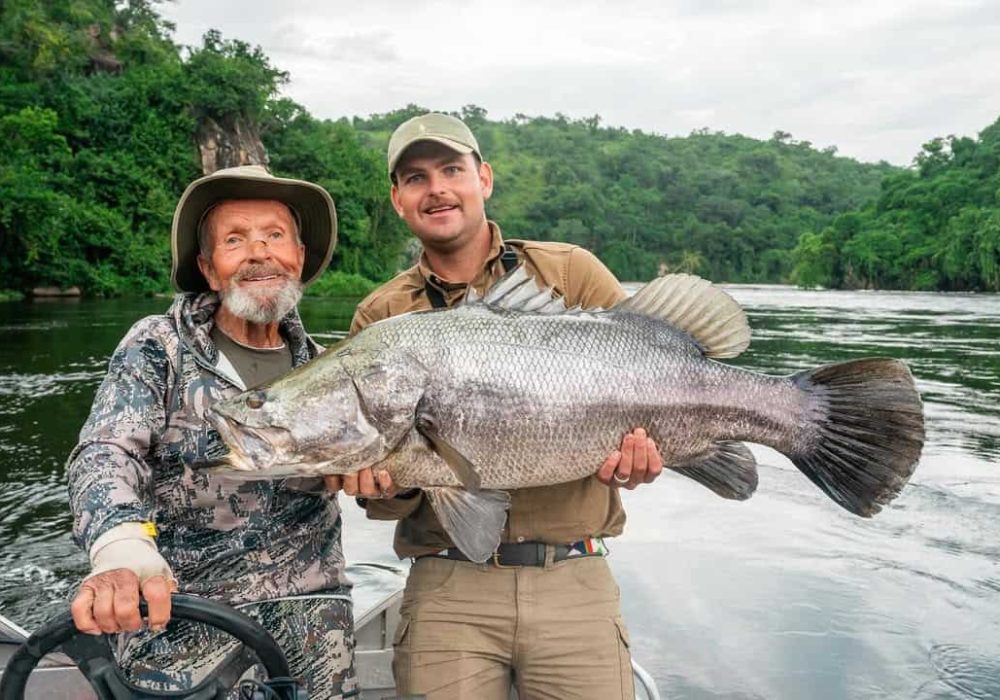
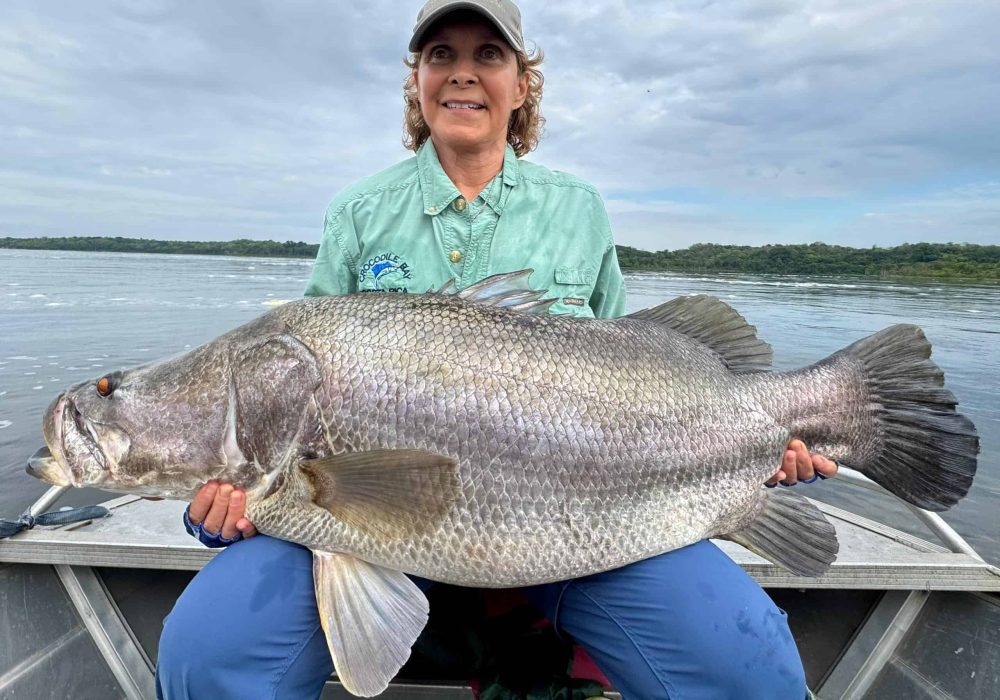
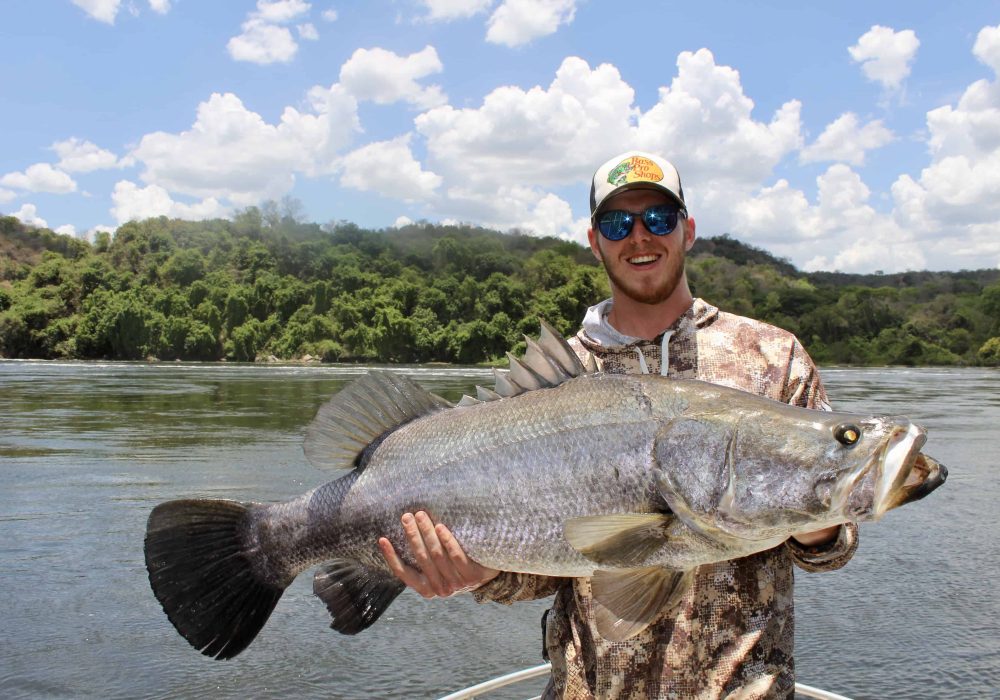
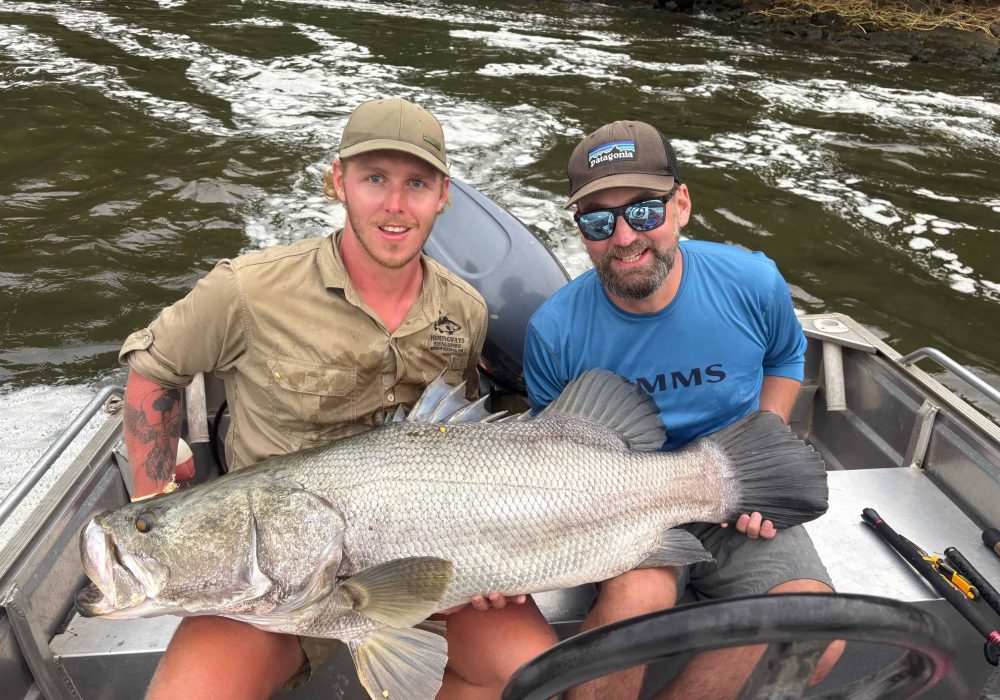

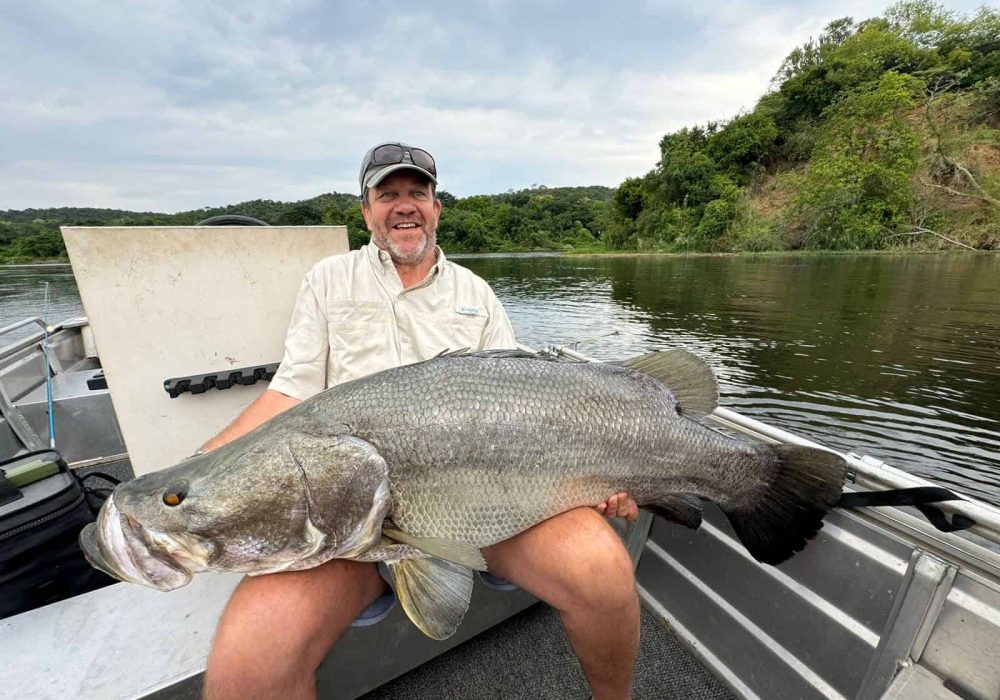

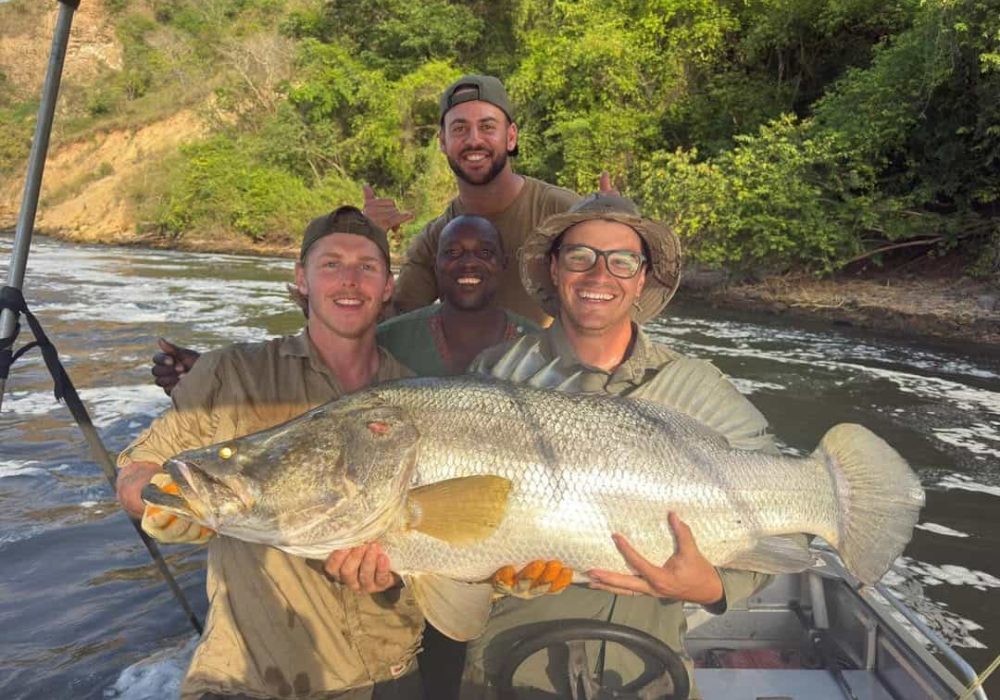
Nile Perch
Species Overview
The Nile perch, Lates niloticus, is one of the largest freshwater predators on the planet and one of Africa’s most recognisable gamefish. It has the proportions of an oversized bass and is closely related to the Australian barramundi, with a deep silver body, a broad head, a huge mouth and a powerful tail that seems slightly too large for the rest of the fish. Smaller perch can carry bronze or olive tones through the back and yellow through the fins. Large adults become heavier, darker and far more imposing.
Nile perch are native to major river and lake systems across tropical Africa, including parts of the Nile, Chad, Congo and Niger basins. Today they are largely confined to Lake Victoria, Lake Nasser and the Victoria Nile below Murchison Falls. They can live in enormous lakes, broad slow-moving rivers, deep channels and comparatively compact West African waterways. What they need is enough food, warm water and some form of structure or current that allows them to ambush prey.
Nile perch are aggressive predators, but that does not mean they spend the day charging around after anything that moves. Large perch are efficient hunters. They use deep holes, current seams, drop-offs, rock ledges and slower pockets beside fast water, then move when an opportunity presents itself. Their mouths are designed more for engulfing than cutting. A feeding perch opens its jaws and rapidly expands the mouth cavity, pulling fish and water inward with considerable force. On Cameroon’s Faro River, perch have been seen swallowing sizeable barbs and feeding so violently near the surface that the strike can be heard well before the fish is seen.
Their diet changes as they grow. Young fish feed on insects, crustaceans and small fish, while mature perch become increasingly dependent on larger prey. Tilapia, barbs, catfish and other available baitfish can all form part of the menu. In the right conditions, very little living in the same water is completely safe from a large Nile perch.
Size is a major part of their reputation. A metre-long fish is already a serious freshwater predator, yet Nile perch can grow far beyond that. Fish above 100 pounds are not uncommon, and Murchison Falls National Park in Uganda is without a doubt the leading destination for trophy nile perch where it has been a protected species for many years.
Here, the Victoria Nile is forced through a narrow gorge before exploding into a system of deep eddies, violent current and broken rock. Perch hold beneath the turbulence and along the slower edges, where baitfish are pushed out of the main flow. The water is powerful enough to make an average river look tame, and fish approaching a metre will give you a serious run for your money in the current. These fish are built to use heavy water.
Nile perch can be caught on fly, spinning and conventional tackle. Large crankbaits, soft plastics, and trolled lures account for plenty of fish, while live or dead bait remains the most effective for truly giant fish. Fly fishing has added another dimension, particularly in Cameroon and Uganda. The common thread is the need for strong tackle and a clear plan once the fish is hooked. Nile perch are the definition of river monsters and should be on every anglers list. Add the Nile, the African bush, rocky desert lakes and remote West African rivers, and few species offer a more complete sense of scale.