
Bucket List Species
Marble Trout
World Record
49 lb 10 oz / 22.5 kg
Soča River, Slovenia
Distribution
Northern Adriatic drainage
Season
April to October
Techniques
Fly Fishing
Marble Trout
Species Overview
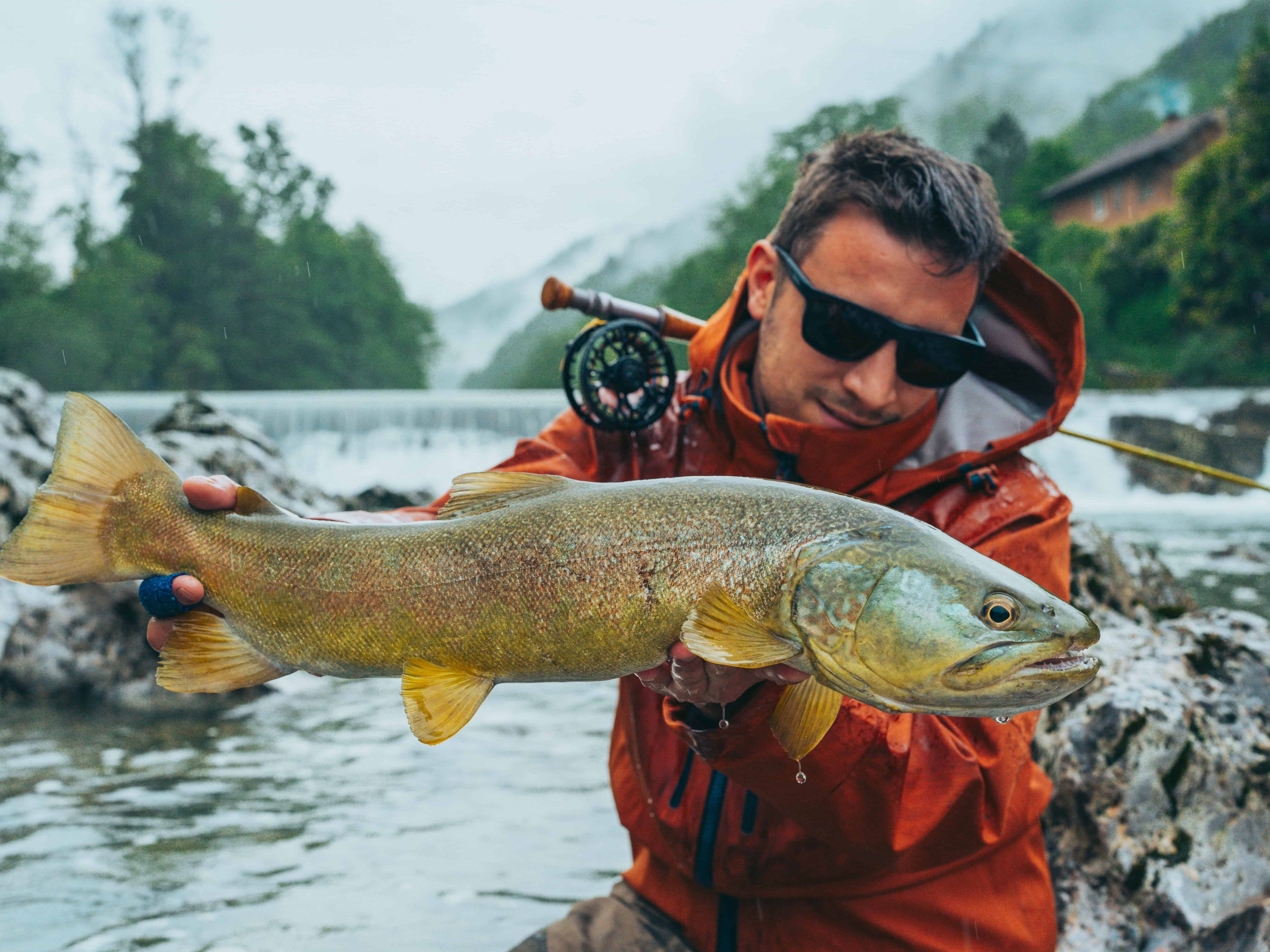
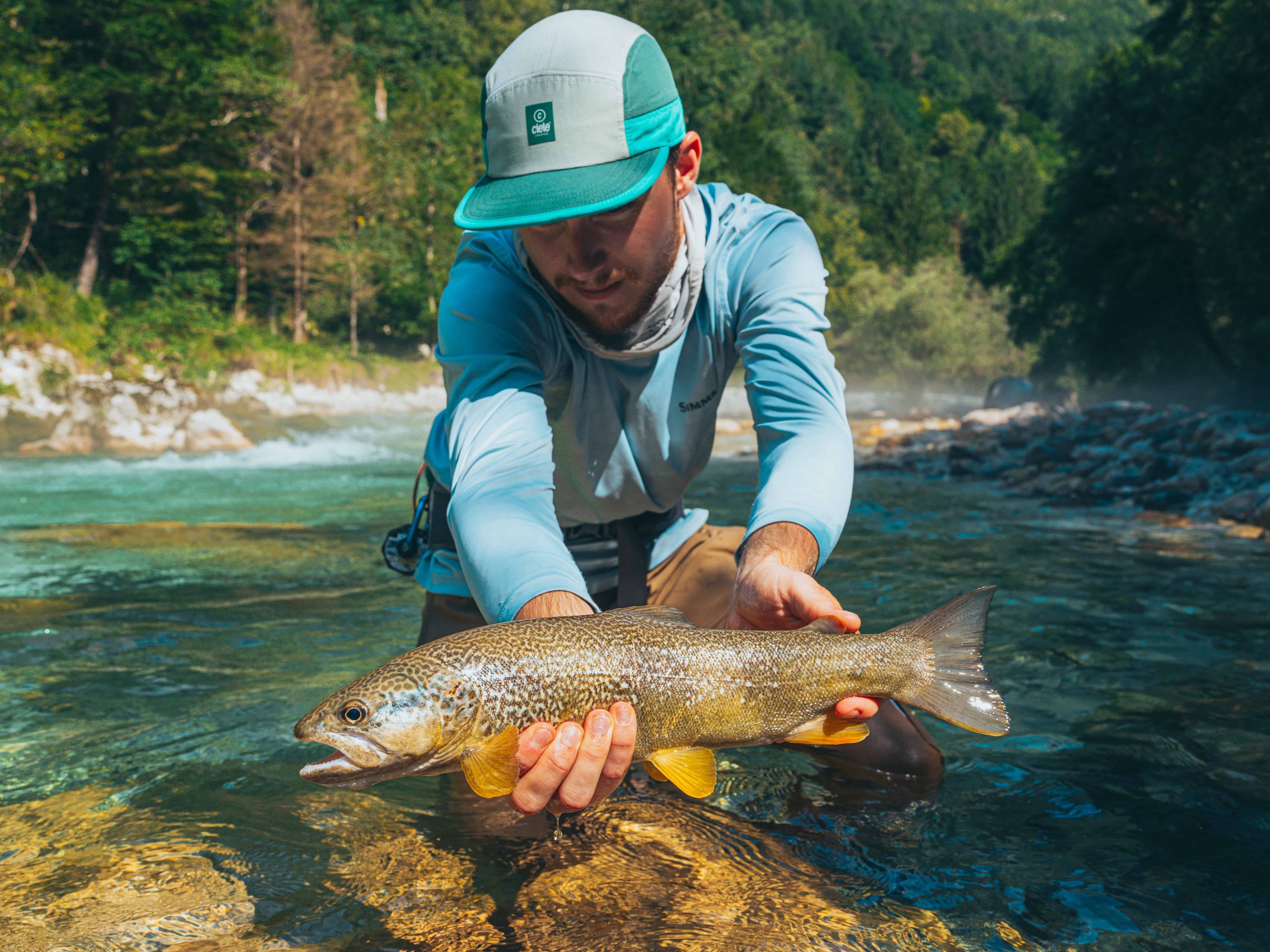
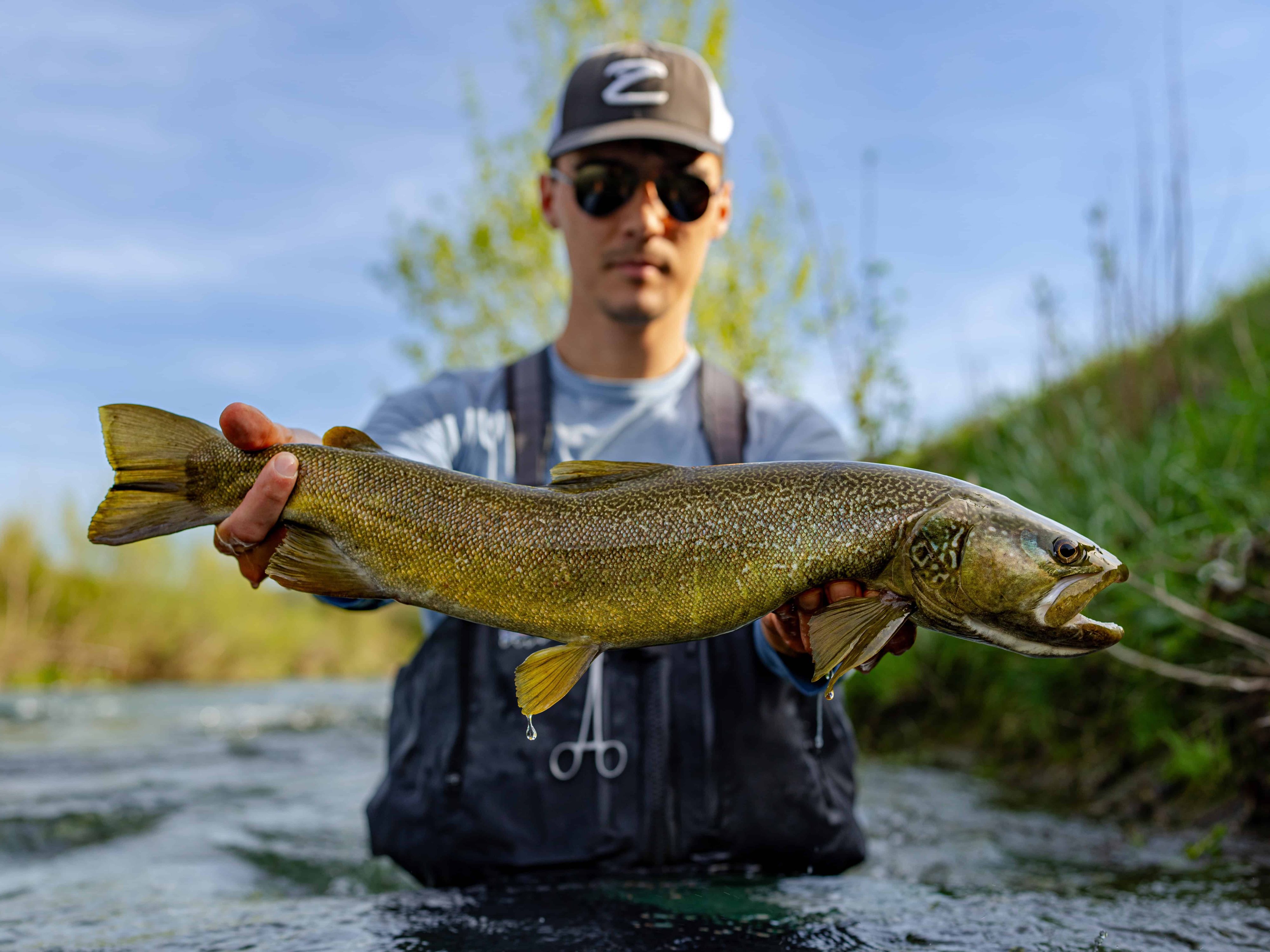
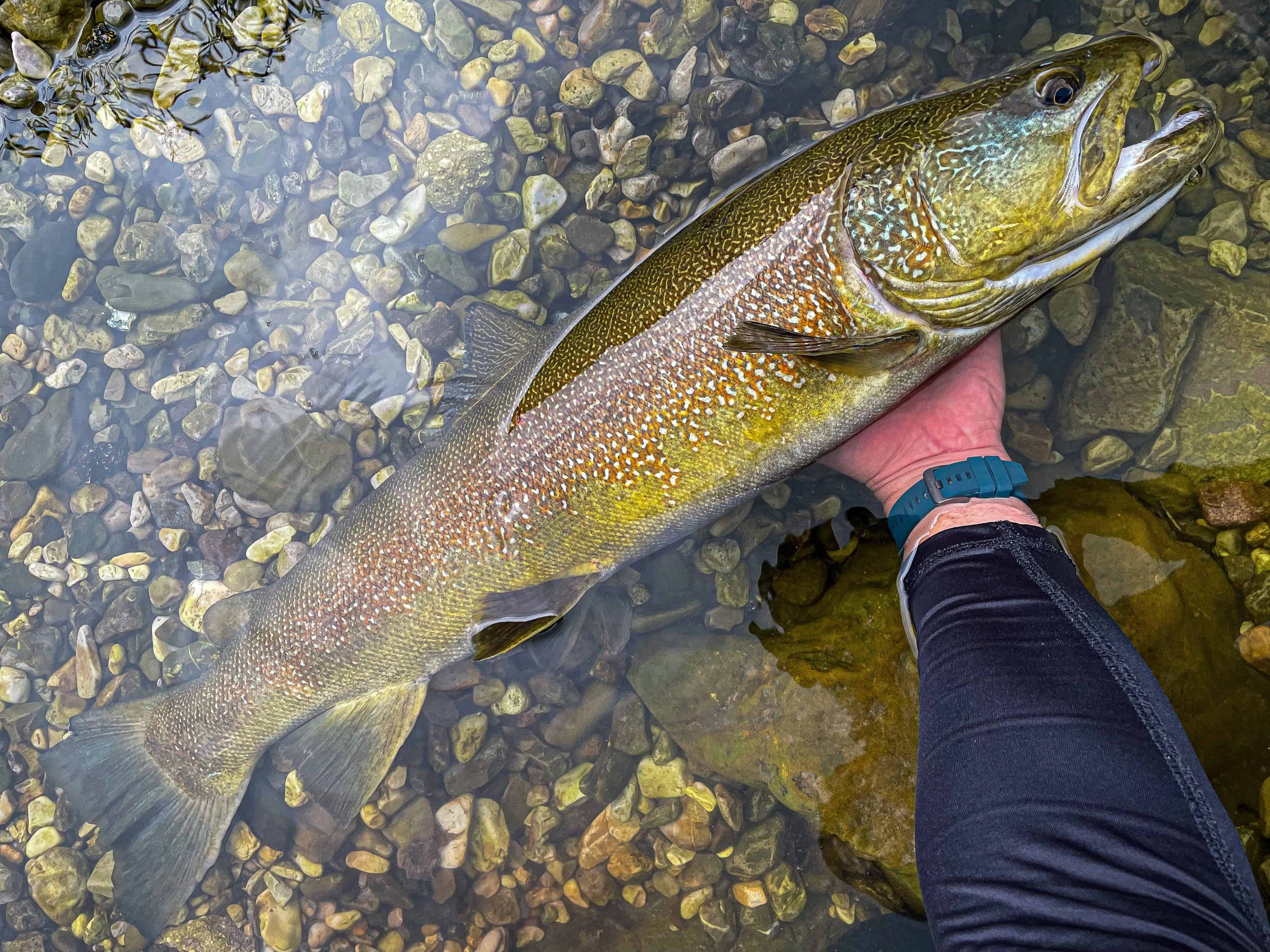
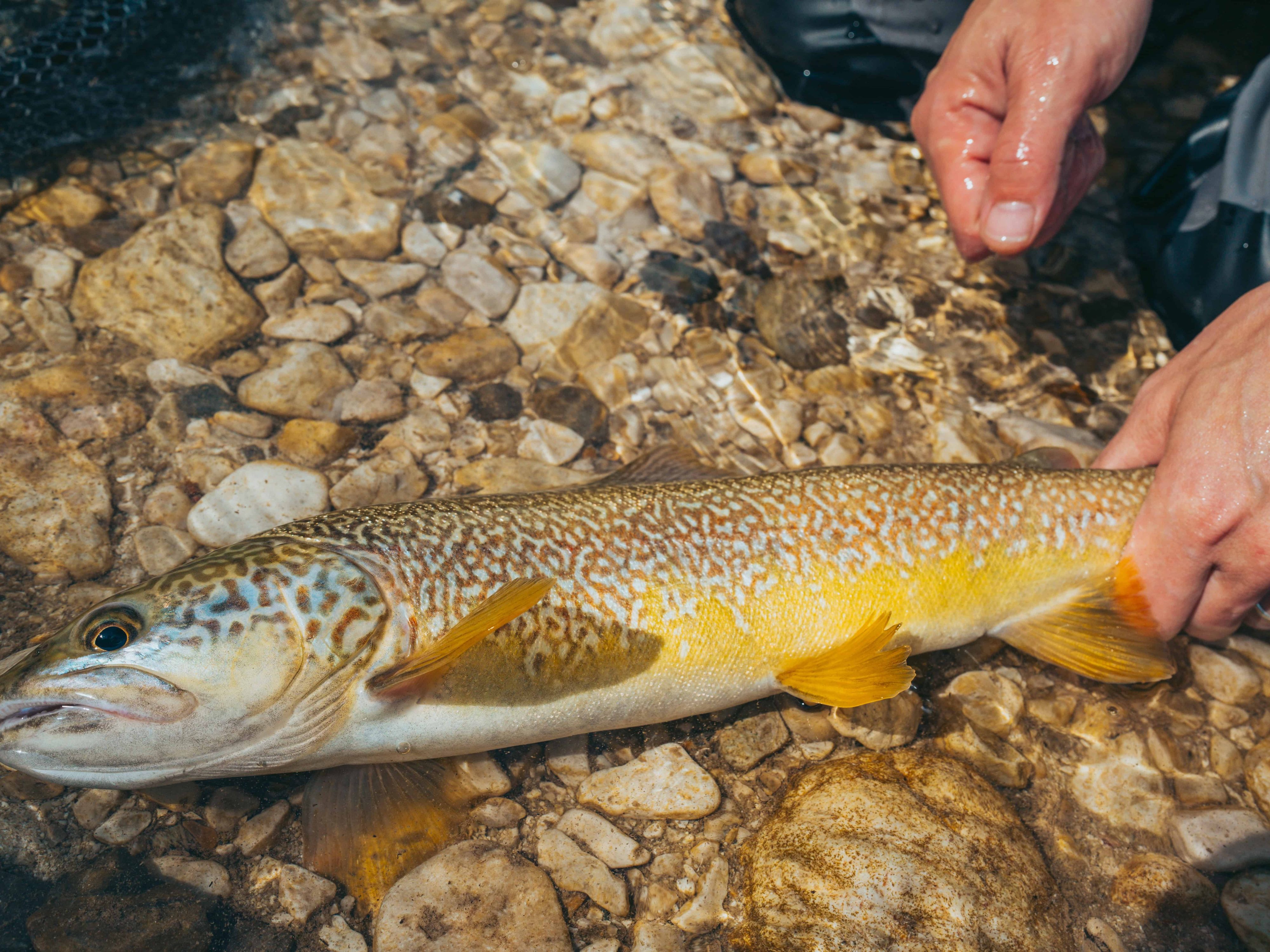
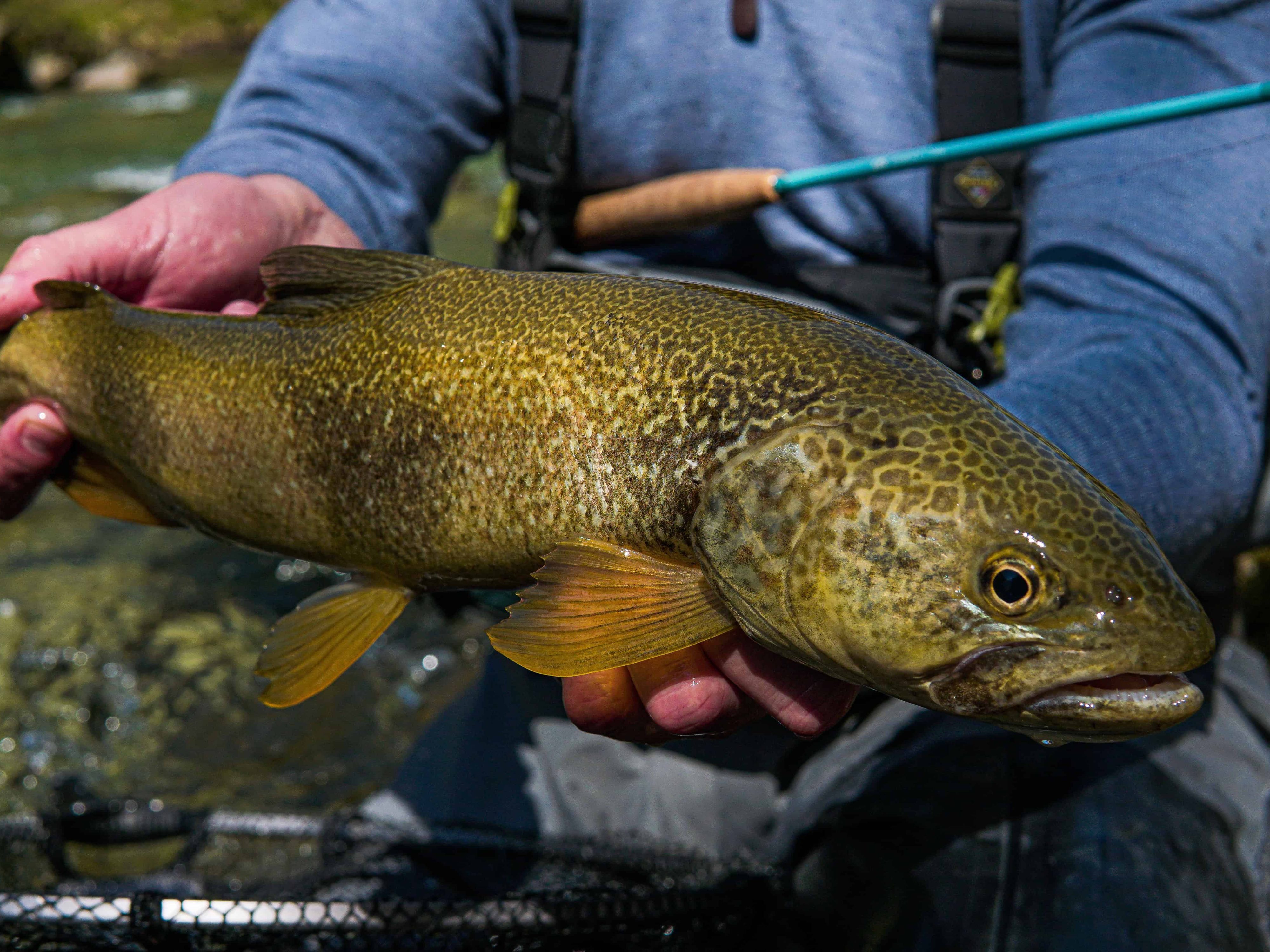
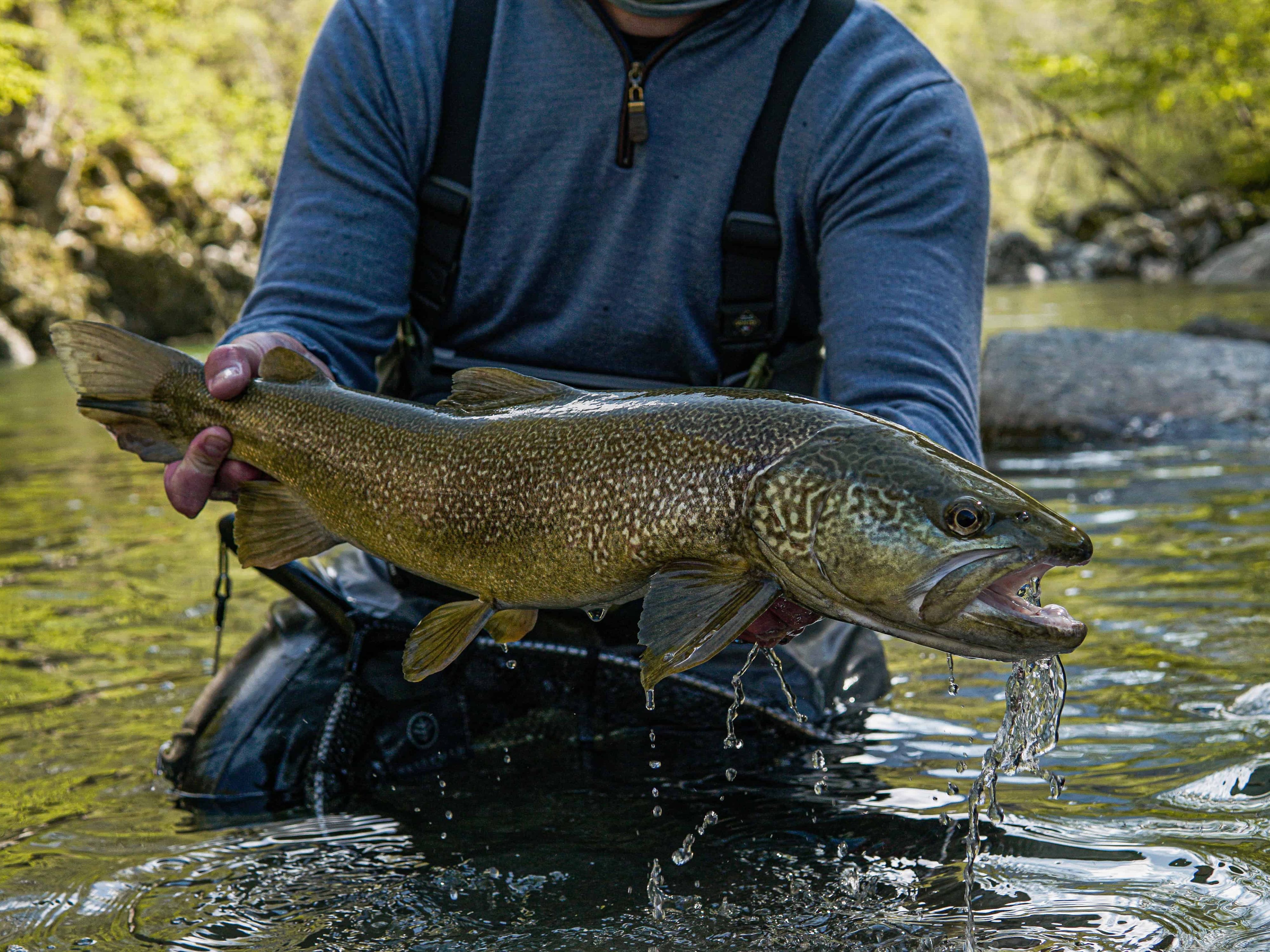
Marble trout (Salmo marmoratus) are a distinctive trout species native to the rivers flowing into the northern Adriatic Sea. Their name comes from the irregular, maze-like markings that cover the head, back and flanks, replacing the familiar spots of a brown trout with a pattern that looks almost painted into the skin. Colour varies with the water and the individual fish. Some are pale silver or yellow, while others carry deep olive, bronze and grey tones. Large adults develop broad heads, heavy shoulders and the unmistakable proportions of a fish-eating predator.
Habitat & Distribution
Their natural range is small and fragmented, covering river systems in Slovenia, northern Italy, Croatia, Bosnia and Herzegovina, and Montenegro. Slovenia is the species’ best-known stronghold, particularly the Soča and its tributaries, including the Idrijca, Tolminka and Bača. These rivers rise among the Julian Alps before flowing through limestone valleys towards the Adriatic. The water is often so clear that every rock can be seen from the bank, but spotting the trout itself is another matter. Its marbled pattern blends almost perfectly with broken stone, shadows and shifting current.
Marble trout favour cool, clean and well-oxygenated rivers with deep pools, boulder fields, undercut banks and enough structure to provide cover. Smaller fish occupy tributaries and quicker runs, while mature trout often settle into deeper water where they can conserve energy and ambush prey. They are generally less restless than rainbow trout and may spend long periods close to the bottom, tucked beside a rock or beneath a ledge. In clear water, a large marble trout can remain in full view yet be almost impossible to distinguish until it moves.
Size & Feeding Habits
Young fish feed mainly on aquatic insects, crustaceans and other small prey drifting through the current. As they grow, many gradually shift towards a diet dominated by fish. Grayling, sculpins, minnows, lampreys and smaller trout can all become prey. This change in diet is what allows certain individuals to build the deep bodies and heavy heads associated with trophy marble trout. A large fish does not need to feed constantly. It can remain hidden for hours, then move quickly when the right opportunity appears.
Most marble trout caught by anglers are considerably smaller than the giants for which the species is famous. Fish between 30 and 70 centimetres make up much of the population, while a trout approaching a metre is an exceptional river fish. Their maximum size is remarkable. A well-documented specimen from Slovenia’s Soča system measured 120 centimetres and weighed 22.5 kilograms, just under 50 pounds. There are also accounts of similarly large fish from other parts of the Balkans, although trout of this scale are extremely rare.
Marble Trout Fishing
The species came dangerously close to disappearing from parts of its range. Introduced brown trout were able to breed with marble trout, producing fertile hybrids and gradually diluting genetically pure populations. Habitat changes, overfishing and competition from non-native trout added further pressure. By the late twentieth century, some of the last pure fish survived only in isolated headwater streams above natural barriers. Conservation programmes in Slovenia located these remnant populations, bred them carefully and returned pure marble trout to restored sections of their native rivers. That work is one of the main reasons the species still has a future in the Soča basin.
Marble trout are most closely associated with fly fishing, particularly in Slovenia, where many rivers are managed under strict regulations. Smaller and medium fish may be caught on dry flies and nymphs, while larger trout are more likely to respond to streamers and other baitfish imitations. Spinning tackle is also used in parts of the species’ wider range, depending on local rules. The fishing is usually visual and deliberate rather than fast. Clear water gives the angler a good view of the river, but it gives the trout the same advantage.
Marble trout are special. The pale markings match the limestone riverbed, the heavy body suits the deep Alpine pools and the species has survived only because a few wild rivers and isolated tributaries remained intact. A marble trout does not need bright colours or constant action to hold your attention. Sometimes it is enough to see a large shape lift from the stones, cross a strip of turquoise water and disappear again.