
Bucket List Species
Mahi-Mahi
World Record
87 lb / 39.46 kg
Gulf of Papagayo, Costa Rica
Distribution
Tropical and warm-temperate oceans worldwide
Season
Year-round in tropical waters
Techniques
Fly fishing, spinning and conventional tackle
Trolling skirted lures and rigged baits, live-baiting, and casting stickbaits, soft plastics, metal jigs and large streamers around weed lines, floating debris
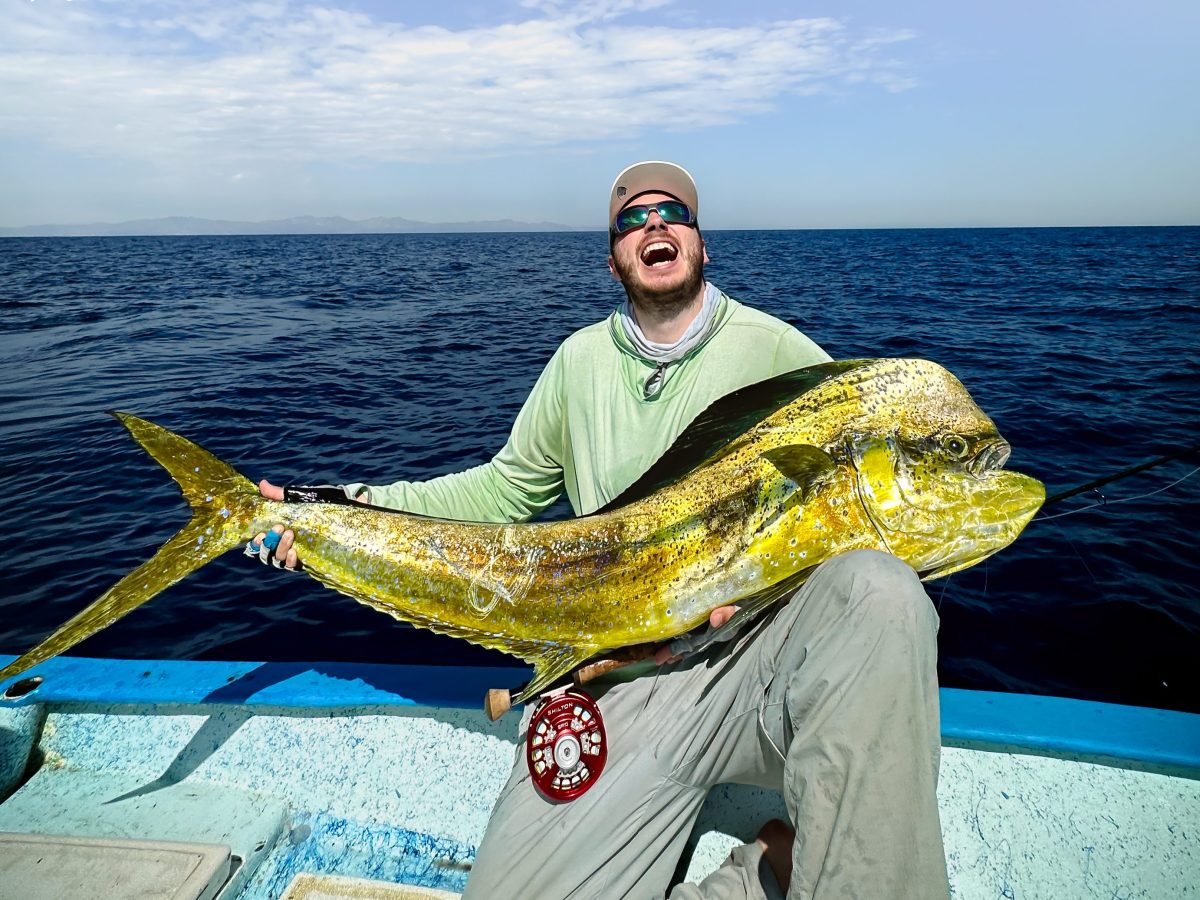
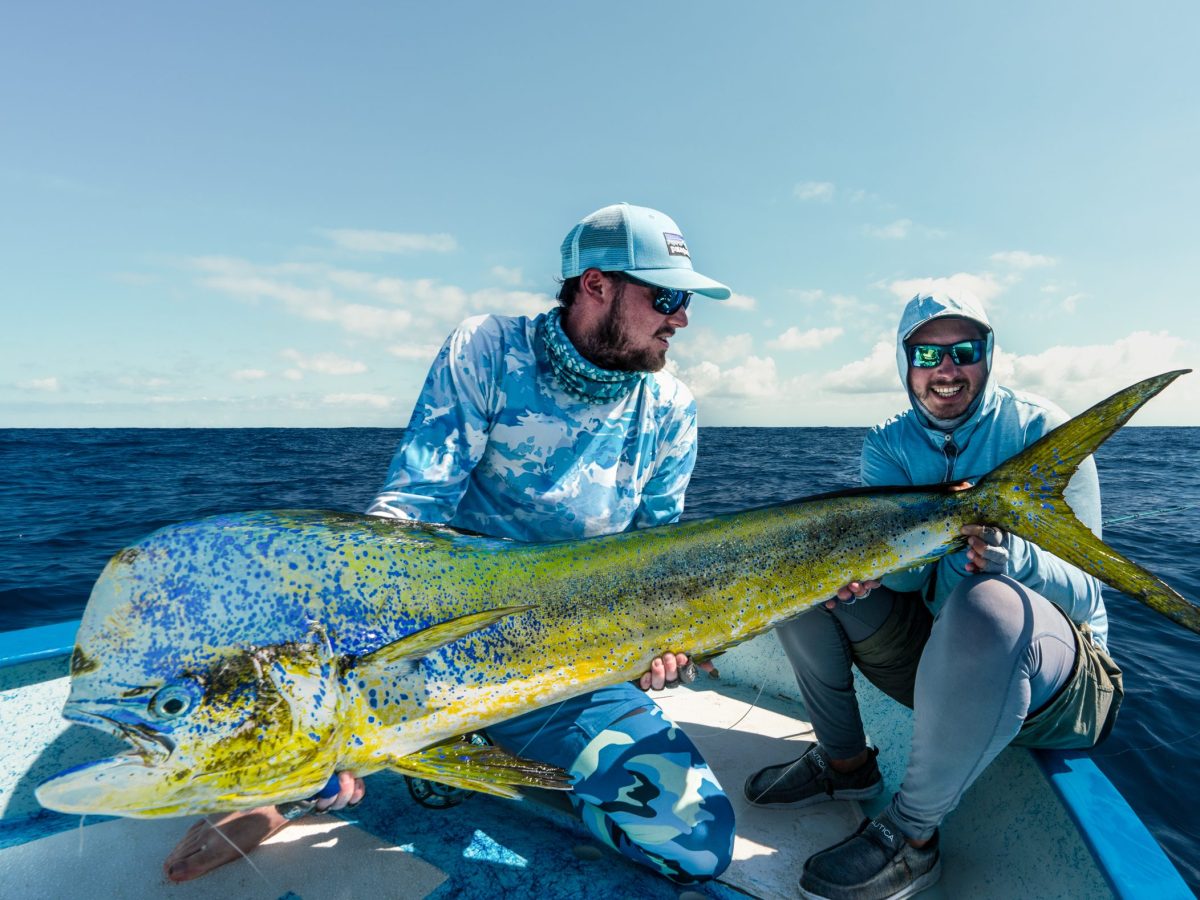
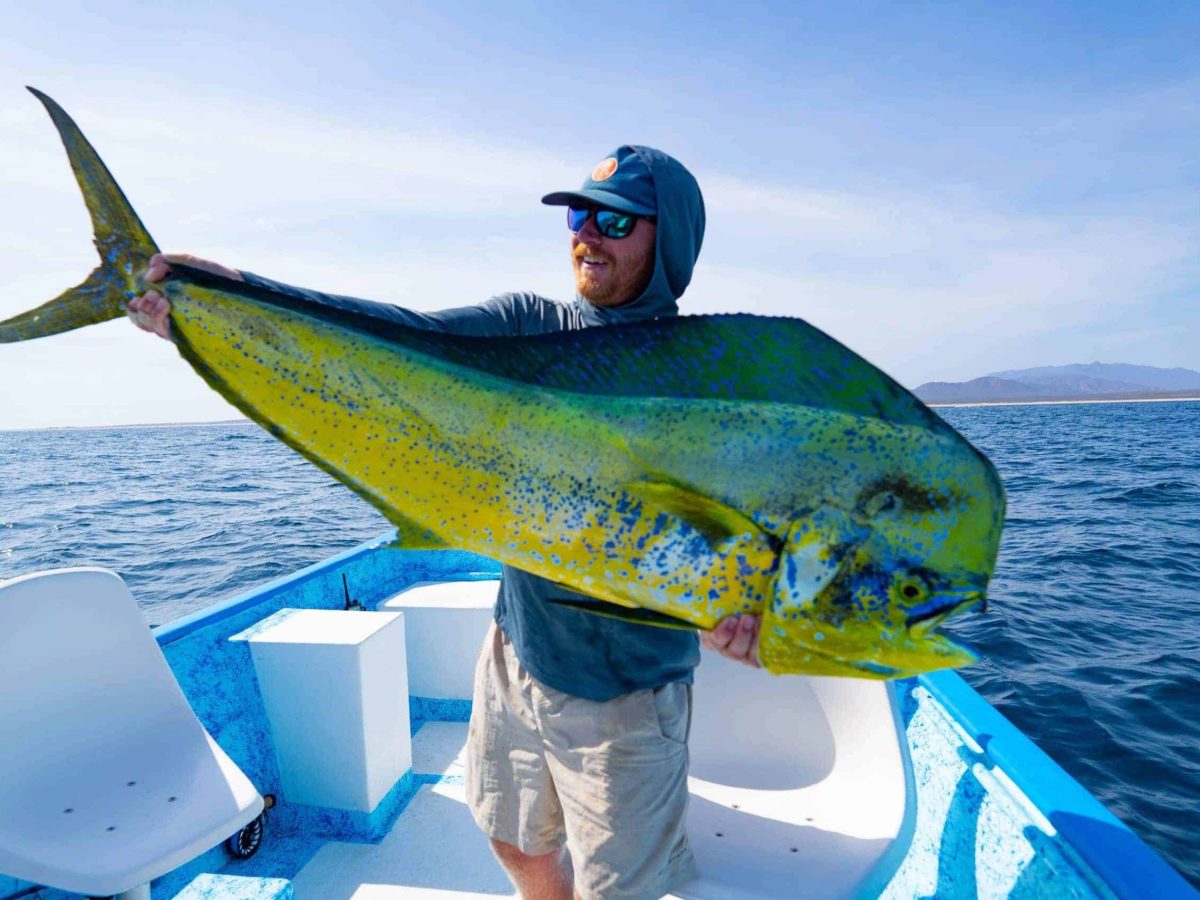
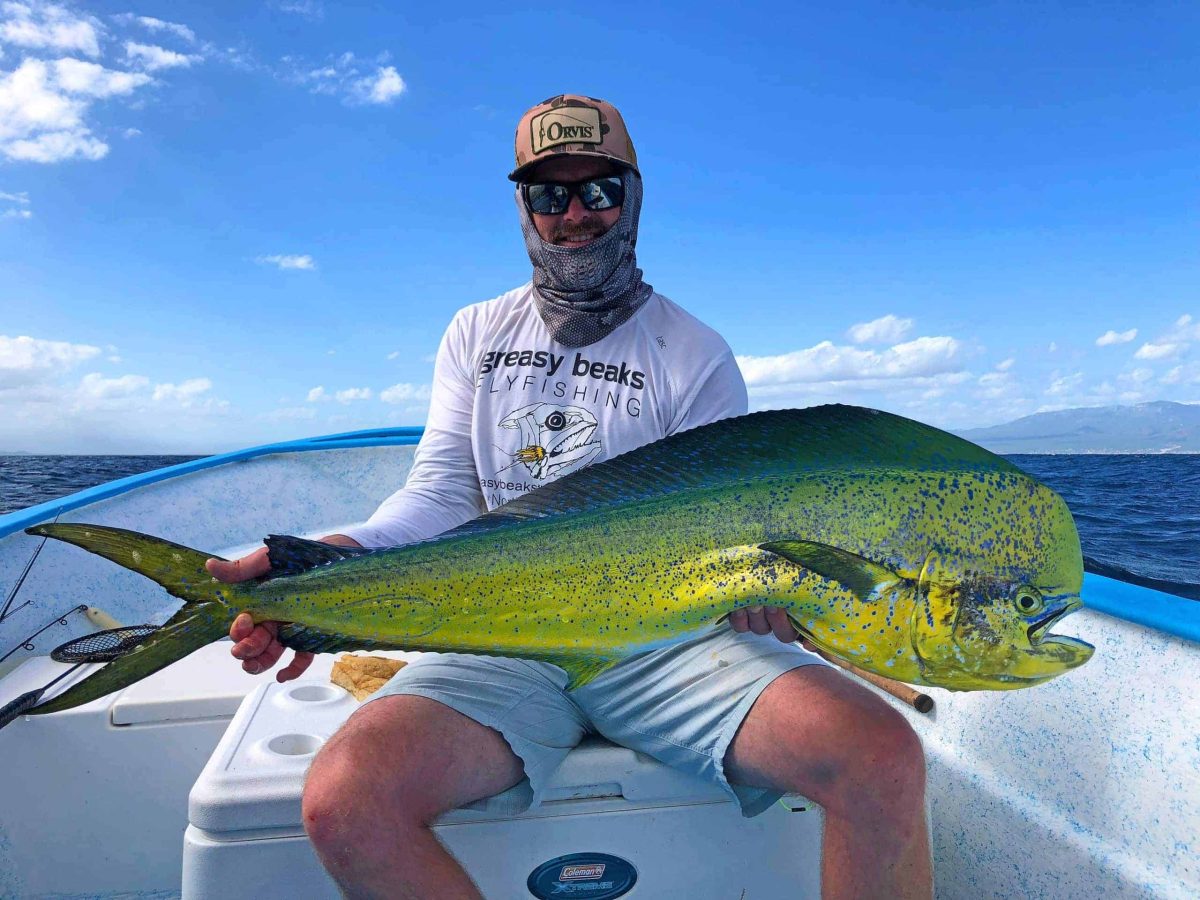
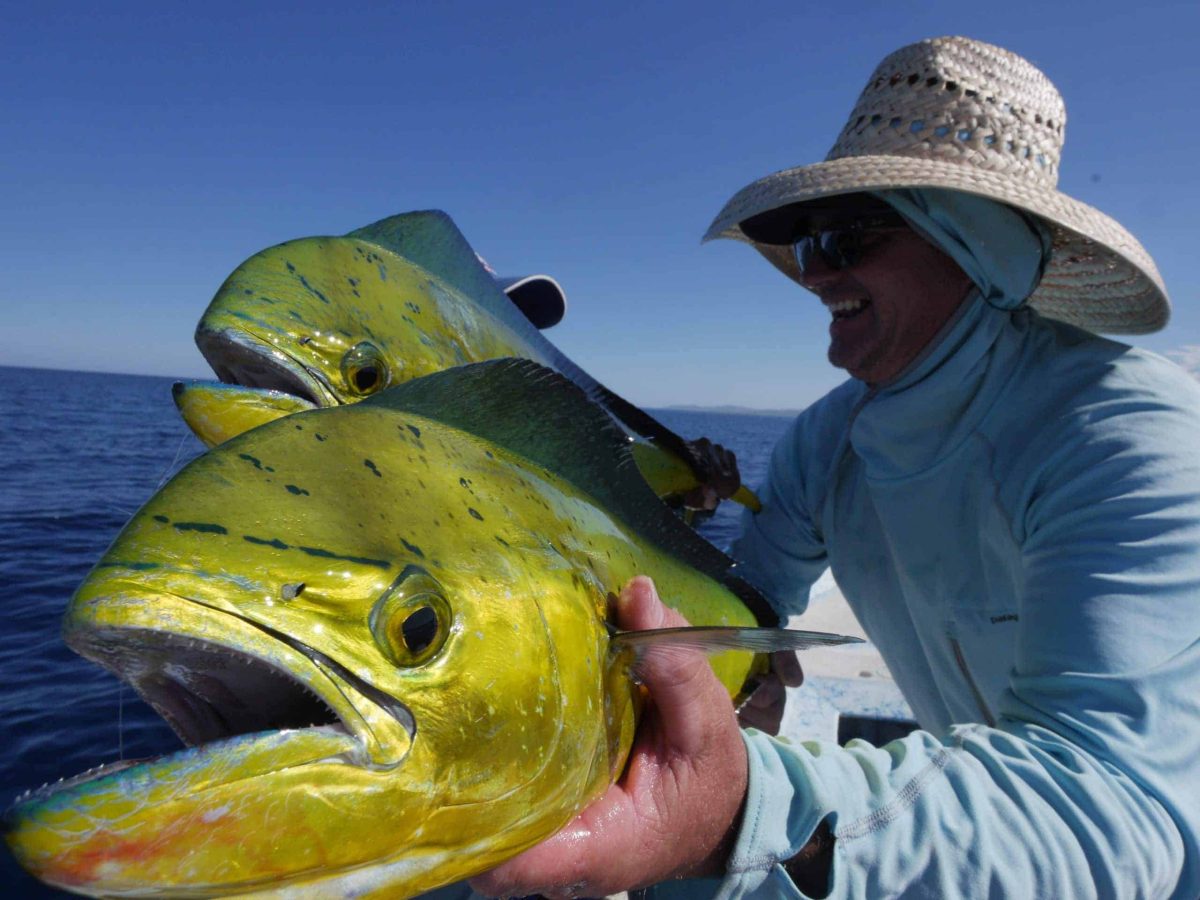

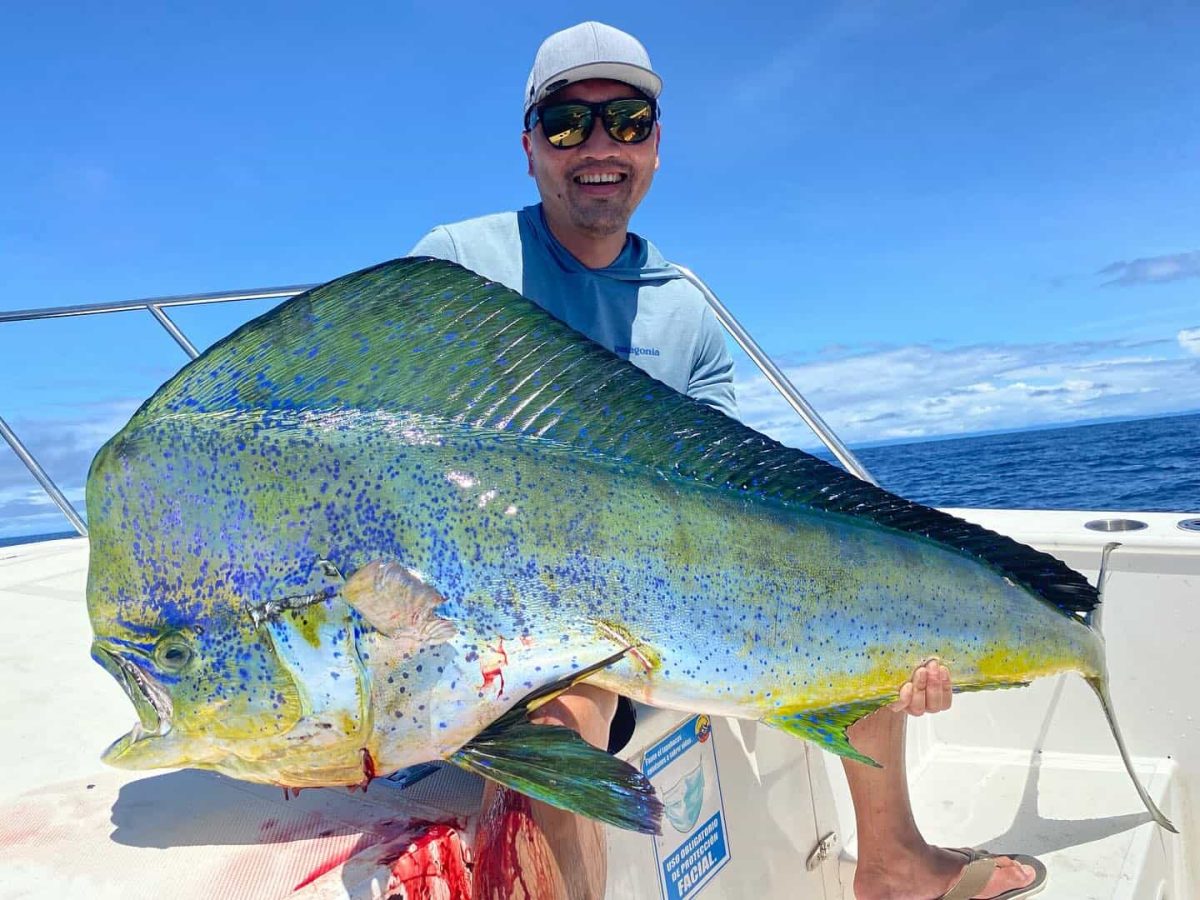
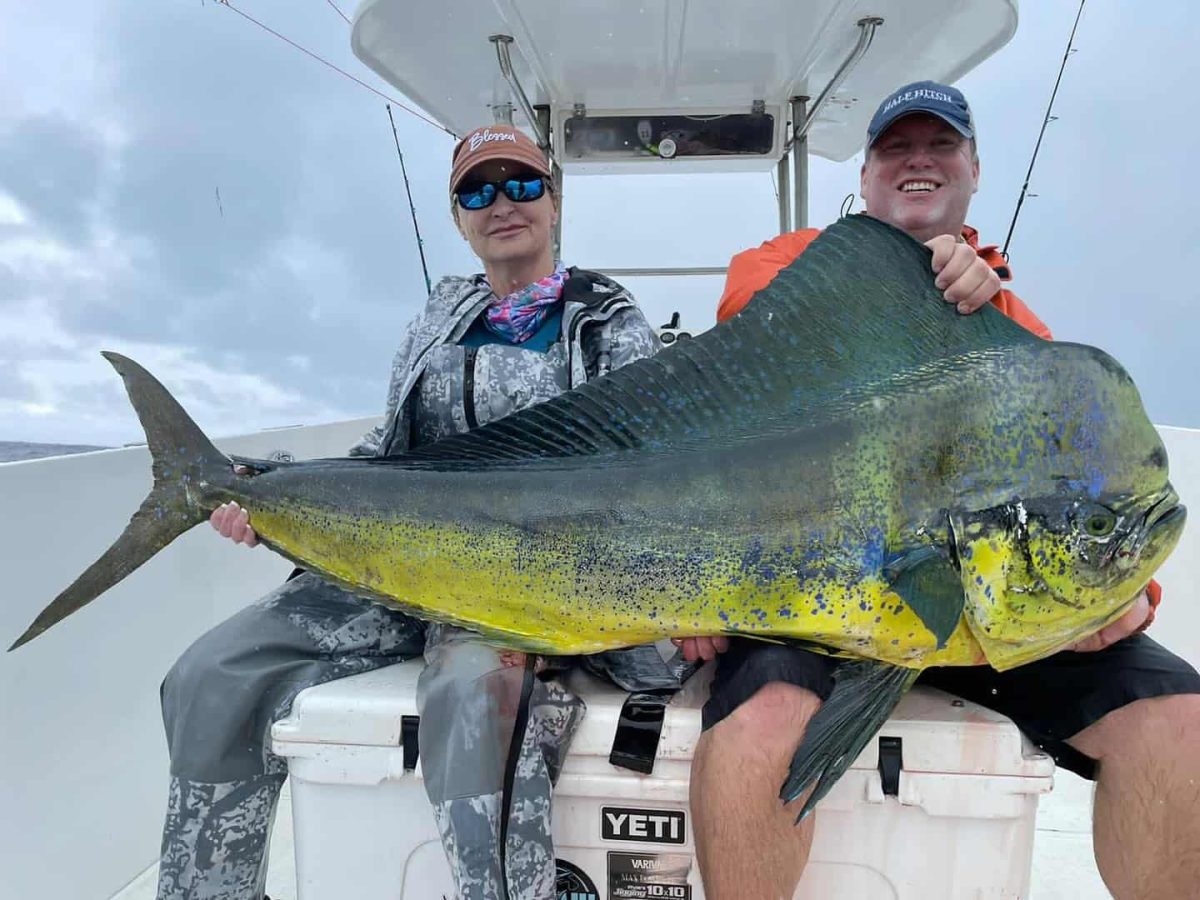
Mahi-Mahi (Dorado)
Species Overview
Mahi-mahi (Coryphaena hippurus) are fast-growing, open-ocean predators known for their electric colour, acrobatic fights and almost constant movement. Depending on where we fish, the same species may be called mahi-mahi, dorado or dolphinfish. The last name can cause confusion, but they are fish and have no relation to marine mammals. Dorado means golden in Spanish, while the Hawaiian name mahi-mahi translates roughly as “strong-strong,” which is a fair description of a fresh fish on light tackle.
Few gamefish are as striking when they first come aboard. The body is long and compressed, with a blunt head, deeply forked tail and a dorsal fin that runs almost the full length of the back. Their colours shift between blue, green, gold and yellow, often covered with bright blue spots. Mature males, known as bulls, develop tall, square foreheads, while females, usually called cows, have a more rounded head. Those brilliant colours begin fading quickly once the fish leaves the water, which makes a live mahi beside the boat look completely different from one photographed several minutes later.
Habitat & Distribution
Mahi-mahi are found throughout tropical and warm temperate waters of the Atlantic, Pacific and Indian oceans, as well as the Mediterranean. They are highly mobile pelagic fish rather than residents of a particular reef or coastline. Currents, water temperature and food determine where they appear, which is why a stretch of apparently empty ocean can suddenly hold large numbers of fish when warm water and bait come together.
They are strongly associated with anything floating at the surface. Weed lines, drifting sargassum, kelp paddies, logs, pallets and other debris create small offshore ecosystems that attract juvenile fish, squid and crustaceans. Mahi patrol these areas looking for food and shelter, although they may roam well beyond the visible object itself. Current edges, temperature breaks and colour changes can be equally important because they concentrate prey into defined areas.
Size & Feeding Habits
Mahi are active visual predators with a diet dominated by fish and squid. Flying fish, sardines, mackerel, small tuna and other pelagic baitfish are all taken, along with crustaceans found around floating cover. Their speed allows them to chase prey across open water, while their ability to change direction quickly makes them particularly effective around scattered bait schools. Smaller mahi often travel in large groups, while bigger adults are more commonly found in pairs or small packs.
Everything about their life cycle happens quickly. Mahi can mature within their first year and grow at a rate matched by very few large gamefish. In productive water, a fish can reach 20 pounds in roughly a year. Most do not survive beyond one or two years, although individuals can live longer. This combination of early maturity, rapid growth and frequent spawning allows populations to respond faster than those of many slower-growing pelagic species.
Most mahi encountered by anglers range from small schooling fish to adults weighing between 15 and 30 pounds. A bull above 40 pounds is an impressive fish almost anywhere, while specimens exceeding 50 pounds are exceptional. The IGFA all-tackle record stands at 87 pounds, caught in Costa Rica’s Gulf of Papagayo in 1976. Larger fish have been reported, including a dorado weighed at around 102 pounds in Mexico, but the fish was processed before it could be weighed under record conditions.
Mahi-Mahi Fishing
Mahi can be targeted with fly, spinning and conventional tackle. Trolling skirted lures, rigged baits and hardbody lures remains one of the most common ways to locate fish across open water. Once a school is found, anglers may cast stickbaits, soft plastics, metal lures, flies or live baits around the boat and nearby floating cover. They are aggressive when feeding and often remain close to a hooked fish, sometimes bringing the rest of the school within casting range.
Once hooked, mahi rarely stay beneath the surface for long. They run quickly, jump repeatedly and change direction with very little warning. On heavy offshore tackle they can be brought in without much ceremony, but on balanced spinning or fly gear their speed and aerial fight become far more obvious.
Mahi-mahi are one of the purest expressions of offshore fishing. They grow quickly, travel widely and can appear beneath almost any piece of floating cover in warm blue water. Their colour catches our attention first, but it is the speed, aggression and unpredictability of the fish that make the encounter memorable.