
Bucket List Species
Brown Trout
Brown Trout
Species Overview
Few fish have travelled farther, adapted more completely or developed as many different identities as the brown trout. Known scientifically as Salmo trutta, it can be a hand-sized fish living beneath the banks of a mountain stream, a heavy lake predator hunting other trout in deep water, or a silver sea-run fish returning from the ocean at more than 20 pounds. They are all brown trout, shaped by the water, food and genetics of the places they inhabit.
The species is native to Europe, western Asia and a small part of North Africa. From there, brown trout were introduced across much of the world, including North America, South America, Australia, New Zealand and southern Africa.
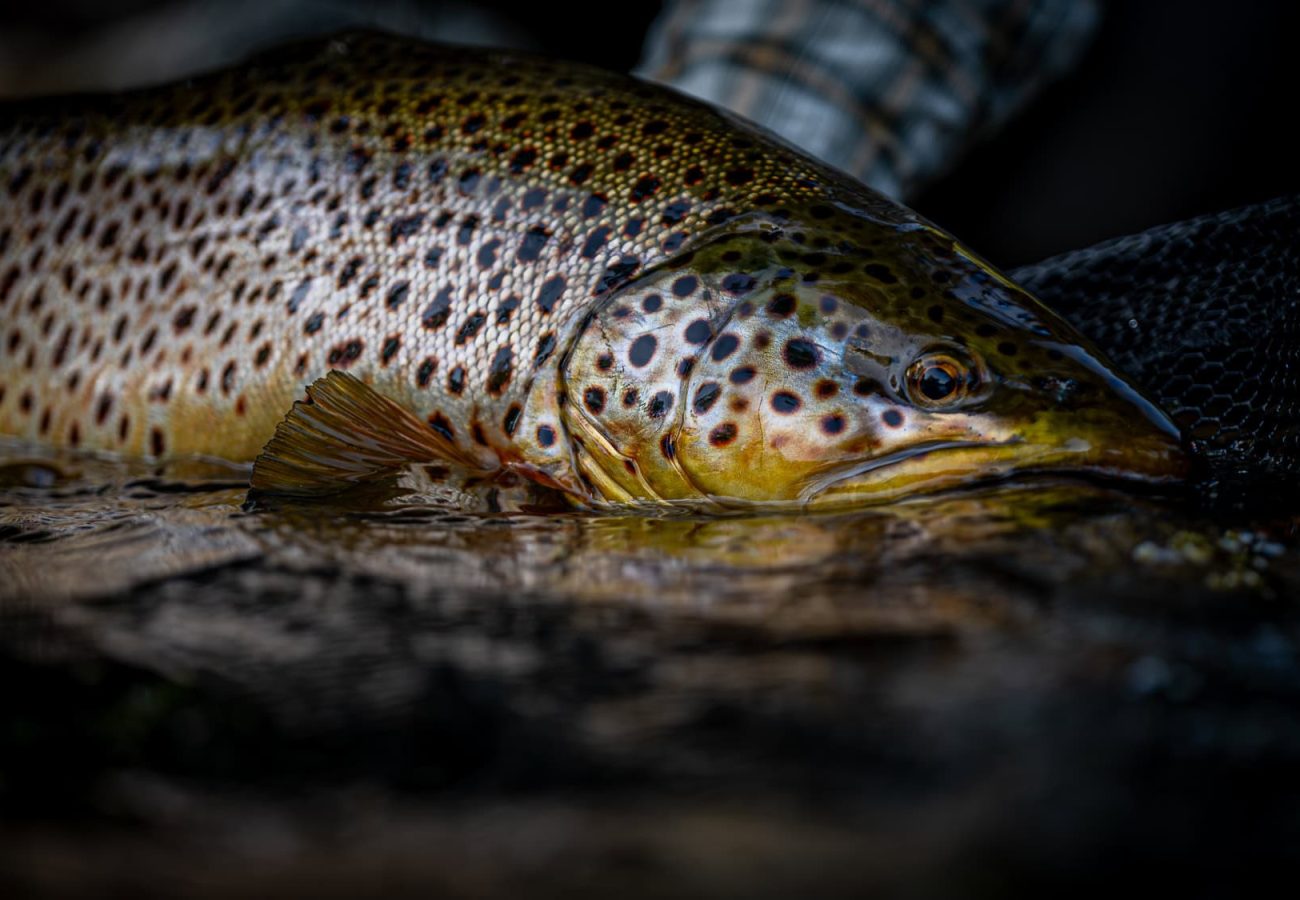
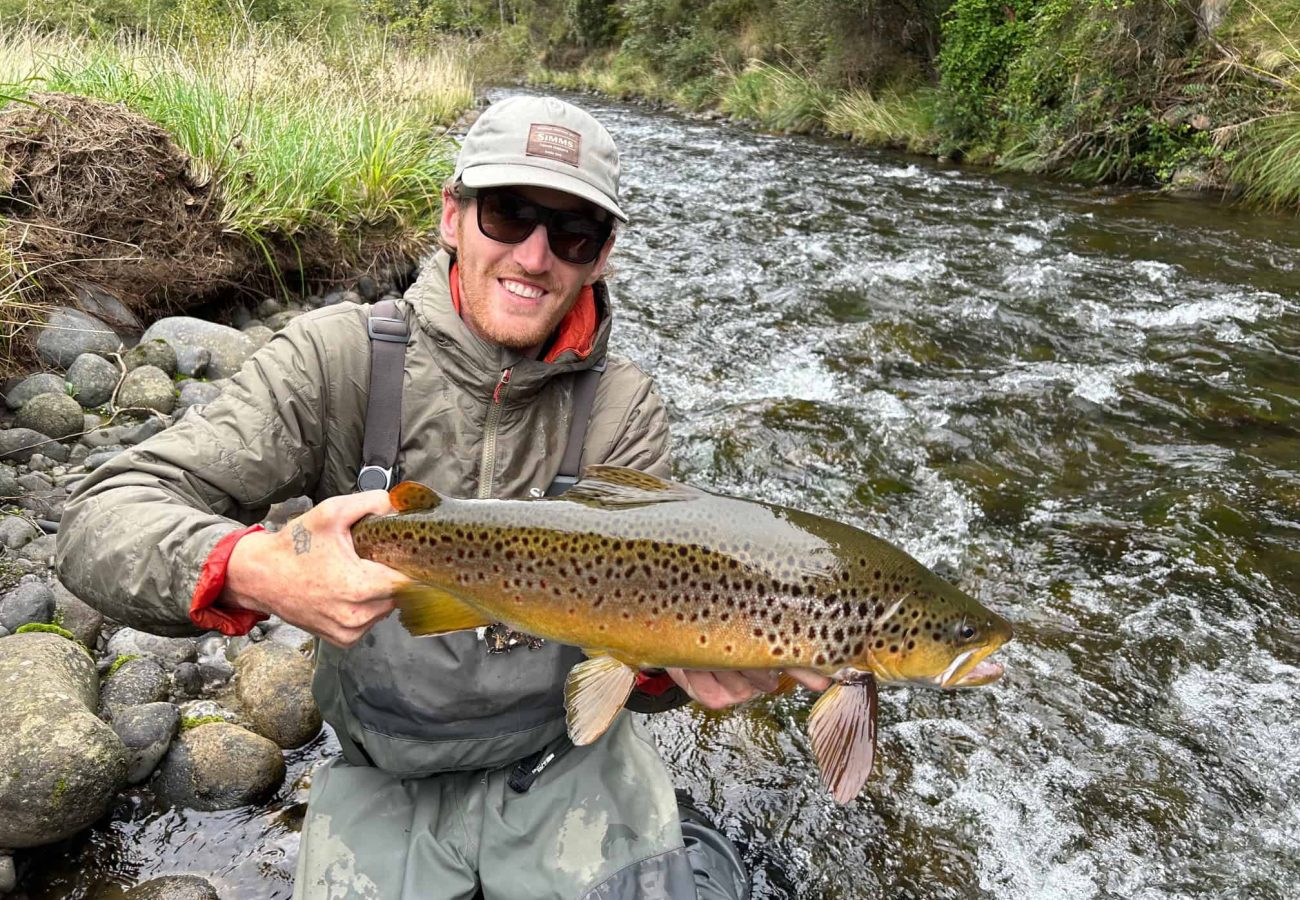
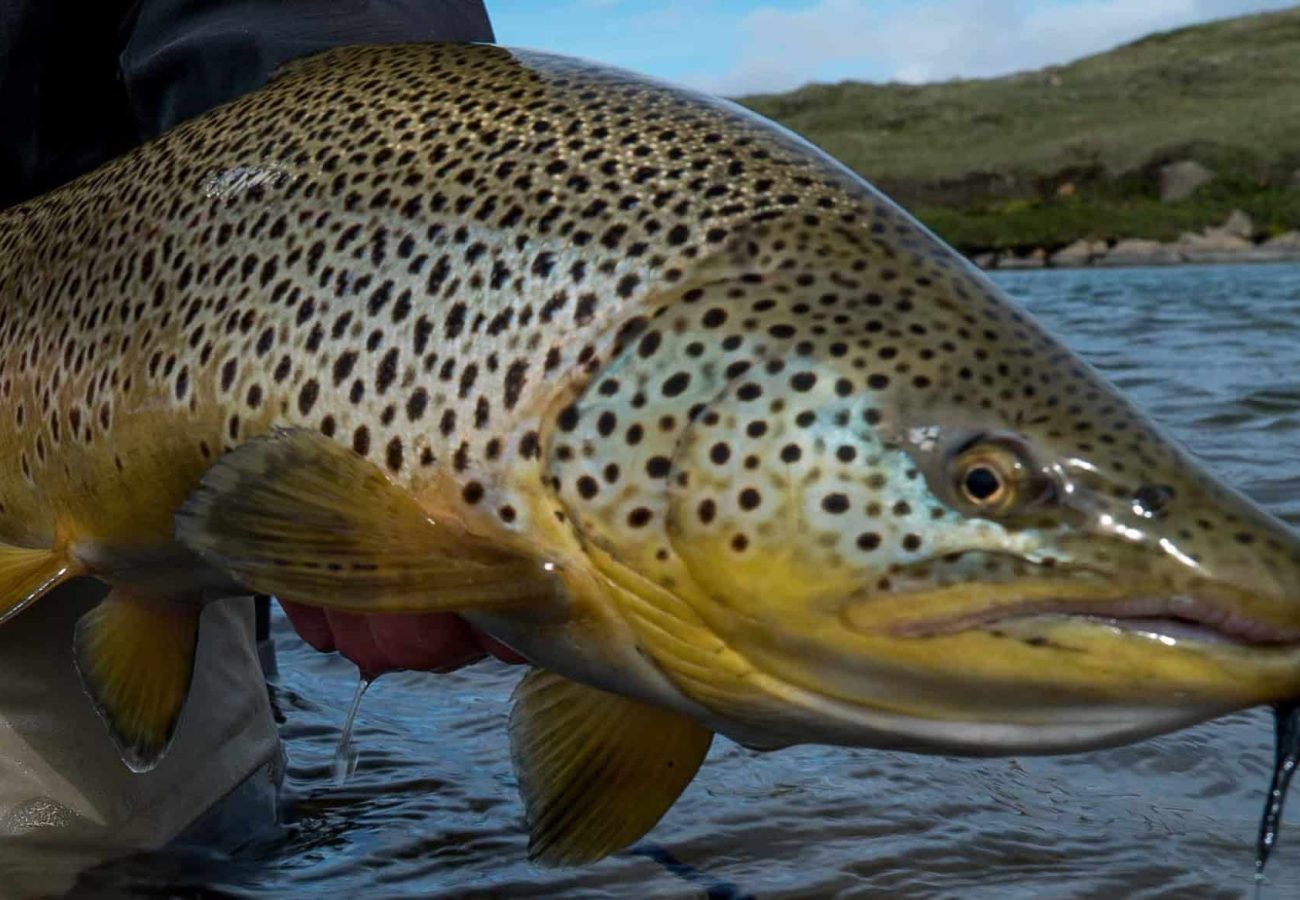
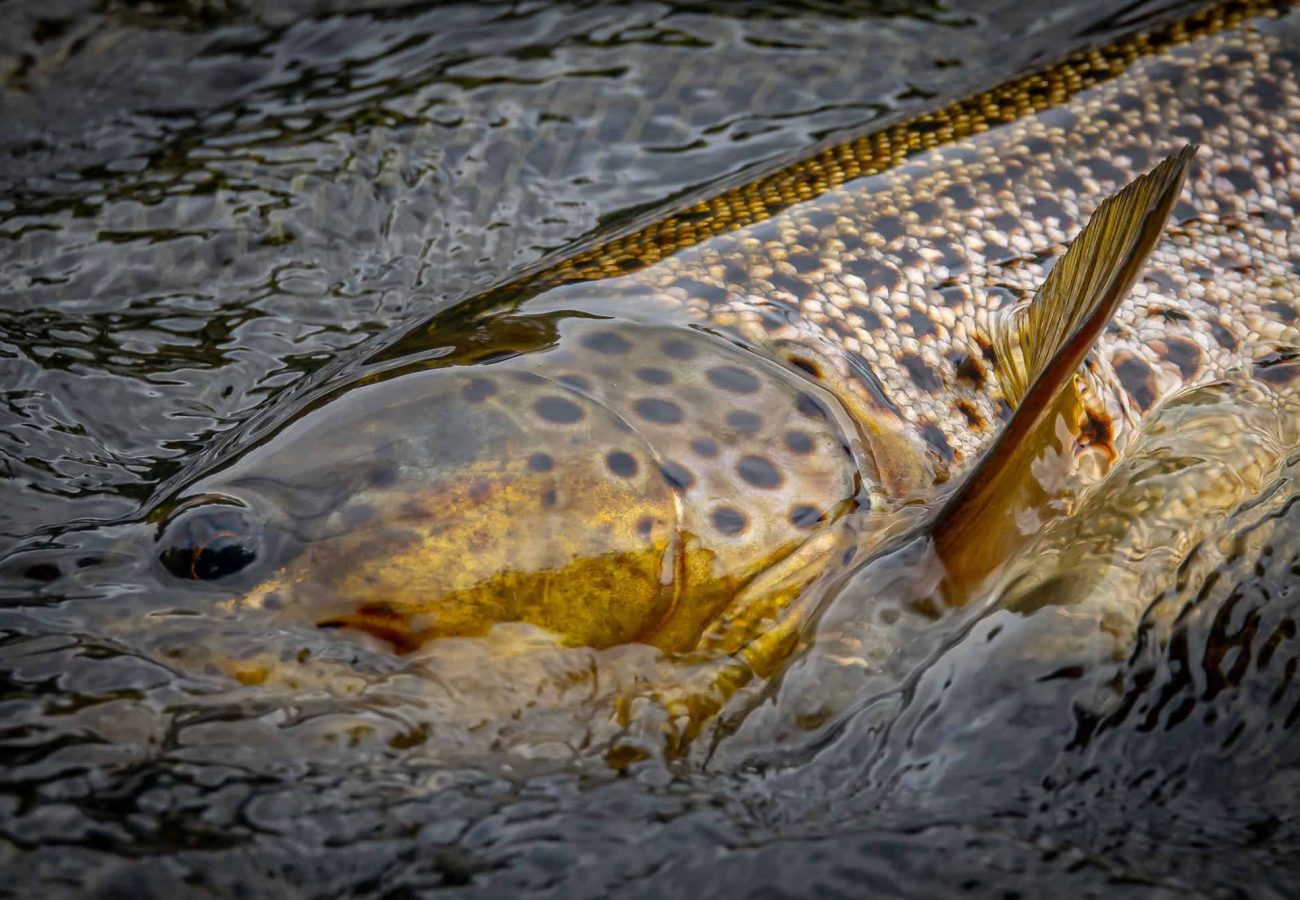
A typical brown trout has an olive or golden-brown body marked with black and red spots, often surrounded by pale halos. That description only goes so far. Fish from dark, peaty lakes can be almost black, while trout living over pale gravel may be bright gold or silver. Some have vivid red spots and butter-yellow bellies. Others carry little colour at all. Even fish from the same river can look noticeably different depending on age, habitat and whether they are preparing to spawn.
Brown trout are equally flexible in what they eat. Young fish feed mainly on aquatic insects, small crustaceans and whatever falls from the bank. As they grow, some continue feeding heavily on insects, while others switch to minnows, frogs, crayfish and smaller trout. This change to a fish-based diet is often what allows certain individuals to reach exceptional size.
Most wild stream browns remain relatively modest, commonly weighing between one and five pounds. A genuine 20-inch river fish is still a serious trout in most places. Lakes, reservoirs and rich tailwaters can produce much larger specimens, particularly where baitfish are abundant. The current all-tackle record weighed 44 pounds 5 ounces and came from New Zealand’s hydro canal system, a remarkable example of what the species can become when cold water and an almost unlimited food supply come together.
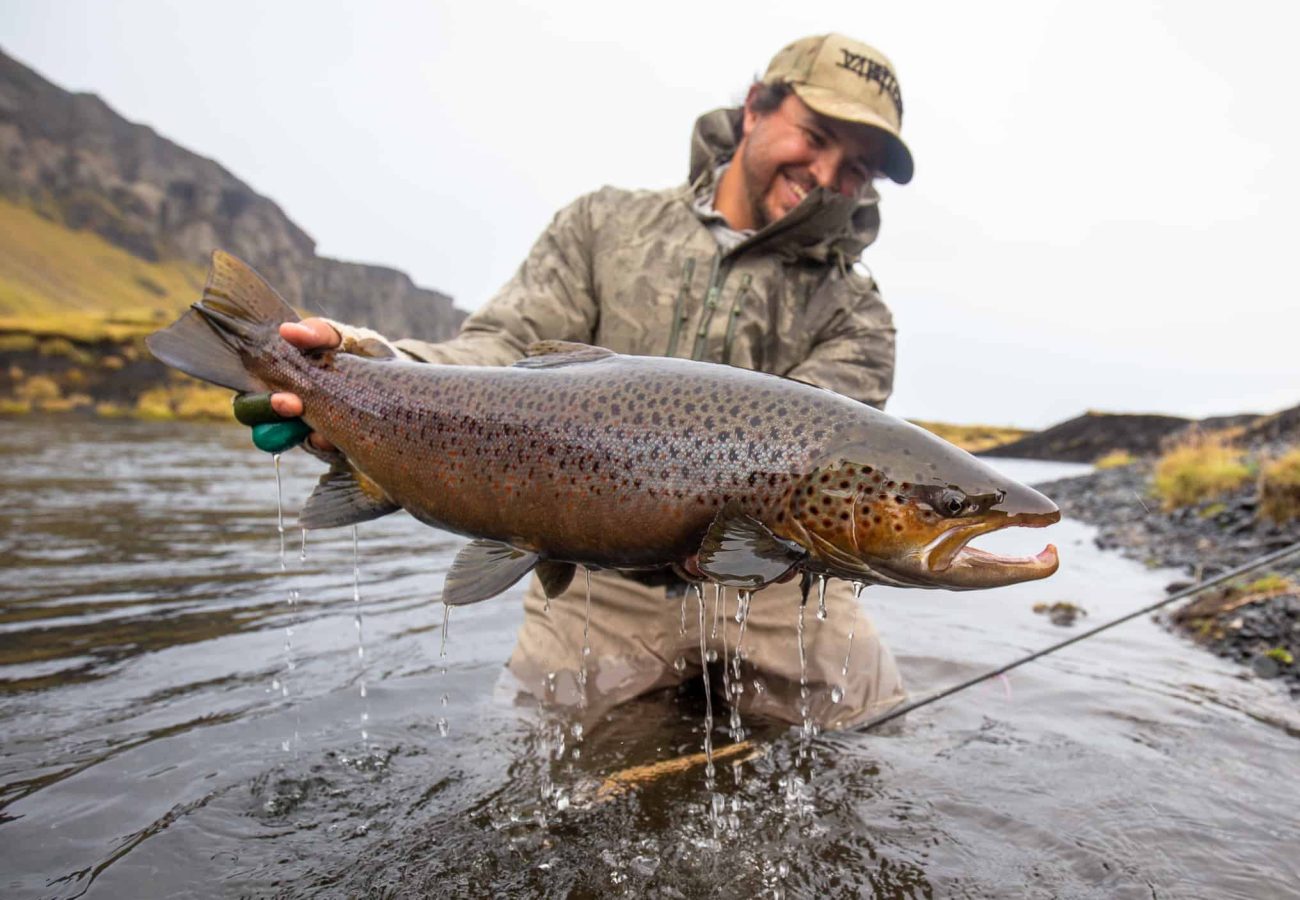
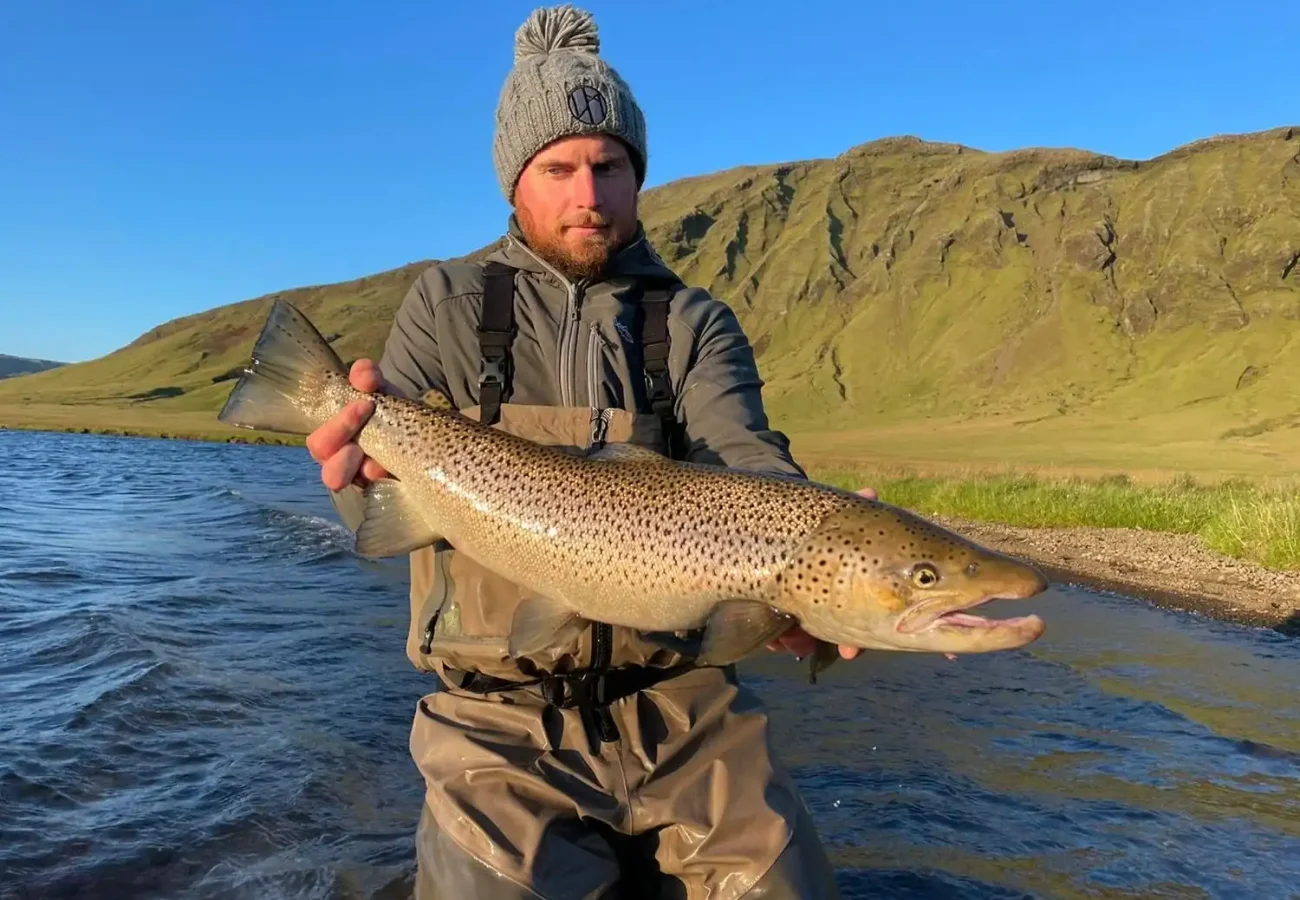
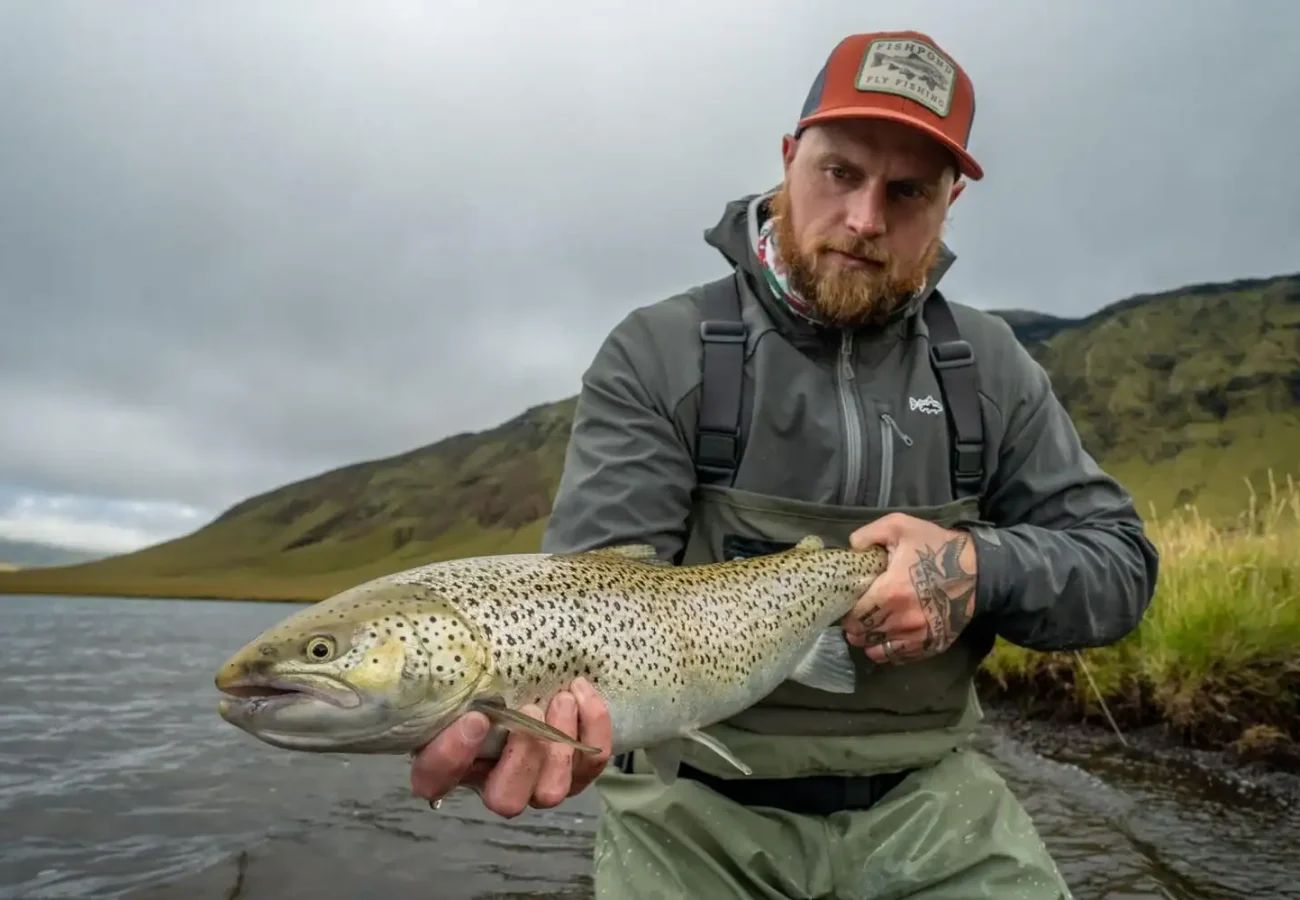
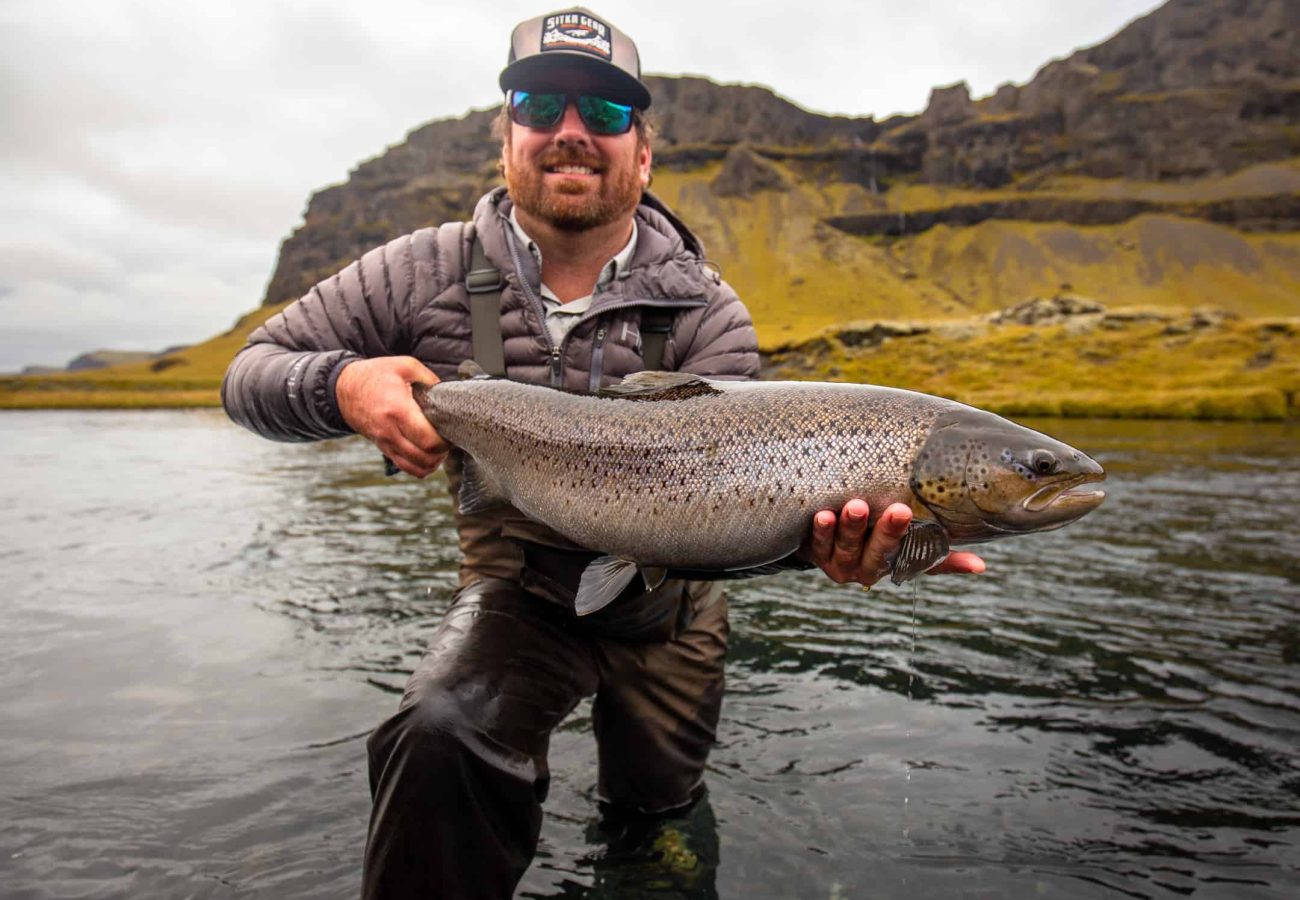
Sea trout add another chapter to the story. They are not a separate species, but brown trout that have adopted an anadromous life cycle. After spending their early years in freshwater, they migrate into estuaries and the ocean to feed before returning to rivers to spawn. Some fish may remain resident while their siblings head to sea, showing just how flexible the species can be.
Fresh sea trout are generally bright silver, with only faint traces of the rich colours associated with resident browns. After entering freshwater, they gradually darken and begin to look more familiar. Unlike Pacific salmon, sea-run brown trout can survive spawning and return to sea, repeating the migration several times during their lives. Native sea trout fisheries are found around the British Isles, Iceland and Scandinavia, while introduced fish have created famous runs in Patagonia and the Falkland Islands. Argentina’s Tierra del Fuego Province is a prime example, regularly producing sea-run browns in the 10 to 20-pound class and occasional fish approaching 30 pounds.
Ferox trout are another expression of Salmo trutta. Found mainly in large, deep lakes in Ireland and Scotland, ferox are slow-growing, long-lived brown trout that become dedicated fish eaters. They often spend much of their time in deep water, feeding on species such as Arctic char. Ferox tend to be dark, heavily spotted and far more robust than the smaller insect-feeding trout sharing the same lake. The name describes a specialised lifestyle or ecotype rather than a separate species.
The same principle applies to many of the named brown trout strains and regional forms found across Europe. The zebra trout of the Spanish Pyrenees is a local brown trout form recognised for its distinctive markings and connection to cold mountain rivers.
They can be caught on fly and spinning tackle, in water ranging from tiny streams to open coastlines. That variety is a major part of their appeal, but it is not the whole reason brown trout have held anglers’ attention for generations. Mature fish are cautious, opportunistic and often most active when conditions turn difficult. A large brown can live in surprisingly small water, feed only during brief windows and seemingly disappear between encounters.
That unpredictability is what defines the species. There is no single version of a brown trout. It might rise beneath willow branches in an English chalk stream, chase bait through a New Zealand lake, hunt char in an Irish lough or return from the South Atlantic carrying the silver flanks of a sea fish. Few species can change so much while remaining unmistakably themselves.