
Bucket List Species
Atlantic Permit
World Record
Distribution
Western Atlantic
Florida to Brazil
Season
Region Specific
Techniques
Fly Fishing, Spinning, Conventional




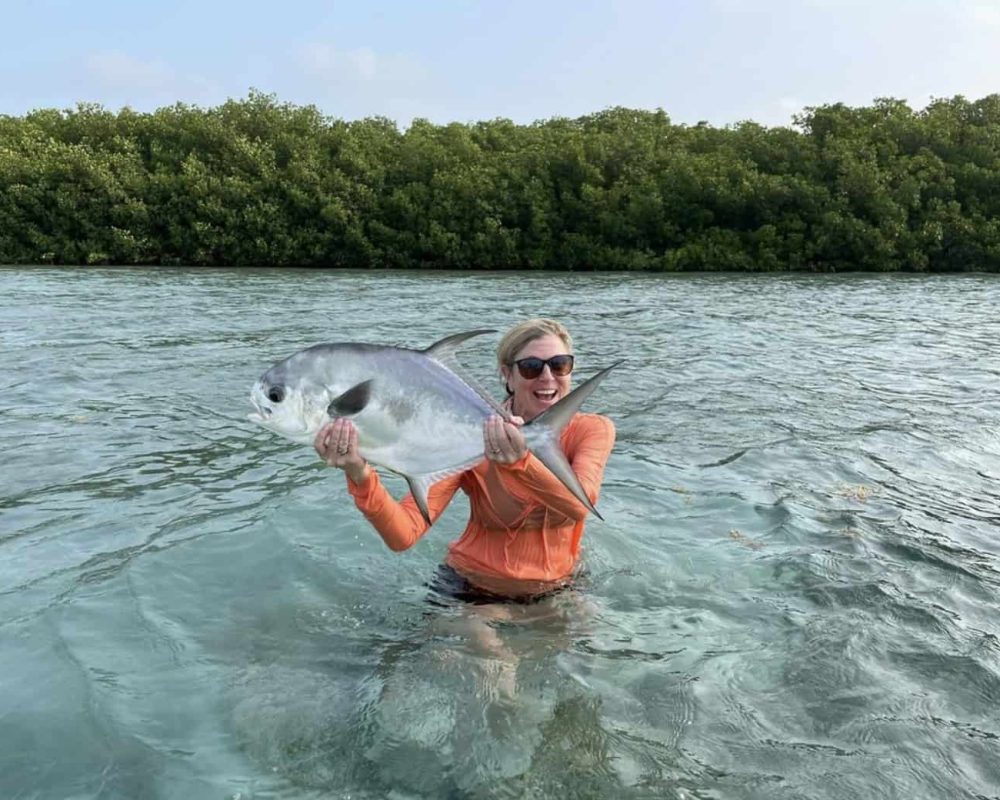
Atlantic Permit
Species Overview
Atlantic permit, Trachinotus falcatus, have acquired more nicknames than most species, although the Holy Grail of flats fishing and the fork-tailed devil are probably the most fitting. One speaks to the achievement of catching one. The other captures how most anglers feel after watching a permit inspect a perfectly good presentation, turn away and disappear across the flat.
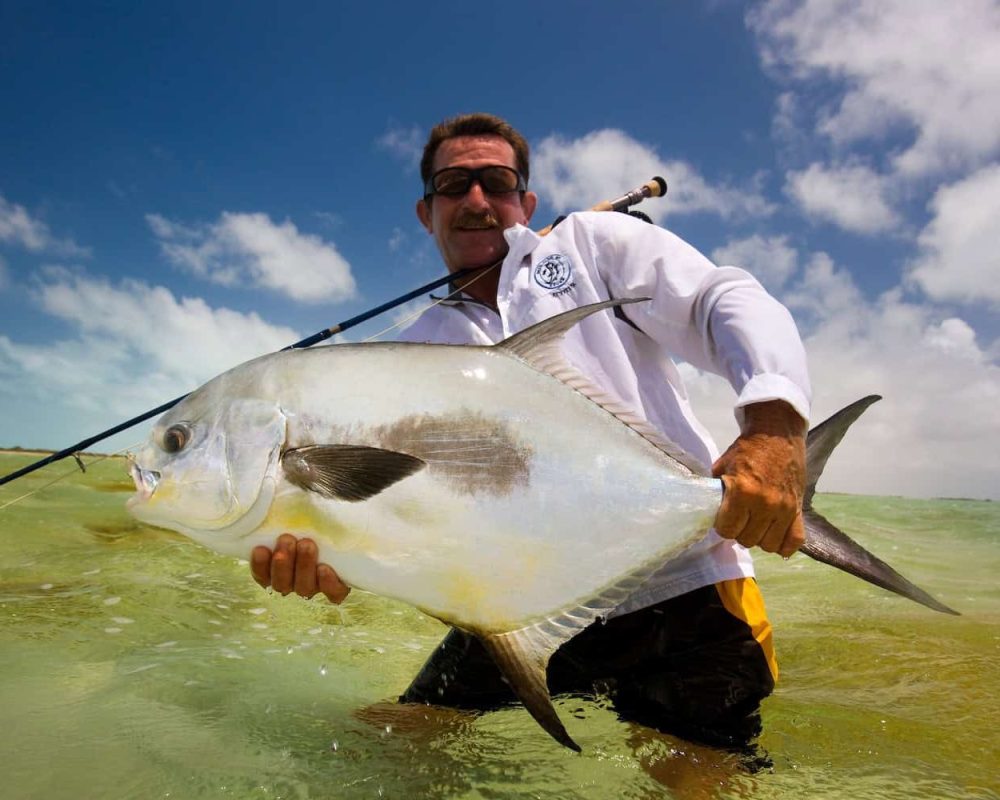
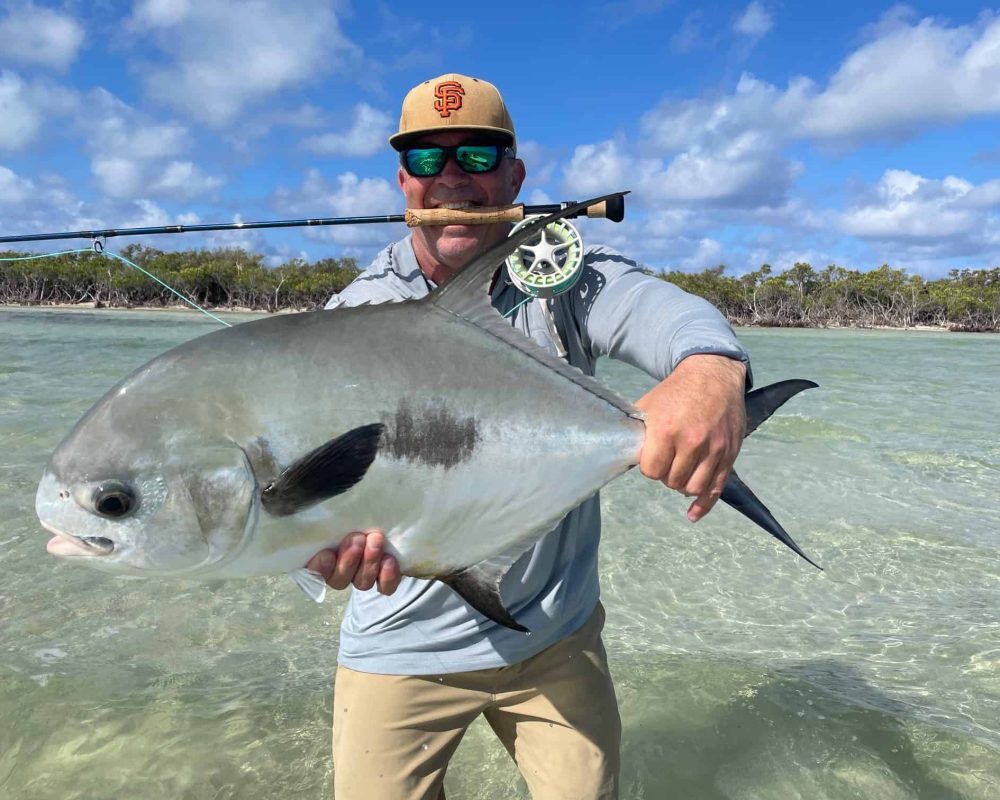
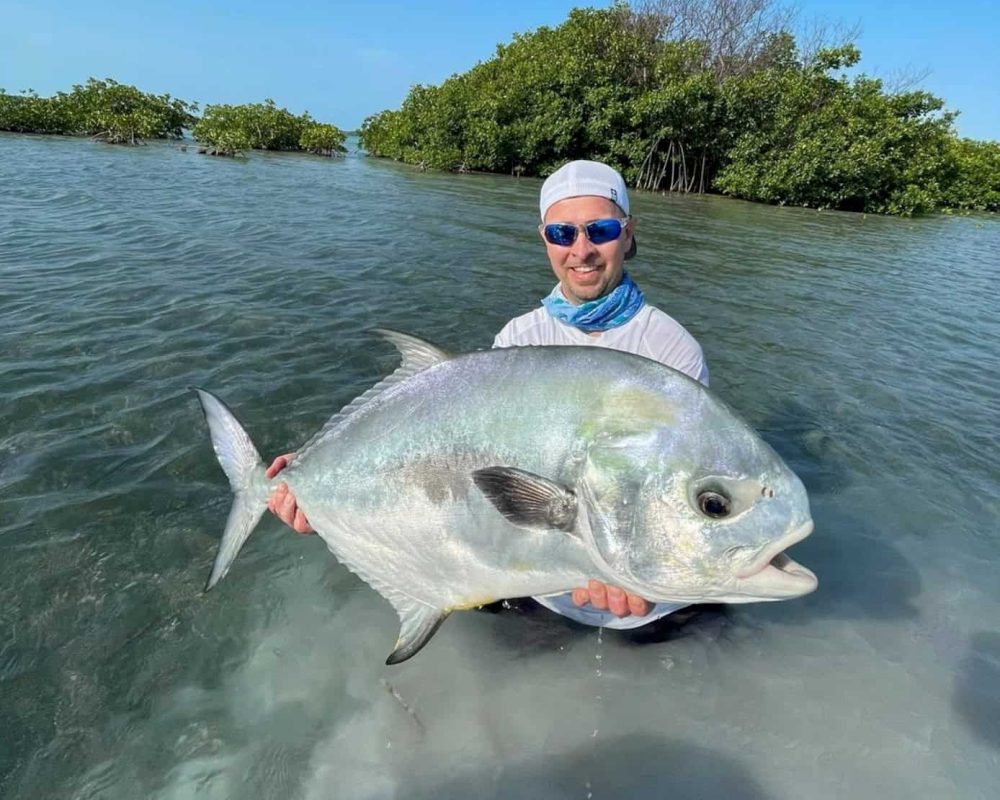
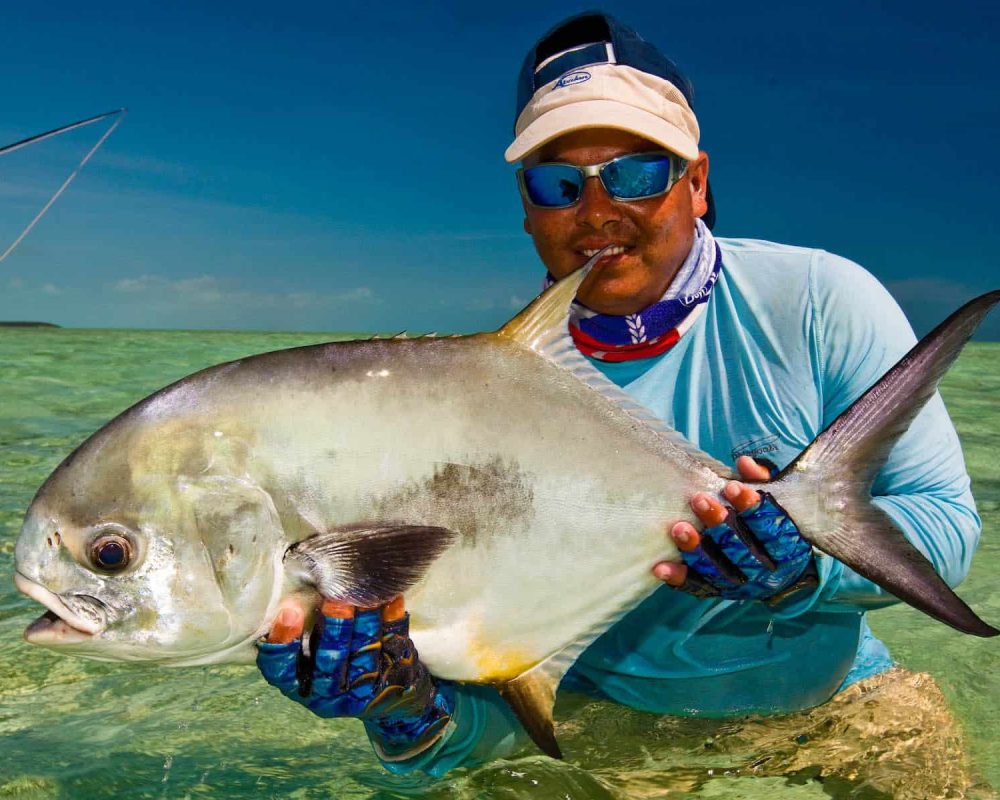
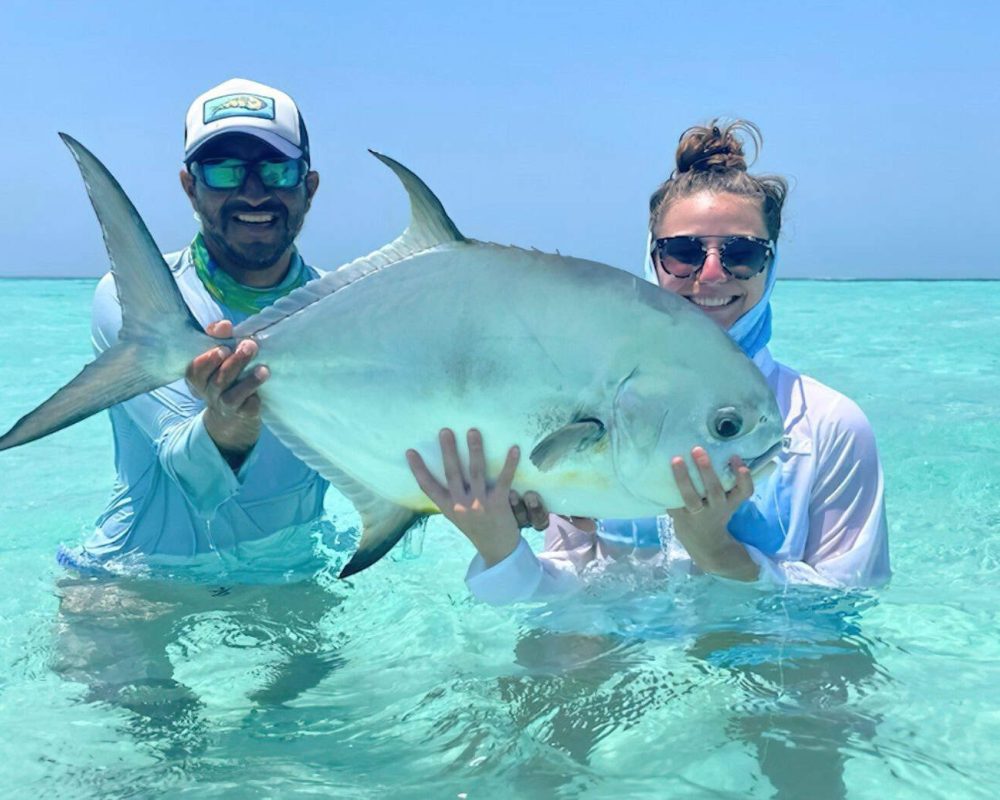
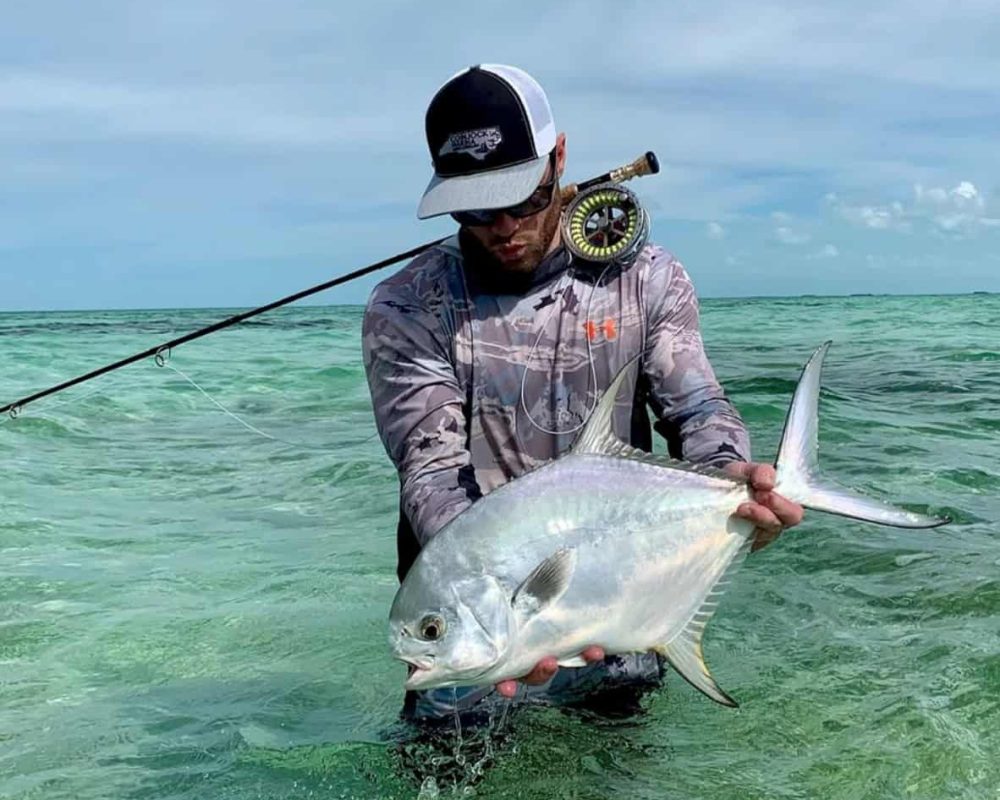
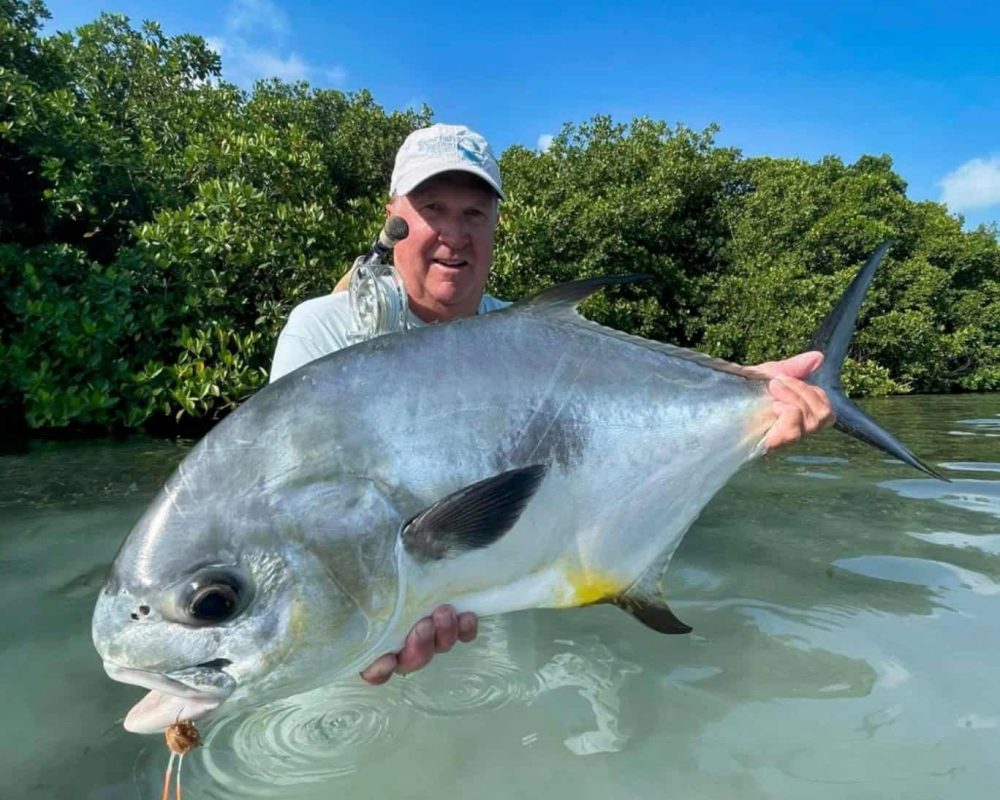
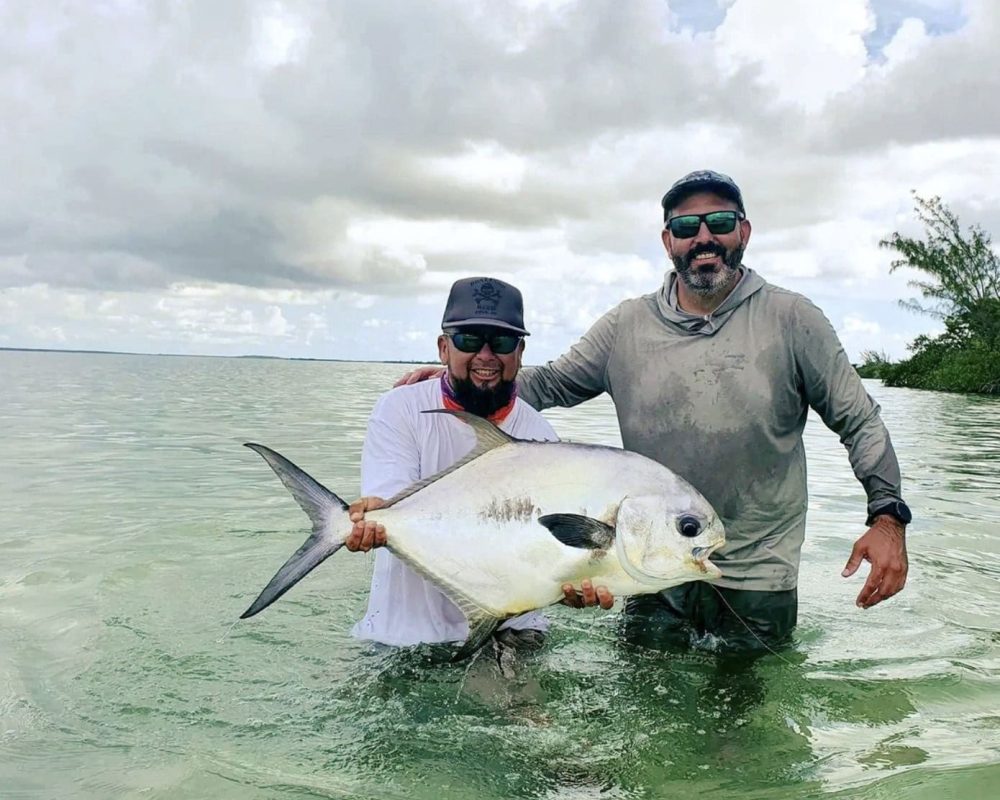
Permit belong to the jack family, Carangidae, and are part of the group that includes various pompanos. Their shape is unmistakable once you know what you are looking for. They have a deep, compressed silver body, a blunt head, long sickle-shaped dorsal and anal fins, and a powerful, deeply forked tail. In clear water they can appear almost black from above, while fish on a bright sand flat may seem to vanish against the bottom.
The Atlantic permit is native to the western Atlantic. Its wider range extends from the northeastern United States through Florida, the Gulf of Mexico, the Bahamas and the Caribbean, and south along the coasts of Central and South America to Brazil. For travelling anglers, the best-known fisheries are found in the Florida Keys, Mexico’s Yucatán Peninsula, Belize, Cuba, Honduras, the Bahamas and parts of Costa Rica.
Permit are normally associated with shallow tropical flats, but they are not limited to them. They move across sand, mud and turtle grass, patrol channels and reef edges, and regularly gather around wrecks and offshore structure. A permit slowly tailing in ankle-deep water may look like a completely different fish from one holding in a large school over a reef. Flats fish are often cautious and difficult to approach, while deeper-water fish can be more competitive and direct when feeding.
Their diet helps explain where they are found. Permit feed heavily on crabs and shrimp, along with other crustaceans, molluscs and small marine animals uncovered on the bottom. On the flats, they may travel alone, in pairs or in small groups, dipping their heads to feed while their forked tails and dark fins break the surface. They are also known to follow rays and other bottom-feeding animals, taking advantage of prey disturbed from the sand.
Most permit encountered on the flats weigh somewhere between 10 and 25 pounds, although fish over 30 pounds are taken every season. Fish exceeding 40 pounds are genuine trophy fish, and the all-tackle world record stands at 60 pounds, caught in Brazil in 2002. Their reputation has been built largely through fly fishing, where fooling a permit on a crab imitation is considered one of the great achievements in saltwater angling. That reputation can sometimes hide the fact that permit are excellent targets on spinning and conventional tackle as well. Live crabs and shrimp are tough to beat, while bucktail jigs and artificial crustacean imitations can also be effective. Whether caught on fly or spinning gear, a permit uses its speed, broad sides and forked tail to produce long, determined runs.
The Atlantic permit should not be confused with its cousin, the Indo-Pacific permit. Indo-Pacific fish are found across parts of the Indian and Pacific oceans and often show more yellow or gold through the fins and tail. They share much of the Atlantic species’ behaviour and reputation, but they are separate fish from a different part of the world. The Atlantic permit also has smaller regional relatives, including the Florida pompano, Trachinotus carolinus, and the palometa, Trachinotus goodei. Juveniles can look similar, but an adult permit grows much larger and develops the long, dark fins and heavy body that set it apart.
The appeal of permit is not simply that they are difficult to catch. It is the entire encounter. First comes the search, then the shape appearing over pale sand, the dark tail lifting above the surface and the sudden change of direction as the fish begins to feed. Sometimes everything works. More often, it does not. That unpredictability is exactly why permit have become one of the defining species of flats fishing. They are beautiful without being delicate, powerful without relying on brute force and challenging no matter how much experience an angler brings to the water. Every permit feels earned, which is why even one fish can define an entire trip.