
Bucket List Species
Arapaima
World Record
415 lb 8 oz (188.46 kg)
Rewa River, Guyana
Distribution
Amazon Basin, South America
Season
Region Specific – Dry Season
Techniques
Fly Fishing, Spinning, Conventional



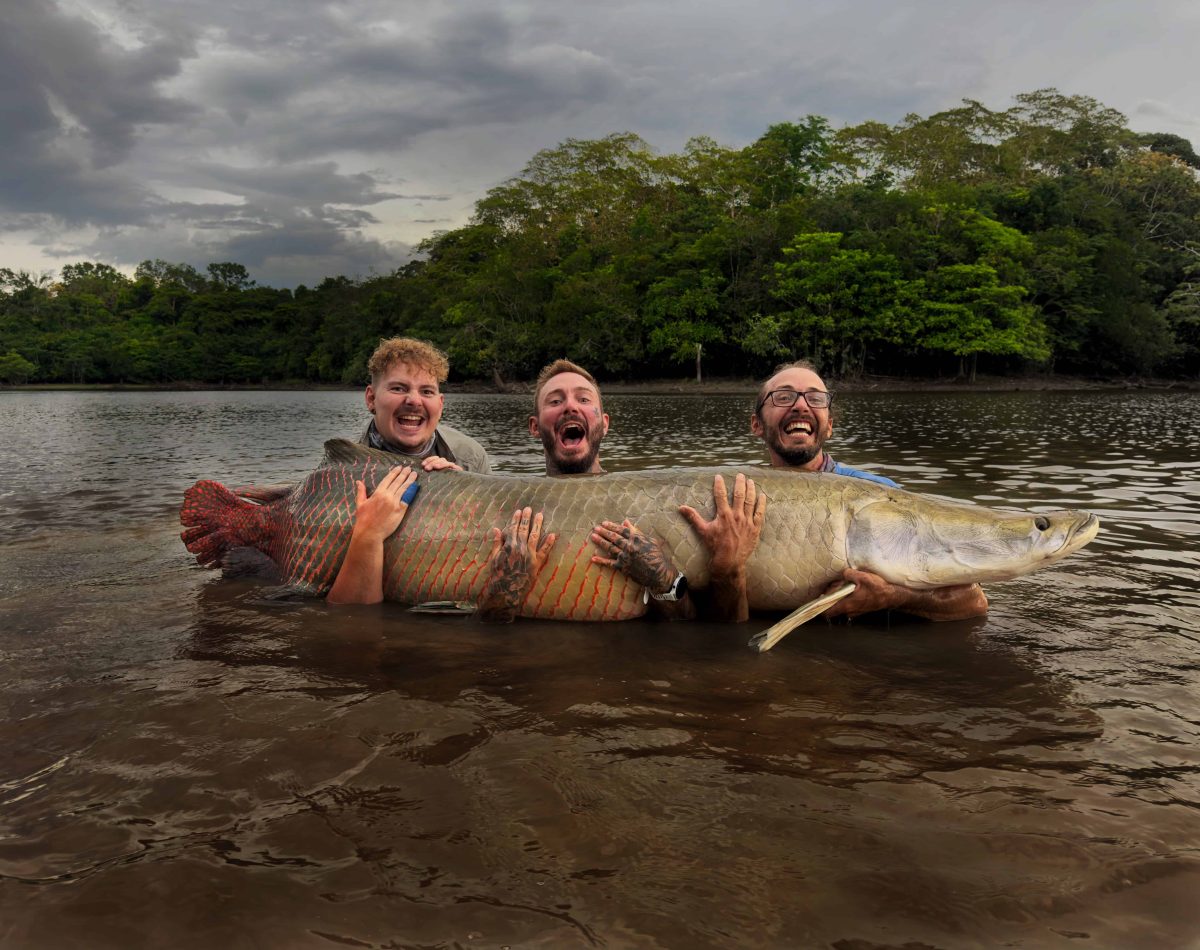
Arapaima
Species Overview
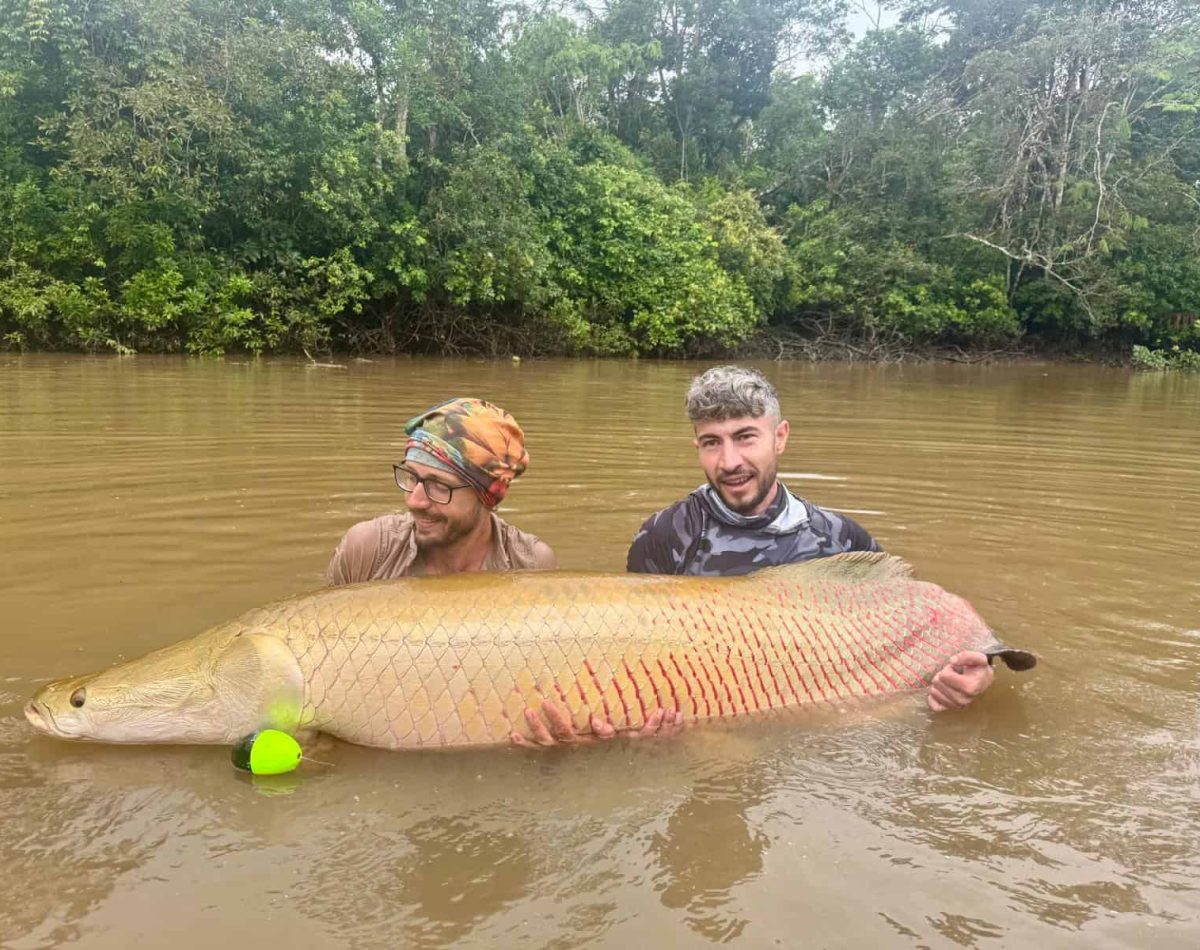
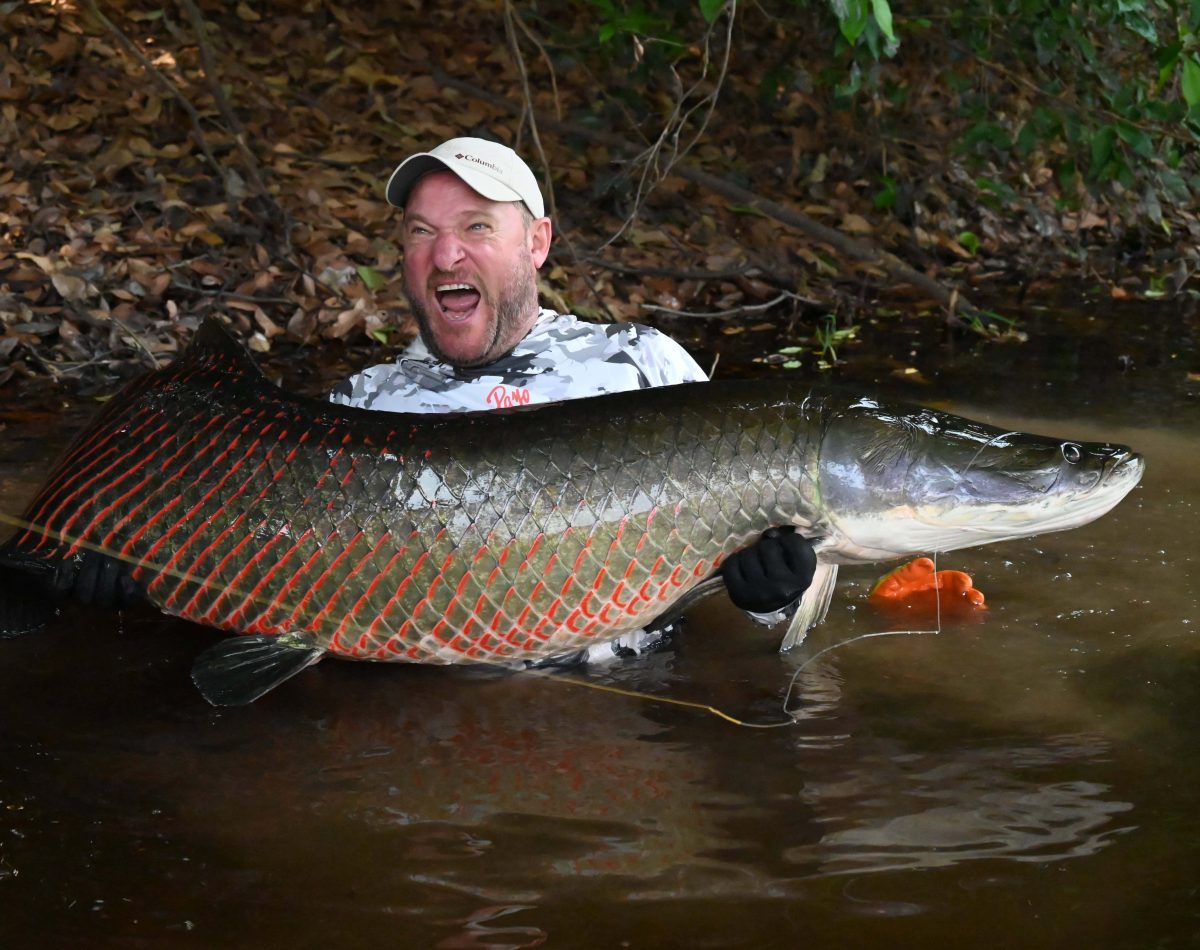
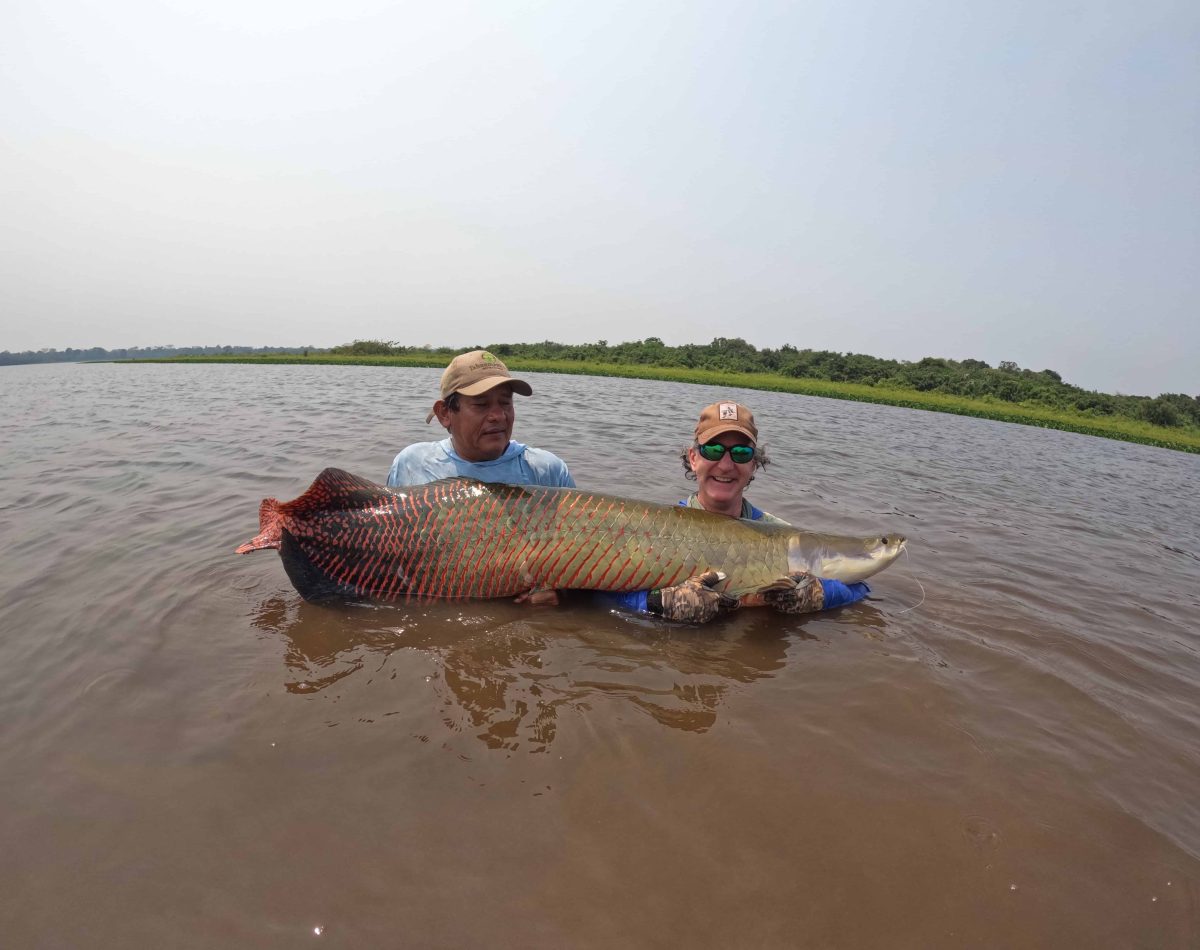
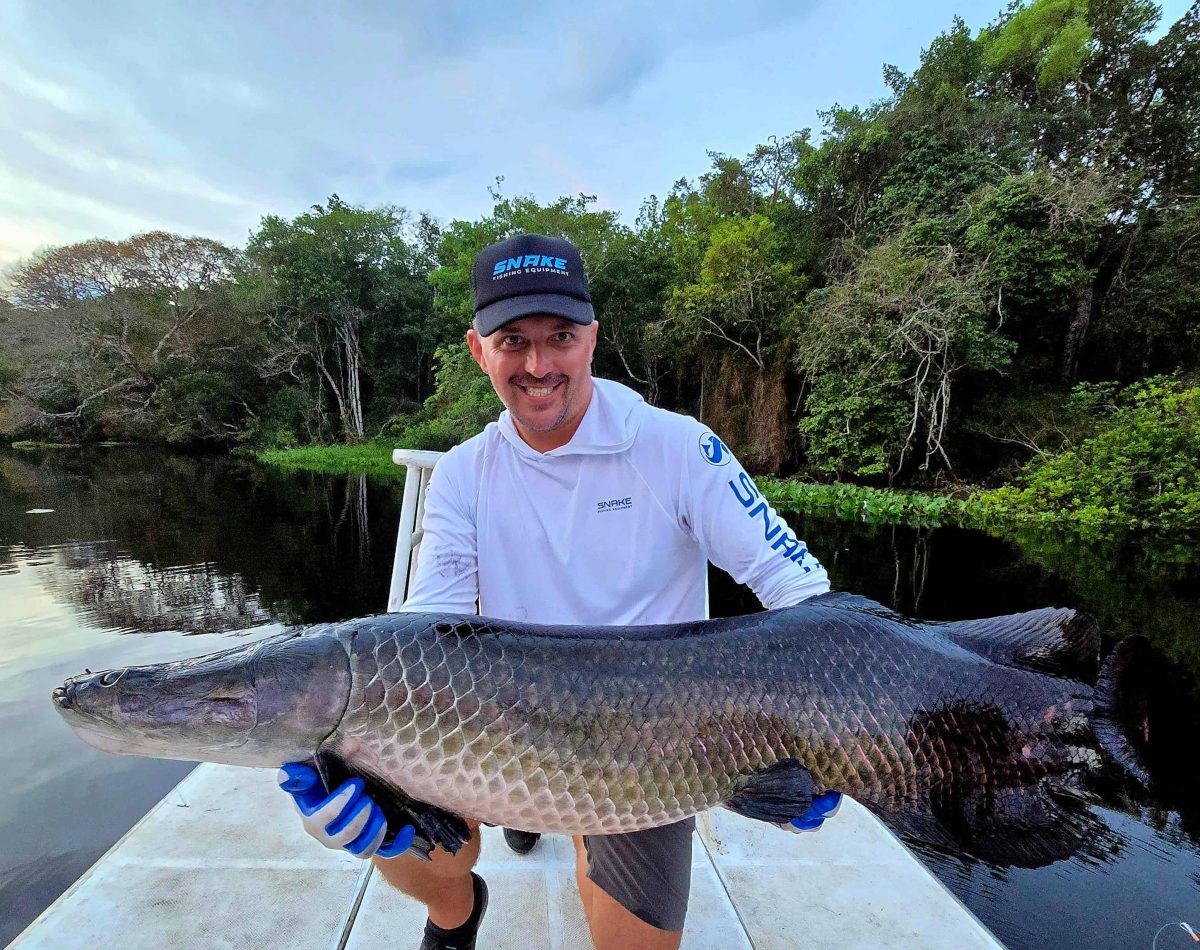
With a broad, bony head, enormous scales and flashes of red and orange toward the tail, the arapaima (Arapaima gigas) is not only the largest scaled freshwater fish on the planet, but one of the most imposing predators found anywhere in water. In Brazil it is known as pirarucu, while anglers in Peru call it paiche. Whatever name you use, it’s clear to see why this species featured on River Monsters.
Arapaima are native to the tropical river systems and floodplains of South America, with the best-protected pockets found deep in the jungles of Brazil, Ecuador, Bolivia, and Guyana. They favour slow water: oxbow lakes, quiet lagoons, side channels and flooded forest. During the wet season they spread throughout the amazon jungle. As the water falls during the dry season, many fish become concentrated in isolated ponds and backwaters, creating some of the most intense sight-fishing scenarios on the planet.
These fish can reach about three metres in length and weigh more than 200 kilograms, placing them among the largest freshwater fish on Earth and positioning them at the top of many anglers lists. Their size is impressive, but their most remarkable adaptation is the way they breathe. Although arapaima have gills, they depend on a modified swim bladder lined with lung-like tissue and must rise periodically to gulp air.
For an angler, that breath is both a clue and a starting gun. A rolling fish may show itself with a heavy boil and an audible gulp before disappearing into dark water. You mark the position, judge its direction and wait for the next opportunity. It sounds straightforward, but these fish are wary and rarely travel far to intercept an offering. A careless movement, a noisy boat or a badly placed cast can shut the whole area down.
Arapaima are opportunistic predators. Fish such as piranha, peacock bass and arowana form an important part of their diet, along with crustaceans and other available prey. Rather than slashing at food, they open that cavernous mouth and engulf it with powerful suction. Large baitfish imitations therefore dominate the fly box, while spinning and conventional anglers use swimbaits, soft plastics, jerkbaits or carefully presented natural baits where regulations allow.
Everything about your tackle needs to be serious. The take can be surprisingly subtle, but the hook-set cannot be. Their mouths are exceptionally hard and bony, so the angler has to drive the hook home before the fish begins a series of short, violent runs, heavy head shakes and tarpon-like jumps. Line management matters, as does keeping the fish away from timber and thick vegetation. On average, anglers are lucky to land one in four bites.
That is what makes the arapaima such a compelling species. They are enormous, but the experience is surprisingly intimate: a quiet jungle pond, a single breath breaking the surface and a few seconds to make the cast count. It is less like blind casting for a monster and more like hunting a freshwater tarpon in the heart of the rainforest. Few fish combine scale, tension and spectacle quite like it.