Jungle Fishing Camp
Bolivia





Accommodation
Jungle Lodge
Season
August – November
Species
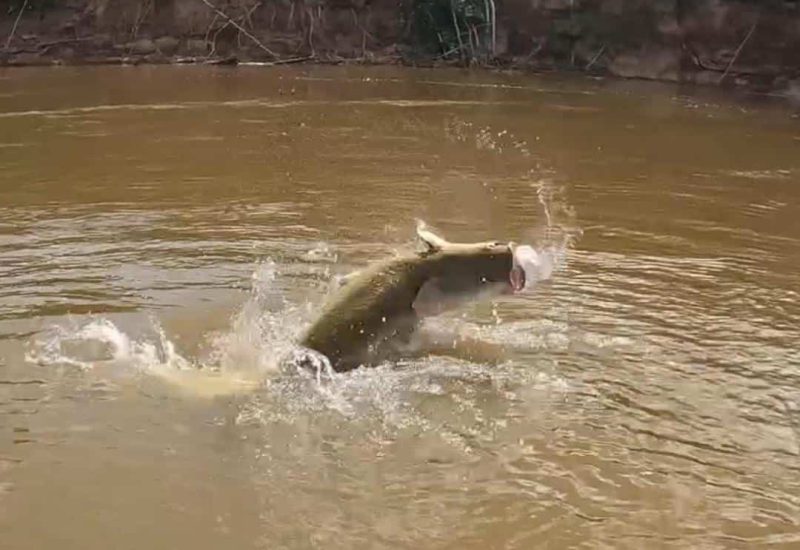
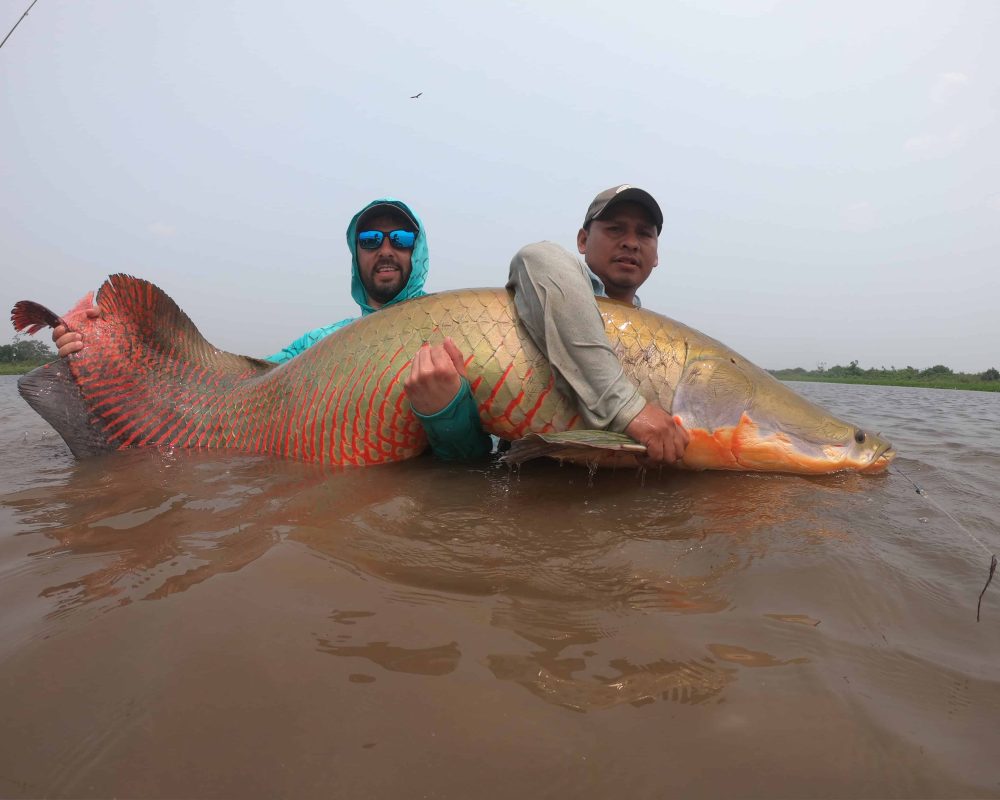
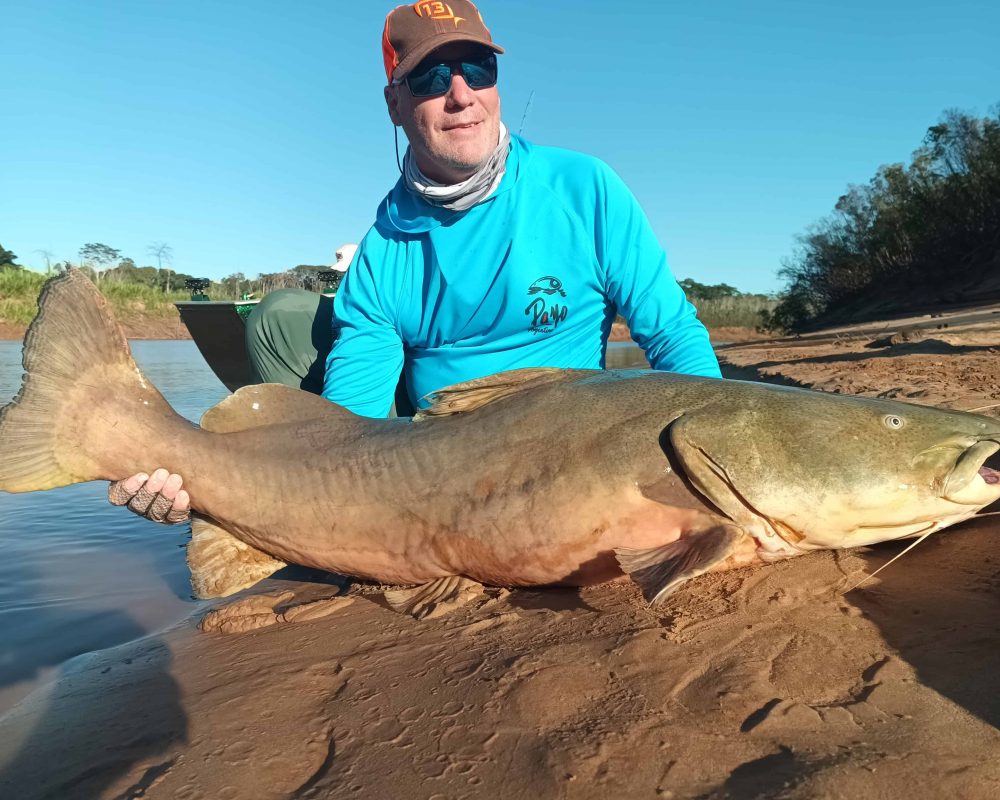
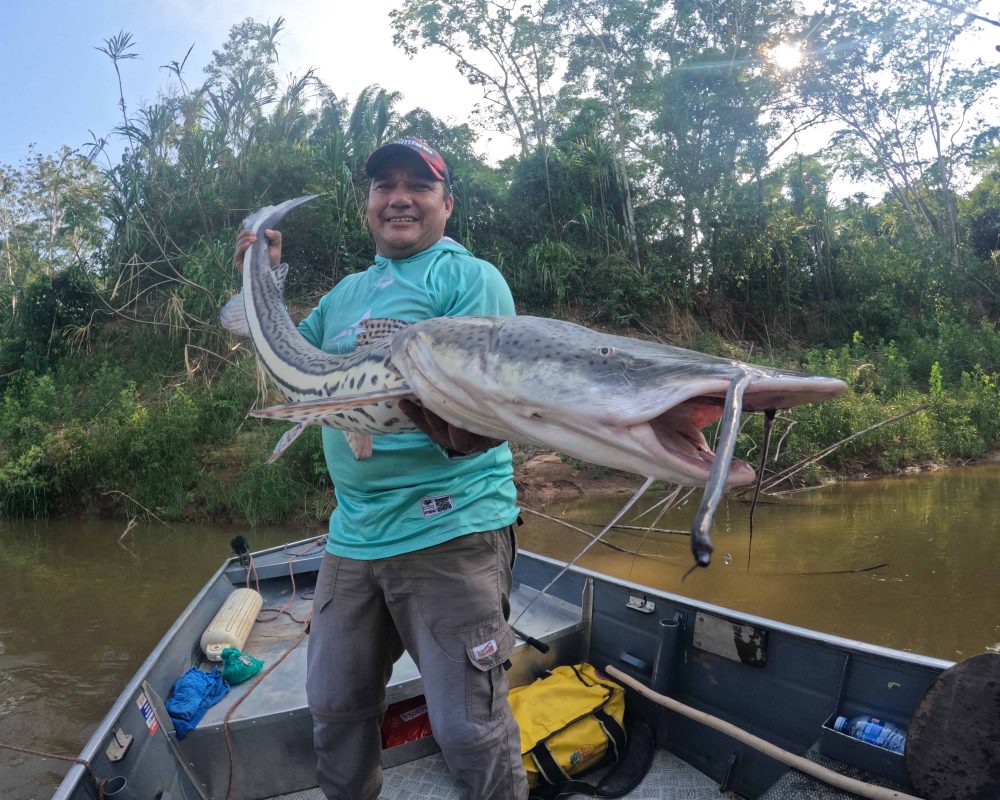
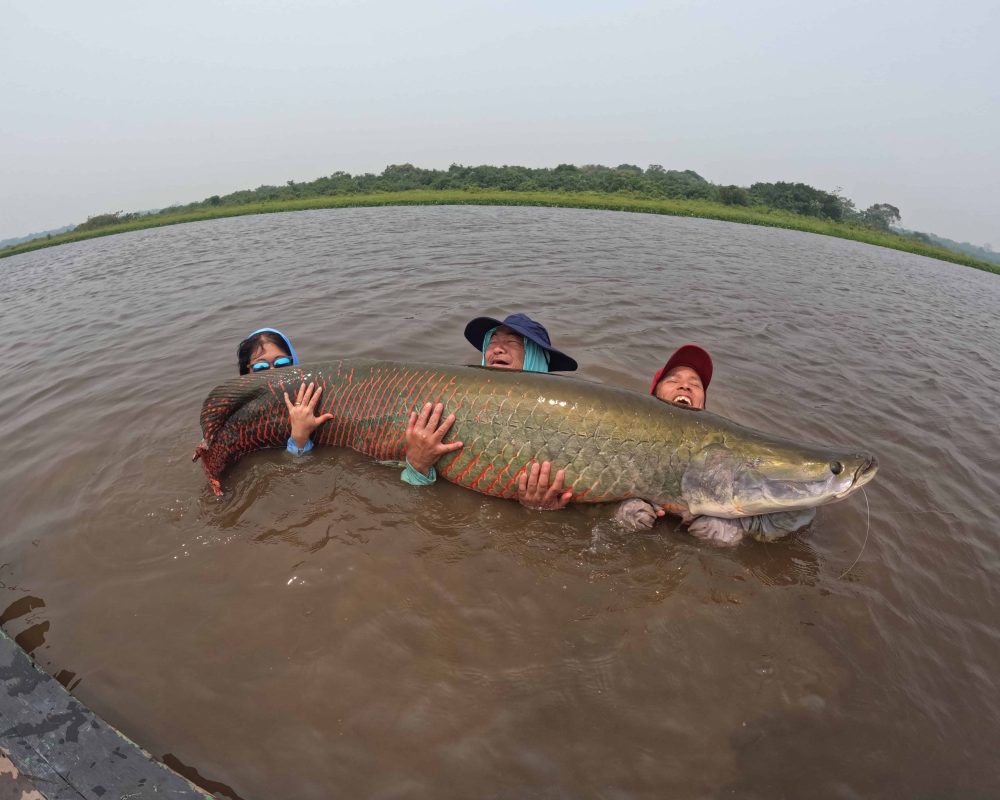
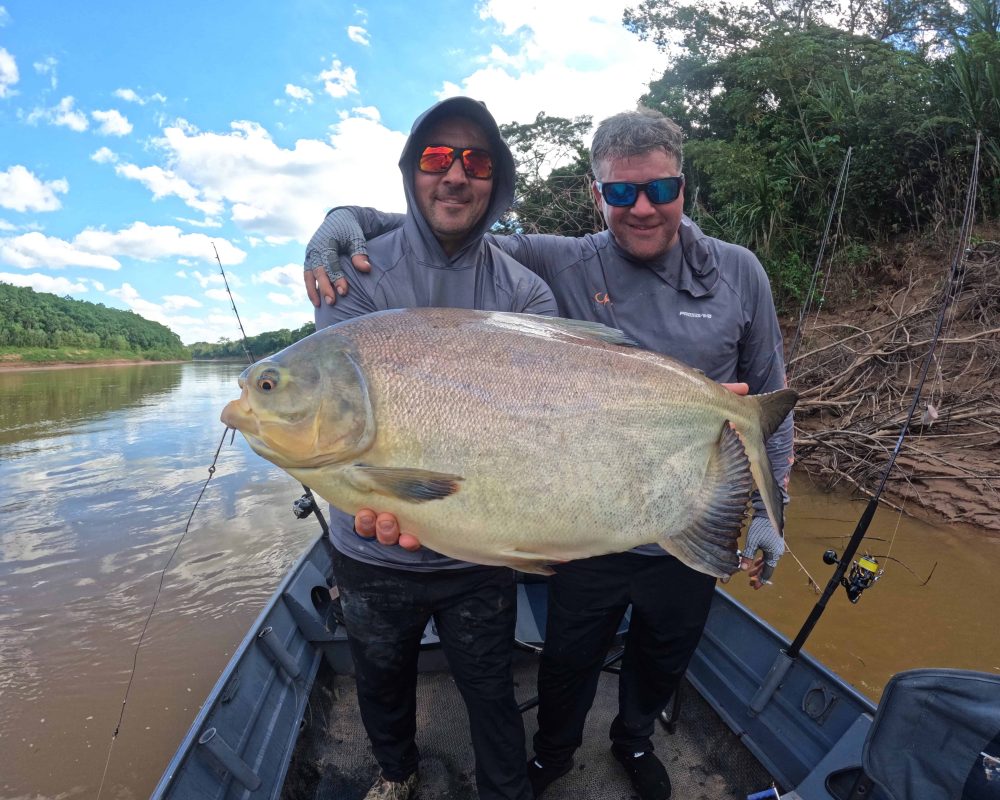
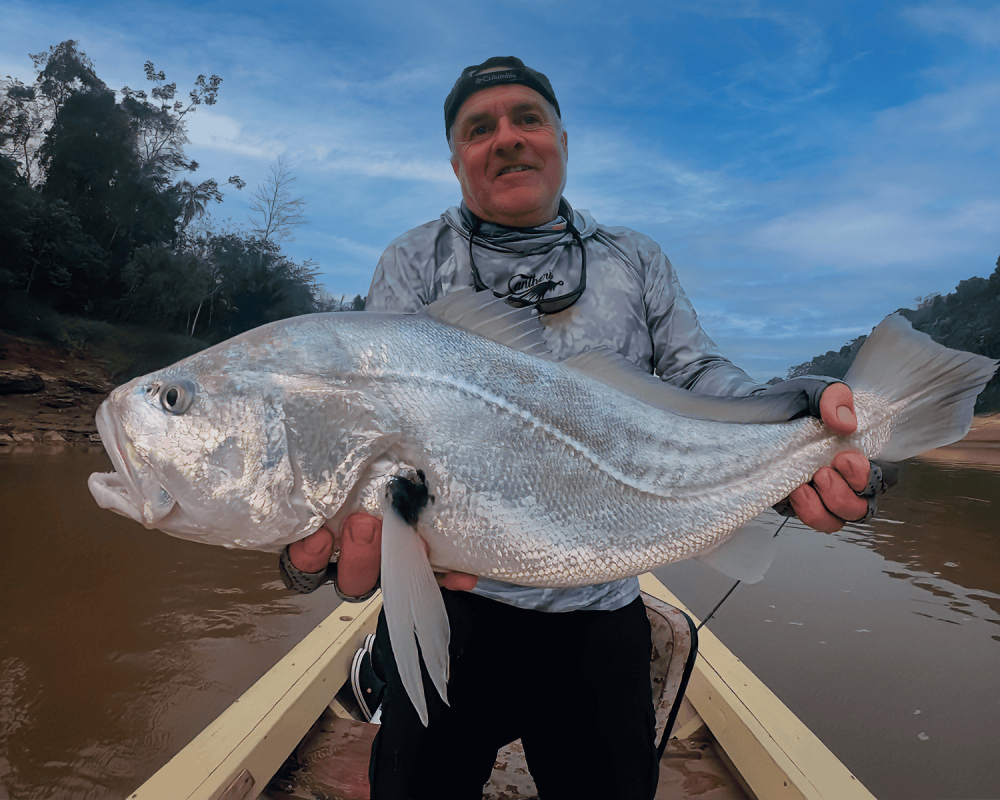
Arapaima, piraiba, redtail catfish, payara, peacock bass, pacu, tambaqui
Fishing Style
Spinning, Fly Fishing, Conventional
Jungle Fishing Camp 🇧🇴
Jungle Fishing Camp is a remote freshwater fishing operation in Bolivia’s Bajo Madidi Conservation Area, deep within the Bolivian Amazon. The camp provides access to the Madidi and Undumo river systems, along with six jungle lakes holding a varied collection of large predatory fish including arapaima, piraiba, redtail catfish, payara, peacock bass, pacu and tambaqui. With accommodation for only eight anglers, two anglers and two guides assigned to each boat, and direct charter access from Santa Cruz de la Sierra, the program is built around long fishing days and close support when handling exceptionally large fish.
Fishing takes place across the main river channels and six associated jungle lakes. The rivers contain deep bends, sandbanks, current lines, submerged timber, rocky shallows and seasonal rapids, while the lakes provide quieter water for arapaima and peacock bass. If a sudden cold front causes river levels to rise, the guides can move anglers onto the lakes or change the focus from scaled species to catfish that may respond better in higher, coloured water.
The fishery supports fly fishing, spinning, baitcasting and bait fishing. Main targets include piraiba, moturo, redtail catfish, arapaima, payara, peacock bass, tambaqui, pacu, pirapitinga, surubí and several other Amazon species. Heavy bait-fishing equipment is provided, while anglers using flies or artificial lures should bring their own rods, reels, lines, lures and terminal tackle. The program operates on a catch-and-release basis.
The season runs from May through mid-November. Bait fishing can be productive throughout this period, while mid-August onward is generally preferred for fly fishing and artificial lures. As the rivers recede, the water becomes clearer and rapids begin to form, improving visibility and creating more active fishing for predatory species.
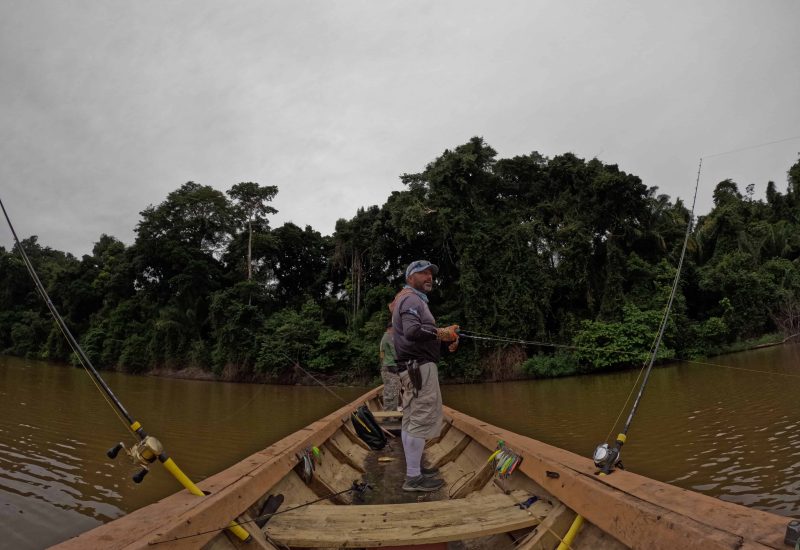
Anglers fish from 6.05-metre aluminium boats powered by 40 or 65-horsepower hydrojet motors, allowing the guides to navigate shallow water, rocks and submerged timber. Each boat carries two anglers and two guides, providing additional help with boat handling, landing large fish, photography and safe releases. Full fishing days begin after an early breakfast and normally continue until around 6:00 pm, with drinks, ice, bait and a cold lunch carried aboard.
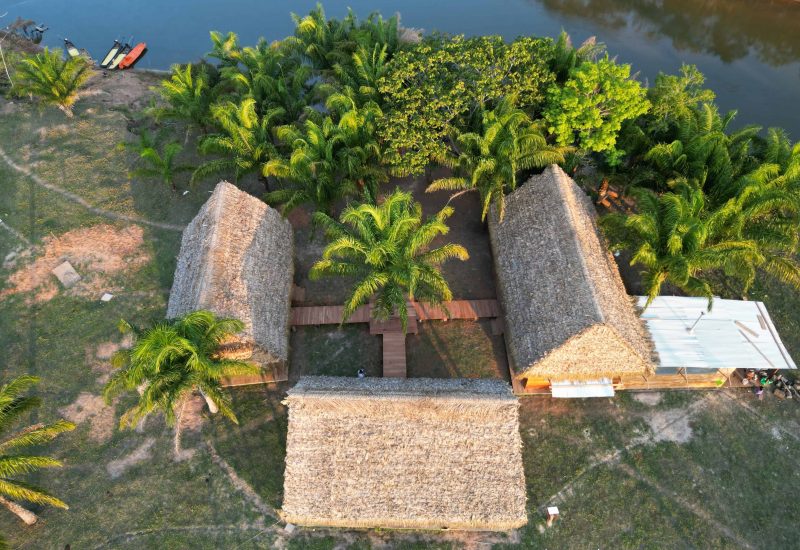
Jungle Fishing Camp accommodates a maximum of eight anglers in four large safari-style tents. Each tent measures approximately four metres by four metres and contains two individual beds, linens, towels and furniture for storing clothing and personal belongings.
Every tent has its own private bathroom with a toilet, sink and hot-water shower. Electricity is available at 220 volts for charging phones, cameras and other small devices.
The camp has a shared dining and gathering area where breakfast and dinner are served and the following day’s fishing plan is discussed. All meals and drinks during the camp stay are included, and dietary requirements or allergies can be accommodated when full details are provided in advance.
Laundry service and Starlink Wi-Fi are also available. The accommodation is comfortable for such an isolated location, but anglers should expect a practical jungle camp rather than a conventional hotel or resort.
Jungle Fishing Camp is located in the Bajo Madidi Municipal Conservation Area in the Bolivian Amazon, on the Madidi and Undumo river systems. There is no practical road access, so anglers travel to camp by private charter aircraft.
International anglers first fly into Viru Viru International Airport in Santa Cruz de la Sierra. Most anglers should arrive in Santa Cruz at least one day before the charter, as the camp flight is normally scheduled to depart from El Trompillo Airport at approximately 7:30 am.
Anglers arriving the previous day arrange their own transfer from Viru Viru Airport to their chosen hotel. On the morning of departure, the included transfer collects anglers from the hotel and takes them to El Trompillo Airport. Check-in should be completed at least 90 minutes before departure.
The charter lands on the camp’s private airstrip. After arrival, anglers have lunch, settle into their tents and attend a fishing and equipment briefing before beginning a half-day session. The charter baggage allowance is a maximum of 20 kilograms per angler, including all luggage and fishing equipment.
Rates Per Angler:
Starting from $5,500.00 per angler
What’s Included:
- Round-trip charter flights between El Trompillo Airport and the camp’s private airstrip
- Scheduled transfers between Viru Viru International Airport or the designated Santa Cruz hotel and El Trompillo Airport
- Six nights at Jungle Fishing Camp
- Lunch and dinner on arrival day
- Breakfast on departure day
- All meals and drinks during the camp stay
- 5.5 days of guided fishing
- Two guides per boat
- Two anglers per boat
- Boats, fuel and locally used bait
- Heavy bait-fishing equipment
- Laundry service
- Starlink Wi-Fi
What’s Not Included:
- International flights to and from Santa Cruz de la Sierra
- Hotels in Santa Cruz
- Transfer from Viru Viru Airport to the hotel when arriving before the charter day
- Airport taxes and fees
- Fly-fishing, spinning and baitcasting equipment
- Flies, artificial lures and terminal tackle
- Night fishing
- Recommended minimum gratuity of USD $400 per angler, payable in cash
- Personal purchases and expenses
- Additional accommodation required by travel plans or delays
- International flight changes
- Costs caused by weather-related charter delays
- Travel, medical and emergency evacuation insurance
Day 1: Charter Flight and Half-Day Fishing
Transfer from the hotel in Santa Cruz to El Trompillo Airport and board the morning charter to Jungle Fishing Camp. On arrival, anglers have lunch, check into their tents and attend an equipment and safety briefing. The afternoon is spent fishing before returning to camp at approximately 6:00 pm for dinner.
Days 2 to 6: Full Fishing Days
Breakfast is served at approximately 6:30 am before anglers leave camp in pairs with two guides. Fishing takes place across the river system and surrounding jungle lakes, with the daily plan based on water levels, weather, target species and preferred methods. Each boat carries drinks, ice, bait and a cold lunch. Anglers return to camp at around 6:00 pm for dinner and a briefing covering the following day.
Day 7: Return to Santa Cruz
Breakfast is served at approximately 8:30 am, followed by time to pack and prepare for departure. The charter normally leaves the private camp airstrip at around 11:30 am and flies to El Trompillo Airport. Anglers are then transferred to Viru Viru International Airport for their onward journey.
What level of fishing experience is required?
Jungle Fishing Camp can accommodate both experienced Amazon anglers and those visiting a tropical freshwater fishery for the first time. The guides assist with presentations, tackle setup, boat positioning and landing fish. Fly and lure anglers will benefit from being comfortable casting heavy equipment for extended periods.
What is the best time to visit?
The operating season runs from May through mid-November. Bait fishing can be productive throughout the season. Anglers primarily interested in fly fishing, spinning or baitcasting should consider travelling from mid-August onward, when lower and clearer water generally improves artificial-lure fishing.
What equipment is provided?
Heavy bait-fishing rods and reels are included. Anglers planning to fly fish, spin or baitcast should bring their own equipment, including rods, reels, lines, leaders, flies, lures and replacement terminal tackle.
How many anglers fish from each boat?
Each boat carries two anglers and two guides. The additional guide helps with navigation, boat positioning, handling large fish, photography and safe release procedures.
What happens if the river rises during the trip?
Cold fronts and heavy rain can cause sudden changes in river level and clarity. The guides may change target species or move anglers to one of the six jungle lakes, where boats are already positioned for arapaima and peacock bass fishing.
Is night fishing available?
Yes. Night fishing can be arranged for an additional charge. It must be requested by the previous day so the camp can organise guides, equipment and boat arrangements.
What is the luggage allowance?
The charter allowance is a maximum total of 20 kilograms per angler. This includes clothing, personal items and fishing equipment. Soft-sided bags and compact rod tubes are recommended.
Is Wi-Fi available?
Yes. Starlink Wi-Fi is available at camp. The remote location means anglers should still be prepared for occasional interruptions and should not rely on the connection for time-sensitive work.