Ichingo Chobe River Lodge
Namibia
Accommodation
Riverside Safari Lodge
Season
May – September
Species
Tigerfish, Nembwe, Bream
Fishing Style
Spinning & Fly Fishing
Ichingo Chobe River Lodge 🇳🇦
Ichingo Chobe River Lodge is a small tented fishing lodge on Impalila Island in Namibia, close to the meeting point of the Chobe and Zambezi rivers. The location gives anglers access to hundreds of kilometres of river, channels, rapids and seasonal floodplain water, with tigerfish forming the main focus of the fishing. Each tent is normally paired with a private guide and tender boat, allowing anglers to shape their days around fishing conditions and preferred techniques. With only eight tents, all-inclusive dining and straightforward transfers from Kasane in Botswana, Ichingo combines serious African freshwater fishing with comfortable accommodation and regular wildlife sightings along the river.
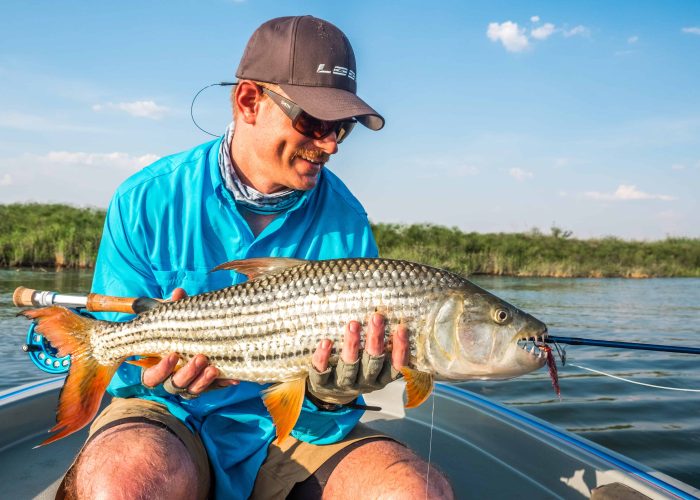
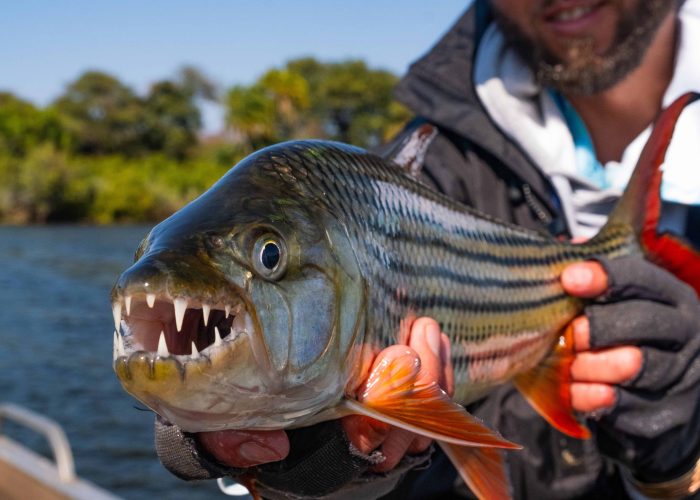
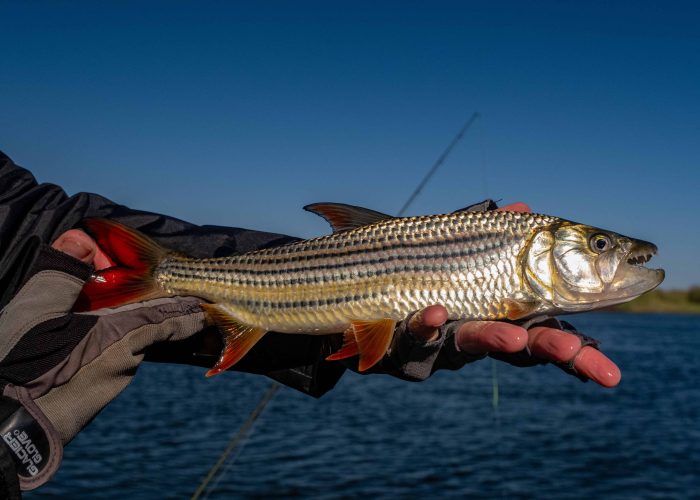
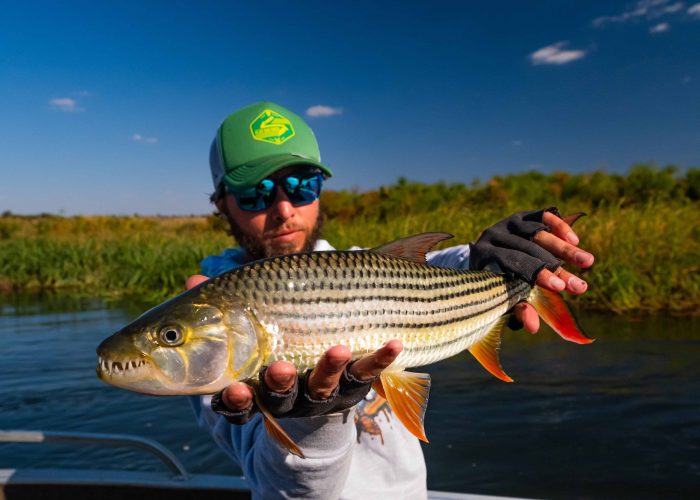
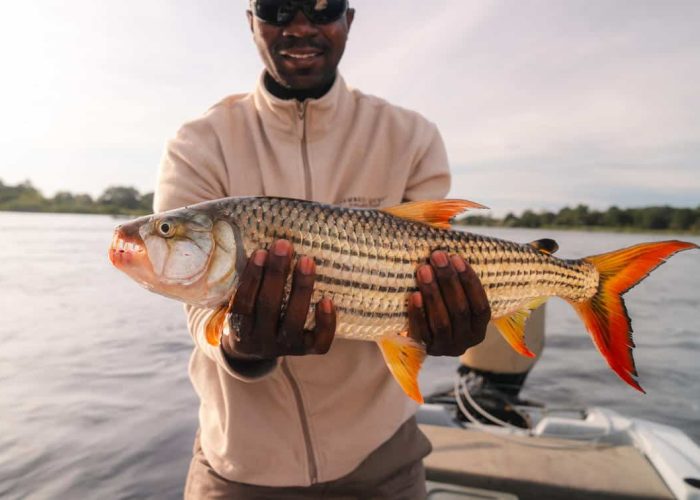
Fishing at Ichingo covers the Chobe River, the upper Zambezi and the Kasai Channel, providing anglers with a wide range of water throughout the year. Tigerfish are the main target and may be found in fast channels, turbulent rapids, current seams, rocky shallows and areas where baitfish leave the floodplains. Other species include catfish, African pike, upper Zambezi yellowfish, nembwe and several bream and tilapia species. All fishing currently operates on a catch-and-release basis.
Fishing is available year-round, although river levels and preferred techniques change considerably with the seasons. January and February can bring higher, discoloured water, which can make fly fishing more difficult but still allows productive trolling, drift fishing and lure fishing. As water begins to recede from May through July, baitfish move into the main channels and tigerfish become increasingly active. September is particularly strong for fly fishing, with lower, clearer water and productive rocky areas around the Chobe rapids and lower channels. Fishing continues through October, November and December as local rainfall increases oxygen levels and changes the river flow.
Anglers can fish by spinning, trolling, drift fishing or fly fishing. Conventional rods, reels, lines and lures are included, while fly anglers should bring their own equipment. A strong 8 or 9-weight fly rod, dependable reel, tropical line and wire bite traces are suitable for most tigerfish fishing. Conventional anglers generally use medium-heavy spinning equipment, braided line, bite-resistant leaders, spoons, plugs and baitfish-style lures. Guides select methods according to water clarity, current, fish movement and the abilities of the anglers.
Each tent has access to a dedicated guide and tender boat, subject to boat availability. Boats have room for two anglers, equipment storage and space to cast and fight fish safely. Fishing sessions can be arranged around the priorities of the anglers, with early starts, full days or shorter outings possible. Wildlife is part of the experience, and anglers may see elephants, hippos, crocodiles and a wide range of birdlife while travelling between fishing areas.
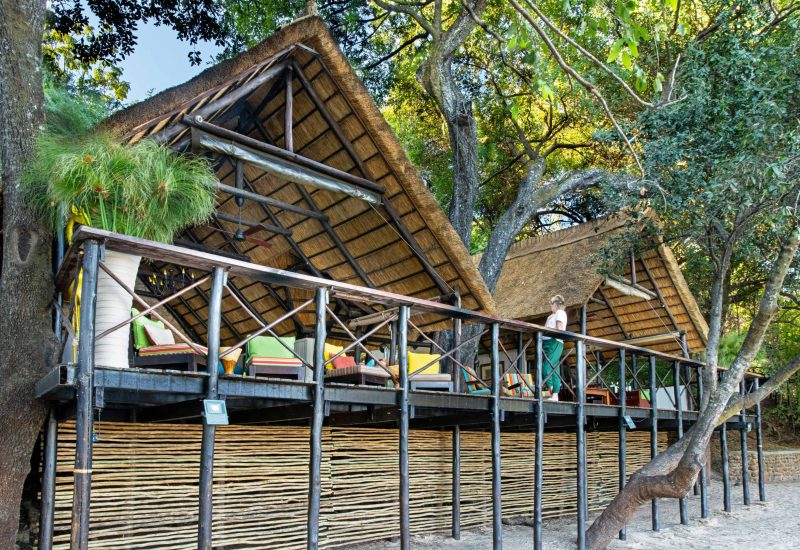
Ichingo has eight Meru-style safari tents set beneath mature trees beside the Chobe River. Each tent is raised on a wooden deck and positioned to provide privacy, shade and views of the surrounding riverine forest.
The tents have a king-size bed that can be converted into twins, air conditioning, a ceiling fan and a private bathroom with a shower. Additional features include a private balcony, toiletries, a hairdryer, an electronic safe, a dressing table and 220-volt electrical outlets. Laundry can be arranged at an additional charge.
Shared areas include a riverside lounge and bar, dining room, swimming pool and outdoor boma used for braais and evening gatherings. Wi-Fi is intermittently available around the bar and dining area, while mobile and roaming connections can be limited.
Ichingo Chobe River Lodge is located on the Namibian side of Impalila Island, near the point where Namibia, Botswana, Zambia and Zimbabwe meet. The lodge is reached through Kasane in Botswana, followed by immigration formalities and a boat transfer across the Chobe River into Namibia.
The most convenient airport is Kasane International Airport, which is approximately 15 minutes from the Botswana Immigration Office. Road transfers from Kasane Airport to immigration are included. Flights can also be arranged through Victoria Falls in Zimbabwe, Livingstone in Zambia or Katima Mulilo in Namibia, although the longer road transfers from these airports carry an additional charge.
At Kasane Immigration, anglers complete the formalities required to exit Botswana. A tender boat then crosses the river to the Namibian side, where anglers walk approximately 100 metres to the Impalila immigration office to enter Namibia. After passports are stamped, the journey continues by boat to the lodge.
Rates Per Angler:
Starting from R8,556 per angler per night
What’s Included:
- Accommodation in a Meru-style safari tent
- All meals
- Soft drinks and mineral water
- Coffee and tea
- Local beer and wine
- Guided catch-and-release fishing
- Conventional rods, reels, lines and lures
- Private tender boat and guide, subject to availability
- Boat fuel
- Guided water-based game viewing and birding
- Guided village cultural tour
- Guided walks on Impalila Island
- Road transfers between Kasane International Airport and Kasane Immigration
- Boat transfers between the Botswana and Namibia immigration offices
What’s Not Included:
- Flights to and from Kasane
- Visa fees and other entry costs
- Transfers from Victoria Falls, Livingstone, Katima Mulilo or other regional locations
- Fly rods, reels, lines, flies and terminal tackle
- Premium alcoholic beverages, including spirits and sparkling wine
- Conservation and community development levy
- Laundry service
Day 1: Arrival at Ichingo Chobe River Lodge
Arrive at Kasane International Airport, where anglers are met for the included road transfer to Kasane Immigration. Complete the Botswana and Namibia border formalities before travelling by tender boat to Impalila Island. After checking into the tent, anglers meet their guide, discuss the fishing program and prepare equipment for the following morning.
Days 2 to 4: Fishing Days
Each day is planned around river conditions and the preferred techniques of the anglers. Fishing may take place on the Chobe River, upper Zambezi, Kasai Channel or around the rapids and seasonal floodplain areas. Conventional equipment is provided, while fly anglers use their own tackle. Meals and drinks are included, and fishing hours can be adjusted with the private guide.
Day 5: Departure
After breakfast, anglers travel by boat to the Namibian Immigration Office and then cross the river to Kasane Immigration. The included road transfer continues to Kasane International Airport or another agreed point in Kasane.
What level of fishing experience is required?
Ichingo can accommodate both experienced tigerfish anglers and those fishing in Africa for the first time. The guides provide help with tackle, techniques, fish handling and boat positioning. Fly anglers will benefit from being able to cast accurately with heavier rods and wind-resistant flies.
What is the best time to visit for tigerfish?
Tigerfish can be caught throughout the year. May through July is a particularly productive period as water recedes and baitfish move from the floodplains into the main channels. September offers excellent fly-fishing conditions, while November and December can also fish well as rainfall increases oxygen levels and activity.
Is fishing equipment included?
Conventional rods, reels, lines and lures are included. Fly-fishing equipment is not provided, so fly anglers must bring their own rods, reels, lines, flies, leaders and wire traces.
How many anglers fish from each boat?
Tender boats are designed for two anglers with a private guide. Each tent is normally allocated its own guide and boat, giving anglers flexibility over fishing hours and the areas visited.
Is all fishing catch and release?
Yes. The current fishing program operates on a strict catch-and-release basis. Guides assist with safe handling, photography and releasing fish quickly.
What health precautions should anglers consider?
The lodge is in a malaria area. Anglers should speak with a medical professional about malaria prevention and other travel health requirements before departure. Comprehensive travel and medical insurance is strongly recommended.
Is Wi-Fi available?
Wi-Fi is intermittently available in the bar and dining areas. Mobile service can be limited, so anglers should not rely on constant connectivity during their stay.