Camp Isua
Greenland
Accommodation
Arctic Camp
Season
June – September
Species
Arctic Char
Fishing Style
Fly Fishing
Camp Isua 🇬🇱
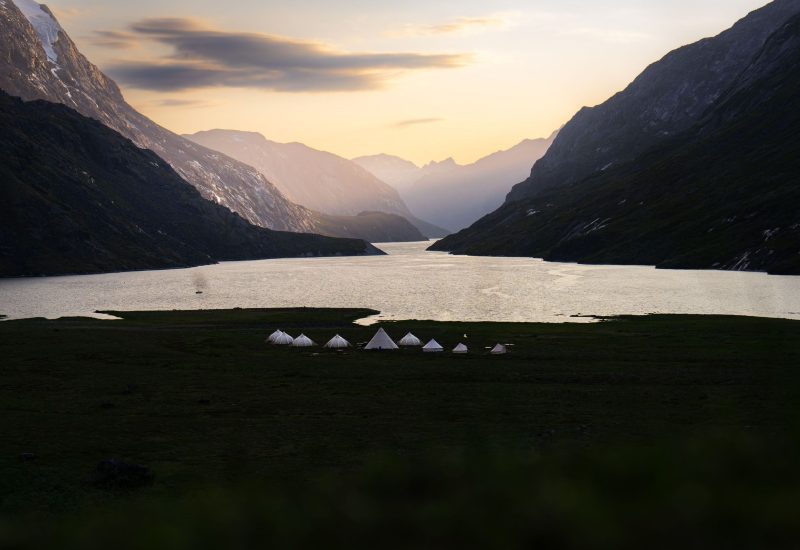
Camp Isua is a remote fly-fishing camp in the Kangerluarsussuaq fjord system south of Nuuk, Greenland. The program gives anglers access to three separate Arctic char rivers, each offering different water, terrain and fishing conditions. The Isua River flows directly past camp, while the Eqaluit River and Ilivertallip Kuua are reached by boat. With a maximum of eight anglers, experienced local guides and six full fishing days, Camp Isua combines productive wild-char fishing with a genuine Arctic camp experience.
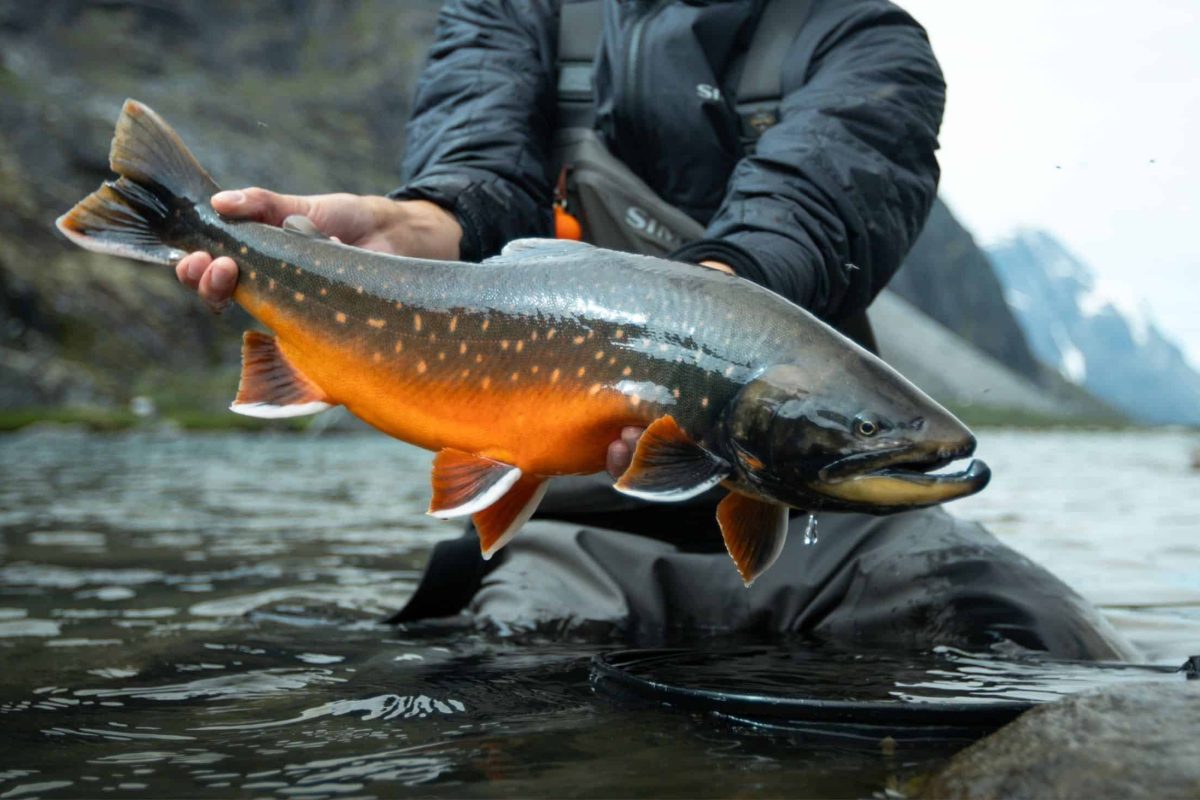
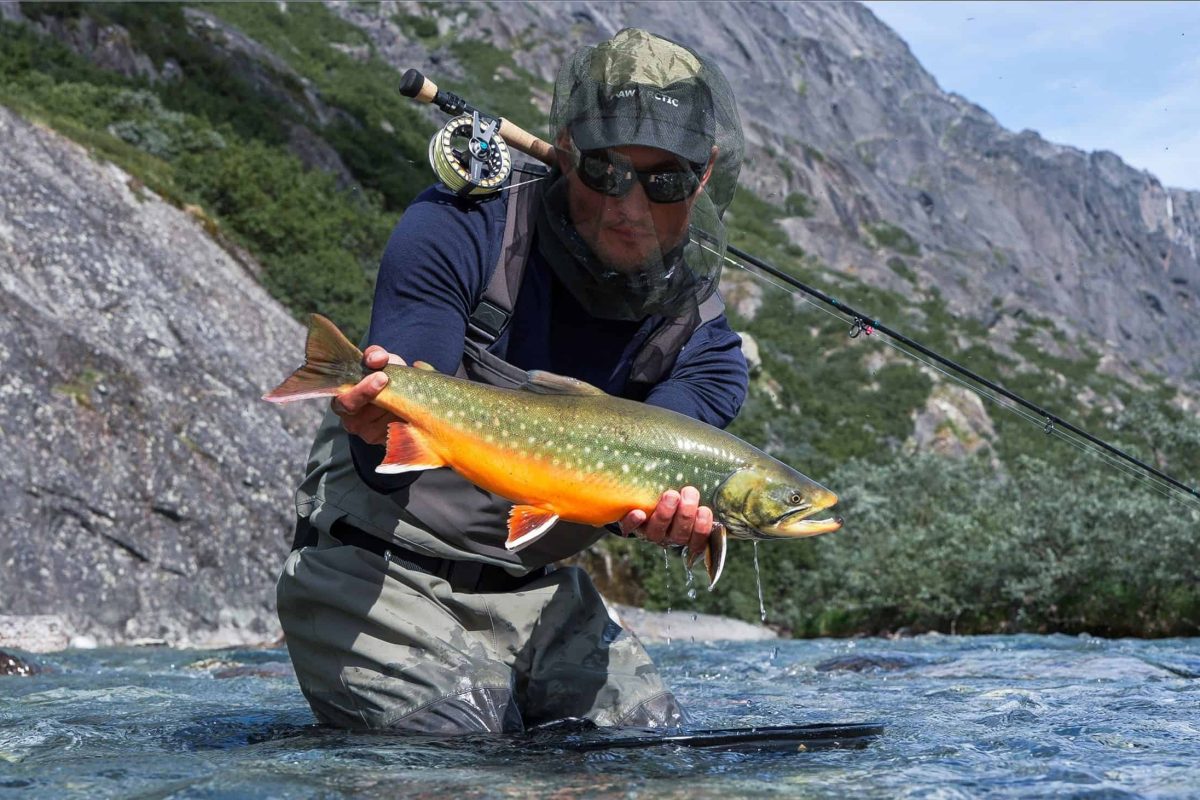
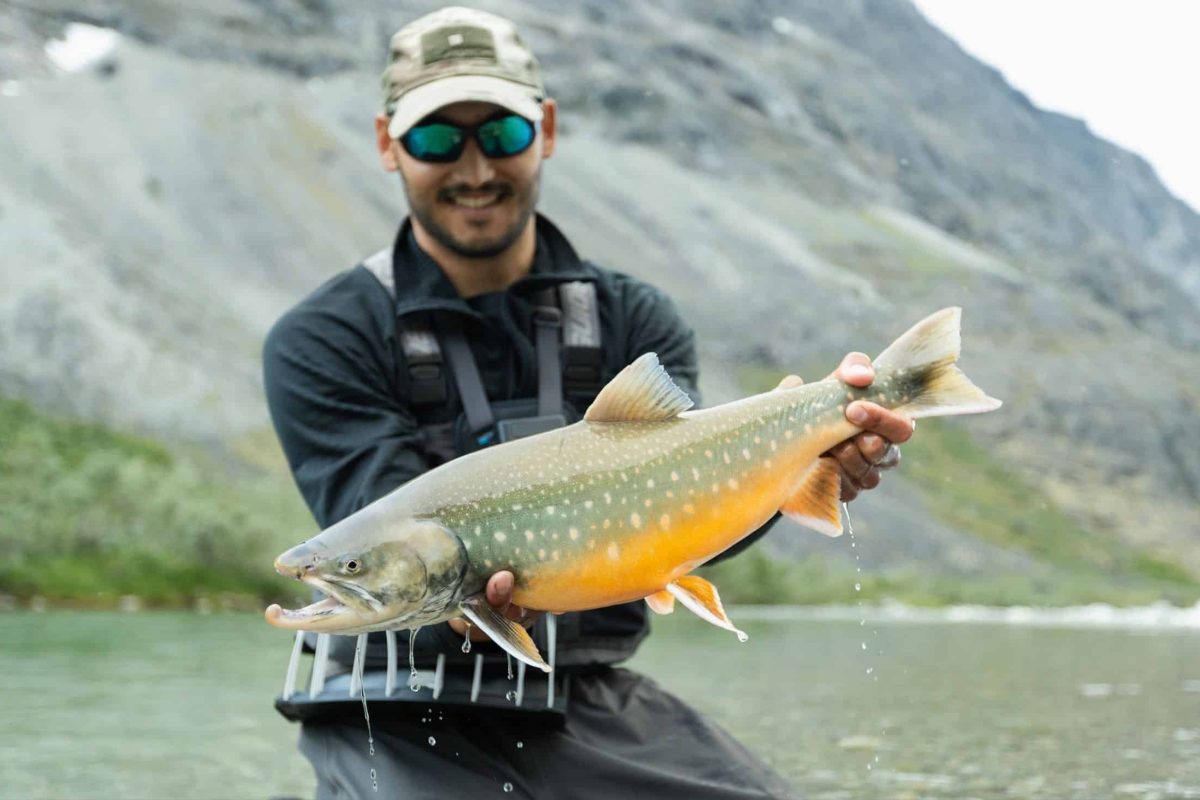
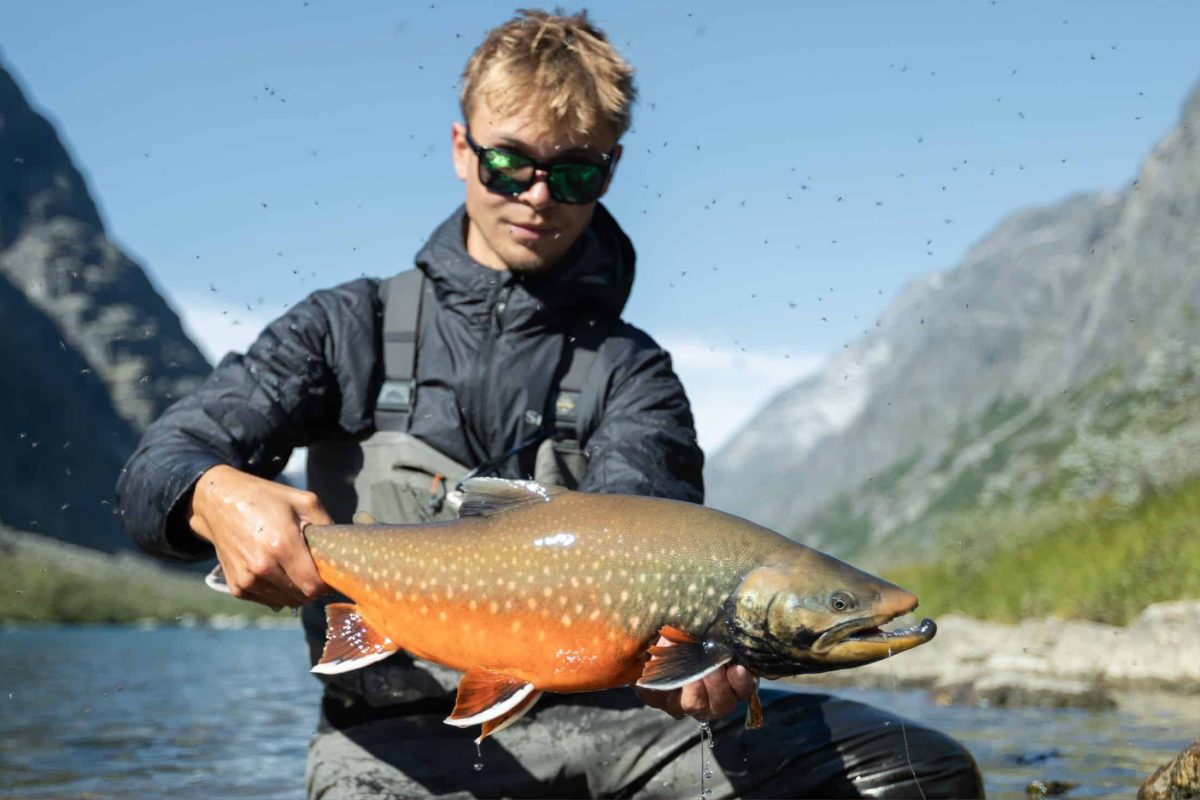
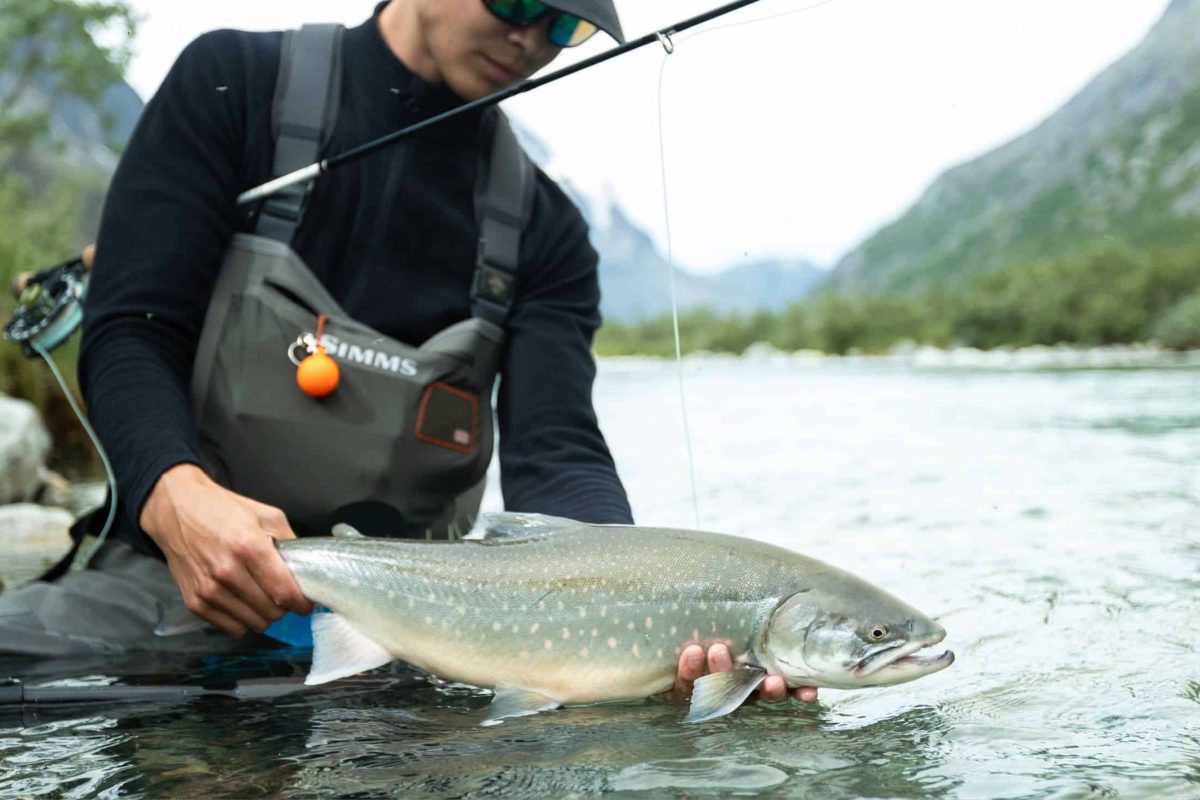
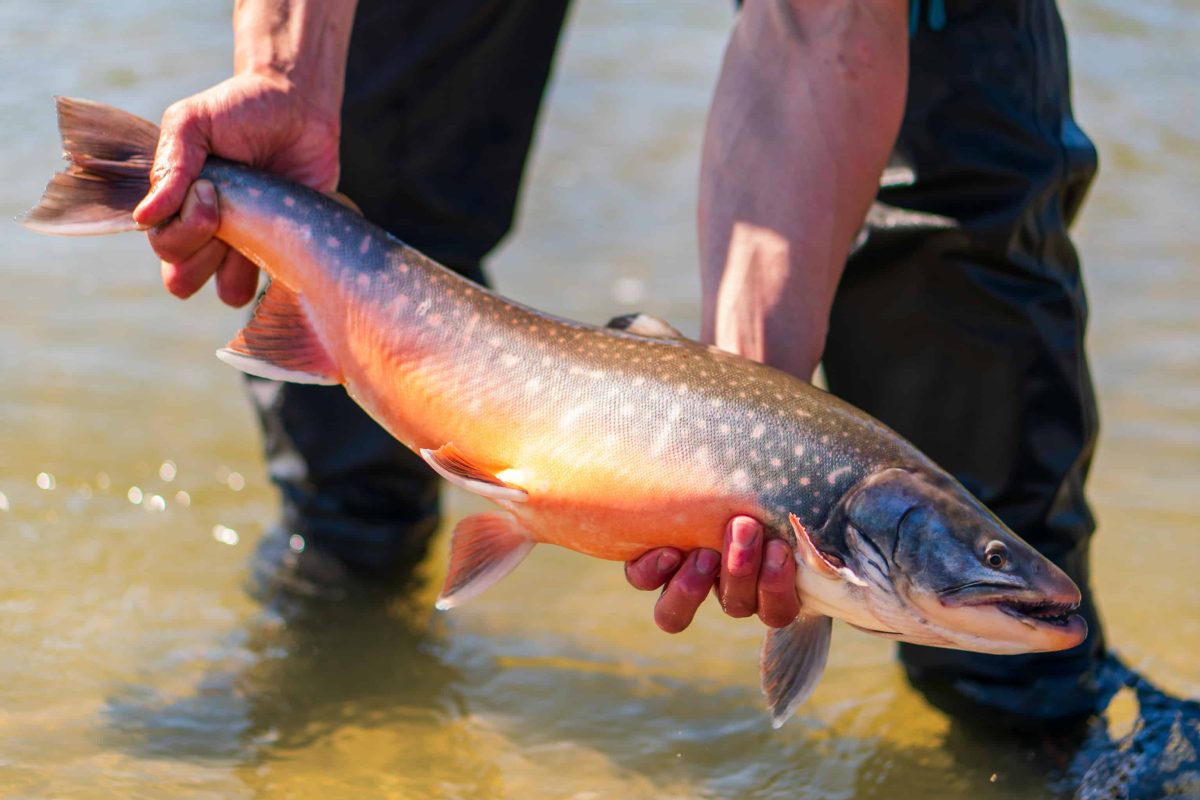
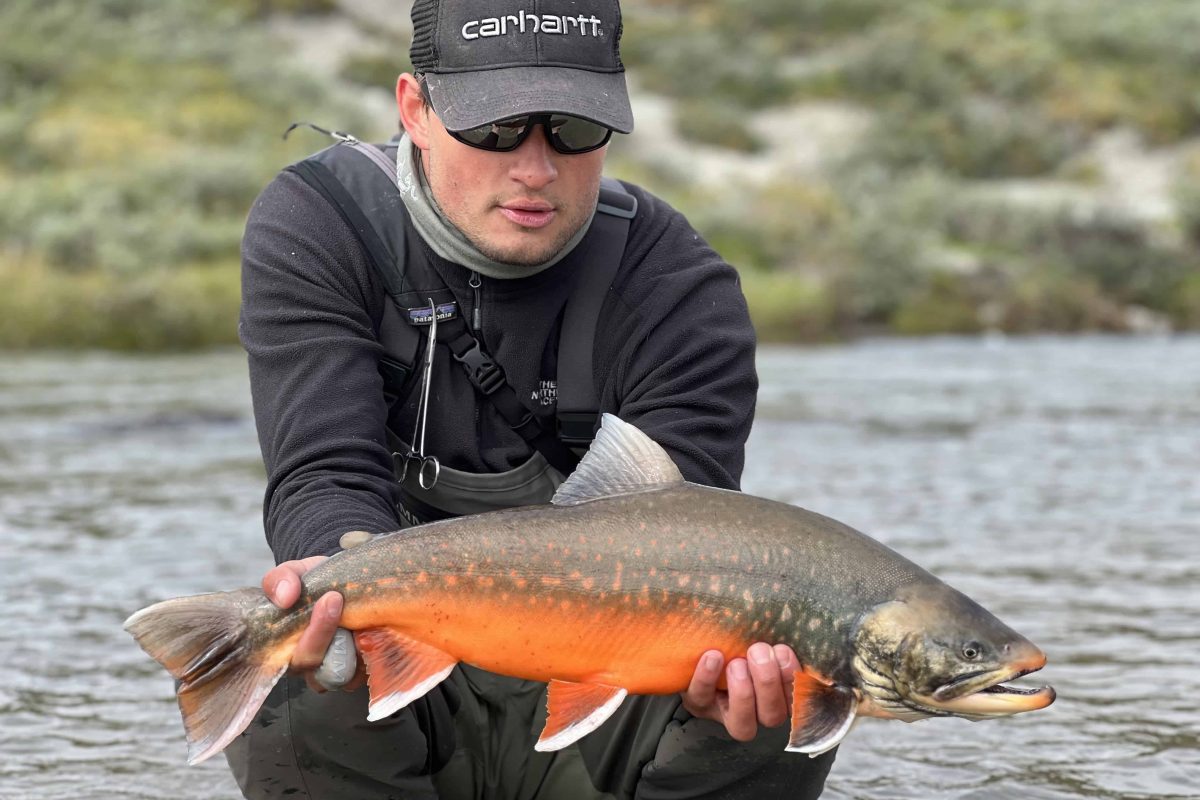
The fishing at Camp Isua is centred on wild, sea-run Arctic char. These fish spend part of the year feeding in the sea before returning to freshwater during the summer. Fresh fish are bright silver when they first enter the rivers, gradually developing orange and red spawning colours as the season progresses.
Anglers fish three separate river systems during the week. The Isua River runs for approximately ten kilometres through the valley beside camp. It contains fast runs, rocky channels and deep pools, with longer hikes providing access to water such as the Steps and Paradise Pool. Some sections require careful wading and river crossings, particularly farther upstream.
The Eqaluit River offers a different style of fishing, with calmer pools, longer glides and relatively straightforward walking. Ilivertallip Kuua is broader and more open, with expansive water and actively moving fish. Guides rotate between the rivers according to water levels, weather and fish movements, helping to spread fishing pressure and provide anglers with varied fishing throughout the week.
Most fishing is completed on foot using single-handed fly rods. Anglers move upstream between pools, sight-fishing where conditions allow and covering likely holding water with streamers, nymphs and surface flies. Boat transfers are used to reach the rivers away from camp, while the Isua can be fished directly from the camp area.
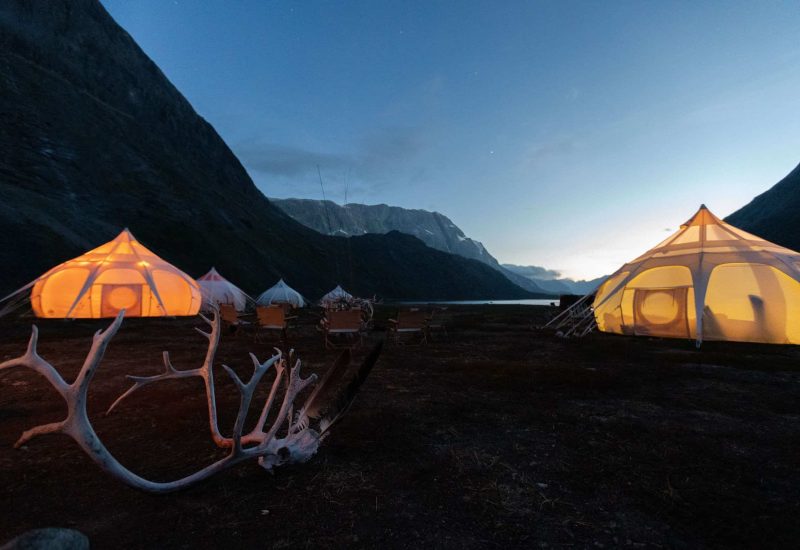
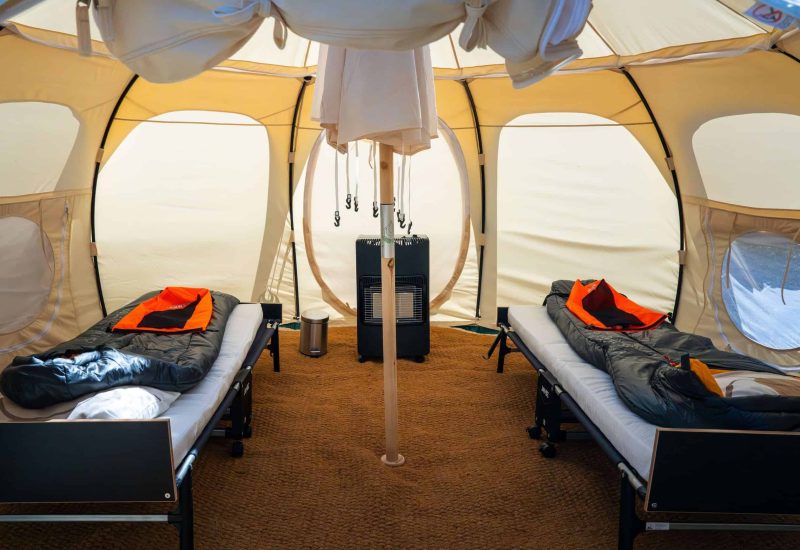
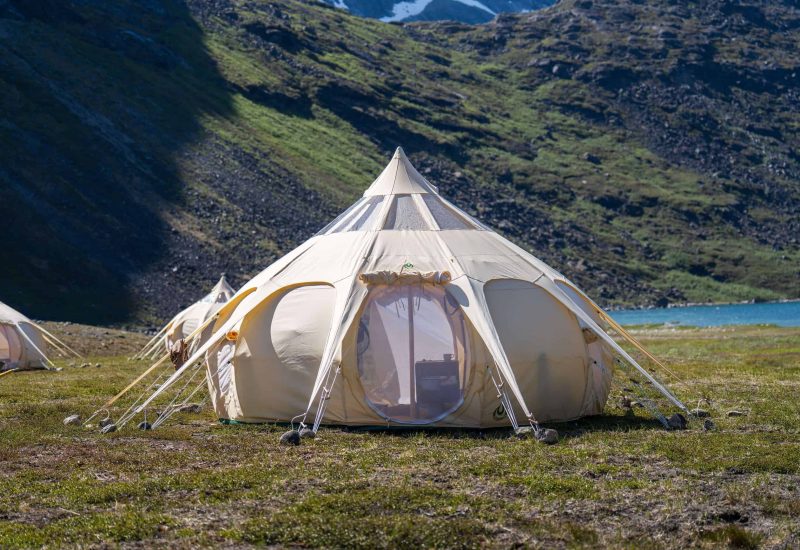
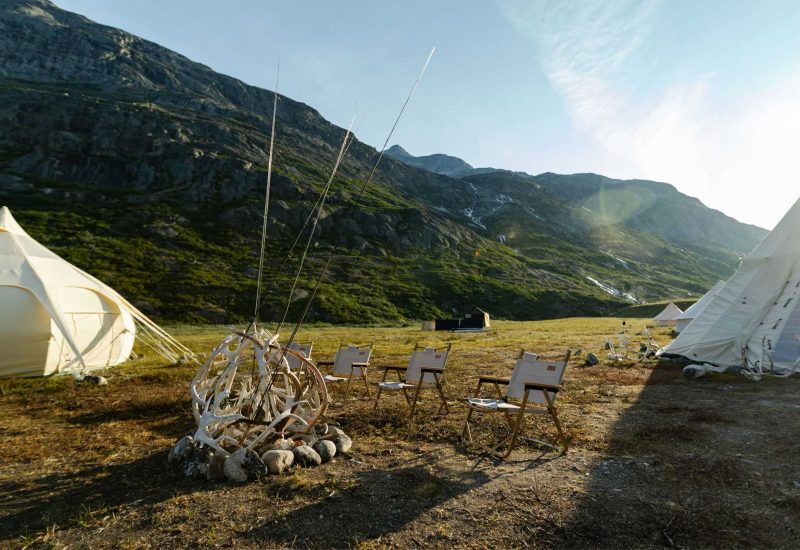
Camp Isua accommodates a maximum of eight anglers in spacious, heated canvas tents. Each tent is shared by two anglers and contains comfortable camp beds, sleeping bags and space for storing clothing and fishing equipment. The tents are designed to provide warmth and shelter while retaining the feel of a remote Arctic camp.
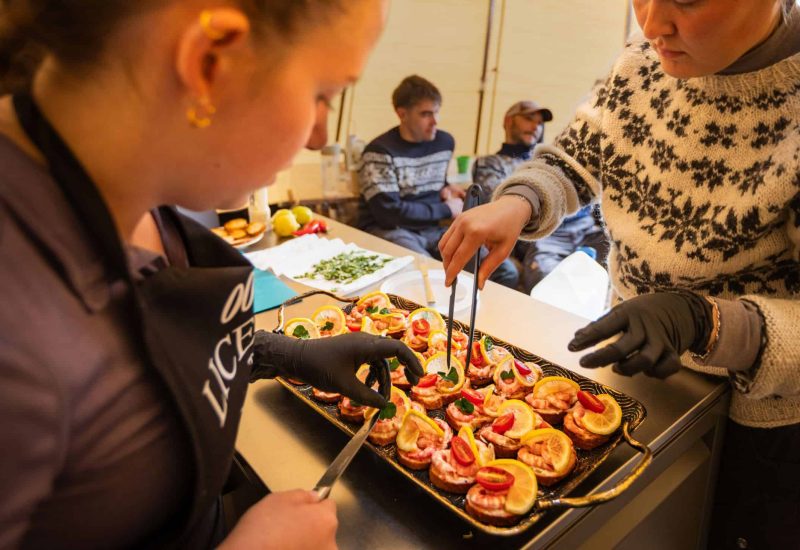
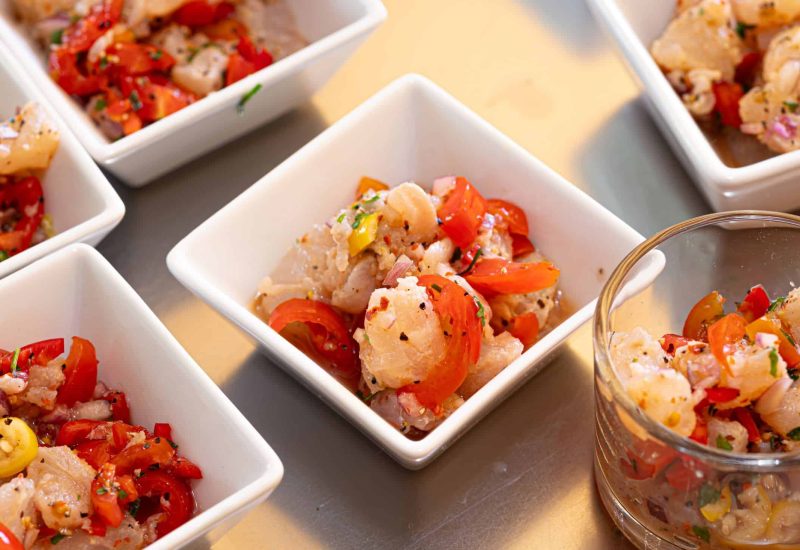
Meals are served in a communal dining tent, where anglers gather for breakfast and dinner. A dedicated camp chef prepares hot breakfasts, packed fishing lunches and evening meals using a mixture of Greenlandic ingredients and familiar expedition food. Meals may include reindeer, muskox, Greenlandic seafood, local birds and freshly caught Arctic char.
The camp has running water in the main tent, limited electricity for charging phones and small devices, and two separate toilet facilities. An outdoor sauna tent is normally available on selected evenings. A fly-tying station and materials are also provided for anglers who want to prepare or adjust patterns during the week.
Camp Isua is comfortable for its setting, but it is not a conventional fishing lodge. Anglers should expect simple shared facilities, limited power and few modern conveniences. The focus is on access to the rivers, good food and a warm place to rest after long days of walking and fishing.
Camp Isua is located at the head of the Kangerluarsussuaq fjord system, south of Nuuk on Greenland’s southwest coast. There is no road access to camp, and the final journey is made by boat through the fjords.
The standard itinerary begins with an overnight stay in Nuuk. Anglers are met at the airport and transferred to a local hotel, with a fishing briefing held before departure for camp.
The following morning, anglers travel from Nuuk harbour to Camp Isua aboard an enclosed boat. The crossing normally takes approximately three to four hours, depending on the vessel and sea conditions. On arrival, anglers are shown to their tents, introduced to the camp team and given a fishing and safety orientation before the first session on the Isua River.
The return journey follows the same route, with a final hotel night in Nuuk before departure. Weather can affect boat and flight schedules in Greenland, so anglers should avoid arranging tight international connections.
Rates Per Angler:
Starting from DK50,000.00 per person
What’s Included:
- Hotel accommodation in Nuuk on the arrival and return nights, as specified in the confirmed itinerary
- Breakfast at the hotel in Nuuk
- Airport and harbour transfers in Nuuk
- Return boat transfers between Nuuk and Camp Isua
- Boat transfers between camp and the fishing rivers
- Accommodation in heated twin-share canvas tents
- Camp beds, sleeping bags and tent heating
- Six full days of guided fishing
- Fishing licence
- Services of experienced fishing guides
- Dedicated camp chef
- Breakfasts, packed lunches and dinners at camp
- Fly-tying station and materials
- Limited electricity for charging small devices
- Running water in the main camp tent
- Use of the sauna tent on selected evenings
- Fishing and safety orientation
What’s Not Included:
- Flights to and from Nuuk
- Welcome dinner on the first night in Nuuk
- Optional dinner after returning to Nuuk
- Additional hotel nights caused by personal travel plans or disrupted connections
- Rods, reels, lines, flies and terminal tackle
- Waders, wading boots and personal fishing clothing
- Waterproof and cold-weather clothing
- Personal travel, medical and emergency evacuation insurance
Day 1: Arrival in Nuuk
Arrive at Nuuk Airport, where anglers are met and transferred to the hotel. The fishing team provides a briefing covering the rivers, camp arrangements, weather and equipment. A group dinner can be arranged in Nuuk, with the meal paid separately.
Day 2: Boat Transfer to Camp Isua
After breakfast, transfer to Nuuk harbour and board the enclosed boat for the journey through the fjords. On arrival at camp, anglers settle into their tents, meet the guides and prepare equipment. The afternoon includes an introductory session on the Isua River.
Day 3: The Steps on the Isua River
Walk upstream with the guides towards the Steps, one of the first major pools on the Isua. Anglers fish runs and holding water along the route before returning to camp. The sauna may be available after dinner.
Day 4: Eqaluit River
Travel by boat to the Eqaluit River for a full day of guided fishing. The river provides calmer pools and long glides, with lunch served beside the water. Anglers return to camp in the evening and can prepare flies for the following days.
Day 5: Fjord and River Fishing
Spend part of the day fly fishing for Atlantic cod from the boat before moving to a smaller Arctic char river. Fish retained from the fjord may be prepared by the camp chef for dinner.
Day 6: Paradise Pool
Hike farther upstream on the Isua River to reach Paradise Pool and some of the most remote water used during the trip. This is normally the longest and most physically demanding fishing day.
Day 7: Local Fishing and Fly Tying
Enjoy a more relaxed day around the pools close to camp. Anglers can fish the nearby Isua water, join a fly-tying session or rest between the longer fishing days.
Day 8: Final Fishing Day
Return to one of the three main rivers according to conditions and the priorities of the anglers. The day may include fishing for a char to be prepared fresh at camp, followed by a farewell dinner with the guides and camp team.
Day 9: Return to Nuuk
Leave camp in the morning and travel by boat back to Nuuk. Anglers are transferred to the hotel for the final night, with an optional group dinner in the city.
Day 10: Departure
After breakfast, transfer from the hotel to Nuuk Airport for the onward journey. The exact program may change according to weather, river conditions and boat access.
What level of fishing experience is required?
Camp Isua accepts anglers with different levels of fly-fishing experience. Guides provide help with fly selection, presentations, wading and fish handling. Less-experienced anglers should practise basic casting before travelling, as the fishing involves full days on moving water.
How physically demanding is the fishing?
The physical demands vary between rivers. The Eqaluit and Ilivertallip Kuua are relatively easy to walk, although anglers still need to hike upstream between pools. The upper Isua is more demanding and can involve longer walks, uneven ground and river crossings. The Paradise Pool day is normally the longest hike of the week.
What fishing equipment should anglers bring?
A fast-action 5 to 7-weight rod is suitable, with a 6 or 7-weight providing additional control in strong current. Anglers should bring a spare rod, a reel with a dependable drag and both floating and sinking or sink-tip lines. Strong fluorocarbon tippet, poly leaders in different sink rates and a rubber-mesh landing net are also recommended.
Which flies are most useful?
Weighted streamers such as Woolly Buggers, Zonkers and Kreelex-style patterns are productive in red, orange, purple, blue, silver and white. Foam surface flies can produce aggressive takes, while small nymphs provide an alternative when fish are less active. Anglers should bring a selection of heavy flies that can reach fish in fast or deep water.
Are waders and boots provided?
No. Anglers must bring their own breathable waders and lightweight wading boots. Much of the fishing involves walking in waders, so heavy boots can become tiring. Clothing should be cleaned and fully dried before travel, while flies and hooks must be disinfected before use in Greenland.
Is a fishing licence required?
Yes. A Greenland fishing licence is required and is included in the standard Camp Isua package. Angler details must be supplied before departure so the licence can be arranged.
Is all fishing catch and release?
Most Arctic char are released. A limited number may be retained for camp meals when appropriate. Guides oversee fish handling and will advise when a fish can be kept.
What weather should anglers expect?
Summer conditions can change quickly. Anglers may experience sun, wind, rain and cold temperatures during the same day. Warm base layers, insulating mid-layers and fully waterproof outer clothing are essential. Polarized sunglasses, gloves, warm hats, sun protection and insect protection should also be packed.
Are electricity and modern facilities available?
The camp has limited electricity for charging small devices, running water in the main tent and separate toilet facilities. It does not have the full facilities of a hotel or permanent lodge. Anglers should expect a comfortable but simple wilderness camp.