
Destination: Patagonia
Patagonia: The Completete Guide to fly-fishing in Argentina and Chile
Patagonia is one of the very few fishing destinations in the world that actually exceeds the hype. For serious anglers, it is not just another scenic trout destination. It is one of the last places where the scale of the landscape, the quality of the fish, and the variety of the fisheries all come together in a way that still feels genuinely wild.
Stretching across southern Argentina and Chile, Patagonia is not a single fishery. That is the first thing most first-time visitors get wrong. It is a vast region made up of legendary rivers, glacial lakes, spring creeks, freestone systems, estancias, wilderness lodges, float programs, and remote valleys where the fishing experience can change completely depending on which side of the Andes you are on. On the Argentine side, Patagonia is famous for storied trout rivers like the Malleo, Chimehuín, Collón Curá, Limay, Alumine, Traful, and of course, Lago Strobel (Jurassic Lake). On the Chilean side, places like the Yelcho, Futaleufú, Palena, Simpson, Aysén, and Mañihuales offer a very different but equally compelling mix of wild trout water, low pressure, and raw scenery.
What makes Patagonia special is that it offers more than one version of a dream trip. For some anglers, that means classic dry-fly fishing to wild browns and rainbows in northern Argentina. For others, it means floating through Chilean Patagonia with the chance to fish rivers, lakes, and side channels that still feel largely untouched. And for a smaller group chasing a true trophy obsession, Patagonia also includes Tierra del Fuego, where the Río Grande has become one of the benchmark destinations in the world for giant sea-run brown trout.
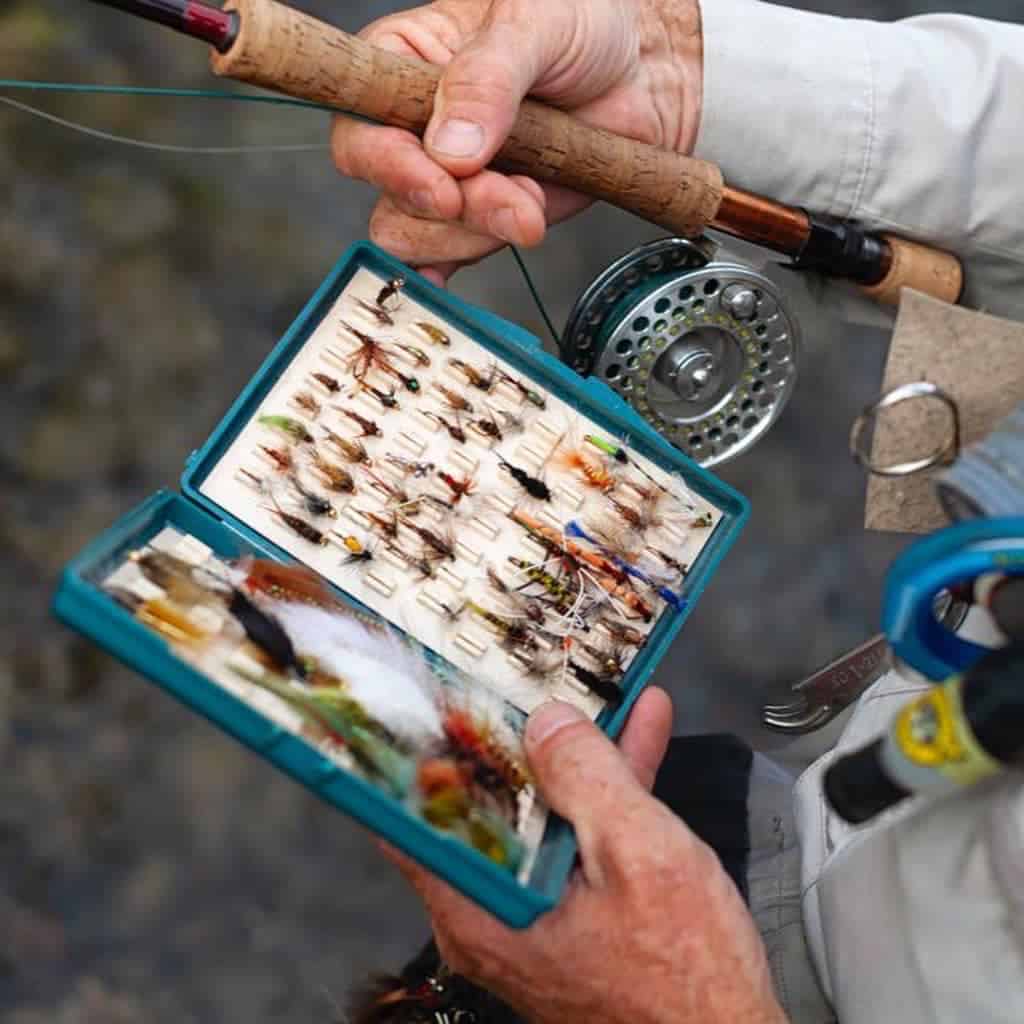


Why Patagonia is a true bucket list fishing destination
Patagonia deserves its place on any global fishing bucket list because it combines quality fish with quality water. This is not a destination built on stocked novelty or one famous river doing all the work. Patagonia’s reputation comes from the breadth of the experience. Across the region you will find wild brown trout, rainbow trout, brook trout in select systems, world-class sea-run brown trout and robalo in the far south, and in some waters, trophy chinook or king salmon. Put simply, Patagonia is home to some of the finest trout fishing anywhere.
The scenery is a major part of the draw, but it is not just pretty background. Patagonia’s fishing is shaped by glacial lakes, snow-fed rivers, fjords, grasslands, forests, volcanic terrain, and powerful weather systems that keep the region honest. Northern Chilean Patagonia transitions from fertile lowlands and volcanoes into rugged wilderness split by fjords and glacial valleys, while central Argentina ranges from open steppe and rocky escarpments to rainforest-fringed lakes and remote river valleys. In practical terms, that means one trip can feel like Montana, another like Alaska, and another like nowhere else on earth.
Where to fish in Patagonia
Northern Patagonia, Argentina
If your dream is classic trout fishing with famous rivers, steady hatches, and a more polished lodge-and-estancia experience, northern Argentine Patagonia is where many anglers should start. The San Martín de los Andes and Junín de los Andes region is widely seen as the area that put Argentina on the map for world-class trout fishing. Major fisheries include the Malleo, Chimehuín, Collón Curá, Filo Hua Hum, Limay, Alumine, and Traful. This region is known for wild browns and rainbows, consistent mayfly and caddis activity, strong dry-fly fishing, and the ability to mix wade fishing on smaller rivers with drift-boat days on the larger systems. The main season runs from November through April, with access typically via San Martín de los Andes or Bariloche.
This is the Patagonia most anglers picture first. It is varied, comfortable, and productive. You can fish classic riffles, long gravel runs, willow-lined banks, and broad western-style rivers, then return each evening to well-run lodges, estancias, and excellent food and wine. For anglers who want a balance of iconic rivers, premium logistics, and very fishable daily variety, this is one of the strongest choices in the region.
Central Patagonia, Argentina
Central Patagonia in Argentina offers even more diversity. Fisheries around Esquel, Los Alerces National Park, and Río Pico, with waters such as the Rivadavia, Arrayanes, Corcovado, Carrileufu, Chubut, Corintos, and Río Grande all provide great opportunities. This part of Patagonia blends small creeks, spring creeks, larger rivers, and glacial lakes, all set against a shifting backdrop of open steppe, mountains, and temperate forest.
For anglers who like variety and a more exploratory feel without giving up high-quality trout fishing, central Argentina is outstanding. One day can look like western-style river fishing through open valleys, and the next can feel far more remote and forested. It is one of the best options for anglers who do not want a one-note trout trip.
Southern Patagonia, Argentina: Lago Strobel (Jurassic Lake)
If Patagonia is known for world-class trout fishing, then Lago Strobel, more commonly referred to as Jurassic Lake, is from a different planet.
Located in a remote part of southern Argentina, this fishery has built a global reputation for producing some of the largest rainbow trout on the planet. Fish in the 10 to 15 pound range are common, and double-digit catches in a single day are not unrealistic under the right conditions. There are very few places in the world where anglers can realistically expect both numbers and size at this level.
What makes Jurassic Lake so unique is the combination of nutrient-rich water, consistent wind, and a dense forage base, all of which contribute to exceptional trout growth rates. The wind, which is a defining feature of the experience, pushes food into the lake’s margins and creates ideal conditions for aggressive, hard-fighting fish that patrol the shoreline.
Fishing here is typically done from the bank, often along rocky points and wind-swept edges where fish stack up to feed. This is not delicate, technical dry-fly fishing. It is a more physical, high-reward style of angling that often involves casting into heavy wind, using streamers, nymph rigs, or indicator setups, and staying mobile to find actively feeding fish.
This is also not a “casual” Patagonia experience. The location is remote, access requires effort, and conditions can be tough. But for anglers who are focused on trophy rainbow trout, Jurassic Lake is one of the most reliable destinations in the world.
Chilean Patagonia: Los Lagos and the far north of Patagonia
Northern Chilean Patagonia, centered around the Los Lagos region and fisheries such as the Yelcho, Futaleufú, Palena, Rosselot, and Figueroa, offers a wilder and more remote feel than many Argentine programs. Target species are primarily rainbow and brown trout, with occasional salmon and sea-run browns. The main season here is generally December through March, and travel often routes through Puerto Montt, with many anglers overnighting in Puerto Varas before continuing south.
This is a superb choice for anglers who like dramatic landscapes, float fishing, strong dry-fly opportunities, and a more untamed overall setting. The geography is rugged, the valleys are cut by blue-green rivers and fjords, and the fishing feels less manicured. It is Patagonia with more edge.
Chilean Patagonia: Aysén and central Chilean Patagonia
For many anglers, Aysén is the heart of Chilean fly fishing. It is Chile’s epicenter of fly fishing, with major fisheries including the Simpson, La Paloma, Mañihuales, Aysén, Megote, Emperador Guillermo, and Nirehuao. The region offers brown, rainbow, and brook trout, and a long season from November through April. Peak dry-fly fishing is strongest in January and February, while spring and fall can be excellent for streamer fishing.
This is one of the best places in Patagonia for anglers who want true diversity in water types. You can float larger freestone systems, wade spring creeks, fish intimate rivers, or mix in lakes and side channels, all within a relatively compact region. If you want one trip to sample the breadth of Chilean Patagonia, Aysén is hard to beat.
Tierra del Fuego
Tierra del Fuego is its own category. This is not a general Patagonia trout trip. It is a specialized trophy mission, built around some of the best sea-run brown trout fishing in the world. Situated right at the bottom of South America, few destinations consistently produce sea-run browns that regularly exceed twenty pounds and can surpass thirty.
This trip is for anglers who are willing to trade comfort, easy weather, and casual expectations for the chance at one extraordinary fish. The wind is serious, the conditions can be harsh, and the fishing is more focused than varied, but for dedicated trout anglers, this is one of the true holy grails.
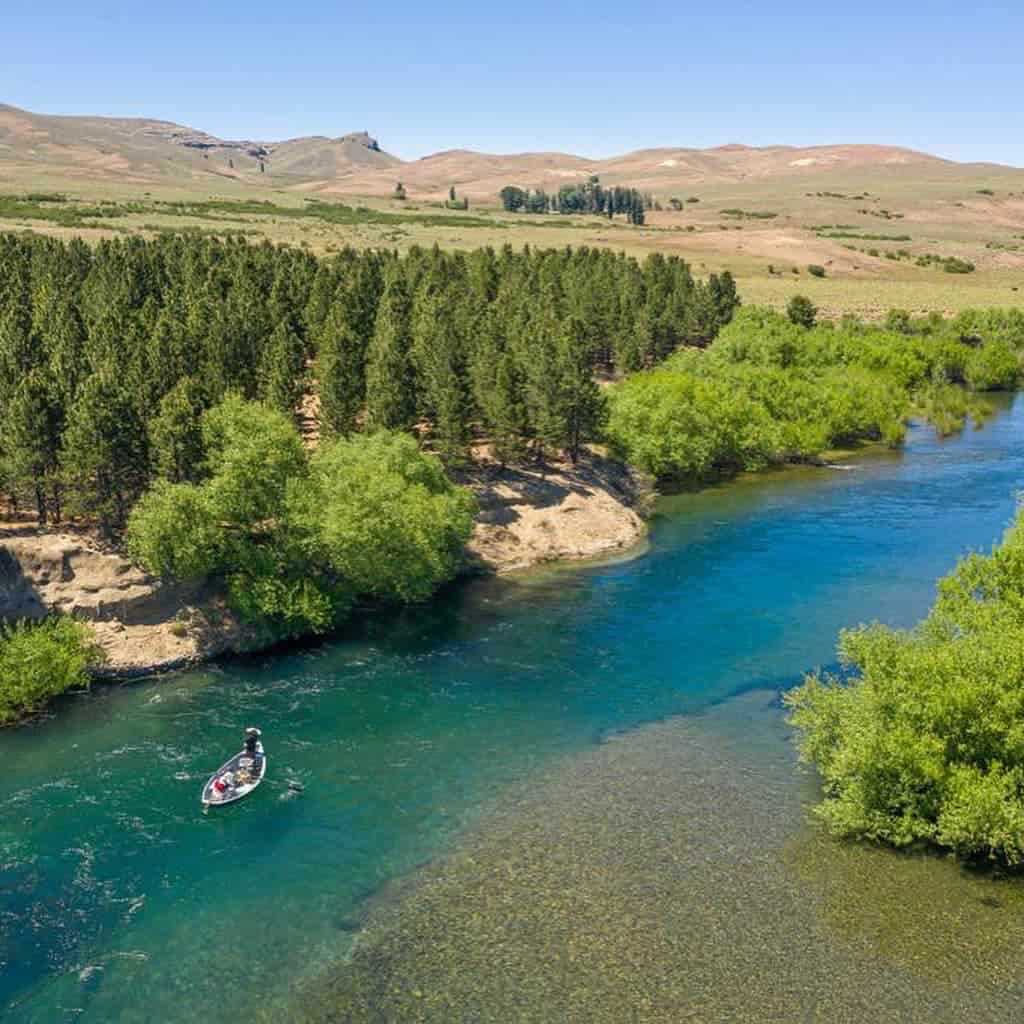
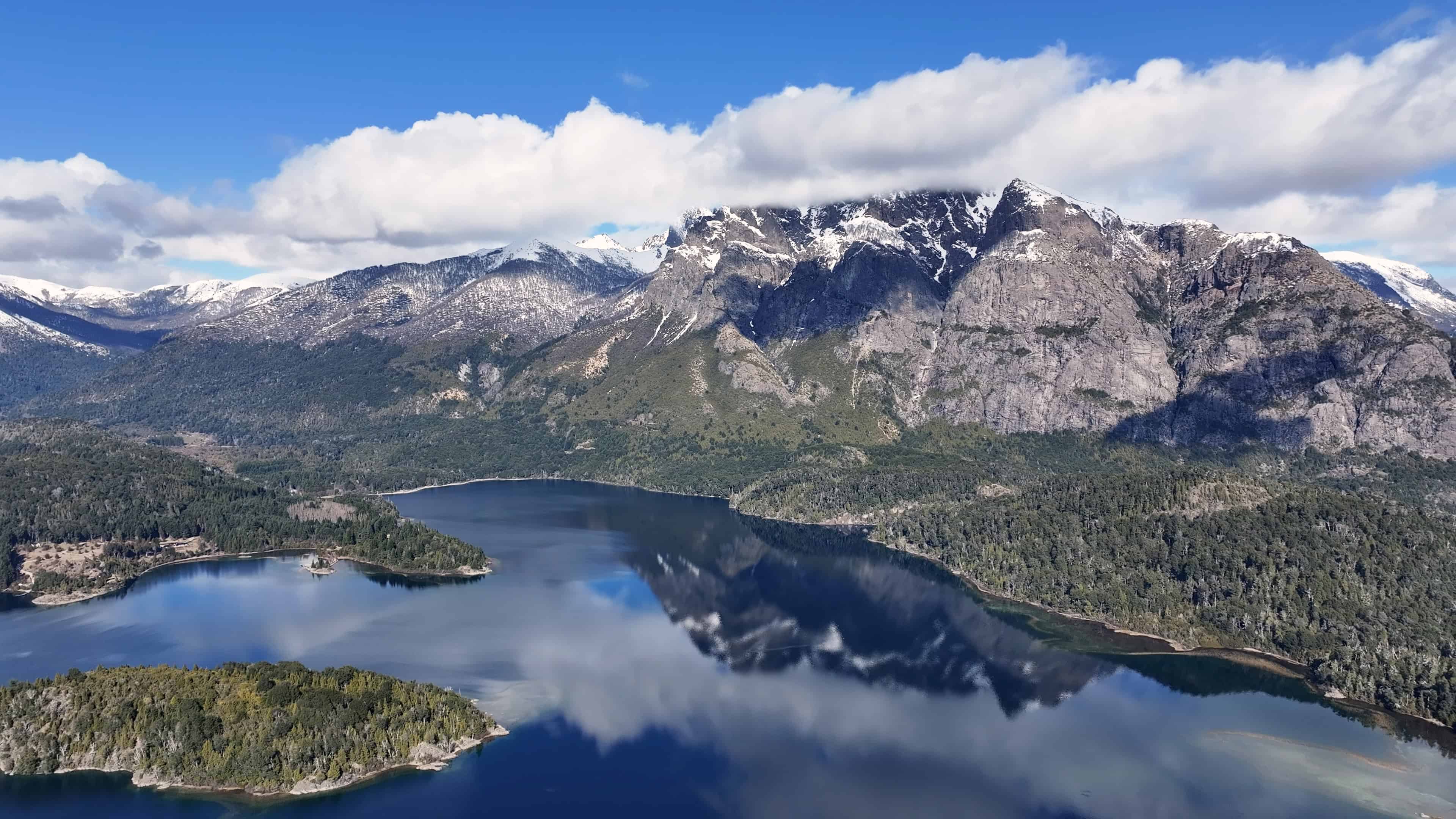
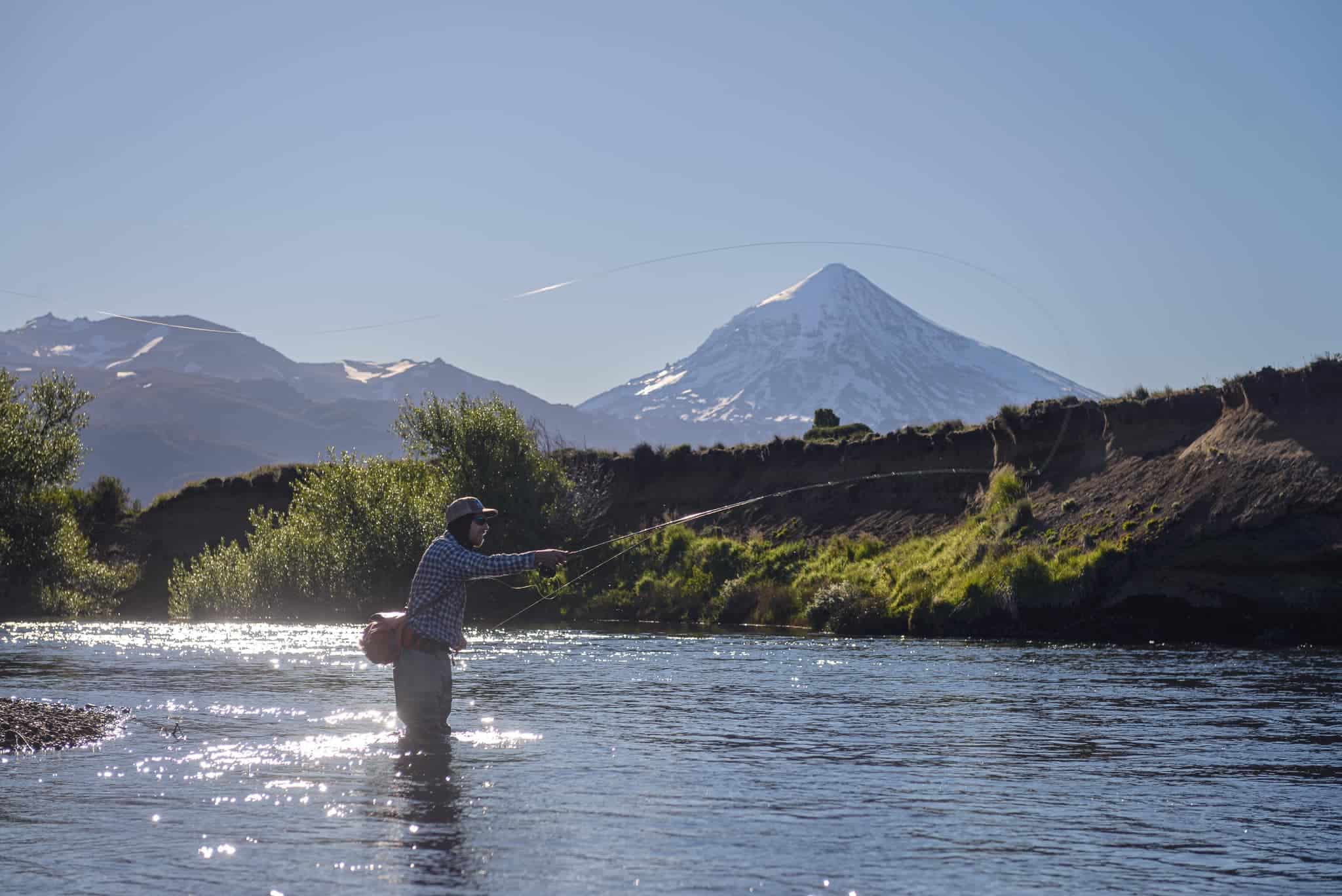
What species can you catch in Patagonia?
Patagonia is built around trout, but the exact species mix depends heavily on region and season. Brown trout and rainbow trout are the backbone of the fishery across much of both Argentina and Chile. Brook trout show up in select systems, particularly in parts of Chilean Patagonia and central Argentina. Sea-run brown trout and robalo are the headline species in Tierra del Fuego, while trophy king salmon, can also be part of the Patagonia story in certain rivers and windows.
For most anglers, the main decision is less about species list and more about style of fishing. Do you want classic trout numbers and dry-fly opportunity? Big browns on streamers? Mixed trout water with lots of daily variety? Or a single-minded swing or nymphing trip for giant sea-run fish? That is how Patagonia is best planned.
Best time to fish Patagonia
The broad Patagonia trout season generally runs from November through April, though exact timing varies by region. Northern Argentine Patagonia is typically fished November through April, central Argentine Patagonia also sits in that same broad window, northern Chilean Patagonia is strongest from December through March, and Aysén runs from November through April. January and February are prime summer dry-fly months in Chilean Aysén, while spring and fall can be better for streamer-focused fishing.
In simple terms, November and December are great for anglers who like fresh, aggressive fish, good water levels, and early-season energy. January and February offer the most stable weather and some of the best dry-fly fishing in many regions. March and April are especially interesting for anglers prioritizing bigger trout, fewer crowds, and more of a trophy mindset. If king salmon are part of your thinking, later summer into autumn can become more relevant depending on system and timing.
Chile vs Argentina: which side of Patagonia is better?
There is no universal winner. Argentina is generally the better choice for anglers who want famous rivers, established lodge programs, drift-boat days, classic dry-fly trout fishing, and a more refined all-round trip structure. Chile is often the better fit for anglers who prioritize remoteness, wilderness feel, lower pressure, and a more exploratory style of trip with varied rivers, lakes, and floats.
If you are coming for your first Patagonia trip and want iconic trout fishing with easier logistics and broad appeal, start with Argentina. If you have already done a classic trout trip somewhere else and want Patagonia to feel wilder, more remote, and a little less predictable, Chile is an excellent choice. If sea-run browns are the goal, Tierra del Fuego becomes the conversation.
Fishing styles and techniques in Patagonia
One of Patagonia’s greatest strengths is how many different ways there are to fish well. Smaller rivers like the Malleo, Filo Hua Hum, and Traful are often waded, while larger Argentine systems like the Chimehuín, Alumine, Collón Curá, and Limay are typically fished from drift boats. In Chile, anglers can mix floating, walking, and wading across freestones, spring creeks, lakes, and side channels depending on the lodge and region.
Dry-fly fishing is one of Patagonia’s great calling cards, particularly in northern Argentina and Aysén during the summer months. Streamer fishing becomes important when targeting larger browns or fishing shoulder-season conditions. Sight fishing can be part of the experience on clear waters and certain lakes, and anglers who like covering water by boat will find several world-class float fisheries throughout the region. Patagonia is versatile enough for strong intermediate anglers, but it is especially rewarding for anglers who enjoy adapting each day to wind, water, and opportunity.
What makes a Patagonia fishing trip truly special
The best Patagonia trips are not just about catch rates. They are about the complete experience. You are fishing in one of the world’s most dramatic landscapes, often in places where the water still feels lightly pressured and the trout still behave like wild fish should. In Argentina, that experience is often paired with estancias, lodge culture, grilled meat, red wine, and polished hospitality. In Chile, it is more often framed by rugged valleys, remote access, rainforests, fjords, and a more frontier-like feel. Both sides are exceptional, just in different ways.
Patagonia is also one of those rare destinations that works for more than one type of angler. It can be a first true bucket-list trout trip. It can be a return trip for someone who wants more nuance and more challenge. It can be a hard-core sea-run brown expedition. And it can be a trip where the non-angling side still matters, whether that means horseback riding, hiking, birding, hot springs, or simply spending evenings somewhere that feels authentically rooted in place.


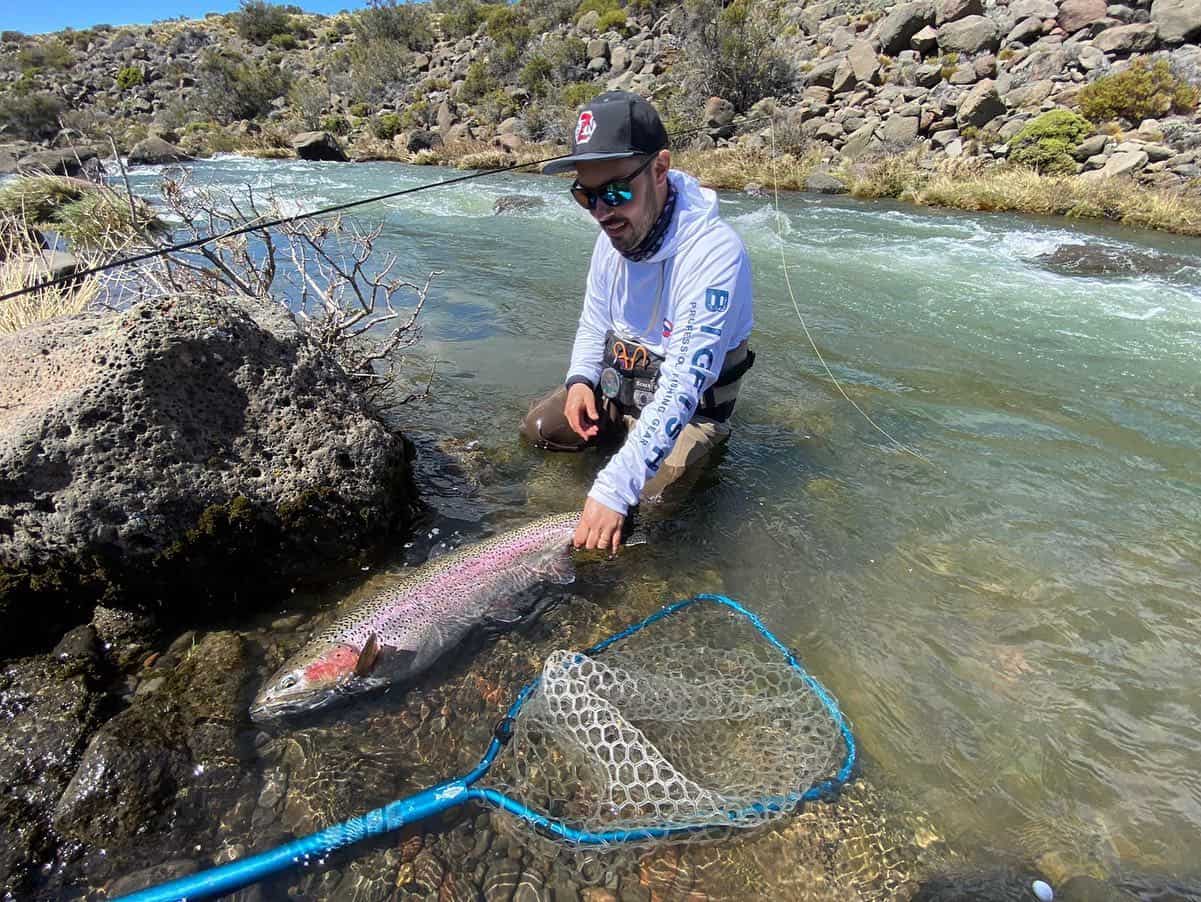
Is Patagonia worth it?
Absolutely, but only if you choose the right version of Patagonia for the trip you actually want.
That is the real secret. Patagonia is not one trip. It is a region of options. Choose northern Argentina if you want iconic trout rivers and a more classic premium lodge experience. Choose Chile if you want wildness, lower pressure, and a stronger sense of exploration. Choose Tierra del Fuego if you are chasing one of the most legendary trophy trout fisheries on earth. Choose Jurassic Lake if you want trophy rainbows.
Get the fit right, and Patagonia is every bit as special as its reputation suggests.
Looking to fish Patagonia properly, whether that means classic trout water in Argentina, remote Chilean rivers, or timing a trip around Chinook as well as trout? Get in touch and we’ll help match you with the right area, season, and lodge to make it count.
Frequently Asked Questions:
Do I need to bring my own gear or is everything provided?
Most Patagonia lodges provide high-quality rods, reels, and flies, but bringing your own setup is recommended if you have preferred gear. Conditions can vary significantly, especially with wind, so having rods suited for both dry flies and streamers gives you more flexibility. If you’re traveling light, confirm gear availability with your lodge in advance, particularly for specialty trips like sea-run brown trout or Jurassic Lake.
How physically demanding is a Patagonia fishing trip?
It depends heavily on the region and style of fishing. Northern Argentina is generally moderate, with a mix of wading and drift boat fishing. Chilean Patagonia and Jurassic Lake can be more physically demanding due to wind, uneven terrain, and longer days on foot. Tierra del Fuego is less physically intense in terms of hiking, but requires stamina for long sessions in tough weather conditions. Most trips can be tailored to your fitness level.
How reliable is the fishing, and what does a “good day” look like?
Patagonia is known for consistency, but expectations should match the fishery. In river systems, a good day might be steady action with multiple quality trout and a few standout fish. At Jurassic Lake, numbers can be significantly higher, with realistic chances at large fish throughout the day. In Tierra del Fuego, success is measured differently. You may work hard for fewer opportunities, but each fish has true trophy potential.
Is Patagonia suitable for beginners, or is it better for experienced anglers?
Patagonia works for both, but some regions are better suited to different skill levels. Northern Argentina is one of the best entry points for beginners due to its variety and forgiving fishing conditions. Chile and more remote programs can require more adaptability. Jurassic Lake is accessible but benefits from basic casting competence in wind. Tierra del Fuego is best suited to experienced anglers due to technical demands and conditions.
What are the biggest mistakes anglers make when planning a Patagonia trip?
The most common mistake is choosing the wrong type of trip for their expectations. Many anglers focus only on the destination name rather than the fishing style. Patagonia is not one fishery, and selecting between rivers, lakes, or sea-run systems is critical. Another mistake is underestimating wind and weather, which can impact both gear choices and daily fishing approach. Finally, not allowing enough time is a frequent issue. A minimum of 5 to 7 fishing days is recommended to fully experience the destination.