
Jungle Fishing Camp
Bolivia
A journey to Jungle Fishing Camp takes you deep into the Bolivian Amazon for a week of world-class, fishing for giants like arapaima, payara, and monster catfish. Blending remote wilderness with comfortable tented accommodations and expert guides.
Accommodation
Jungle Lodge
Season
August – November
Species
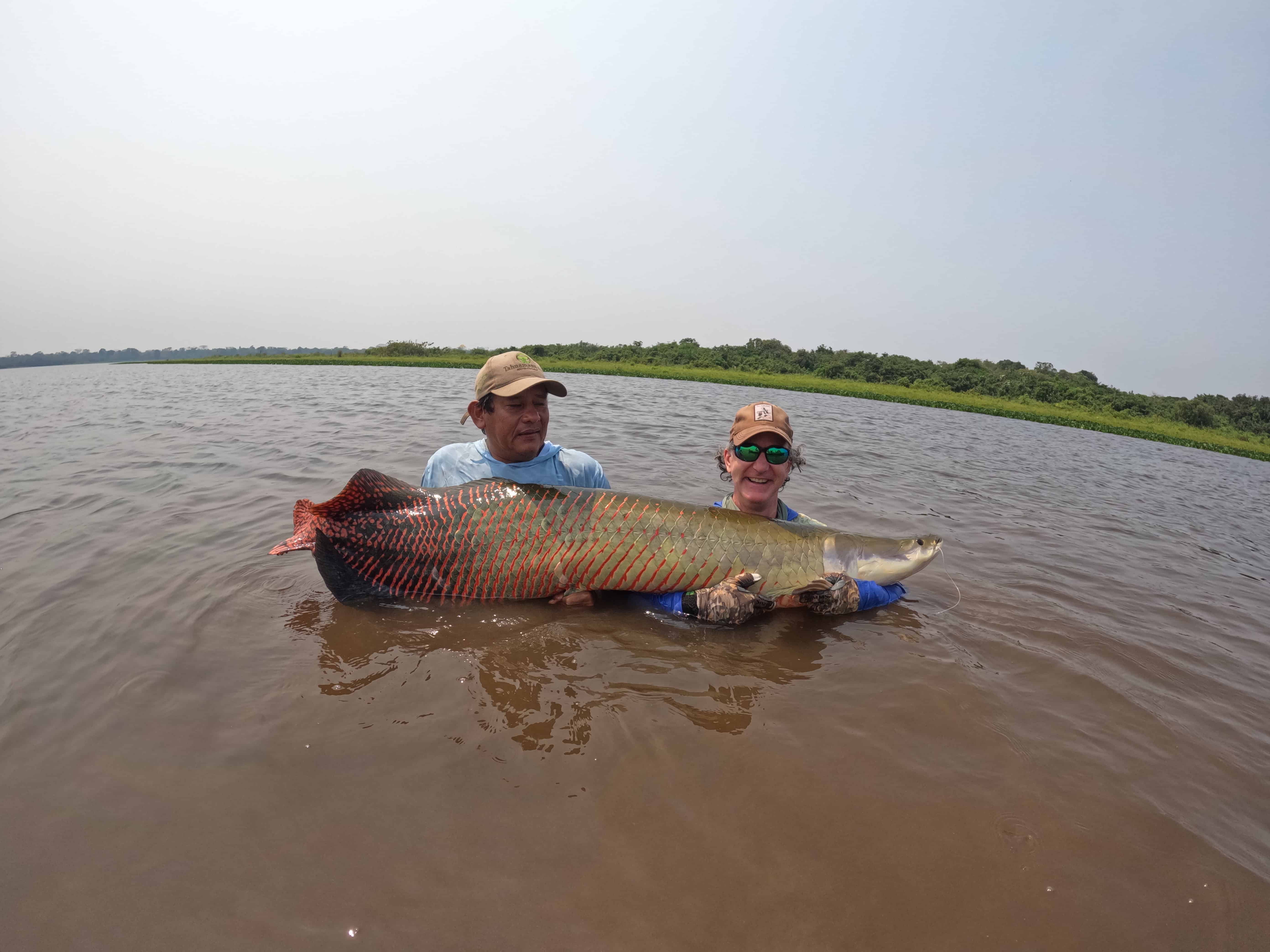
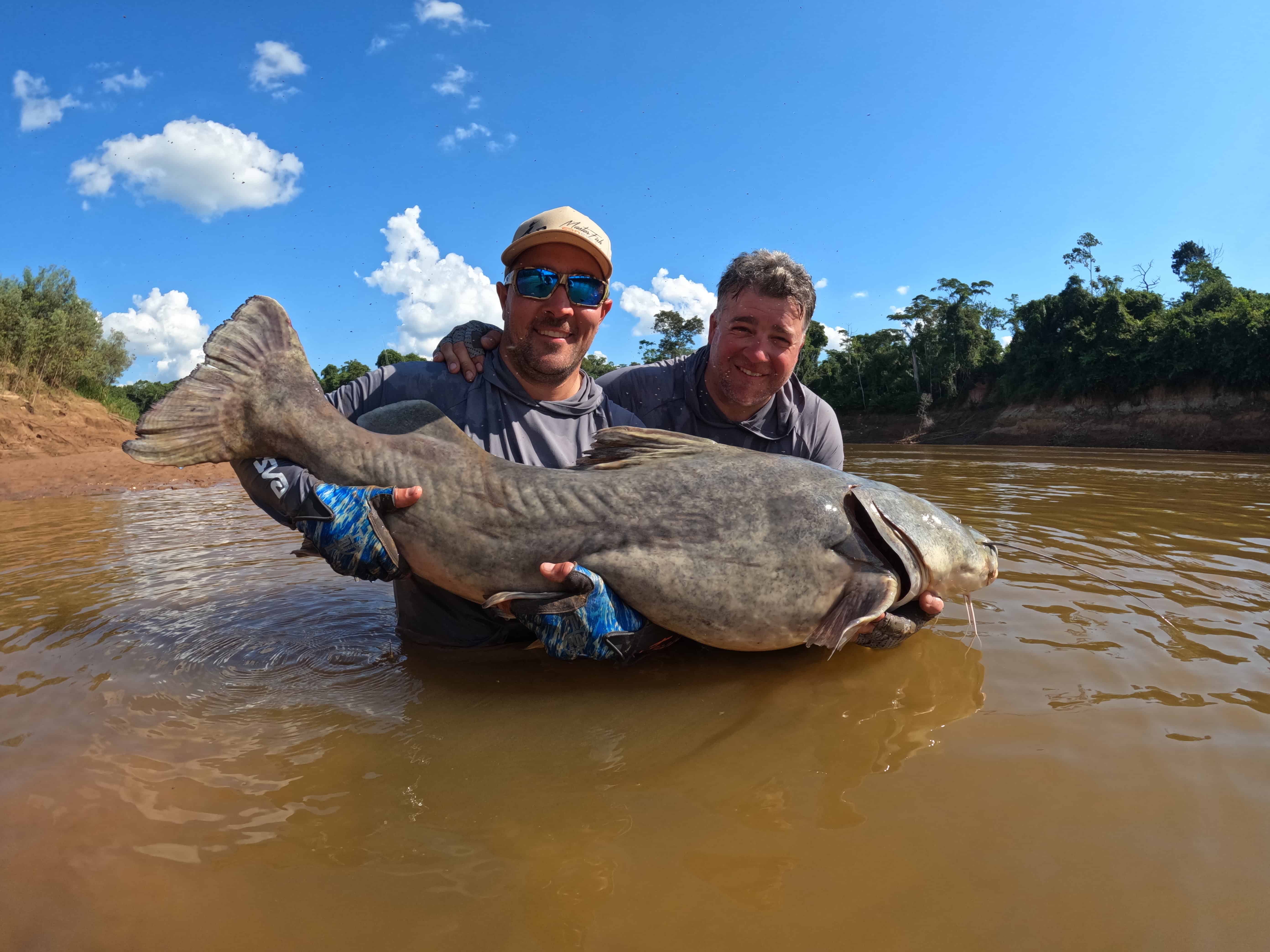
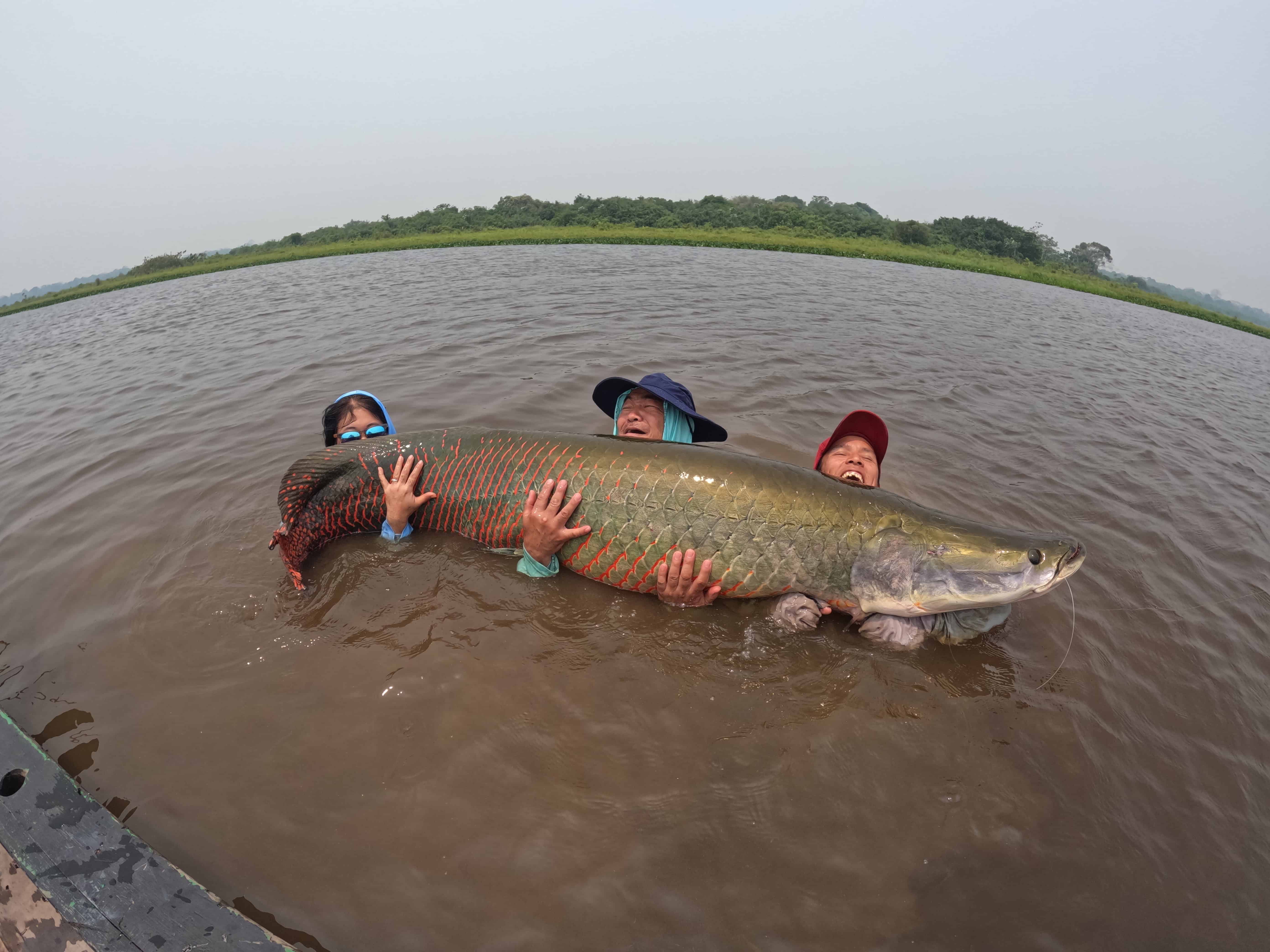
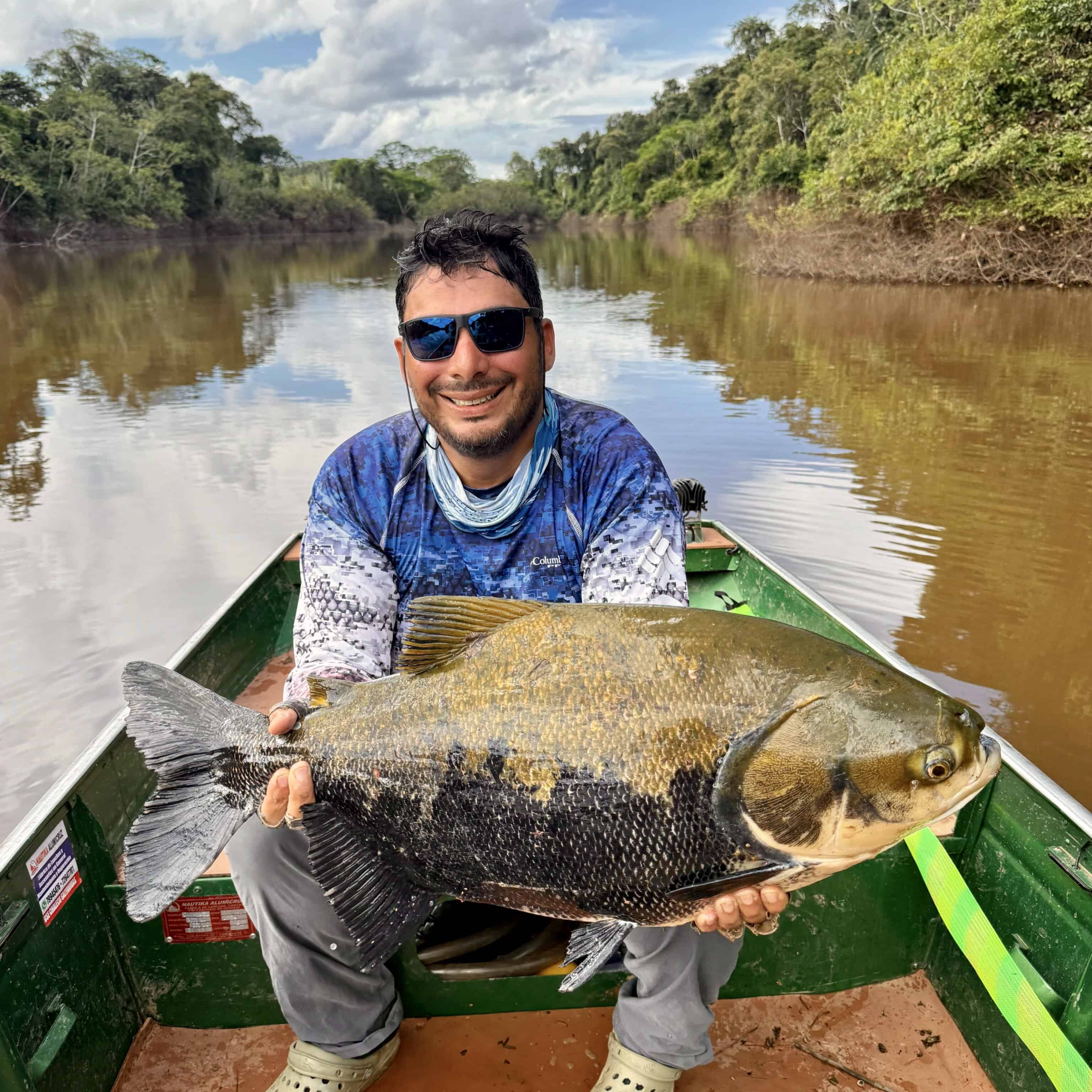
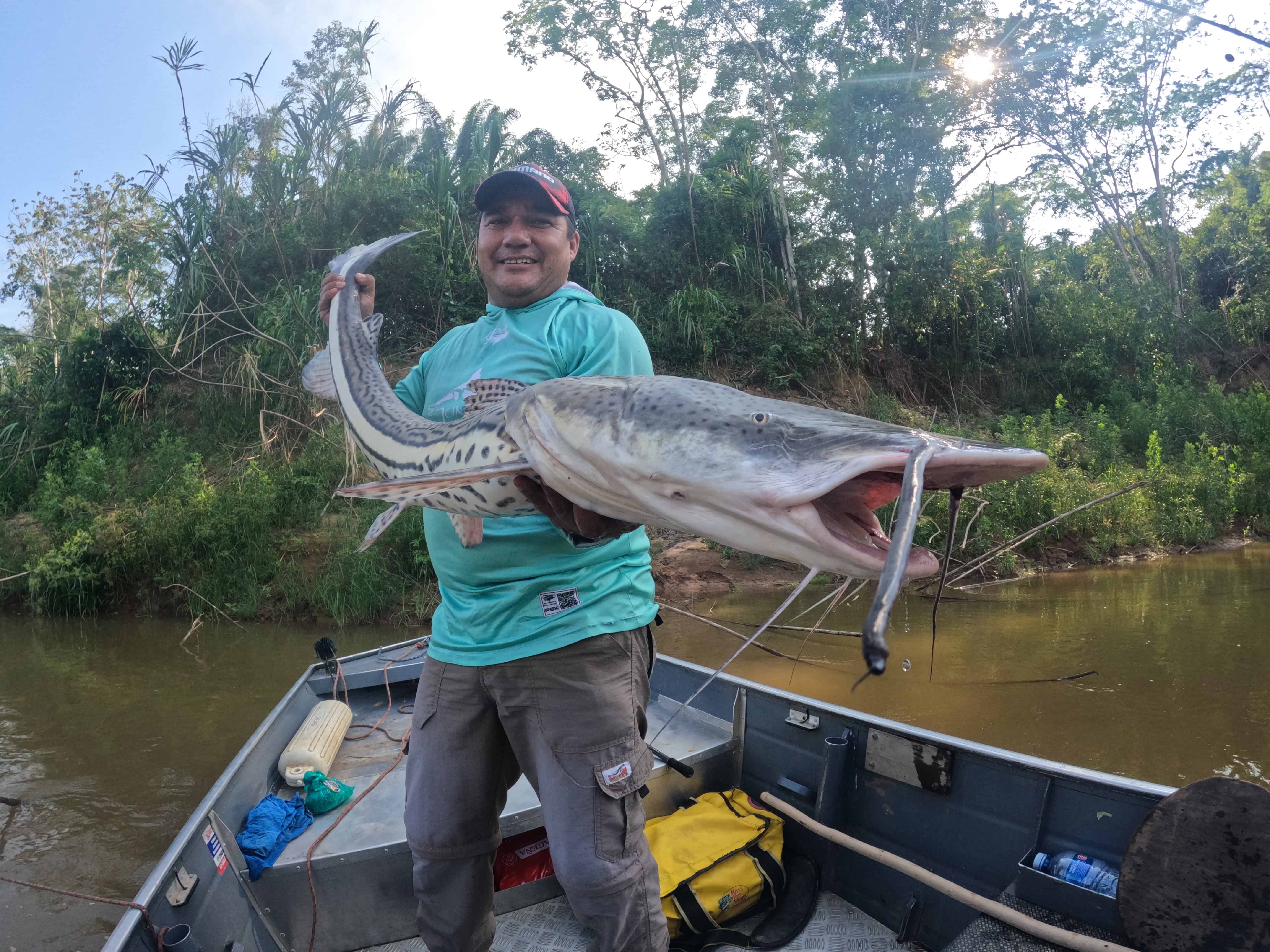
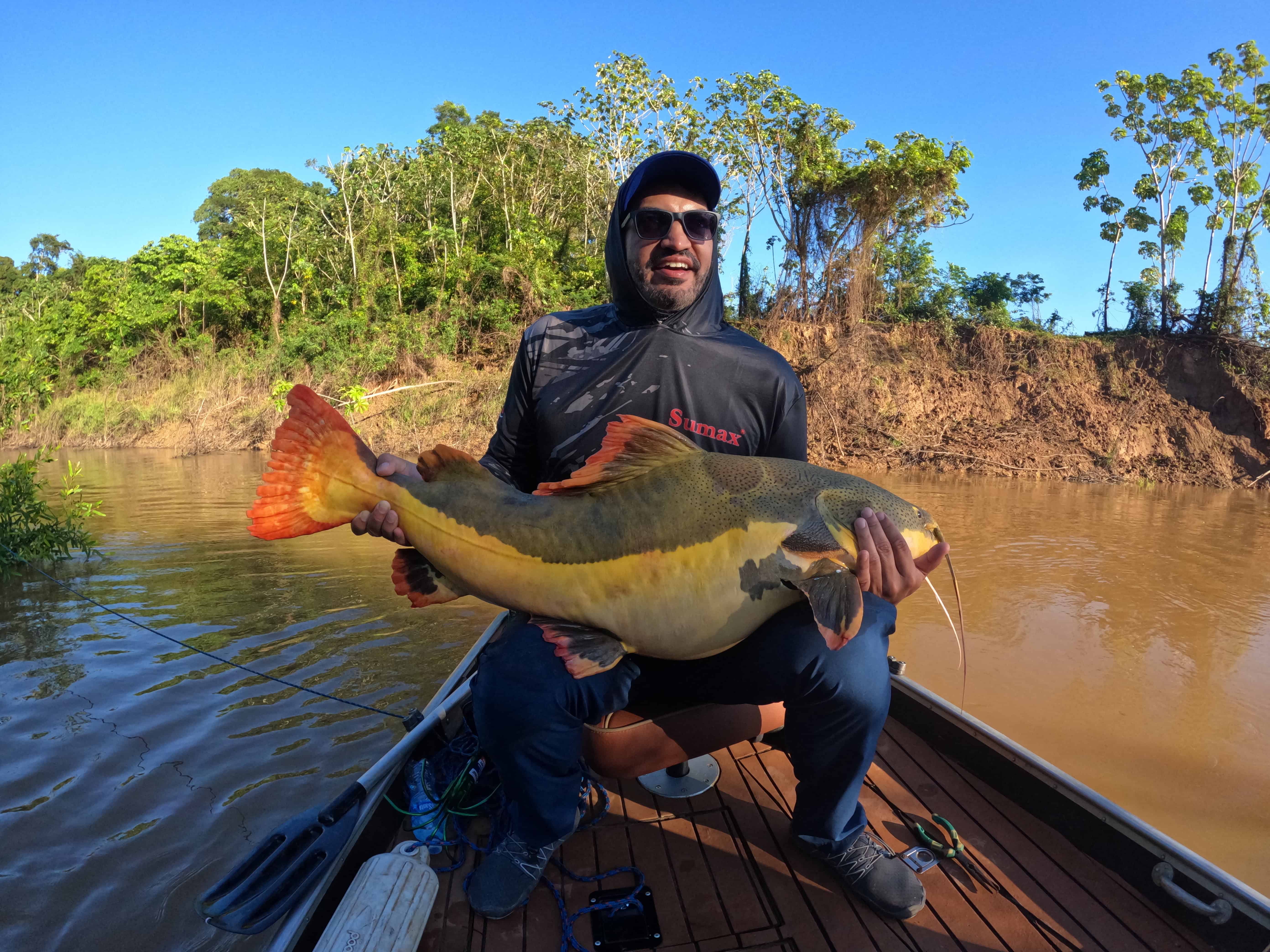
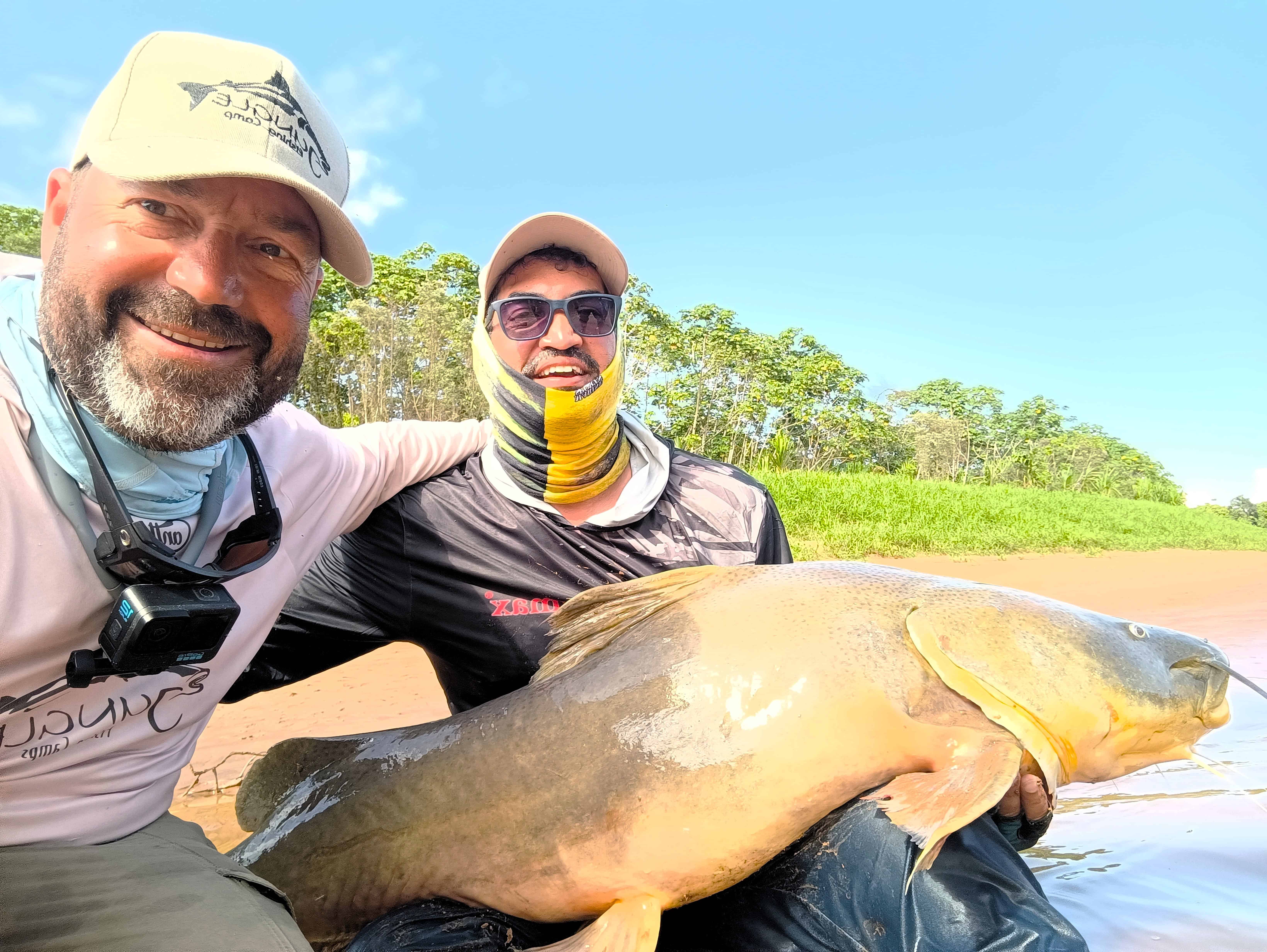
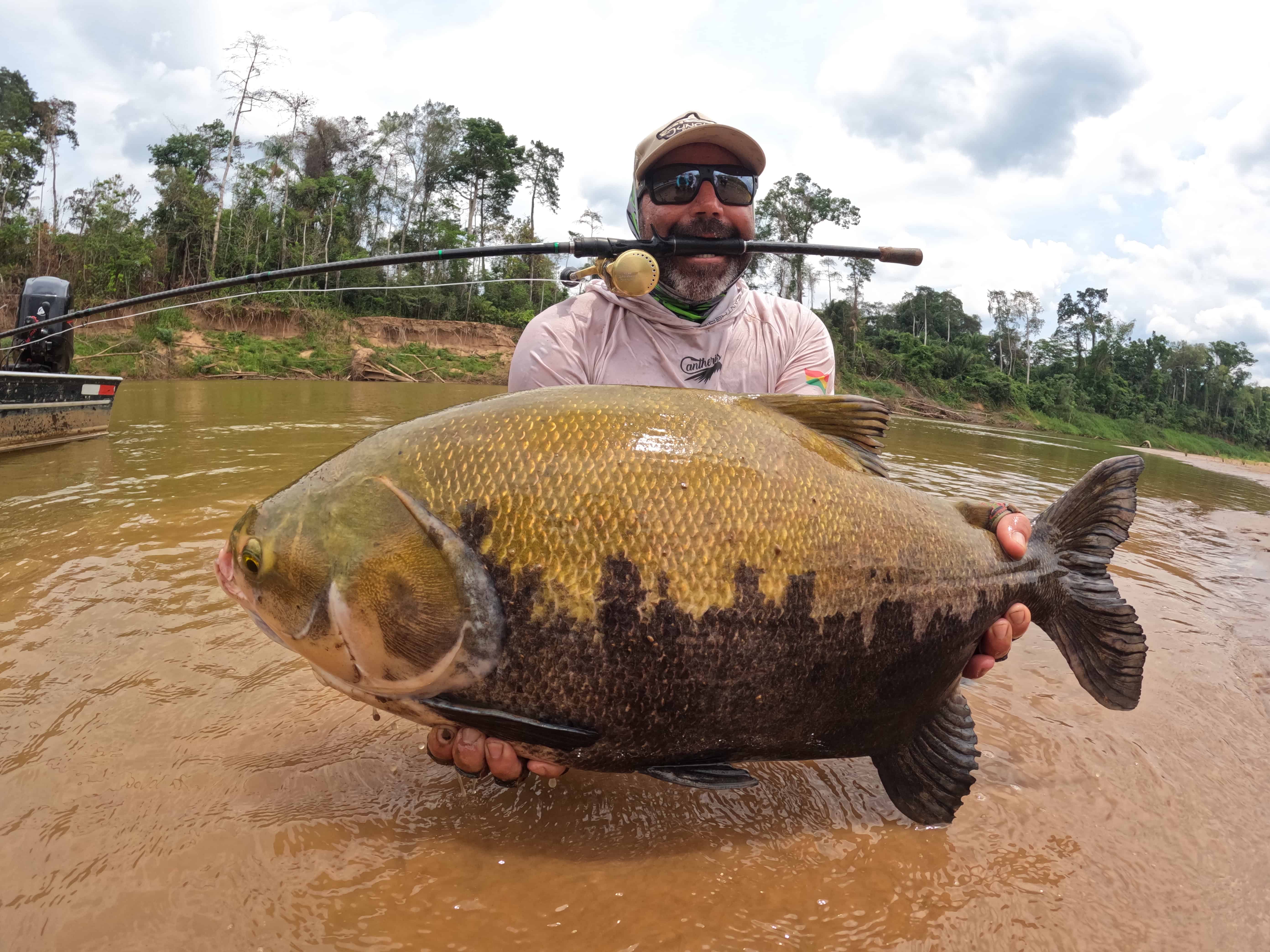
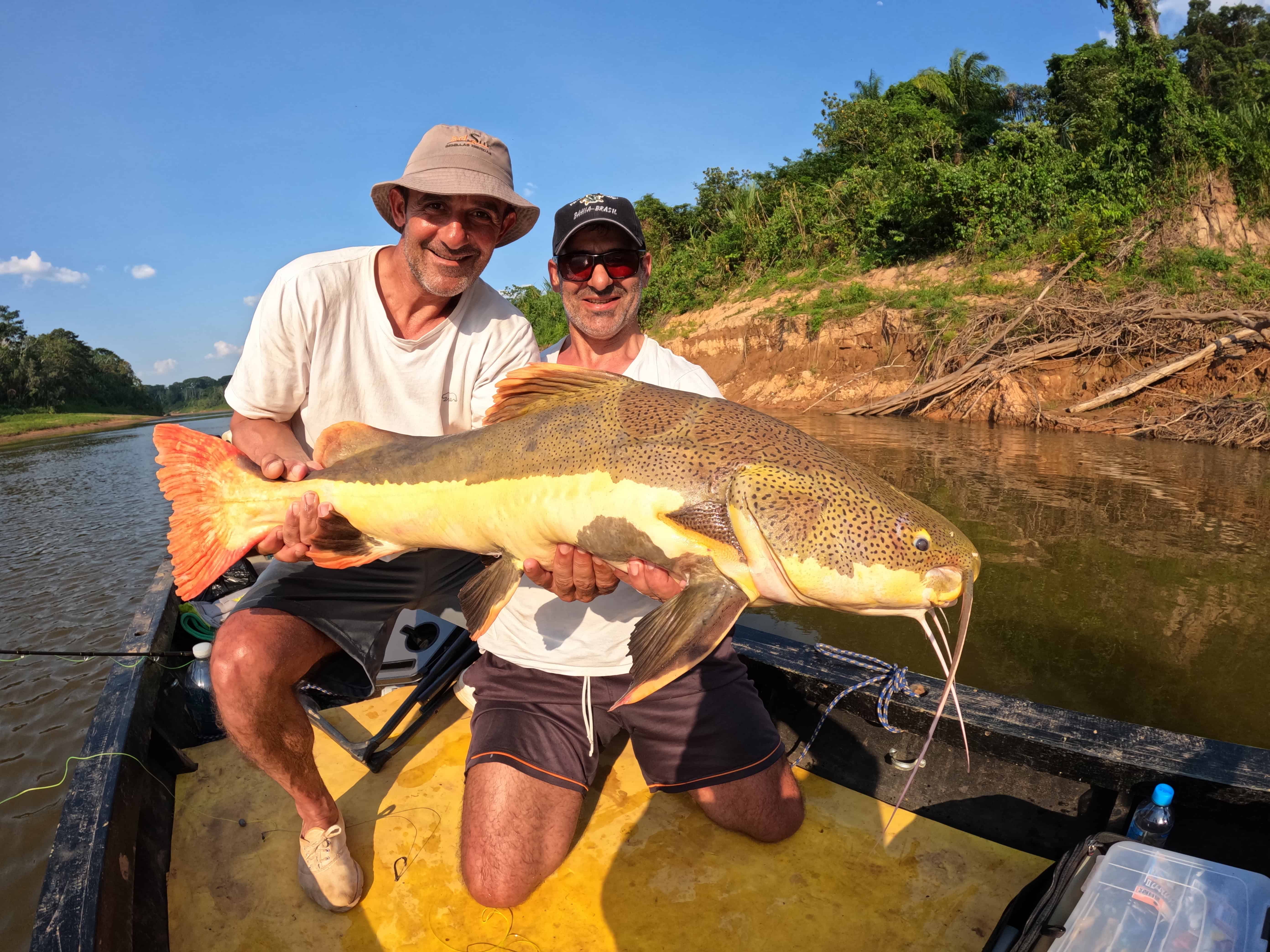
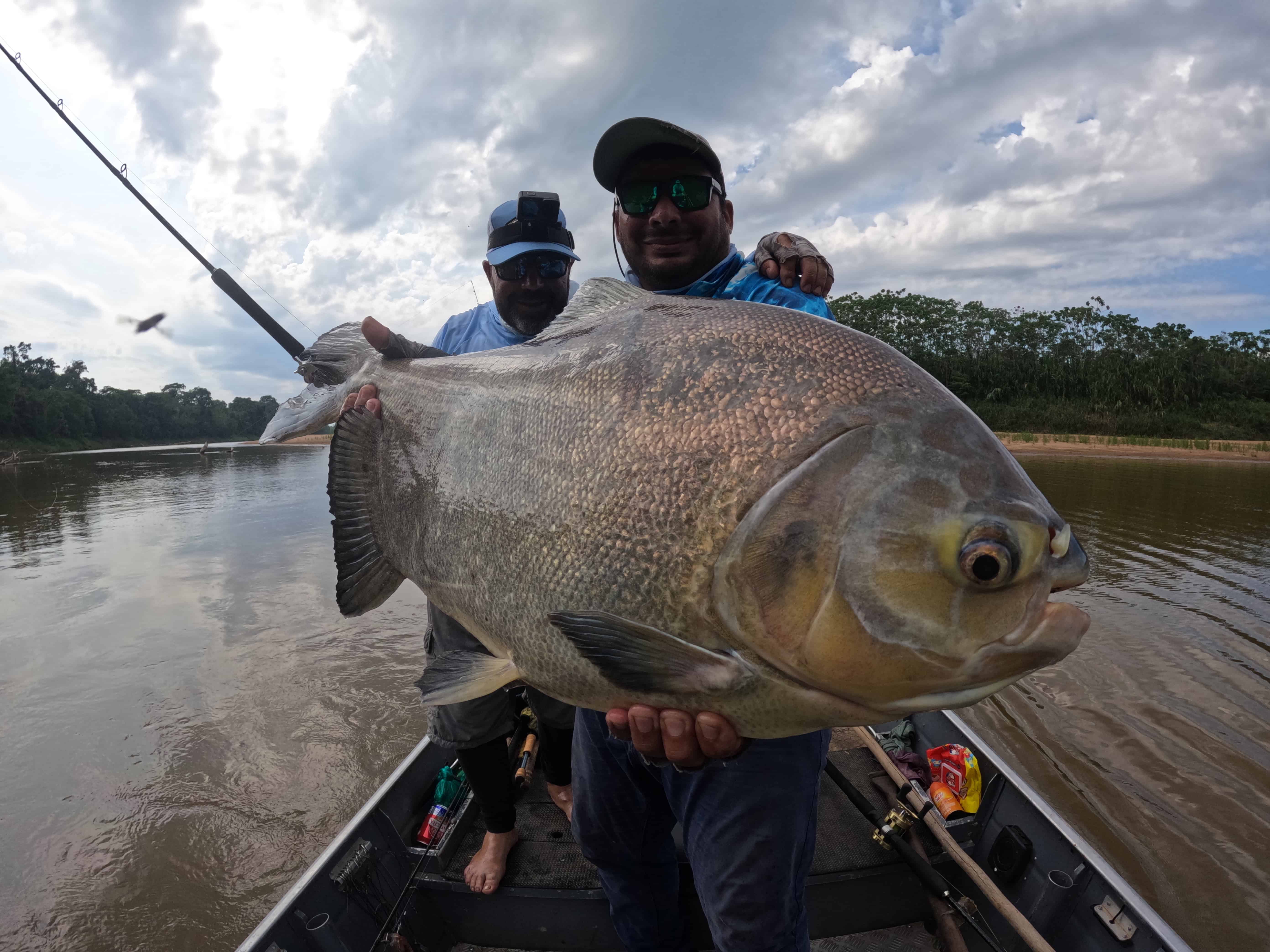
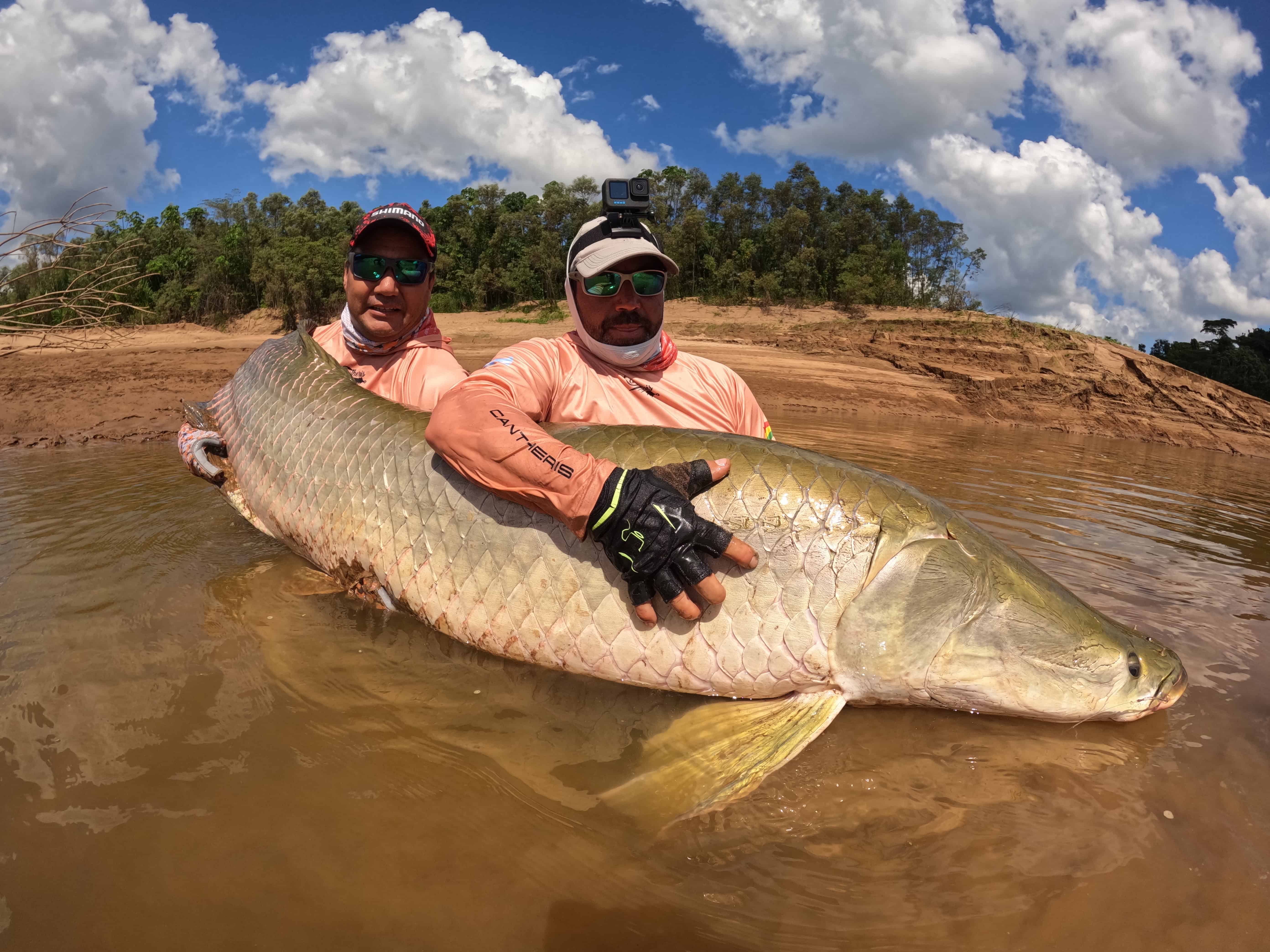
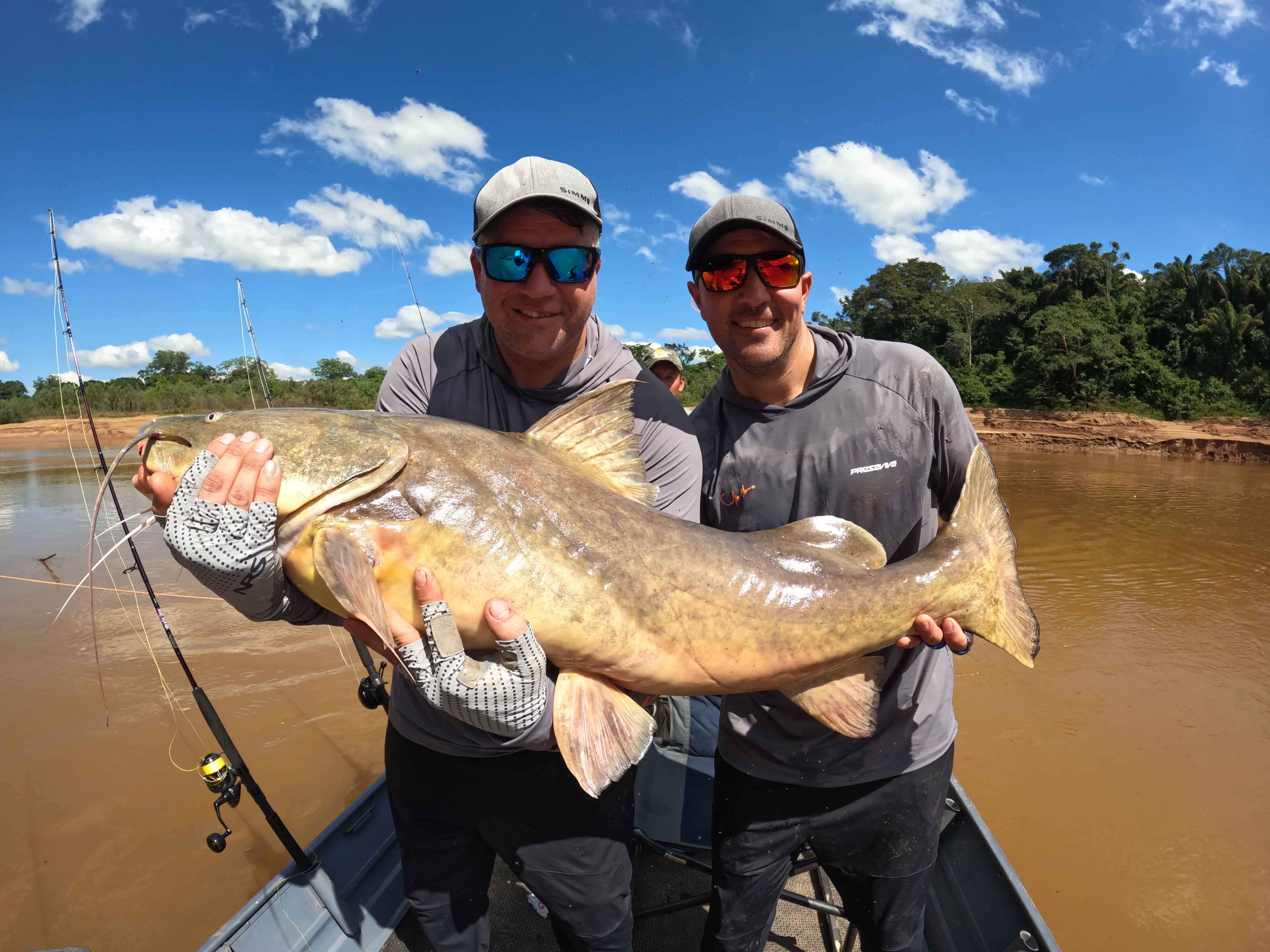
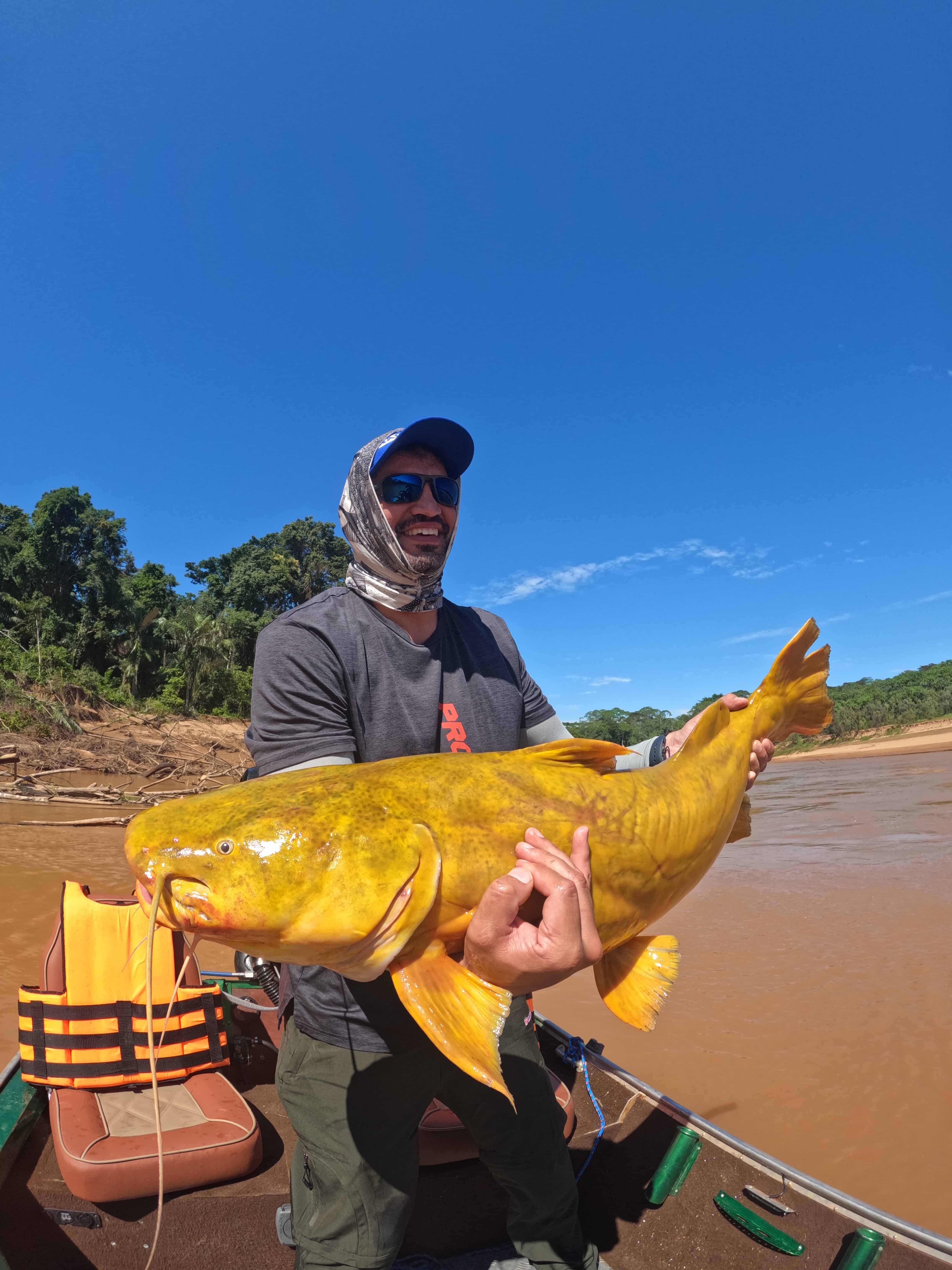
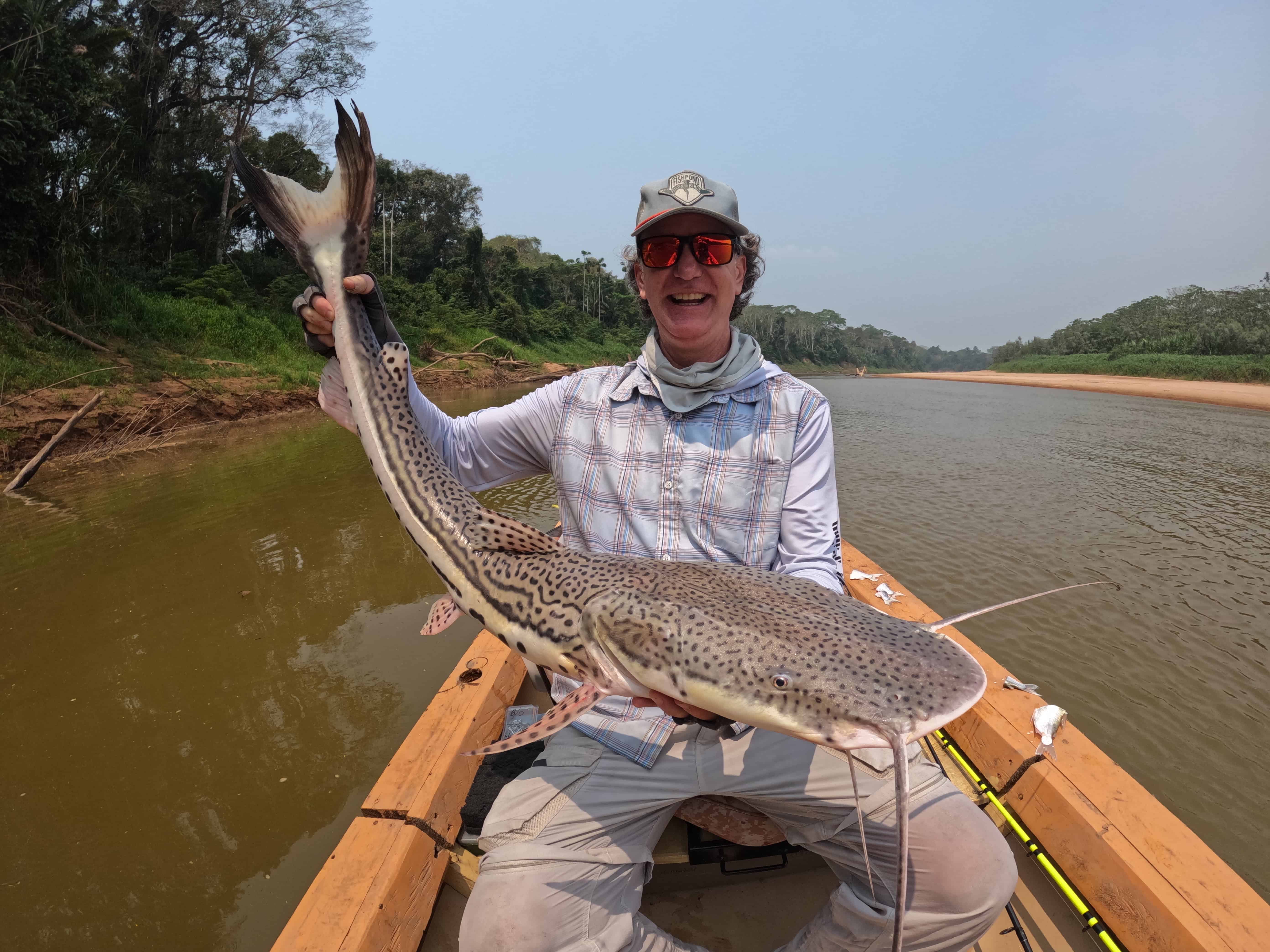
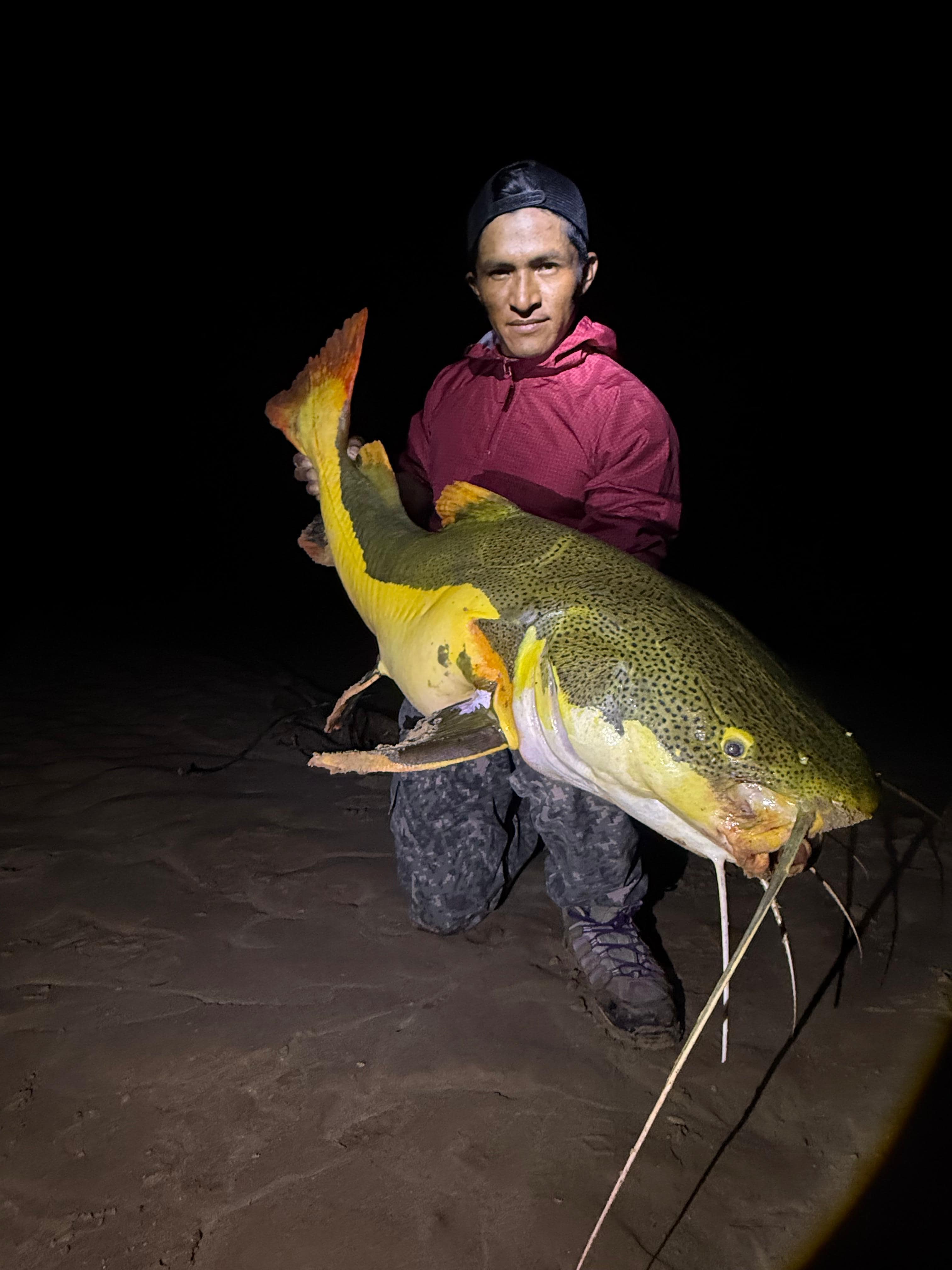
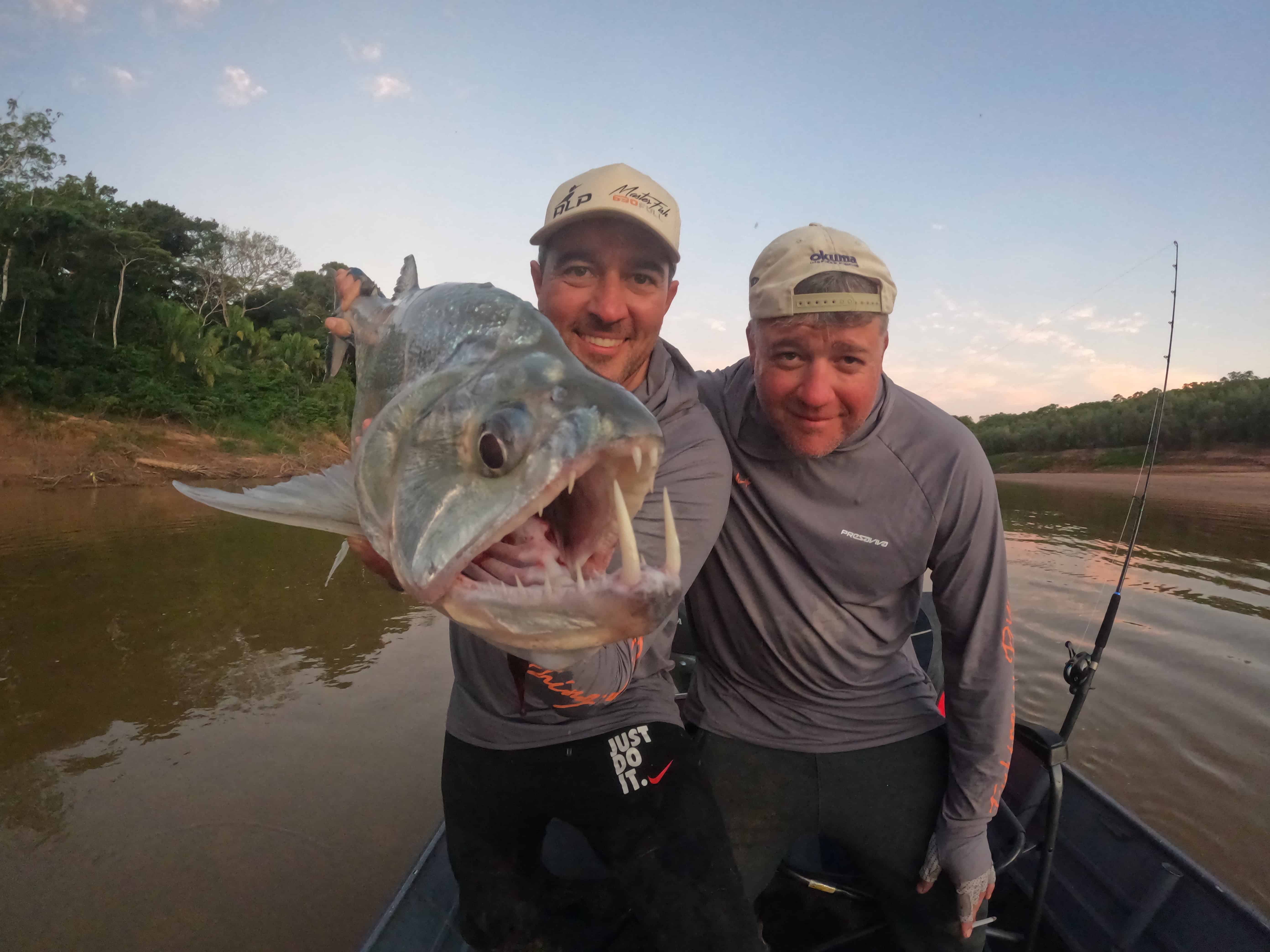
Arapaima, Red-tail Catfish, Pacu, Piraiba, Surubi, Payara
Style
Spinning & Bait-fishing
Untamed Jungle Adventure
Highlights:
- Located deep in the Bajo Madidi Conservation Area, one of the most pristine and untouched parts of the Bolivian Amazon.
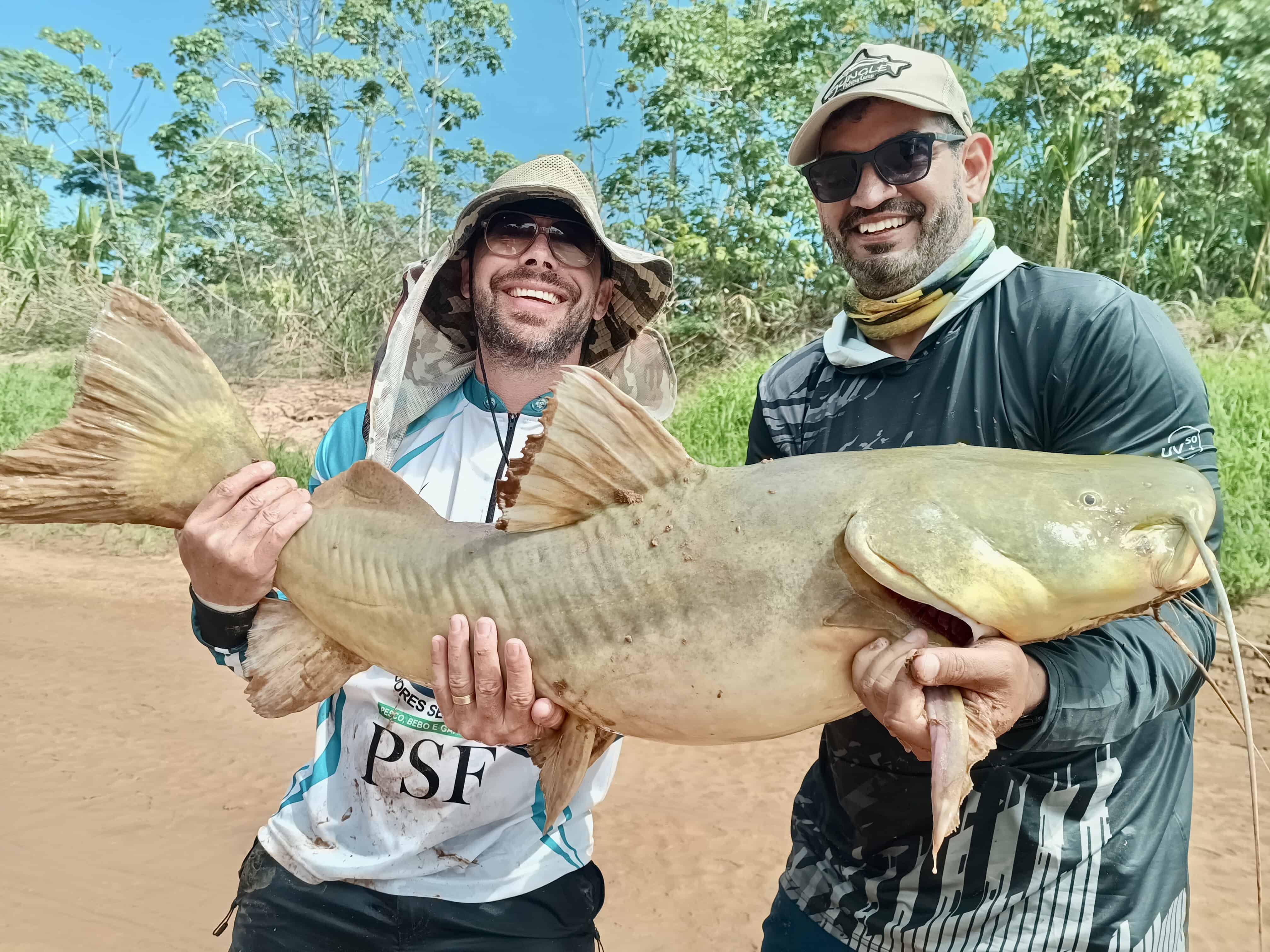
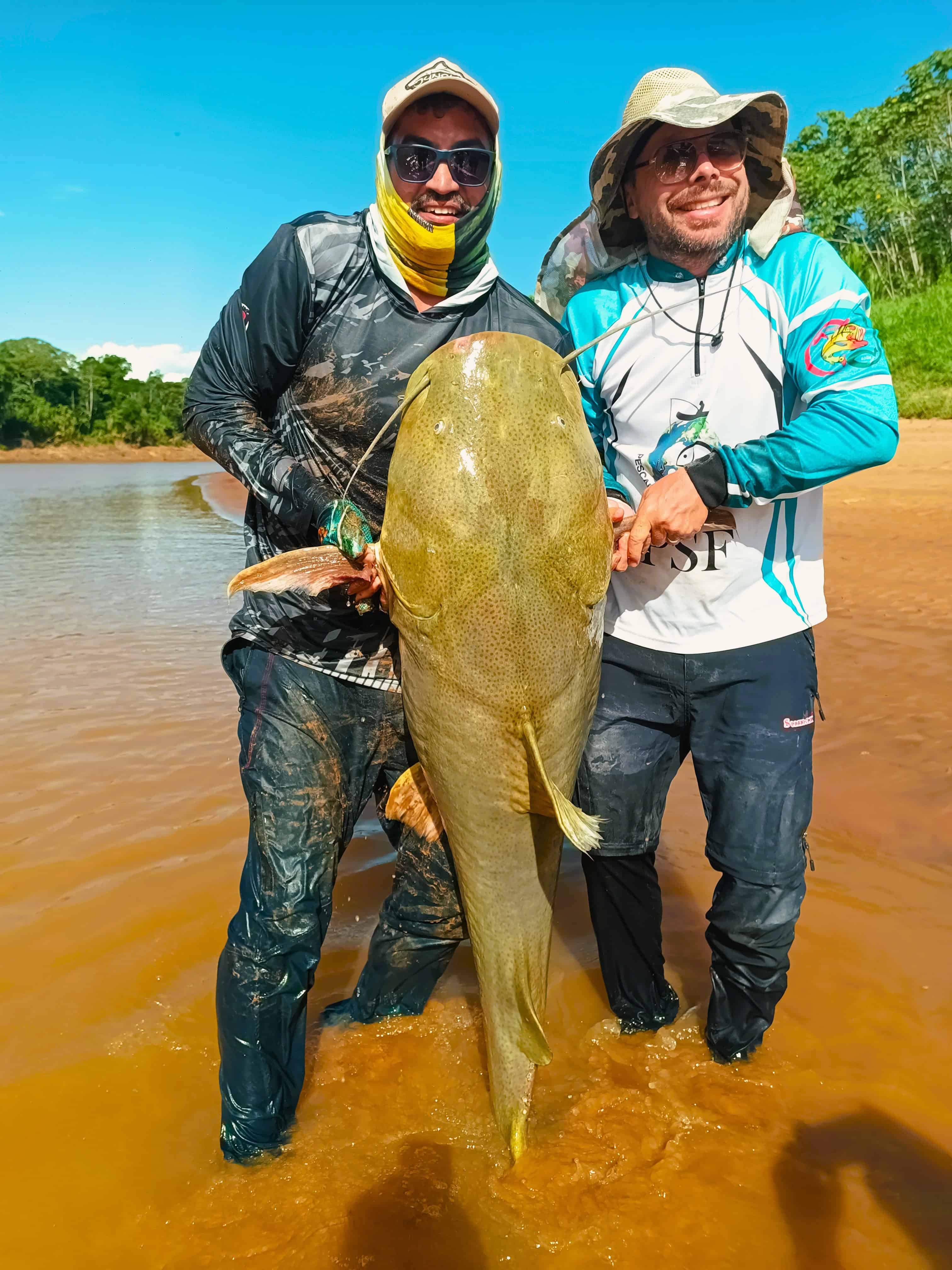
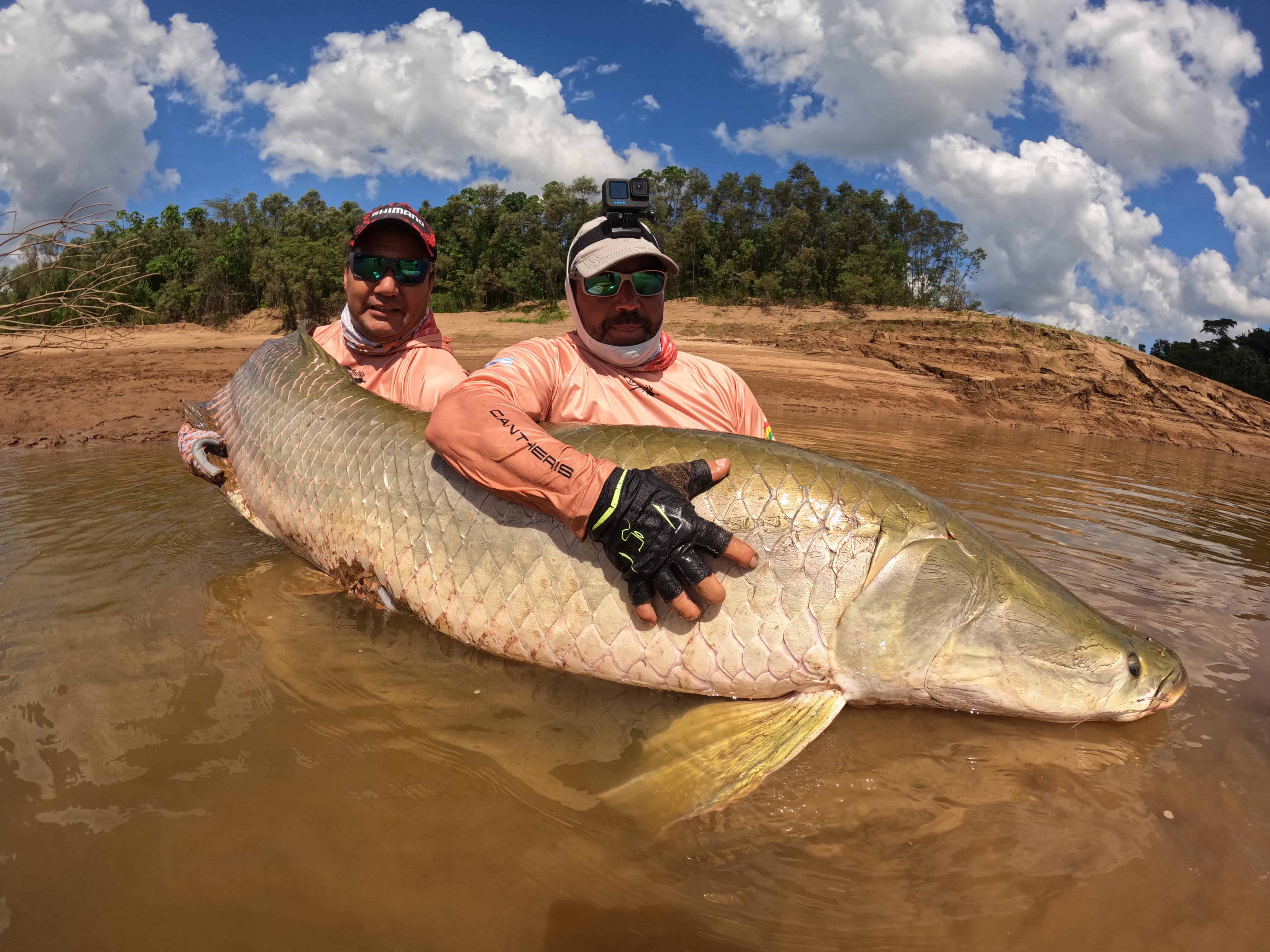
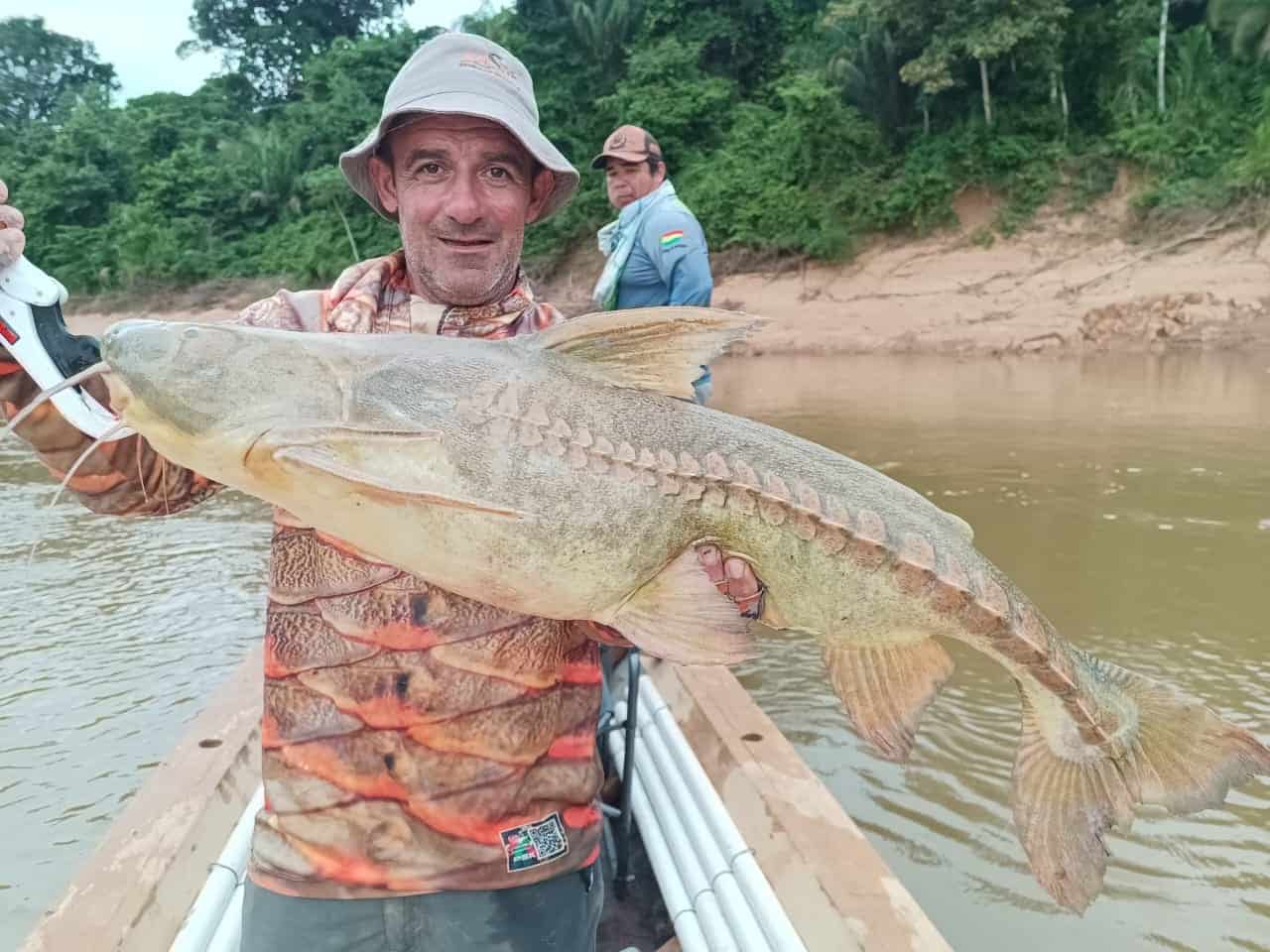
- The rivers and lakes here hold some of the world’s most iconic freshwater giants—from arapaima and payara to massive catfish like piraíba and surubí.
- Bolivia itself is a fascinating travel destination. Beyond fishing, it offers diverse ecosystems from Andean peaks to salt flats and Amazon rainforest. The combination of raw nature, indigenous culture, and rich biodiversity makes it one of South America’s most unique countries.
7 DAY PACKAGE
$5,500 per angler
- Round-trip charter flights & ground transfers.
- Five full days of guided fishing.
- Six nights accommodation.
- All meals & drinks in camp.
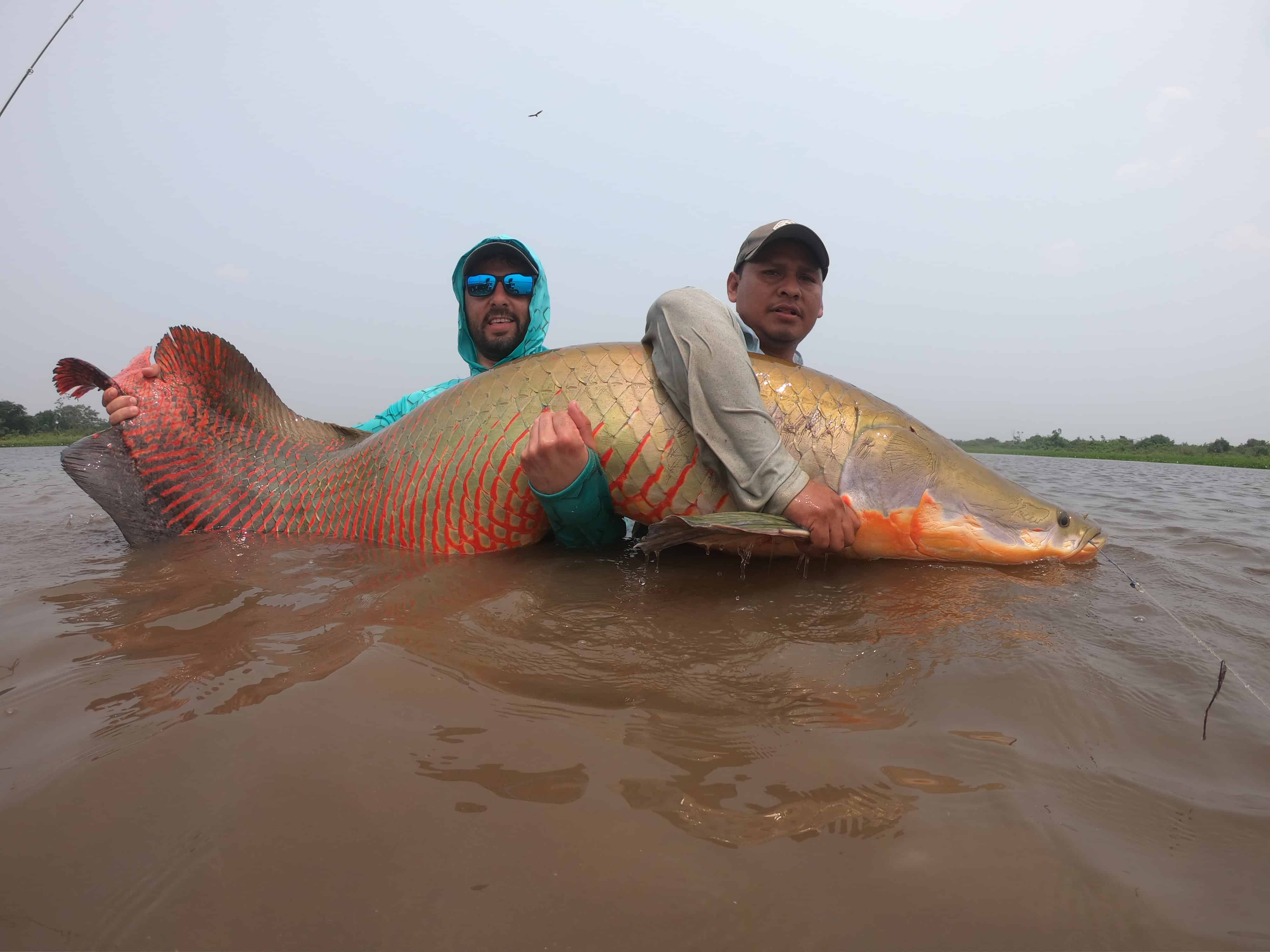
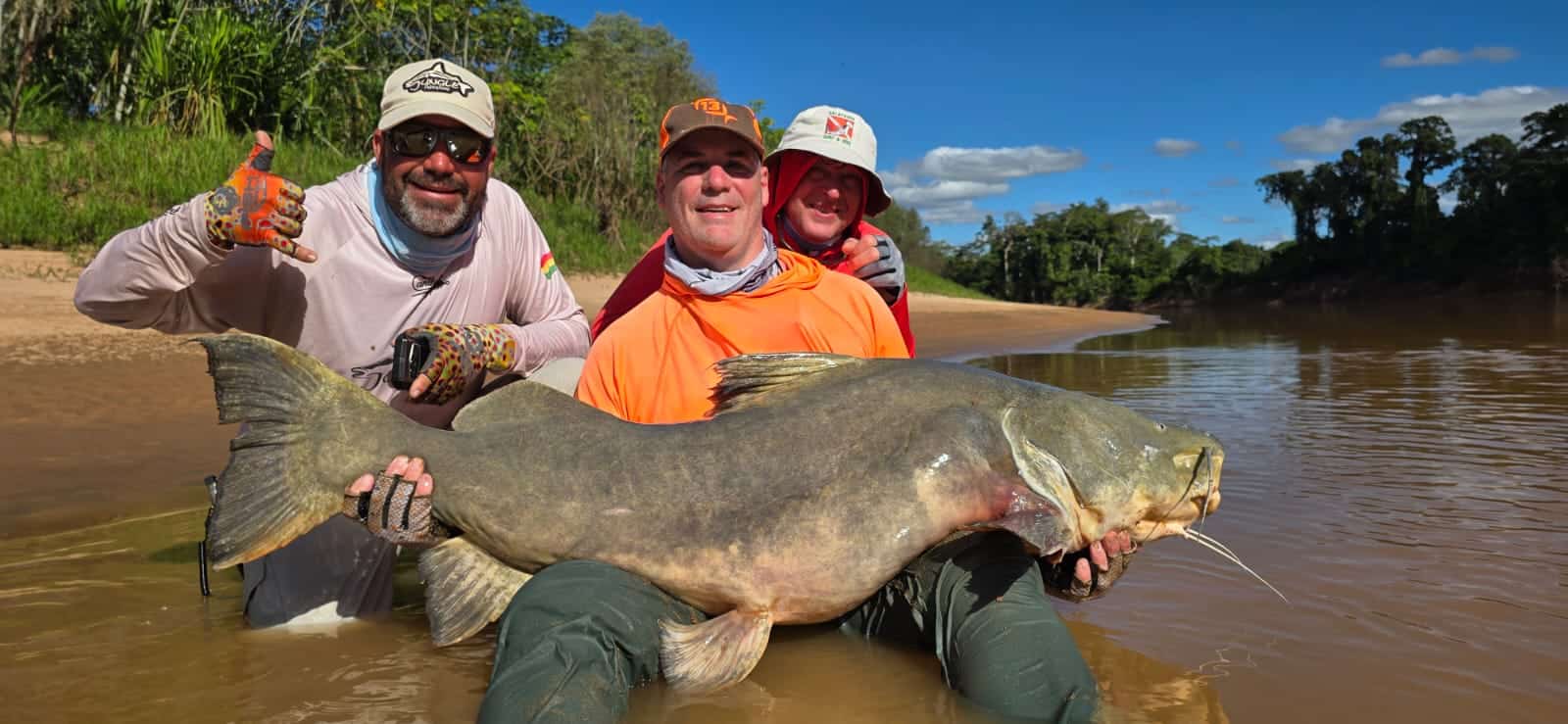
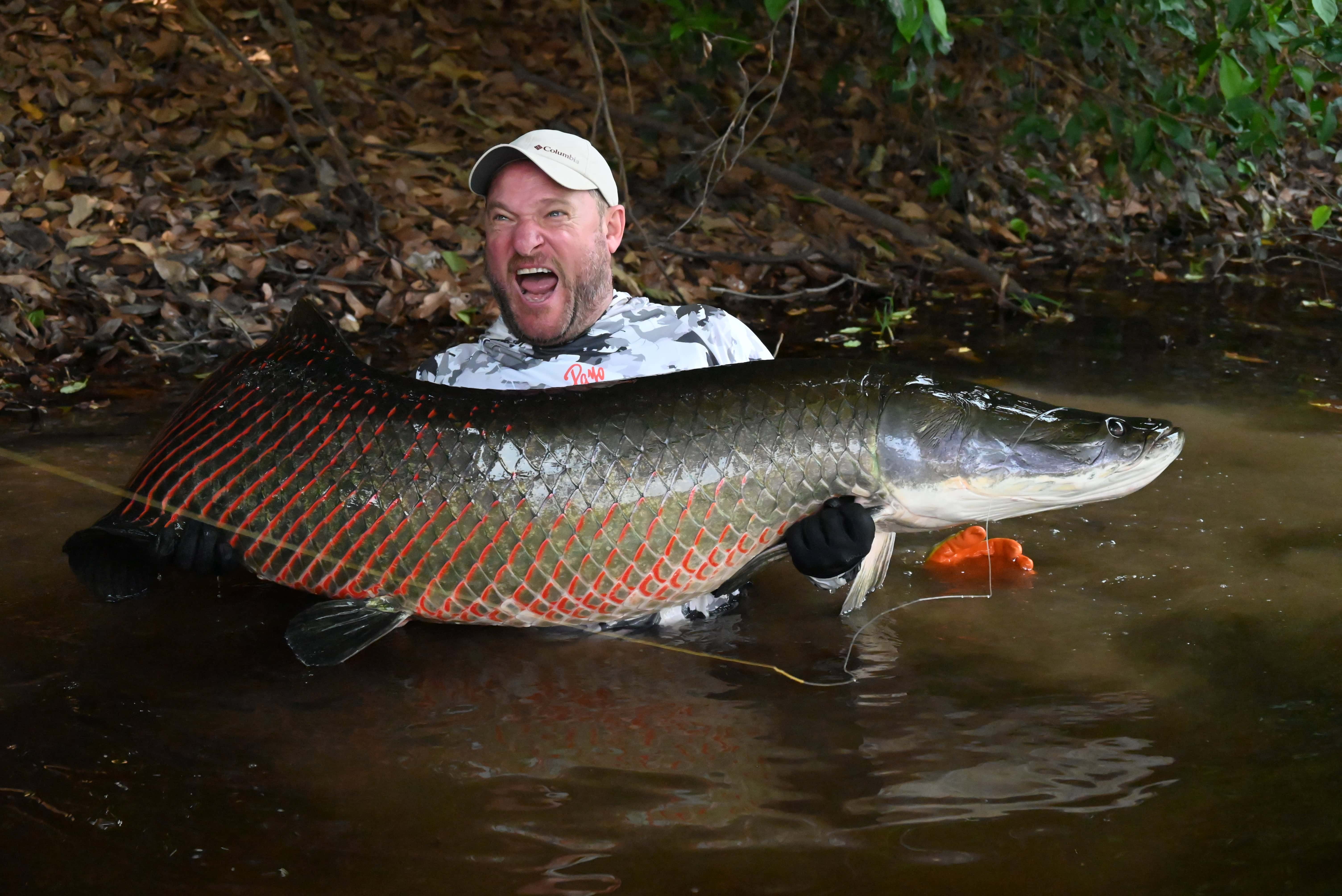
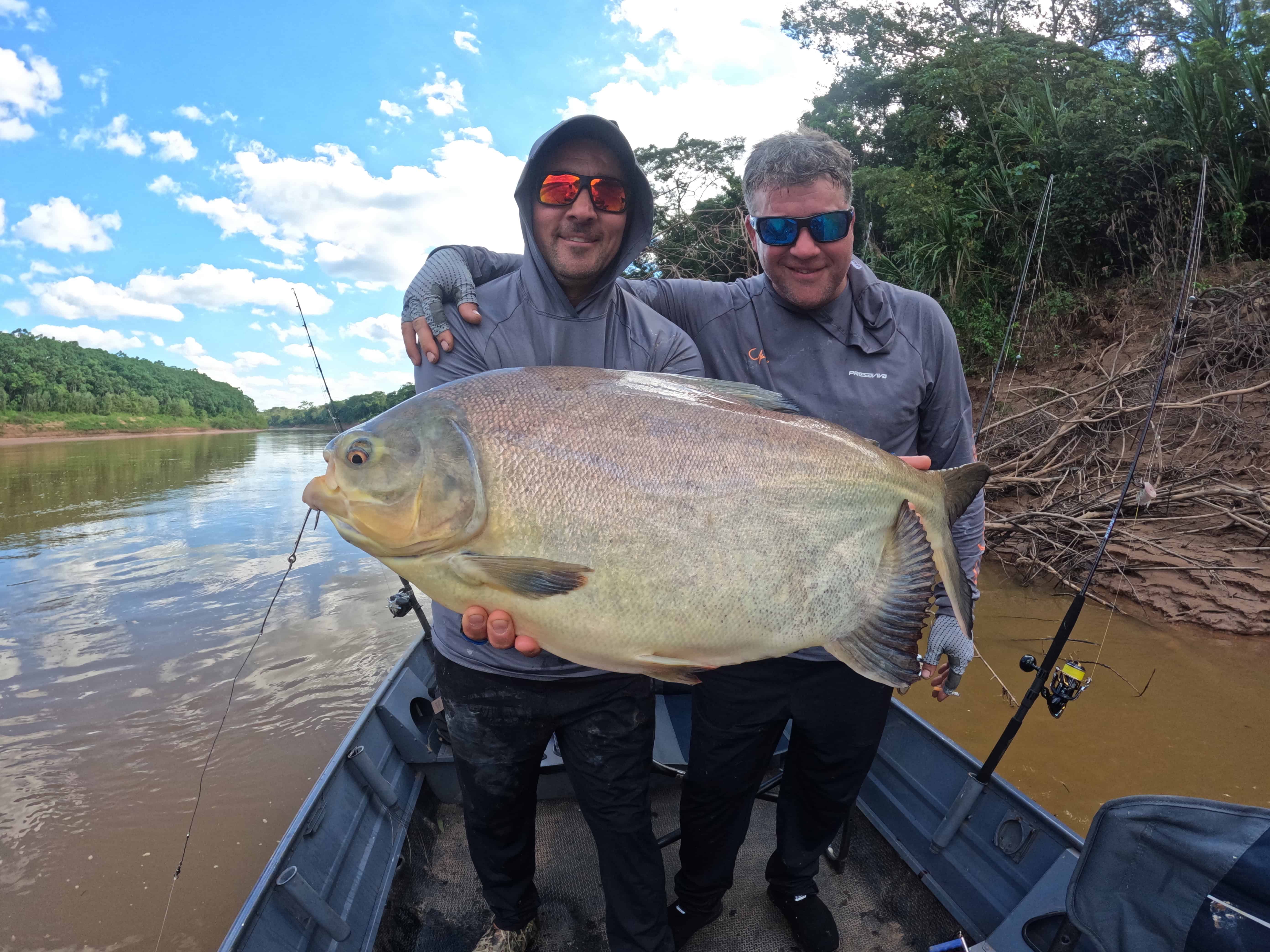
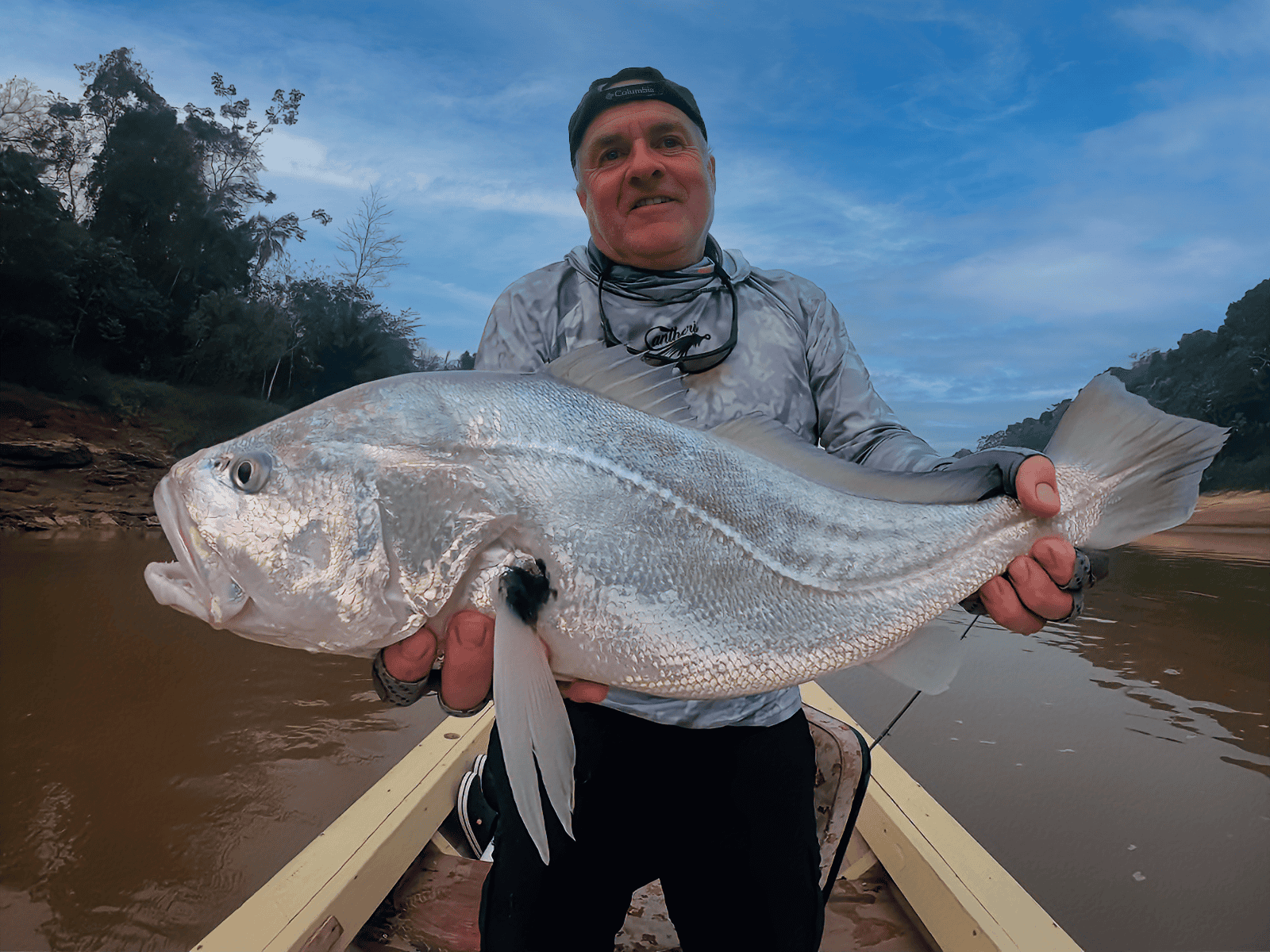
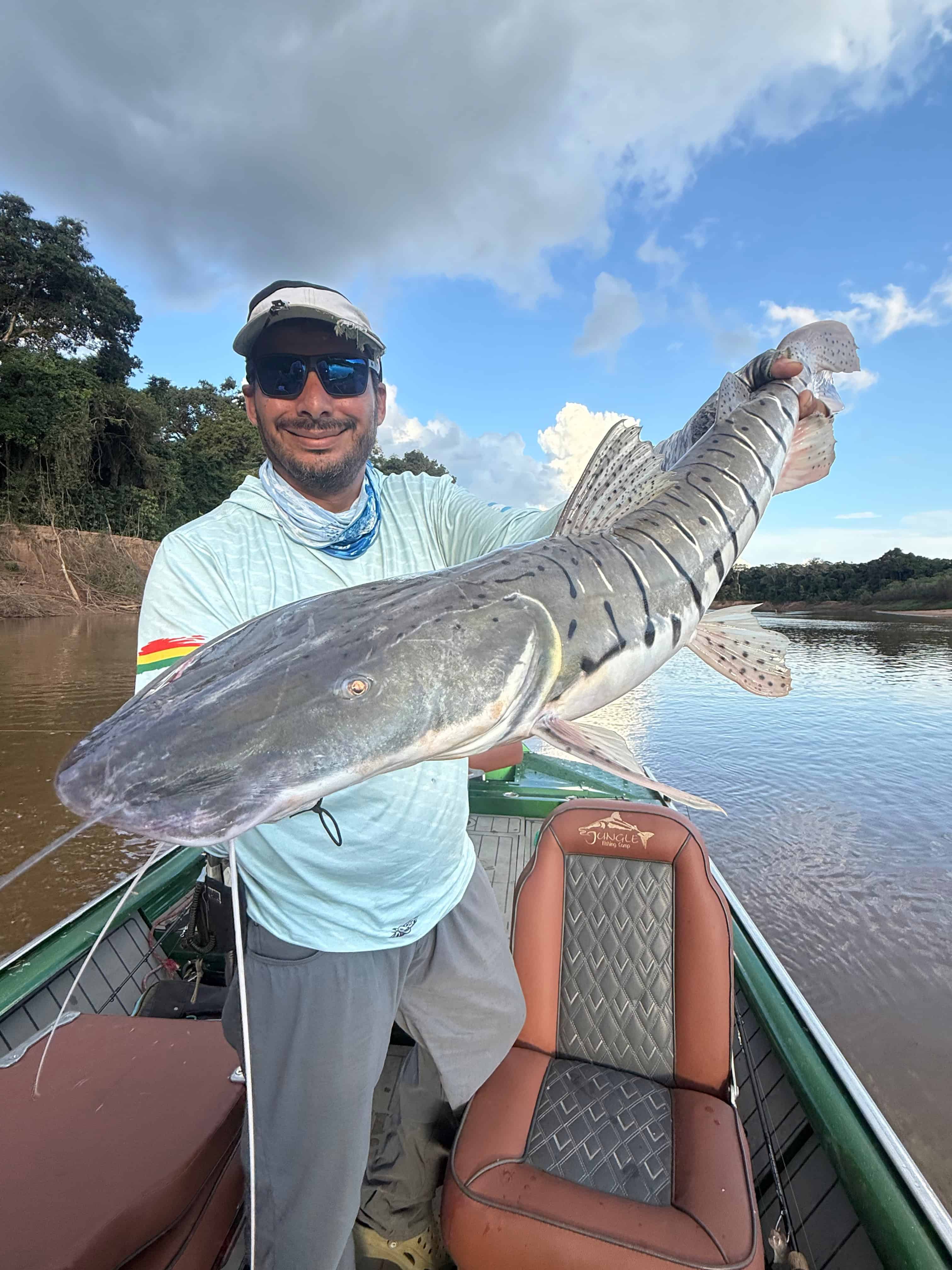
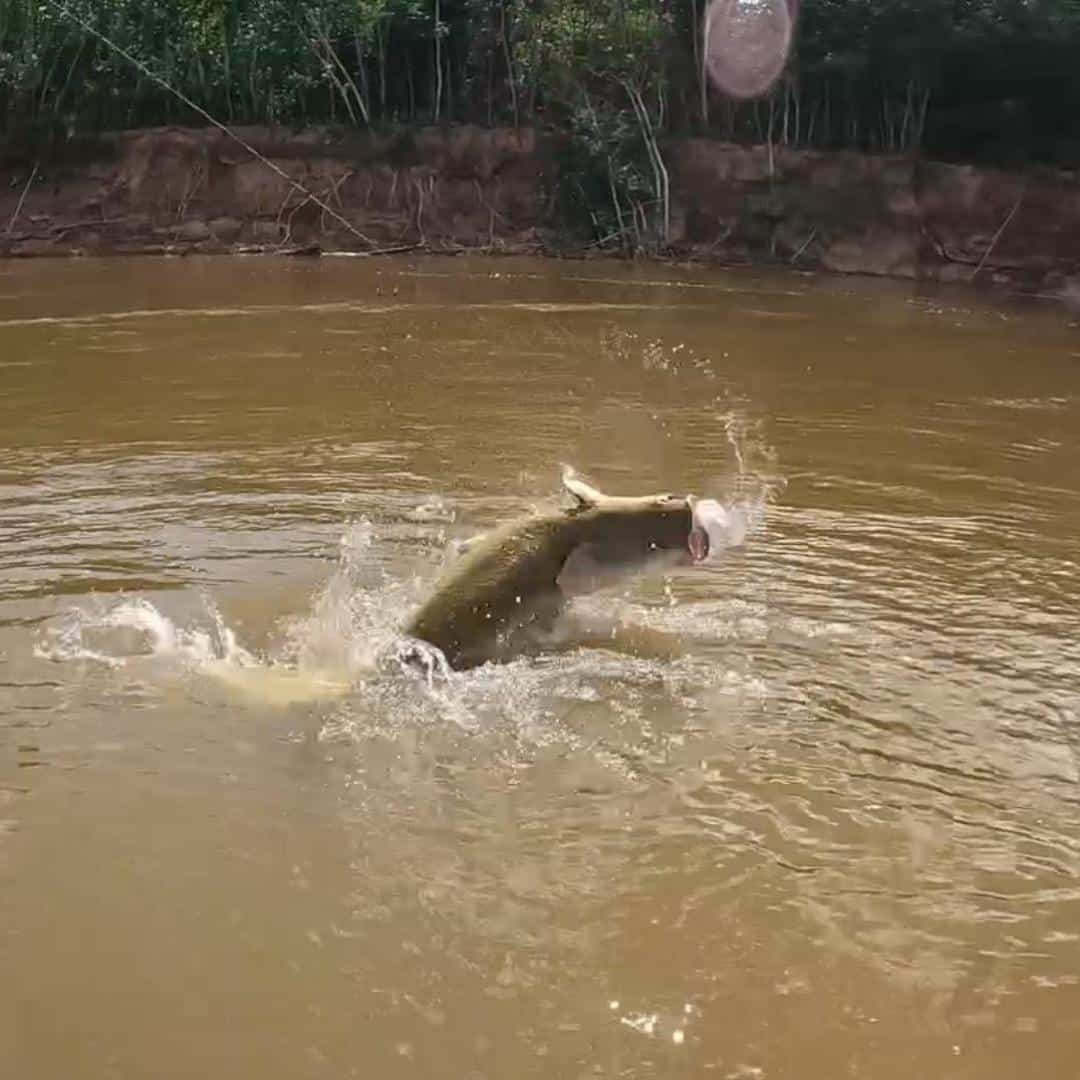
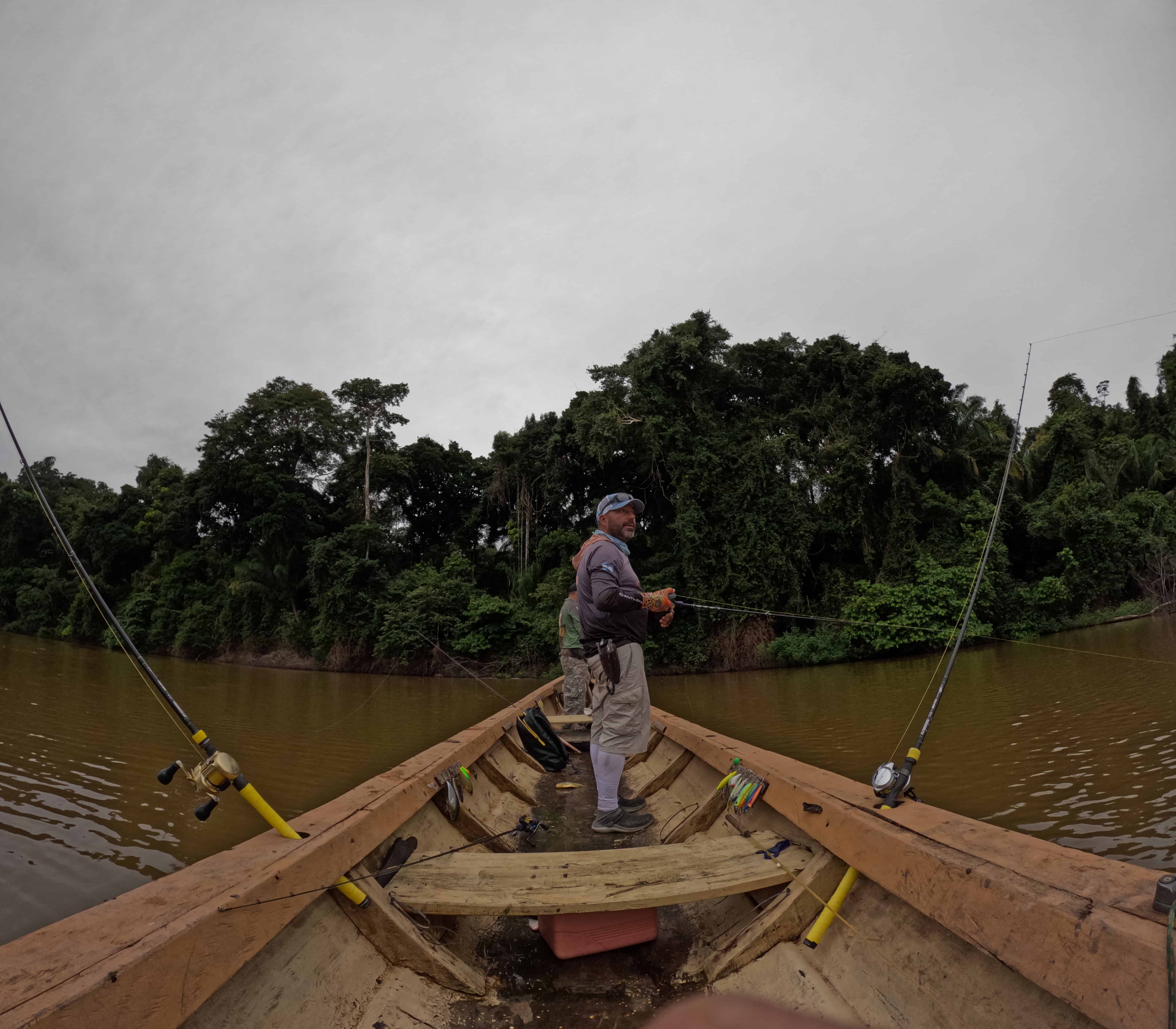
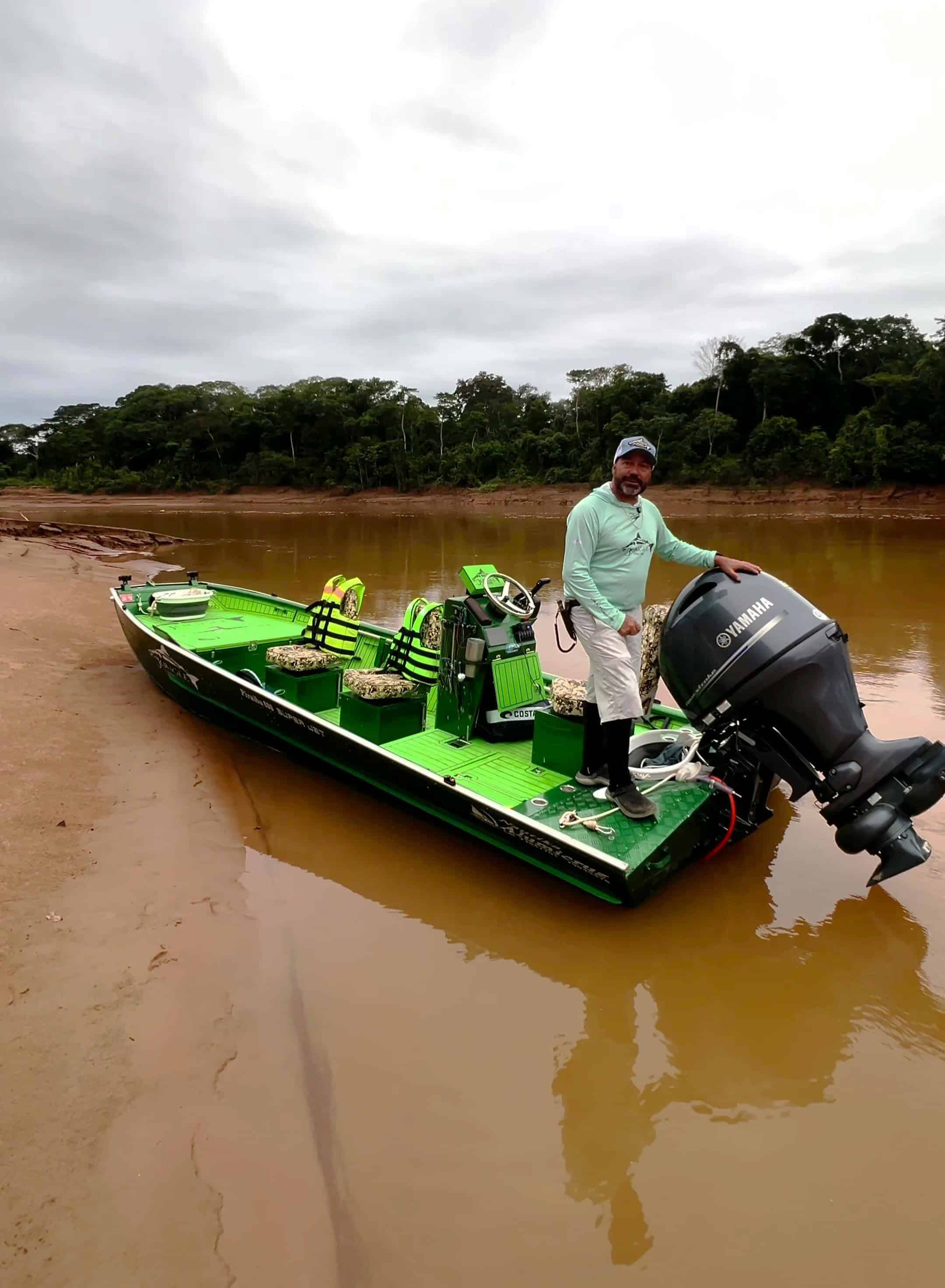
Fishing at Jungle Fishing Camp is all about pursuing some of the most iconic freshwater giants in the Amazon. Anglers can target species like arapaima, peacock bass, payara, pacu, tambaquí, and massive catfish such as piraíba and surubí. Each day begins early, with two anglers and two guides per boat exploring the Madidi and Undumo rivers, as well as hidden oxbow lakes that hold monster arapaima and tucunaré. The variety of methods—fly, spin, and bait fishing—ensures that every angler can tailor the experience to their style, whether it’s topwater strikes from peacock bass or the sheer brute strength of a giant catfish.
What sets this fishery apart is not just the diversity, but also the pristine setting. The rivers here are remote and lightly pressured, creating a true wilderness fishing experience. From May through July, bait fishing excels for giant catfish and pacu, while from mid-August to November, falling water levels and emerald-green clarity make it prime time for artificial lures and fly fishing. Every catch is handled with care under a strict catch-and-release policy, preserving the health of the Amazon’s fish populations. The result is a balance of adventure, conservation, and world-class angling that places Jungle Fishing Camp among the most unique fishing destinations in South America.
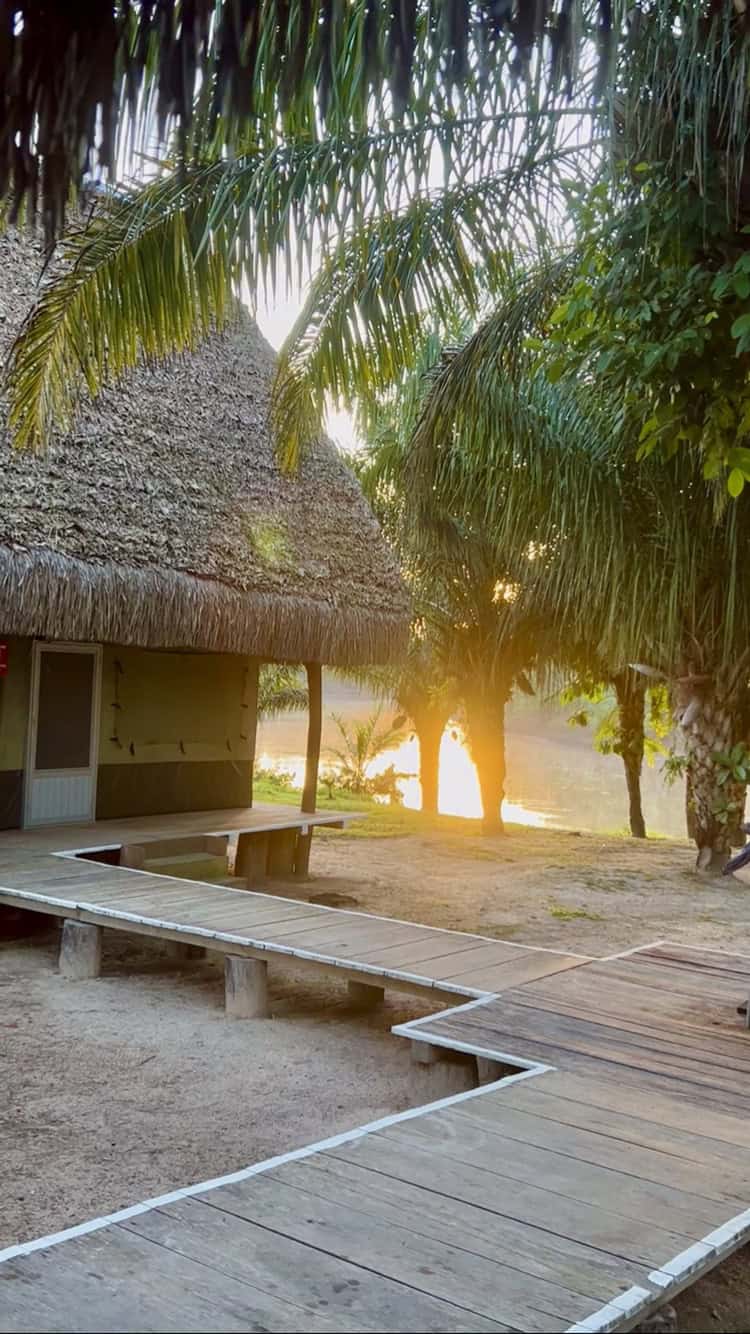
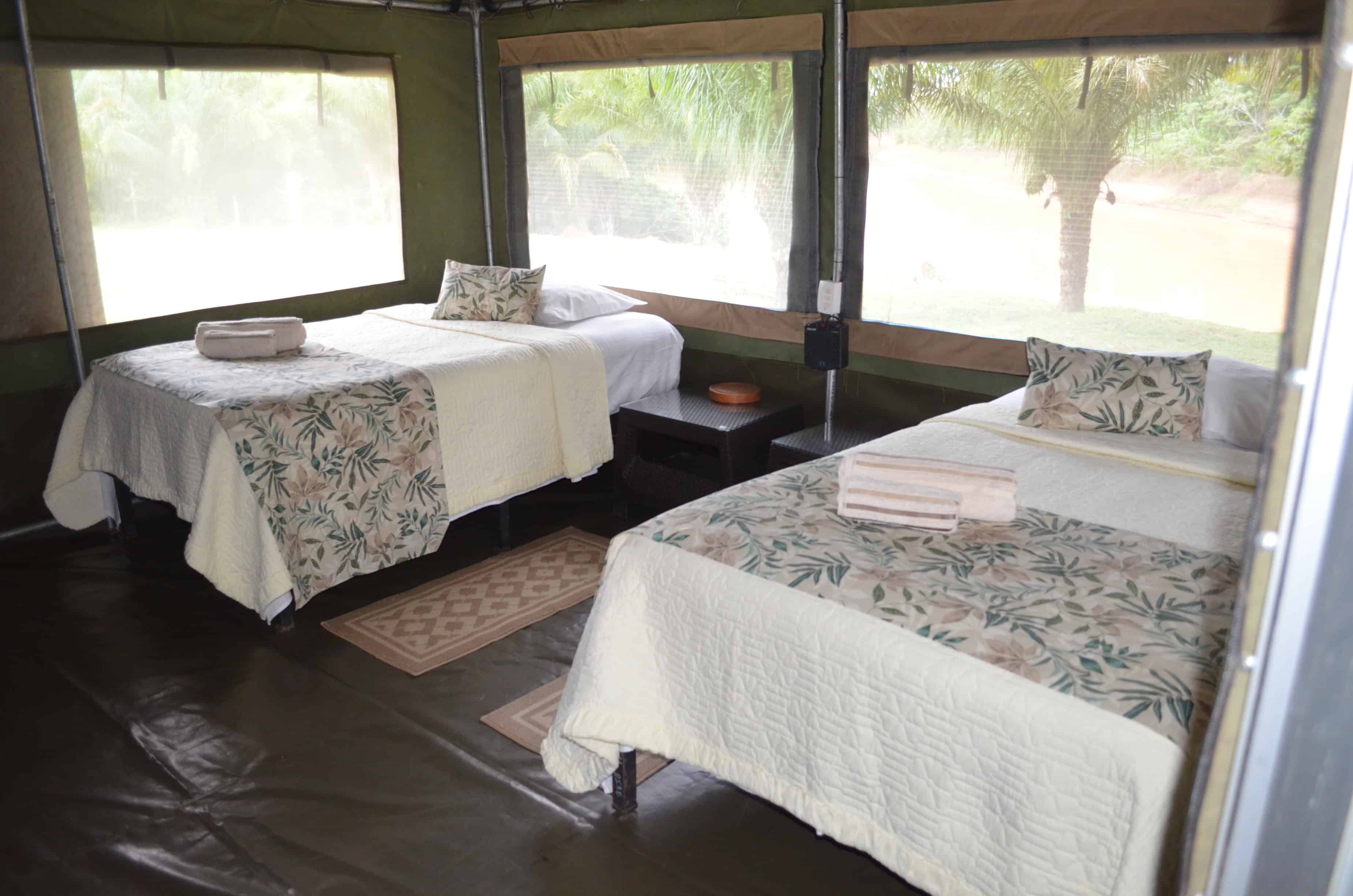
Accommodation at Jungle Fishing Camp strikes a balance between comfort and wilderness immersion. Guests stay in large safari-style tents measuring four by four meters and standing three meters tall, each equipped with a private bathroom and hot-water shower. Inside, there are two sommier beds with linens, towels, and basic furniture for storing personal belongings. Electricity is available for charging devices, ensuring guests can keep their gear and cameras powered while still being far off the grid.
The camp also provides communal areas for dining and relaxation, creating a social atmosphere where anglers can share stories after a day on the water. Despite the remote location, modern touches like Starlink Wi-Fi and a laundry service make the stay more convenient without compromising the jungle setting. It’s a comfortable base in the heart of the Bolivian Amazon, designed to let guests focus on the fishing while still enjoying essential comforts after long, adventurous days on the river.
Location & Getting There:
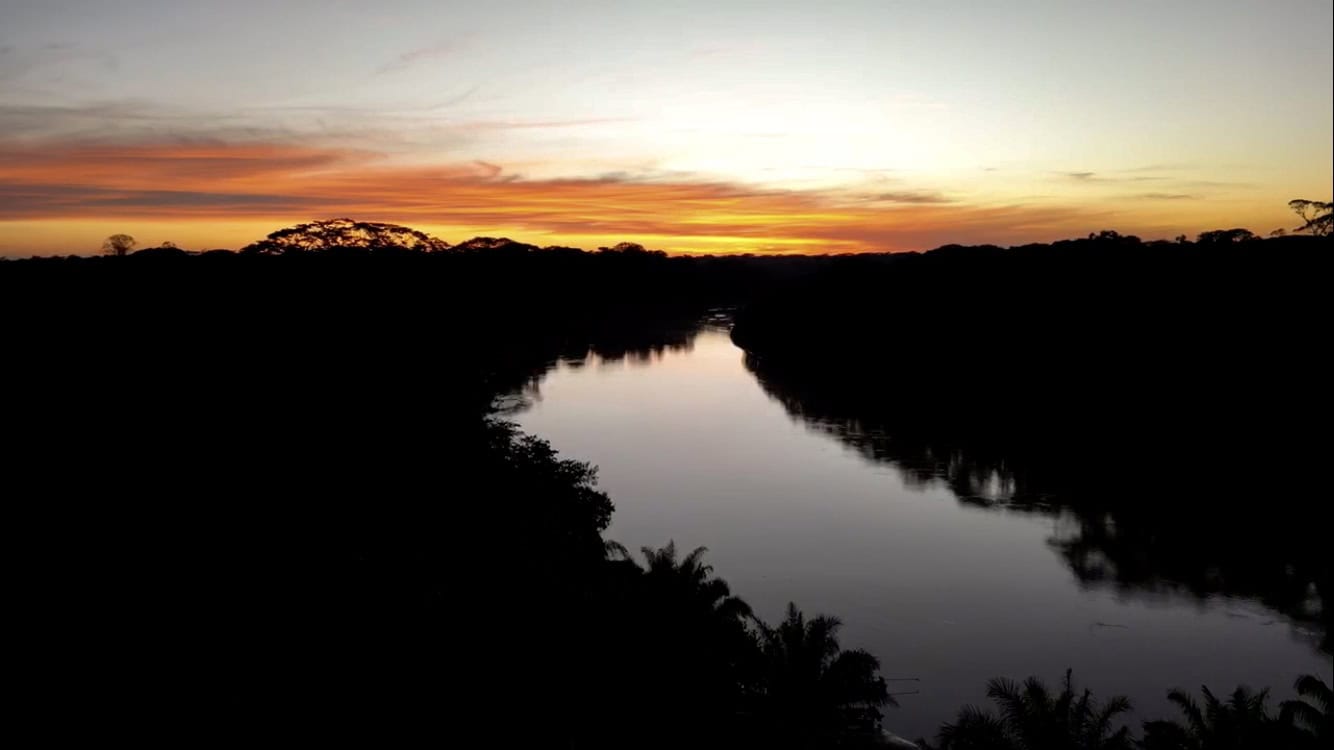
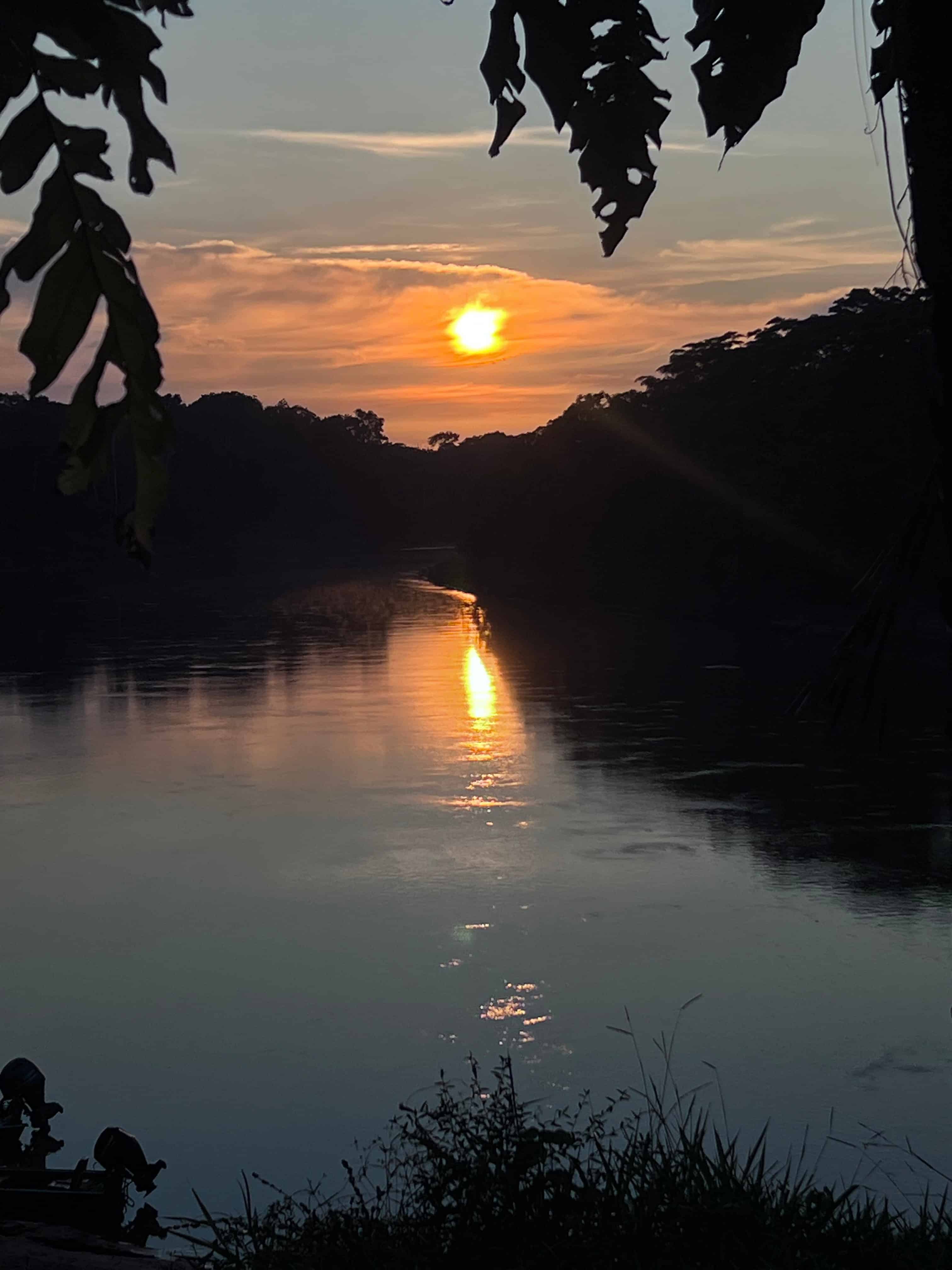
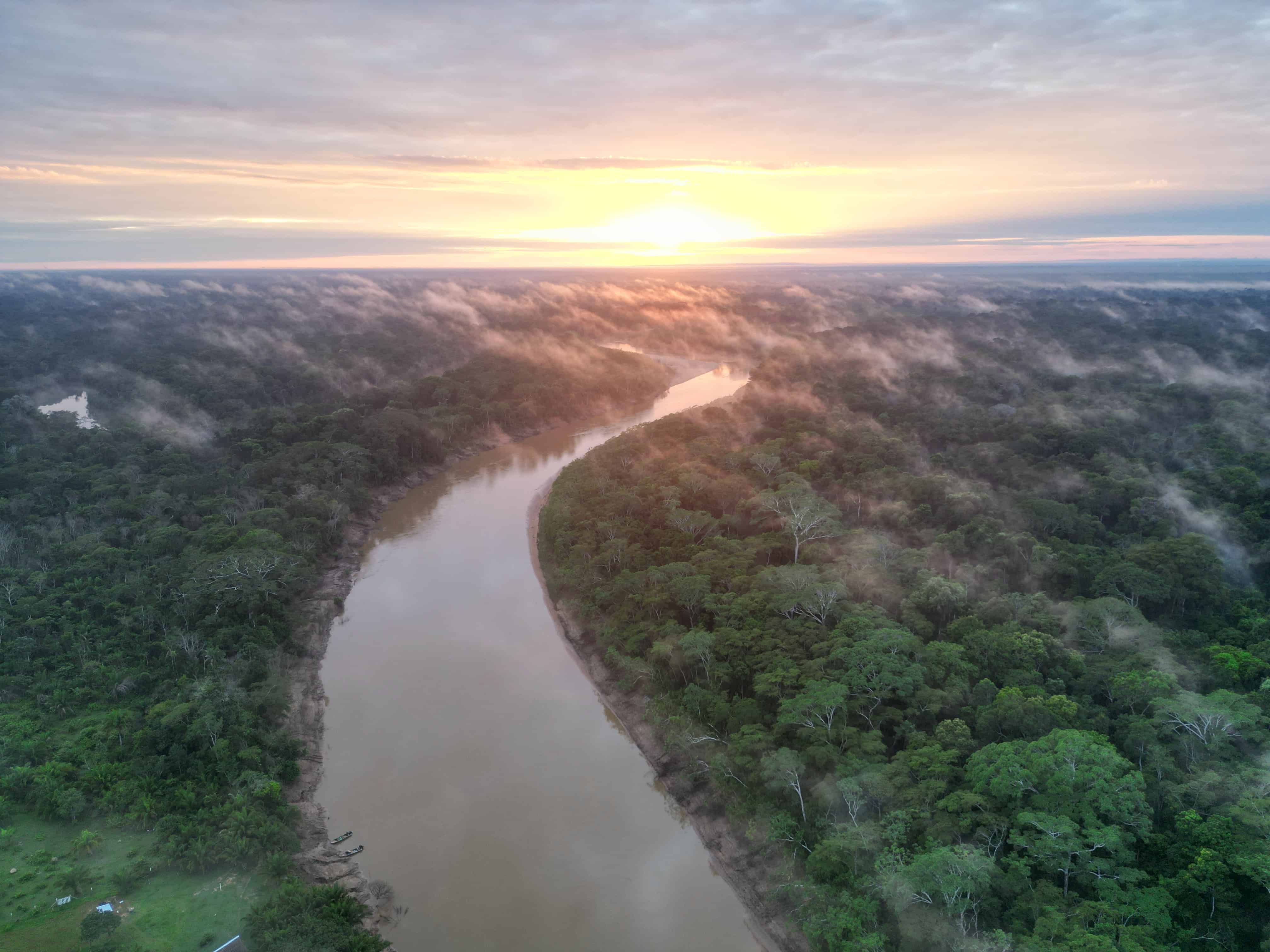
Jungle Fishing Camp rests deep within Bolivia’s Bajo Madidi Municipal Conservation Area, tucked where the Madidi and Undumo rivers converge in the pristine northwestern Amazon. It’s a hidden paradise of rainforest, wildlife, and trophy fish—accessible only to the adventurous.
To get there, most travelers follow this seamless route:
- Fly internationally into Santa Cruz de la Sierra (Viru Viru International Airport).
- Transfer to the domestic El Trompillo Airport and catch the morning charter flight to JFCamp—scheduled around 7:30 AM.
- The camp includes both the charter and ground transfers.On your final day, you’ll head back by charter to El Trompillo and reconnect with your international departure flight out of Viru Viru.
The standard 7-day program (6 nights) includes fishing on Days 1–6 and departure on Day 7:
Day 1: Fly to JFCamp (charter from Santa Cruz). On arrival, guests are welcomed with lunch and settle into camp. An orientation and tackle setup follows, then a half-day of fishing until about 6:00 PM. Dinner and overnight at the lodge.
Days 2–6: Five full fishing days. Breakfast at 6:30 AM each morning; then each pair of anglers departs with two guides in a boat. Lunch, drinks and bait are provided in cooler boxes. Fishing continues until about 6:00 PM, when the group returns to camp for dinner and a briefing on the next day’s plan.
Day 7: Breakfast at 8:30 AM. Camp checkout by 10:30 AM, then the charter plane departs at 11:30 AM for Santa Cruz, arriving in time to transfer to Viru Viru Airport for homeward flights.
Rates per angler:
$5,500 per angler (double occupancy)
What’s Included:
- Charter flights :Round-trip private charter between Santa Cruz de la Sierra (El Trompillo Airport) and Jungle Fishing Camp’s private airstrip.
- Transfers: Ground transfers between Viru Viru International Airport and El Trompillo Airport (round trip).
- Accommodation: Spacious jungle tents (4×4 m) with private bathrooms, hot showers, electricity, and comfortable beds.
- Meals & Drinks: Lunch, dinner, and overnight stay on arrival day. All meals and drinks during fishing day. Breakfast on departure day. Cold lunch and drinks provided on boats during fishing.
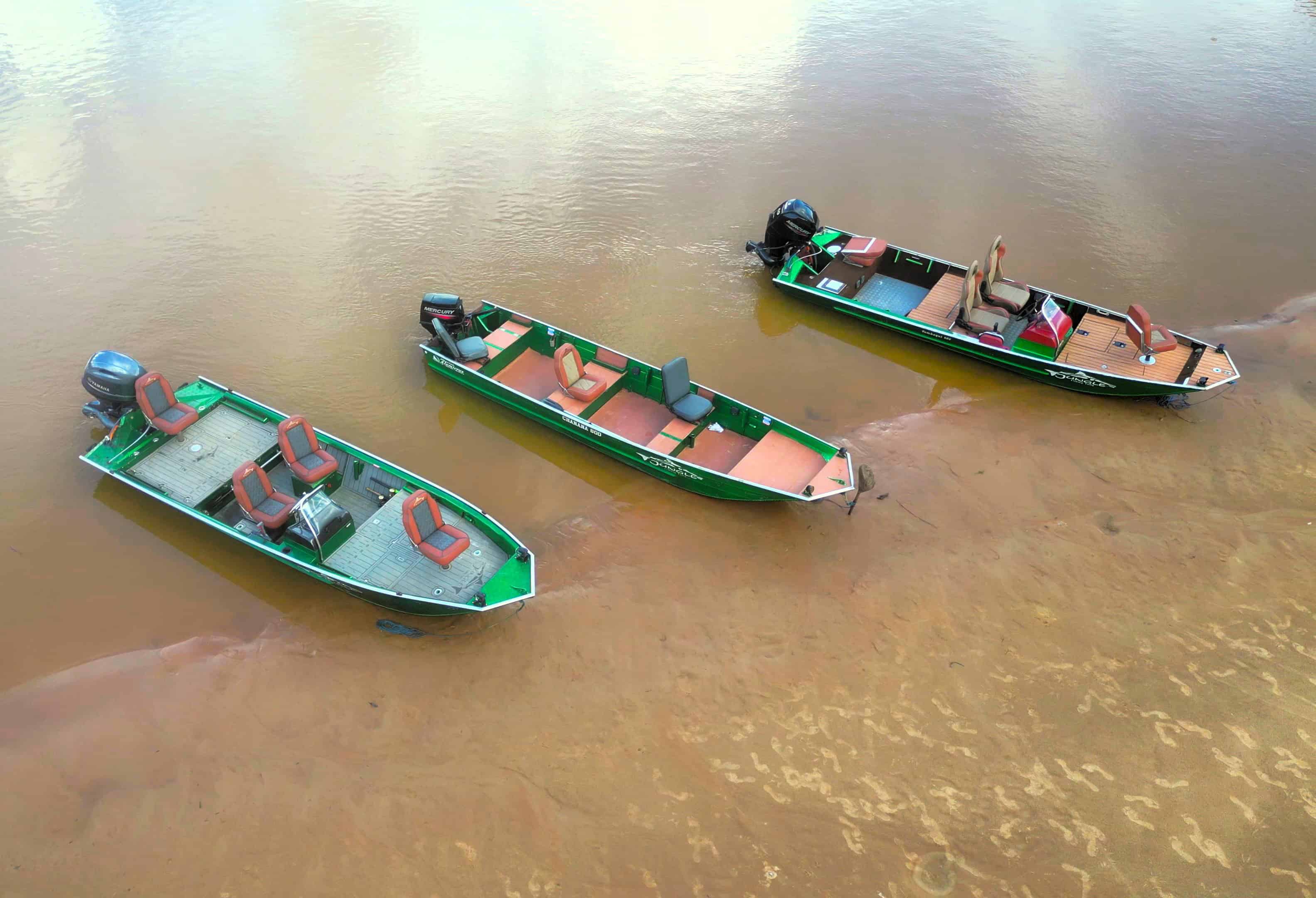
- Fishing Experience: 5.5 full days of fishing (two anglers per boat, two guides per boat). Fuel, bait, and cooler on each boat.
- Heavy bait fishing equipment provided at camp.
- Assistance from two professional guides per boat.
- Services: Laundry service. High-speed Starlink Wi-Fi (190 Mbps) at camp
What’s Not Included:
- International flights to/from Bolivia
- Personal fishing gear (fly/spin rods, lures, etc.)
- Night fishing (available at extra cost)
- Alcohol, souvenirs, personal purchases
- Extra hotel nights or flight changes
- Tips for staff
GALLERY









Frequently Asked Questions:
Is Bolivia safe for travelers?
Yes, Bolivia is generally safe for tourists, especially in well-traveled areas like Santa Cruz, La Paz, and Uyuni. Like anywhere, it’s best to stay aware of your surroundings, avoid carrying valuables openly, and use recommended transport services.
What is the currency in Bolivia?
The local currency is the Bolivian Boliviano (BOB). U.S. dollars are widely accepted in larger cities and tourist areas, but in rural regions—including the Amazon—it’s best to carry local currency in cash.
Do I need any vaccinations to visit Bolivia?
A Yellow Fever vaccination certificate is required for travelers entering tropical regions, including the Amazon. Other recommended vaccinations include Hepatitis A, Typhoid, and routine shots. Mosquito precautions are also strongly advised.
What species can I catch at Jungle Fishing Camp?
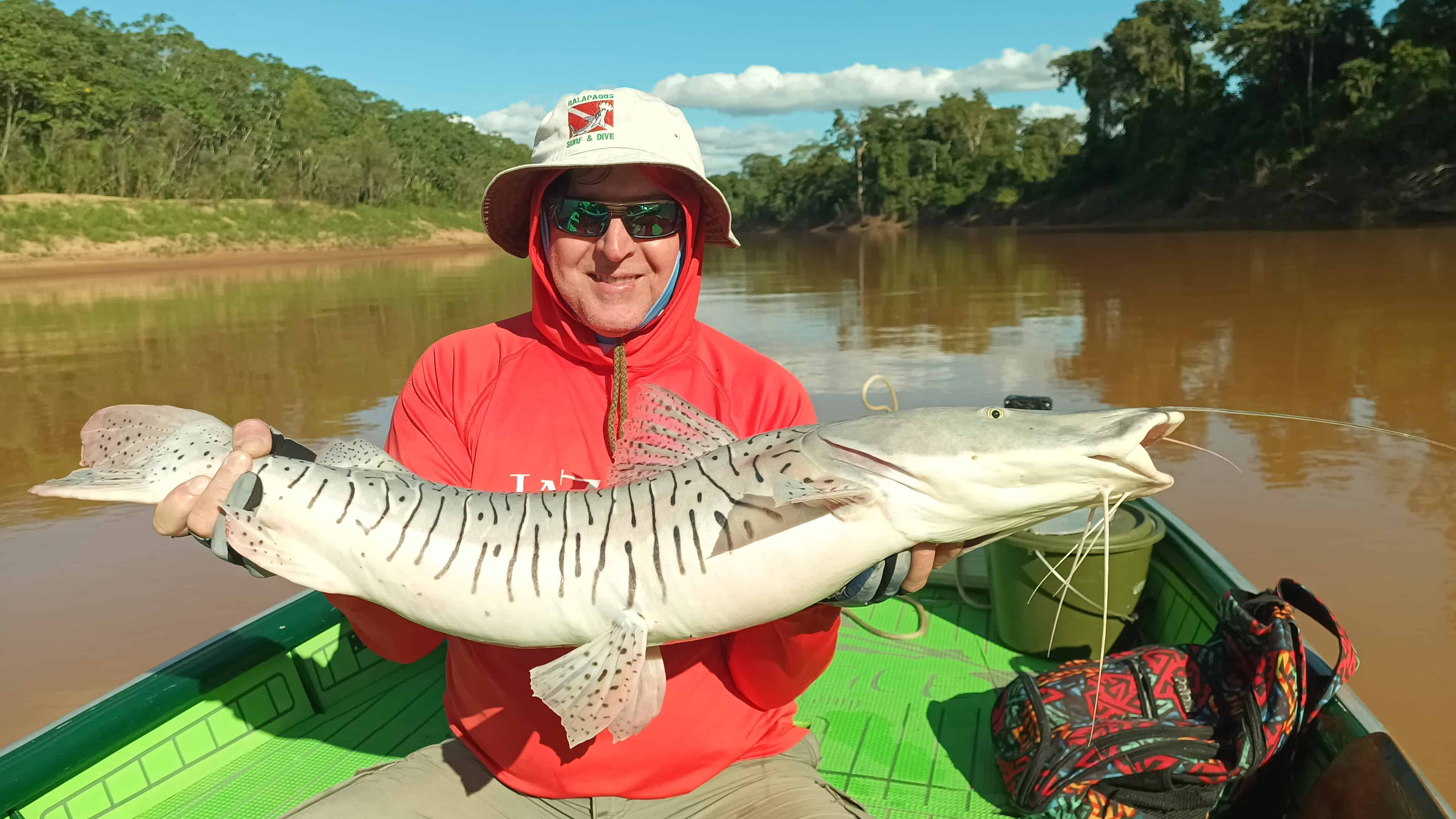
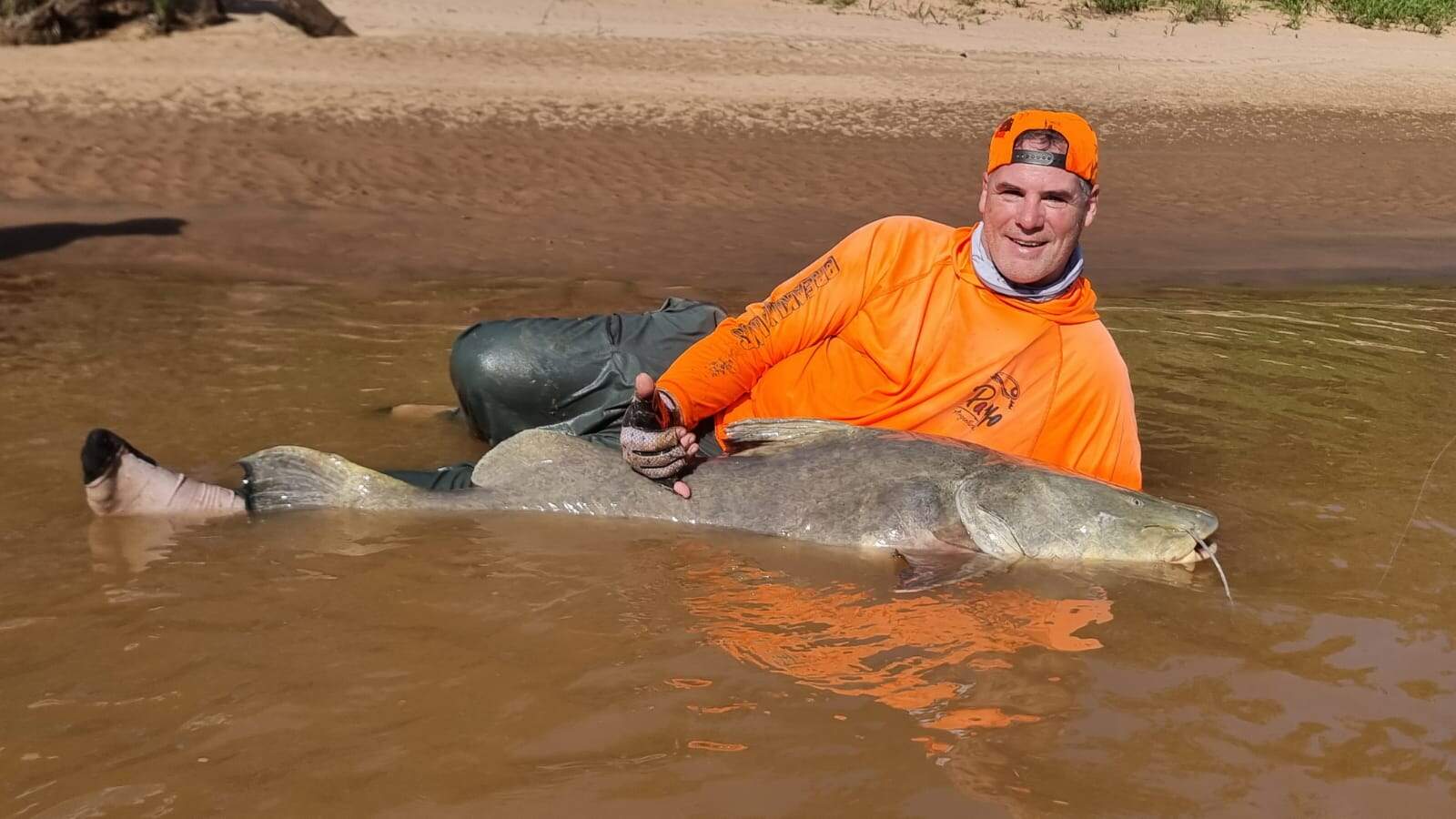
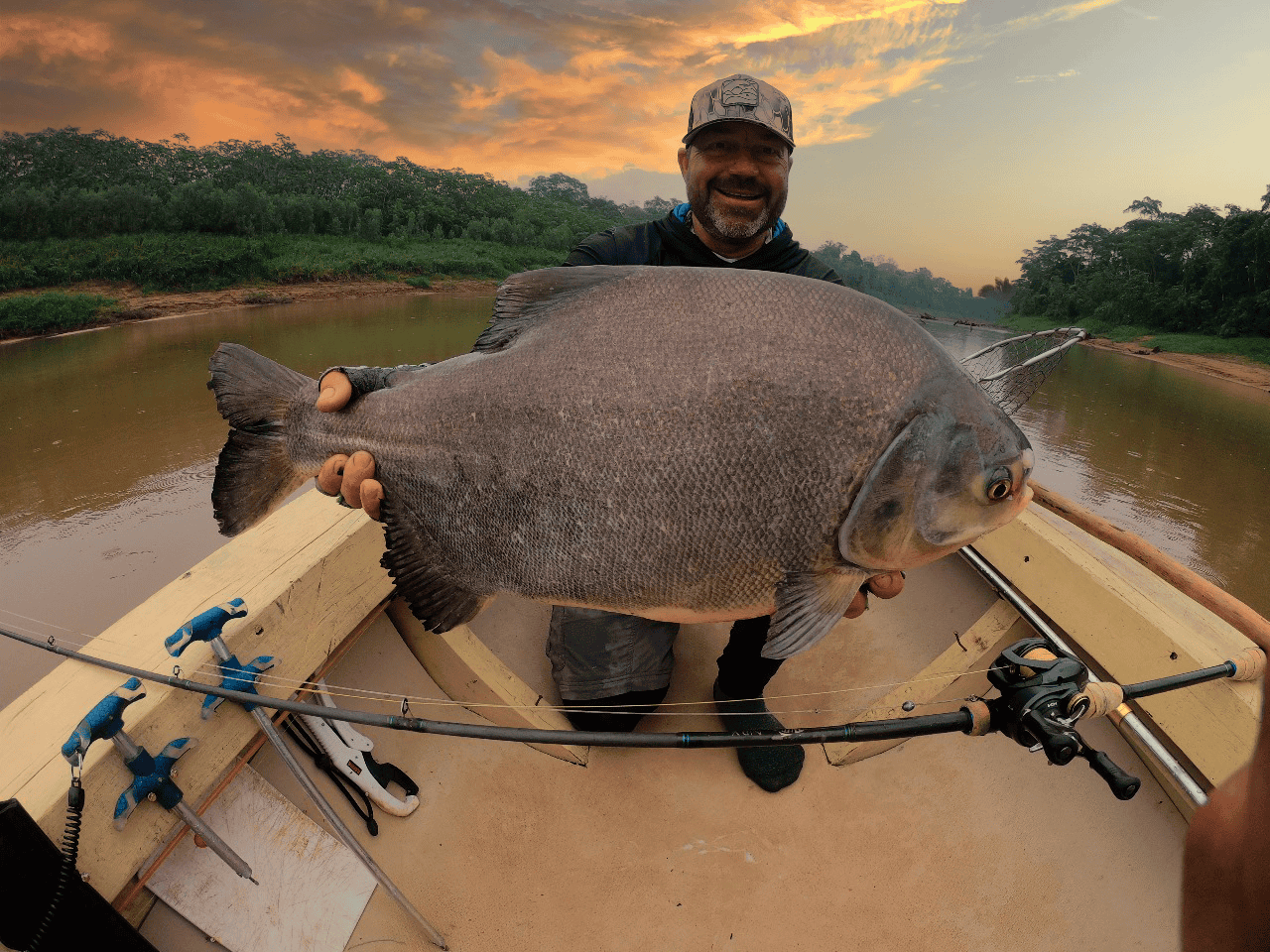
You can target some of the Amazon’s most iconic freshwater giants, including arapaima (paiche), piraíba catfish, redtail catfish (pirarara), surubí, pacu and tambaquí, peacock bass (tucunaré), and payara (vampire fish).
When is the best time to fish there?
The fishing season runs from May to mid-November. Bait fishing for giant catfish is excellent throughout, while mid-August onward is prime for artificial lures and fly fishing when the water is clearer.
Do I need a visa to travel to Bolivia?
EU and Canadian travelers can enter Bolivia visa-free for up to 90 days. U.S. citizens require a visa (about USD $160) which can be obtained at a Bolivian consulate or on arrival.