
Ontario: Freshwater Fishing Paradise
Fishing in Ontario: An Angler’s Guide
There’s something about fishing in Ontario that gets under your skin in the best possible way. Maybe it’s the glassy stillness of a shield lake at sunrise or the anticipation of a hard take in a deep channel. Or maybe it’s the knowledge that almost anywhere you go in this province, there’s likely a lake, river, or bay brimming with fish just waiting for the right presentation.
Ontario is a freshwater fishing powerhouse. The sheer scale of water is almost hard to grasp until you’re in it. Over 250,000 lakes, tens of thousands of rivers and streams, and a native fish population that covers nearly every species an angler could ask for. But for all its size, the magic of Ontario fishing lies in how personal it can be. Whether you’re pitching jigs from the bow of a tiller boat, drifting dry flies through a backcountry stream, or flipping spinnerbaits into weedlines, every trip feels like your own private adventure.
From early spring through late fall, the open water season here is a revolving calendar of opportunities. Species peak at different times, conditions shift week to week, and each region has its own rhythm. This isn’t just a destination for fishing — it’s a full-season lifestyle.
The Geography
If you were to design a freshwater fishing utopia from scratch, it would probably look a lot like Ontario. Stretching from the southern edge of the Great Lakes to the remote boreal forests along Hudson Bay, the province covers a massive range of ecosystems and aquatic environments.
In southern and central Ontario, the landscape is more developed but still full of opportunity. Rolling farmland gives way to limestone rivers and glacial lakes, where smallmouth and largemouth bass thrive alongside panfish, pike, and walleye. The warmer water temperatures down here offer extended growing seasons and early spring activity. It’s the most accessible region for the majority of anglers and ideal for quick getaways or weekend trips.
Move north into shield country and everything changes. The land gets wilder, the water gets clearer, and the roads start to disappear. Here, the granite underfoot and thick boreal forest create an entirely different style of fishing. Countless small lakes and slow-moving rivers are peppered with reefs, drop-offs, and timber-filled bays. This is the land of lake trout, brook trout, walleye, and pike, where fly-ins and remote drive-to lodges deliver solitude and trophy potential in equal measure.
The further north you go, the more remote it gets. But that remoteness is part of what makes Ontario such a dream for anglers. You can plan a quick trip close to the highway or vanish for ten days into a watershed no one has fished since last season.
Ontario’s Fishing Regions
Understanding Ontario’s regions helps narrow down where to go based on the type of fishing you’re after.
Southern Ontario and the Great Lakes Basin
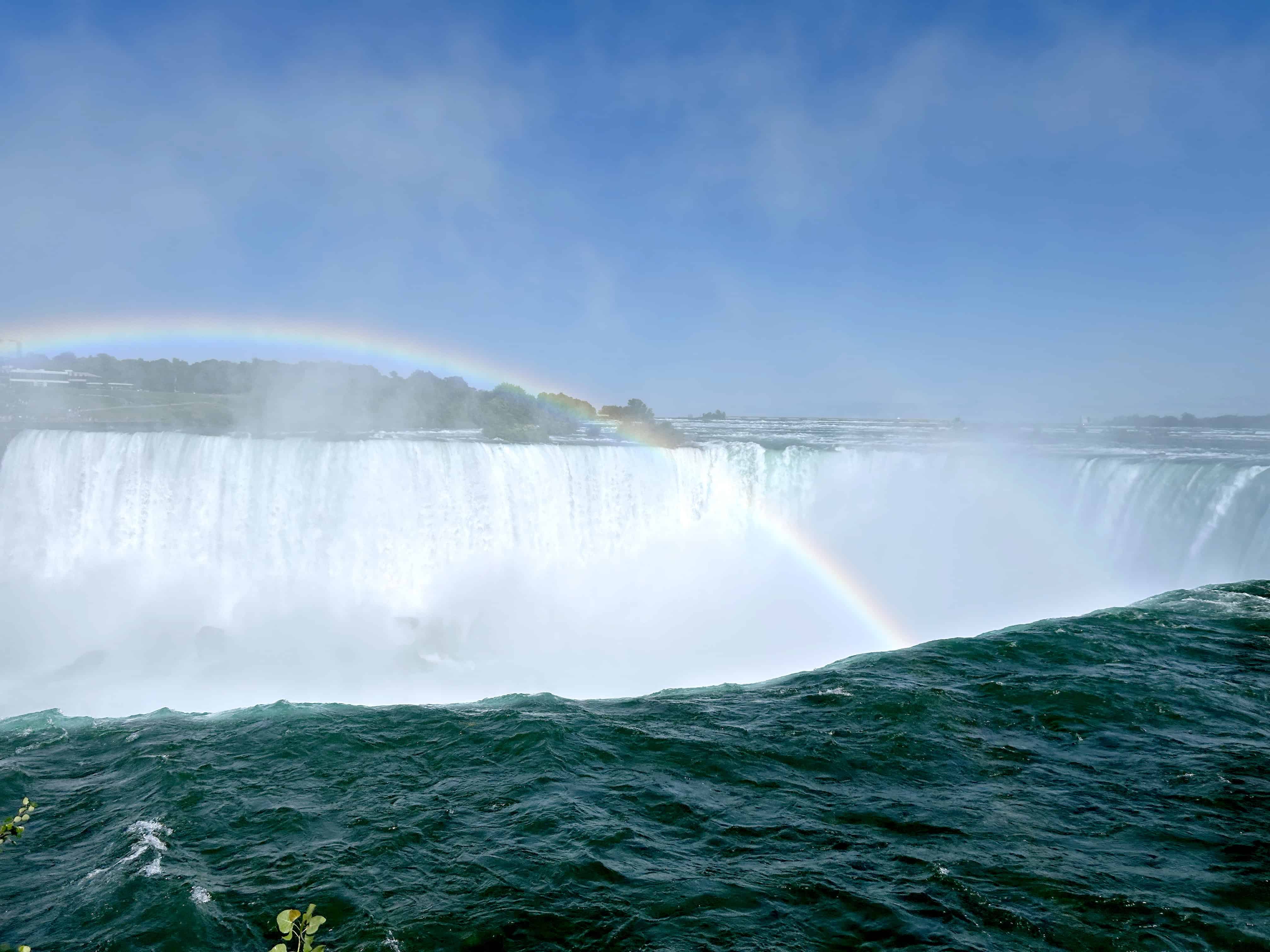
This region is densely populated, but don’t let that fool you—some of the best multi-species fishing in the province is right here. Lake Erie offers world-class smallmouth bass and walleye fishing, while Lake Ontario and the Niagara River are famous for salmon and steelhead runs. The Bay of Quinte, an arm of Lake Ontario near Belleville, is legendary for monster walleye, especially in the fall.
Central Ontario and the Kawartha Lakes
Just a couple of hours northeast of Toronto, the Kawartha Lakes region is a muskie angler’s dream. The interconnected lakes of the Trent-Severn Waterway are also loaded with largemouth bass, smallmouth bass, crappie, perch, and walleye. With great infrastructure, lodges, and easy access, this region is popular for weekend getaways and family fishing trips.
Northern Ontario and the Boreal Frontier
North of Sudbury and Thunder Bay lies a wild, remote world where fly-in fishing lodges, canoe routes, and untouched lakes dominate the map. Northern Ontario is the place to go for solitude, unpressured fish, and true backcountry adventure. Walleye and northern pike reign here, but brook trout are the crown jewel of remote stream fishing. The Albany River, Ogoki River, and countless other systems offer incredible wilderness experiences.
Northwest Ontario (Sunset Country)
If you’re looking for trophy fish, this is one of the best bets in North America. Sunset Country, which includes towns like Kenora, Sioux Narrows, and Dryden, is known for its massive lakes like Lake of the Woods, Eagle Lake, and Lac Seul. These waters are home to record-class muskellunge, abundant walleye, huge smallmouth bass, and pike so aggressive they’ll strike at anything that moves.
Seasons of Opportunity: Spring, Summer, and Fall
Ontario’s freshwater fishing seasons are more than just changes in temperature — they’re shifts in the entire ecosystem. Fish behavior, feeding patterns, and accessibility change with the calendar. Understanding what’s happening under the surface during each period gives you a major edge.
Spring: The Season of Awakening
Spring in Ontario is electric. After months of hardwater and dormancy, fish come alive as the ice recedes. Water temperatures start to rise and oxygen levels shift, prompting movement, feeding, and spawning activity across nearly all species.
Early in the season, walleye and pike are the stars. Walleye finish their spawn shortly after ice-out and begin feeding heavily as they recover. River mouths, current seams, and shallow flats are prime locations, especially during the first few weeks of the season. Jigs and minnows are the go-to combination, but crankbaits and soft plastics work wonders in slightly warmer water.
Pike are equally active in the shallows, often cruising flooded grass and cattail bays. They’re aggressive and willing to strike spoons, spinnerbaits, and jerkbaits with abandon. It’s one of the best times of the year to hook into a true northern monster before they retreat to deeper haunts.
As May turns into June, bass season kicks off in southern Ontario, and the smallmouth start to steal the show. They’re often staging for or in the middle of their spawn, especially in rocky shorelines and gravel flats. Topwaters, tubes, and twitch baits can draw vicious strikes when conditions are right.
Brook trout also thrive in spring conditions. Coldwater creeks and highland lakes are accessible again, and fish are active and aggressive. Whether you’re casting inline spinners or swinging streamers, spring is arguably the best time of year to connect with big, wild brookies.
Summer: Variety and Consistency
Summer fishing in Ontario is all about variety. Most species settle into stable patterns, and predictable weather allows for consistent action day after day. Water levels are generally steady, temperatures are warm, and access is easy across almost the entire province.
Bass are in their element by July. Largemouth hold tight to weedbeds, docks, and lily pads. Flipping jigs and working frogs across the surface becomes an addicting pattern that can produce all day. Smallmouth shift deeper, chasing bait off rocky points and drop-offs. Tube jigs, drop-shot rigs, and swimbaits become standard tools when the sun is high.
Walleye slide into summer structure — reefs, saddles, and mid-lake humps. Trolling bottom bouncers and spinner rigs with worms is a time-tested method, but jigging with leeches or minnows can still produce, especially in low-light windows.
Pike, while slightly less active in warm water, can still be targeted effectively. Focus on deeper cabbage beds or breaks near cooler inflows. Big fish often suspend off structure during midday but become active again in the mornings and evenings.
Summer also opens up the best opportunities for family-friendly fishing. Panfish like perch, crappie, and sunfish are easy to catch, fun on light tackle, and accessible from shorelines, docks, and small boats. It’s a great way to introduce new anglers to the sport without needing complex gear or tactics.
Fall: The Trophy Window
Fall is the payoff season for many Ontario anglers. As daylight hours shorten and temperatures drop, fish begin feeding with urgency. This is especially true for larger predators like muskie, pike, and walleye, who put on serious weight before winter.
Muskie in particular become more predictable. They shift from scattered summer patterns to tighter structure and breaklines near baitfish schools. Casting large jerkbaits, rubber swimbaits, or trolling big crankbaits at the right speed and depth can produce fish of a lifetime. Cool, stable weather in September and October creates a narrow but powerful window where the odds of catching a giant go way up.
Walleye move shallow again, especially in the evenings. Rocky shorelines, current edges, and hard-bottom flats are hotspots, and this is when some of the biggest fish of the year are caught. Jigging with minnows or slow-cranking crankbaits is the name of the game.
Smallmouth bass, meanwhile, turn into freight trains. As water temperatures drop into the low teens, smallies gorge themselves, often forming wolf packs and hunting aggressively along breaks and boulder-strewn flats. It’s a phenomenal time for reaction baits and power fishing.
Even brook trout, which retreat to coldwater sanctuaries in summer, become catchable again as they prepare to spawn. Northern creeks and lakes come alive with pre-spawn activity, and anglers willing to hike or paddle into remote waters can be rewarded with stunning fish in fall colors.
Ontario’s Iconic Freshwater Species
Ontario’s fishery is defined by a cast of iconic species that each occupy their own niches. Whether you’re casting, trolling, jigging, or fly fishing, these are the fish that shape your experience on the water.
Walleye
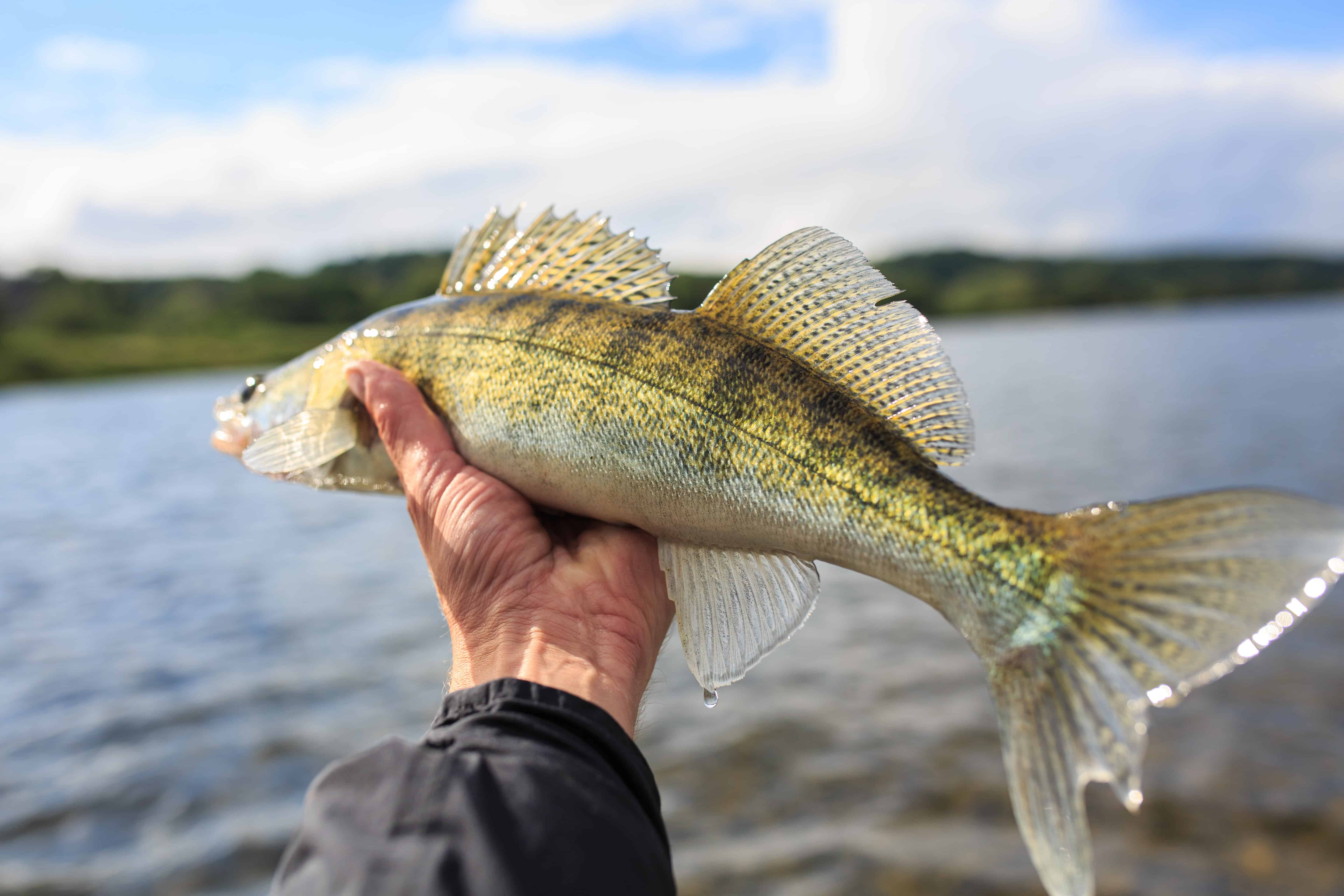
The quintessential Ontario gamefish. Known for their marble eyes and delicious fillets, walleye are found in nearly every region of the province. They thrive in cold, clear shield lakes and stained southern reservoirs alike. In spring, they stack up near current and gravel. Summer pushes them deeper, and fall brings them back shallow. Jig-and-minnow combos are a staple, but crankbaits, crawler harnesses, and vertical jigs also have their days. They’re a thinking angler’s fish — subtle, moody, and always rewarding.
Northern Pike
Long, toothy, and fast. Pike are apex ambush predators and common in both north and south. In spring, they haunt shallow bays and flooded grass. In summer, they cruise weed edges and drop-offs. And in fall, they hunt with intent, often fattening up fast. Spoons, jerkbaits, swimbaits, and spinnerbaits all work, but so does fly fishing with streamers the size of your hand. Ontario grows them big. Forty-inchers are possible in many waters, and far northern lakes can push even bigger.
Smallmouth Bass
Hard fighting and bronze-backed, smallmouth bass are Ontario’s favourite sportfish. They live in rocky lakes, fast rivers, and cool reservoirs. In spring, they hit suspending jerkbaits and tubes. In summer, they roam offshore structure and humps. Fall brings them back shallow, feeding in groups and smashing spinnerbaits and topwaters. They’re visual, aggressive, and athletic. Hooking a four-pounder on light tackle is one of freshwater fishing’s greatest thrills.
Largemouth Bass
Masters of the weeds, largemouth bass are southern Ontario’s warmwater kings. They prefer lily pads, reeds, docks, and sunken timber. In spring and early summer, they cruise shallows. As summer heats up, they hunker deep in the salad. Frog lures, flipping jigs, and soft plastics are the main tools, but spinnerbaits and topwaters also shine. Largemouth are about precision and confidence. Find thick cover, pitch your bait in, and wait for that telltale thump.
Muskellunge
The fish of ten thousand casts, muskie are Ontario’s ultimate prize. Long, thick, and mean, they hit hard and run harder. Spring finds them recovering from the spawn, often slow to engage. By midsummer, their metabolism peaks, and they chase bucktails, rubber baits, and topwaters with aggression. Fall is when the giants come out, following baitfish into shallower structure. Every muskie caught is a win, and every follow gets your heart racing. Some Ontario waters are managed for trophies, and fish over 50 inches are a real possibility.
Lake Trout
Deep and cold-loving, lake trout are native to many shield lakes. They’re at their most accessible in spring and fall, when they move shallow to chase smelt and cisco. In summer, they go deep, requiring downriggers or heavy jigs. Lakers hit hard and fight deep. Jigging is technical but deadly. Trolling can be productive too. They’re one of the few fish that remain active in cold fronts and bad weather, making them a dependable target when other species sulk.
Brook Trout
Ontario’s native trout, brookies are found in spring-fed creeks, highland rivers, and some deep, cold lakes. Their fall spawning colors are spectacular — fiery orange, crimson, and blue. In spring, they chase small spinners and flies. In summer, they hold tight to shaded riffles and undercut banks. In fall, they become aggressive and territorial. These fish are often found in wild, remote settings, which only adds to their charm. Conservation-minded anglers treat them with the respect they deserve.
Salmon
Chinook salmon are Ontario’s heavyweight champions, running into Lake Ontario tributaries from late August through October to spawn. Big, powerful, and aggressive, they hammer roe, streamers, and crankbaits in fast water. Early in the run, they stage near river mouths, but once the rains come, they push upstream in waves. Though they’re not feeding actively, their instinct-driven aggression leads to explosive strikes. Some reach 30 to 40 pounds, making them one of the most thrilling hookups of the season and a huge draw for fall anglers across southern Ontario.
Steelhead
Migratory rainbow trout, or steelhead, return to Ontario’s Lake Ontario tributaries each fall and again in spring, offering a long season of action for river anglers. Fresh steelhead are chrome-bright, fast, and powerful, often leaping repeatedly when hooked. They hit roe bags, jigs, and beads under floats, as well as nymphs and egg flies. The key is a perfect drift in clean water. From late October into April, rivers like the Credit, Ganaraska, and Bronte Creek come alive with fish that challenge and reward in equal measure.
Brown Trout
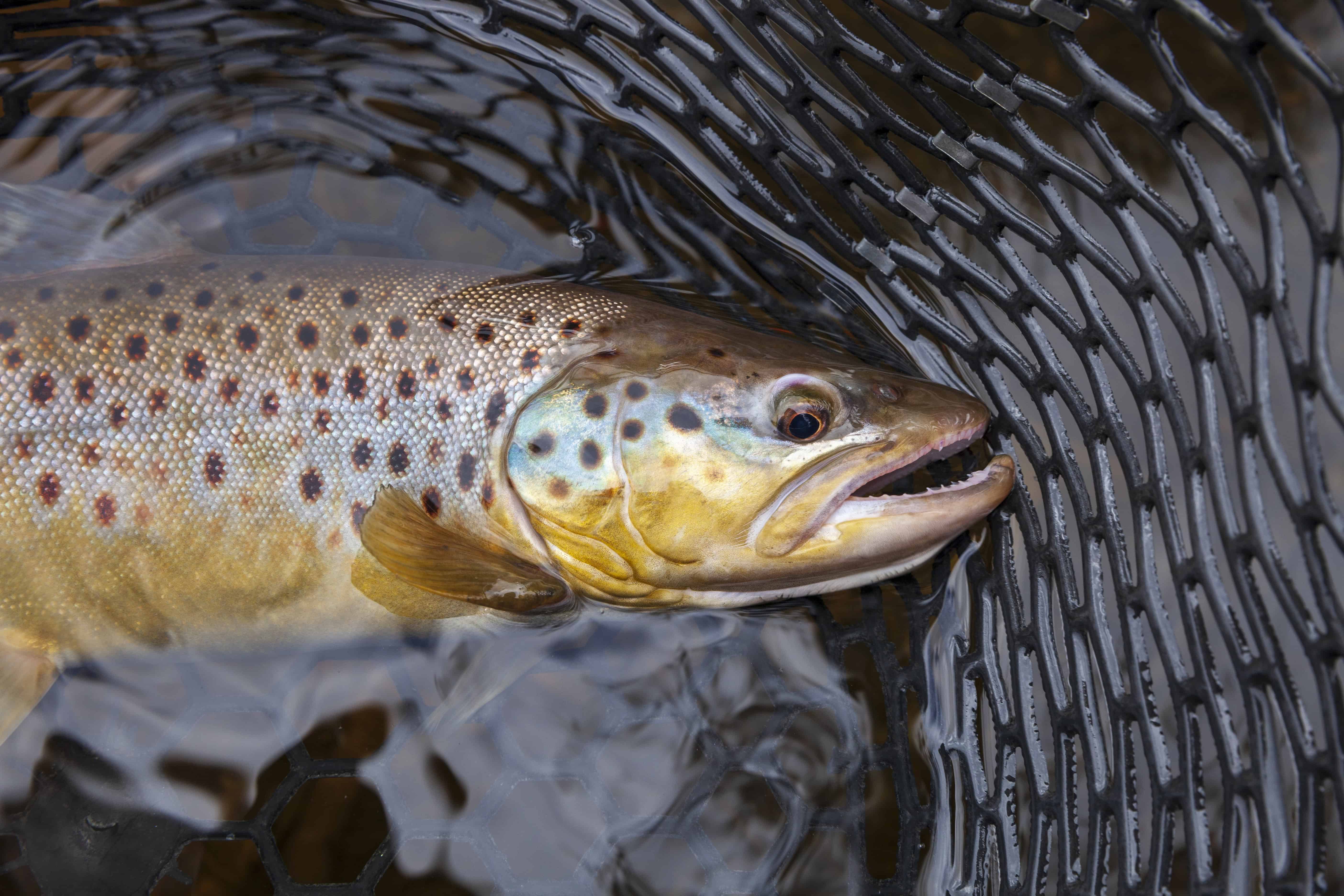
Elusive, selective, and often trophy-sized, brown trout are a prized target in Ontario’s spring creeks and cold tributaries. They thrive in clear, fertile waters with steady flows and structure, especially in southern rivers and Lake Ontario feeder streams. Spring and fall offer the best action, with browns feeding aggressively on baitfish, nymphs, and terrestrials.
Panfish (Crappie, Perch, Bluegill)
Ontario’s panfish are fun, accessible, and underrated. Crappie school in numbers and hit small jigs and minnows with consistency. Perch are available in massive schools across southern lakes and Great Lakes bays. Bluegill and sunfish thrive in shallow, weedy ponds and backwaters. They’re perfect for introducing new anglers, yet skilled anglers can find serious sport in targeting jumbo perch and slab crappie on light gear.



In Summary
Ontario offers a freshwater fishing experience that’s hard to match anywhere else. It’s not just about the size of the lakes or the number of fish. It’s about the feeling — the quiet before a strike, the sudden bend of the rod, the endless variety waiting just offshore or around the bend. Whether you’re a lifelong local or a visiting angler, there’s always something new to explore. In Ontario, every cast really does have the potential to be the one you remember
Get in touch below if looking to plan a tailor-made bucket list trip to Ontario. Fishing licenses for Ontario can be purchased here.
Check out our North America page to view other trips across the continent.