
Bucket List Species: Yellowtail
Yellowtail Kingfish: Reef Donkeys of the South
Few fish combine power, speed, and sheer stubbornness quite like the Yellowtail Kingfish. Known scientifically as Seriola lalandi, and often just called “yellowtail,” these streamlined predators have built a reputation among anglers as one of the most sought-after sportfish in the ocean. If you are a traveling fisherman chasing bucket list species, this is one that deserves a spot on your list.
Where They Are Found
Yellowtail kingfish belong to the Seriola genus, the same family as amberjack and samson fish, all known for their raw power and relentless fights. They are widespread across temperate and subtropical waters, with strong populations in the Southern Hemisphere. You will find them off the coasts of Australia, New Zealand, South Africa, and Chile, while smaller groups are present around Japan and along the Pacific coasts of Mexico and California. Their broad distribution means anglers have multiple locations to target them.
How Big They Get
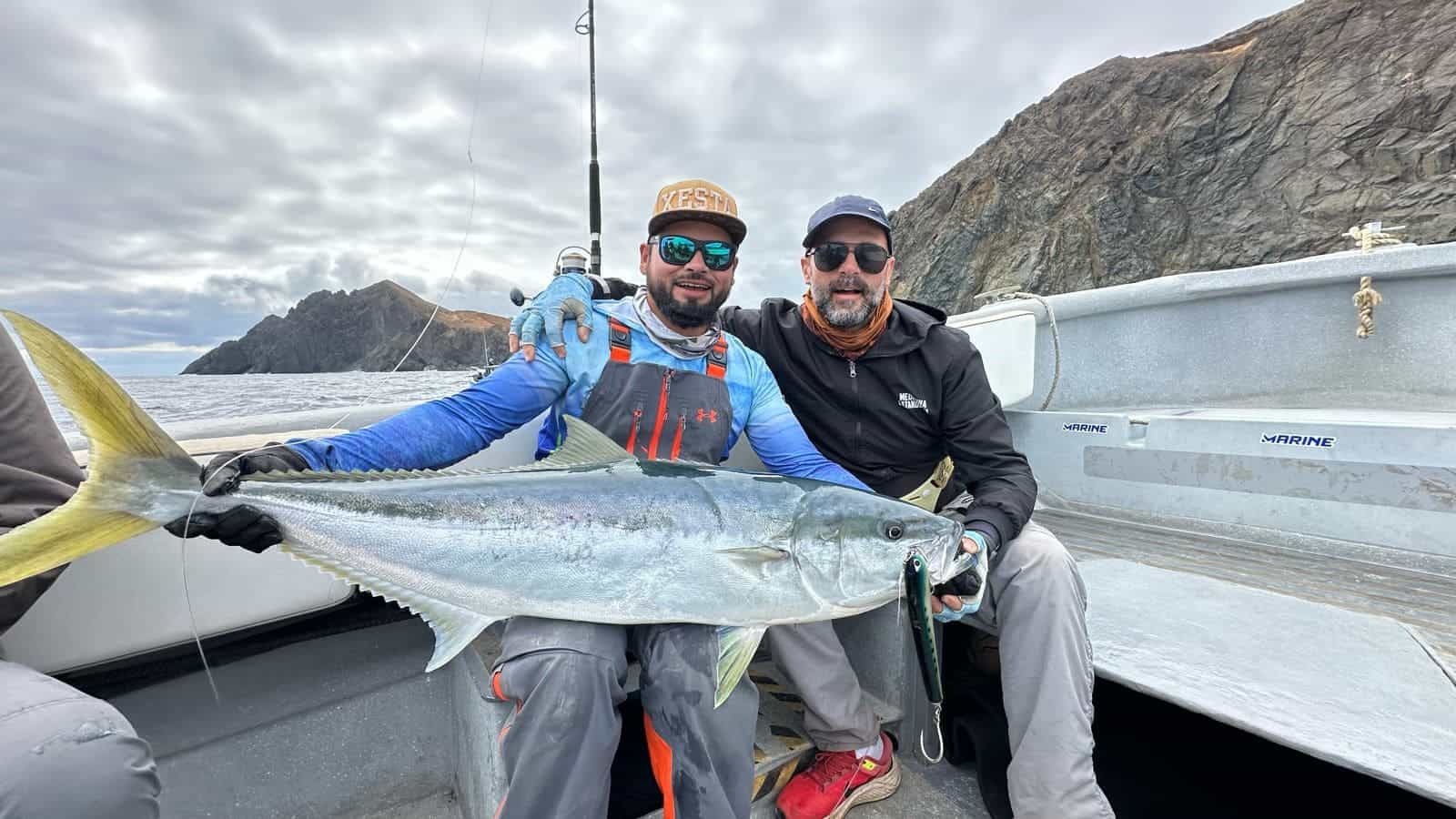
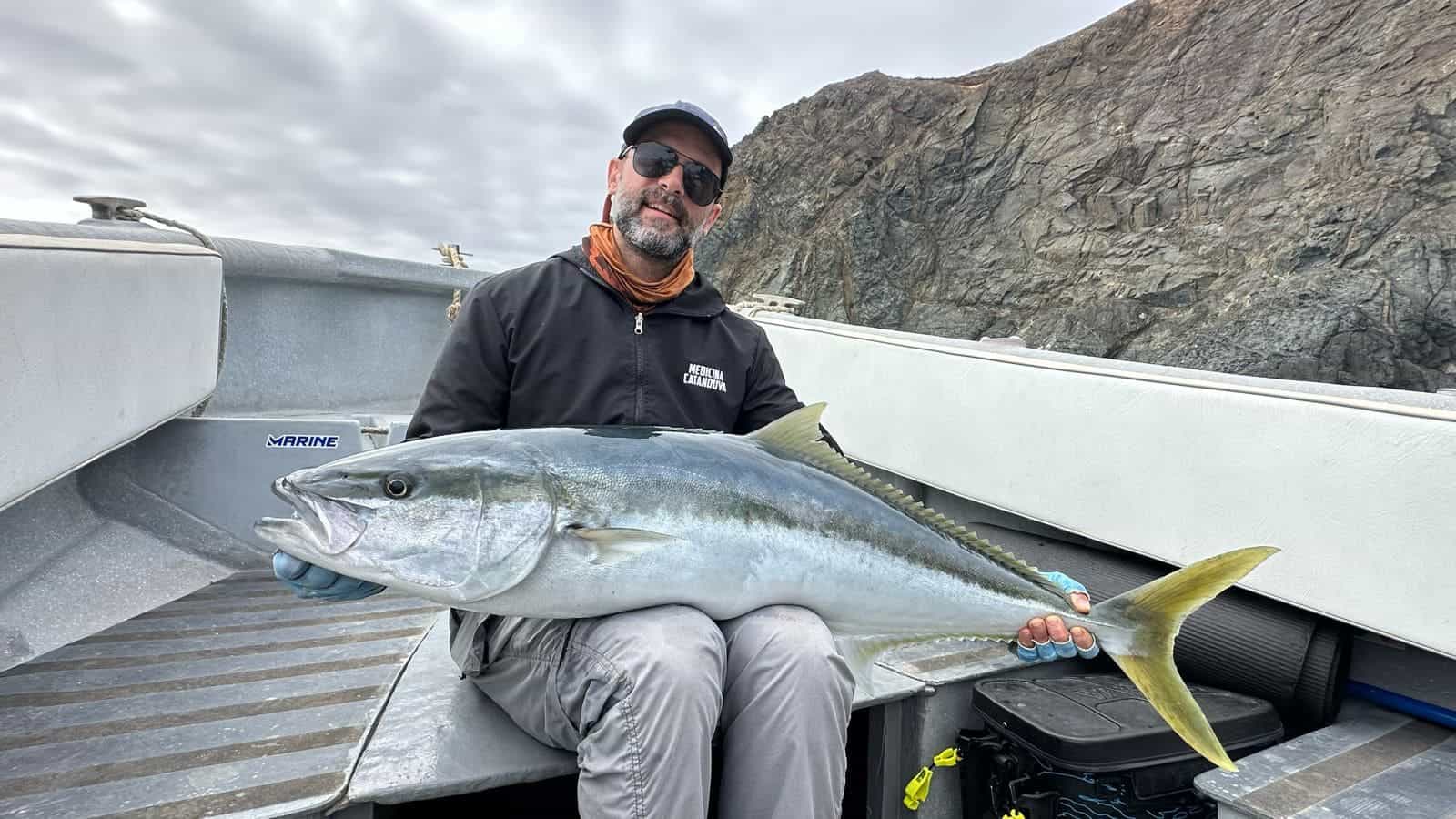
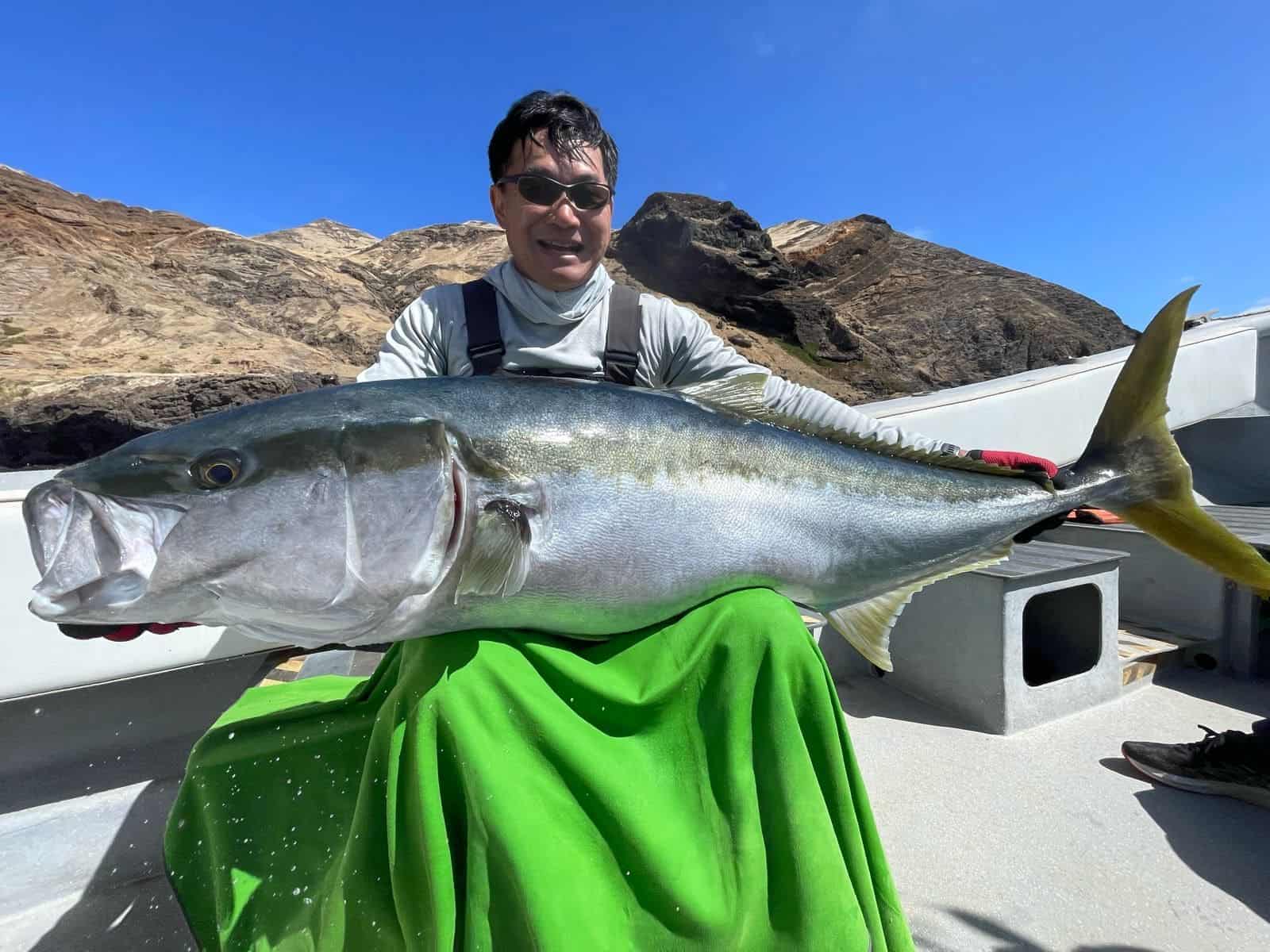
School-sized fish in the 10 to 20 pound range are common, but yellowtail have the potential to grow into true brutes. Fish pushing past 60 pounds are caught with regularity, and specimens over 80 pounds are not unheard of, particularly in New Zealand which is considered the epicenter for monster kingfish. Their sheer size combined with a relentless fighting style means every hookup is a test of strength and endurance.

Best Places to Catch Them
- New Zealand – The Bay of Islands, White Island, and Three Kings Islands consistently produce some of the largest kingfish in the world.
- Australia – Along New South Wales and South Australia, reefs, headlands, and offshore pinnacles are prime kingfish country.
- South Africa – Locally known as yellowtail, they are a staple catch around Cape Point, Struisbaai and offshore banks in the Southern & Eastern Cape.
- Robinson Crusoe Island, Chile – This remote island in the South Pacific is famous for producing some of the largest yellowtail anywhere.
- California and Baja California – Seasonal runs give anglers excellent opportunities along the Pacific coast in North America.
How They Are Targeted
Yellowtail are ambush predators that hunt around reefs, rocky outcrops, pinnacles, and current lines. They feed aggressively on baitfish and are known for epic surface strikes. Anglers can target them by live-baiting, vertical-jigging, or throwing poppers & stick-baits into feeding schools. Whatever the method, expect strong runs, punishing headshakes, and a determined fight to reach structure. These fish are notorious for trying to break anglers off in the reef, which adds another level of challenge and excitement.
Why They Belong on Your Bucket List
Yellowtail kingfish are not just about size and fight. They represent the ultimate all-round gamefish, combining accessibility, widespread distribution, and unforgettable strength when hooked. They inhabit some of the world’s most spectacular fishing grounds, from volcanic islands to rugged coastlines. They are aggressive, powerful, and capable of testing the skill and determination of even seasoned anglers. Few species deliver such a complete package.
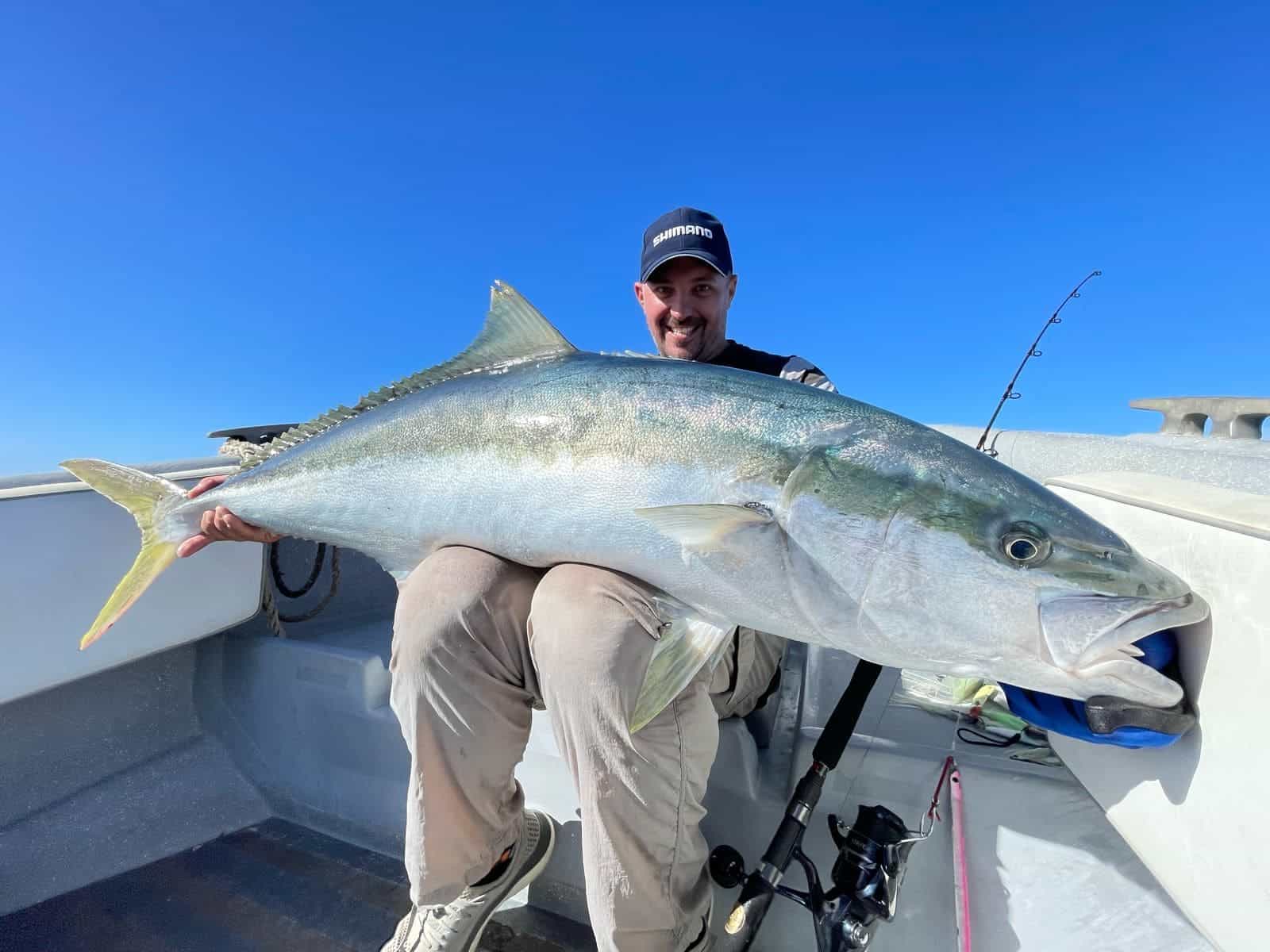
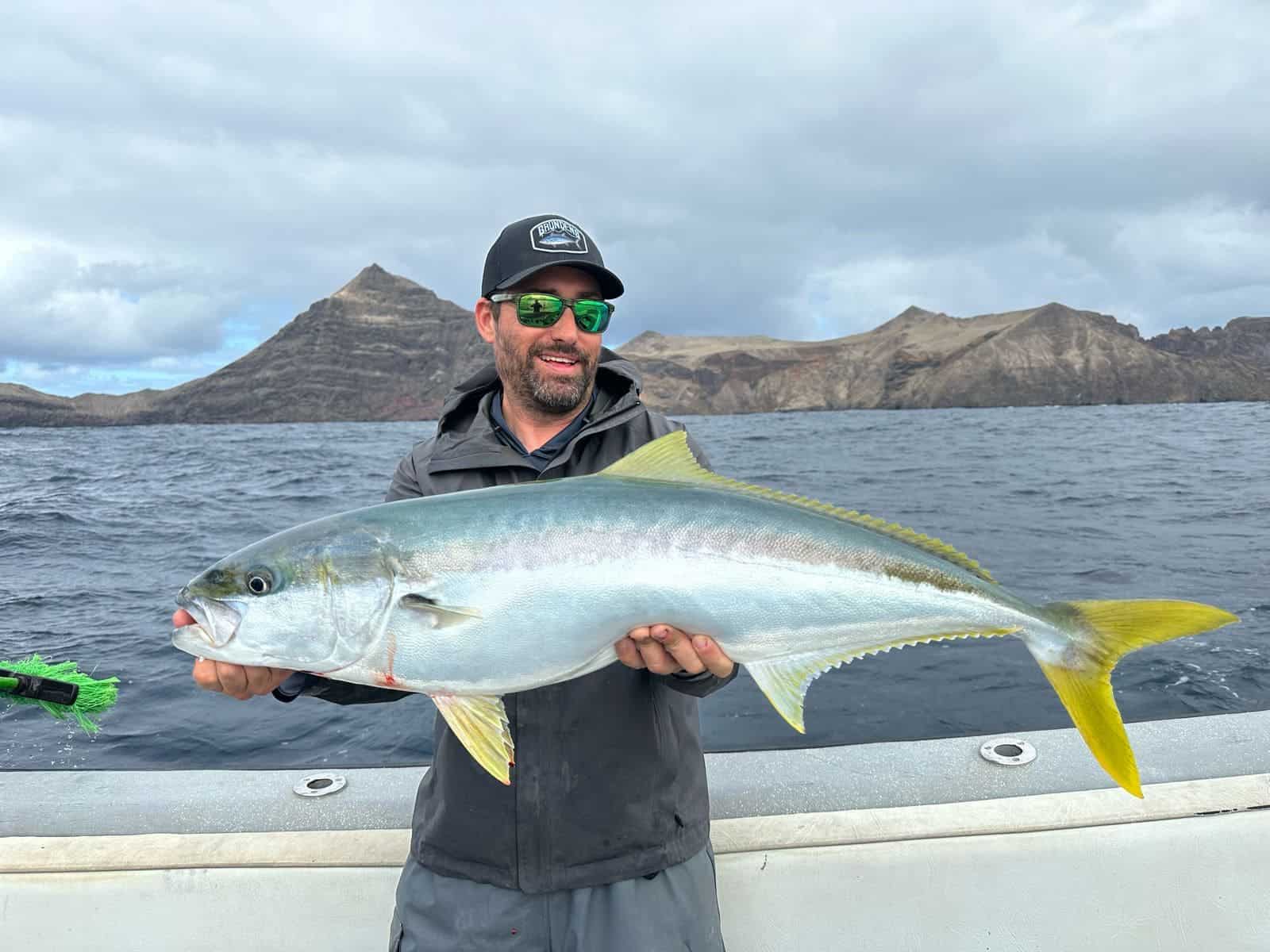
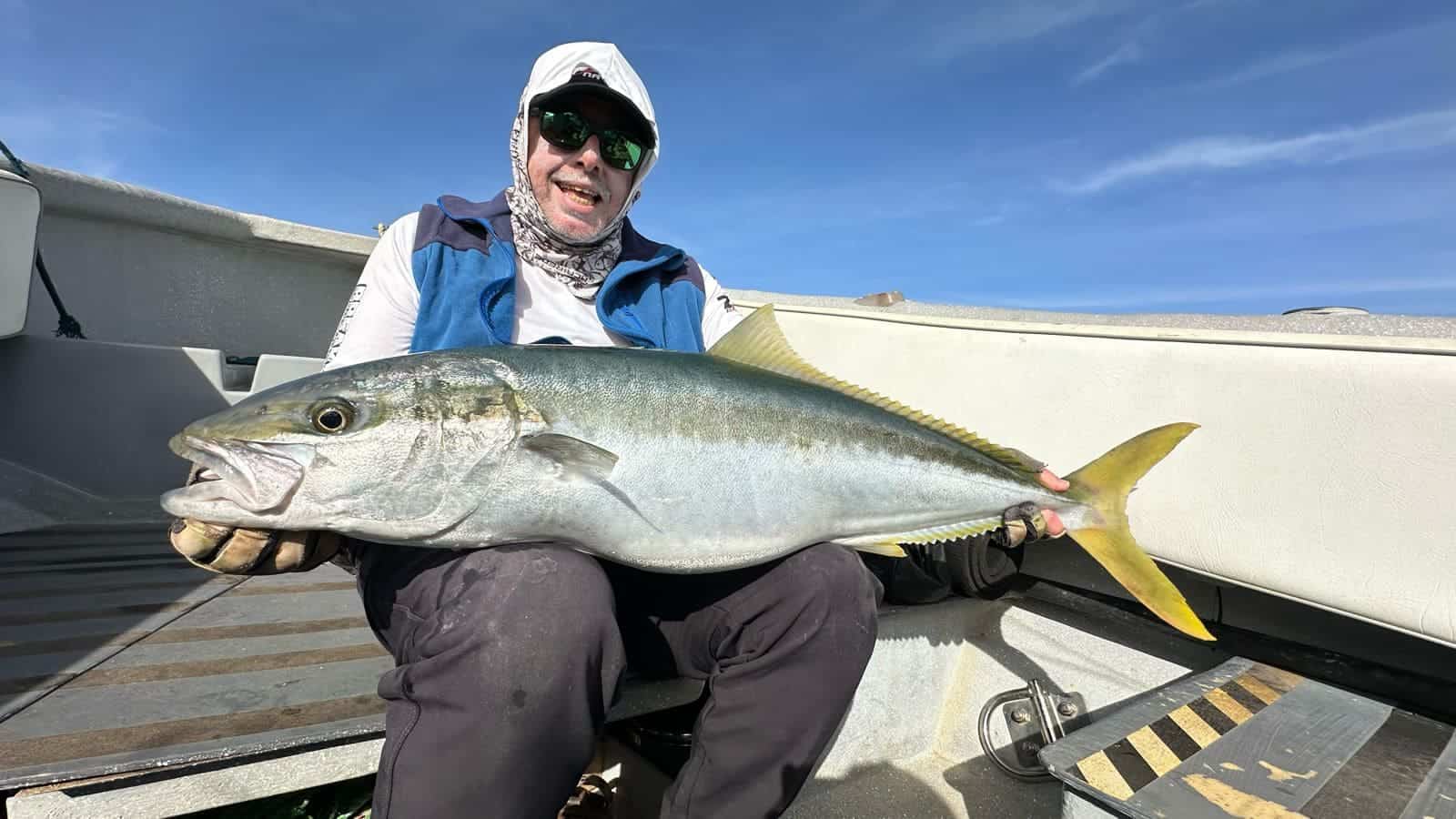
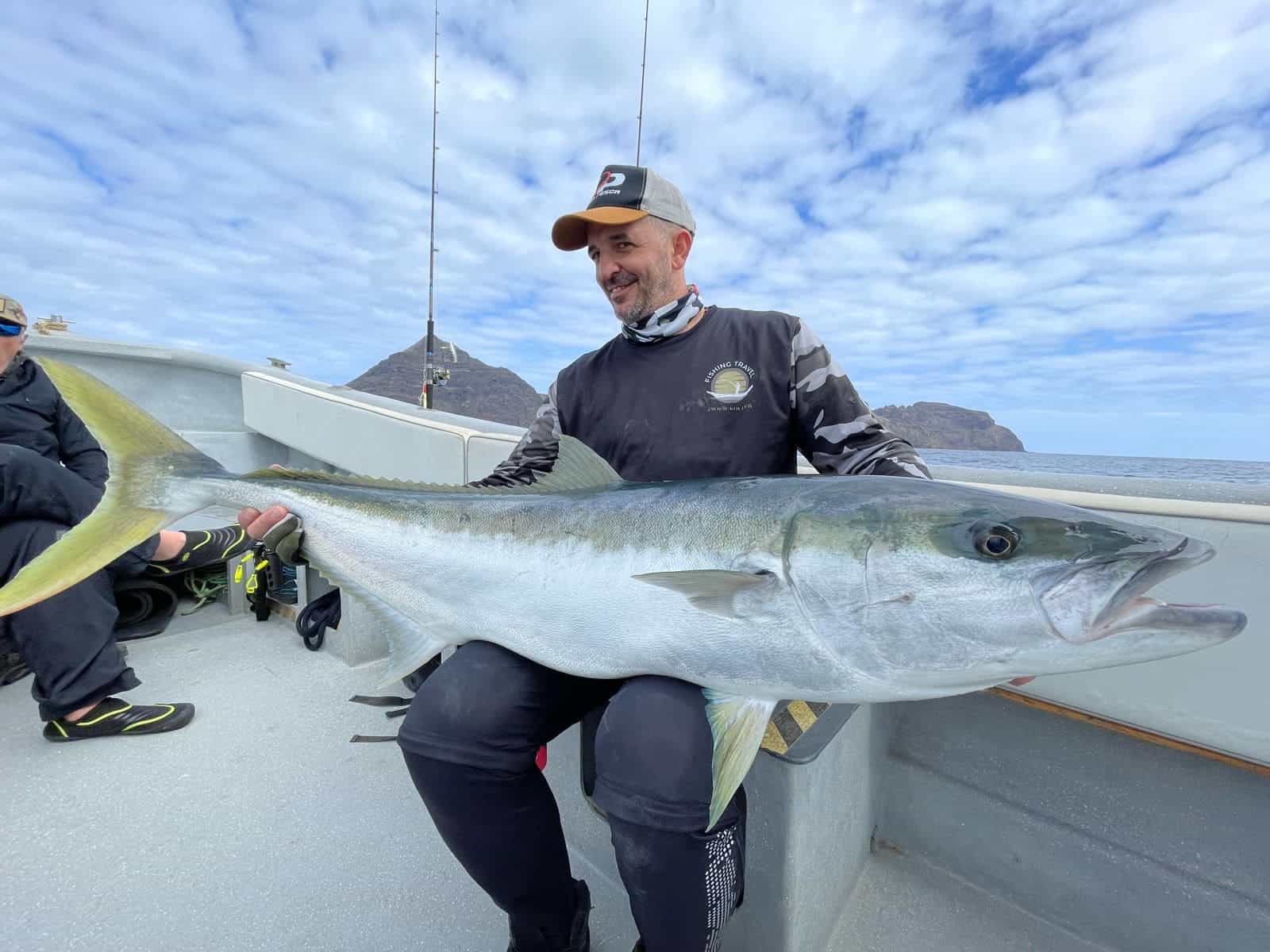
If your bucket list is about chasing fish that test your skill, strength, and persistence, the yellowtail kingfish has to be on it. They grow to impressive sizes, and guarantee the kind of fight you will be telling stories about for years.
Ready to tick yellowtail kingfish off your list? Let us help you plan the perfect trip to one of the world’s top destinations for this powerhouse species. Get in touch below.
Frequently Asked Questions:
Where is the best destination in the world to catch trophy yellowtail?
The two standout destinations for giant yellowtail are New Zealand and Robinson Crusoe Island in Chile. New Zealand consistently produces giant fish over 80 pounds, while Robinson Crusoe is famous for its remote, pristine waters and record-sized specimens.