
Bucket List Species: Tigerfish
Tigerfish: Africa's Striped Waterdog
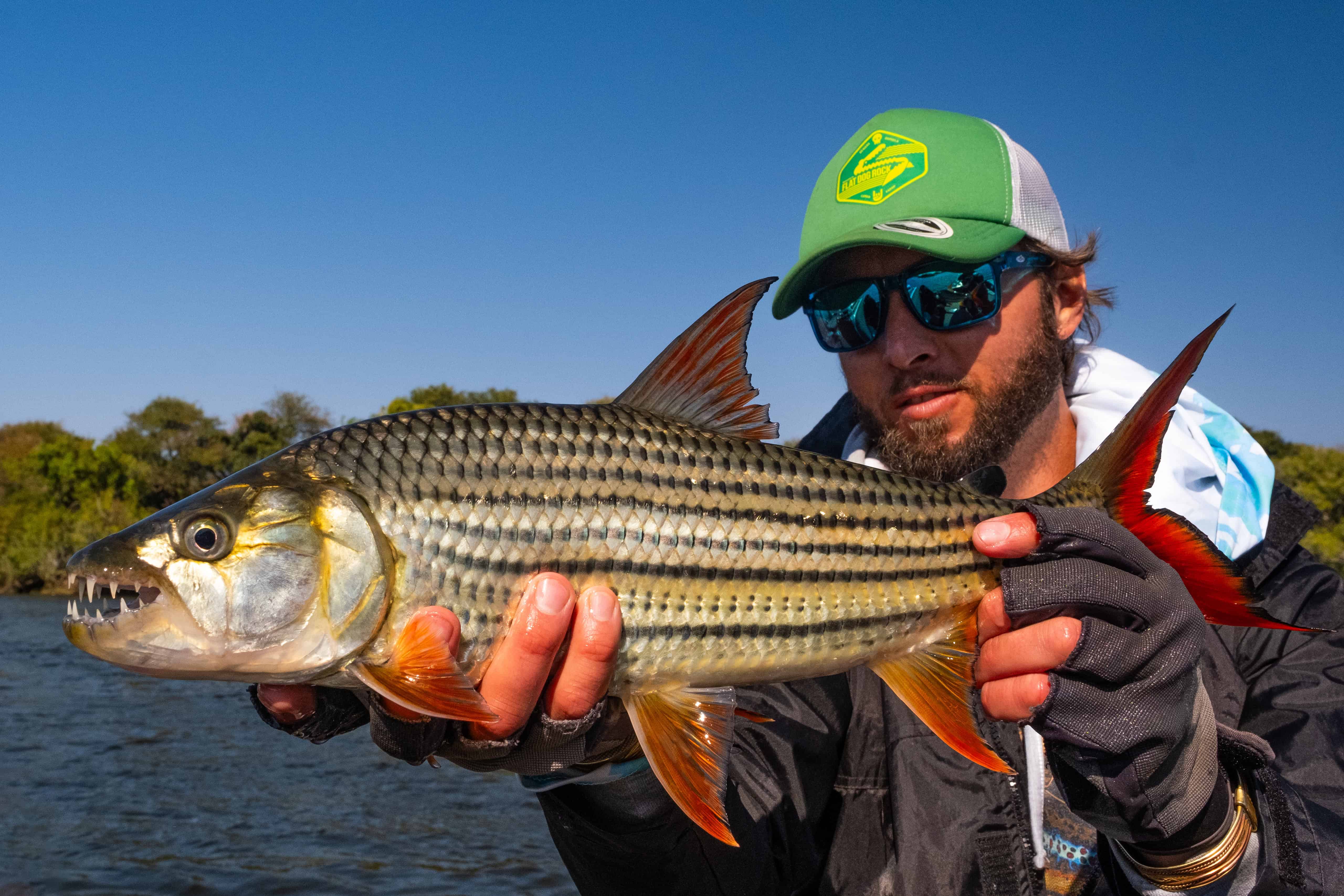
There are few fish in the world that have earned a reputation like the tigerfish. With a mouth full of dagger-like teeth and a nasty streak to match, the African tigerfish (Hydrocynus vittatus) is a favorite among traveling anglers looking for something out of the ordinary. It’s not just the way they look that draws people in. It’s how they hit, how they fight, and the raw, untamed feel of the rivers they call home.
My first encounter with tigerfish wasn’t what I expected. I’d read the articles, watched the videos, and listened to the stories about their blistering speed and aerial acrobatics. Still, nothing really prepares you for the moment one of them smashes a lure just under the surface. It’s sudden, violent, and unmistakably different from any other freshwater strike. There’s a chaos to it. One second your lure is working the current, and the next it’s being punished by something wild.
Most anglers head to southern Africa to target them, and for good reason. The Zambezi River is the most iconic tigerfish destination, with the Upper Zambezi, Lower Zambezi, and stretches around Victoria Falls all producing quality fish. Then there’s Lake Kariba, which offers a different style of fishing altogether, and Botswana’s Okavango Delta, where the scenery alone is worth the trip. These are places where fishing isn’t just about the fish. It’s about early mornings with hippos grunting in the distance, elephants coming down to drink, and a kind of wilderness that stays with you.
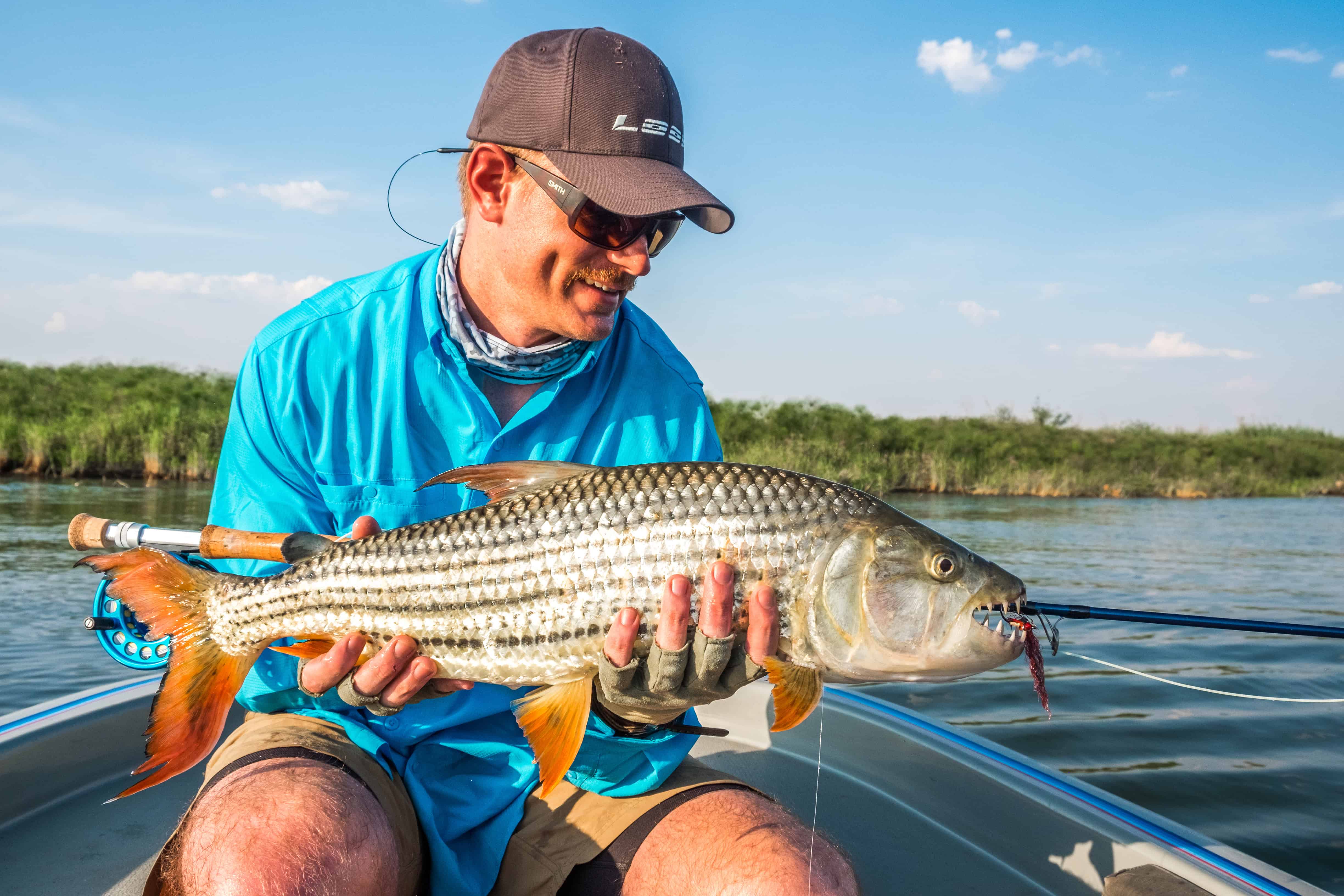
Tigerfish prefer warm, oxygen-rich water with structure. They sit in current seams, drop-offs, and near submerged logs, waiting to ambush prey. You don’t have to overthink your presentation. Fast-moving lures are often the ticket. Think spoons, spinners, and diving crankbaits, or large baitfish streamers if you’re fly fishing. They’re not subtle. These fish hit like they mean it and don’t stick around if you miss your chance. Strip-set hard if you’re on fly, and keep your drag just tight enough to control the chaos.
One of the first things you learn after a few lost fish is the importance of wire trace. These aren’t the kind of fish you target with fluorocarbon. Their teeth are surgical, and they don’t hesitate to use them. A short length of wire—usually around 20 to 30 pounds—doesn’t spook them and saves you from heartbreak. I’ve seen tigerfish bite clean through mono in a fraction of a second.
The fight is what really sets them apart. Once hooked, tigerfish almost always go airborne, often more than once. They shake their heads with a kind of fury you don’t usually see in freshwater. They’re strong, but it’s their speed and unpredictability that make them such a challenge. They’ll turn on a dime, race downstream, and leap out of nowhere. It keeps you on your toes, especially when you’re trying to keep pressure without pulling hooks.
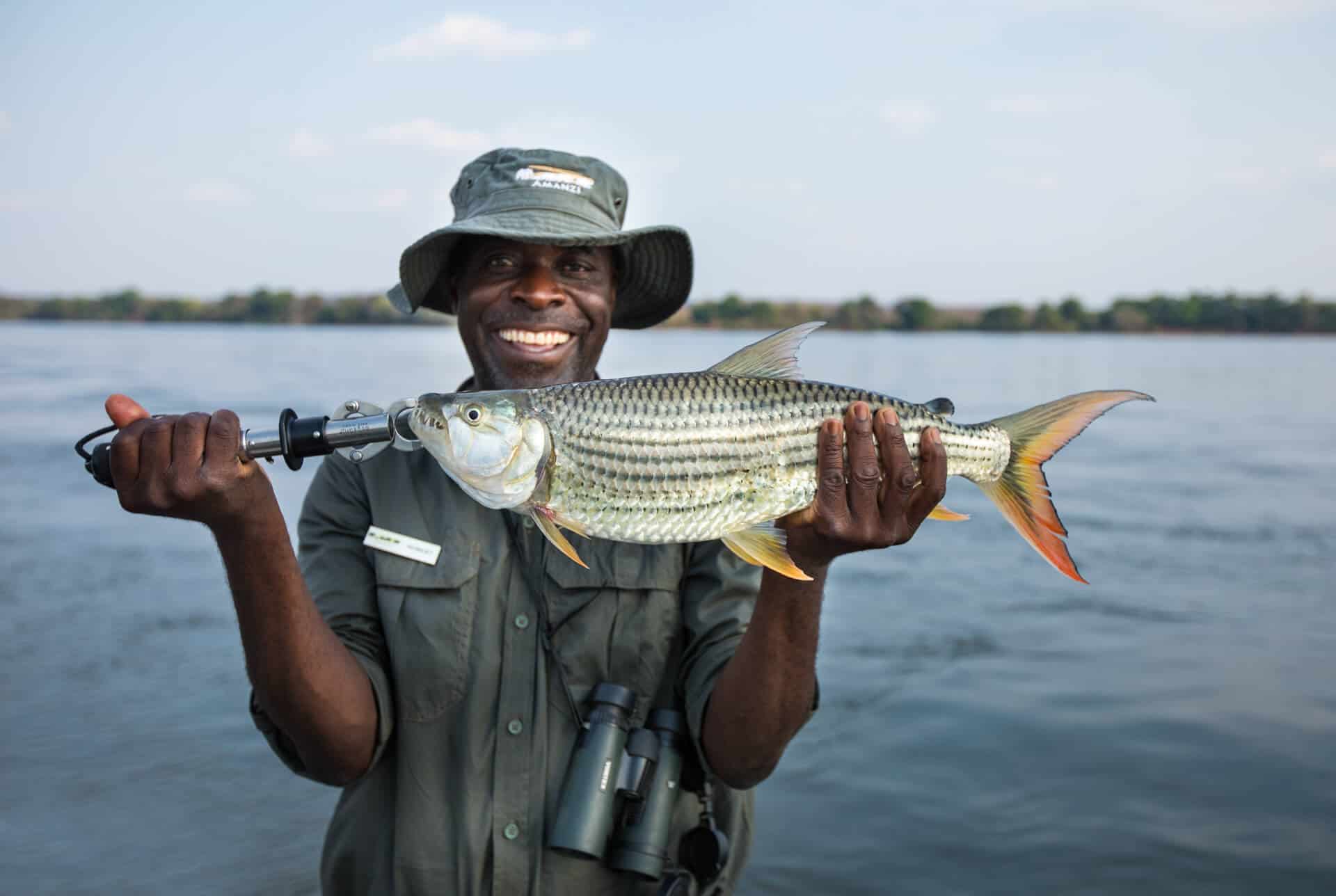
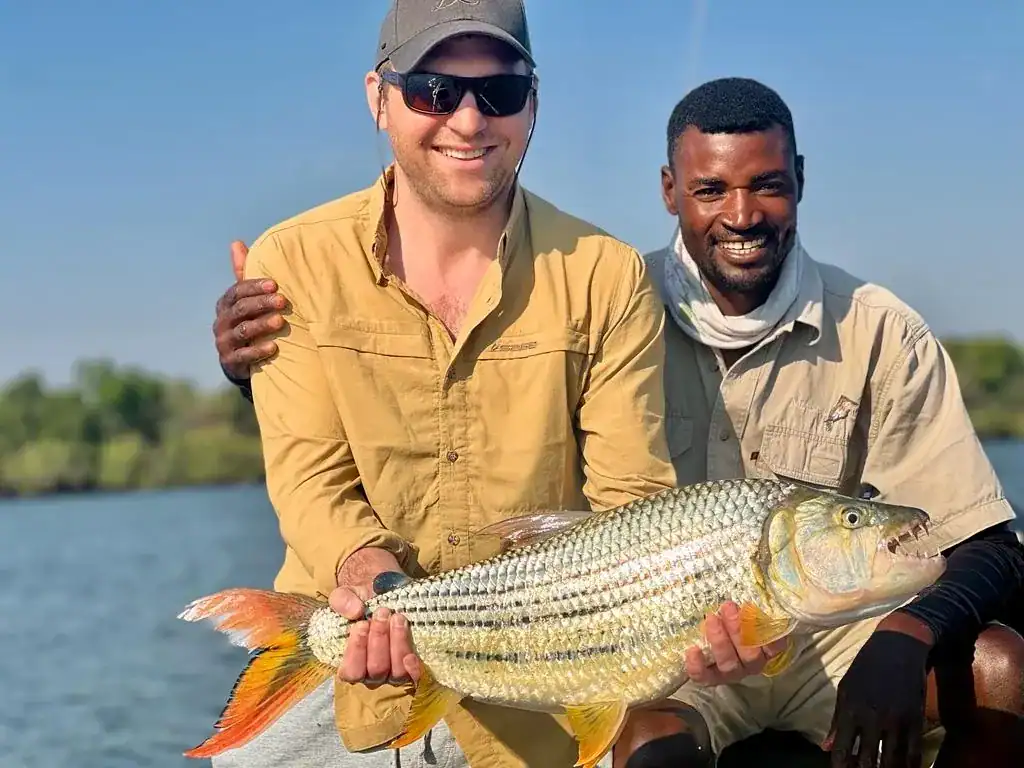
Local guides play a big role in getting the most out of a tigerfishing trip. They know where the fish move based on season, water levels, and temperature, and they’ll often suggest tactics that work best in their area. For example, on the Upper Zambezi, the bite often peaks around September and October, when the water is clear and fish are aggressive. In other areas, like the delta systems, timing depends more on water height and oxygen levels.
Fishing for tigerfish is also an opportunity to explore some of Africa’s most remarkable river systems. You don’t need luxury to enjoy it, but there are plenty of camps and lodges that offer comfortable setups with good boats and experienced staff. Some are remote fly-in options, while others are reachable by road and make a great addition to a larger safari itinerary. A lot of anglers combine their trip with game viewing or birding, which only adds to the appeal.
I wouldn’t call tigerfish the hardest freshwater fish to hook, but they’re definitely among the most exciting. There’s something primal about the experience. You’re fishing in rivers that feel untouched, surrounded by animals that belong on postcards, chasing a fish that looks like it belongs in a nightmare. It’s not a numbers game. It’s about that moment when your line tightens, the water erupts, and you’re connected to a fish that fights like it has something to prove.
For any angler looking to step away from the usual and experience a place where the fishing feels like an adventure, tigerfish are worth the journey. Just bring wire, fast reflexes, and an appreciation for rivers that still run wild.

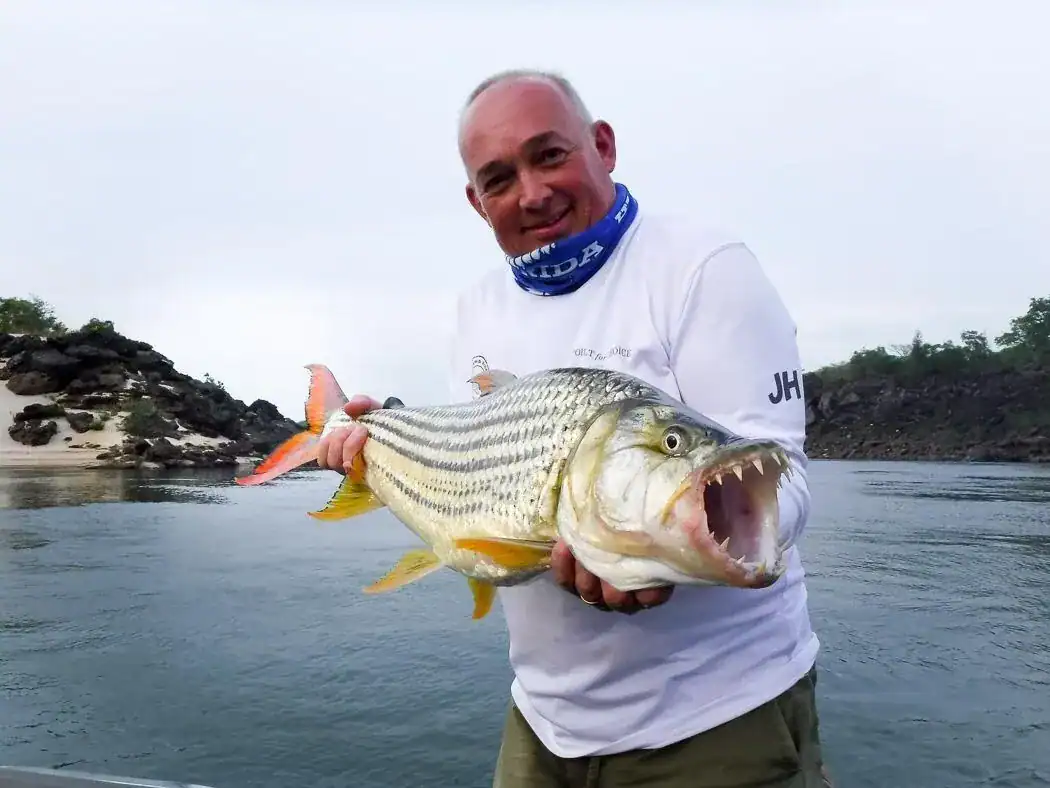
Looking to tick the tigerfish or an African safari off your bucket list? Shoot us a message and let’s craft your dream trip for you!