
Bucket List Species: Tanganyikan Perch
The Tanganyikan Perch: Apex Predator of Africa’s Oldest Lake
Hidden within the deep, ancient waters of Lake Tanganyika—a lake that predates most modern life forms—lurks one of Africa’s most elusive freshwater predators: the Tanganyikan Perch (Lates angustifrons). Though often overshadowed by the Nile Perch (its better-known cousin), the Tanganyikan Perch is no less impressive in its own right. Powerful, streamlined, and adapted to one of the most unique aquatic ecosystems in the world, this fish deserves its place among Africa’s iconic freshwater giants.
A Lake Like No Other
Before diving into the biology and behavior of the Tanganyikan Perch, it’s essential to understand its home. Lake Tanganyika is the second-oldest and second-deepest freshwater lake in the world, stretching across four countries—Tanzania, the Democratic Republic of Congo, Burundi, and Zambia. It’s part of the East African Rift system and holds nearly 17% of the world’s available surface freshwater.
With depths reaching over 1,400 meters, and isolated from other water systems for millions of years, Lake Tanganyika is a hotspot of evolutionary adaptation. It’s home to more than 300 fish species, the vast majority of which are found nowhere else on Earth. In this environment, the Tanganyikan Perch reigns near the top of the food chain. Other notable species found in Tanganyika include the Goliath Tigerfish, Zambezi Tigerfish, the Giant Cichlid and three other species of perch – bigeye lates (L. mariae), forktail lates (L. microlepis) and sleek lates (L. stappersii).

Biology and Appearance
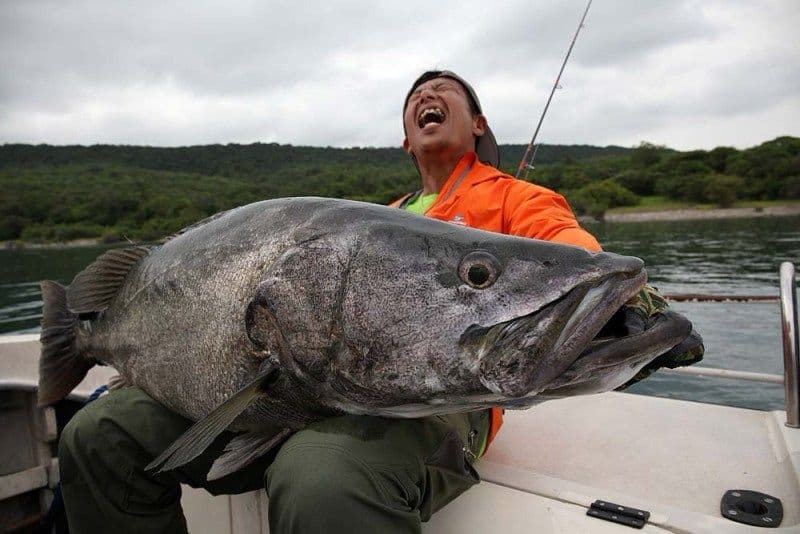
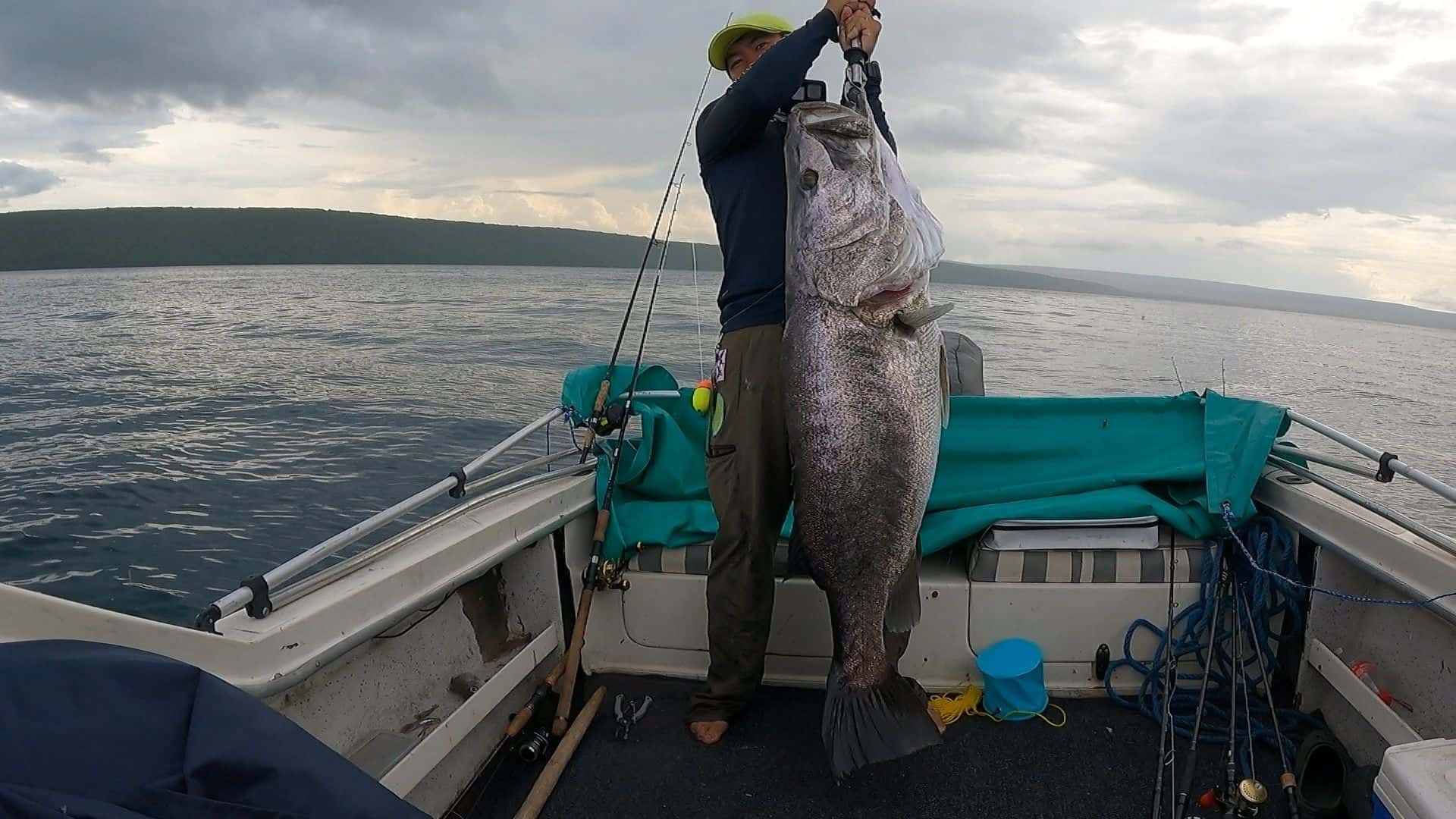
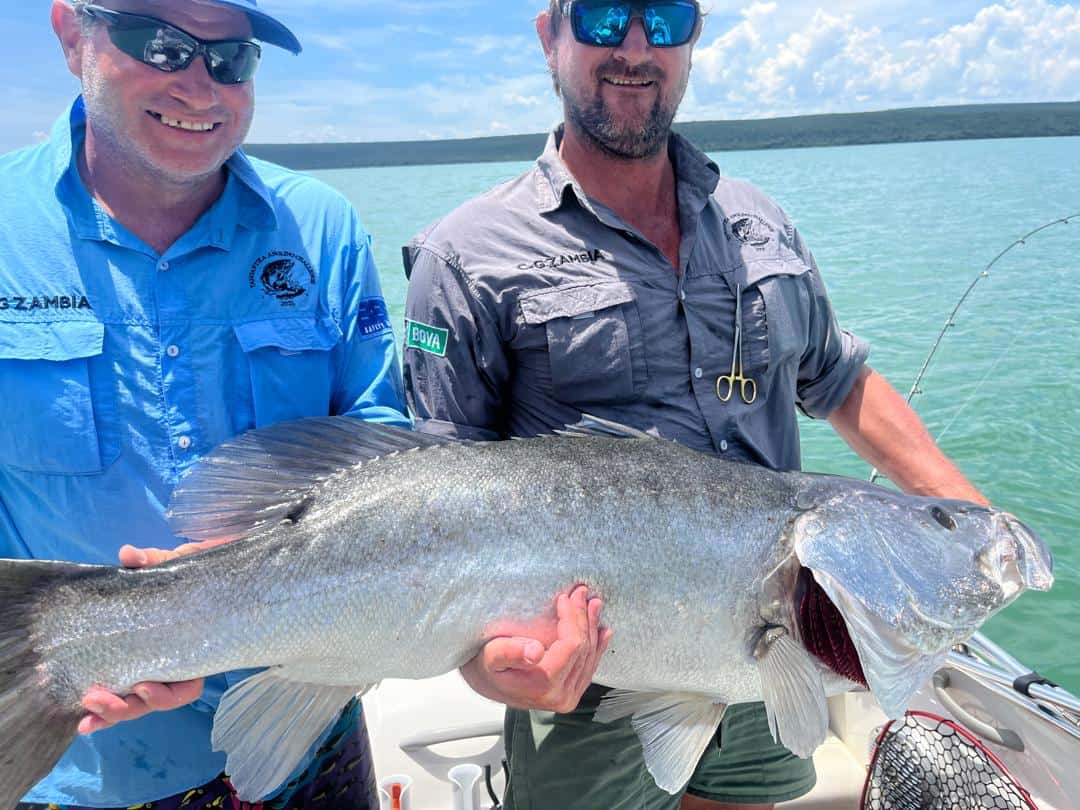
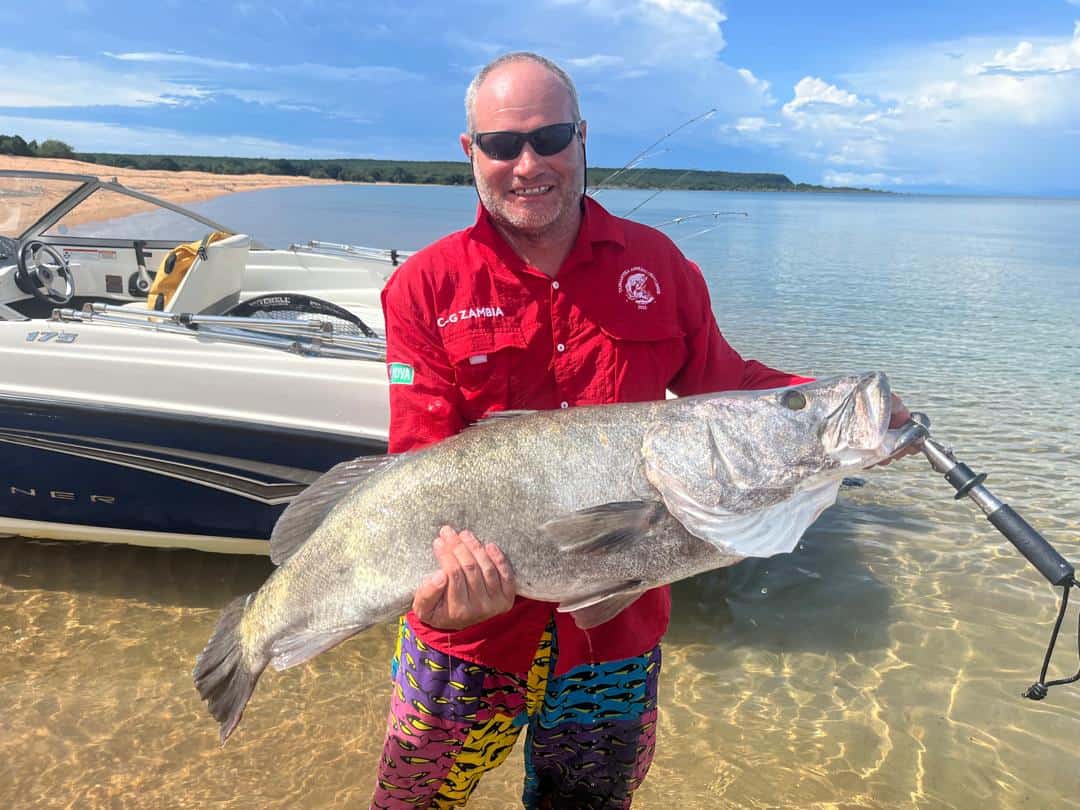
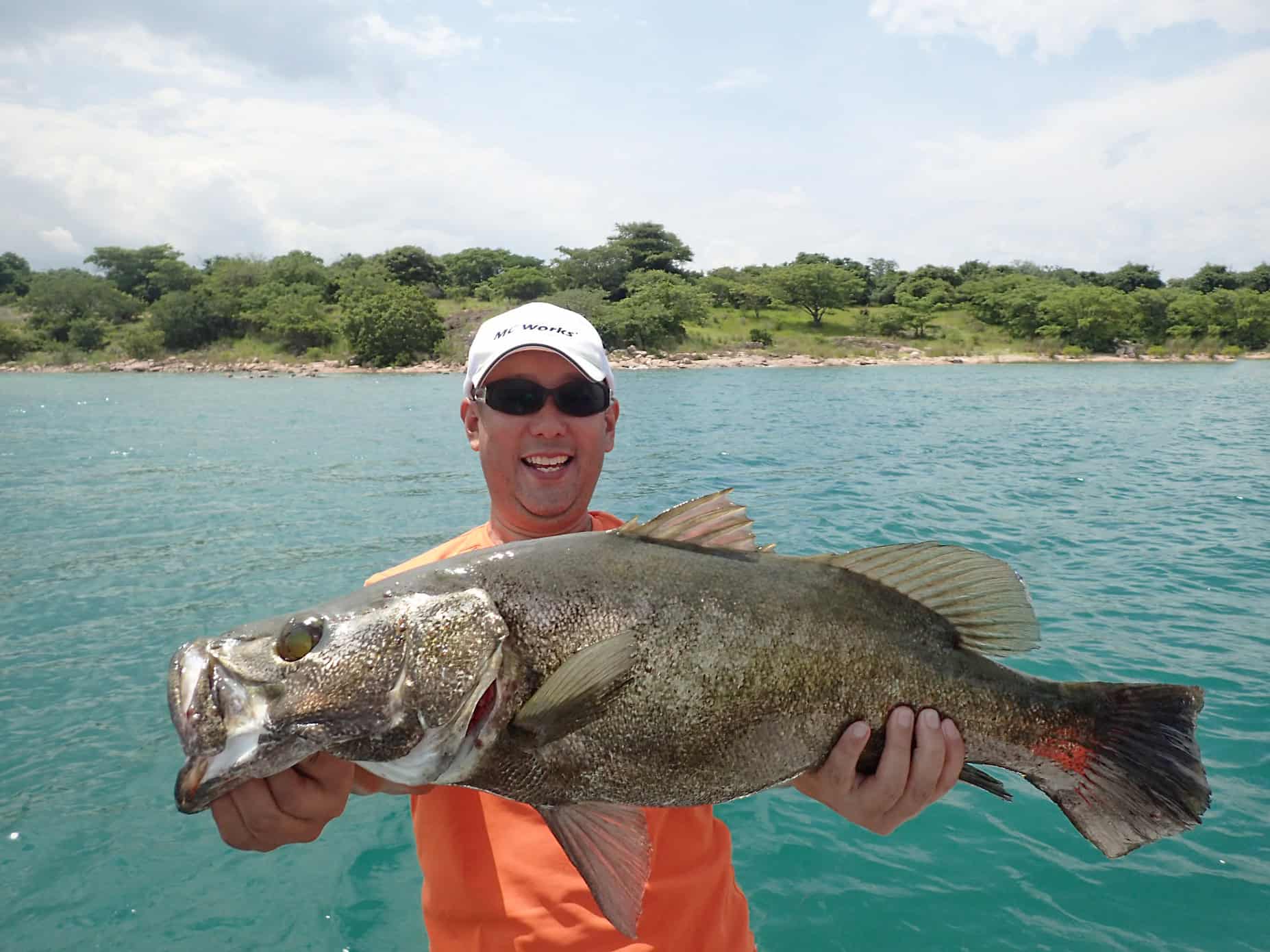
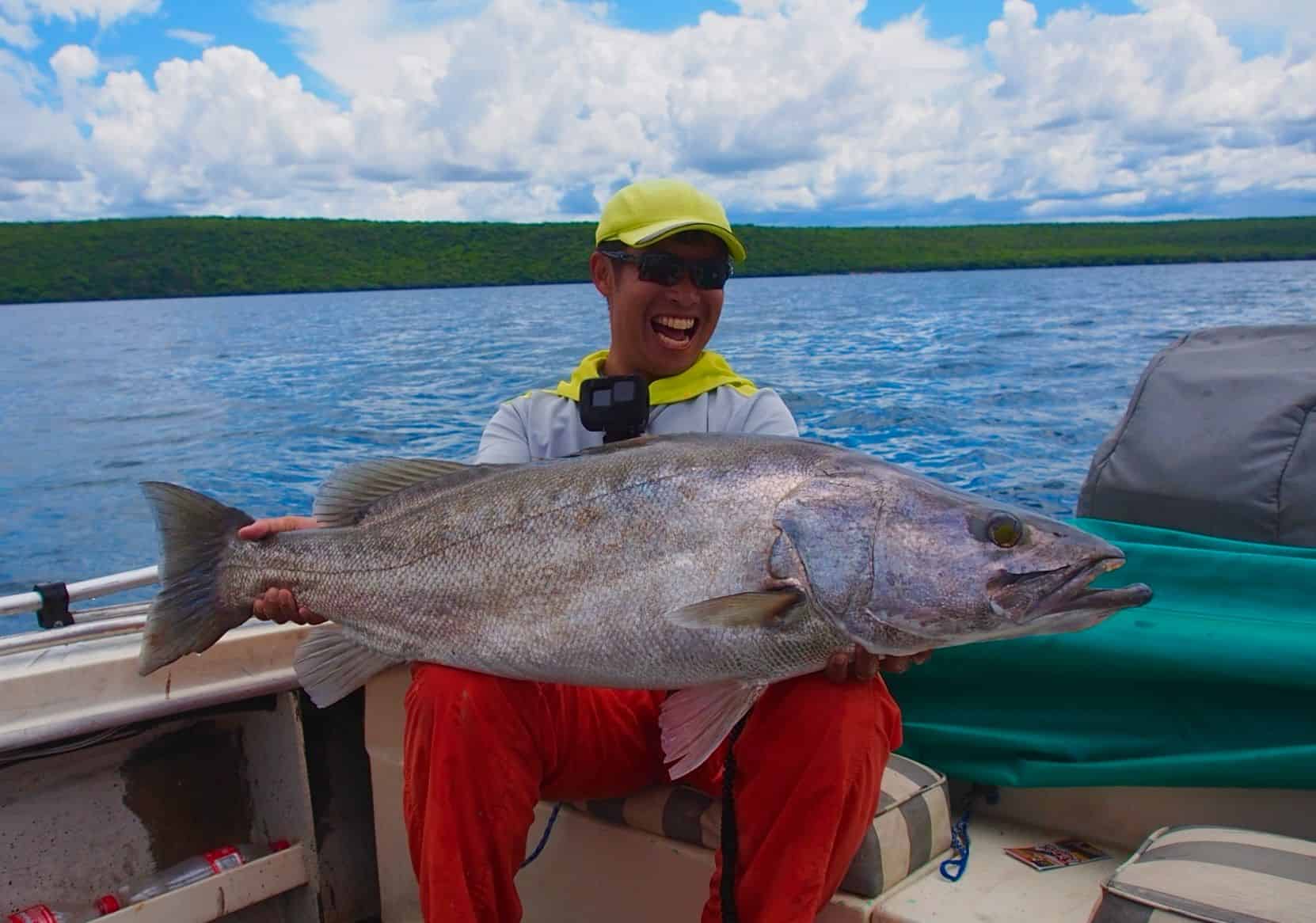
The Tanganyikan Perch has a classic predatory silhouette—torpedo-shaped for streamlined movement, with a broad mouth capable of engulfing sizeable prey. Its coloration is typically silver to dark gray, helping it blend into the deep, dimly lit waters where it hunts. The body is more slender than the Nile perch, with longer fins that suggest a more pelagic (open water) lifestyle.
Like other species in the Lates genus, it has large, glassy eyes—an adaptation for low-light hunting. These fish are often found at depths exceeding 100 meters, where visibility is poor, and pressure is high. Barotrauma is often a factor when trying to catch-and-release perch at these depths. Barotrauma in fish is a pressure-related injury that occurs when fish are brought quickly to the surface from deep water, causing their swim bladder to expand and potentially rupture. Their physiology allows them to thrive in these extreme conditions.
Behavior and Ecology
The Tanganyikan Perch, like its cousin, the Nile Perch is an opportunistic ambush predator, feeding primarily on smaller fish, including cichlids and sardine-like species (such as Limnothrissa miodon and Stolothrissa tanganicae). It often hunts at night or in deep-water twilight zones, using stealth and speed to capture prey.
Despite their large size and dominance, these fish are relatively solitary. Juveniles are found in shallower waters near the shore but migrate to deeper zones as they mature. Little is known about their breeding habits, though spawning likely occurs in deeper waters, with minimal parental care.
Role in the Ecosystem
As apex predators, Tanganyikan Perch play a crucial role in maintaining ecological balance. By controlling populations of smaller fish, they indirectly affect plankton levels, nutrient cycling, and even water clarity. Their presence (or absence) has a cascading effect throughout the food web. They also coexist with a wide array of endemic cichlids—many of which exhibit dazzling colors and complex behaviors. These cichlids have diversified into hundreds of species through niche specialization, and while they avoid direct competition with the perch, they are certainly on the menu.
The Angler’s Perspective
To those interested in bucket list species or ichthyology, the Tanganyikan Perch remains something of a holy grail. Rarely caught, hard to access, and largely undocumented in recreational fishing circles, it represents a unique and challenging target. Given its size and strength, it’s comparable to any of the top freshwater species to target—but in one of the most remote and biodiverse lakes on the planet.
Currently, the Zambian side of Lake Tanganyika offers the most promising opportunity to target this elusive species, particularly within or near the boundaries of Nsumbu National Park, where fishing pressure is lower and conservation efforts are stronger.
Juvenile Tanganyikan Perch are often found in shallower nearshore areas, especially around rocky outcrops and sandy drop-offs. These smaller fish—still powerful and aggressive—can be targeted on spinning tackle or even with large streamers and baitfish imitations on fly, making them an exhilarating prospect for light tackle or fly anglers. Their feeding behavior and habitat overlap with the Giant Cichlid making it possible to target two bucket list species.
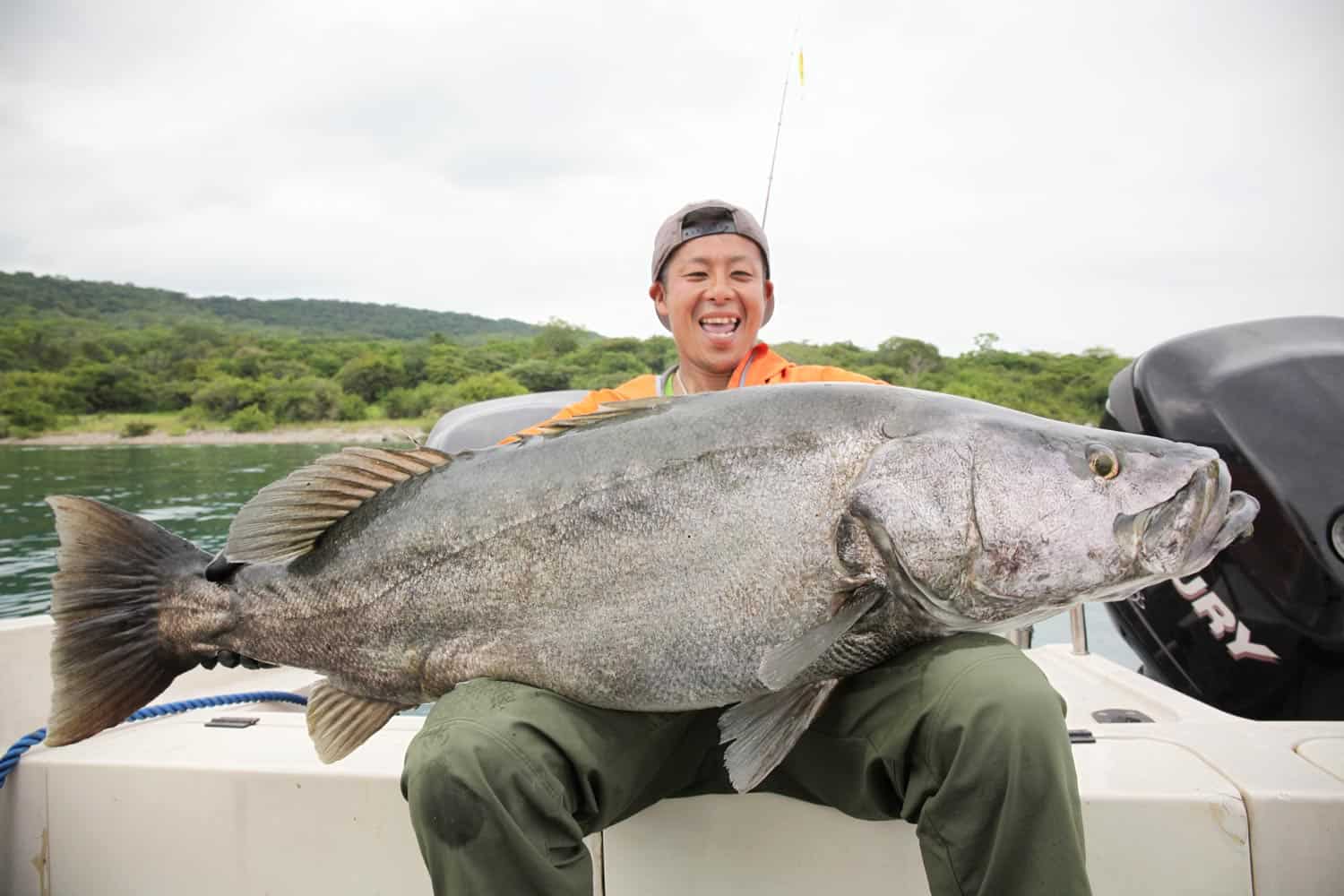
Larger, mature specimens, on the other hand, are most often encountered in deep pelagic zones—sometimes over 100 meters down. Anglers pursuing trophies need to adapt their tactics accordingly. Techniques such as vertical jigging with metal jigs, trolling with deep-diving crankbaits, or even using heavy sinking fly lines with streamers have proven successful for enticing strikes in the depths. The fight is powerful and headstrong, with the perch using its bulk and the vast water column to its advantage, making for a rewarding battle that rivals all other freshwater giants.

Conservation
In Zambia, the conservation of the Tanganyikan Perch (Lates angustifrons) is supported by several initiatives aimed at preserving fish populations and promoting sustainable practices. One key measure is the annual closed fishing season from May 15 to August 15, implemented jointly by the countries bordering Lake Tanganyika. This period allows fish to breed without disturbance, contributing to the replenishment of fish stocks.
Protected areas such as Nsumbu National Park play a significant role in safeguarding aquatic biodiversity. The park encompasses over 100 square kilometers of Lake Tanganyika’s waters, providing a sanctuary for various fish species, including the Tanganyikan Perch and Giant Cichlid. Efforts within the park, supported by the Nsumbu Tanganyika Conservation Program, include the establishment of Community Fisheries Management Committees. These committees empower local communities to manage fisheries sustainably, demarcate breeding areas, and enforce regulations against destructive fishing practices.
Furthermore, promoting catch-and-release sport fishing and eco-tourism offers economic incentives for conservation. By attracting tourists interested in sustainable fishing experiences, local communities can benefit economically while ensuring the long-term survival of the Tanganyikan Perch. These activities, when managed responsibly, help balance ecological preservation with community development.
The Tanganyikan perch is a true freshwater titan that deserves a spot on every serious angler’s bucket list— we’ve partnered with Ndole Bay Lodge to create a one-week fishing package specifically designed to target these legendary specimens; get in touch to secure your adventure. View package or get in touch below!