
Bucket List Species: Steelhead
Wild Steelhead in the Pacific Northwest
There are fish you catch, and then there are fish you chase. Steelhead belong to the second category. They’re not a numbers game, they’re not about quick success — they’re about devotion. Ask any steelheader and they’ll tell you: it’s about the rivers, the tradition, and that one heart-stopping grab that makes every empty cast worth it.
For traveling anglers, the Pacific Northwest is where this story begins. From California’s coastal rivers to Oregon’s basalt canyons, Washington’s rainforest streams, and British Columbia’s wild watersheds, this is steelhead country.
What is a Steelhead?
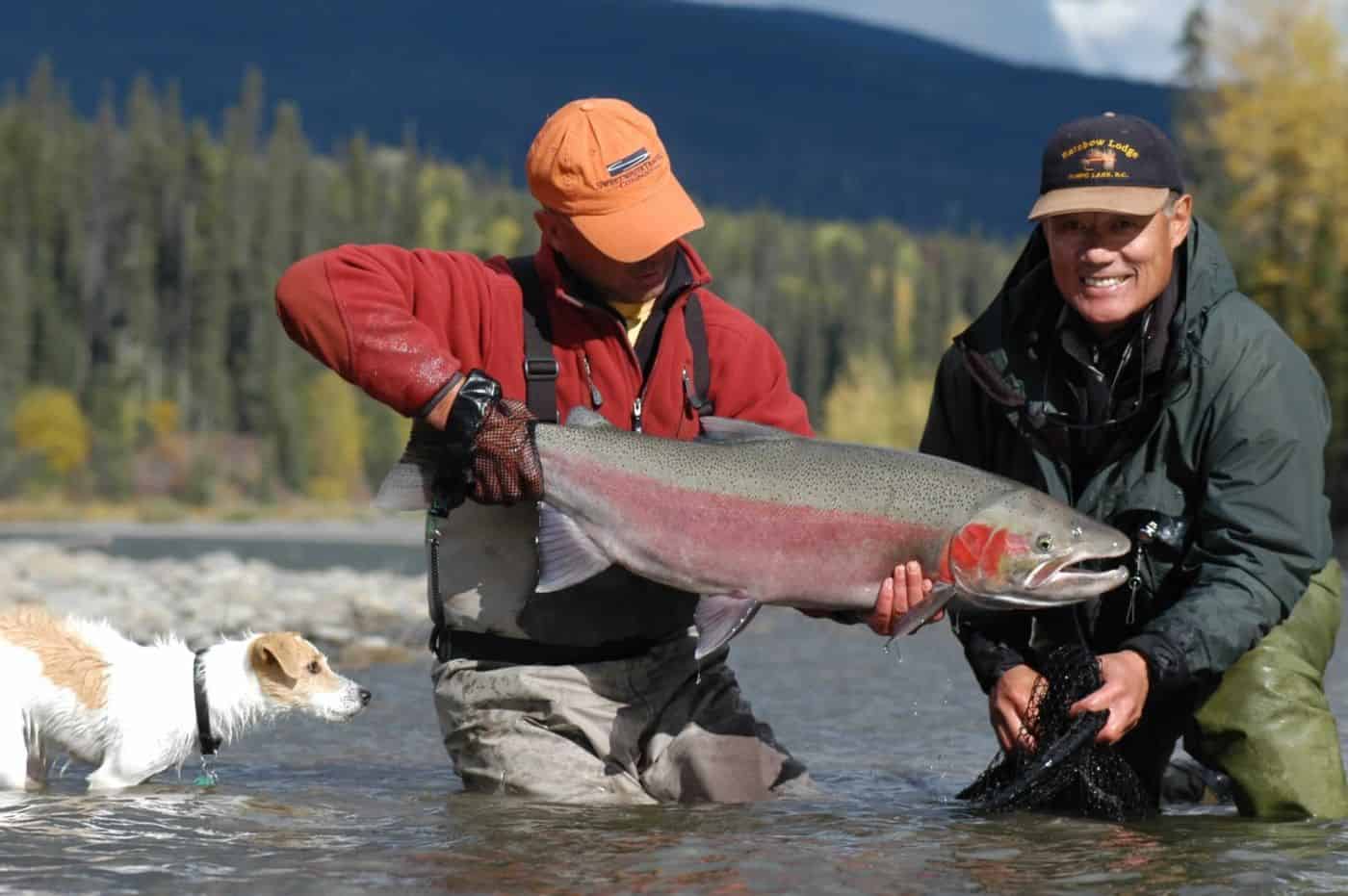
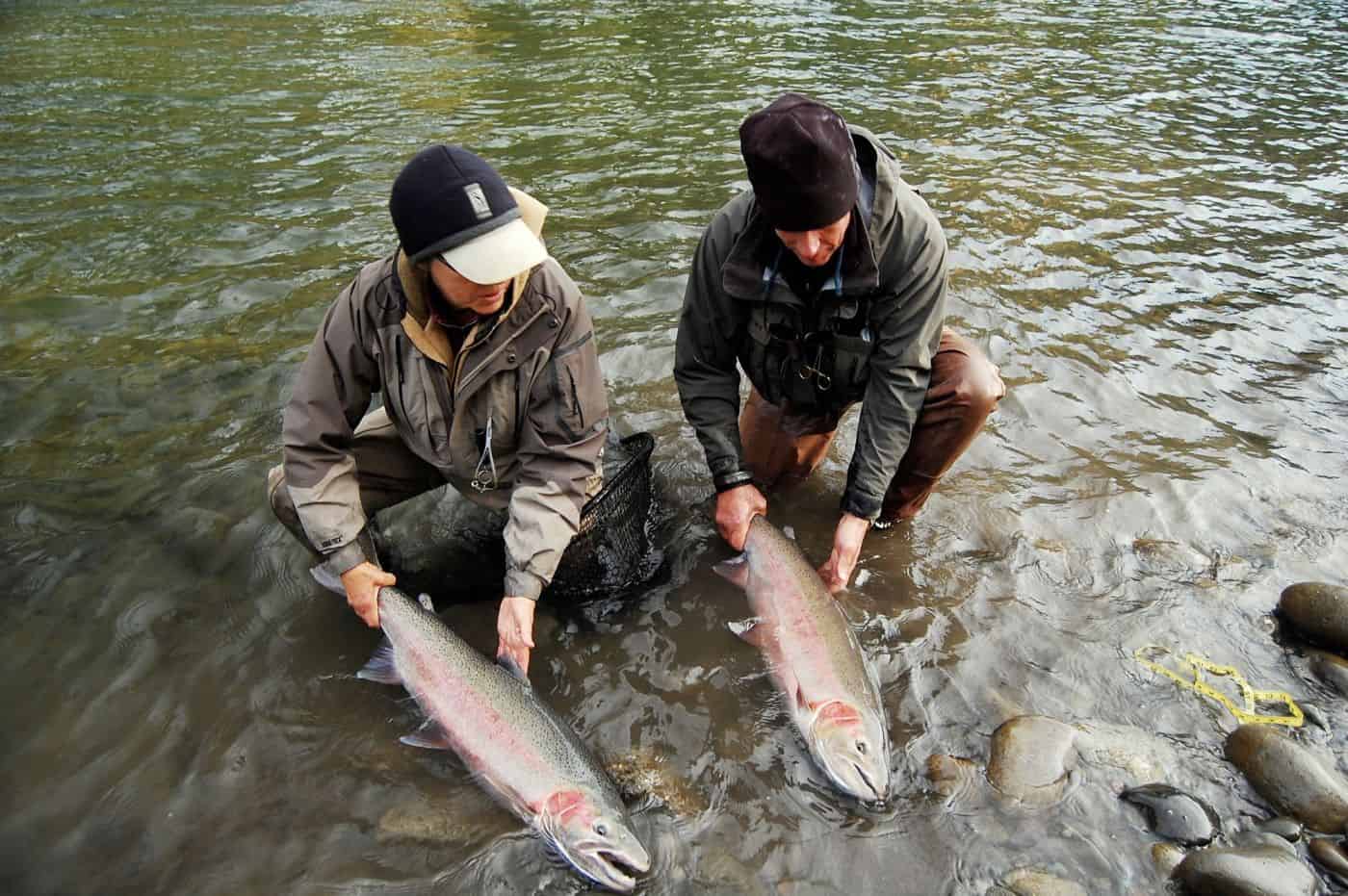
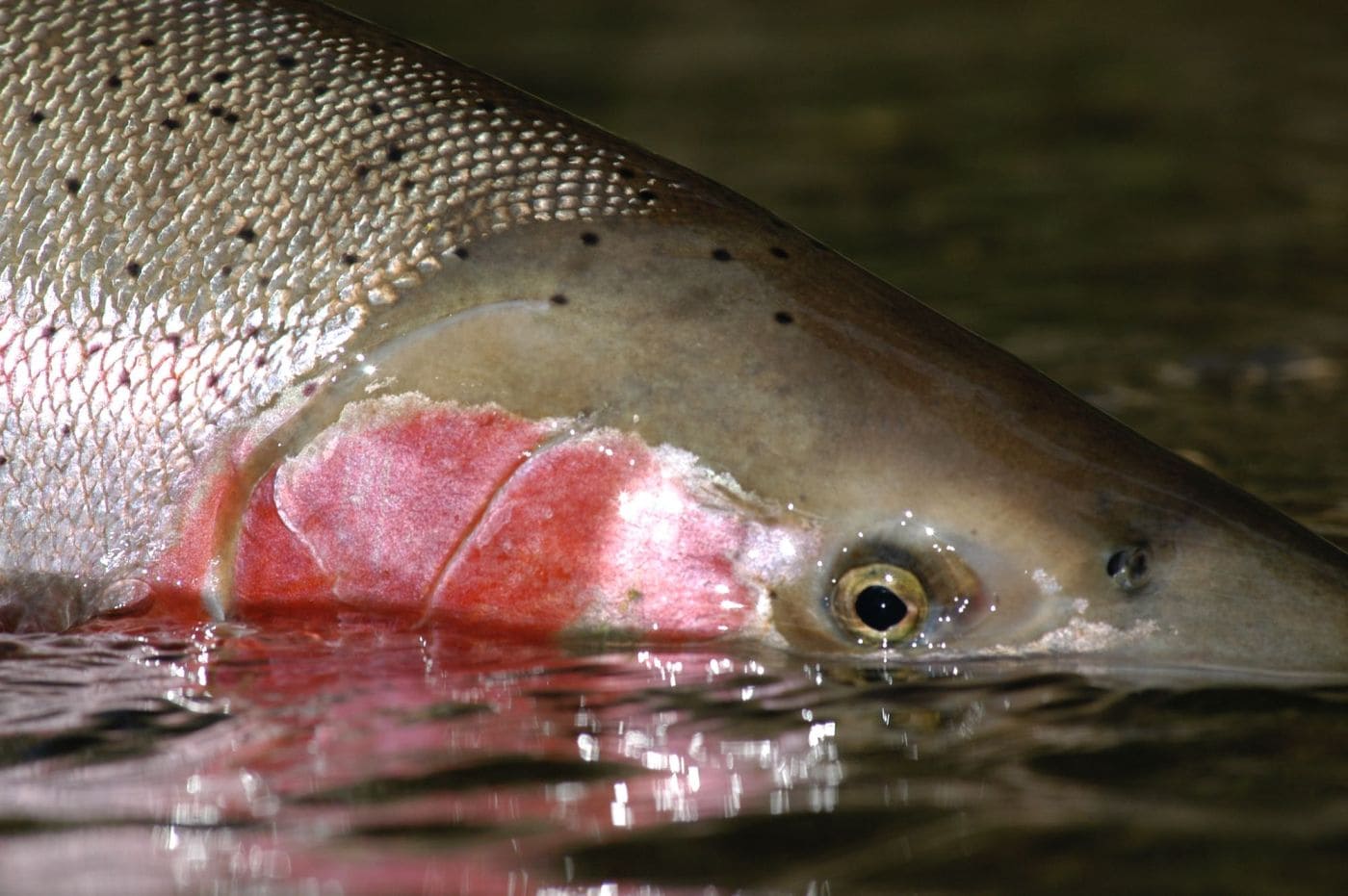
Steelhead (Oncorhynchus mykiss) are rainbow trout that have gone to sea. Born in freshwater, they migrate downstream as smolts, spend one to four years in the Pacific Ocean, then return to their natal rivers to spawn. This oceanic life supercharges them: while a stream-born rainbow might top out at a few pounds, steelhead routinely push 10–20 pounds, with true giants over 30 pounds.
Unlike salmon, they don’t always die after spawning. Some survive, return to the ocean, and repeat the journey — battle-scarred veterans known as “kelts.”
Summer vs. Winter Steelhead
One of the unique aspects of steelhead is that they come in two main flavors:
Summer-run Steelhead enter rivers between late spring and early fall. They are immature on arrival, hold in rivers through the winter, and spawn the following spring. Summer fish are often smaller but more aggressive, sometimes smashing flies on the surface.
Winter-run Steelhead arrive later, from November through April, already mature and ready to spawn. These fish are often larger, brighter, and incredibly powerful, encountered in the heavy flows of winter rains.
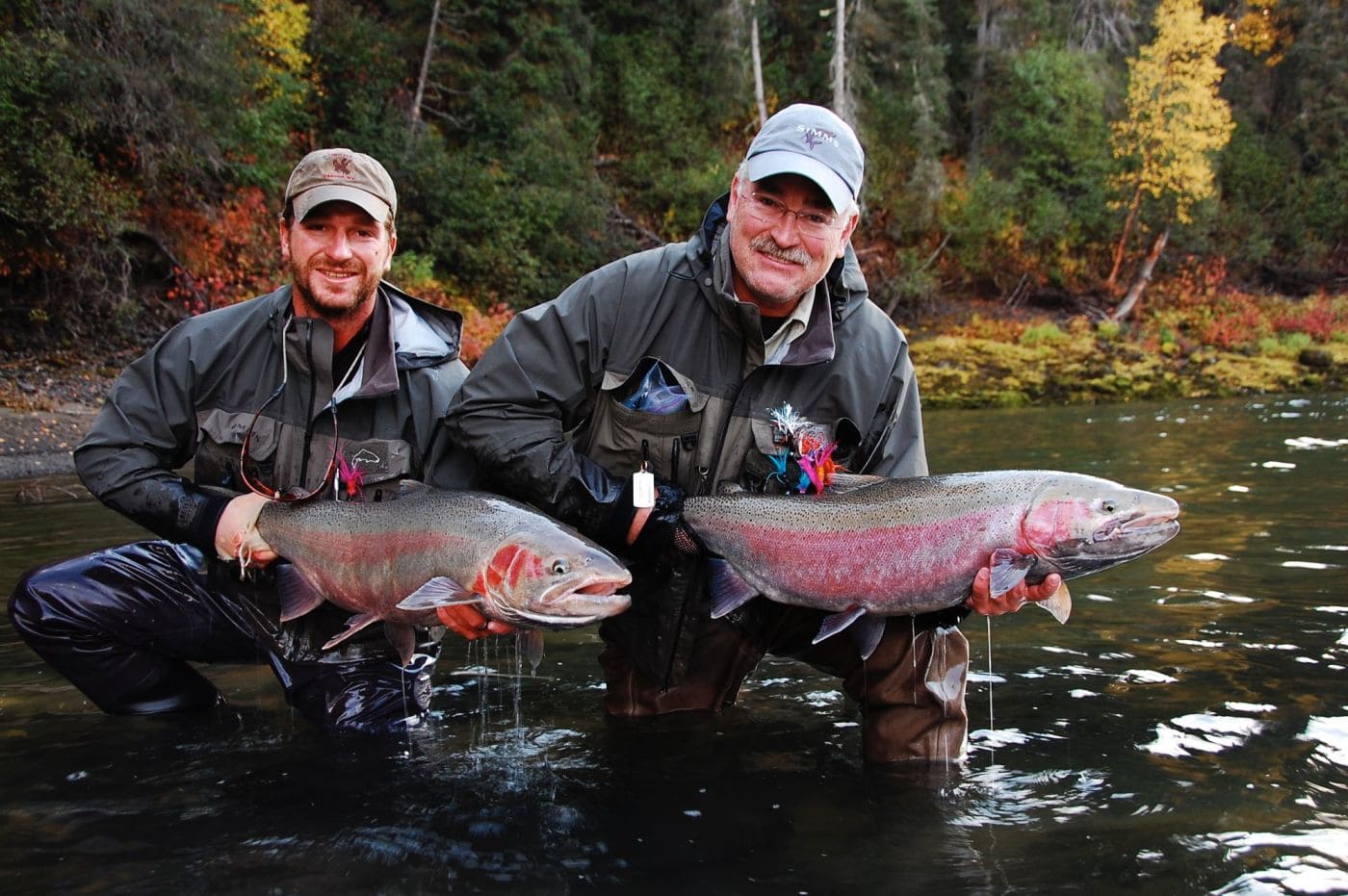
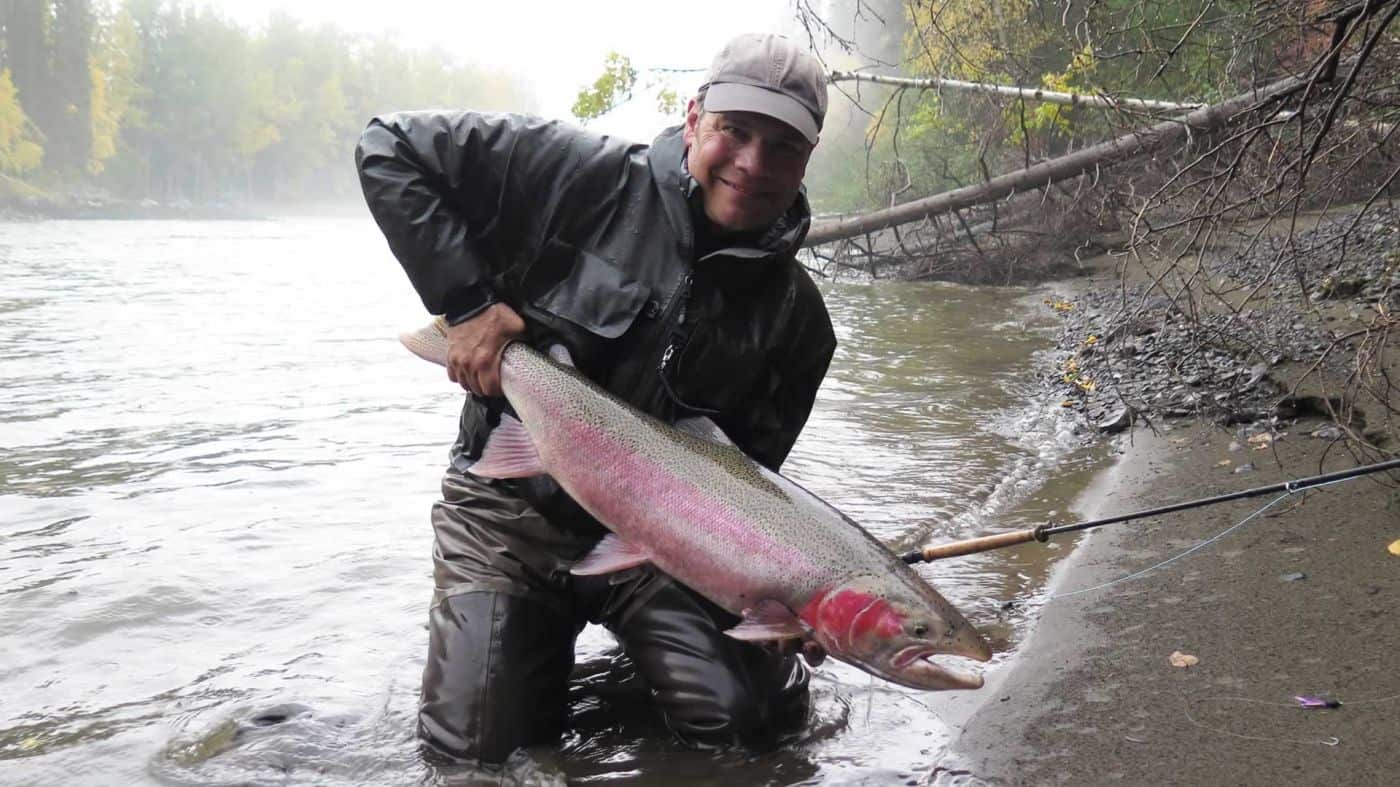
Geographically, wild steelhead are a fish of the Pacific Rim, but the heart of their story lies in the Pacific Northwest. From Northern California through Oregon and Washington, up into British Columbia and even parts of Alaska, these fish define rivers and cultures.
British Columbia: The Holy Grail
British Columbia is often considered the holy grail of wild steelhead fishing. The Skeena River and its tributaries such as the Bulkley, Babine, Kispiox, and Sustut are world famous for producing some of the largest steelhead on the planet, with fish over 30 pounds a real possibility. Vancouver Island adds another layer of history and wilderness, offering rivers that feel remote yet steeped in tradition. The Fraser watershed holds important runs as well, feeding a system that has long been central to both Indigenous culture and modern steelheading. Even the islands of Haida Gwaii hold hidden gems where steelhead return to small coastal streams, providing a more off-the-grid adventure in a place where fishing and wild country feel inseparable. For many anglers, British Columbia is the pinnacle of the pursuit, a place where the landscapes are as vast and untamed as the fish themselves.
Washington State
The Olympic Peninsula is the cultural heart of wild winter steelhead in the United States. Rivers like the Hoh, Sol Duc, Bogachiel, and Queets flow through dense temperate rainforest, their emerald-green currents framed by moss-draped trees and snowcapped peaks in the distance. These rivers produce some of the brightest and strongest winter fish in the Pacific Northwest, fresh from the ocean and built to handle heavy water. For many anglers, the Peninsula represents not just a destination but a rite of passage, where swinging flies in the rain and mist becomes part of the experience. It is a place where steelheading feels raw and elemental, with every grab carrying the weight of tradition and the promise of something unforgettable.


Tackle and Techniques
Chasing wild steelhead is as much about how you fish as where you fish. Each method carries its own culture, tradition, and following, and anglers are often fiercely loyal to their approach.
Fly Fishing
For many, swinging flies is the heart of steelheading. Long Spey rods, typically 12 to 14 feet in a 7–8 weight, allow anglers to cover wide runs with Skagit or Scandi shooting heads. The classic presentation is the swung fly — letting it arc across the current until it comes tight — and when a steelhead grabs, it is often explosive. Summer-run fish, particularly in British Columbia and Oregon, are also known to crush surface patterns like skaters and muddlers, a thrill that has become almost mythical in the steelhead world.
Conventional Gear
Not every steelheader fishes with a fly rod. Spinning and baitcasting setups are extremely effective, especially on the fast, high flows of winter rivers. Medium-heavy rods spooled with 12–20 lb test line are standard, matched with reels that can handle long, blistering runs. Techniques include drift fishing with natural baits like roe, shrimp, or worms, side-drifting with small soft plastics, or float fishing jigs through deep seams. On some rivers, spoons and spinners are deadly, provoking aggressive strikes from fish holding in heavy current.
Why Steelhead Deserve a Place on Your Bucket list
Wild steelhead embody everything we chase in fishing: power, beauty, rarity, and wilderness. These sea-run rainbows are not a numbers game — they are the ultimate test of patience and skill, rewarding persistence with a single grab that can change the way you see rivers forever. To stand knee-deep in a misty Pacific Northwest stream, swinging for a chance at chrome-bright steel, is to connect with one of the last true icons of the wild.
Ready to chase wild steelhead? Let Bucket List Fishing Trips help you plan the journey, from the rivers of British Columbia to the Olympic Peninsula, and give you a shot at the fish of a lifetime.
Frequently Asked Questions:
When is the best time to fish for wild steelhead?
It depends on the run. Summer steelhead enter rivers from late spring through fall, while winter steelhead arrive from December through April. In British Columbia and the Olympic Peninsula, prime time often means late summer to early fall for summer runs, and January to March for winter fish.
Can you keep wild steelhead?
In most of the Pacific Northwest, wild steelhead are strictly catch-and-release. Anglers can sometimes retain hatchery-raised steelhead, identified by a clipped adipose fin, but wild fish must be released unharmed.
What’s the best way to target them on the fly?
Swinging flies with a Spey rod is the classic approach. Most anglers use 7–8 weight two-handers with Skagit or Scandi heads depending on conditions. In summer, surface flies like skaters can be deadly, while in winter heavier sink tips and larger patterns help reach fish holding deep.