
Bucket List Species: Peacock Bass
Chasing Peacock Bass in the Amazon: What Every Angler Should Know
There’s nothing quite like the explosive topwater hit of a peacock bass in the Amazon. If you’ve ever fished for them, you know what I’m talking about. If you haven’t, you’re in for one hell of a ride. These fish aren’t just beautiful; they fight like nothing else, and the environments they live in are as wild as it gets.
As anglers, we’re always looking for that next trip, that next challenge, that next fish that puts everything else on hold. Peacock bass check all those boxes. But there’s more to the story than just aggressive strikes and jungle scenery. Let’s break it down—what it’s actually like to fish for peacock bass in South America, what you need to know before you go, and how to make sure your trip is worth every minute.
What Makes Peacock Bass So Special?
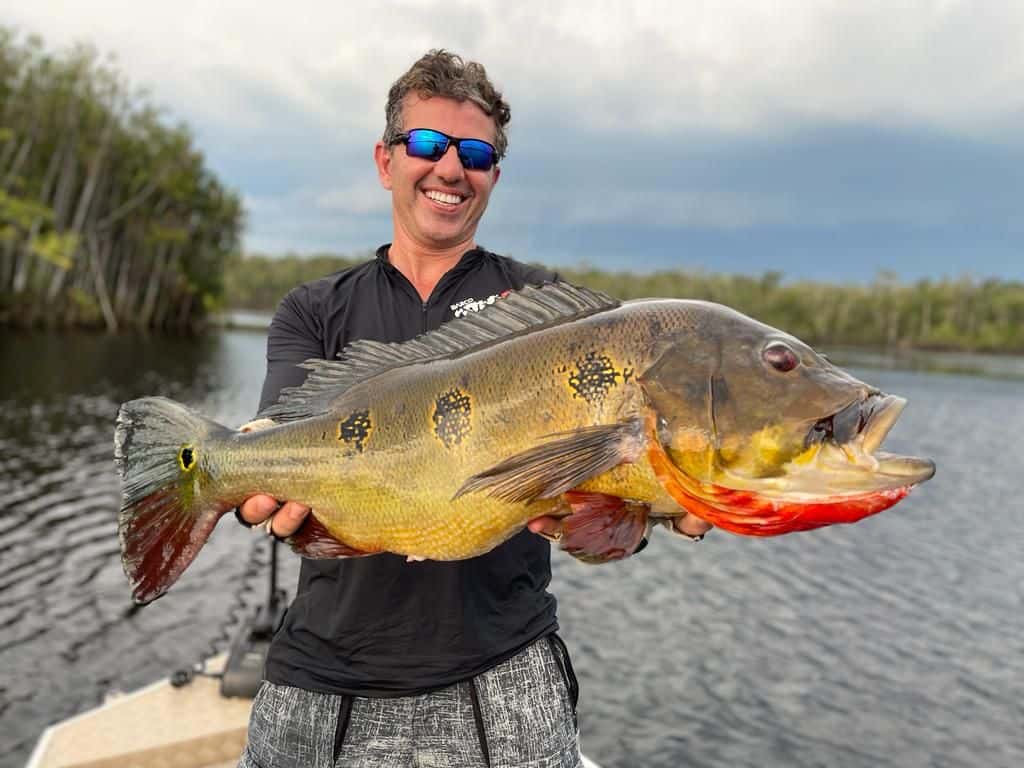
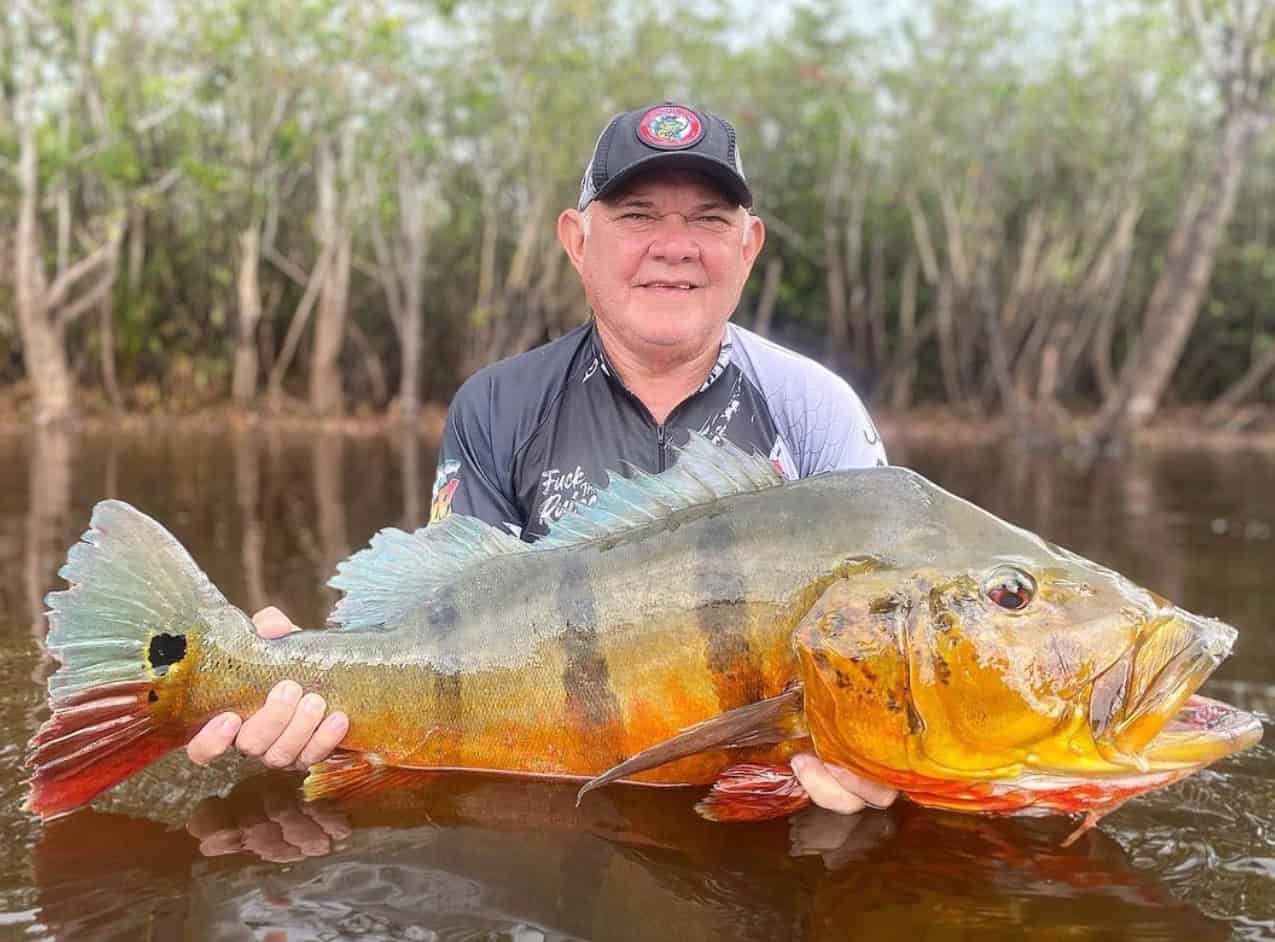
Peacock bass (Cichla spp.) are not bass at all, but a member of the cichlid family. Native to the Amazon and other parts of South America, they’ve built a reputation as one of the hardest-hitting freshwater species out there. Their aggression, strength, and tendency to attack topwater lures with zero hesitation make them a bucket list species for serious anglers. Depending on the region and specific river system, you might encounter different species of peacocks. Temensis is the largest and most sought-after. These fish can exceed 20 pounds, and in some remote areas, 25 to 30+ pounders are a real possibility. Then there are butterfly peacocks—smaller but often more plentiful and just as scrappy.



When to Go
The Amazon basin is massive, and fishing seasons vary depending on rainfall and river levels. Most lodges operate during the low water season, typically between August and March, when water levels drop and baitfish concentrate, pulling peacocks into smaller, more accessible lagoons and creeks. In general, Brazil (Rio Negro, Rio Marie, etc.) is best between September and February. Colombia (upper Rio Vaupés, tributaries) is prime from January through March. Peru is more variable depending on the river system, but often fishes best August to November. Each region has its sweet spot, and timing is everything. That’s where good planning and the right outfitter make a big difference.
The Gear That Gets It Done
Leave your ultralights at home. Peacock bass demand stout gear. These aren’t delicate fights—they’re fast, brutal, and often over before you know what hit you. Use medium-heavy to heavy baitcasting rods, 6’6” to 7’6” with fast action. Pair them with high-speed baitcasters that have strong drag systems, ideally offering 20 pounds of drag or more. For line, go with 65 to 80 lb braid. You’ll be ripping lures through heavy timber, structure, and stained water. Topwaters are king—big prop baits, walk-the-dog lures, and chuggers. Subsurface options like large jigs, swimbaits, and jerkbaits also work well. Bring backups. The Amazon is hard on gear, and if something breaks, you’re usually a long way from the nearest tackle shop.
The Fishing Experience
Most anglers are surprised at just how remote these operations are. Whether you’re based out of a floating lodge or a jungle camp, you’re deep in the heart of the rainforest, often accessible only by bush plane or long boat rides. You’ll be fishing side channels, lagoons, oxbows, and backwater creeks. Guides—usually local experts who’ve grown up on the river—know exactly where to find fish and how to read the changing water conditions. In many areas, you’ll be targeting specific structure: submerged wood, current seams, sandy points, and fallen trees. Sight-fishing is possible in clear water, but in the blackwater rivers like the Rio Negro, you’re relying more on experience, instinct, and educated casts. The days are long, the heat is real, and the reward is that heart-pounding moment when a 15 to 20 lb peacock detonates on your lure, runs you into the jungle, and forces you to earn every inch of line back.
The Logistics of Getting There
Traveling to the Amazon isn’t overly complicated, but it does require some prep. You’ll fly into a major hub like Manaus in Brazil, Bogotá in Colombia, or Iquitos in Peru, depending on your destination. From there, you’ll usually take a charter flight or boat transfer to your lodge or mothership. The yellow fever vaccine is often required or recommended, and malaria prophylaxis is also a consideration—check with a travel doctor. Many operations have strict weight limits due to small charter planes, so pack smart. Soft duffel bags are usually preferred over hard cases. Don’t worry—our team helps with every step, including flight suggestions, packing lists, and visa or vaccine guidance.


Picking the Right Destination
This part matters. There’s no best peacock bass destination—there’s only what’s best for you. Some rivers are better for numbers, some for size. Some lodges are more rustic, others offer luxury. Some trips involve long days in technical skiffs, while others are more relaxed. Are you after trophy fish? Do you want a comfortable camp with air conditioning and cold beer? Traveling solo, or bringing a group? These details shape the trip, and choosing the right location makes all the difference between a decent week and a trip you’ll never forget.
Whether you’re looking to chase giants on the Rio Marie or cast poppers into jungle creeks in Colombia, we’ll match you with the lodge, guide team, and river system that fits your fishing style, timeline, and goals. Anglers looking to plan a trip to target peacock bass should reach out to us—one of our experts will help walk you through the options and recommend the destination that suits you best. It’s not just about catching fish. It’s about doing it right, in the kind of place that stays with you long after the last cast.
Explore Peacock Bass Trips
Frequently Asked Questions:
What makes Peacock Bass fishing in the Amazon unique?
The Amazon is the heartland of Peacock Bass, particularly the giant Cichla temensis, which can grow to over 25 pounds. Unlike many gamefish, Peacock Bass are incredibly aggressive, often smashing surface lures with explosive strikes. The Amazon’s maze of lagoons, oxbow lakes, and jungle rivers creates the perfect habitat for these predators. Anglers come here not only for numbers but for size, as this region consistently produces world-record class fish.
When is the best time to fish for Peacock Bass in the Amazon?
The peak season generally runs during the low-water months, when receding river levels concentrate baitfish and big Peacock Bass into lagoons and channels. Timing varies by region but usually falls between September and March. During these months, anglers enjoy clearer water and more aggressive feeding behavior, making it easier to spot and target trophy fish on both fly and conventional tackle.
What techniques and gear work best for Peacock Bass fishing?
Peacock Bass are renowned for their violent surface strikes, so topwater lures like large prop baits, chuggers, and stickbaits are a favorite choice. Heavy-duty spinning or baitcasting gear spooled with strong braided line (50–80 lb) is essential, as these fish fight dirty and dive for structure. Fly anglers often use 8–10 weight rods with big streamers or poppers to entice strikes. Regardless of method, sturdy hooks and reliable drag systems are critical, as Peacock Bass are among the hardest-hitting freshwater fish in the world.