Bucket List Species: Payara
Payara: South America's Vampire fish
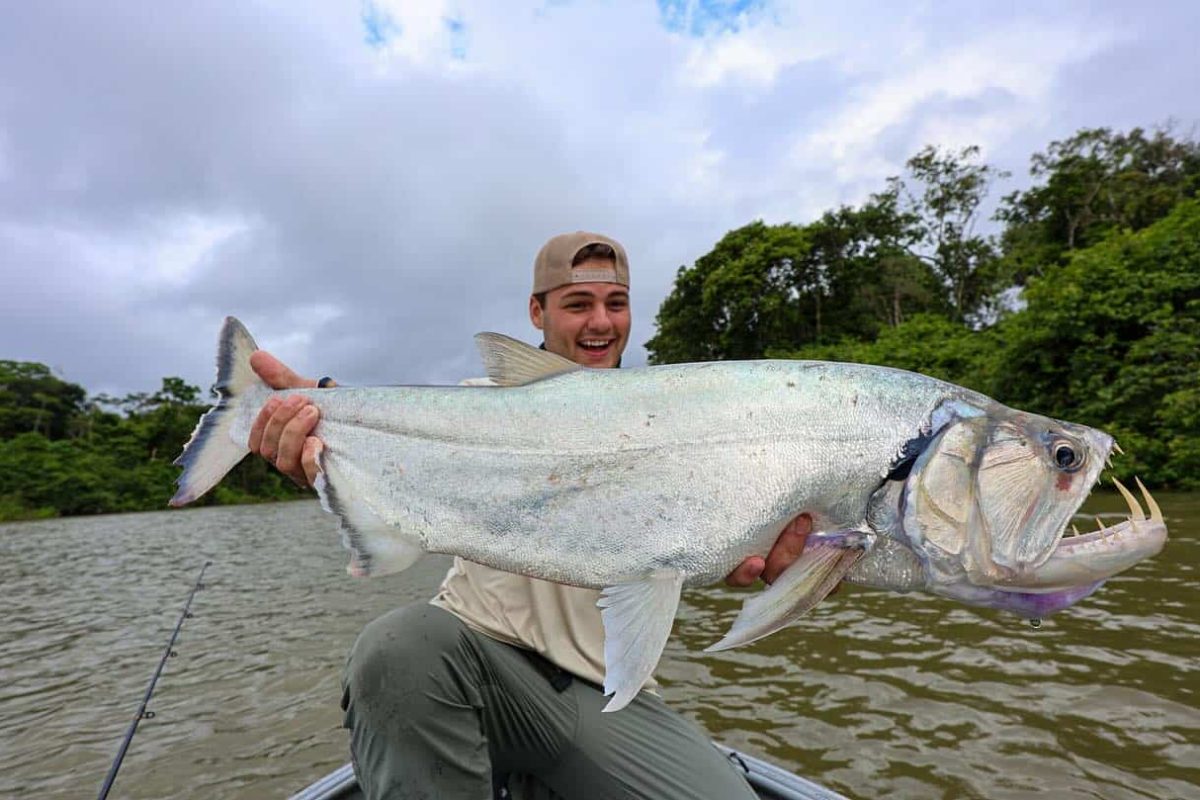
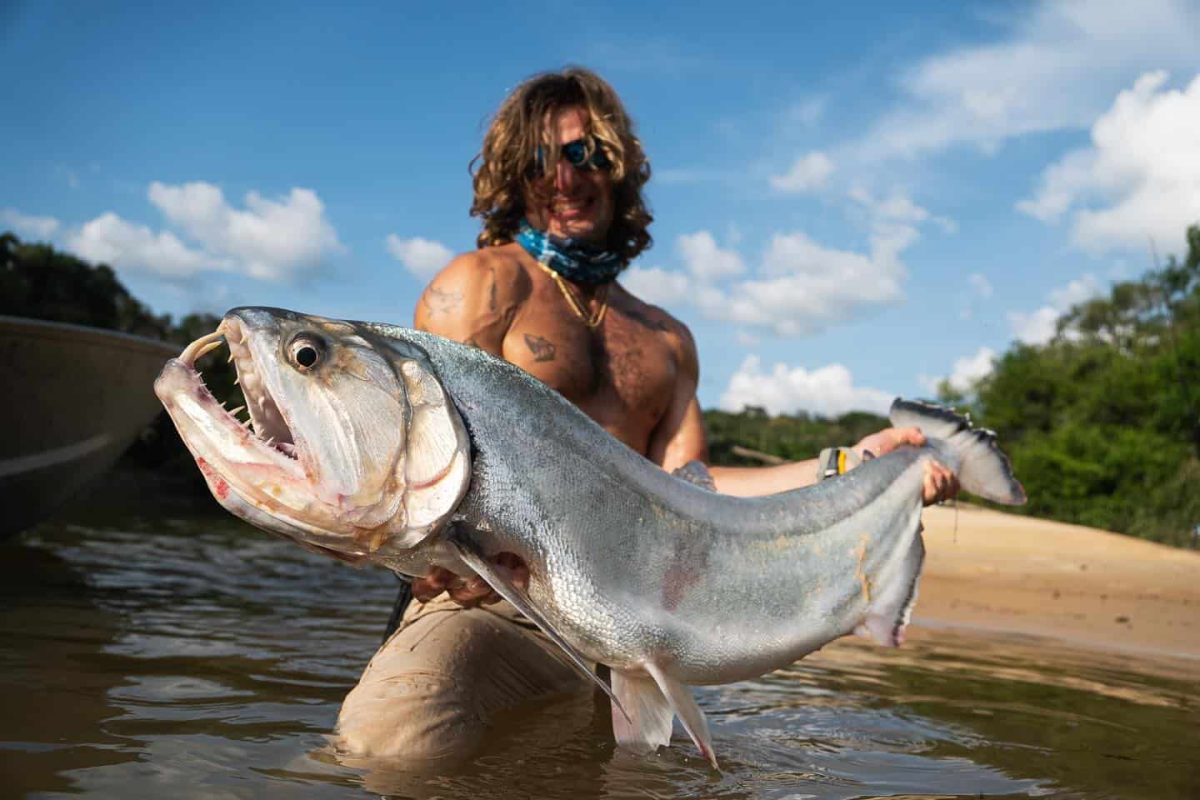
The Payara, scientifically known as Hydrolycus scomberoides, is a fascinating species that inhabits the tropical rivers and floodplains of South America. Often referred to as the “vampire fish” due to its distinctive fang-like teeth, the Payara is a a species that needs to be on every anglers bucket list.
For traveling anglers, the Payara represents an exciting challenge and unforgettable experience. With its unique appearance, powerful strikes, and crazy acrobatics, catching a Payara can be the highlight of any fishing expedition.
WHAT MAKES THE PAYARA SO UNIQUE?
The Payara’s most striking feature is its long, fang-like teeth, which give it the nickname “vampire fish.” These elongated canines, which can grow up to 6 inches in length, are used to grab and hold prey, making the Payara a formidable predator.
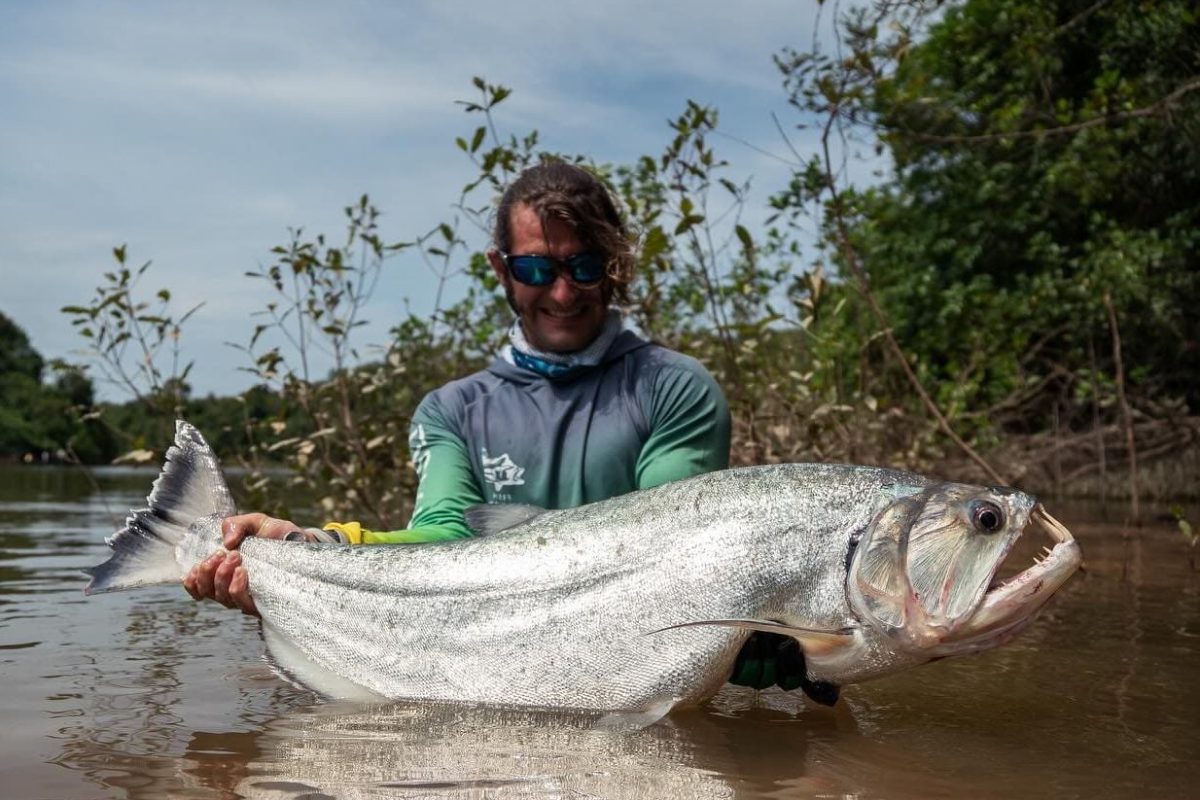
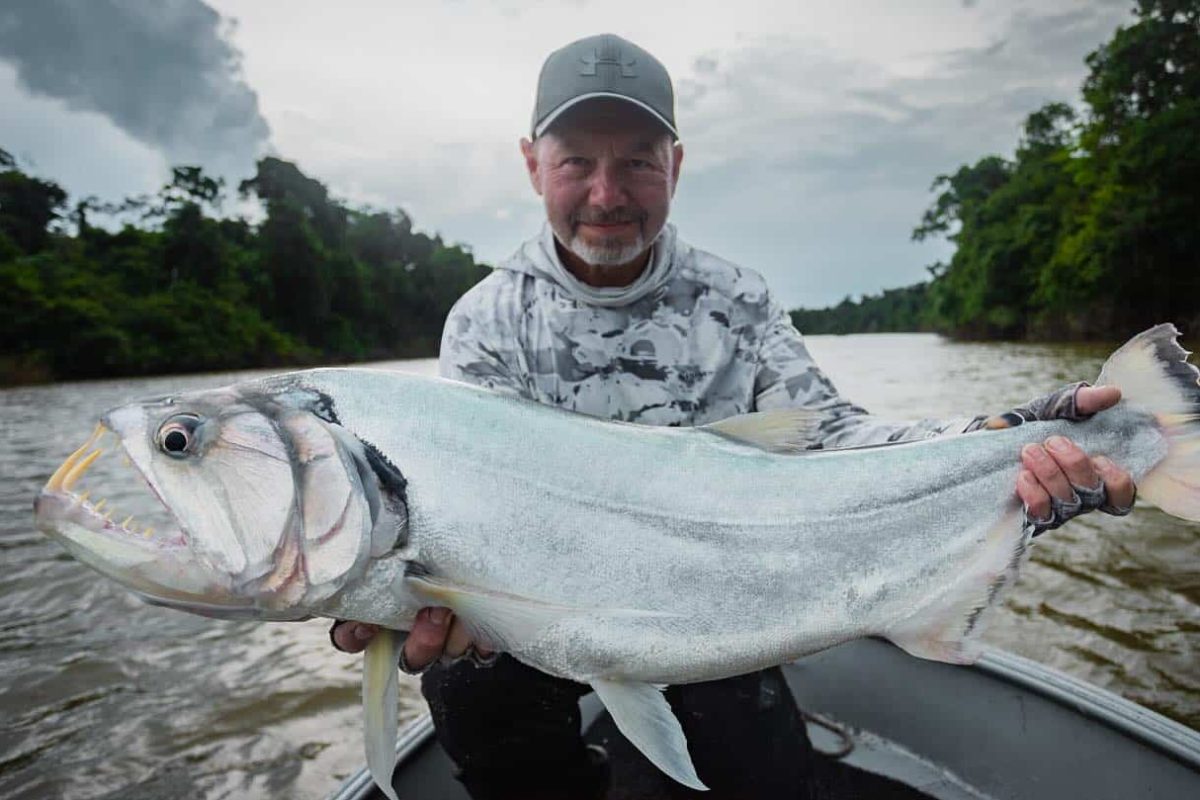
- Physical Appearance: It sports a sleek, torpedo-shaped body ideal for fast swimming and ambushing prey. Its silver or grey coloration helps it blend into the river environment, while its impressive teeth are both a visual marvel and a crucial hunting tool.
- Size: Expect Payaras to reach lengths of up to 3.5 feet (1 meter) and weights of up to 20 pounds (9 kg). A trophy Payara is a fish in excess of 30 pounds. Their size and strength make them a rewarding catch for experienced anglers.


HABITAT AND DISTRIBUTION
The Payara is native to the Amazon and Orinoco river basins, which span across several countries, including Brazil, Venezuela, Colombia, and Peru. These regions are characterized by their complex network of rivers, streams, and floodplains, which provide a rich array of resources for the Payara.
- Preferred Environments: Payaras are commonly found in fast-moving river currents, but they can also adapt to slower, floodplain environments. They tend to inhabit areas with abundant cover, such as submerged logs and dense aquatic vegetation, which provide both hunting grounds and protection.
- Water Conditions: They thrive in warm, tropical waters with temperatures ranging from 24°C to 28°C (75°F to 82°F). The water quality in their habitats is usually low in dissolved minerals and high in organic matter, contributing to the biodiversity of their ecosystems.
DIET AND FEEDING BEHAVIOUR
The Payara is a carnivorous predator with a diet primarily consisting of smaller fish, including other characins, catfish, and occasionally, small amphibians. Their hunting strategy involves:
- Ambush Predation: Payara’s often employ an ambush strategy, lurking in wait until a suitable prey comes within striking distance. Their powerful jaws and sharp teeth are used to grab and hold onto their prey with precision.
- Feeding Adaptations: The elongated fangs of the Payara are adapted for piercing and holding prey. These teeth can penetrate the tough scales and flesh of other fish, allowing the Payara to feed effectively on its chosen diet.


TACKLE & TACTICS
Fishing for Payara is an exhilarating experience that requires specialized tackle and techniques. Whether you’re using spinning, bait-casting, or fly fishing, the key to success is understanding the Payara’s behavior and adapting your approach to the fast-moving waters of the Amazon and Orinoco rivers.
SPINNING TACKLE
Rod and Reel:
- Rod: Use a medium-heavy to heavy spinning rod rated for 20-40 lb test line. The rod should be long enough (6.5 to 8 feet) to make powerful casts and offer the backbone needed to fight a large Payara in strong currents.
- Reel: A 4000 – 5000 size spinning reel with a smooth drag system is essential. Look for reels with a line capacity of at least 200 yards of 30-50 lb braid.
Line:
- Main Line: Use a braided line in the 30-50 lb test range. Braided lines offer high strength and minimal stretch, which is crucial for setting the hook and fighting large fish.
- Leader Line: A fluorocarbon or steel leader of 50-80 lb test will help prevent the Payara’s sharp teeth from cutting through the line. Leaders should be about 18-24 inches long.
Lures:
- Types: Lures that can withstand powerful strikes and strong currents are ideal. Consider using jerkbaits, swimbaits, and large spoons. Payaras are also attracted to topwater lures like buzzbaits and poppers.
- Colors: Bright and flashy colors such as silver, gold, and chartreuse often work well in the murky waters of the Amazon and Orinoco rivers.
FLY FISHING TACKLE
Rod and Reel:
- Rod: A heavy fly rod, typically 8 to 10 weight, is suitable for casting large flies and handling the size and power of the Payara. The rod should be 9 to 10 feet in length.
- Reel: A robust fly reel with a strong drag system and ample line capacity is necessary. Look for reels designed for large freshwater species, with a capacity for at least 200 yards of backing plus fly line.
Line:
- Fly Line: Use a weight-forward fly line in the 8 to 10 weight range to handle the larger flies and to cast effectively in the strong currents.
- Backing: High-strength backing of 20-30 lb test is important to handle the long runs of a Payara.
Flies:
- Types: Large, streamers that mimic baitfish are effective. Patterns like large deceivers, zonkers, and baitfish imitations in colors like white, black, and chartreuse are good choices.
- Techniques: Cast the fly into fast currents and allow it to drift naturally. Retrieve with quick, jerky movements to mimic the action of a fleeing baitfish.
PREPARATION
Traveling to the Amazon and Orinoco rivers for a Payara fishing adventure requires careful preparation to ensure a comfortable and successful trip. The weather in these regions is typically hot and humid throughout the year, with temperatures ranging from 24°C to 32°C (75°F to 90°F). Expect high humidity, which can make the heat feel more intense.
Packing Essentials:
-
Clothing: Lightweight, moisture-wicking clothing is crucial to stay cool and dry. Long-sleeve shirts and long pants made from breathable fabrics offer protection from the sun and insects. Include a wide-brimmed hat and polarized sunglasses to shield yourself from UV rays. Waterproof clothing, such as a rain jacket and pants, will be beneficial for unexpected downpours.
-
Footwear: Durable, quick-drying shoes or boots with good grip are essential for navigating wet and muddy terrain. Consider bringing an extra pair of sandals or water shoes for added comfort when wading or traveling by boat.
-
Fishing Gear: Ensure your tackle, lures, and other fishing equipment are well-packed and organized. It’s a good idea to bring extra line, leaders, and hooks as replacements might be difficult to find locally.
-
Health and Safety Items: Pack insect repellent with DEET to guard against mosquitoes, which can carry diseases. A comprehensive first-aid kit, including medications for common ailments and motion sickness, is also advisable. Don’t forget sunscreen, personal hygiene items, and anti-malarial medication if recommended by a healthcare professional.
-
Travel Documents: Carry necessary travel documents, including your passport, visa (if required), and any permits for fishing. It’s also wise to have a copy of these documents stored separately from the originals.
-
Other Useful Items: Bring a reusable water bottle to stay hydrated and a portable charger for your electronics. Binoculars can enhance your wildlife viewing experience, and a camera or smartphone with a waterproof case will help you capture the adventure.
Preparing thoroughly will help ensure a smooth and enjoyable fishing trip, allowing you to focus on the excitement of fishing in one of the most extraordinary natural environments on Earth. A full packing and tackle list will be sent to anglers pre-trip.
HOW TO GET THERE
Traveling to Colombia or Brazil from North America or Europe involves a few straightforward steps. For both destinations, the most common entry point is through major international airports in the capital cities: Bogotá (El Dorado International Airport) for Colombia and São Paulo (São Paulo/Guarulhos–Governador André Franco Montoro International Airport) or Rio de Janeiro (Galeão International Airport) for Brazil. From North America, direct flights are available from cities like Miami, New York, and Toronto to these major airports. Direct flights are also available from Miami to Manaus, Brazil. From Europe, major hubs such as London, Madrid, and Paris offer direct flights to Colombia and Brazil.
Anglers generally overnight in one of these hub cities before boarding a short charter or domestic flight to the fishing grounds the following day.
The Orinoco River basin and Amazonas province of Brazil are arguably the top regions to target trophy Payara.
Fishing generally takes place from December through April. This coincides with the dry season, when the rivers drop and the fish enter the main channels and lagoons, creating an underwater world teaming with an abundance of predatory fish seen nowhere else.
FISHING LOCATIONS
Orinoco River: The Orinoco River, flowing through Venezuela and Colombia, is renowned for its fast currents and abundant Payara population. Look for fishing spots near rapids, river bends, and areas with submerged structures.
Amazon River: The Amazon River and its tributaries offer diverse fishing environments, from swift currents to slower pools. Payaras can be found in areas with strong flows and ample cover.
Other Notable Rivers: The Rio Negro, a major tributary of the Amazon, and smaller rivers and streams throughout the Amazon Basin also provide excellent Payara fishing opportunities.
For more information on a bucket list Payara fishing trip, submit a request below or click on this link.
For more bucket list adventures, follow us on Instagram. To plan your next bucket list fishing trip, be sure to have a look at our Trip Calendar.
Included:
Round-trip transfers, including domestic flights and/or charter flights.
Hotel accommodation on arrival & departure.
Lodging in the jungle.
Seven days guided fishing with experienced guides..
All meals, snacks, soft drinks & beers at the camp.
Double occupancy rooms, with en-suite bathrooms.