
Bucket List Species: Marble Trout
Marble Trout: The Crown Jewel of Slovenia
The marble trout (Salmo marmoratus) is a species of freshwater fish belonging to the Salmonidae family, known for its unique marbled coloration, large size, and limited geographic range. It is one of the most visually striking trout species and is native to the rivers and lakes of the Adriatic basin in southern Europe. This fish has fascinated biologists, conservationists, and anglers alike due to its rarity, distinctive appearance, and ecological significance.
Physical Characteristics
The marble trout is easily recognizable by its intricate marbled pattern that covers its body. This pattern consists of irregular, wavy blotches in shades of green, gray, or brown, blending into the fish’s background coloration. Unlike many trout species, it lacks the prominent black and red spots typically seen in brown trout.
This species can grow to impressive sizes, with some individuals reaching lengths of over 1.2 meters and weighing more than 20 kilograms. Such growth is unusual for most trout species, and marble trout owe their large size to their high-protein diet, which includes aquatic insects, crustaceans, and, in many cases, smaller fish. Their elongated bodies and powerful tails make them well-adapted to living in fast-flowing, oxygen-rich rivers.
Geographic Distribution and Habitat
Marble trout are endemic to a small region in Europe, specifically the Adriatic basin. They are found in rivers and lakes in Slovenia, Italy, Bosnia and Herzegovina, and Montenegro. One of the most famous and ecologically important populations exists in Slovenia’s Soča River, a waterway known for its turquoise waters and dramatic alpine surroundings. Other important rivers include the Idrijca and Neretva.
This species thrives in cold, clear rivers with rocky or gravelly bottoms. They prefer deep pools, undercut banks, and areas with strong currents where they can ambush prey. Their habitat requirements make them highly sensitive to environmental changes, including pollution, water temperature fluctuations, and habitat destruction.
Evolution and Adaptations
The marble trout is a prime example of a species that has evolved in isolation. It is believed to have diverged from brown trout (Salmo trutta) during the last Ice Age when glacial activity separated fish populations in different river systems. This geographic separation allowed marble trout to develop distinct genetic and physical traits.
One of its most notable adaptations is its ability to withstand strong currents and fast-moving water, which is common in mountain rivers. It also has a highly efficient predatory strategy, using its excellent camouflage and ambush tactics to capture prey.
Unlike some trout species that exhibit migratory behavior, marble trout are mostly resident fish, meaning they remain within the same river system for their entire lives. However, they can move between deeper and shallower sections depending on seasonal conditions.
Threats and Conservation
Historically, marble trout populations faced significant threats due to habitat destruction, pollution, overfishing, and, most notably, hybridization with introduced brown trout. Hybridization was a major concern because it led to genetic dilution, reducing the number of pure marble trout. This problem was especially severe in areas where brown trout were stocked for sport fishing.
In recent decades, conservation efforts have successfully restored marble trout populations, particularly in Slovenia. Scientists and environmental organizations have undertaken genetic studies to identify and preserve pure-strain individuals. Strict fishing regulations, restocking programs, and habitat restoration projects have helped ensure that marble trout continue to thrive in their native waters. One of the most successful projects has been the effort to remove hybridized populations and reintroduce genetically pure fish to select rivers.
Interesting Facts
- Marble trout are one of the largest trout species in the world, with some specimens reaching weights comparable to those of large salmon.
- Unlike many other trout species, marble trout have very few, if any, black or red spots, making their marbled pattern their most distinguishing feature.
- Due to their isolated evolution, marble trout have developed unique genetic markers, distinguishing them from other trout species.
- They are highly aggressive predators and have been observed feeding on other fish, sometimes even preying on smaller members of their own species.
- Their ability to blend into rocky riverbeds makes them difficult to spot, providing excellent protection from predators and making them successful ambush hunters.
- Some populations of marble trout have been known to live for over 15 years, significantly longer than many other trout species.
The marble trout is a fascinating species, its limited range, evolutionary history, and striking appearance make it one of the most remarkable trout species in the world. Thanks to dedicated conservation efforts, marble trout populations are now more stable, allowing future generations to appreciate and study these incredible fish.
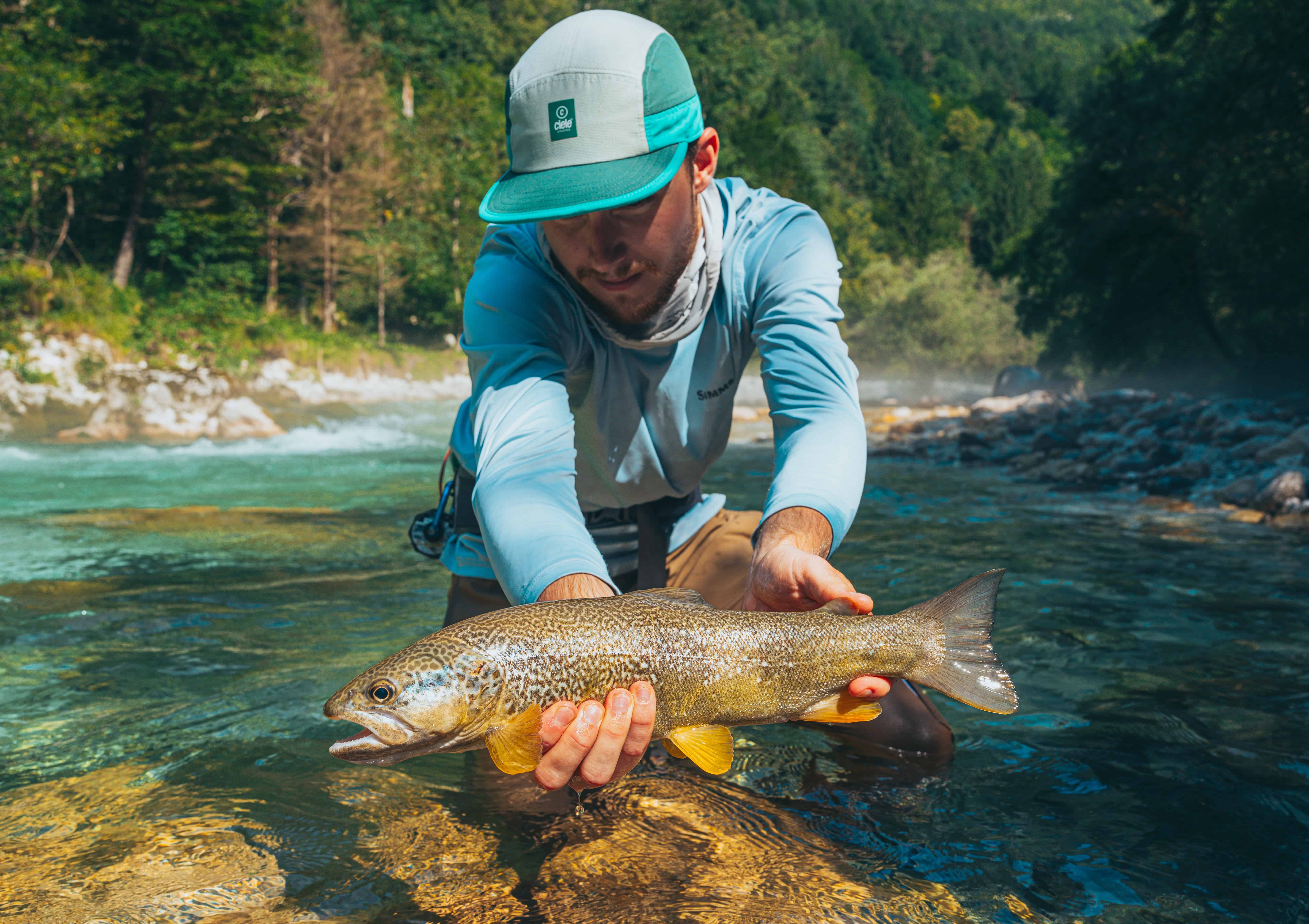
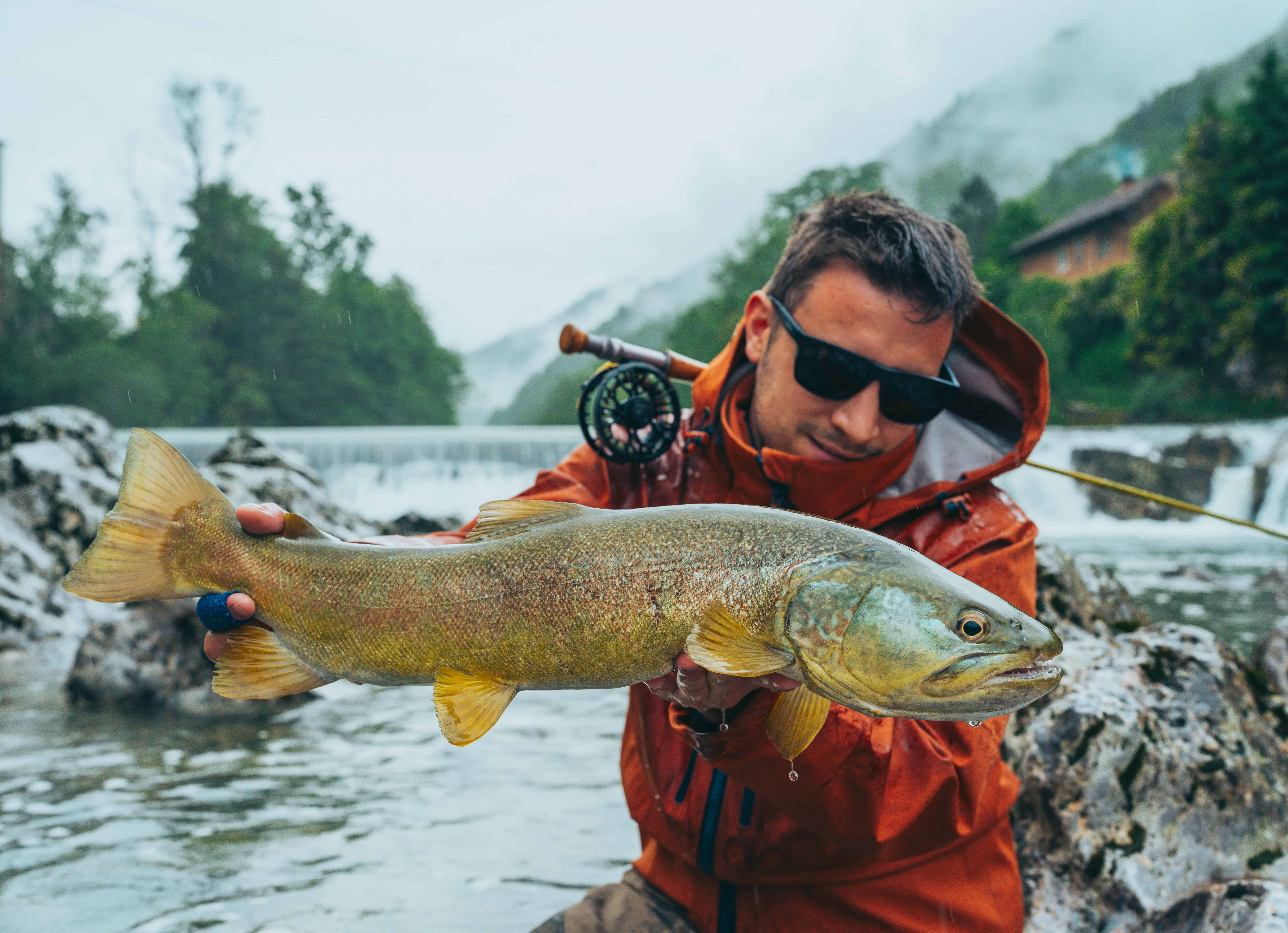
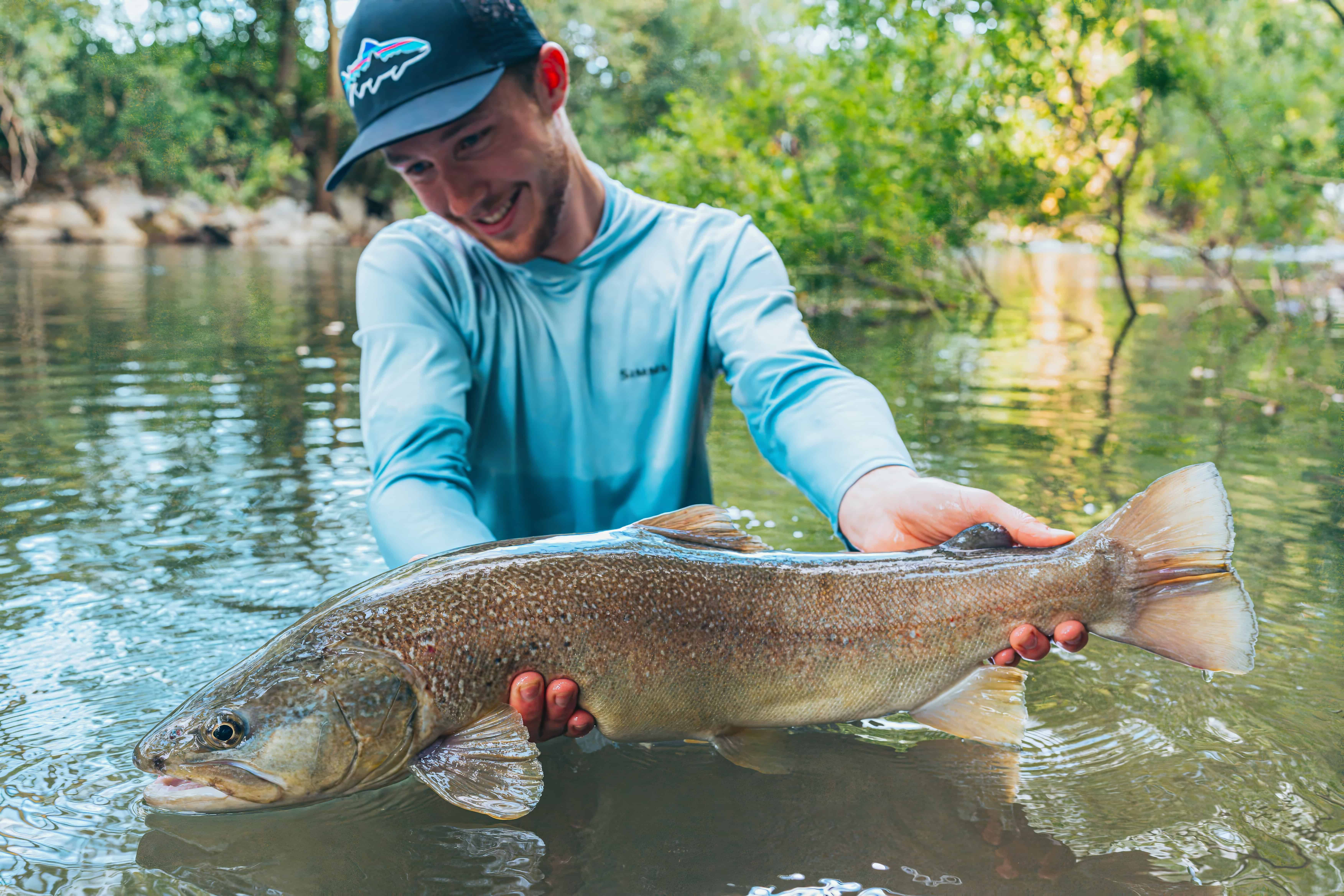
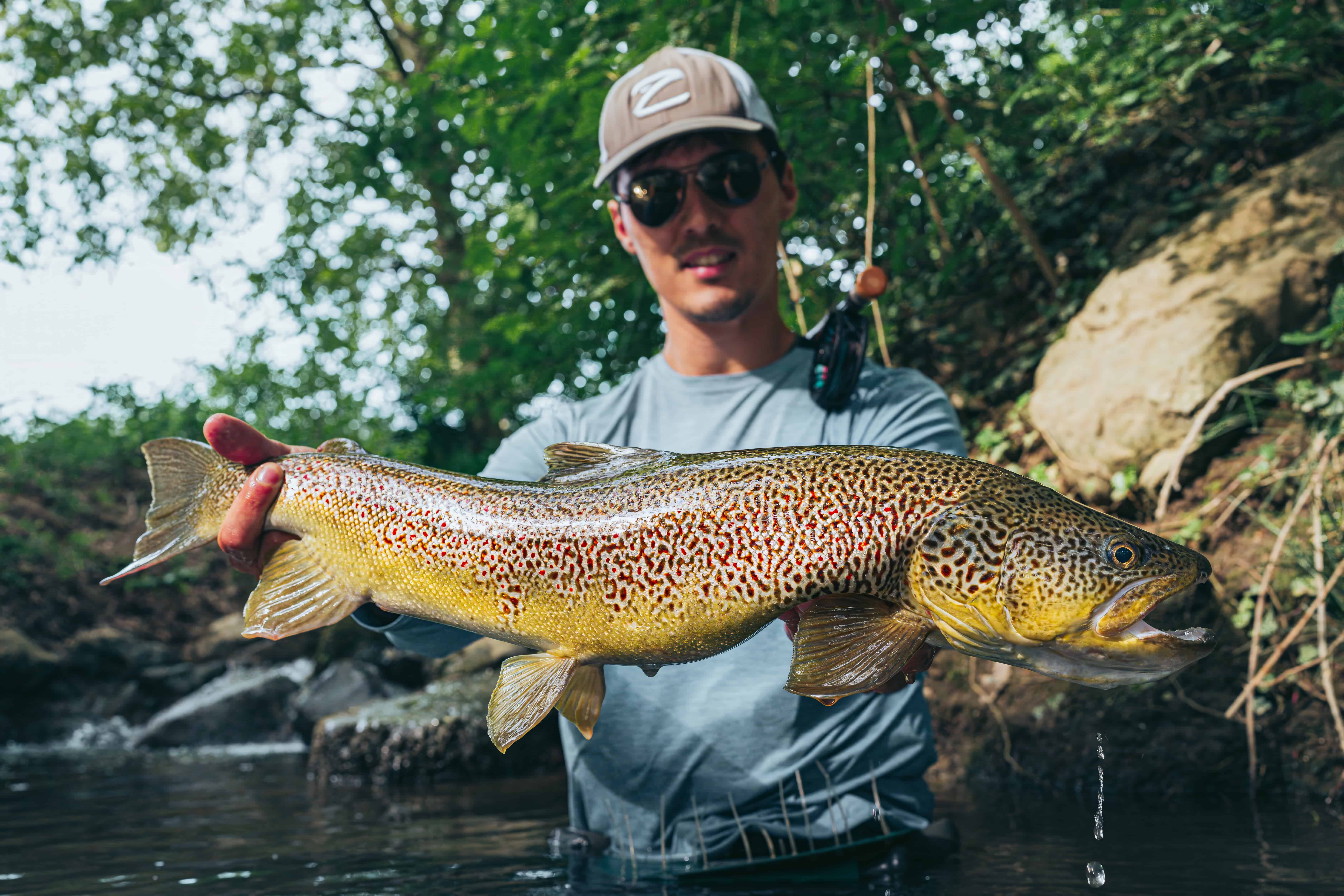
The Soča Valley in Slovenia is arguably the best destination to target marble trout due to its pristine, crystal-clear waters, ideal habitat conditions, and well-managed conservation efforts that have preserved a thriving population of pure-strain marble trout in a breathtaking alpine setting. For more info on a Marble Trout trip in the Soča Valley, visit this link!