
The Cichlids of Lake Tanganyika
The Cichlids of Lake Tanganyika: Africa’s Freshwater Jewels
Lake Tanganyika, the second-deepest lake in the world and the longest in Africa, is a freshwater wonderland stretching across four countries — Tanzania, the Democratic Republic of Congo, Burundi, and Zambia. While many anglers are drawn to the lake for its larger predators like the Tanganyikan Perch and Tigerfish, there’s another fascinating group of fish that deserves the spotlight: cichlids.
What Makes Tanganyika’s Cichlids So Special?
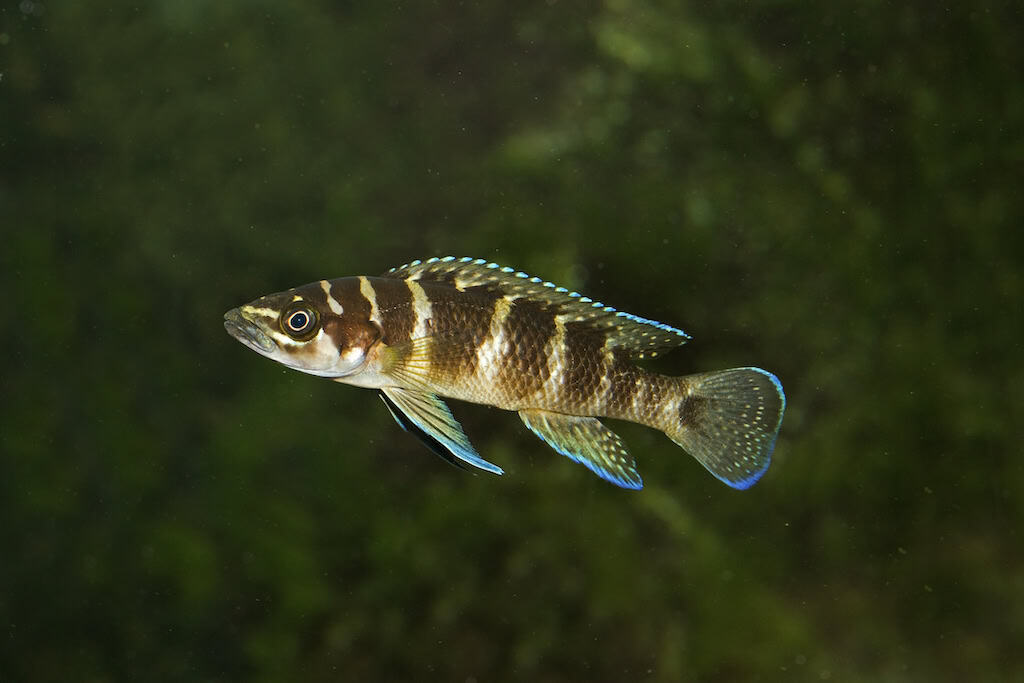
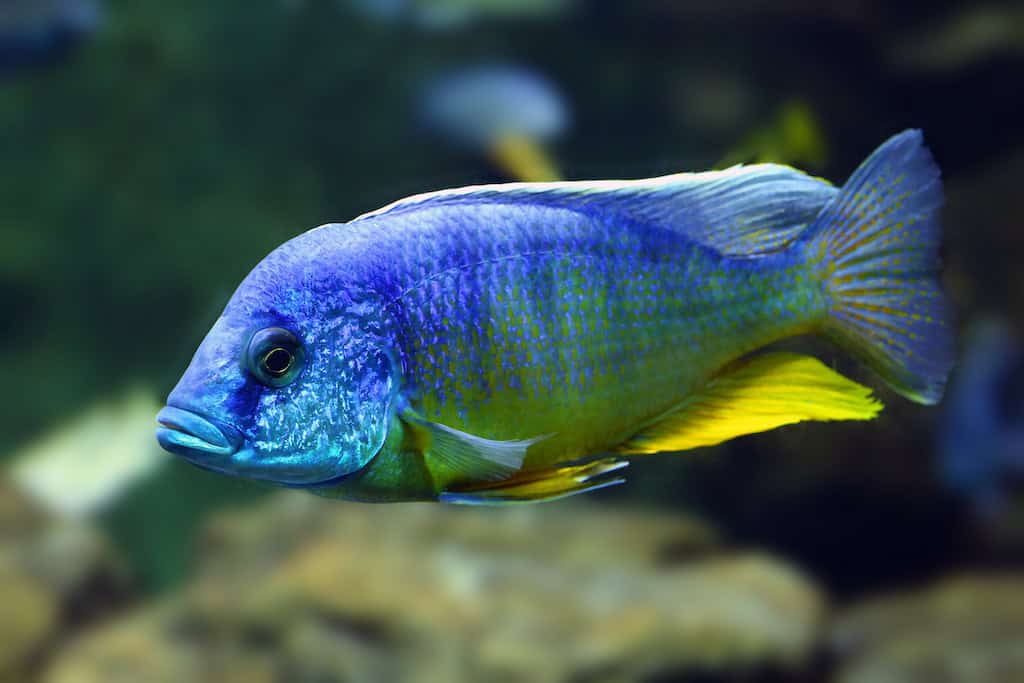
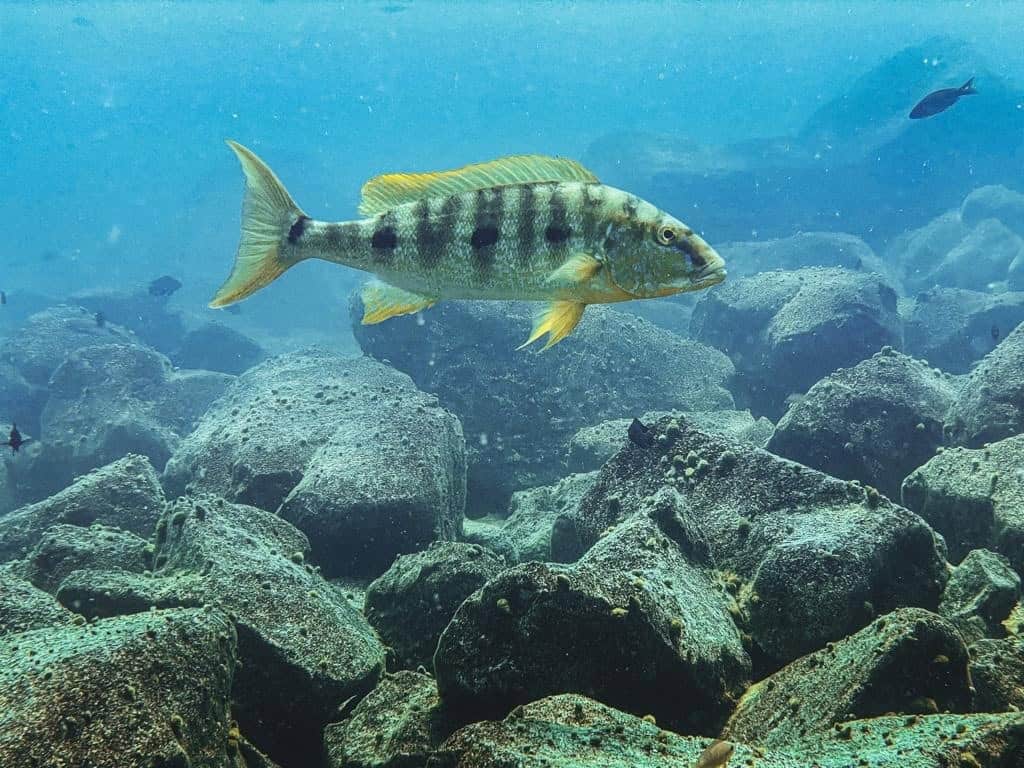
Lake Tanganyika is home to over 200 species of cichlids, and nearly all of them are endemic, meaning they exist nowhere else on Earth. These fish have evolved over millions of years to fill every ecological niche imaginable — from rock dwellers and sand sifters to snail crushers and open-water predators. Their colors, behaviors, and diversity rival the reef fish of the tropics.
For sport fishers and nature lovers alike, these fish offer a window into one of the most complex freshwater ecosystems in the world.

Species of Interest: Can You Actually Target Them?
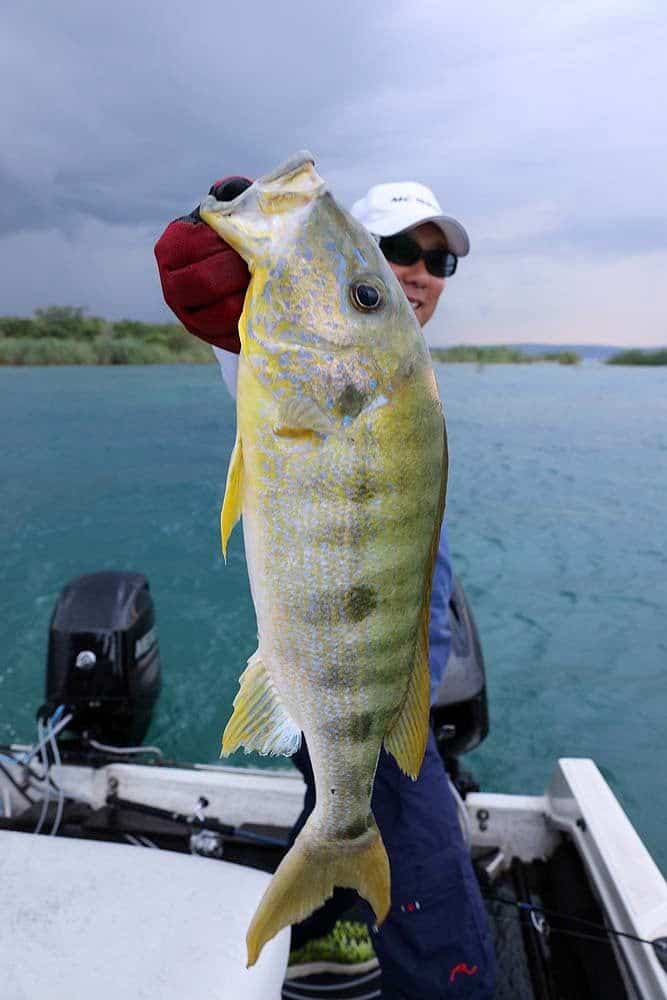
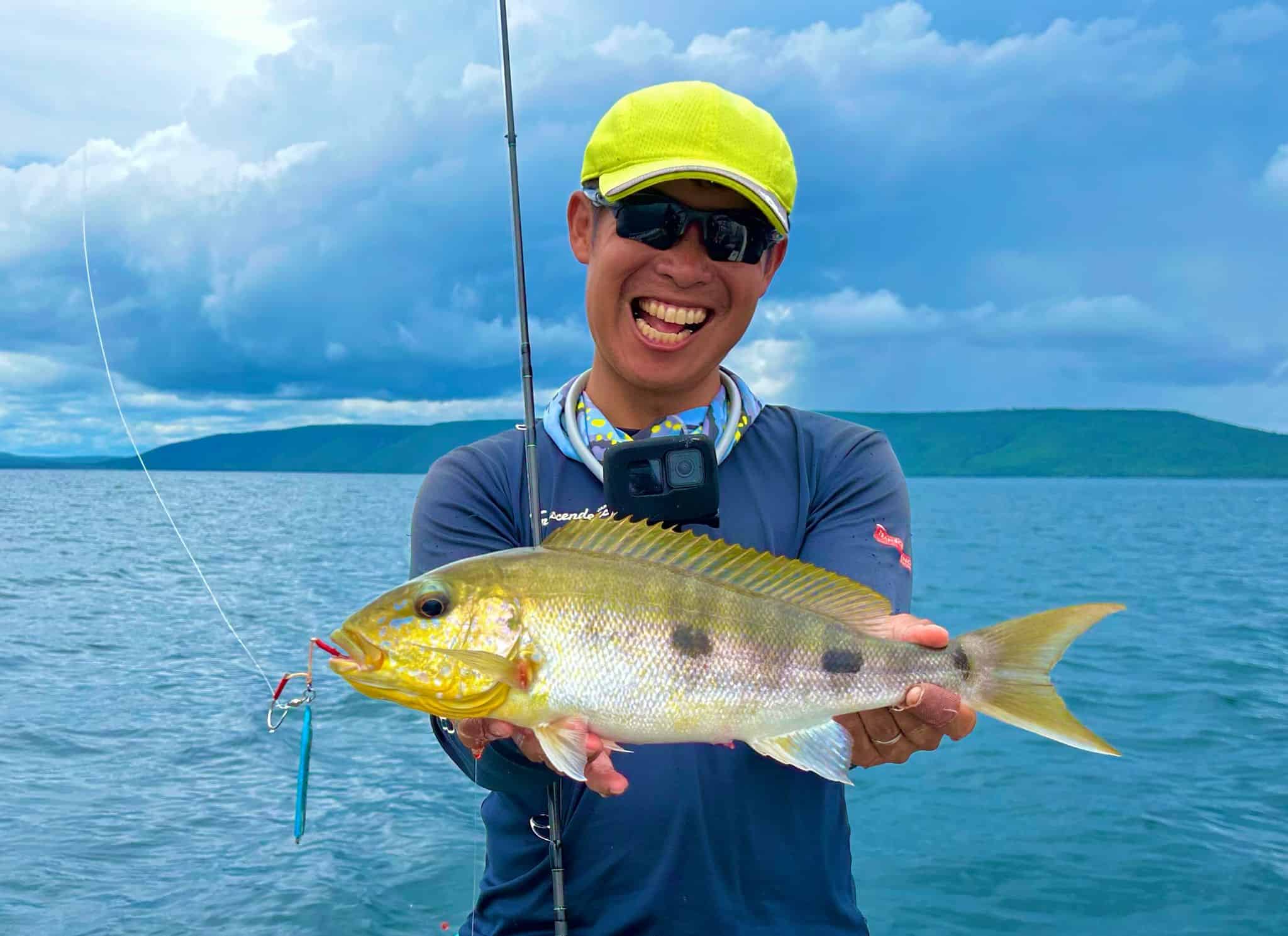
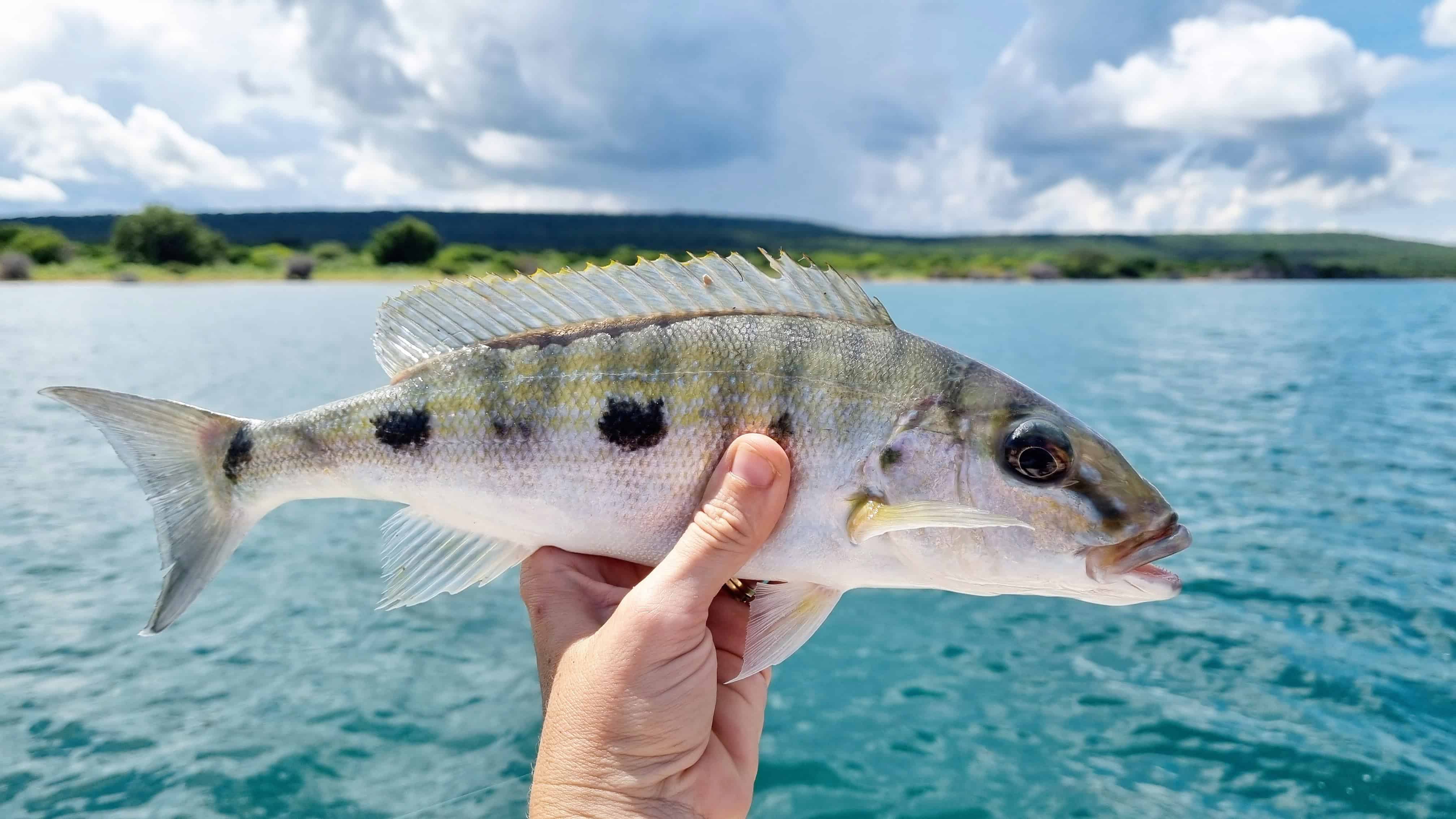
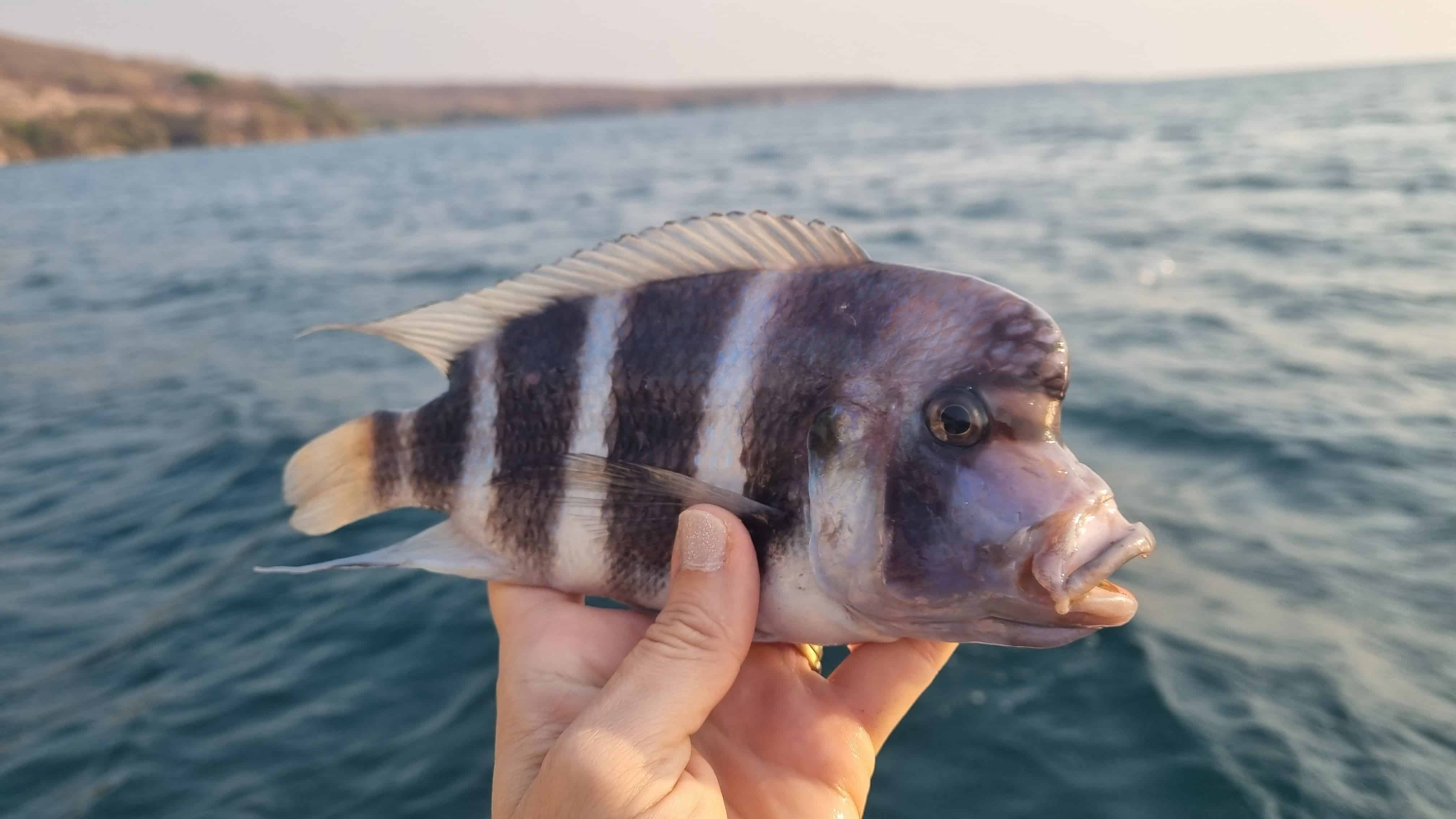
While cichlids aren’t typical trophy targets like perch or tigerfish, some of Lake Tanganyika’s species are extremely exciting to catch — especially for ultra-light tackle enthusiasts or anyone fascinated by the lake’s ecology. A few species stand out:
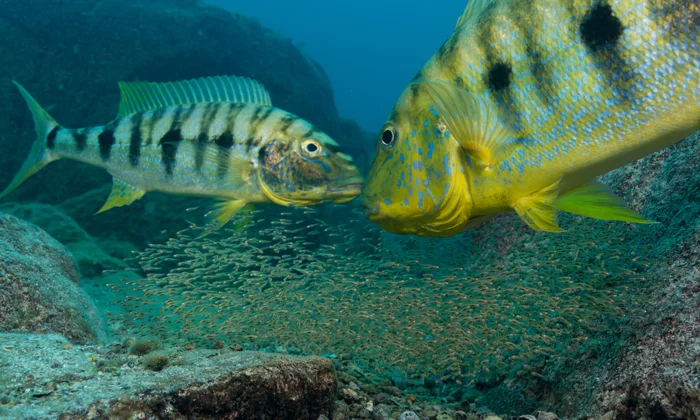
1. Boulengerochromis microlepis (Giant/Emperor Cichlid)
This is the largest cichlid in the Africa, and one of the largest in the world, growing up to 90 cm (3 ft) in length and weighing over 4 kg (9 lbs).
The emperor cichlid is primarily found in deeper, open-water areas of Lake Tanganyika, although juveniles often inhabit rocky shorelines. It feeds on smaller fish, particularly sardine-like species, and plays an important role as a top predator in the lake’s ecosystem. Males are generally larger than females and can be distinguished by more intense coloration during the breeding season. Known for their aggressive feeding behavior, emperor cichlids will readily strike lures, including surface baits, making them one of the more exciting freshwater species to target on artificial gear. They can be caught using small live bait or topwater lures that mimic baitfish, especially during early morning or late afternoon when they move closer to shore to hunt.
2. Ctenochromis horei & Lepidiolamprologus elongatus
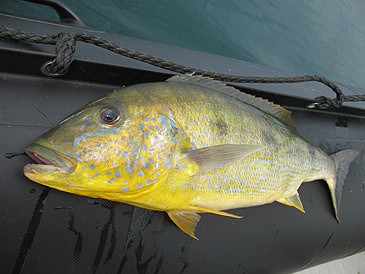
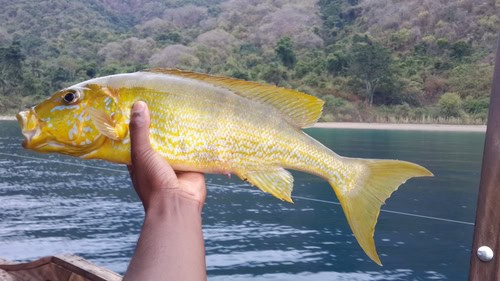
These predatory cichlids cruise the rocky reefs and intermediate zones. Their aggressive nature and quick strikes can surprise anglers targeting smaller fish. Use small jerkbaits, jigs, or soft plastics near rocky outcrops. Downsizing tackle adds to the thrill.
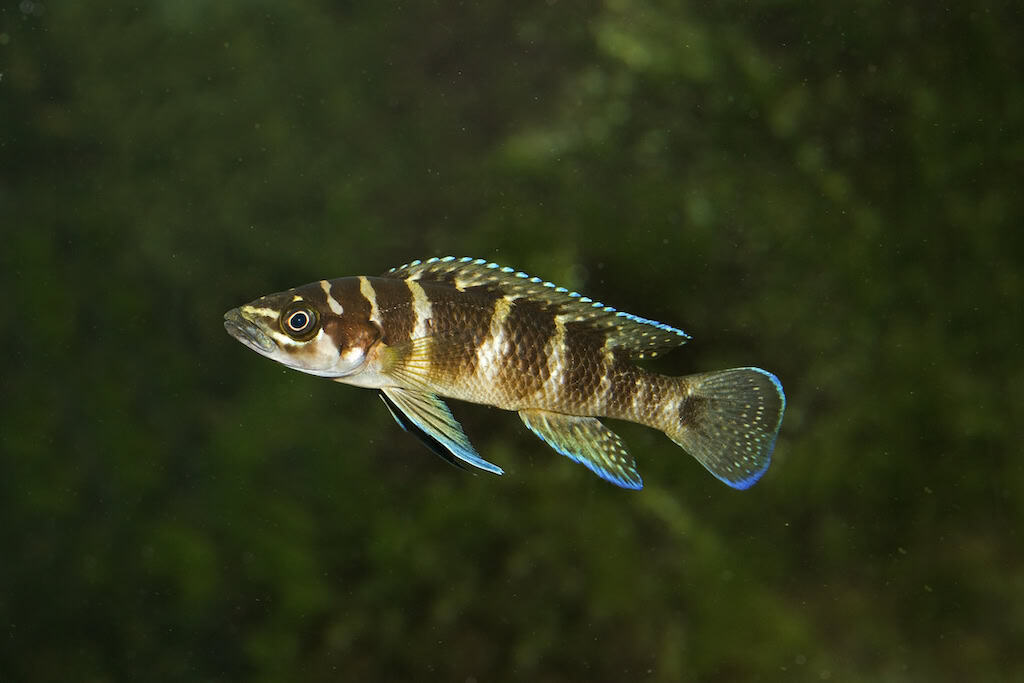
3. Tropheus, Julidochromis, and Neolamprologus Species
These are more suited to aquarium enthusiasts than anglers, but catching one on a tiny fly or micro jig in clear shallows is a unique challenge. If you’re tempted to target them, do so responsibly — these fish are vital to the lake’s ecosystem and often form lifelong breeding pairs.
Lake Tanganyika’s cichlids aren’t just colorful curiosities — they’re evolutionary marvels that scientists study to understand how species diversify. Because many of these fish have limited ranges and specialized habitats, catch and release is strongly recommended, especially when targeting smaller or rare species.
Conservation:
Sport fishing, when practiced responsibly, can play a key role in the conservation of the emperor cichlid and other large predatory species in Lake Tanganyika. In the past, overcollection for the international aquarium trade significantly reduced local populations, particularly of juvenile fish. Unlike extractive industries, catch-and-release sport fishing offers a non-consumptive economic alternative that can generate income for local communities without depleting fish stocks. By promoting the value of these fish as living assets that attract anglers and ecotourists, sport fishing creates an incentive to protect habitats and regulate harmful collection practices. With proper guidelines and community involvement, it can help ensure the long-term survival of the emperor cichlid while supporting local livelihoods.


So next time you’re planning a fishing adventure in Africa, consider the ancient, deep waters of Tanganyika. The cichlids may not all be giants, but they’re giants of evolution — and a treasure of the freshwater world. Get in touch below if targeting a Giant Cichlid is on your bucket list.