
Bucket List Species: Goonch Catfish
GOONCH. WHY ASIA'S GIANT DEVIL CATFISH SHOULD BE ON YOUR LIST
There are freshwater fish that put up a good fight, and then there are river monsters that seem plucked straight from myth and folklore. The Goonch catfish is firmly in the second camp. Native to the remote rivers of South Asia, this prehistoric-looking predator is one of the most mysterious and underrated giants on the global angling circuit. If you’re a traveling angler looking to hook into something truly wild, few experiences rival the adrenaline of battling a Goonch in its native waters.
The Goonch Catfish (Bagarius yarrelli) lives up to its ominous nickname. With an armor-plated appearance, powerful build, and a wide, flat head, it’s both intimidating and awe-inspiring. This species belongs to the Bagariidae family and has evolved over millions of years to thrive in the fast-flowing, high-altitude rivers of the Himalayan foothills. They’re not just big, they’re massive. Some specimens are believed to reach over 2.5 meters in length and weigh upwards of 200 pounds. While these sizes are rarely encountered, even your average Goonch is a brute compared to most freshwater fish. Tales of these fish dragging anglers downstream or bending rods into submission are common, and they’re absolutely true.
Where to Find the Goonch
The Goonch’s range includes the rivers of northern India, Nepal, Bhutan, and parts of Bangladesh. The most famous destination for targeting these giants is the Kali River, which forms the natural border between India and Nepal. Other productive waters include the Ramganga River in Corbett National Park, the Sarda River, and some stretches of the Ganges and its tributaries. These rivers are remote, wild, and relatively untouched, which makes the experience as much about the journey as the catch. Picture yourself casting from jungle riverbanks, surrounded by misty hills, dense forests, and the occasional call of a distant langur or eagle. It’s adventure fishing in its purest form.
When to Go: Best Time for Goonch
Targeting Goonch is a seasonal endeavor. The best time to fish for them is typically from October to April, when water levels drop, clarity improves, and the fish are more concentrated in deeper pools and runs. The monsoon season from June to September swells the rivers and makes fishing nearly impossible. But once the rains subside, the rivers stabilize, and that’s when serious anglers gear up for a shot at these underwater leviathans.
Why It Deserves a Spot on Your Bucket List
If you’re the kind of angler who travels for stories, not just species, the Goonch is your fish. It’s one of the largest predatory freshwater fish on the planet, rivaling the likes of the Amazon’s Arapaima or Africa’s Nile Perch. They inhabit exotic, off-the-beaten-track destinations, far from tourist trails, the kind of places that test your mettle and reward your perseverance. The Goonch is steeped in mystery and local lore. In some Himalayan villages, it’s whispered that these fish have attacked animals, and even people. While largely unproven, the stories only add to the mystique. They’re among the hardest-fighting freshwater fish in the world, using the current to their advantage and often requiring extended, grueling battles to land.
World Records & Notable Catches
The IGFA All-Tackle World Record for goonch catfish currently stands at 165 pounds, caught in the Kali River by Jakub Vágner, a name well known in the world of extreme angling. That catch, however, may only scratch the surface of the goonch’s true size potential. Unverified reports and local accounts speak of fish topping 200 pounds, especially in deeper, less-pressured river systems.

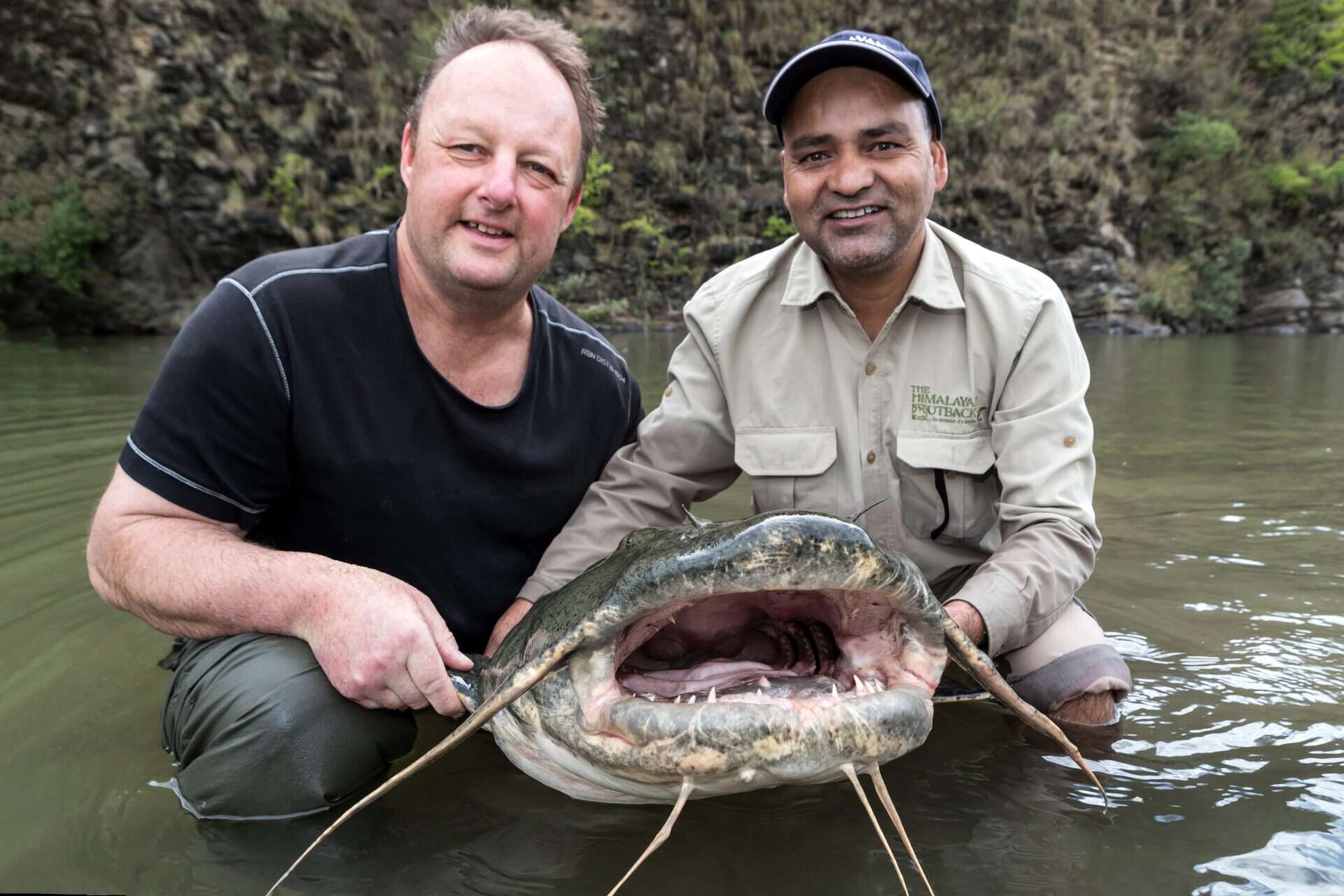


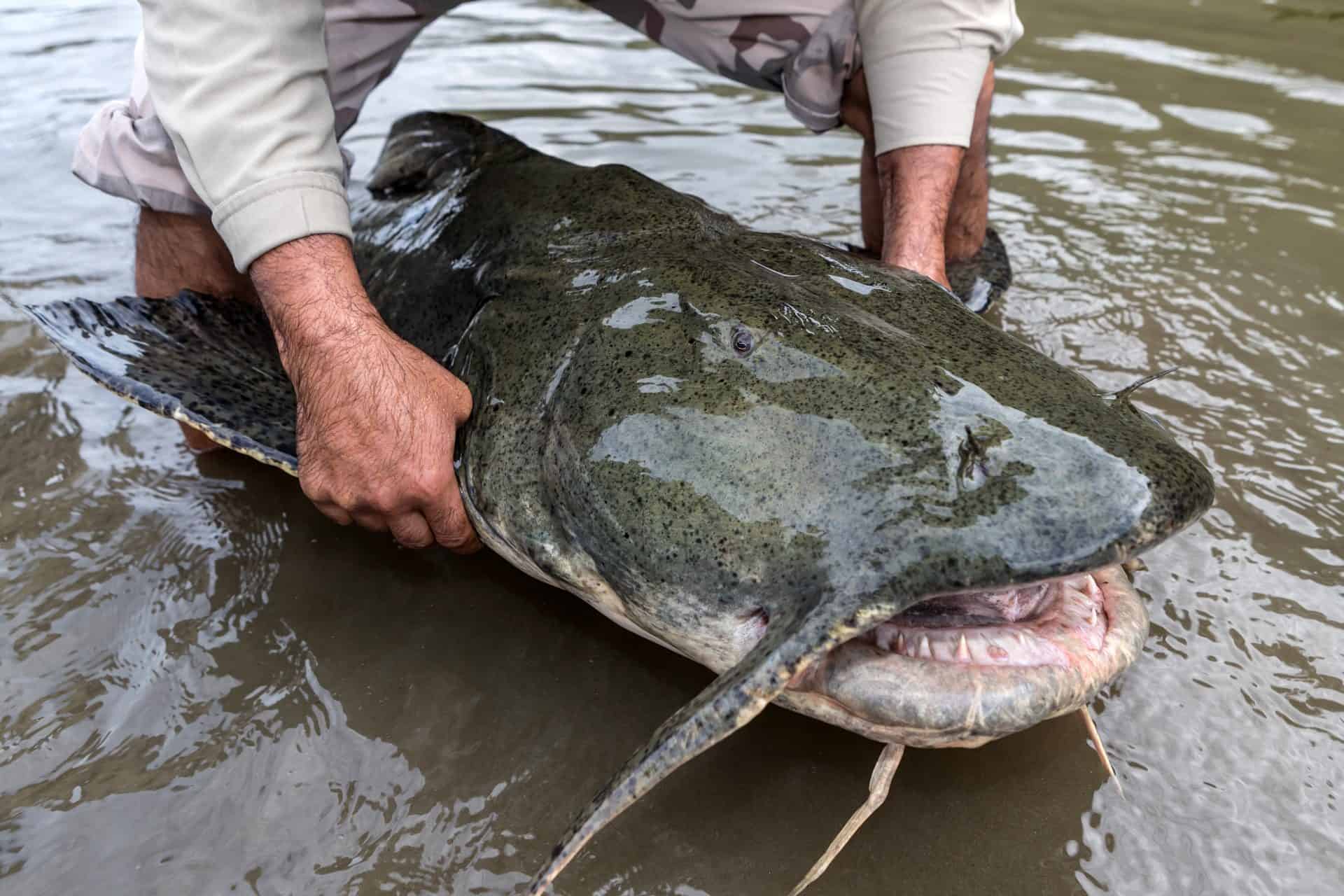
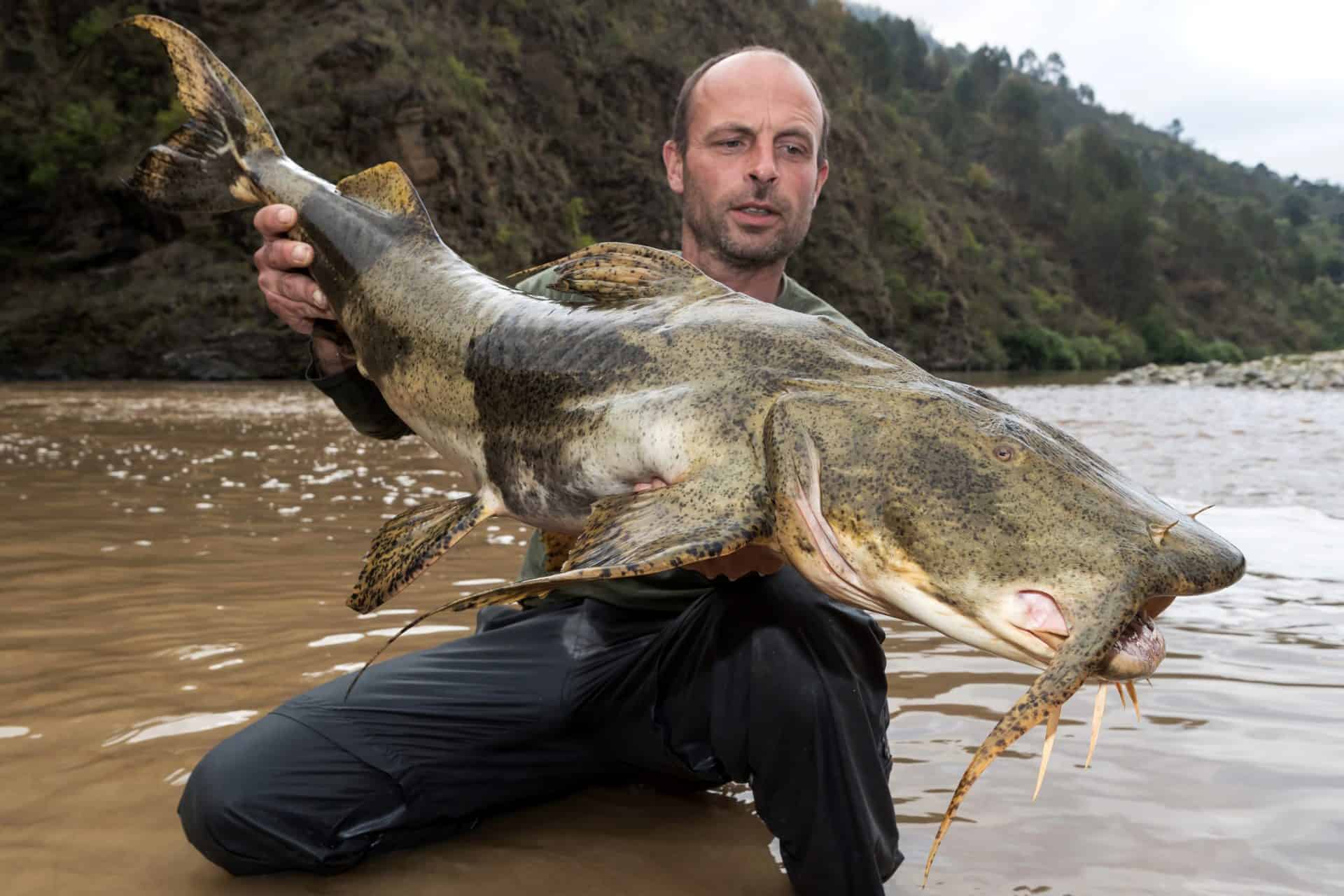
Goonch fishing isn’t for everyone. It’s physically demanding, logistically complex, and requires patience and endurance. But that’s exactly what makes it so appealing for serious traveling anglers. This isn’t a lodge-and-luxury type of trip. You’ll be staying in eco camps, waking up to river mist and birdsong, and immersing yourself in the rhythms of the wild. Local guides, often with generations of knowledge, will take you to hidden pools and swirling eddies where monsters lurk. And when that line finally tightens and your rod bends double, you’ll know why you made the journey.
There are few fish that match the raw power, size, and mystique of the Goonch. It’s a freshwater titan that lives in a cinematic setting, roaring rivers backed by jungle and mountain. For the adventurous angler, it offers everything you could want: size, challenge, wild terrain, and an unforgettable story to tell. So if you’re ready to get off the grid and chase one of the most enigmatic giants in the freshwater world, the Goonch is calling.
Book Your Goonch Fishing Adventure
At Bucket List Fishing Trips, we connect passionate anglers with the world’s most extraordinary species in the most breathtaking locations. If you’re ready to take on the Goonch and explore the rivers of Nepal or India, get in touch with us today. Our team will help you plan a fully guided, and unforgettable expedition into the heart of Goonch territory. Let the adventure begin.
Frequently Asked Questions:
Where is the best place to catch Goonch catfish in India or Nepal?
The most famous destination for Goonch fishing is the Kali River, which forms the border between India and Nepal. Other prime locations include the Ramganga River in Corbett National Park and remote stretches of the Sarda and Ganges river systems.
Do I need a permit to fish for Goonch catfish in India or Nepal?
Yes, you’ll need local fishing permits, which are typically arranged by licensed guides or outfitters. In protected areas like Corbett National Park, additional permissions may be required. We handle all paperwork on your behalf.
What kind of accommodation is available on a Goonch fishing trip?
Most Goonch expeditions involve staying in eco-camps or basic riverside lodges, often close to the fishing zones. Accommodations are clean and comfortable, but rustic, with the focus on proximity to the river and immersion in nature rather than luxury.
How do I get to the Goonch fishing rivers in India or Nepal?
Travel typically involves flying into Delhi or Kathmandu, followed by a combination of domestic flights and overland travel. Reaching the Kali River, for example, requires a 6–8 hour drive from Delhi to the Indo-Nepal border. Guided trips usually include airport pickups and all local transfers.
Is a Goonch catfish trip suitable for first-time visitors to India?
Yes, but it’s important to know that these trips are geared toward adventure travel. While outfitters ensure safety and support, Goonch fishing takes place in remote, rural areas far from typical tourist routes. Travelers should be prepared for basic conditions, cultural immersion, and rugged terrain.