
Bucket List Species: Giant Trevally
The Giant Trevally: Apex Bruiser of the Tropics
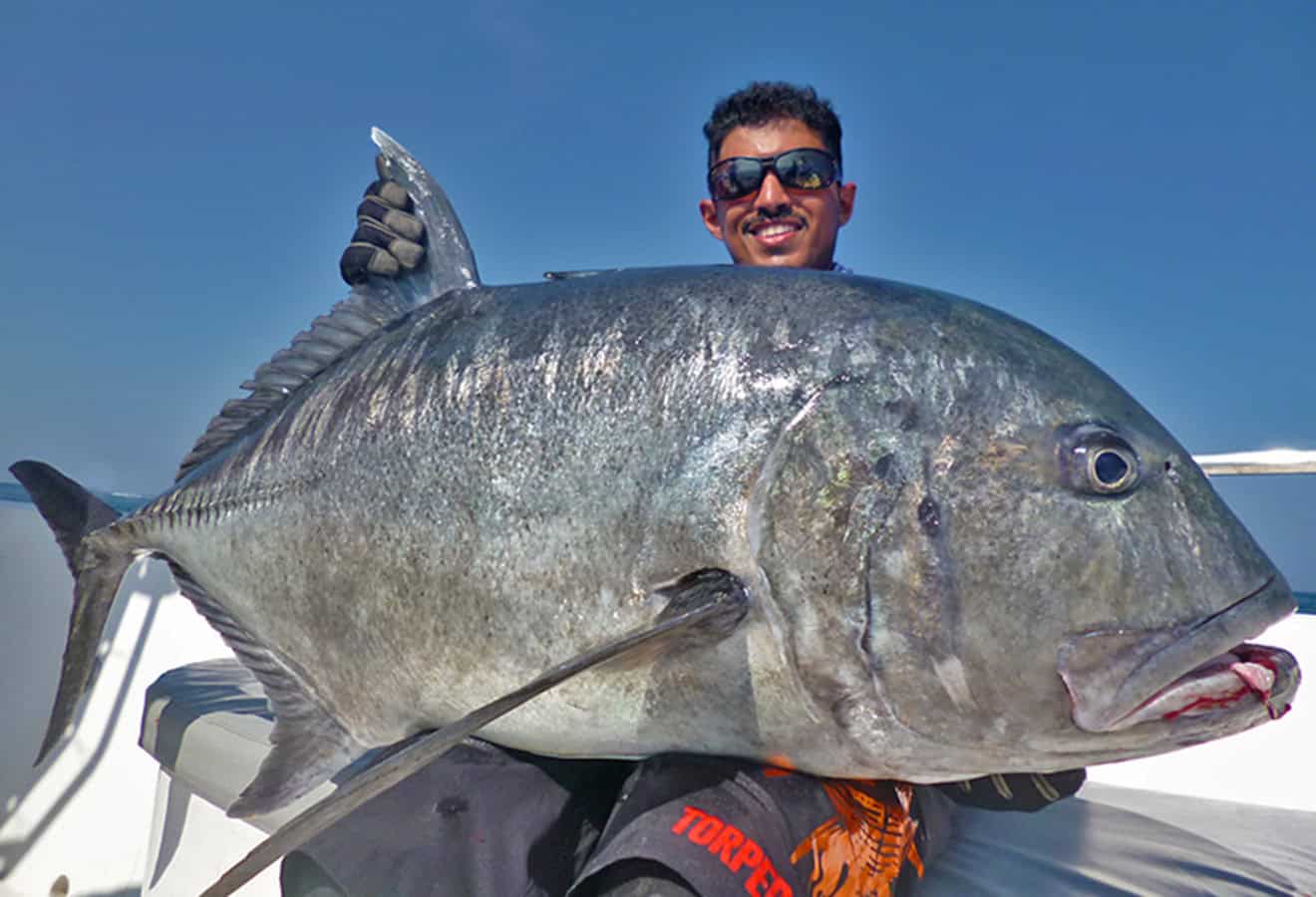
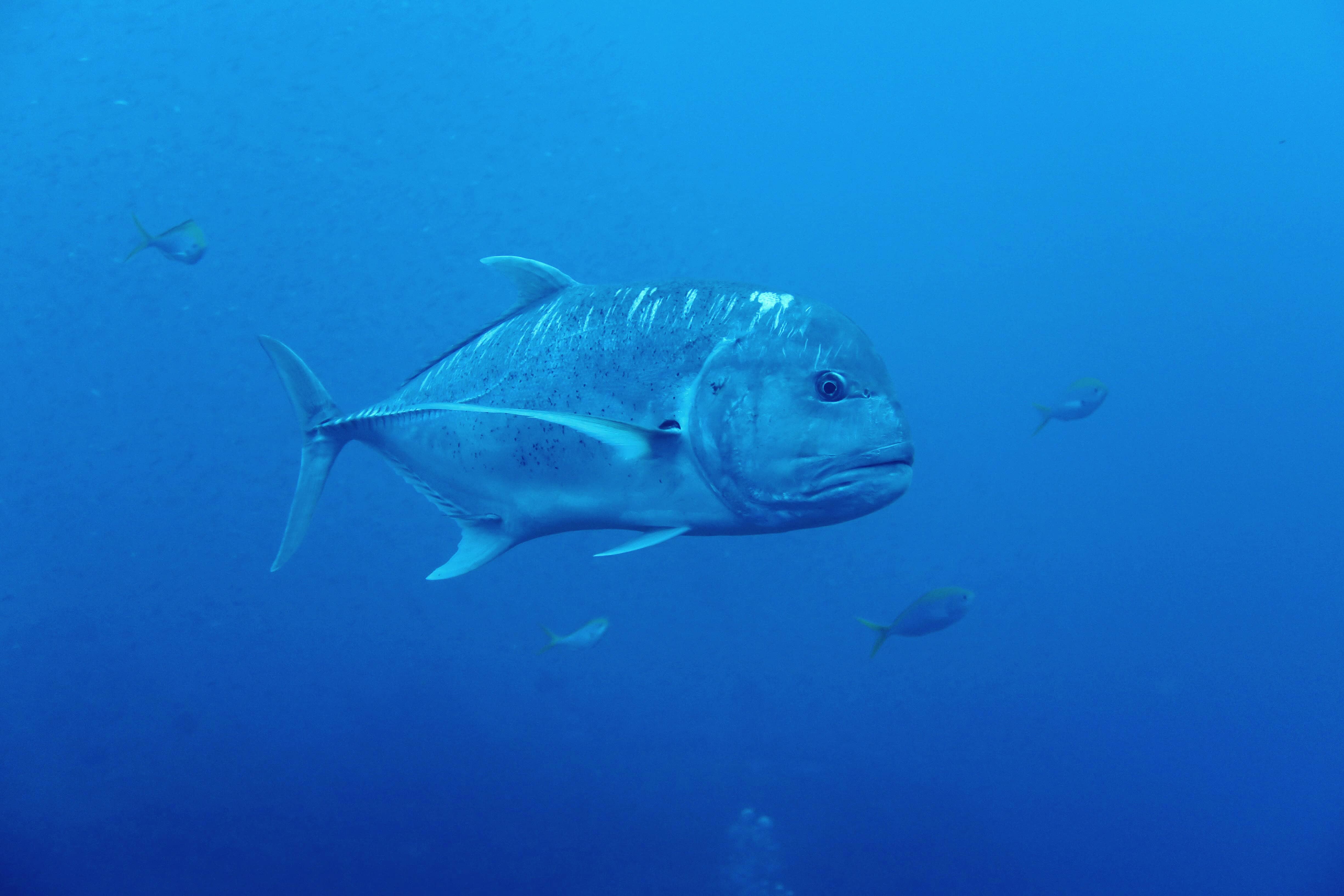
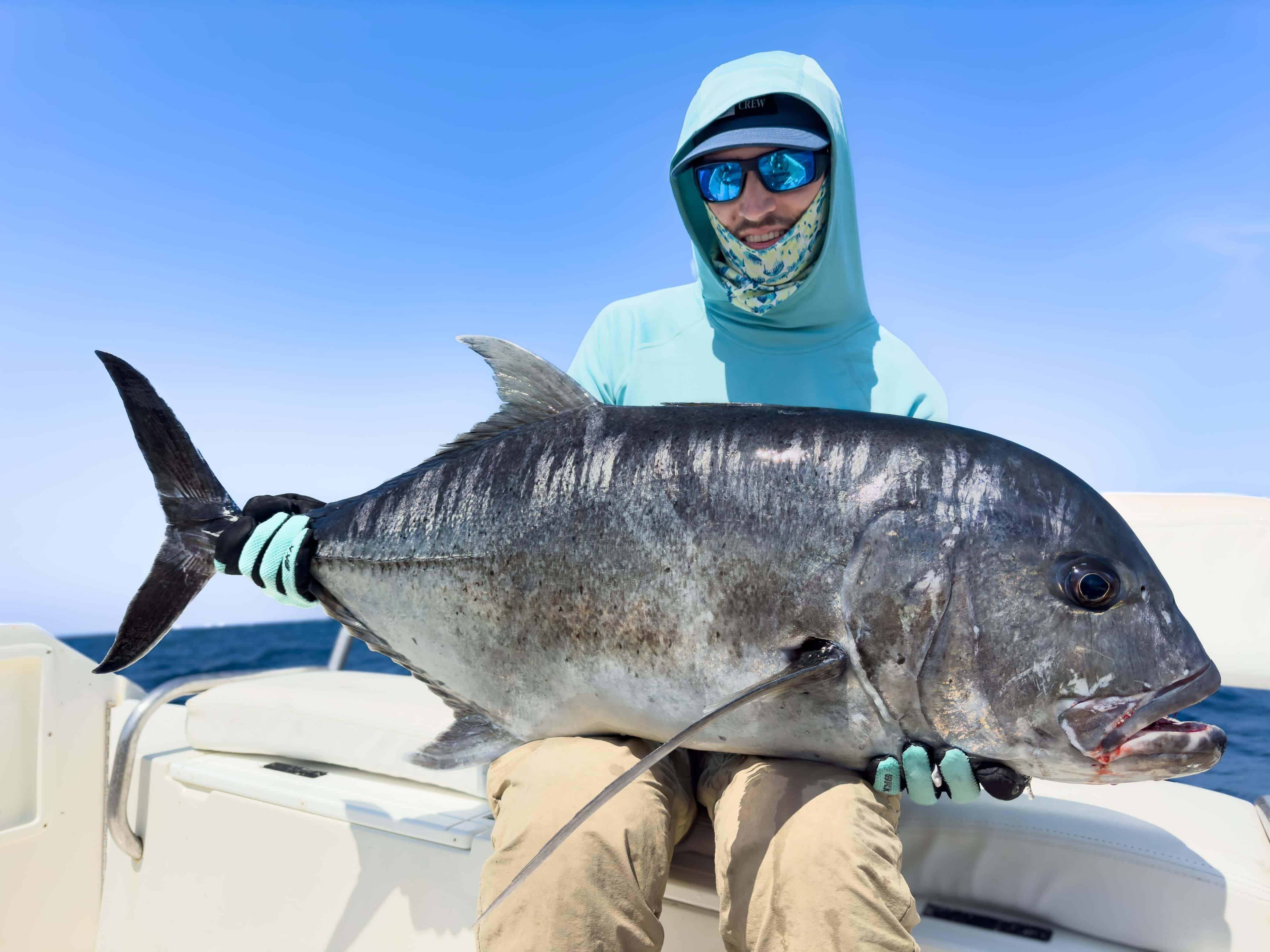
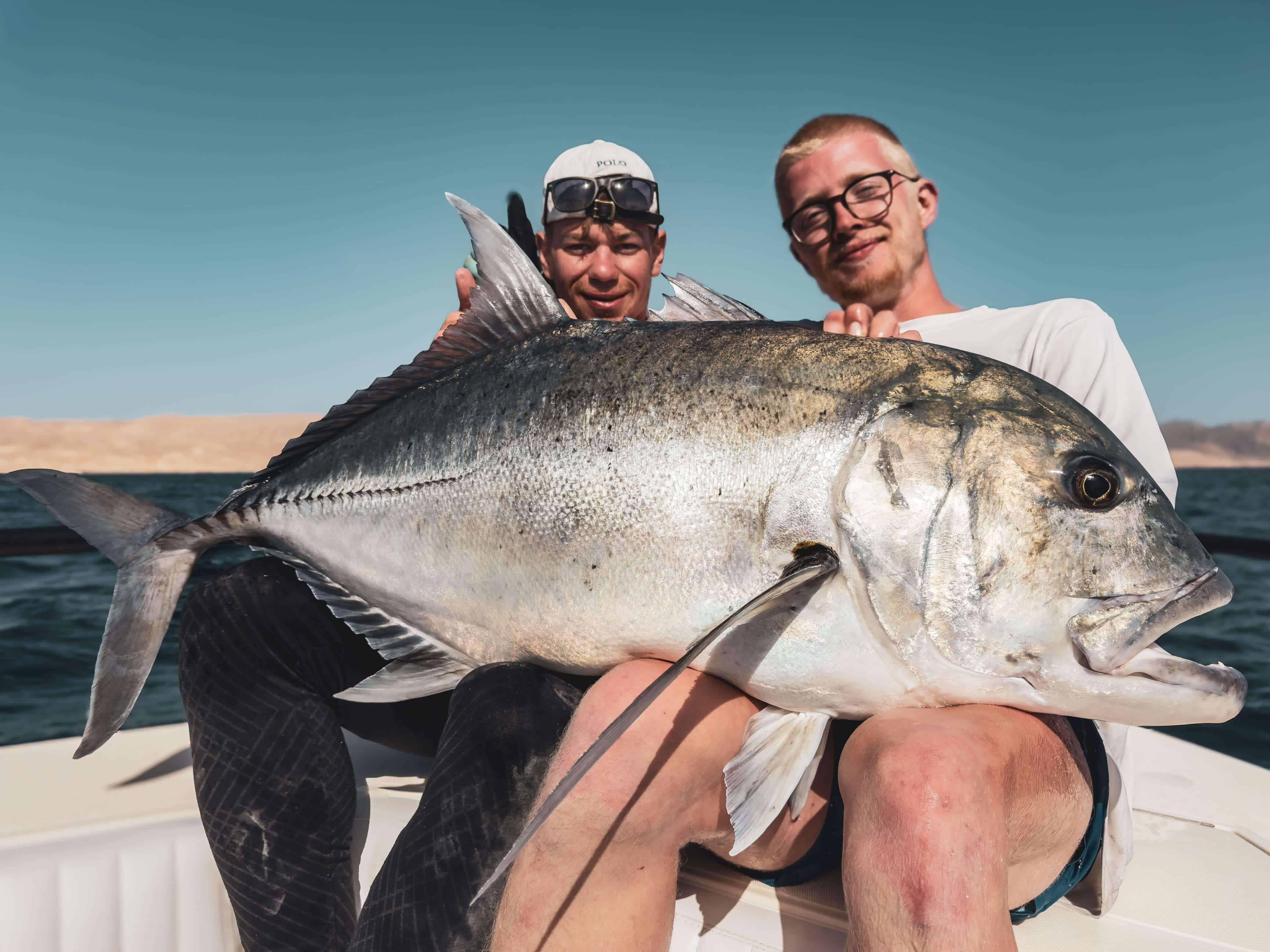
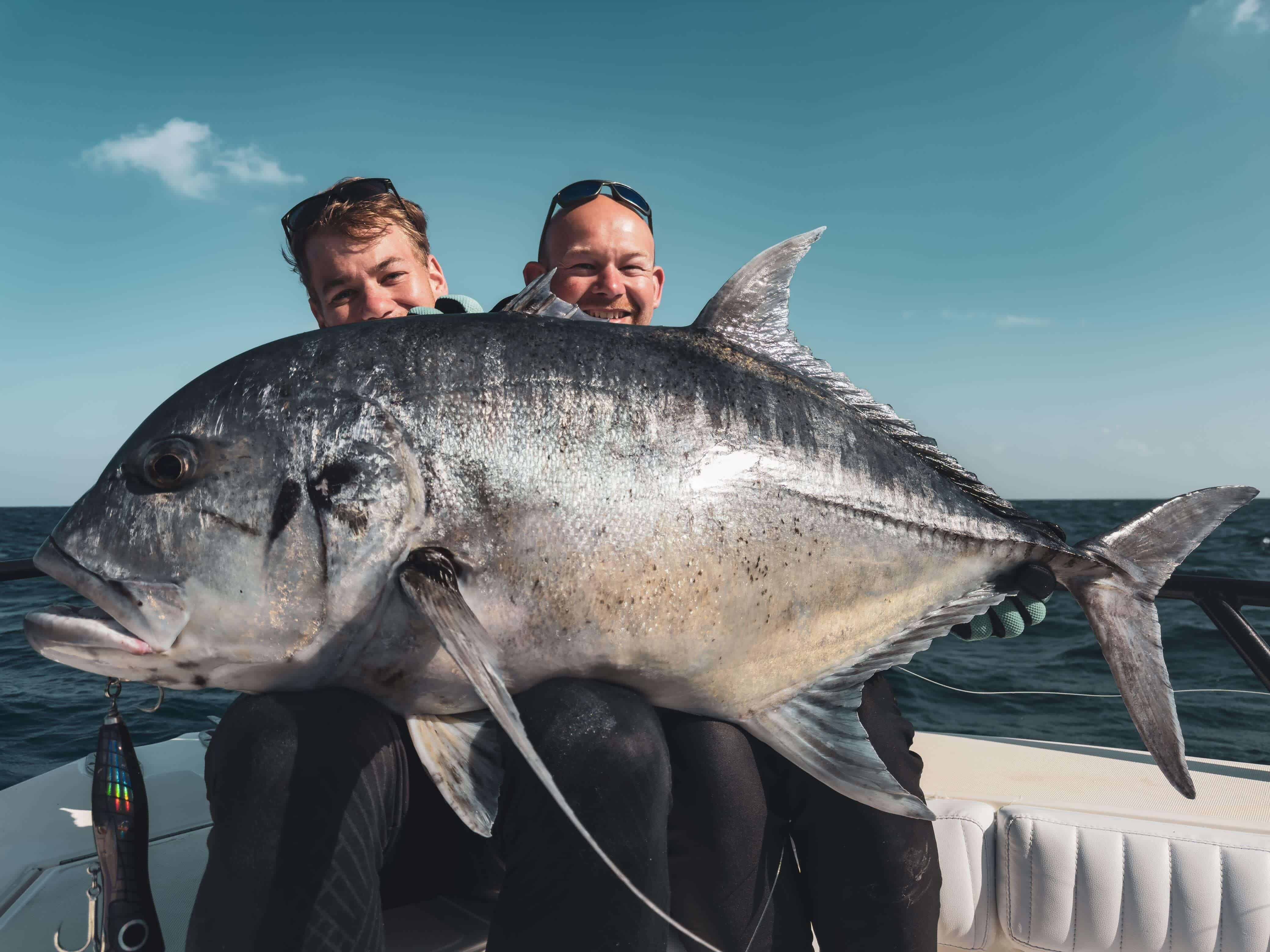
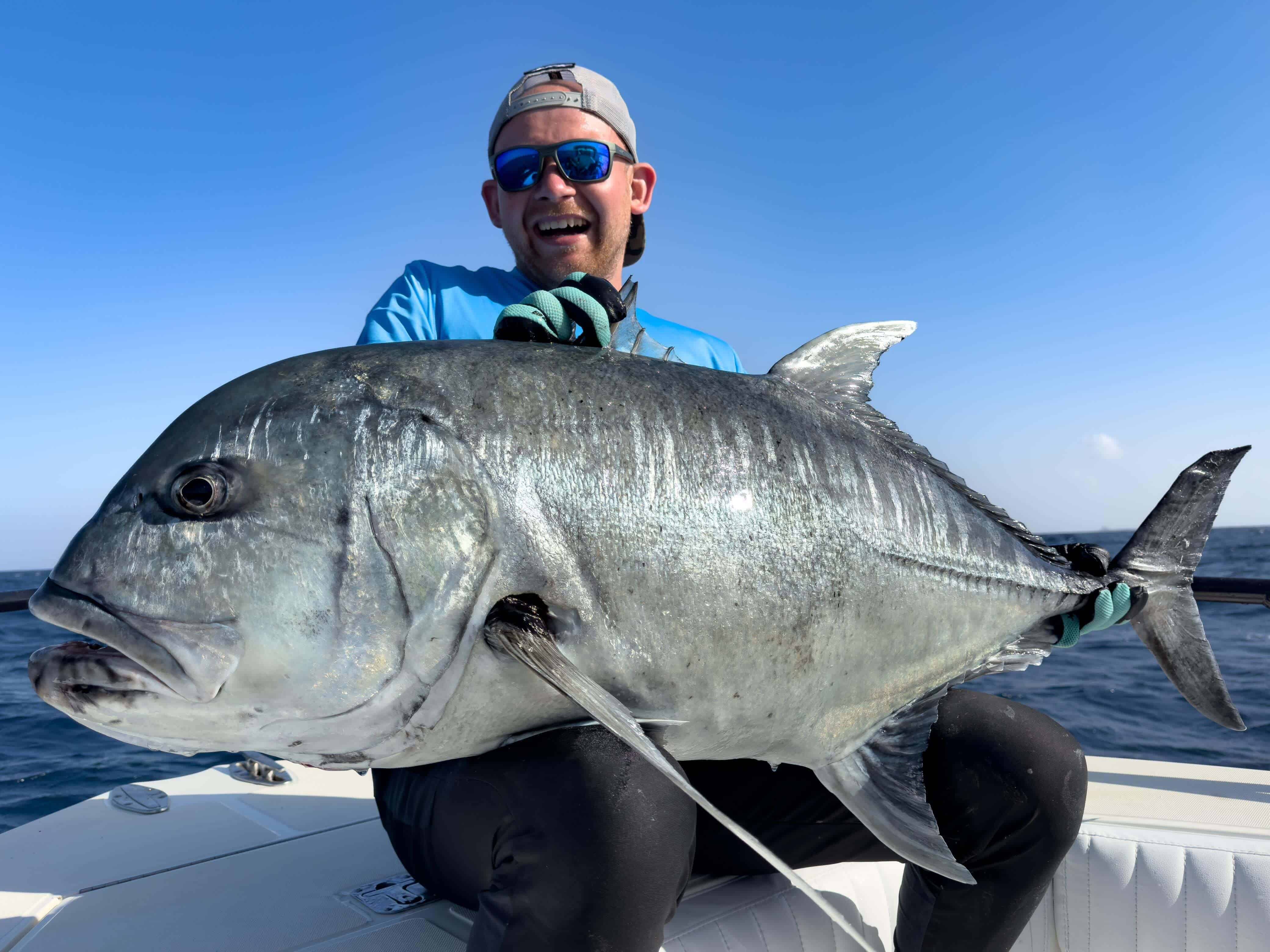
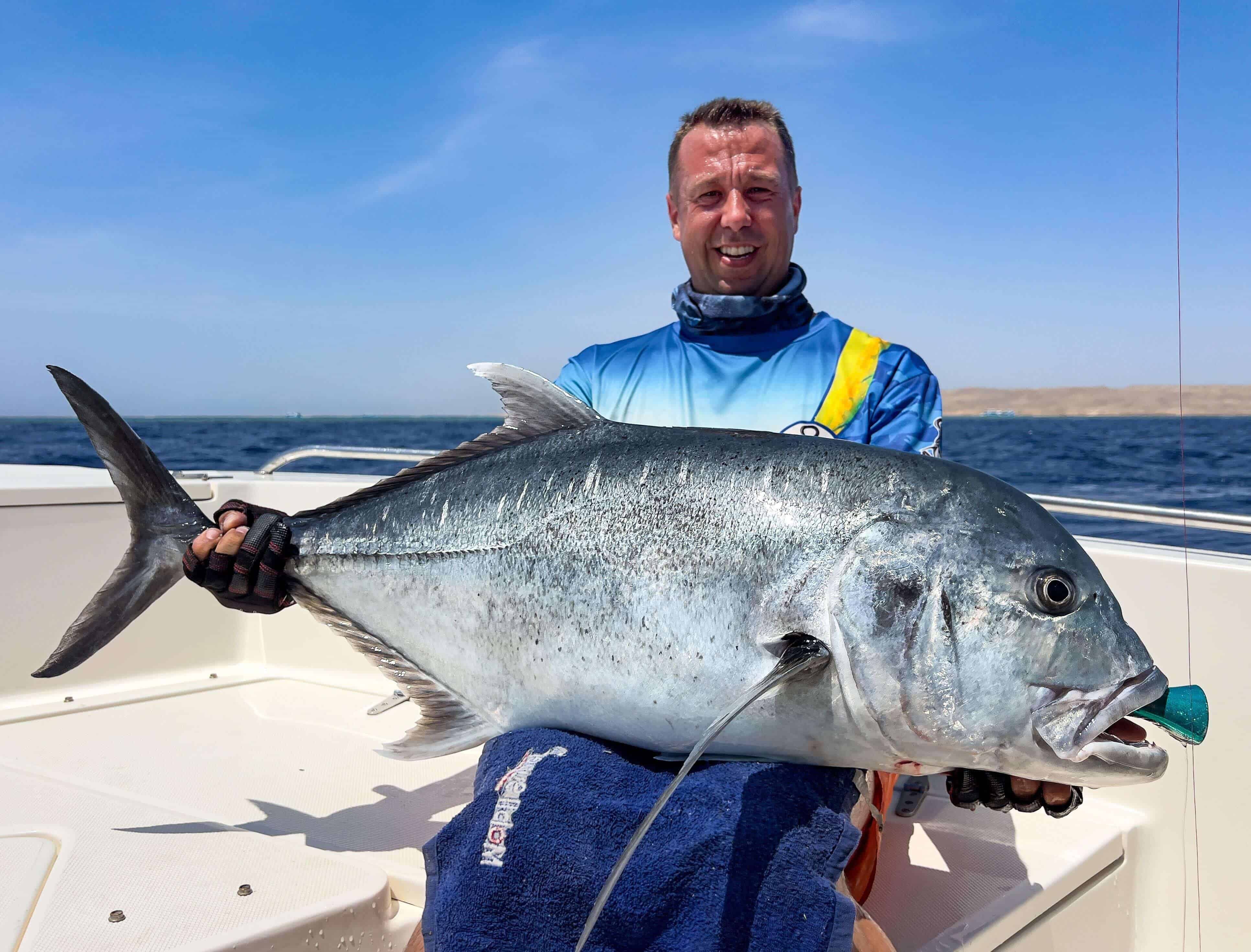
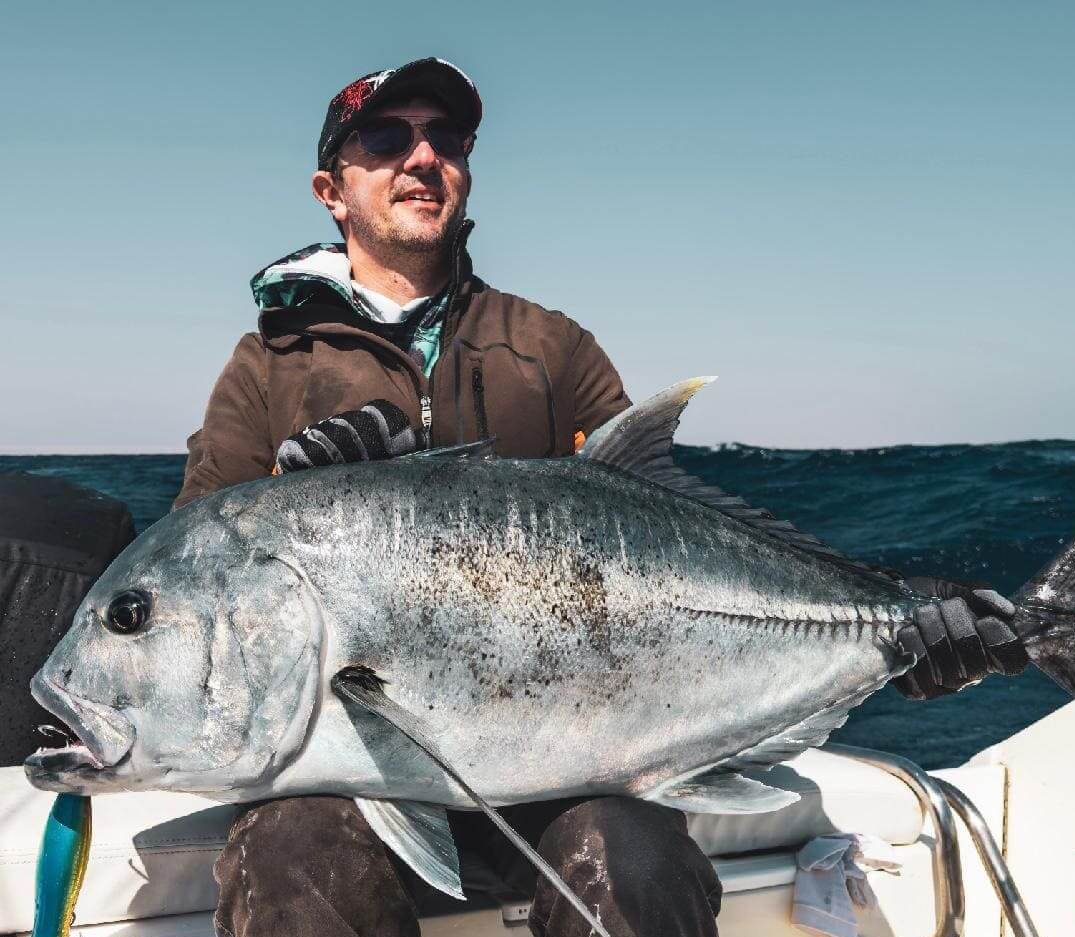
Giant Trevally, or GT, are the apex bruisers of the tropics. I’ve spent countless hours chasing these fish across the Indian and Pacific Oceans, and every single hookup feels like a bolt of lightning. If you’ve never seen a hundred-pound GT explode on a surface popper, you’re missing one of the most visceral experiences in sport fishing. This species isn’t just strong—it’s intelligent, territorial, and completely unforgiving of any weakness in your tackle or technique.
Where Giant Trevally Live
GTs thrive in a huge range of tropical saltwater environments, from remote coral flats to surf-pounded headlands. These are the regions where your odds of encountering true giants are highest.
- Mozambique & Bazaruto Archipelago: Reef edges and surf zones teeming with baitfish on the incoming tide.
- Madagascar: Vast, remote coral drop-offs plunging into cobalt channels that hold some of the biggest GTs anywhere.
- Seychelles: Legendary flats and reef edges in Farquhar, Cosmoledo, and Alphonse.
- Oman: Raw Arabian coastline with rugged pinnacles and rocky headlands where unpressured fish attack stickbaits.
- Egypt & Red Sea (Hurghada, Marsa Alam, El Gouna): Coral plateaus and steep reef walls with surprisingly strong GT populations in clear, turquoise water.
- Andaman Islands: Remote volcanic islands with endless reefs and big fish pushing 50 kilograms.
- Maldives: Lagoon edges and drop-offs near resort atolls, ideal for lure and fly anglers alike.
- Northern Australia: Ningaloo, Coral Sea, and the Great Barrier Reef where massive GTs hunt around bommies.
- Micronesia and Fiji: Smaller but healthy populations in Pacific archipelagos.
Note: The Andaman Islands and Madagascar are two of the most underappreciated destinations if you crave adventure and less fishing pressure.
Best Seasons to Plan Your Trip
While GTs can be caught year-round in many places, each destination has its sweet spot when conditions align to produce the most consistent action.
- Seychelles: October to May is calm, with excellent water clarity.
- Oman: September to early summer, when bait schools hug the reefs.
- Andamans: November through April is the best window for big fish.
- Mozambique & Madagascar: Peak from September to December as baitfish migrations fire up.
- Australia Coral Sea: Spring and early summer before the cyclone season begins.
Tip: Book well ahead—prime dates fill up fast with anglers from around the world.
Tackle and Techniques
Catching a GT requires specialized gear built to withstand relentless power. This is what I rely on after years of trial and error.
- Rod: PE8–PE10 popping rod rated for 100–130 lb braid.
- Reel: High-capacity spinning reel with 40+ lbs of smooth drag.
- Lures: Heavy poppers (150–200 grams) and large stickbaits that draw fish up from the reef.
- Retrieve: Aggressive popping or steady sweeping retrieves, depending on conditions.
Tip: GTs will expose any flaw in your tackle. Always check your knots, leader connections, and drag settings.
Fly Fishing for GTs
If you want the ultimate challenge, fly fishing for GTs is it. Every piece of equipment must be rock-solid, and your reaction time has to be instant.
- Rod: 12-weight saltwater rod with strong butt section.
- Reel: Large arbor, saltwater-proof, sealed drag, minimum 300 meters of backing.
- Leader: 100 lb shock tippet—no exceptions.
- Flies: Big brush flies, baitfish patterns on 6/0 hooks.
Tip: Keep your line clear of boat cleats and feet—GTs will find any snag in an instant.
Traditional Live Baiting
In certain regions, especially East Africa, live baiting remains popular. It’s a highly effective way to target big fish, though many anglers are shifting to artificials for a more sporting approach.
- Baits: Fusiliers, rainbow runners, small tunas.
- Rigging: Circle hooks with heavy leader.
- Technique: Slow-troll over reef edges and pinnacles.
Handling and Conservation
Giant Trevally play a critical role in healthy reef ecosystems, so careful handling is essential to ensure they survive after release.
- Always support the fish horizontally to protect internal organs.
- Minimize air exposure to under 10 seconds.
- Use barbless hooks when possible.
- Release the fish gently, ensuring it swims away strongly.
Many destinations have mandatory catch-and-release policies to protect this iconic predator.
Final Thoughts
No matter where you go, preparation is the currency of success. GTs punish hesitation and expose any weakness in your knots, drag settings, or hooks. This is the fish that will teach you humility, whether you’re a seasoned bluewater angler or a first-timer who thinks a hundred-pound braid can’t possibly snap. When you do everything right—when the cast lands perfectly, the lure swims true, and the fish commits—it’s an experience you’ll measure all other fishing against.
Ready to chase Giant Trevally? Whether you’re dreaming of the Andamans, Madagascar, or the Seychelles, the fish are out there waiting to test your limits. Get in touch and speak to our expert team to find a trip that makes sense for you.