
Bucket List Species: Coral Trout
Coral Trout: King of the Reef
Among the most coveted reef predators in the Indo-Pacific, the coral trout is an irresistible target for traveling sports fishermen. Brilliant in color and explosive in the strike, this fish blends the allure of pristine coral environments with the raw power that challenges even seasoned anglers. The term “coral trout” usually refers to several species in the genus Plectropomus, most notably the common coral trout (Plectropomus leopardus), also called leopard coral grouper.
Identification and Appearance
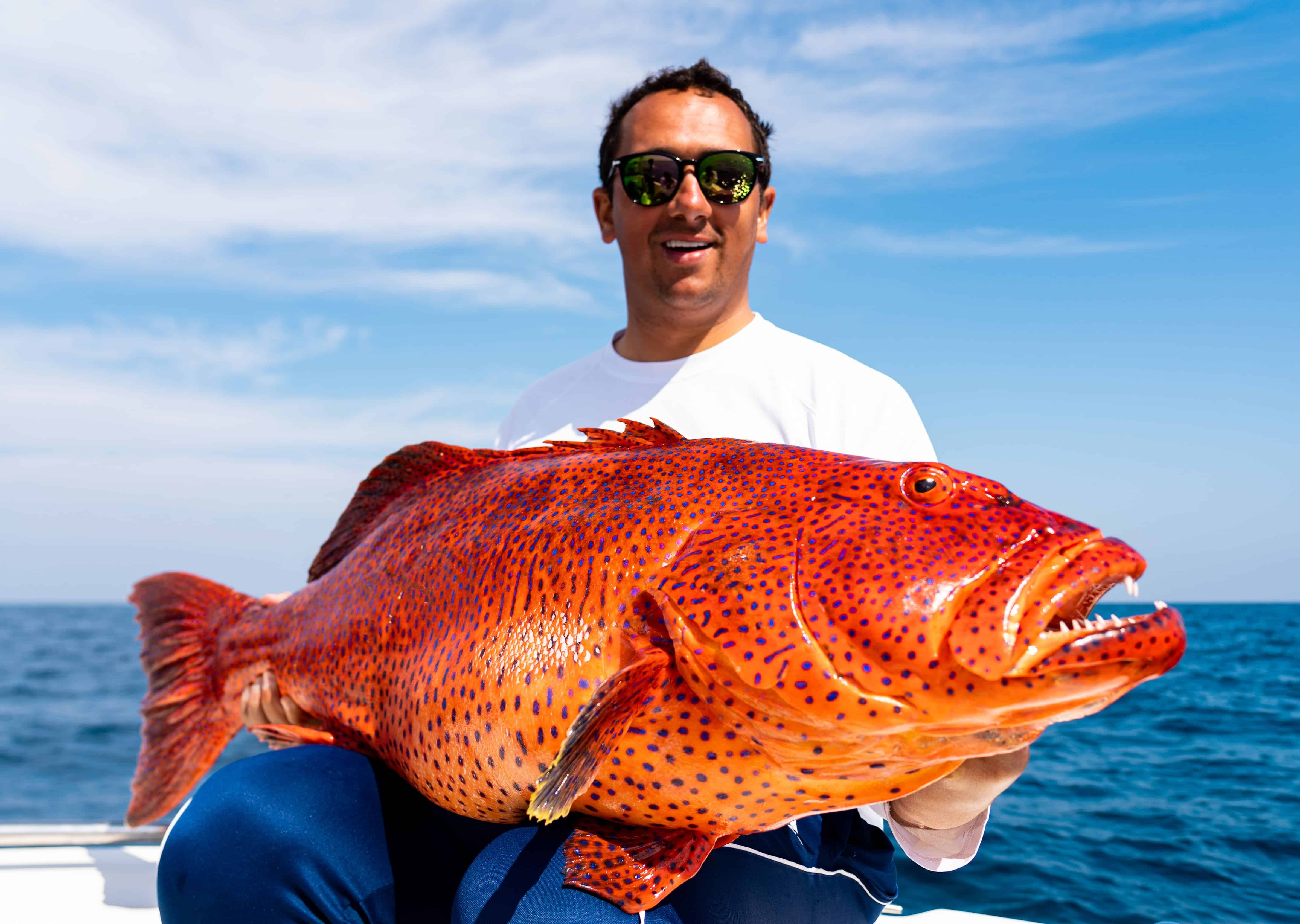
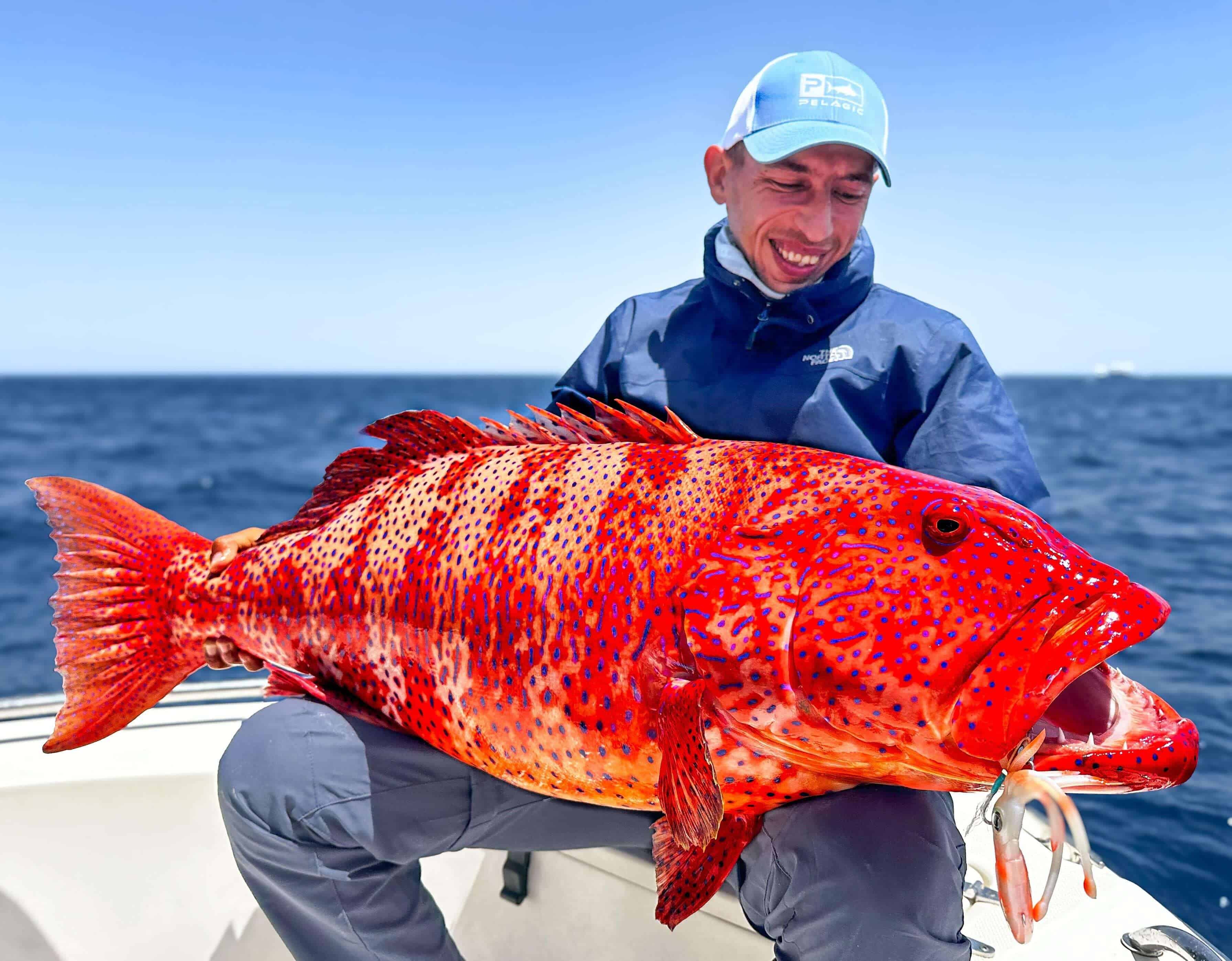
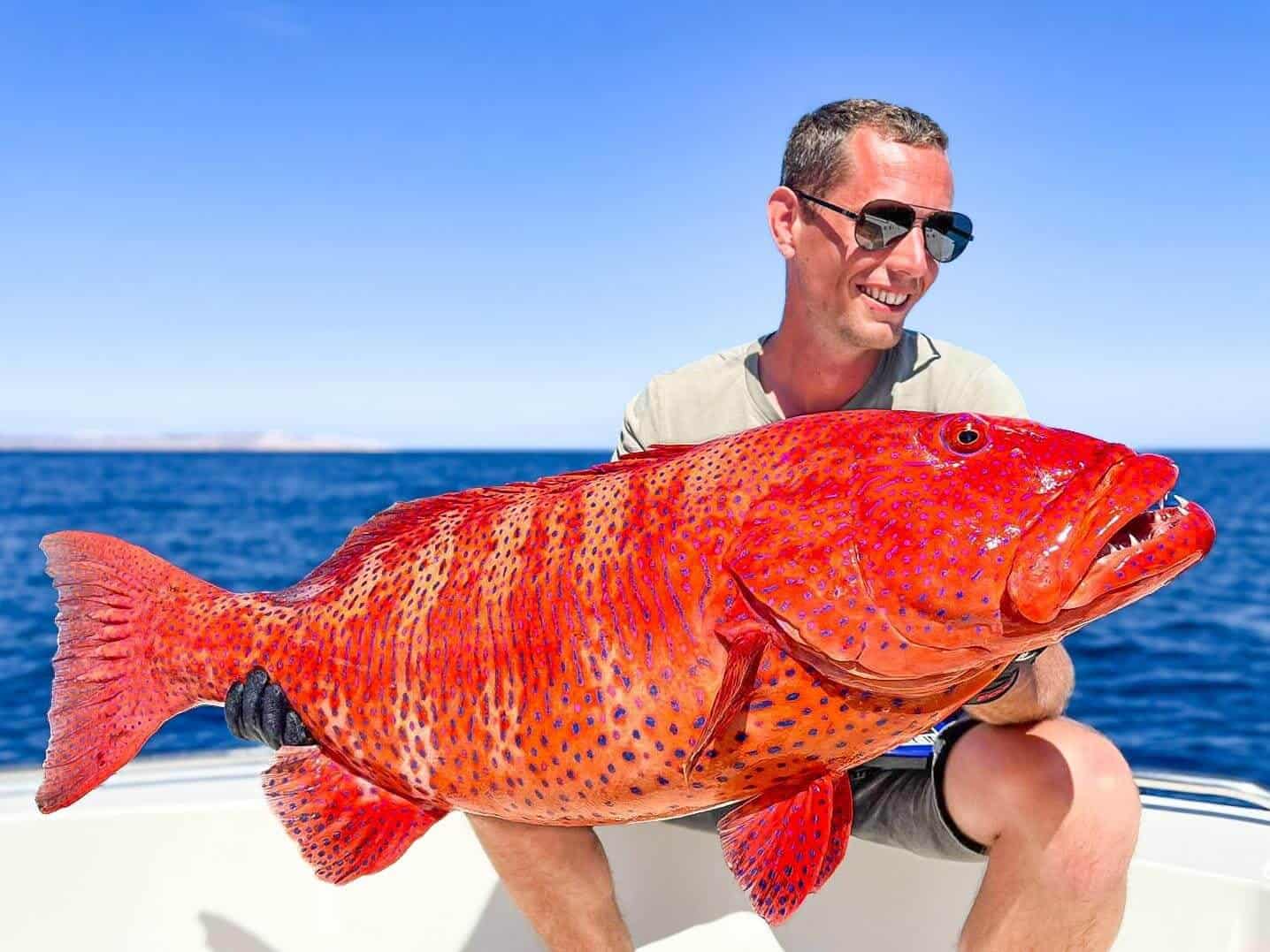
Coral trout have a streamlined, muscular build designed for ambush. Their body displays a vivid spectrum of reds and oranges overlaid with electric blue spots. A blunt head and large, cavernous mouth armed with sharp canine teeth leave no doubt about their predatory lifestyle. While juveniles tend toward lighter, almost orange hues, mature fish develop a deeper red coloration that lights up against reef drop-offs.
Size and World Records
Though many anglers encounter fish averaging 3 to 6 kilograms, coral trout can grow much larger. Exceptional specimens have been documented over 12 kilograms, with the IGFA All-Tackle World Record standing at 14.60 kg (32 pounds, 2 ounces), landed off the Swain Reefs, Australia. For sportsmen chasing reef records, this species offers both the challenge and the bragging rights.
Geographic Range and Habitat
Coral trout occupy a broad Indo-Pacific distribution that fuels their reputation as a premier reef target. They thrive in the Red Sea, along the Great Barrier Reef, extend through Papua New Guinea, Indonesia, the Philippines, and the Ryukyu Islands of southern Japan, and occasionally turn up around New Caledonia. These fish prefer clear tropical waters rich in coral structure, often holding along steep outer reef slopes, lagoon systems, and reef passes with reliable tidal movement. Anglers traveling to remote reef systems quickly learn that coral trout are the dominant predators patrolling bommies and ledges between 3 and 100 meters deep.
Feeding Habits and Behavior
Everything about the coral trout’s build and behavior speaks to life as an apex reef hunter. Solitary and territorial, they wait in ambush among coral heads, erupting in sudden bursts to engulf prey. Their diet centers on smaller reef fishes like fusiliers and wrasses, though they’ll happily seize a passing squid or crustacean. Dawn and dusk often produce peak feeding windows, with fish actively patrolling their territories before retreating to the security of ledges and caves.
Reproduction and Growth
Coral trout follow the fascinating life cycle common to many reef groupers. They are protogynous hermaphrodites, starting life as females and transitioning to males as they mature. Sexual maturity typically occurs around 35 to 40 centimeters, with spawning aggregations forming seasonally—most prominently between September and December on Australia’s Great Barrier Reef. Fertilized eggs drift in the currents before settling on the reef, where larvae grow among coral shallows before moving deeper.
Techniques and Tackle for the Traveling Angler
For sports fishermen visiting these tropical reefs, success comes down to stout gear and decisive technique. Heavy spin or jig outfits in the 30 to 50 lb braid class, rigged with abrasion-resistant leaders, are essential to counter the trout’s habit of charging straight into coral. Anglers often find their most reliable results working metal jigs or soft plastics near drop-offs, trolling deep-diving lures along reef edges, or casting stickbaits and poppers over bommies at dawn. Bottom fishing with live baits remains a classic approach, though in many destinations, artificial presentations are increasingly popular for the sheer excitement of the strike.
Interesting Facts
Beyond their explosive strikes and brilliant colors, coral trout are capable of rapid color changes that signal aggression or excitement. Divers often report these fish trailing them curiously, emerging from coral shadows to investigate any commotion. Their territorial nature makes them particularly vulnerable to overfishing during spawning aggregations, adding urgency to conservation efforts.
Final Thoughts
Few reef species combine the raw beauty, power, and fascination of the coral trout. Whether you’re planning an expedition to the Red Sea, the Ribbon Reefs of Australia, a liveaboard adventure in Indonesia, or a remote lodge trip in Papua New Guinea, targeting coral trout is an unforgettable experience for any traveling angler.
Ready to plan a coral trout adventure? Get in touch to explore the best lodges, charters, and guided trips across the Indo-Pacific.