
Bucket List Species: Brown (Sea) Trout
Brown Trout & Sea-Run Brown Trout: Two Lives, One Species
For many fly anglers, the brown trout is the ultimate freshwater quarry. Known scientifically as Salmo trutta, this species exists in two distinct life strategies: the resident brown trout and the migratory sea-run brown trout, often called sea trout. They are genetically the same fish, yet their lives take very different paths. Resident browns remain in rivers and lakes, growing strong and often fiercely territorial. Sea trout, by contrast, migrate to the ocean for much of their lives, feeding in the rich coastal waters before returning to rivers to spawn.
Native Roots and Global Reach
Brown trout are native to Europe, where they have lived in rivers, lakes, and coastal systems for millennia. Over the past 150 years they have been introduced to other continents, where they thrived in places like North America, South America, Australia, and New Zealand. Today, they are one of the most widely distributed and celebrated sport fish in the world, though their original stronghold remains the rivers and coasts of Europe.
The Appeal of the Brown Trout
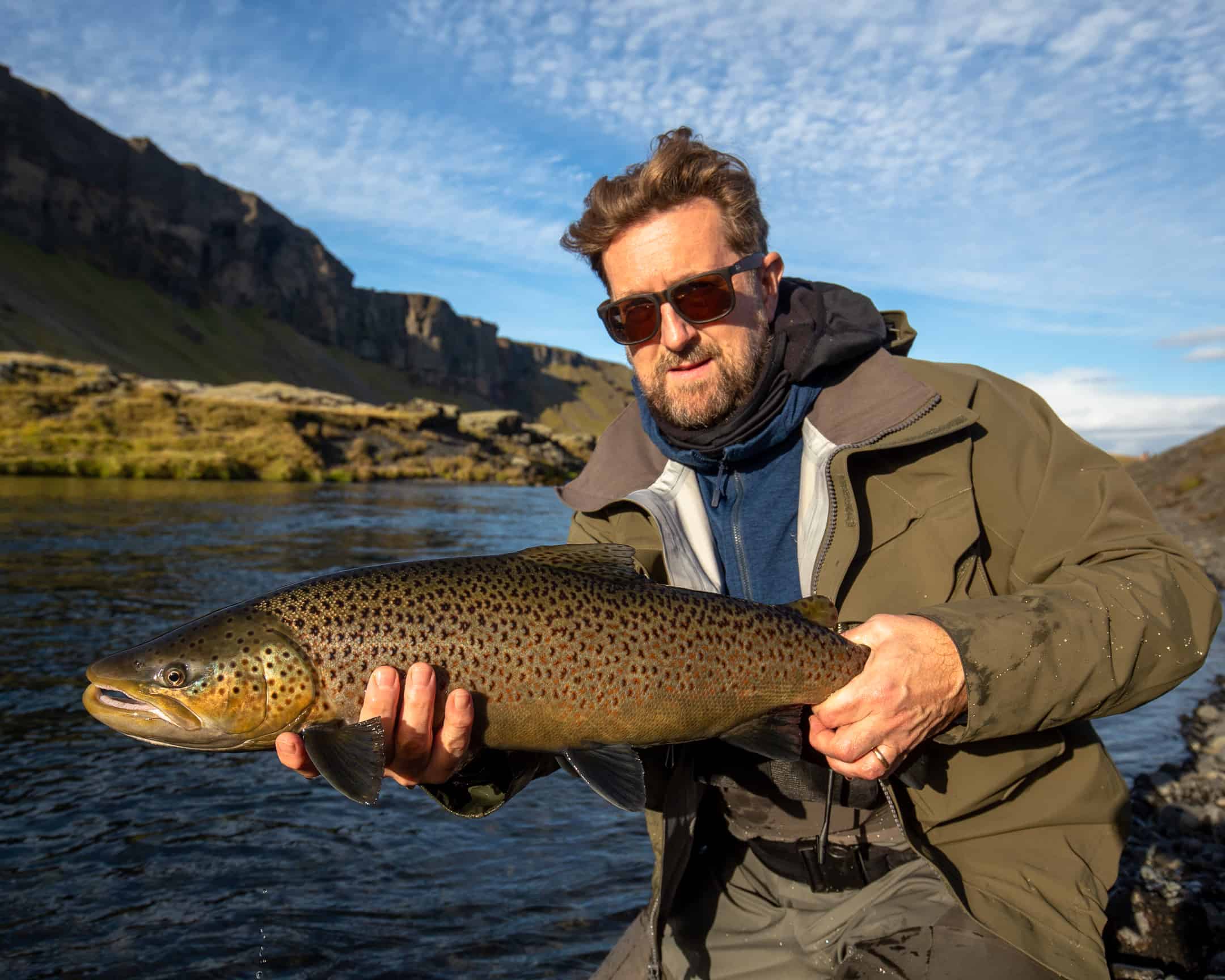
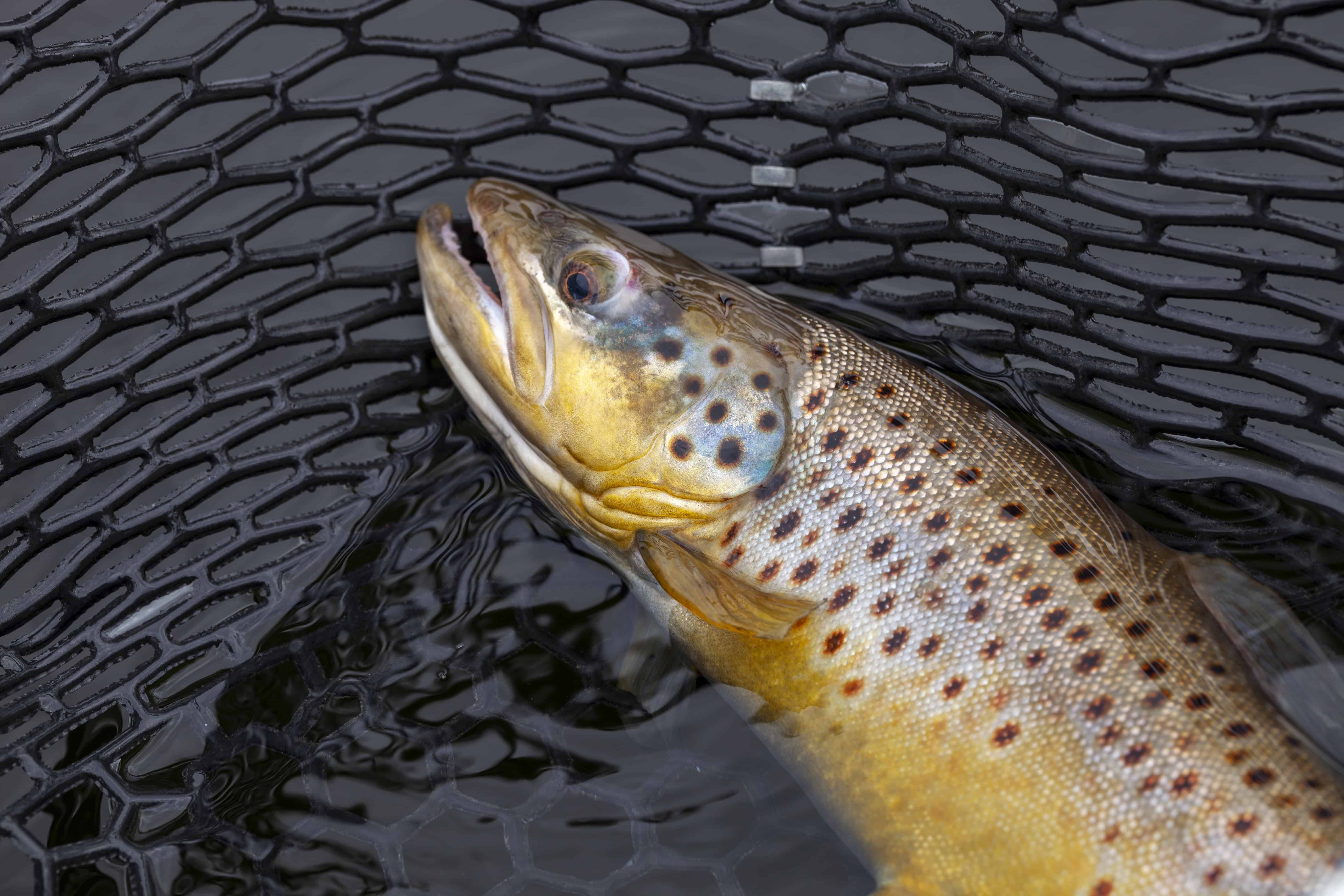
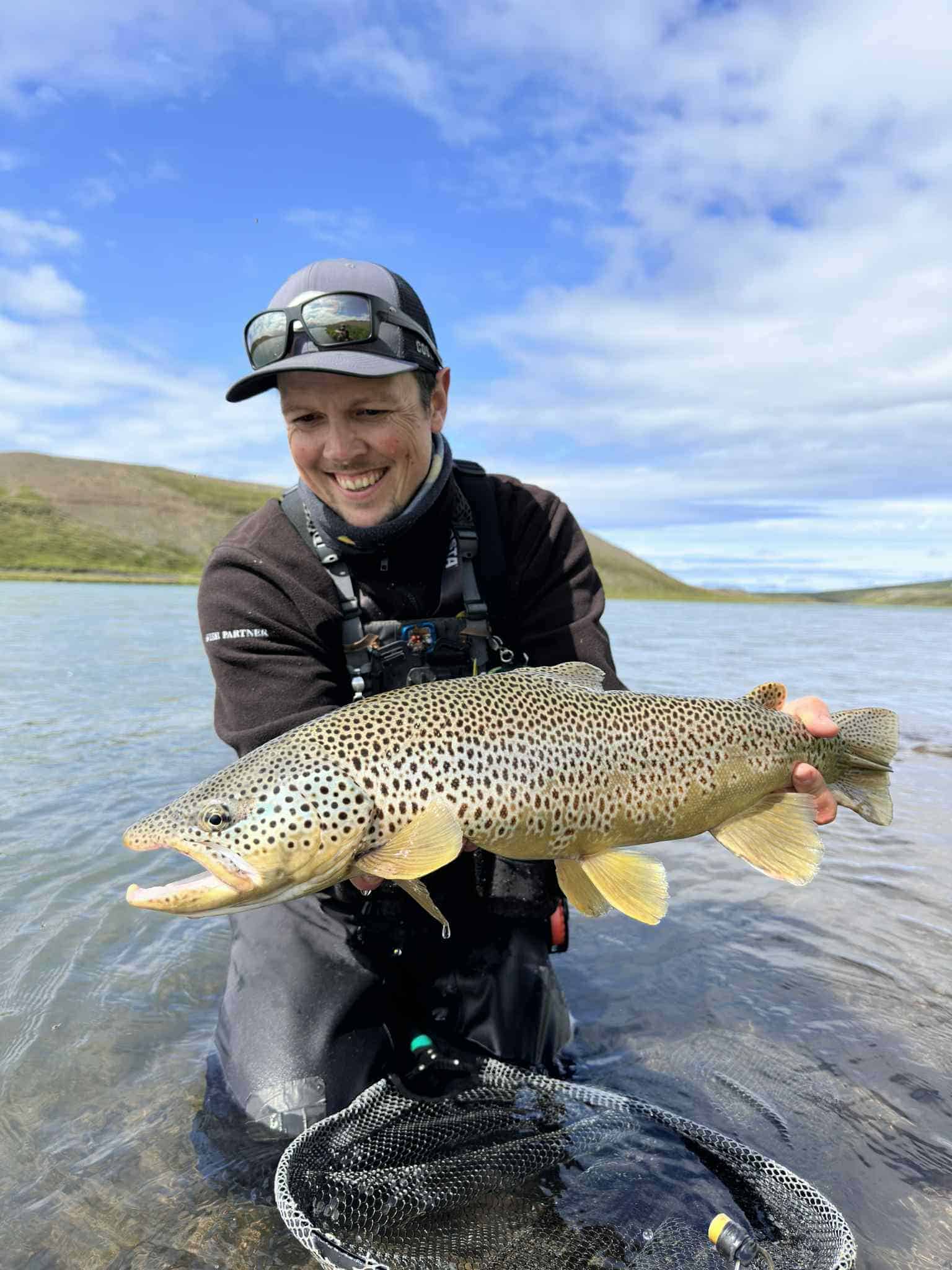
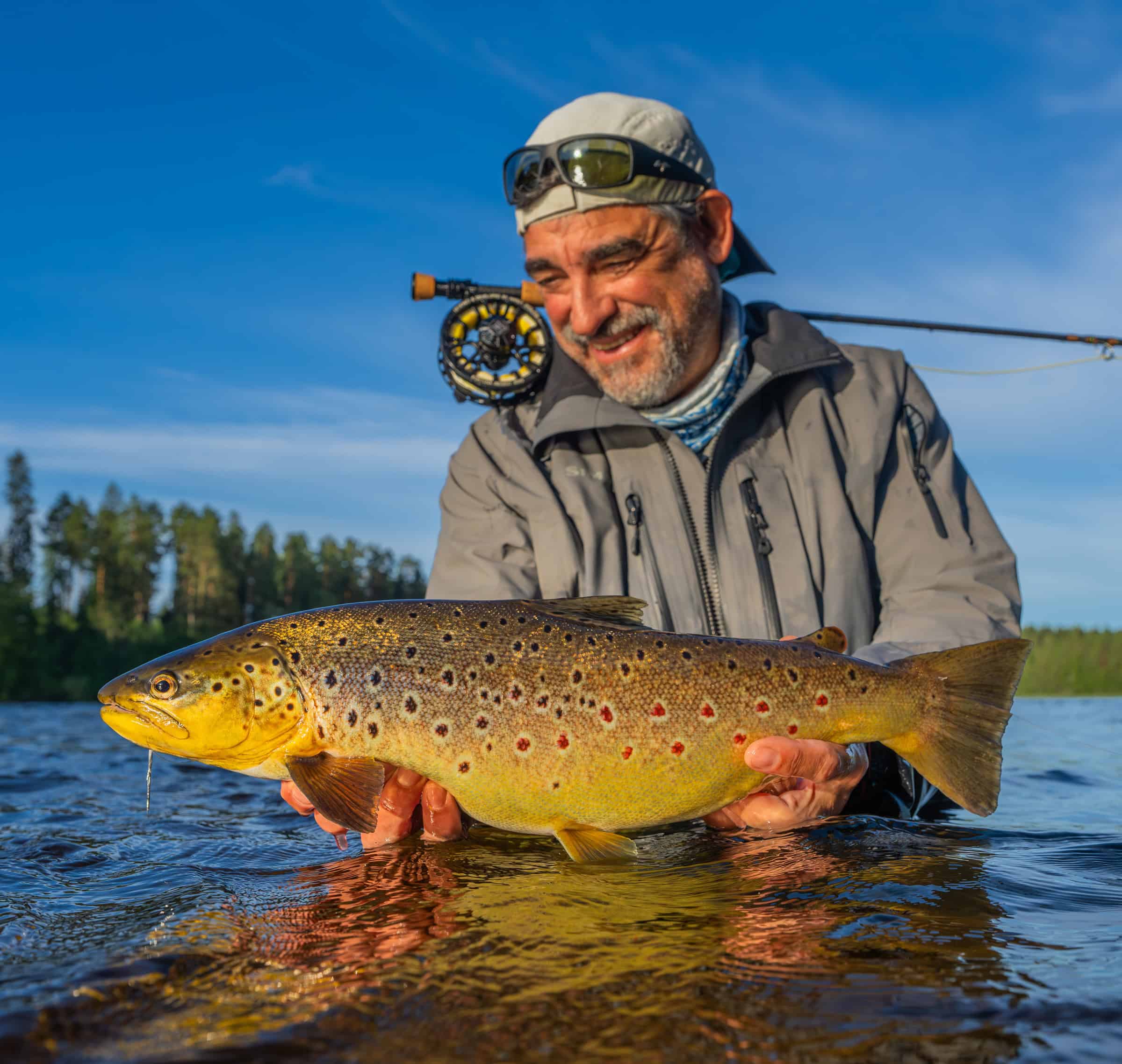
Brown trout have a reputation for being wary, selective feeders, and capable of growing to impressive sizes. In cold, nutrient-rich waters they thrive, with trophy fish pushing past the 10-pound mark in many destinations. Their coloration—golden flanks dusted with red and black spots—makes them as striking to look at as they are exciting to catch. Browns can live in everything from alpine streams to lowland rivers and large lakes, giving anglers an incredible range of opportunities worldwide.
How Big Do They Get?
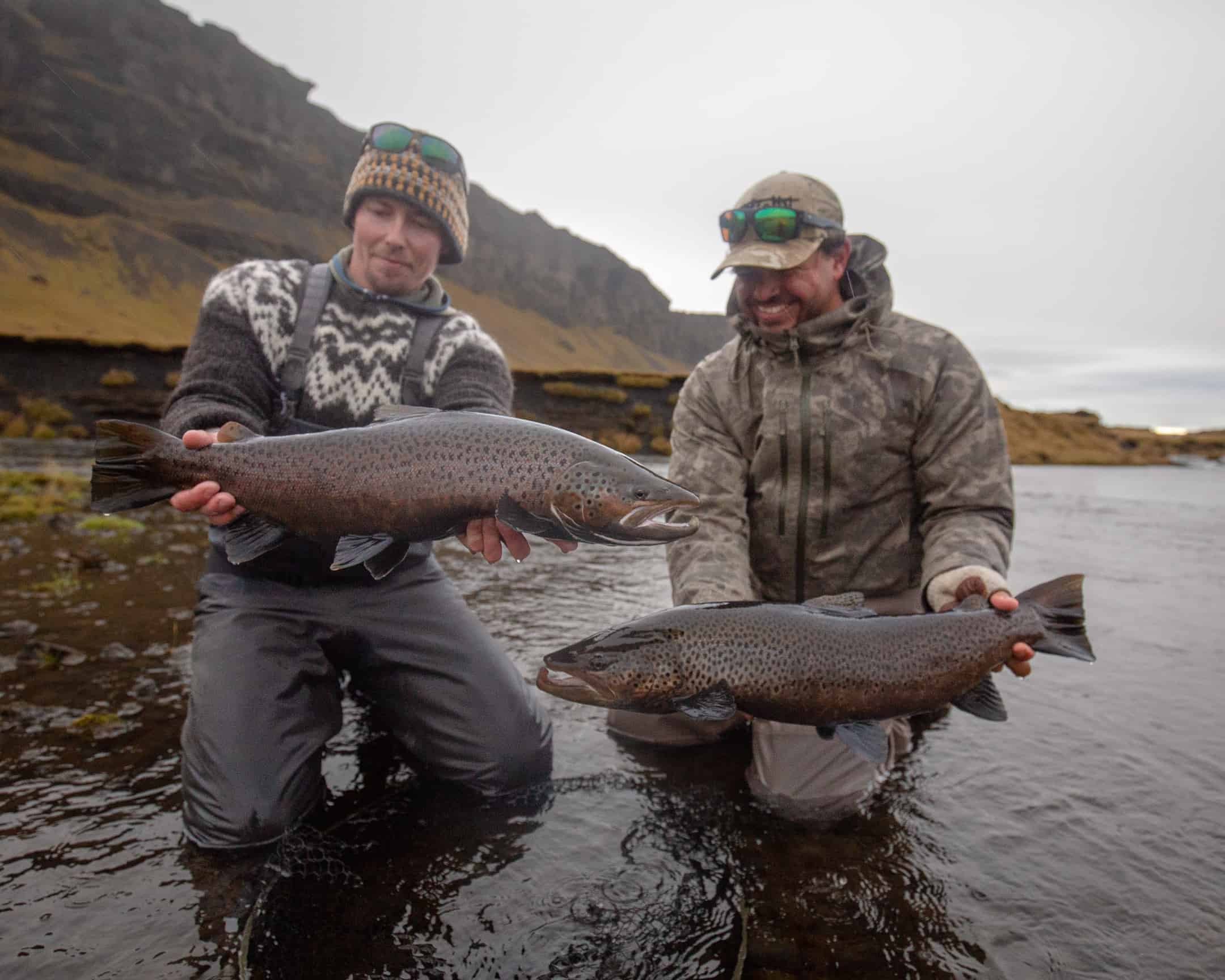
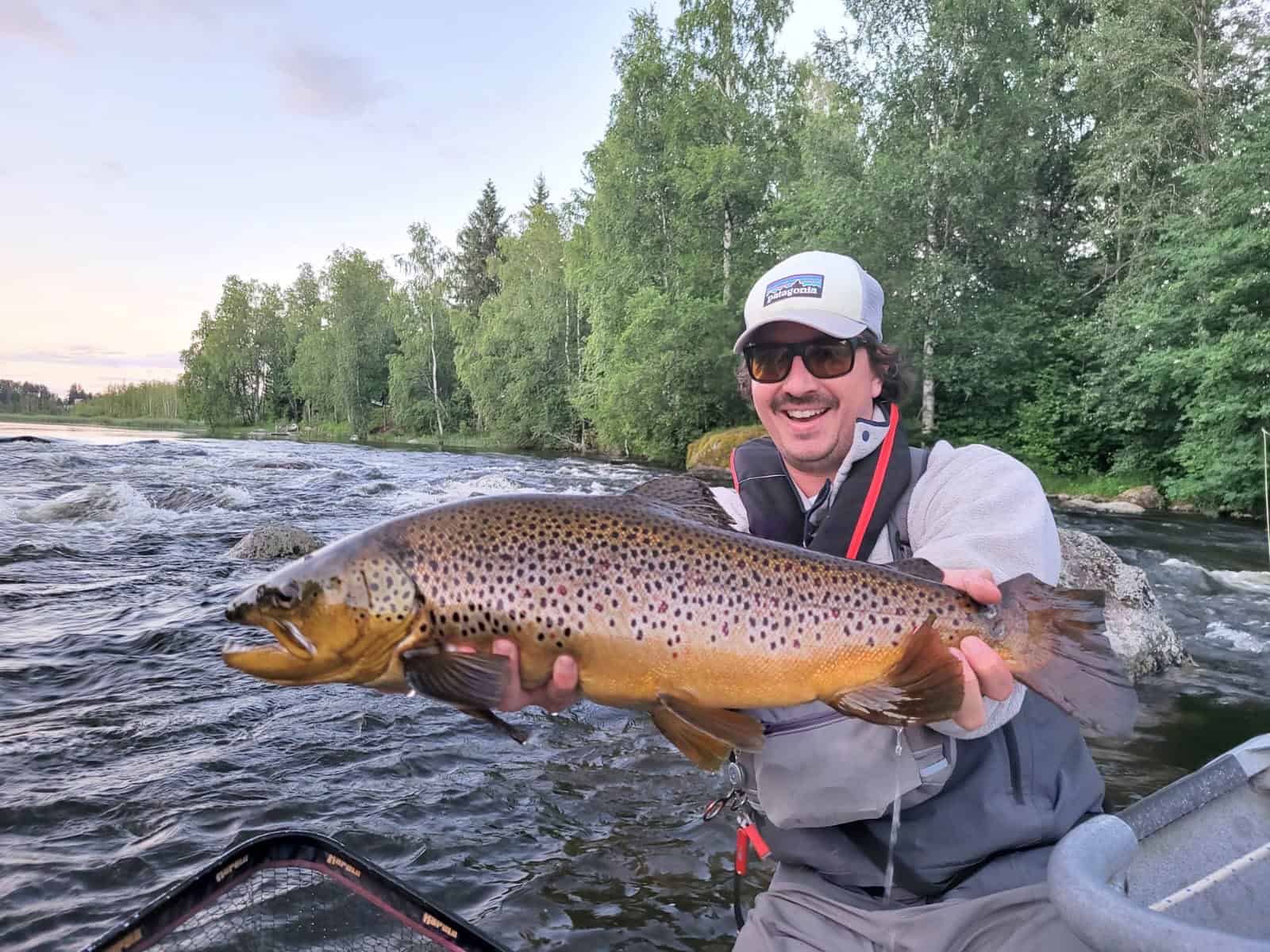
While most anglers encounter browns in the 1–5 pound range, under the right conditions they can reach extraordinary sizes. Record fish from European lakes and rivers have pushed well past 30 pounds, with Lake Ohrid (North Macedonia/Albania) and Loch Awe in Scotland producing giants. In South America’s Tierra del Fuego, sea-run browns regularly surpass 20 pounds, and the world record stands at over 40 pounds—a testament to the species’ potential for growth when food is abundant.


Sea Trout: The Silver Ghosts
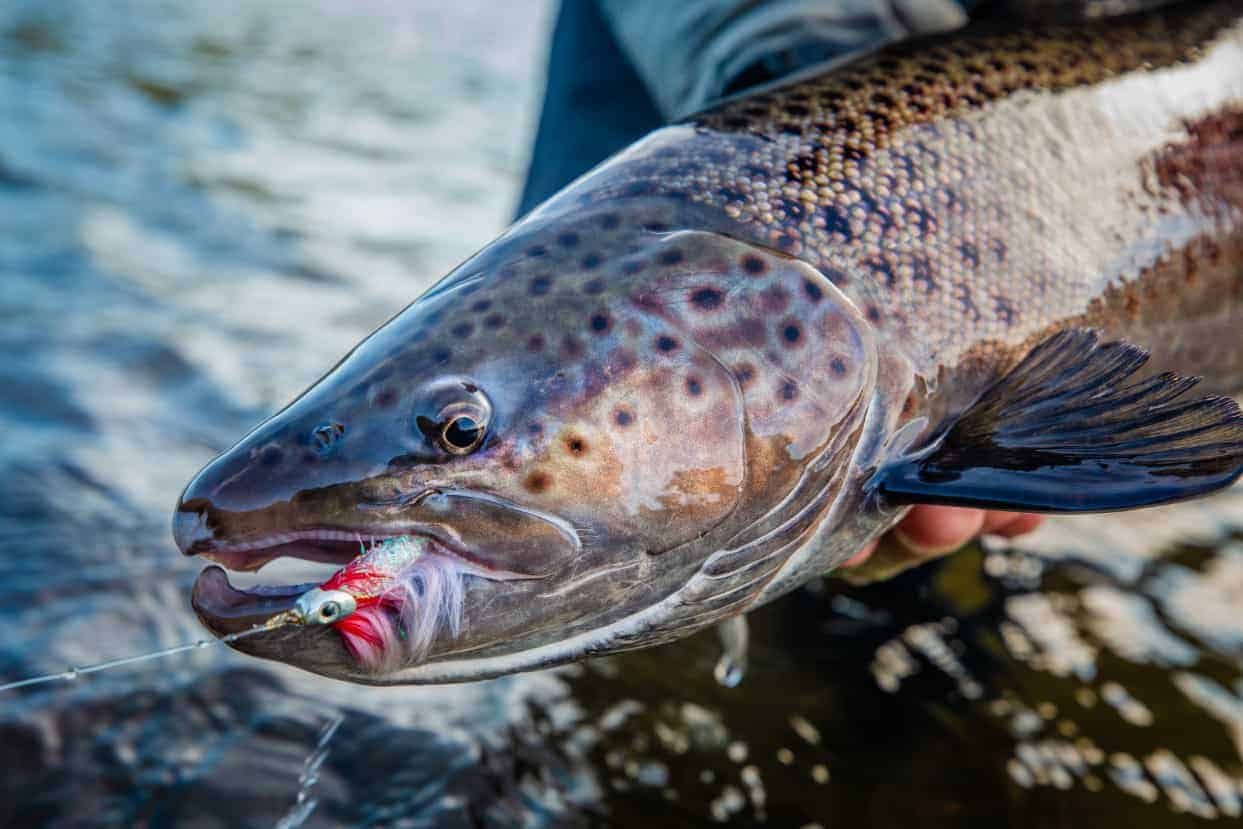
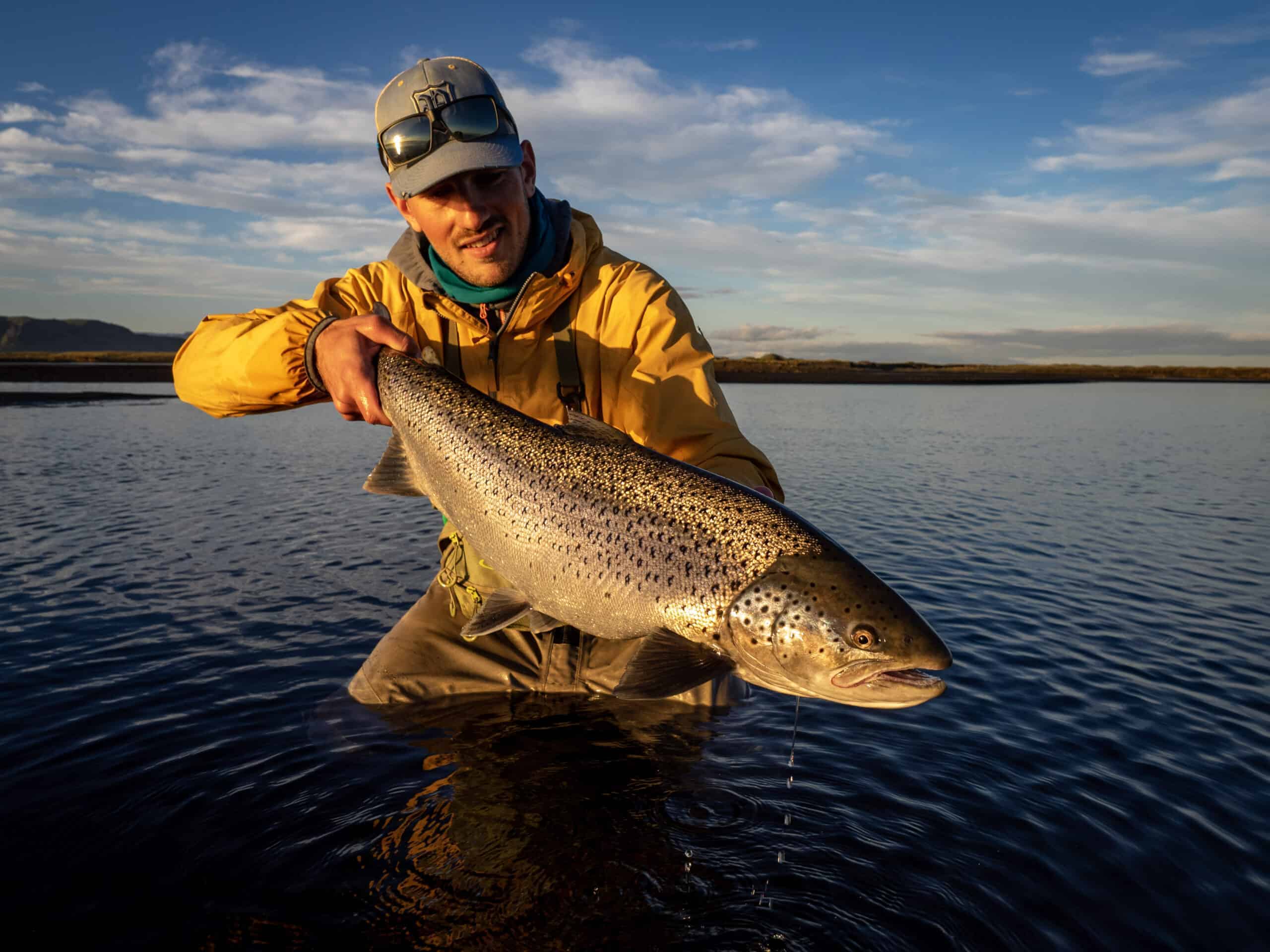
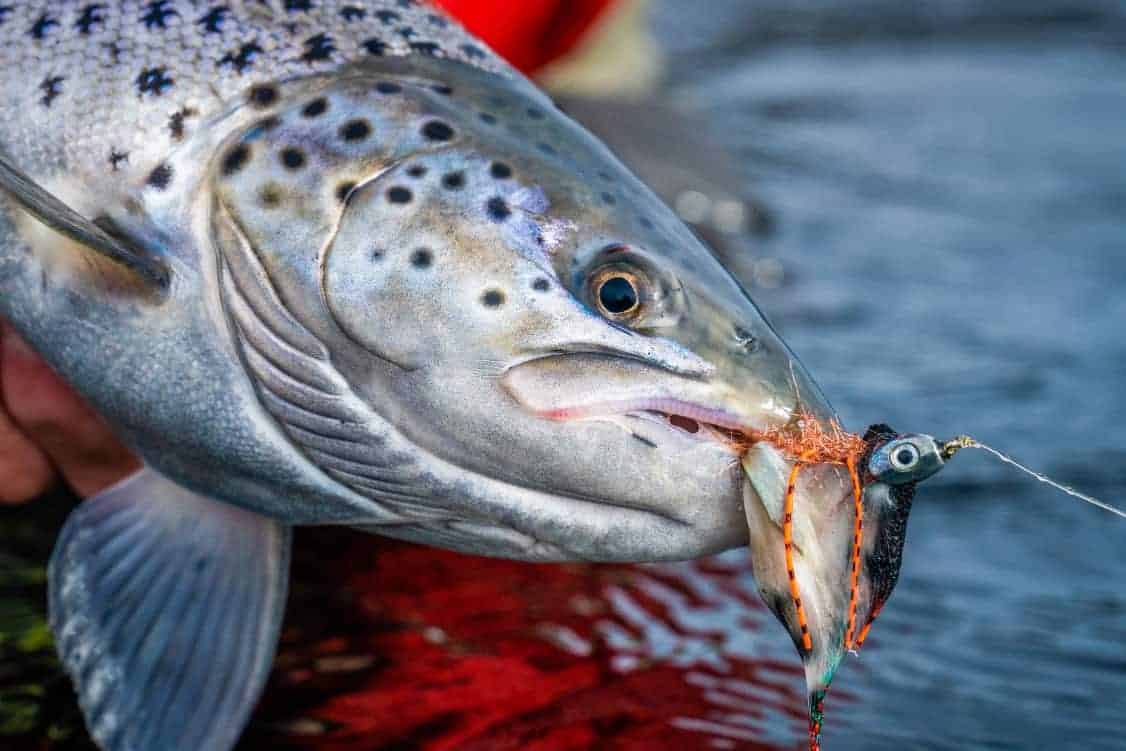
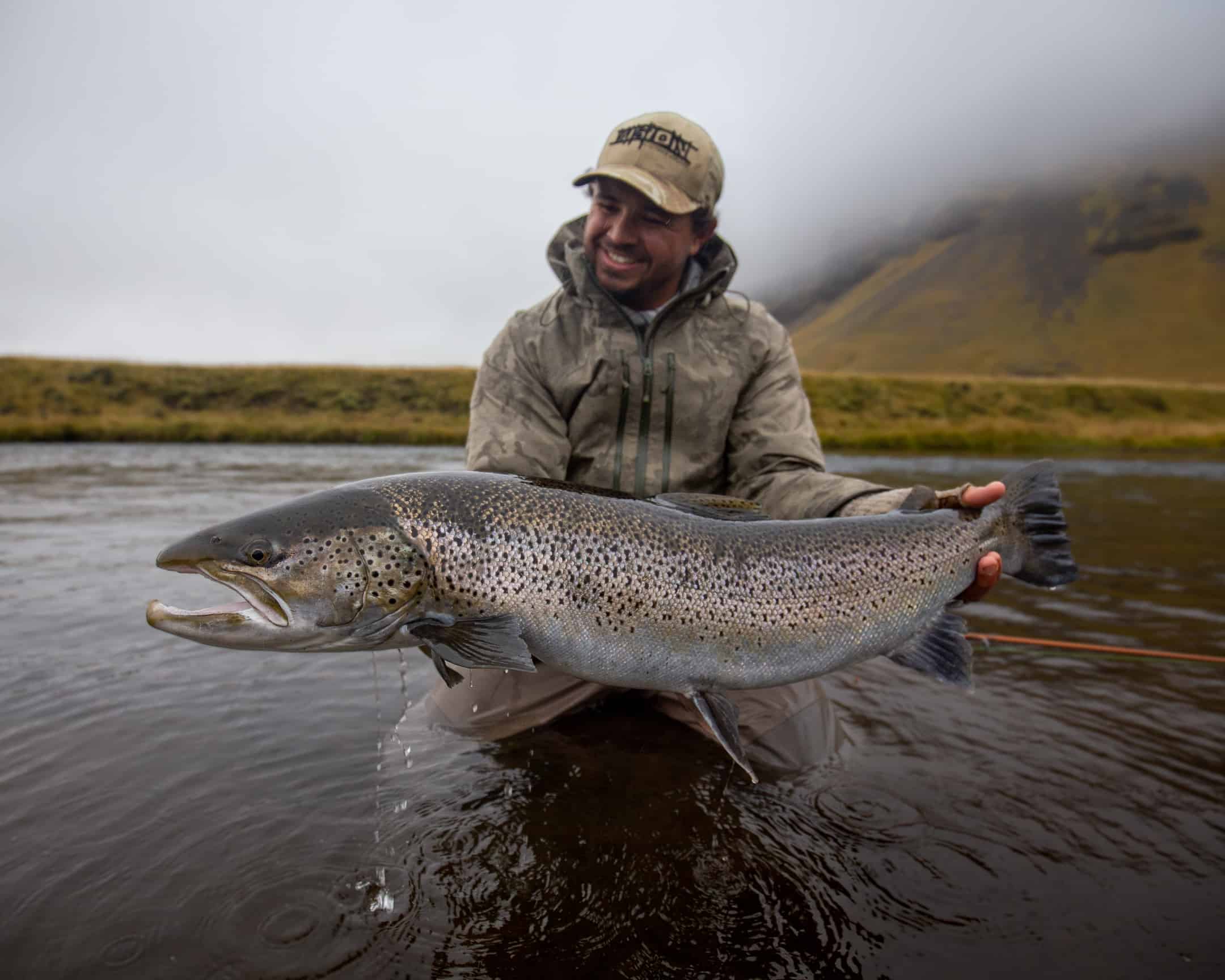
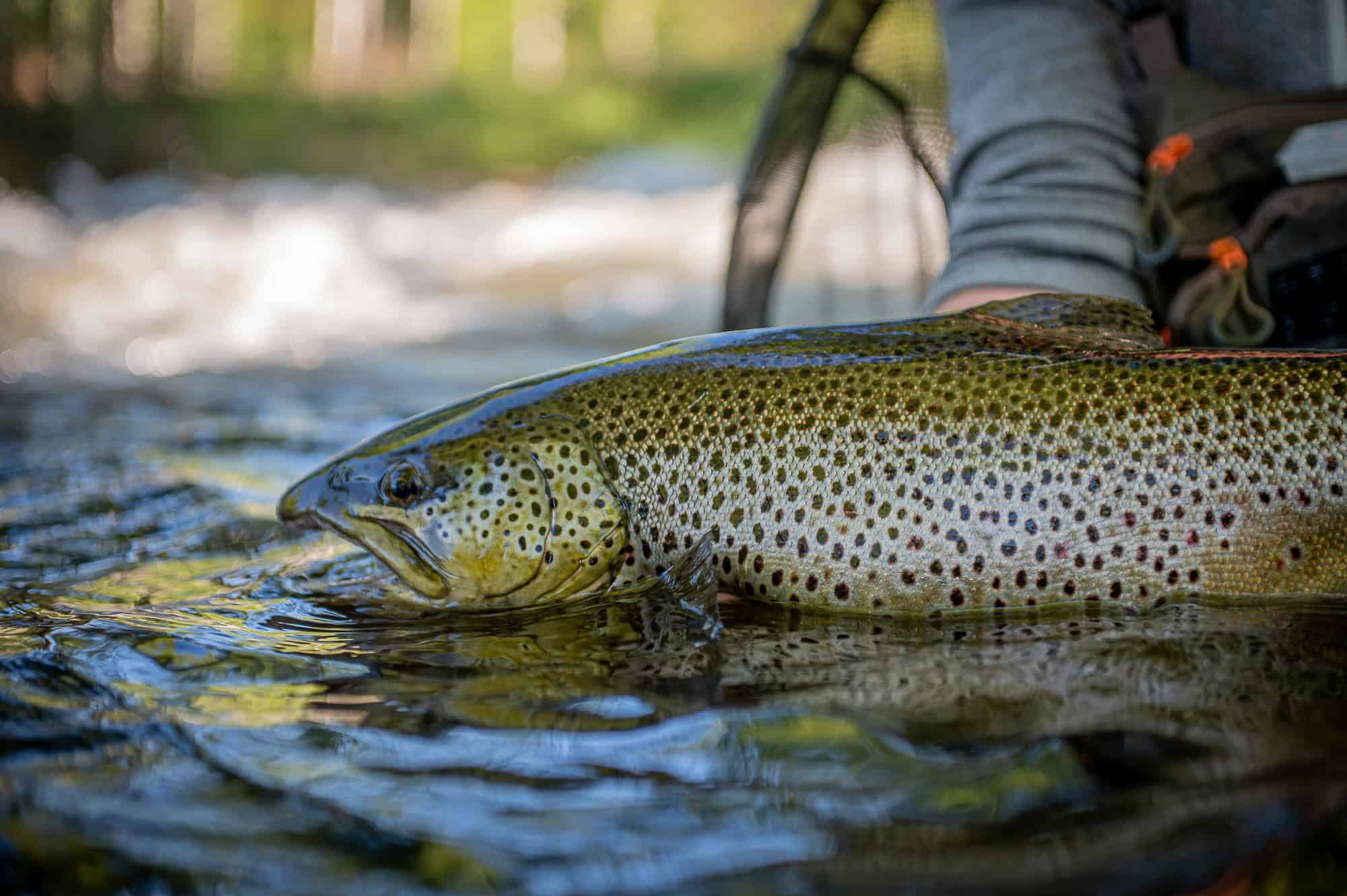
Sea-run brown trout are legendary for their strength and unpredictability. When they return from the ocean, their bodies take on a silvery sheen, earning them the nickname “silver ghosts.” Unlike salmon, which stop feeding when they enter freshwater, sea trout often continue to strike at well-presented flies or lures, making them one of the most thrilling migratory fish to target. Their fights are electric, often marked by acrobatic runs and sudden bursts of power.
Where to Find Them
Brown Trout: Found across Europe, North America, South America, and even parts of Australasia, browns are among the most widely distributed trout. Famous destinations include Iceland, Patagonia, Montana, and New Zealand’s South Island.
Sea Trout: These fish are concentrated in northern Europe, particularly in Iceland, Scotland, Ireland, and Scandinavia. South American rivers in Tierra del Fuego have also become world-renowned for giant sea-run browns, with fish topping 20 pounds.
Coastal Sea Trout Fishing
While many anglers pursue sea trout in rivers, some of the most exciting fishing takes place along the coast. In places like Gotland in Sweden or Denmark’s Baltic shores, sea trout cruise the shallows, feeding on shrimp and baitfish. Wading the surf with a fly rod or light spinning setup offers a uniquely challenging experience, often in bracing winds and cold water. The rewards are memorable—hard-fighting sea trout taken just a few yards from shore.


Feeding Frenzies in Finland
One of the most remarkable brown trout experiences takes place in Finland, when large schools of baitfish migrate along the coast. Browns gorge themselves during this seasonal event, slashing through shoals and feeding aggressively on the surface. For anglers, it’s a rare chance to see typically cautious trout behaving like pelagic predators. Casting streamers or surface flies into the frenzy produces explosive strikes, and the sight alone is unforgettable.
Ferox Trout
Ferox trout are one of the most fascinating and elusive forms of brown trout (Salmo trutta). Found primarily in deep, cold lakes of Scotland, Ireland, and parts of Scandinavia, ferox are thought to be an ancient strain that evolved to specialize in feeding on other fish rather than insects. They grow exceptionally large, often exceeding 20 pounds, with a few specimens topping 30. Their size and rarity make them a true trophy for dedicated anglers, though targeting them requires patience and the right approach. Trolling large lures or dead baits in deep water is the most effective method, as these fish spend much of their time cruising the depths in search of prey. For many, catching a ferox is not just about the fight, but about connecting with one of the most mysterious and storied trout in Europe.

Techniques That Work
Brown Trout: Classic dry-fly fishing remains a favorite, especially on clear streams where browns rise to hatches of mayflies and caddis. Streamer fishing can draw out territorial trophies from undercut banks, while nymphing is often the most reliable method for consistent hookups.
Sea Trout: Night fishing with surface flies can be explosive, particularly in rivers where sea trout hold in deeper pools. Swinging larger streamers or shrimp patterns in coastal estuaries is another productive approach. A stout 6–8 weight rod is recommended to handle their power.
Zebra Trout: A Rare Jewel
Among the many regional variations of brown trout, the zebra trout of the Pyraness, Corsica and Sardinia stands out. Known for their bold, dark vertical stripes, these fish inhabit clear mountain streams and are prized for their beauty as much as their spirited fights. Though smaller than many of their cousins, zebra trout are a fascinating subspecies that showcase the adaptability and diversity of Salmo trutta.
Why They Belong on Your Bucket List
What sets these fish apart is not only their fighting spirit but also the places they call home. Chasing brown trout often takes anglers into pristine wilderness, whether it’s a remote Icelandic valley or a Patagonian river snaking through the Andes. Sea trout add the drama of migration, turning rivers into seasonal theaters where silver ghosts return in numbers. For traveling anglers, both forms of Salmo trutta offer not just a fish, but an unforgettable adventure.
Send us a message if keen to start planning your next bucket list fishing trip.
Explore Brown Trout Destinations
Frequently Asked Questions:
What is the difference between brown trout and sea trout?
They are the same species (Salmo trutta). Brown trout remain in freshwater their entire lives, while sea trout migrate to the ocean, feeding on rich marine life before returning to rivers to spawn.
How big can brown trout and sea trout grow?
Most fish caught are between 1–5 pounds, but trophy browns can reach 20–30 pounds in the right conditions. Sea trout in South America and northern Europe regularly exceed 15–20 pounds, with the world record topping 40 pounds.
Where are the best places to fish for sea trout?
Prime destinations include Iceland, Finland, Ireland, Scotland, Denmark, and Sweden’s Gotland Island. South America’s Tierra del Fuego is world-famous for giant sea-run browns. Coastal fishing in Scandinavia and river fishing in Patagonia both offer world-class opportunities. New Zealand’s backcountry also offers incredible sight-fishing in gin-clear streams.