
Bucket List Species: Bluefin Tuna
The Beast of the Deep: Bluefin Tuna
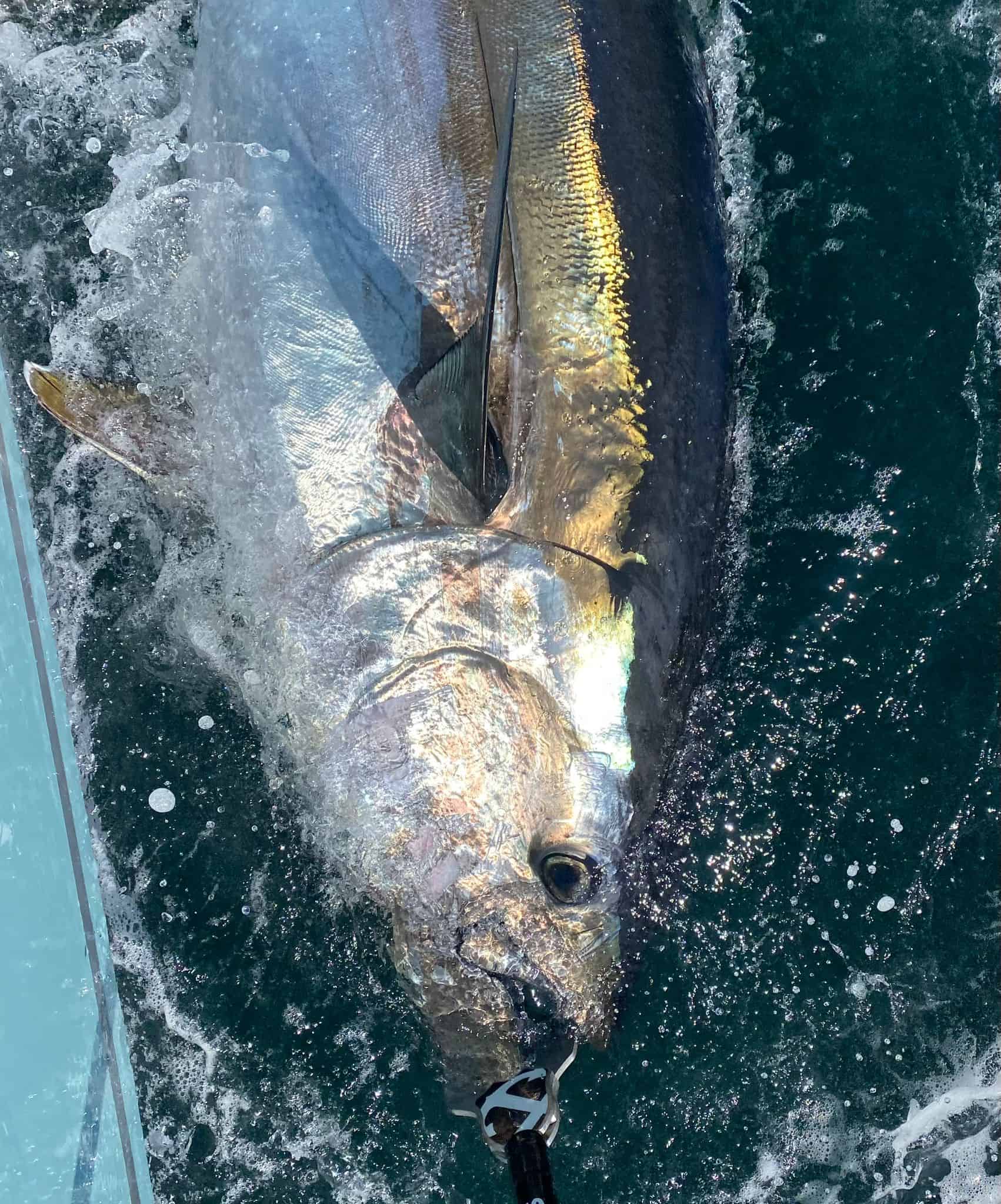
If there’s one fish that sits high on just about every offshore angler’s bucket list, it’s the bluefin tuna. And for good reason. These things are absolute units, pure muscle, torpedo-shaped, and built to run like freight trains in deep blue water. But it’s not just their size or power that makes them so coveted. It’s the whole package: the fight, the places they take you, the history, and the quiet satisfaction of matching up against one of the ocean’s most iconic pelagic predators.
Three Types
First off, there isn’t just one bluefin tuna. There are three recognized species: Atlantic bluefin (Thunnus thynnus), Pacific bluefin (Thunnus orientalis), and Southern bluefin (Thunnus maccoyii). All are big, migratory, warm-blooded predators, and each has its own geographic stronghold.
- Atlantic bluefin are the heavyweights, with the largest ever caught weighing over 1,496 pounds (679 kg)—a rod-and-reel record landed off Nova Scotia in 1979. These fish range from the east coast of North America all the way across the Atlantic to the Mediterranean Sea, where they spawn in massive numbers.
- Pacific bluefin, slightly smaller but still formidable, are mostly found off Japan, Korea, and the western coasts of Mexico and the U.S., especially around Baja California and Southern California.
- Southern bluefin stick to cooler waters of the southern hemisphere—think Australia, South Africa, and parts of the southern Indian Ocean. Though they don’t get quite as big as their Atlantic cousins, they still push well over 500 pounds (225+ kg).
Where to Catch Them
If you’re setting your sights on a bluefin, where you go will depend on the species.
In Europe, the Mediterranean has had a serious comeback story. Just a couple decades ago, stocks were in serious trouble due to overfishing—especially illegal and unregulated takes during spawning season. But thanks to strict quotas and tighter controls, especially through ICCAT (the International Commission for the Conservation of Atlantic Tunas), bluefin numbers have bounced back impressively. Places like Croatia, France, Spain, and Italy now see reliable bluefin runs each season, with big fish popping up more often. Even UK waters and Scandinavia are seeing them again in growing numbers.
For those chasing giants, Canada’s Prince Edward Island and Nova Scotia are still top-tier for Atlantic bluefin, especially if you want a real shot at something over 800 pounds. Down south, Cape Cod and North Carolina also host solid runs.
In the Pacific, the waters off Japan, California, and Mexico’s Pacific coast offer good odds, especially on live bait or kite rigs.
And in the Southern Hemisphere, South Australia—particularly around Port Lincoln—has built a strong reputation for Southern bluefin. Some of the best action comes during their autumn and winter.
In recent years, New Zealand has become one of the premier destinations for Southern bluefin tuna, especially off the south coast of the South Island, around Fiordland, Stewart Island, and the Otago coastline. The season typically runs from late March through June.
What Makes Them Special
Hooking a bluefin is like getting into a bar fight with a submarine. They’re one of the few fish that can blow up a reel just as quickly as they can test your back, your biceps, and your patience. Even mid-sized fish in the 100 to 300-pound range can run deep, circle for hours, and punish light gear. You need stout tackle, heavy drag, and a game plan before you drop a bait.
Their physicality is only part of the draw, though. Bluefin tuna are smart and sensitive to pressure. They’re deep divers, capable of staying at depths beyond most sounders, and they cover enormous distances across oceans. Tagging studies have tracked individual fish from Ireland to the Gulf of Mexico, or Japan to California—epic migrations that underline just how tuned-in these creatures are to ocean currents and food chains.
They also fetch insane prices on the commercial market, which is why they’ve been so heavily fished over the years, especially in Japan’s tuna auctions. That fame cuts both ways. On one hand, it’s made bluefin a global superstar. On the other, it’s put serious pressure on wild stocks.
Conservation and Catch-and-Release
Thankfully, there’s been a significant shift in recent years. Conservation efforts are paying off—particularly in the Mediterranean, where bluefin numbers have rebounded dramatically. Tighter regulations, spawning closures, and better enforcement have made a real difference.
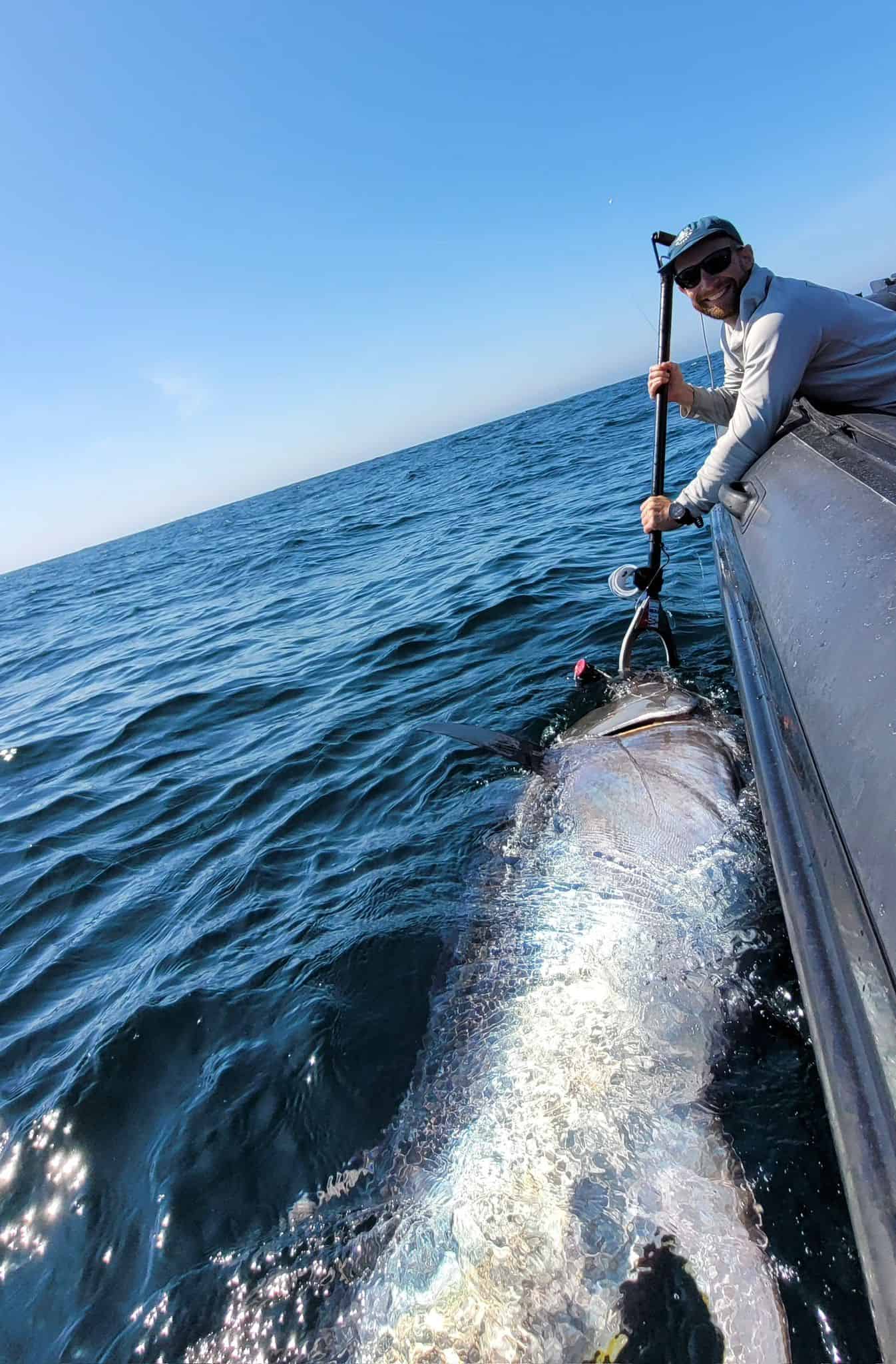
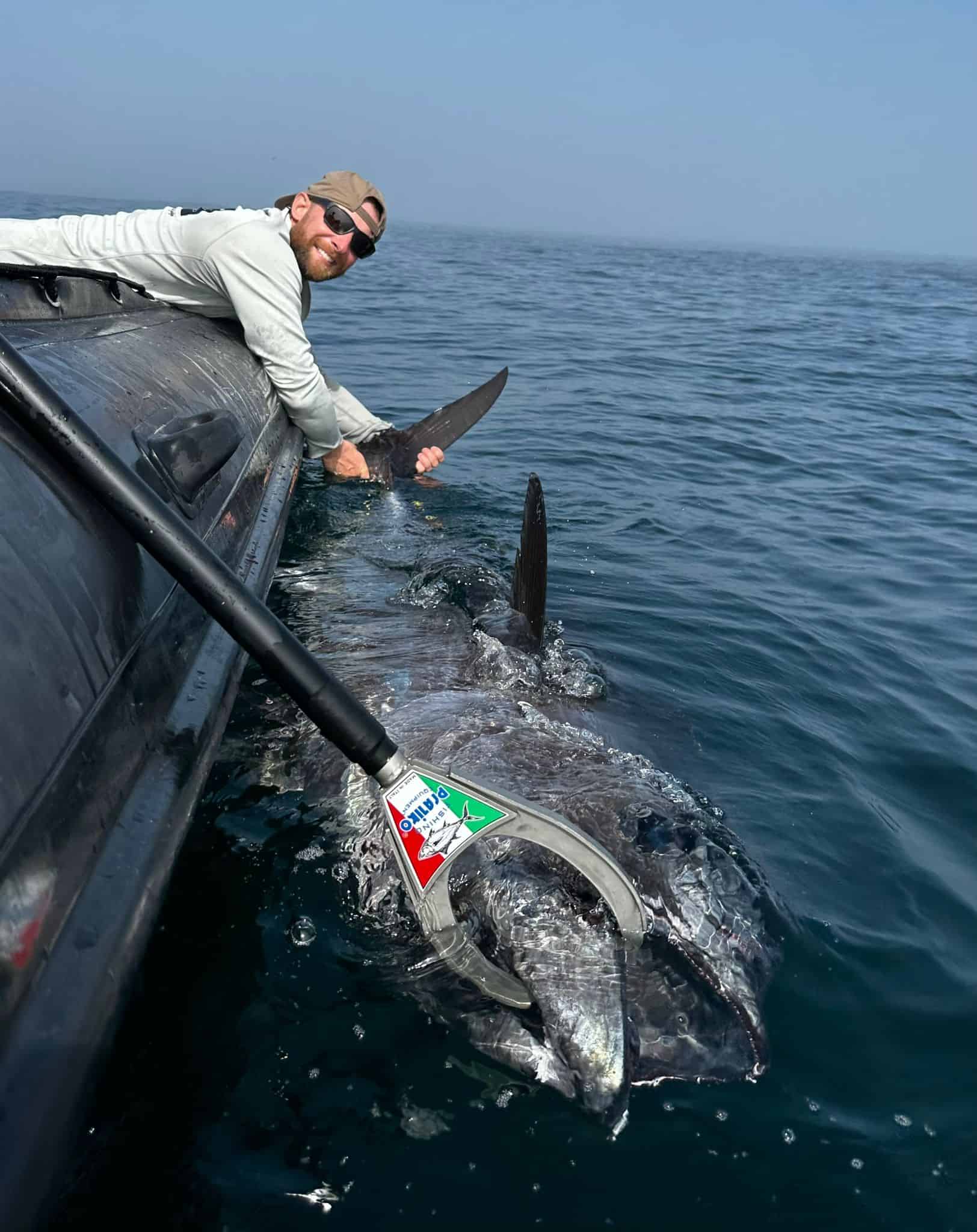
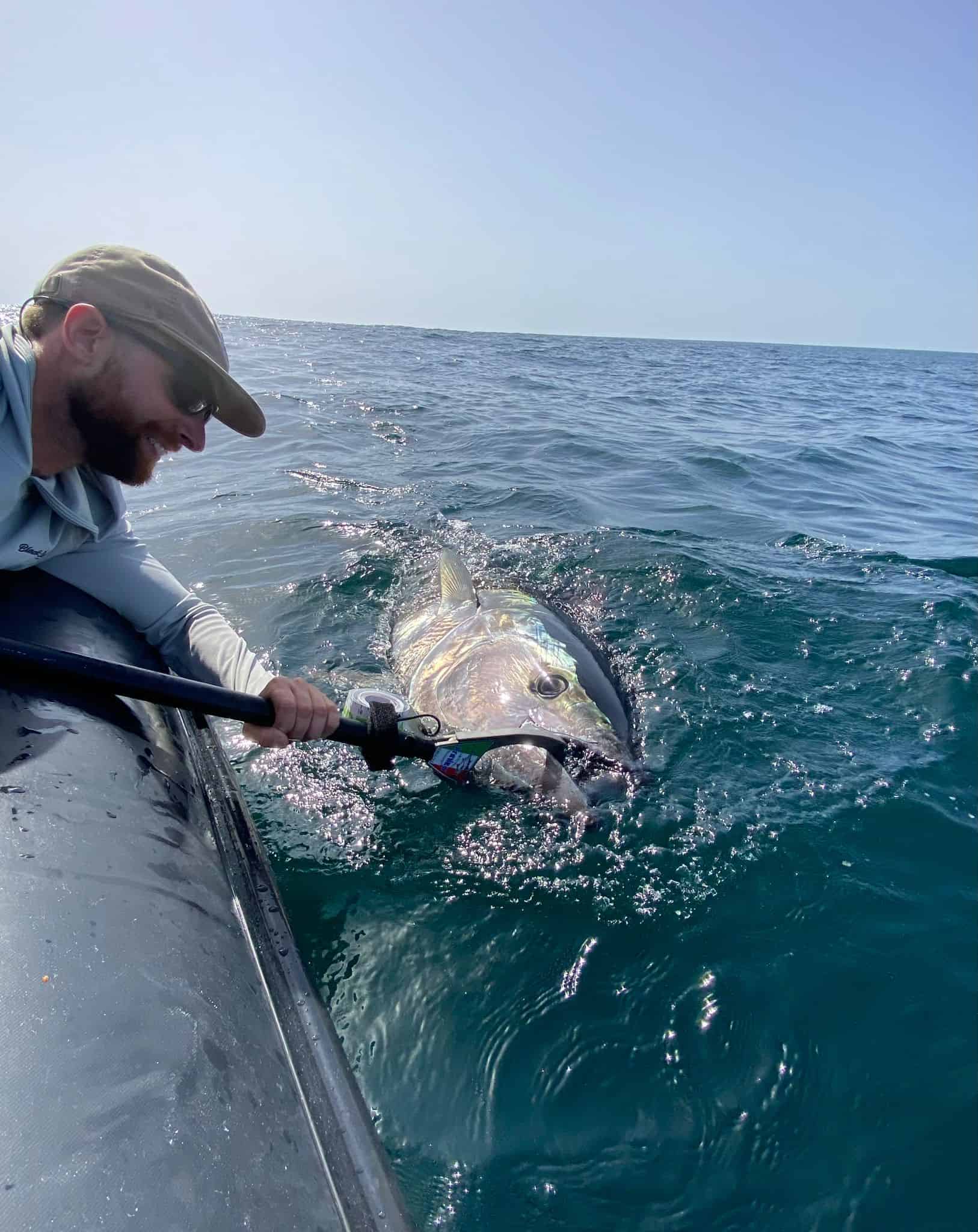
On the recreational side, more anglers are opting for tag-and-release programs, especially for giants. Some charter operators now specialize in this kind of experience—get the fish to the boat, tag it, take a quick pic, and let it swim away strong.
Final Thoughts
Catching a bluefin tuna isn’t just another notch on the belt. It’s a full-on experience that blends preparation, patience, and pure power. Whether you’re drifting off PEI, casting poppers in the Med, or trolling off the Cape, you’ll feel it in your bones when a bluefin comes tight.
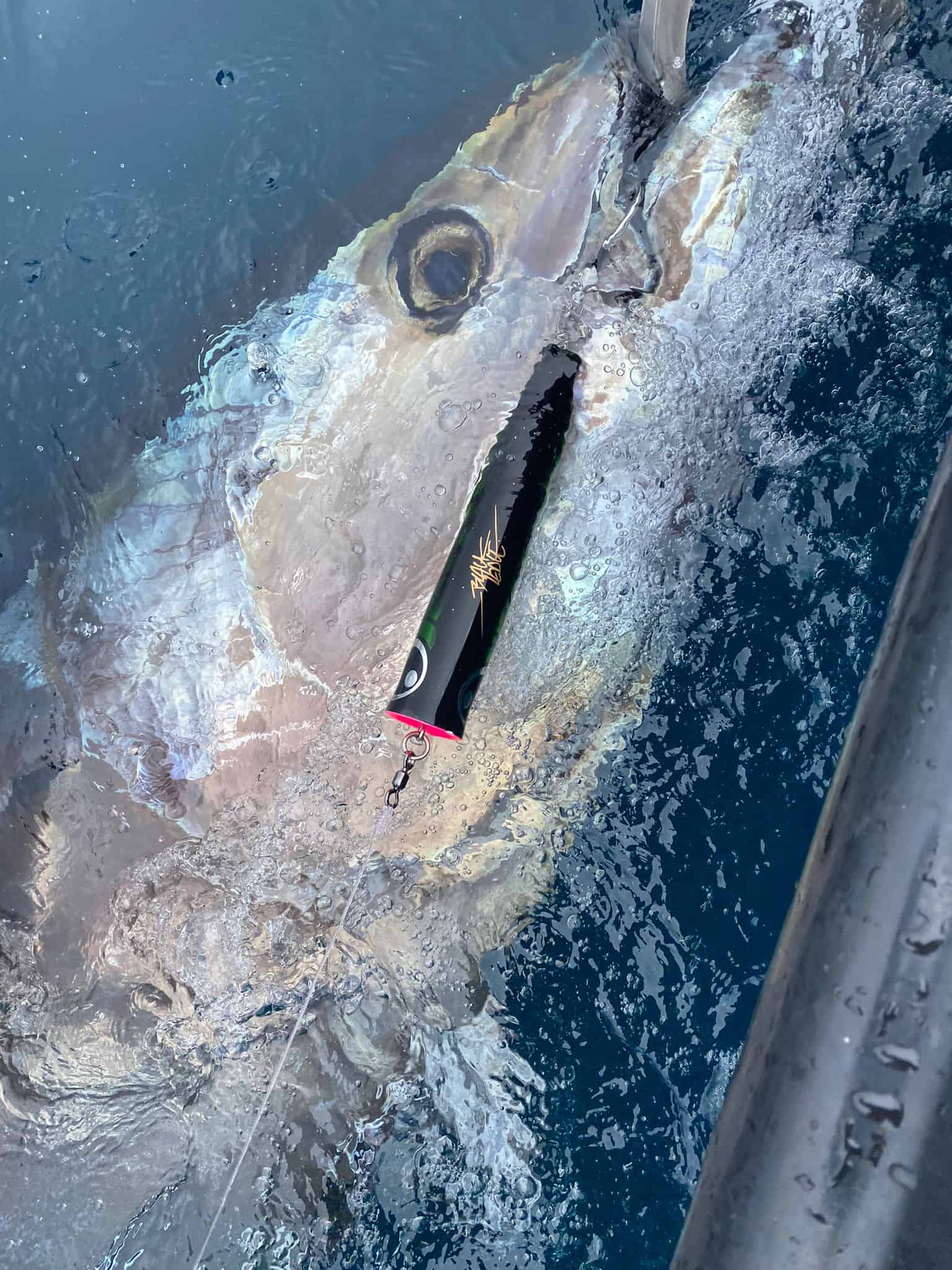
For anyone building out a serious fishing bucket list, this species deserves a place right near the top. Few fish bring together the same mix of legend, fight, and global reach. Bluefin tuna are the real deal—and if you ever get to lock eyes with one, even briefly at boatside, you’ll understand why they’ve captured the imagination of anglers for generations.

Looking to tick the bluefin tuna off your bucket list? Shoot us a message below and we’ll craft your dream trip.