
Tree River Arctic Char
Nunavut, Canada




Key Details
Accommodation
Outpost Lodge
Season
Mid-July – Late August
Species
Arctic Char
Style
Fly-Fishing & Spinning
The largest sea-run Arctic char on the planet.
Bucket List Arctic Char.
Why We Go ➜
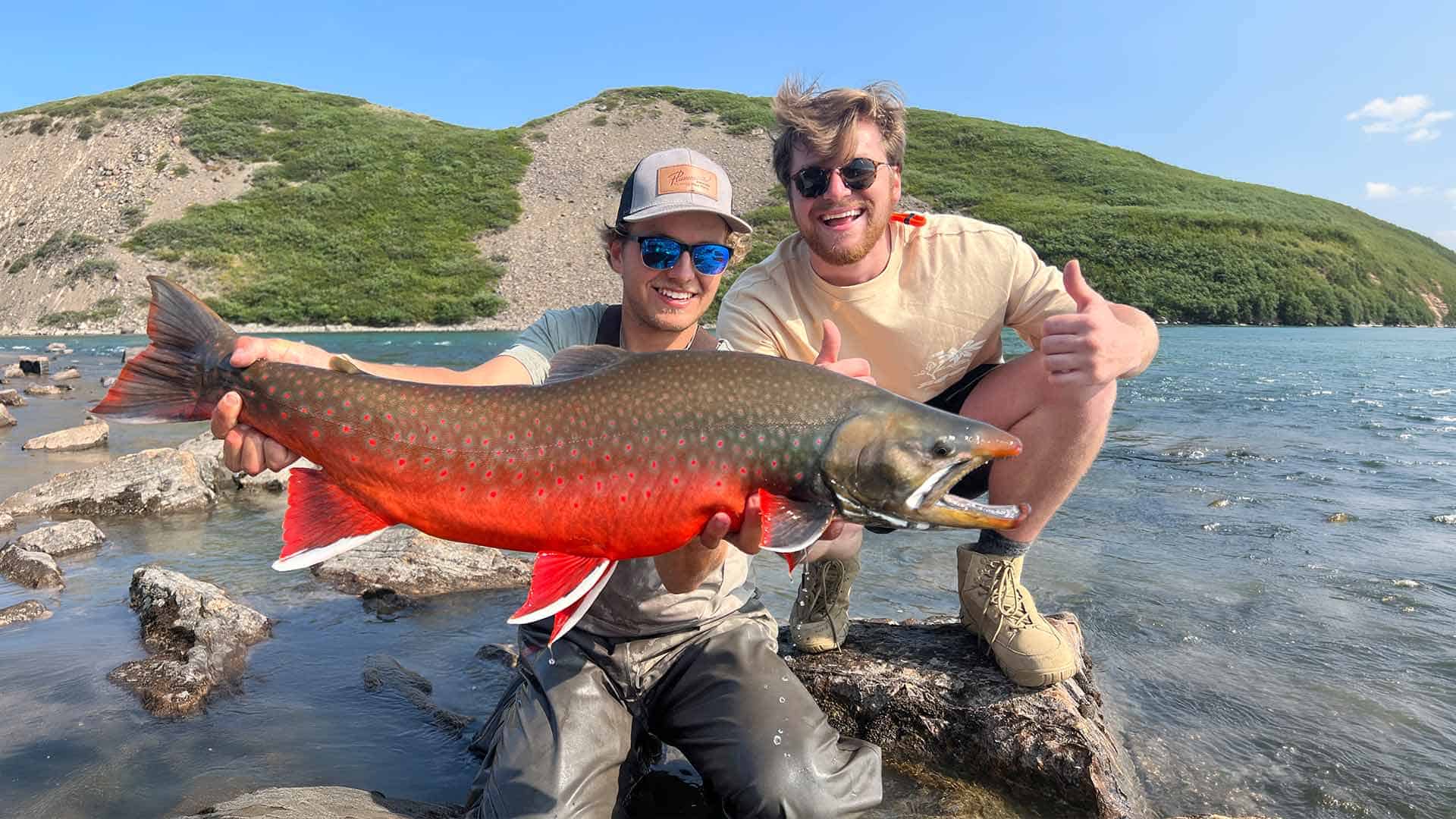
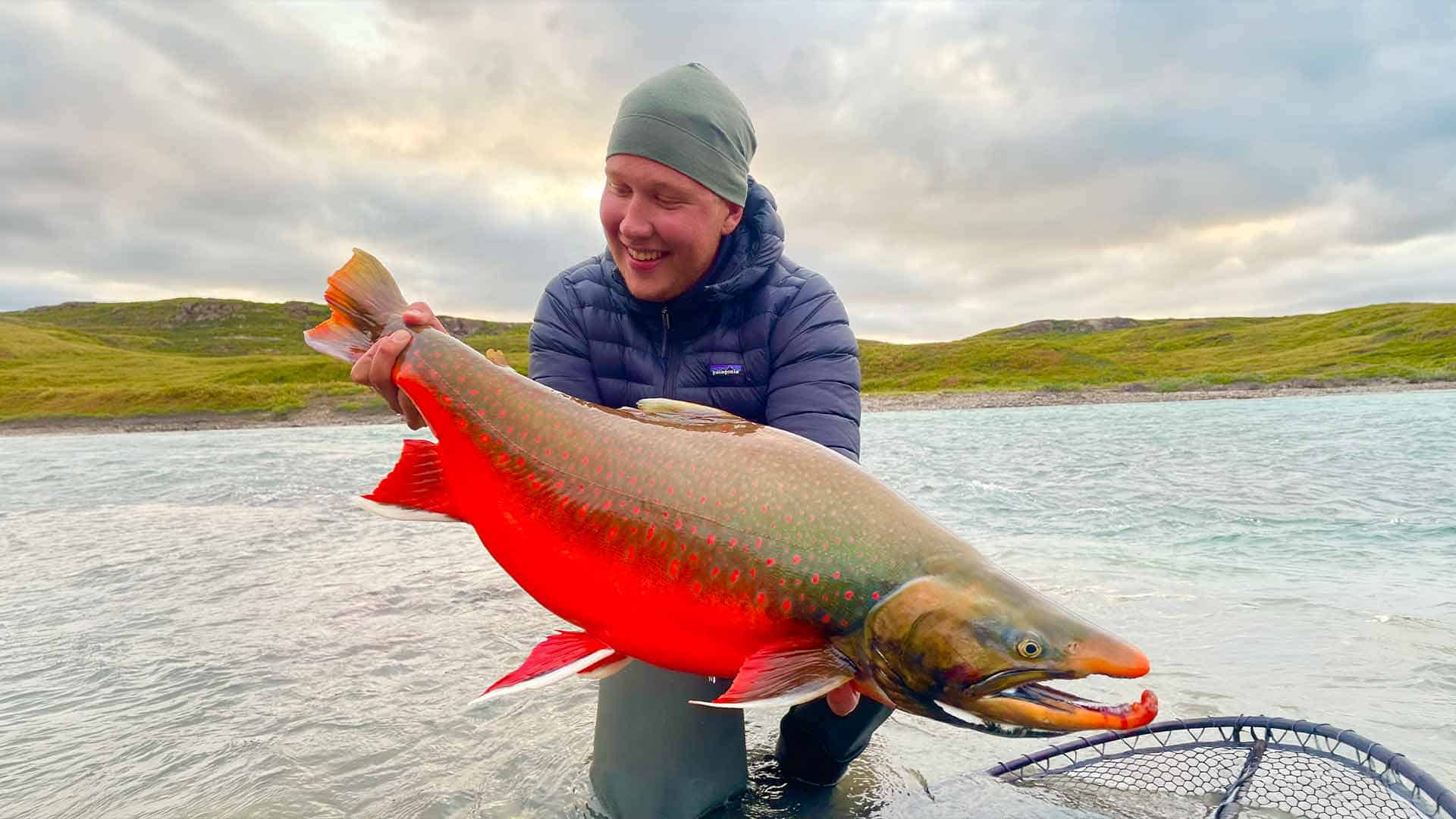
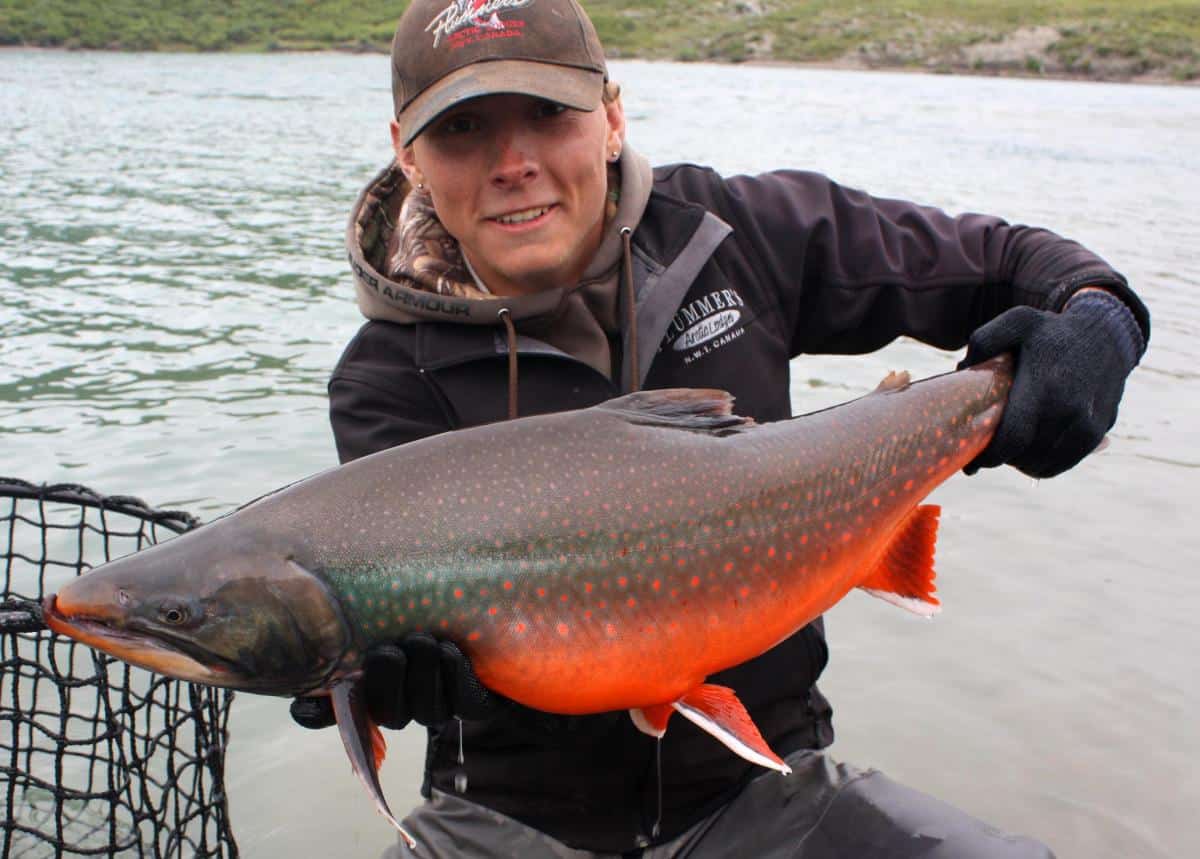
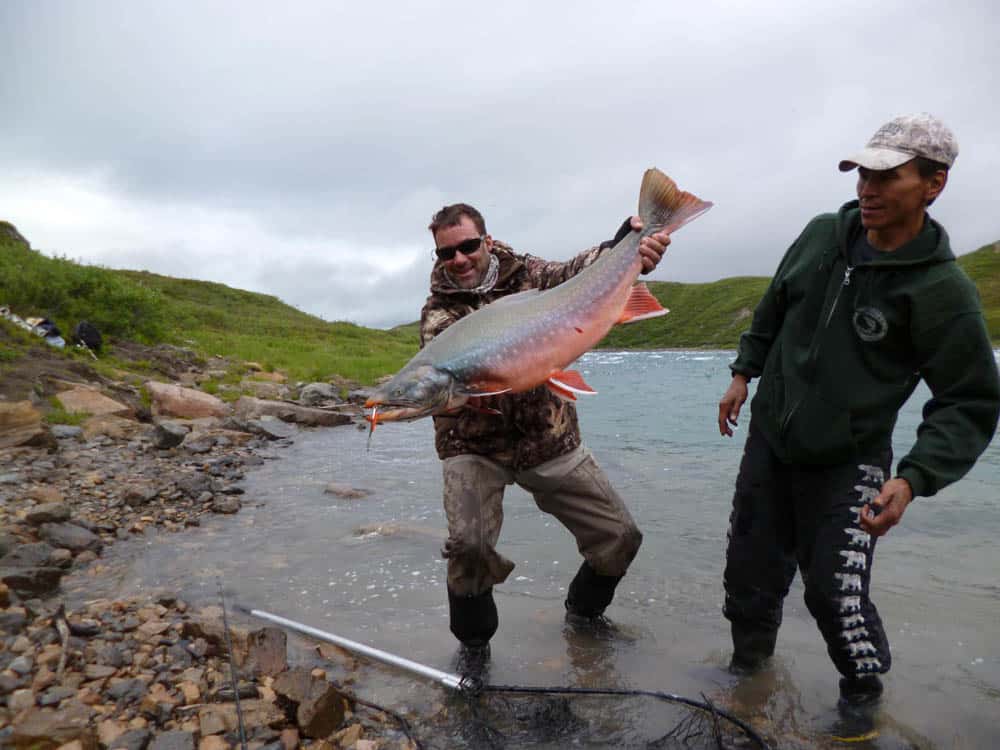
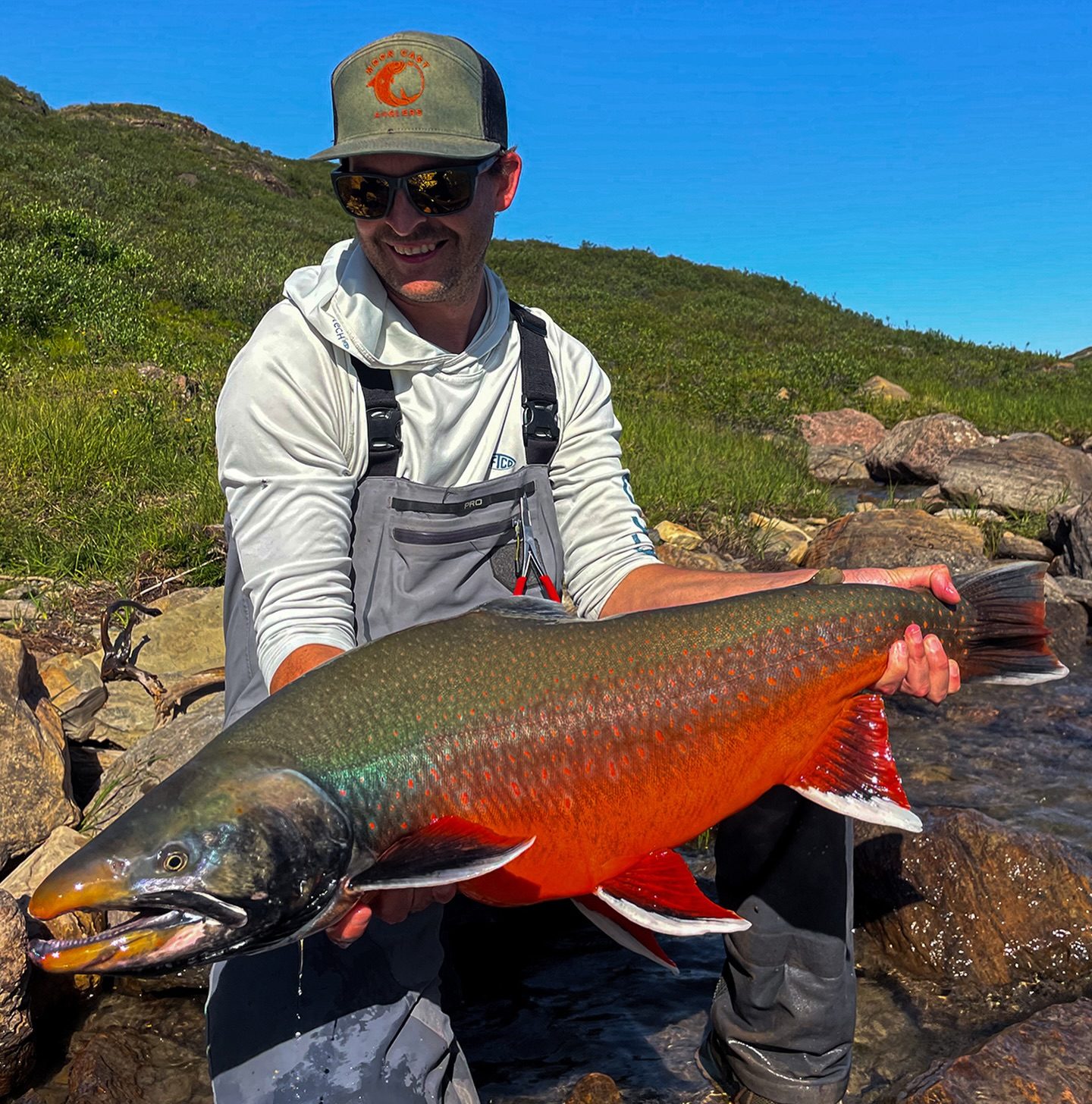
- World Record Trophy Potential: This is the benchmark for giant Arctic char, with legitimate shots at fish pushing past 20 pounds in a system that has already produced the IGFA all-tackle world record.
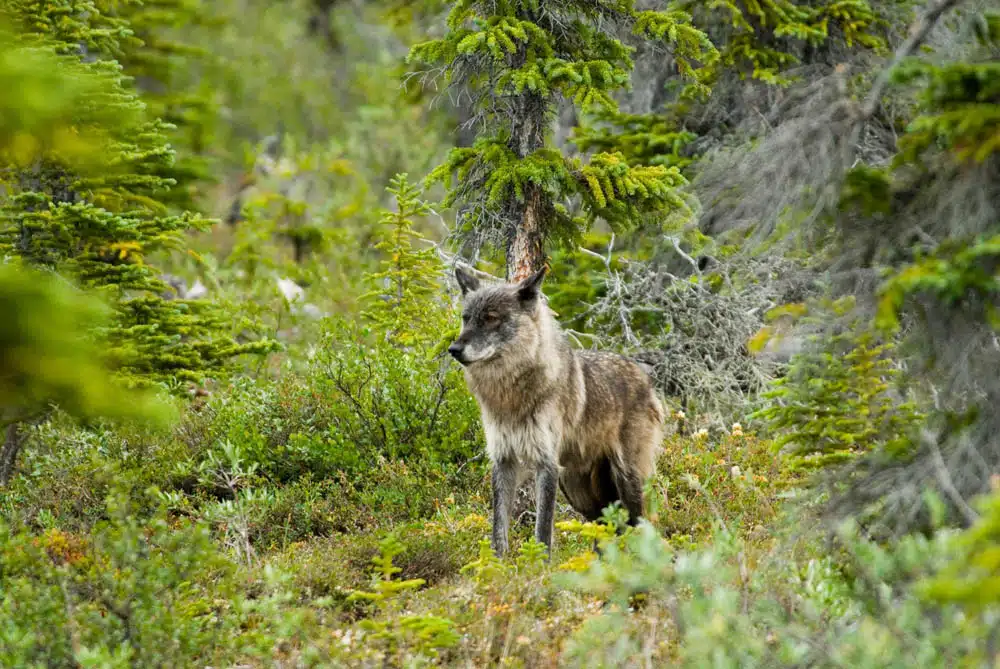
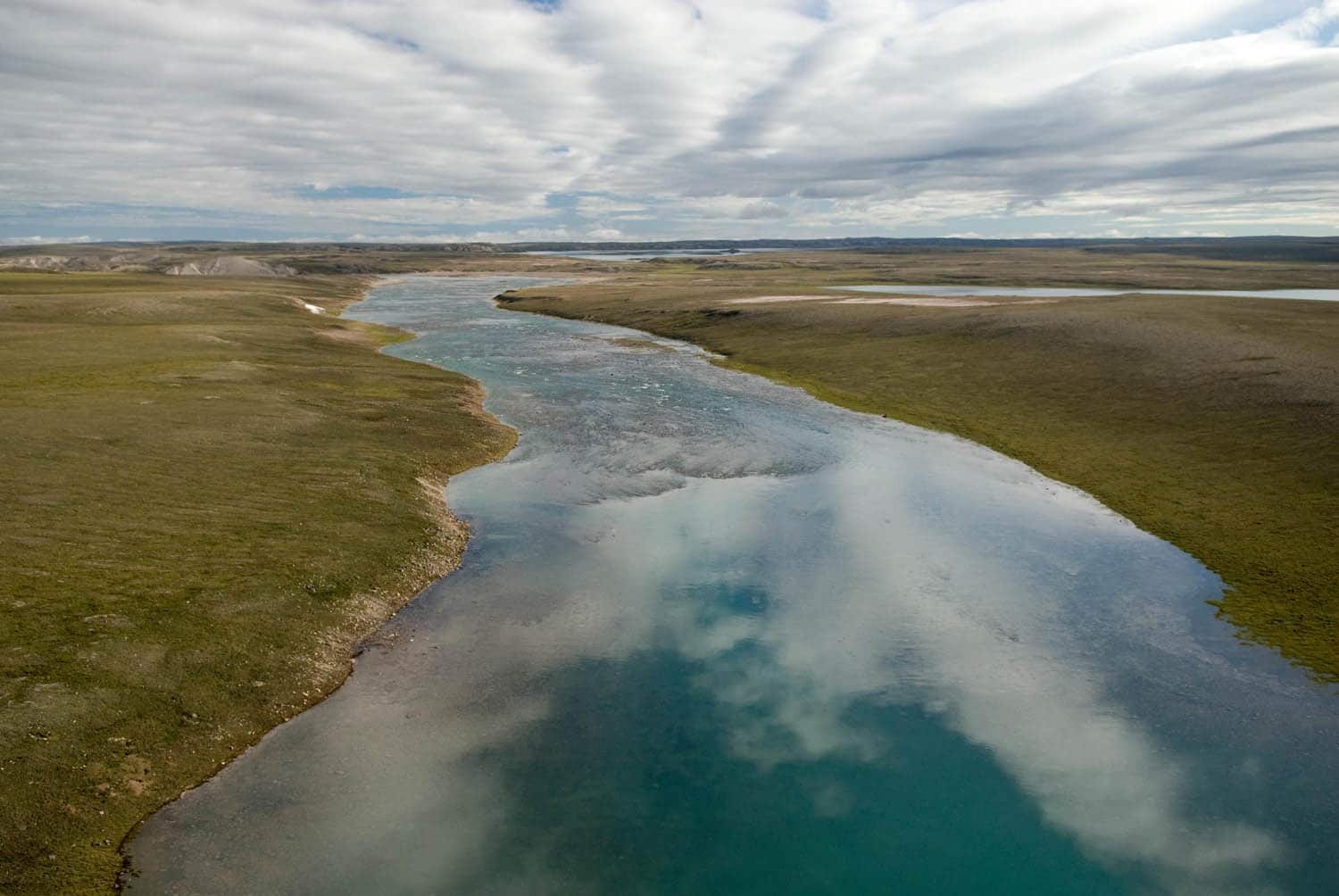
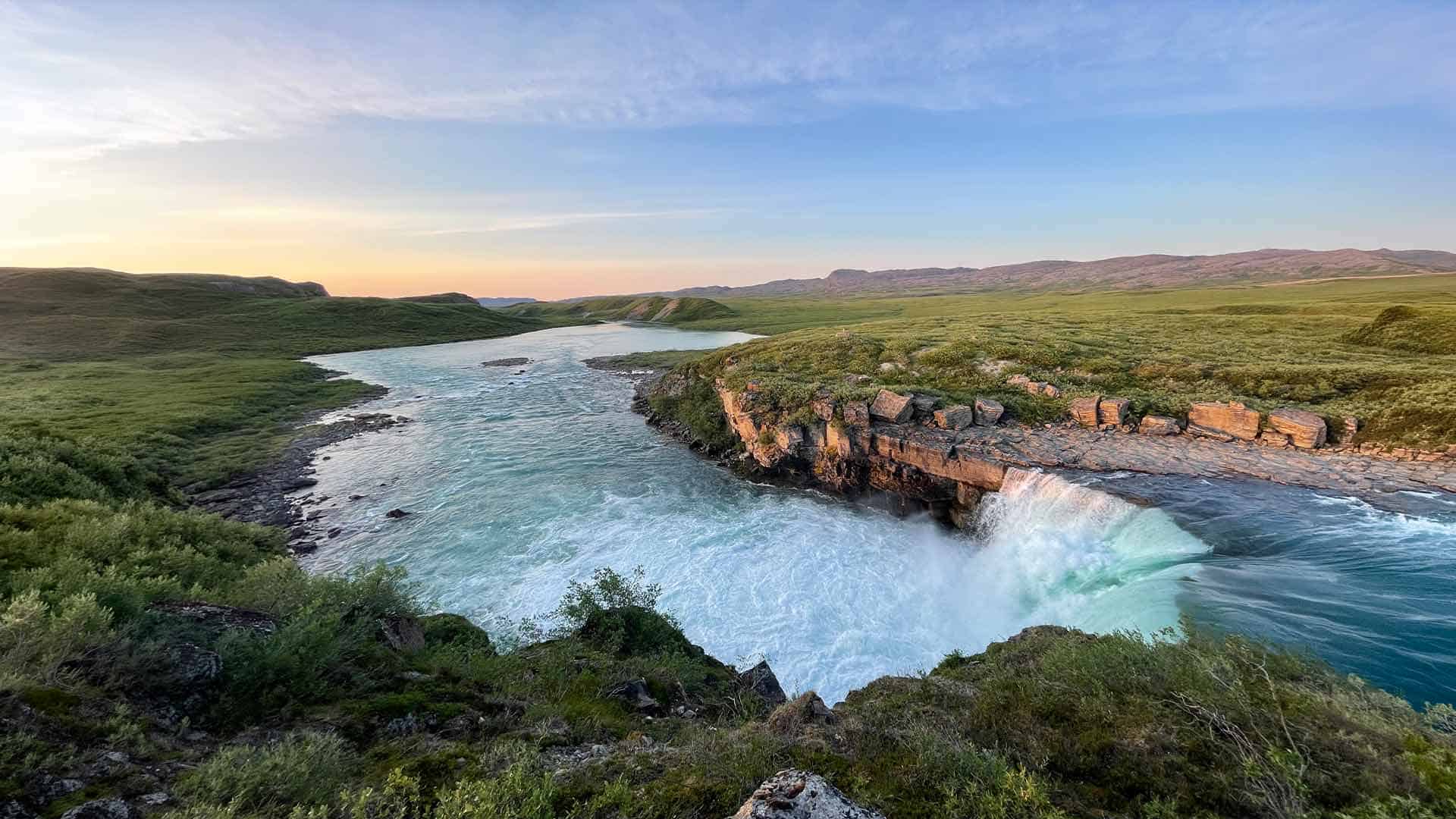
- Raw Arctic Experience: Remote tundra, powerful whitewater, and a landscape that feels completely untouched, where the environment is just as intense as the fishing.
- True Fly-Out Adventure: Accessed only by floatplane and fished on foot, this is a proper expedition-style trip where every day revolves around the river.
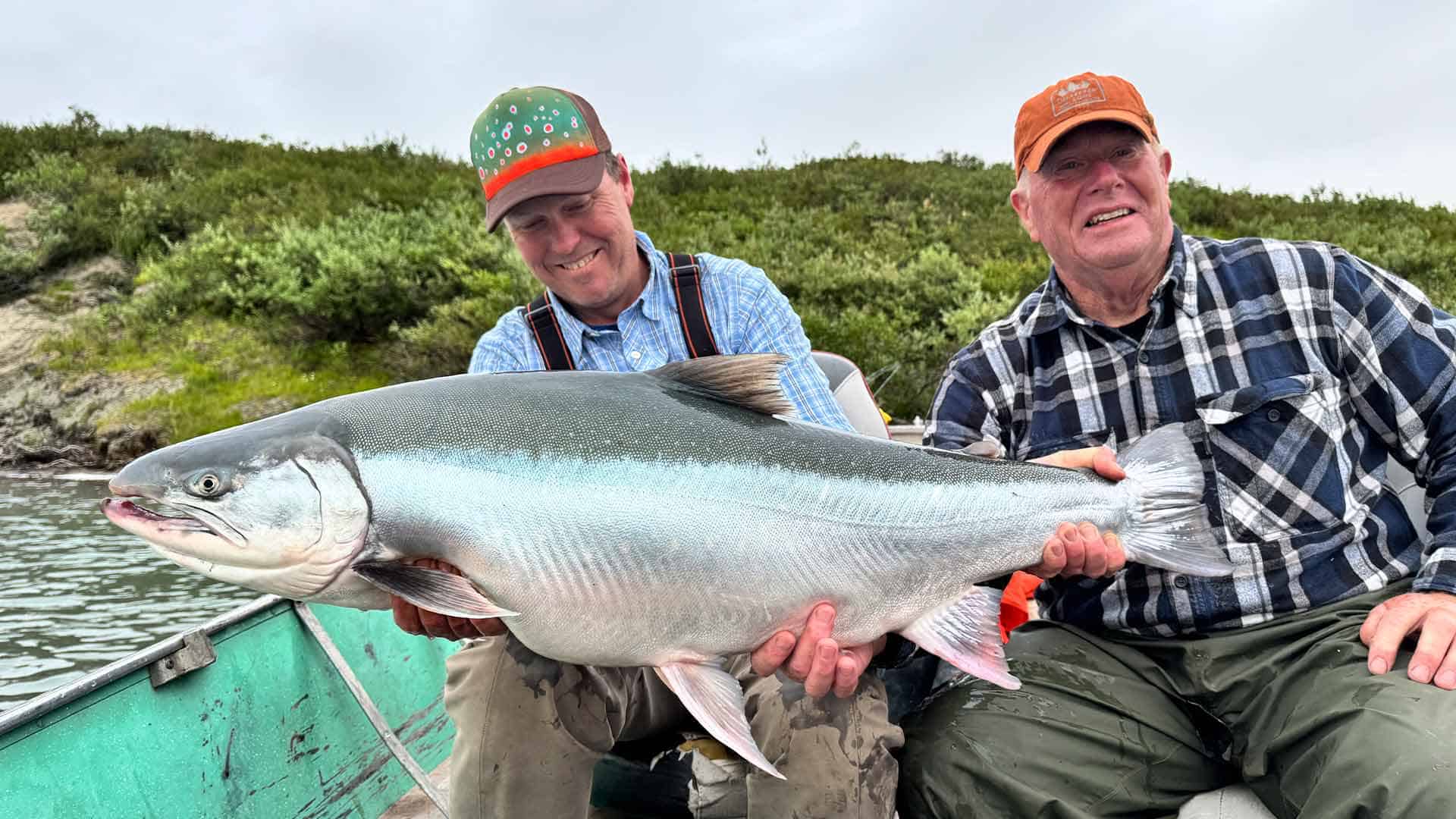
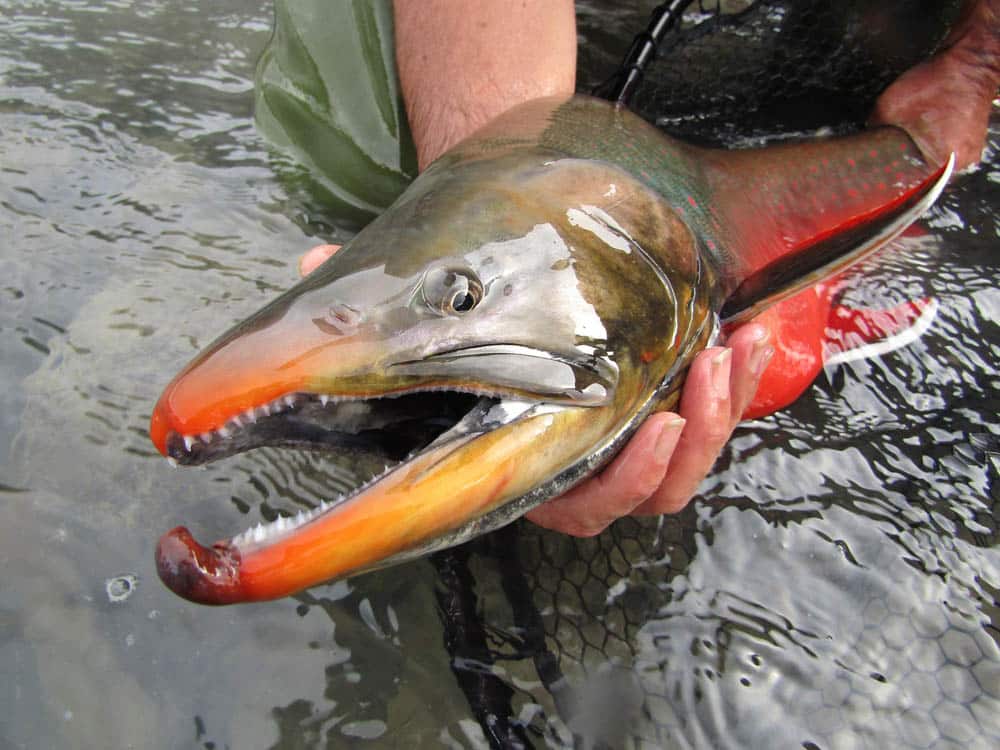
- One of the Most Beautiful Fish on Earth: From chrome-bright ocean fish to deep red spawning males, Arctic char are unmatched visually, especially at this size and in this setting
7 Day Adventure
$9,995 per angler
- Round-trip charter flights between Yellowknife and Great Bear Lake.
- Floatplane transfers to and from Tree River.
- Accommodation at Tree River Lodge.
- All meals.
- Daily housekeeping.
- Guided fishing.
- Use of boats, fuel, rods, and reels
The fishing on Tree River is centered around one of the most well-known Arctic char runs in the world, and its reputation comes down to a combination of size, concentration of fish, and the nature of the river itself. This is one of the few places where anglers consistently encounter truly large, ocean-run char, with fish in the 8 to 15-pound range common and legitimate chances at fish pushing well past 20 pounds. The river has also produced the IGFA all-tackle world record, which reinforces its standing as the benchmark for trophy Arctic char. Because the system is short and broken up by heavy current and barriers, fish are forced to hold in specific sections, which creates a rare scenario where large numbers of oversized char are accessible within a relatively small stretch of water.
The experience is defined by that concentration of fish and the way they interact with the river. Anglers move through a mix of runs, seams, and pocket water, targeting fish that are either actively moving upstream or holding in structure to rest. Early in the season, fresh chrome fish arrive from the Arctic Ocean and tend to be more aggressive, while later in the run, larger and more coloured fish settle into the system and become more selective.
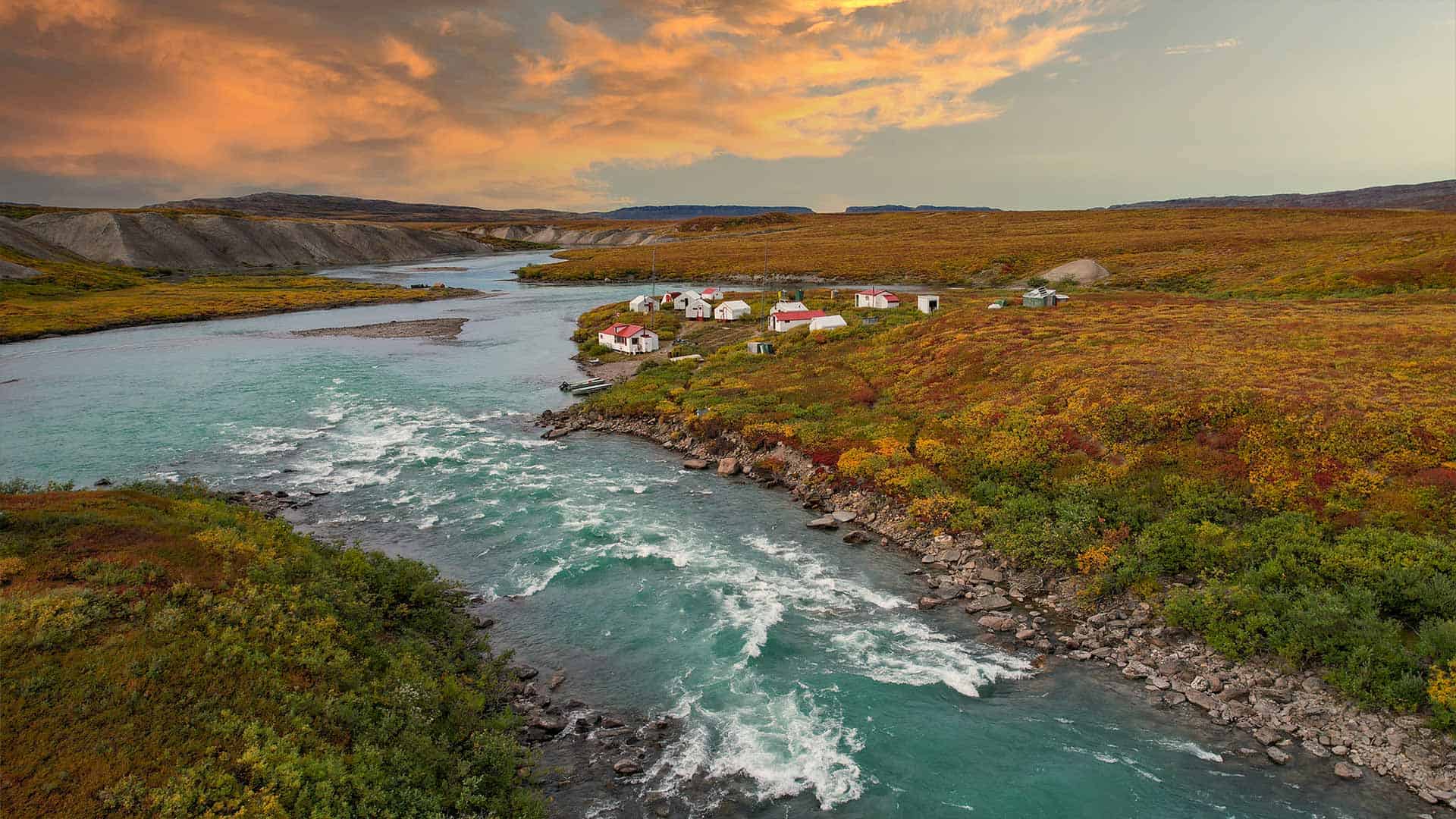
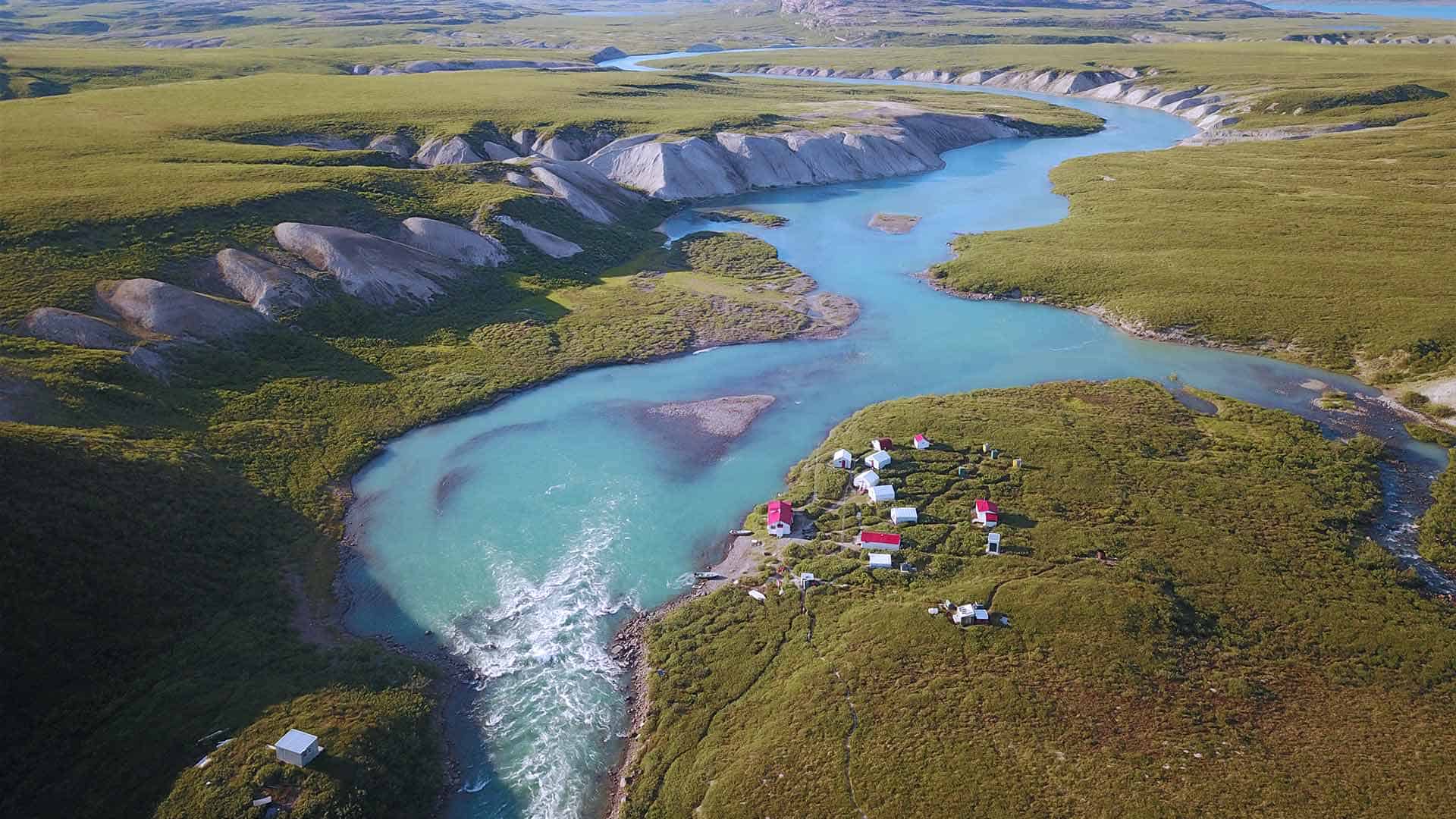
The accommodation at Tree River is a remote, fixed outpost lodge designed purely around the fishing. Anglers stay in simple, twin-share wooden cabins that are basic but comfortable, with proper beds, heating, and a central dining area where meals are served. It’s not a luxury lodge, but it’s also far from a temporary camp. Everything is permanent and functional, built to operate in a harsh Arctic environment during a very short season. The setup keeps the focus on fishing, with just enough comfort to recover properly after long days on the river.
Access to the lodge is entirely by floatplane, which is a defining part of the experience. Anglers typically stage through Yellowknife and then fly out over vast stretches of tundra before landing on the river. There is no road access, and once you arrive, you are fully in a self-contained system with no outside traffic or pressure.
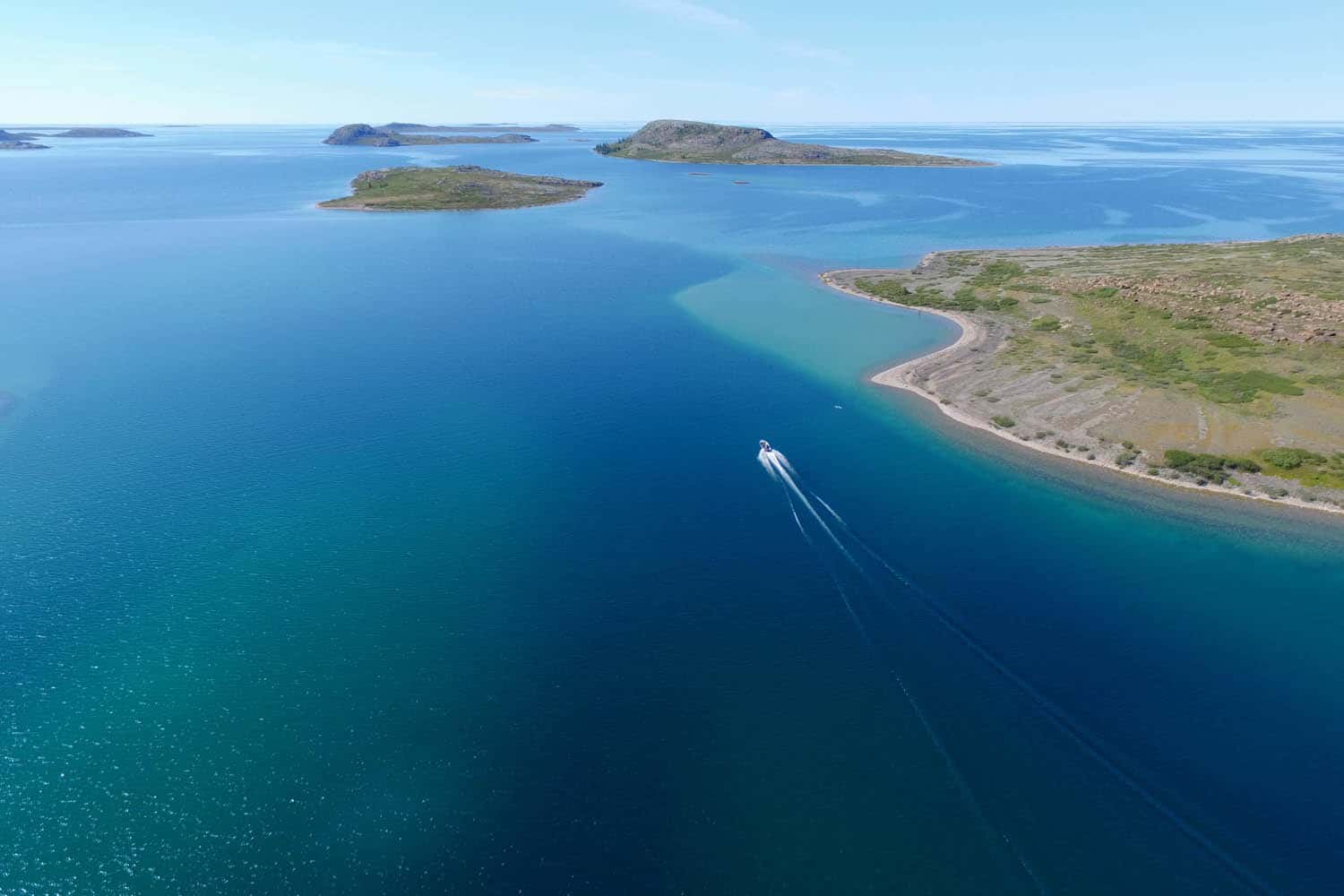
The Tree River is located in the Canadian Arctic, in western Nunavut, where it flows north into the Coronation Gulf along the Arctic Ocean coastline. It sits well above the treeline in true tundra country, with no roads, no settlements nearby, and a landscape defined by open ground, rock, and fast, cold water. The river itself is relatively short and steep, dropping quickly from inland lakes to the ocean, which is a big part of why the fishery is so concentrated. From a geographic standpoint, it is about as remote as you can get in North America while still operating a structured fishing program.
How to get there:
Most Tree River trips are tied into Great Bear Lake, which acts as the main operational base for Plummer’s Arctic Lodges. The typical route is: fly commercially into Yellowknife, then take a charter flight up to Great Bear Lake Lodge. From there, anglers transfer by floatplane out to Tree River. So while the fishery itself is in Nunavut, the logistics are very much run through Great Bear.
If you’re doing a shorter 1–2 night trip, you’ll usually be based at Great Bear Lake and then fly out to Tree River as an add-on. For the full week-long exclusive trips, you still typically route through Great Bear on the way in, but then stay entirely at Tree River for the duration.
Day 1: Arrival Day
Arrive in Yellowknife, transfer by charter flight to Great Bear Lake, then continue by floatplane into Tree River. Settle into camp and, depending on timing, get a short introductory session on the river.
Day 2 – 6: Fishing Days
Five full days dedicated to guided fishing on Tree River, moving between runs, seams, and holding water on foot and by boat. As the week progresses, anglers build familiarity with the river and refine their approach based on conditions and how the fish are behaving.
Day 7: Departure Day
Depart camp by floatplane back to Great Bear Lake, then connect onward to Yellowknife for onward travel.
Rates per angler:
Full week trip: US$9,995 per angler (double occupancy)
Tree River overnight side trips from Great Bear Lake are also possible, $1,750 USD.
What’s Included:
- Accommodation at Tree River Lodge.
- All meals and non-alcoholic beverages.
- Guided fishing with professional guides.
- Spinning & baitcasting rods & reels.
- Boats and transport on the river.
- Charter flights from Yellowknife to Great Bear Lake.
- Floatplane transfers to and from Tree River
- Starlink internet.
What’s Not Included:
- Commercial flights to Yellowknife.
- Accommodation in Yellowknife if required.
- Fly-fishing gear and tackle.
- Alcohol.
- Gratuities.
GALLERY





Plan Your Trip:
Frequently Asked Questions:
How big do the Arctic char get on Tree River?
Tree River is known for producing some of the largest Arctic char in the world, with fish in the 8 to 15 lb range common and regular opportunities at fish over 20 lb. The river has also produced the IGFA all-tackle world record, which is why it’s considered the benchmark for trophy char.
When is the best time to fish Tree River?
The season runs from mid-July to late August. Early season offers aggressive, chrome fish fresh from the ocean, while late season provides a better chance at larger, fully coloured fish, though they can be more selective.
Is Tree River a fly fishing only destination?
No, spinning gear can also be used if preferred.
How remote is Tree River and how do you get there?
Tree River is extremely remote, located in Nunavut with no road access. Anglers travel via Yellowknife, then fly to Great Bear Lake, followed by a floatplane into the river. Once there, you are completely isolated with no outside access.
Is this a multi-species trip or focused on one fish?
This is a single-species destination focused entirely on Arctic char. The entire experience is built around targeting one fish exceptionally well, rather than offering variety.