
Taimen Adventure
Mongolia




Key Details
Accommodation
Riverside Lodge
2027 Trip Dates
23 – 31 August
Target Species
Taimen
Style
Spinning & Fly Fishing
The Largest Salmonid on Earth.
Bucket List Siberian Taimen.
Why We Go ➜
- Home of the Taimen: Mongolia is one of the best places on earth to target siberian taimen, the largest salmonid in the world and one of freshwater fishing’s true bucket-list species.
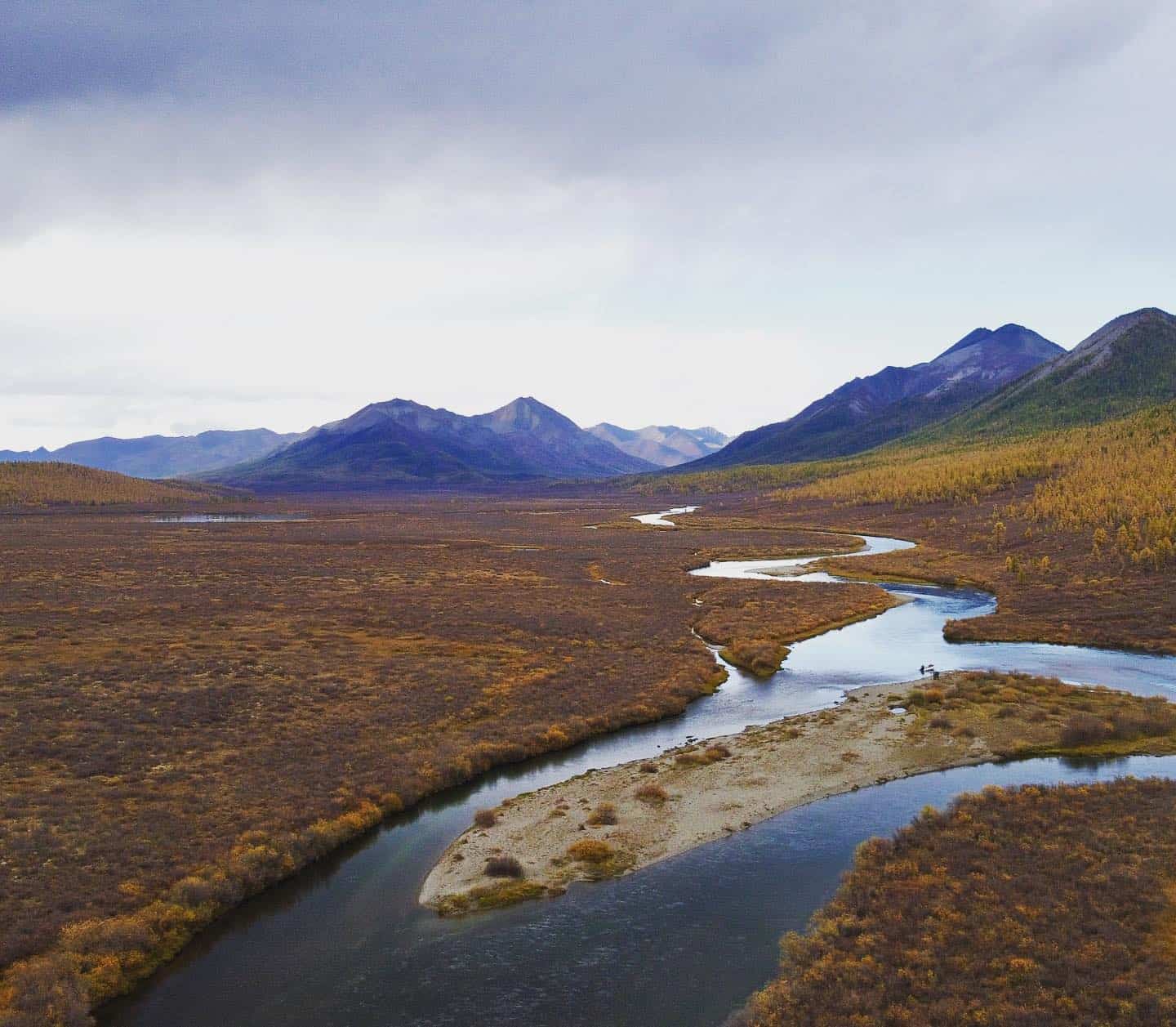
- Fishing in true wilderness: The rivers are remote, clean, and undeveloped, flowing through open steppe, forested valleys, mountain country, and some of the least crowded landscapes left on earth.
- Vast, empty landscapes: Mongolia is defined by huge skies, mountains, rivers, and high valleys, giving the country a scale and sense of space that few destinations can match.
- More than just taimen: Many river systems also hold lenok, grayling, amur trout, and amur pike, giving anglers a proper coldwater wilderness fishery rather than a single-species trip.
10 Day Adventure
$5,000 per angler
- Nine nights accommodation, including seven nights at the base camp lodge.
- Seven full guided fishing days.
- All meals and non-alcoholic beverages at the lodge.
- All transfers including flights within Mongolia.
- Fishing licenses and conservation fees.
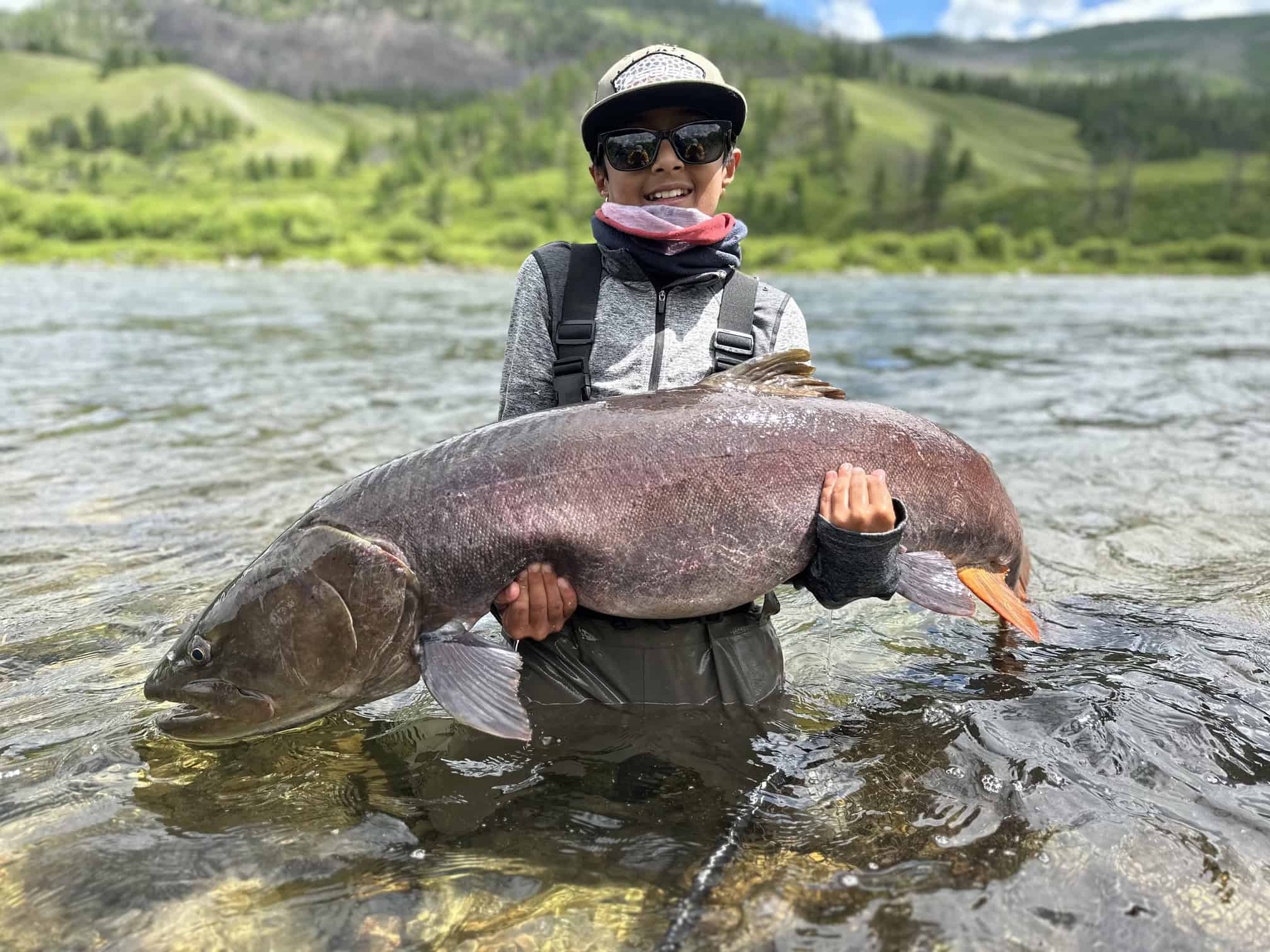
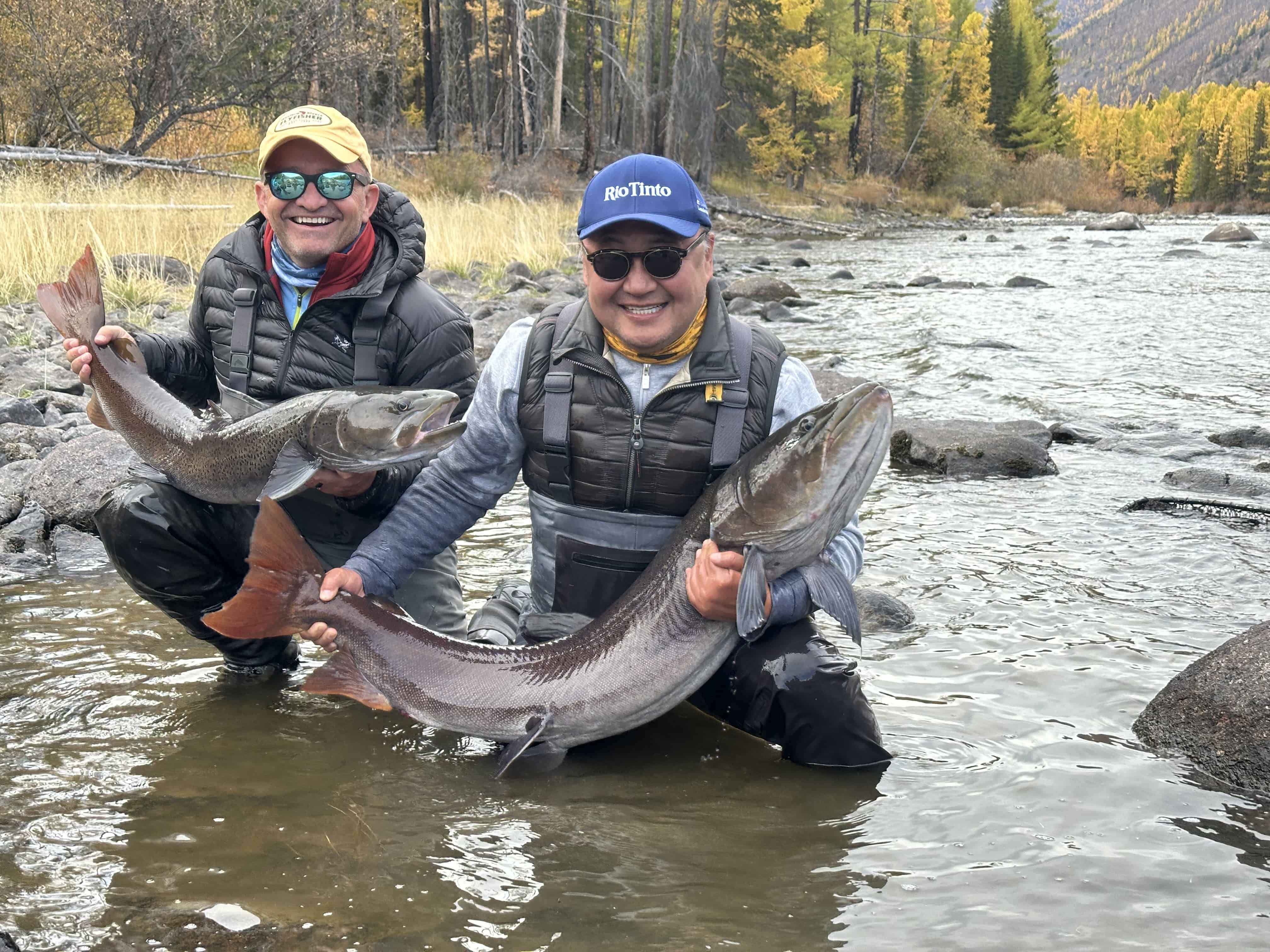
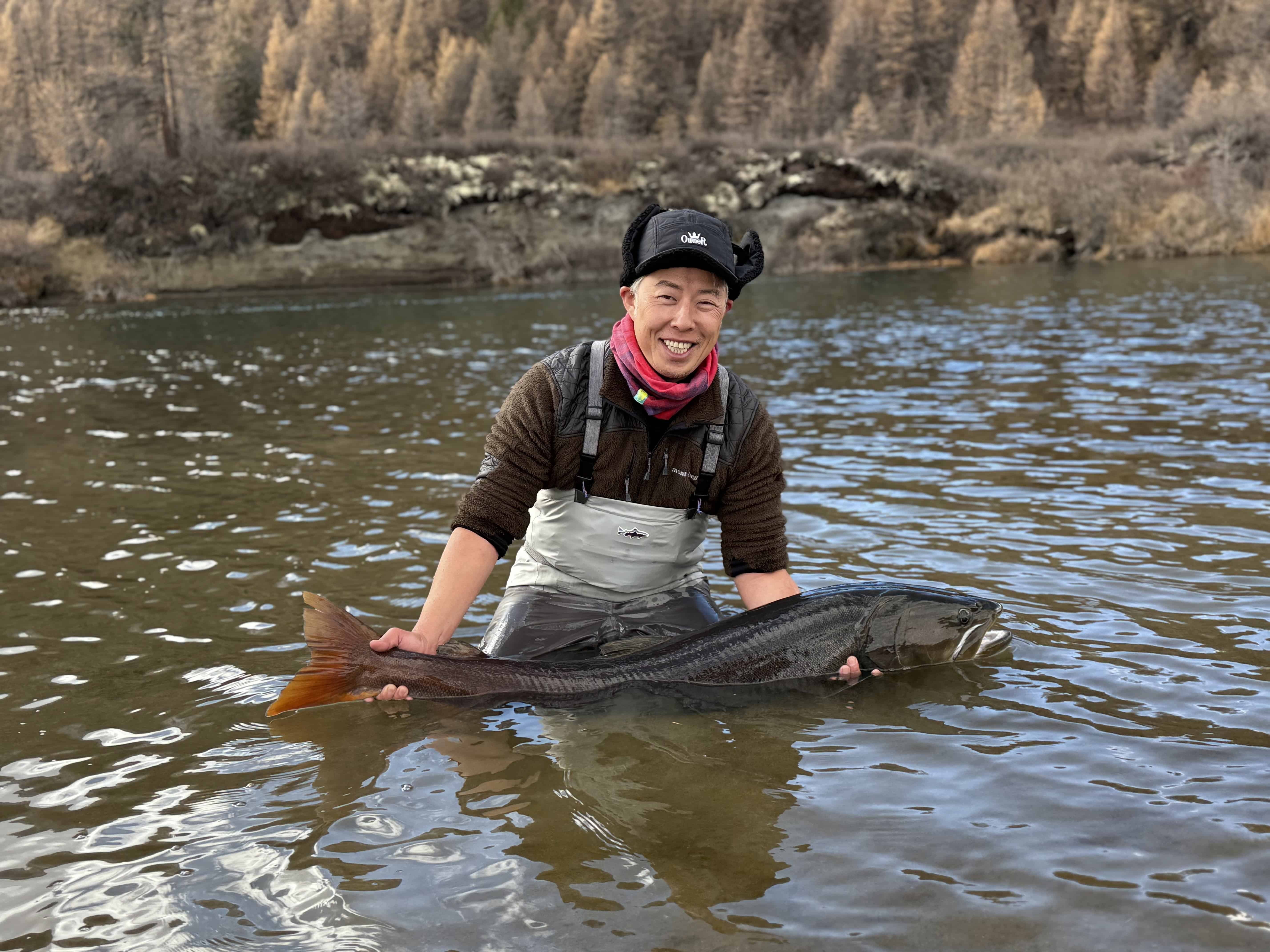
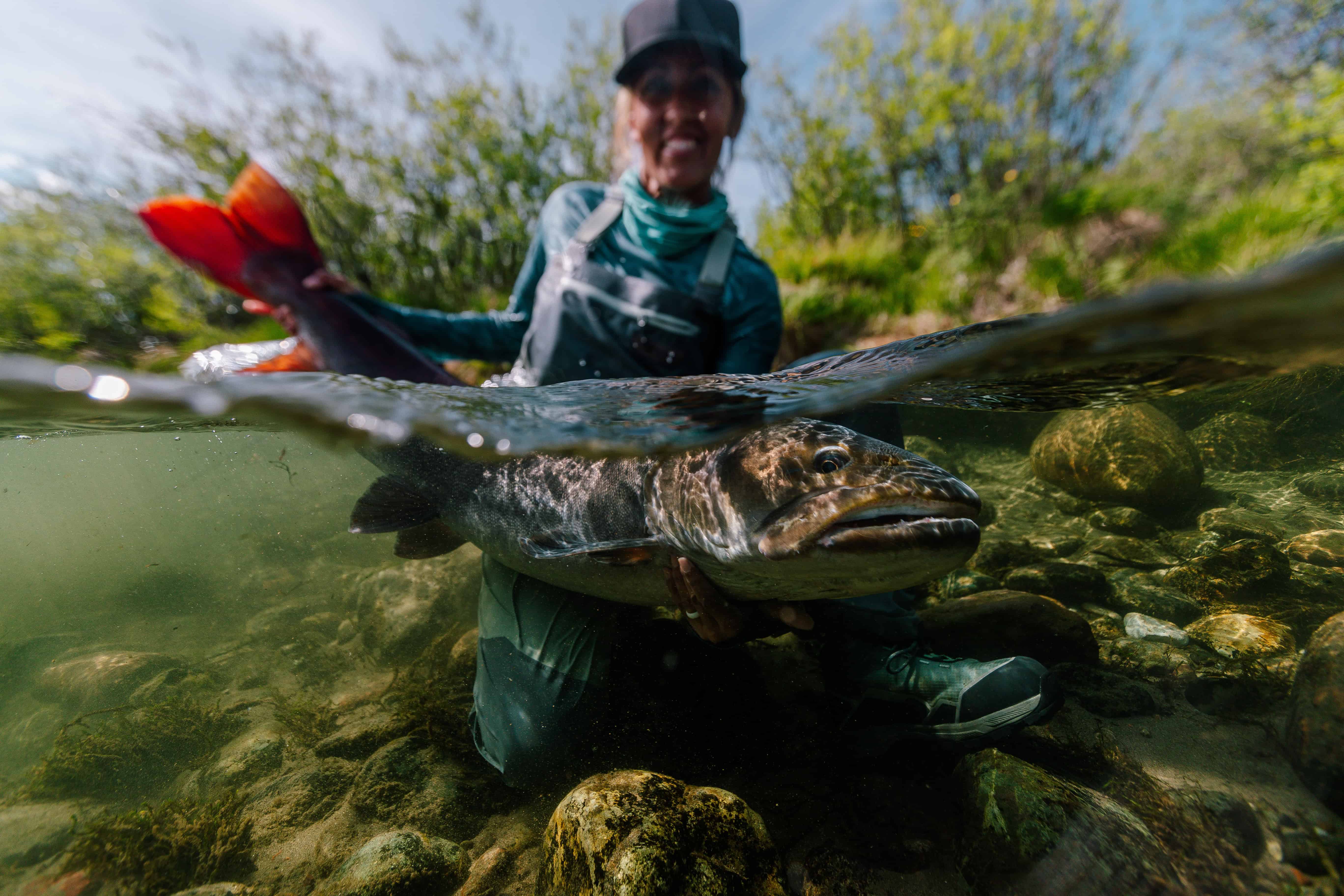
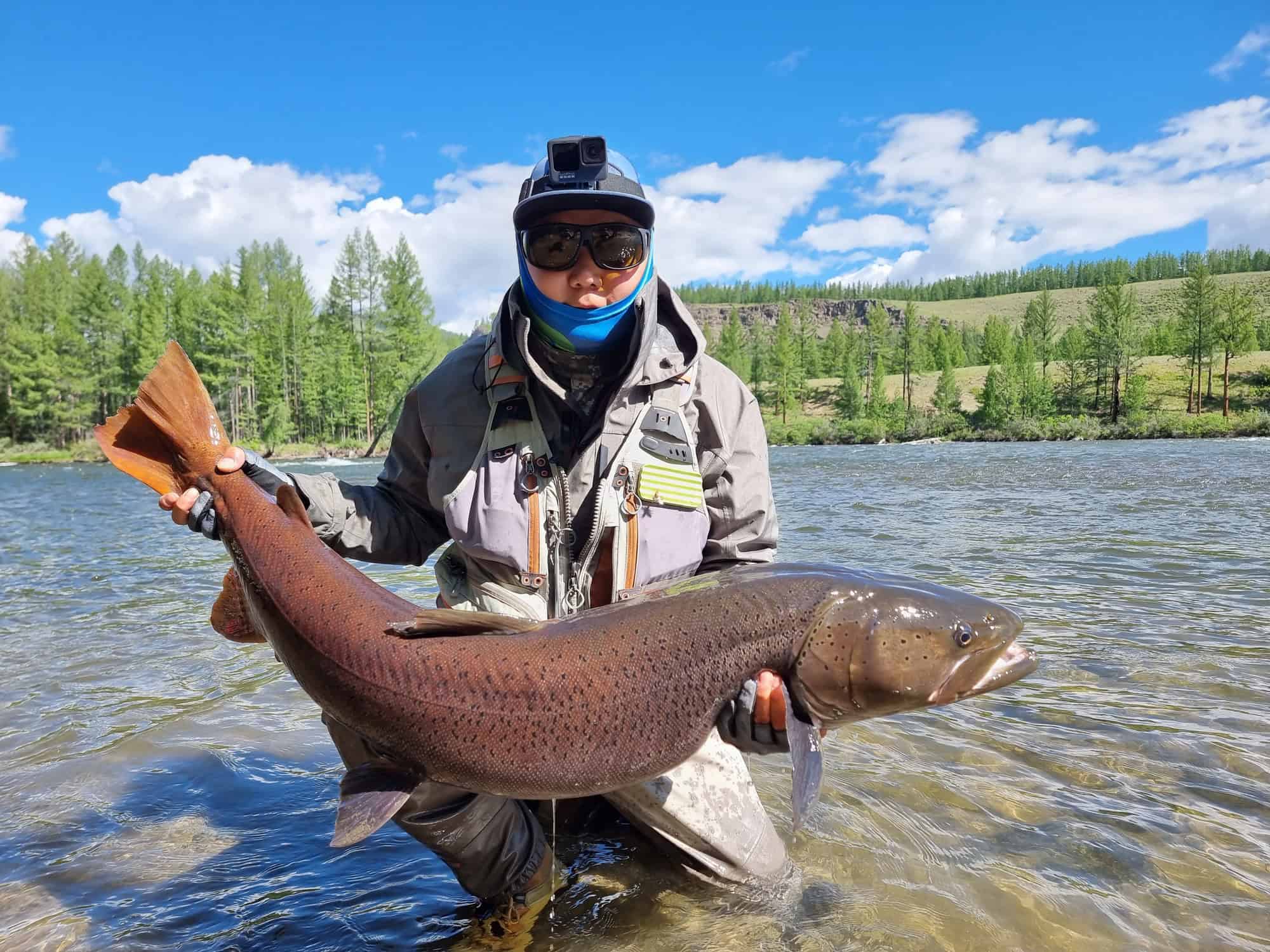
The Siberian taimen (Hucho taimen) is the fish that gives Mongolia’s northern rivers their reputation. It is the largest salmonid in the world, a long-lived predator found across parts of northern Asia, including Mongolia and Russia. Taimen are capable of reaching exceptional sizes, up to 200 cm and well over a 100 pounds, although fish of that scale are extremely rare. In Mongolia, the appeal is not only the size of the fish, but the setting they live in: cold, clear rivers running through steppe, forested valleys, mountain country, and some of the least developed freshwater systems left in Asia.
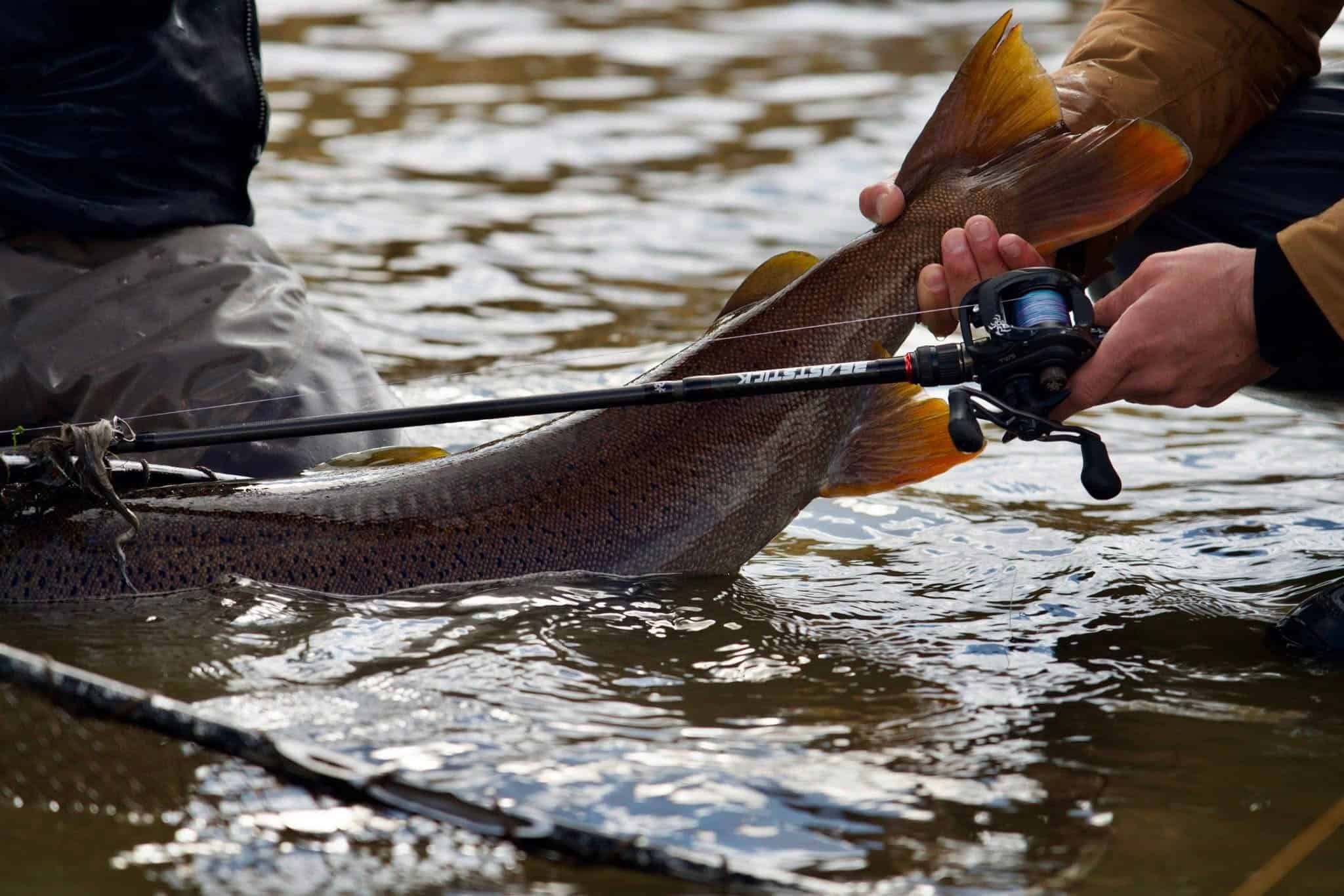
Fishing for taimen is built around covering water. We target them with both fly and spinning tackle, using large streamers, surface flies, mouse patterns, spoons, and other large lures that imitate the fish, rodents, and prey these predators feed on. Taimen are not a numbers fish. They are slow-growing, territorial, and spread through large river systems, so the fishing often involves long drifts, long walks, and many hours between chances. That is part of what makes the experience so different from a standard trout or salmon trip.
The rivers themselves are a major part of the story. Mongolian taimen fisheries are remote, free-flowing systems where we fish from rafts, gravel bars, and riverside camps over several days. Lenok, grayling, Amur trout, and Amur pike are also found in many waters, adding variety to the fishing while keeping the focus on a coldwater ecosystem rather than a single trophy species.
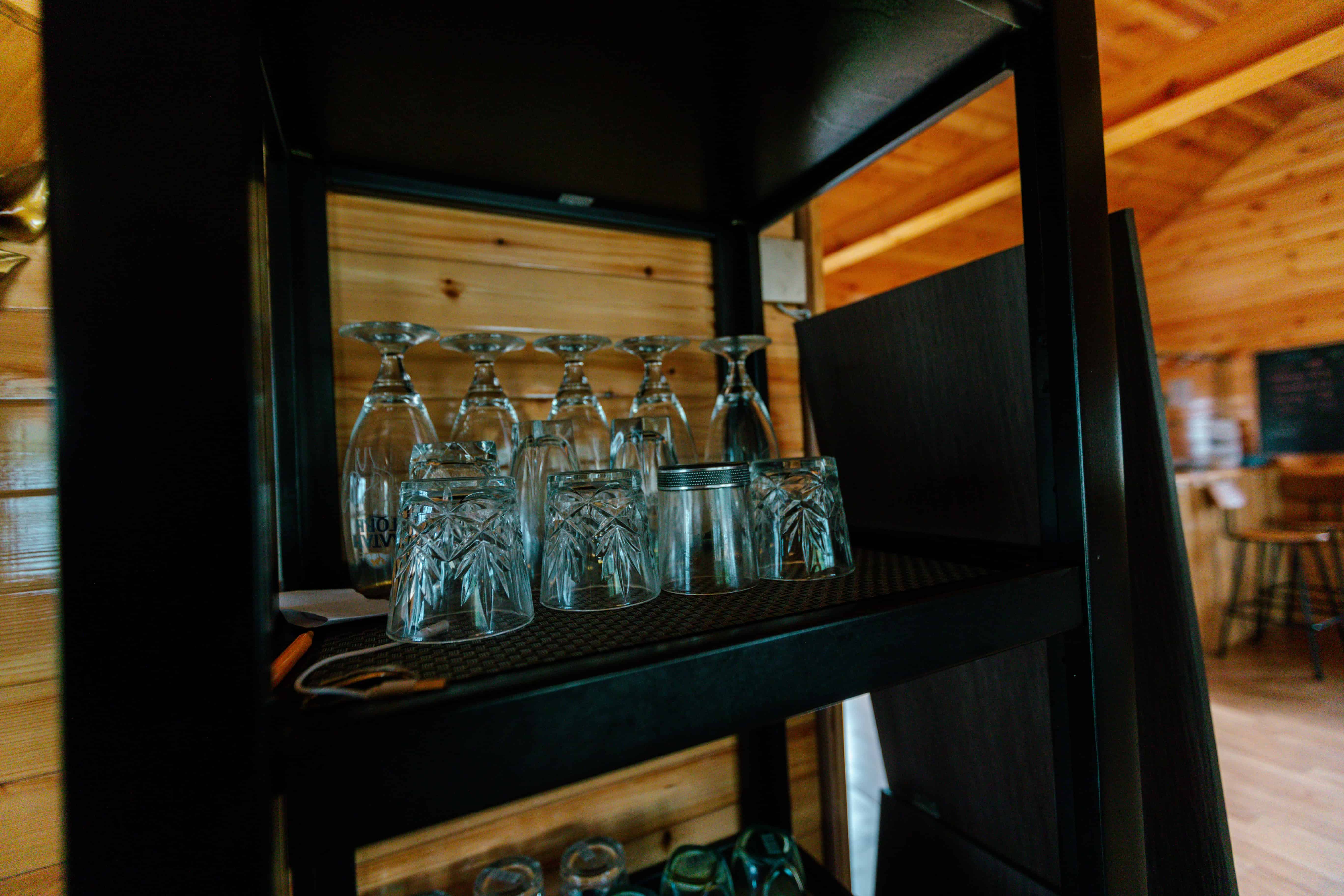
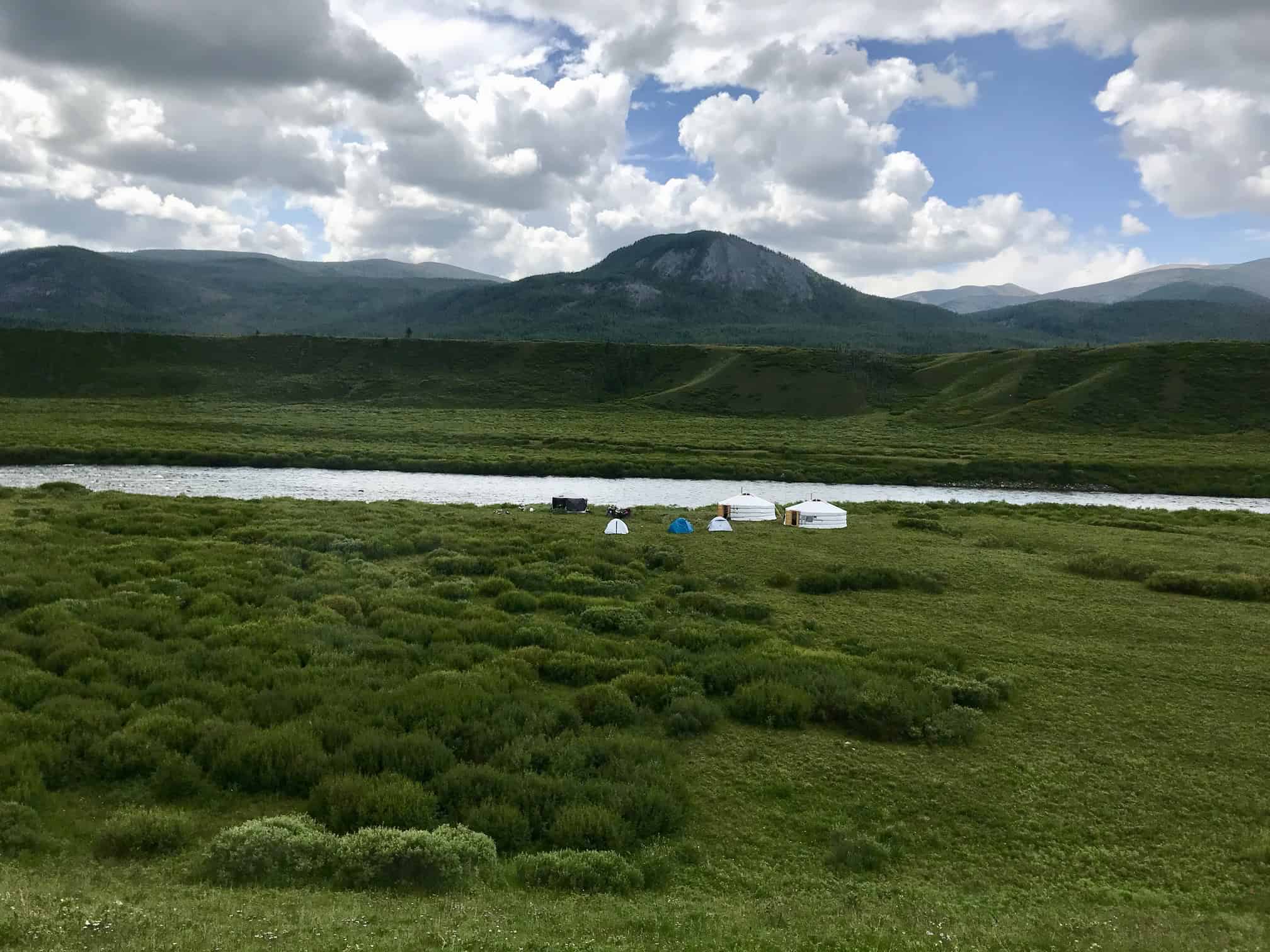
Accommodation is based at a remote river lodge in northern Mongolia, designed to provide a comfortable but practical base for fishing the surrounding taimen waters. Anglers stay in traditional Mongolian yurts and/or log cabin-style accommodation, with full-board meals, shared camp facilities, and access to amenities such as showers and a sauna. The focus is on simplicity, comfort, and proximity to the river rather than luxury, giving anglers a proper wilderness setting without being completely removed from basic comforts.
From the base camp, fishing days are structured around accessing different sections of river by jet boat, vehicle, and on foot, allowing anglers to cover a range of water throughout the week. The camp acts as the central base between fishing sessions, with meals, rest, gear preparation, and evening downtime all taking place in a remote riverside environment.
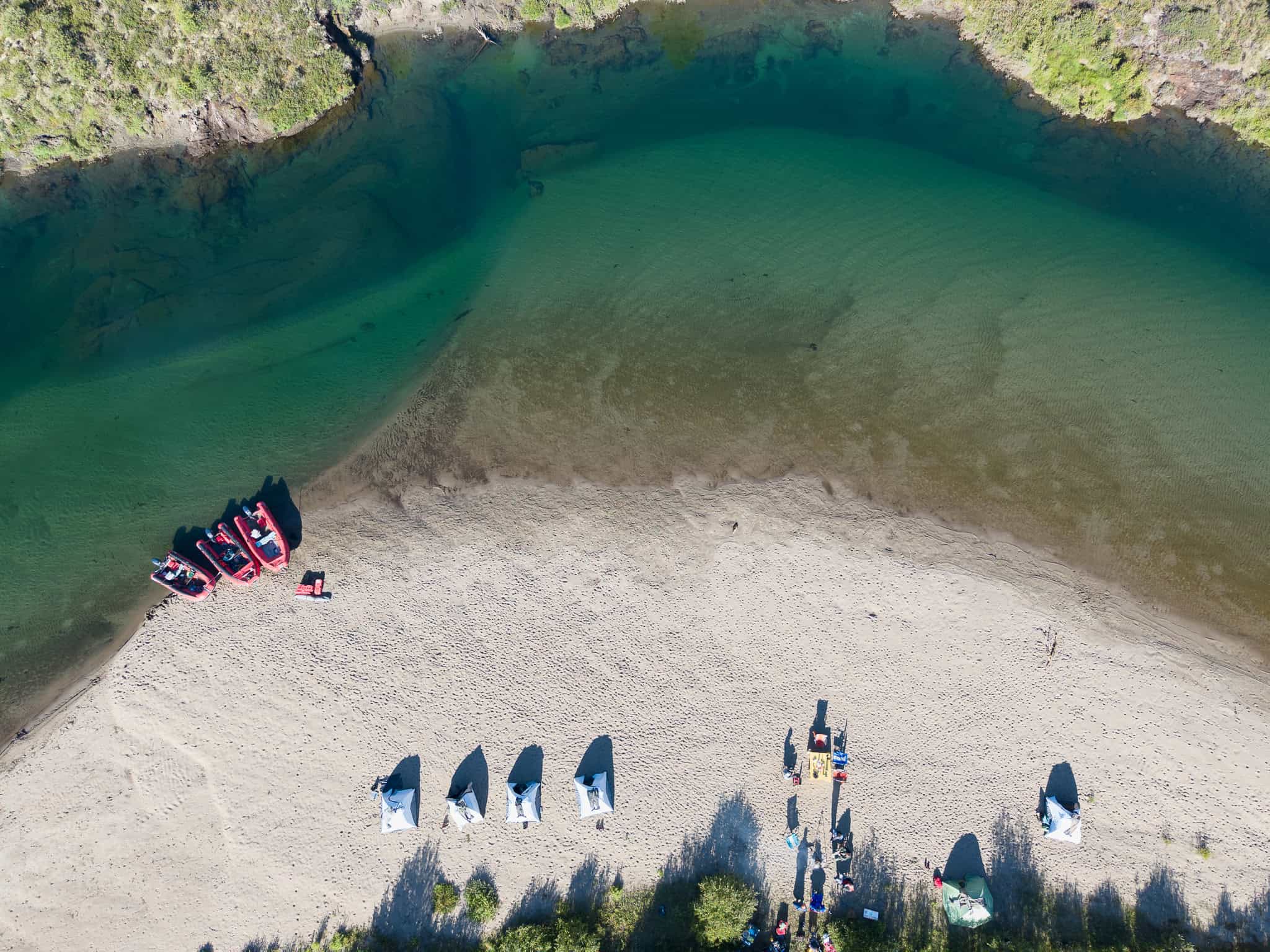
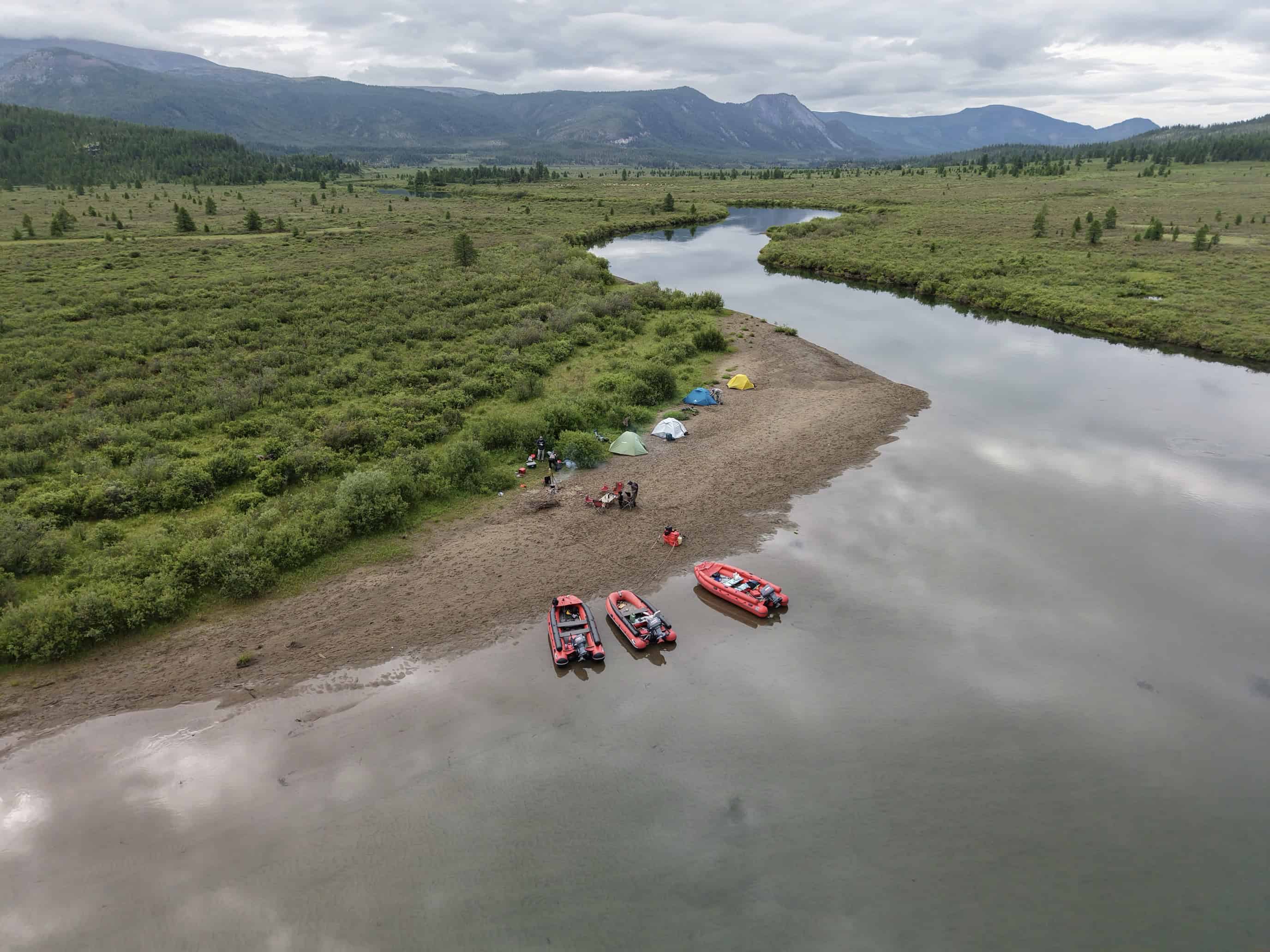
There is also the option to experience the headwaters section of the trip, which involves wilderness tent camping beside the river. This is a more expedition-style extension, designed for anglers who want to access more remote water and spend time camping closer to the upper river environment.
The fishing takes place in northern Mongolia, in the remote river country of Khövsgöl Province, close to the Siberian border. This is a region of mountain valleys, taiga forest, open steppe, and cold, free-flowing rivers that form part of the wider Yenisei drainage. The Shishged and Tengis rivers are among the key systems in this area, with the Shishged flowing through the Darkhad Valley and west toward Russia. Geographically, it is one of Mongolia’s most remote freshwater regions, defined by big skies, long valleys, forested banks, and river systems that remain largely undeveloped.
Travel begins by flying into Ulaanbaatar, Mongolia’s capital and main international gateway. From there, guests typically continue north by domestic or charter flight, often toward Murun or directly closer to camp depending on the program, followed by a 4×4 transfer through rural Mongolia to reach the river. The final approach is part of the experience, moving from the capital into increasingly remote country before arriving at the fishing camp.
Day 1: Arrival in Ulaanbaatar
Arrive in Ulaanbaatar, Mongolia’s capital and main international gateway. Anglers are met on arrival and transferred into the city. This day is used to settle in, prepare gear, and rest before travelling north into Mongolia’s remote taimen country the following day.
Day 2: Travel to Camp
After breakfast, continue north by domestic or charter flight, followed by a 4×4 transfer. The journey moves from the capital into rural Mongolia, with the landscape opening into steppe, mountain valleys, forested country, and coldwater river systems. Arrive at camp, settle into the lodge, meet the guide team, and prepare for the fishing days ahead.
Days 3 to 9: Seven Full Days Fishing
Spend seven full days fishing for Siberian taimen, lenok, grayling, Amur trout, and pike. Fishing is done with both fly and spinning tackle, using large streamers, surface patterns, mouse flies, spoons, and other large lures depending on the conditions and angler preference. Each day is structured around accessing different sections of river by jet boat, vehicle, and on foot, with riverbank lunches and long sessions covering productive pools, runs, bends, gravel bars, and shallow holding water.
The fishing is based around remote, free-flowing rivers rather than heavily developed lodge water. Some days may involve boating to distant sections before wading and fishing on foot, while others may focus on nearby river beats or tributary water. Evenings are spent back at camp, with time to shower, use the sauna, prepare tackle, have dinner, and discuss the next day’s plan with the guides.
Day 10: Return to Ulaanbaatar
After breakfast, pack gear and begin the return journey from camp. Depending on the final routing, this may involve a 4×4 transfer, domestic flight, or charter flight back toward Ulaanbaatar. Arrive back in the capital later in the day.
Day 11: Departure from Mongolia
Transfer to the airport for the international flight home, or continue with any additional travel arrangements in Mongolia.
Optional Headwaters Experience
For anglers wanting a more expedition-style trip, there may be an option to access the headwaters section of the river system. This involves wilderness tent camping beside the river and fishing more remote upper water, with a stronger focus on camping, mobility, and spending time closer to the source of the fishery.
Rates per angler:
Base camp: US$5,000 per angler
Headwaters expedition: US$6,500 per angler
What’s Included:
- Airport pickup, hotel nights in Ulaanbaatar, and all transfers
- Domestic / charter flights within Mongolia
- Vehicle transfers to and from the river camp
- All lodge and camp accommodation
- Full-board meals while at camp
- Beverages and non-alcoholic drinks while at the lodge / camp
- Fully guided fishing days
- Local English-speaking fishing guides
- Camp support staff, including cooks, boatmen, and camp crew
- Boat access where required
- Fishing licence and conservation fees
- Full on-ground coordination throughout the expedition.
What’s Not Included:
- International flights to Mongolia.
- Visa fees.
- Fishing gear and tackle.
- Travel insurance.
GALLERY













Get in Touch to Join the Adventure:
Frequently Asked Questions:
Do I need a visa for Mongolia?
Visa requirements depend on your nationality, so anglers should check the latest entry rules before booking flights. Your passport should be valid for at least six months beyond your arrival date, and some may need to register with Mongolian Immigration after arrival.
Can I use credit cards and ATMs?
Credit cards and ATMs are generally available in Ulaanbaatar and larger towns, but cash is important once travelling into rural areas. The local currency is the Mongolian Tögrög, and anglers should carry enough cash for small purchases, tips, and personal expenses outside the capital.
What should I pack?
Pack for changing conditions rather than one fixed season. Warm layers, waterproof outerwear, good walking shoes, sun protection, a warm hat, gloves, personal medication, and practical outdoor clothing are important.
Do I need travel insurance for Mongolia?
Yes. Comprehensive travel insurance is strongly recommended, and medical evacuation cover is important because the fishing areas are remote and far from major medical facilities. Guests should make sure their policy covers remote travel, fishing activities, flight disruptions, emergency evacuation, and medical treatment outside their home country.
What fishing gear should I bring with?
Anglers should bring their own fly fishing and/or spinning tackle, depending on how they prefer to fish. Large flies, streamers, mouse patterns, spoons, lures, and suitable terminal tackle are important, and waders are essential for fishing the rivers properly. A full list will be provided pre-trip.
Will I have phone signal or Wi-Fi at camp?
Connectivity is limited. Some Wi-Fi or cellular reception may be available, but guests should expect to be largely disconnected while at camp and on the river. The trip is best approached as a remote wilderness fishing experience.