
Mahseer Expedition
Bhutan

Key Details
Accommodation
Riverside Camps
Trip Dates
Coming Soon
Target Species
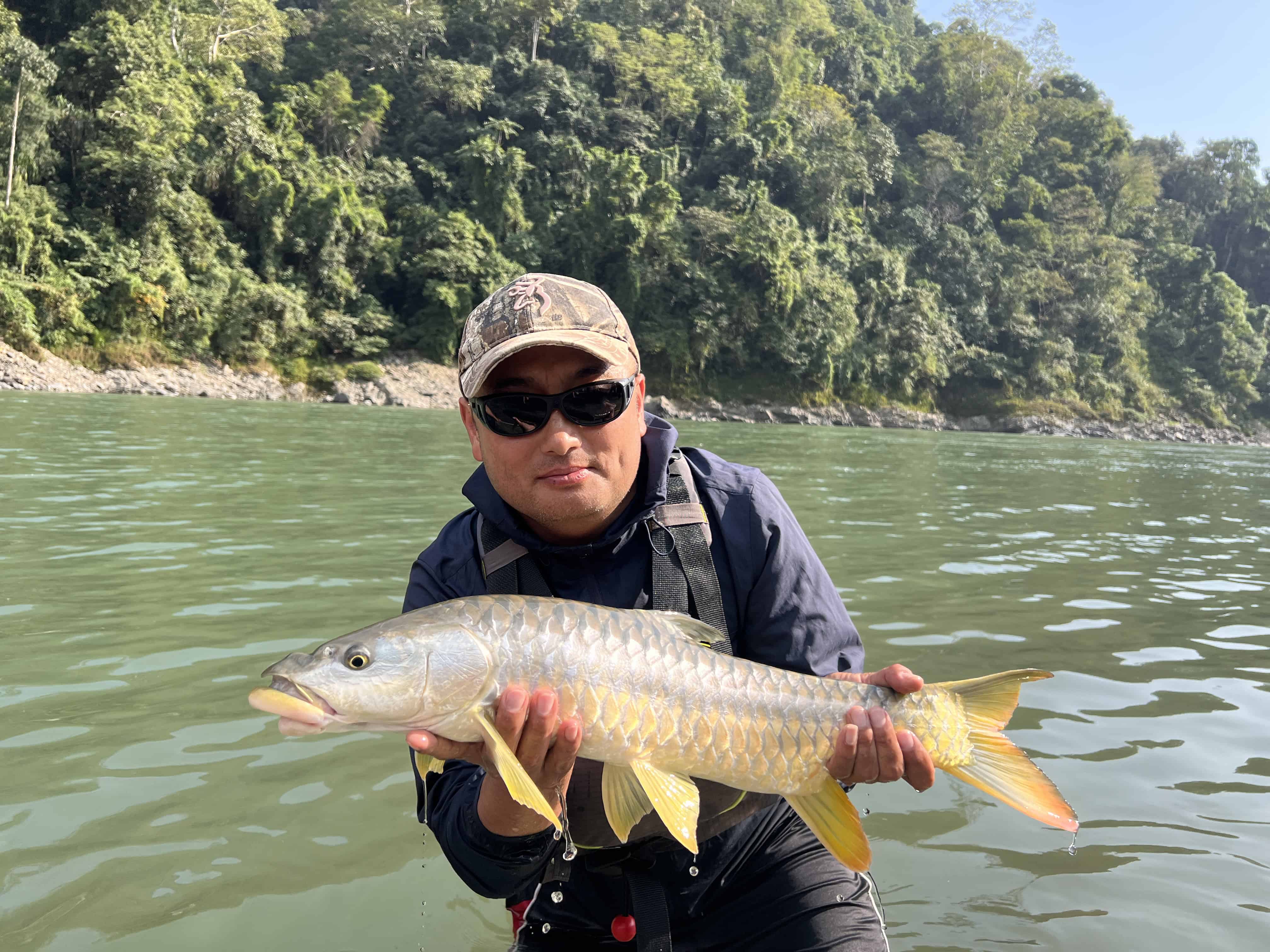
Golden & Chocolate Mahseer
Style
Spinning & Fly Fishing
The King of the Himalayan Rivers.
Bucket List Mahseer.
Why We Go ➜
- Fish for Golden and Chocolate Mahseer: Bhutan offers anglers the chance to target two of the Himalayas’ most iconic freshwater species, Golden Mahseer and Chocolate Mahseer.
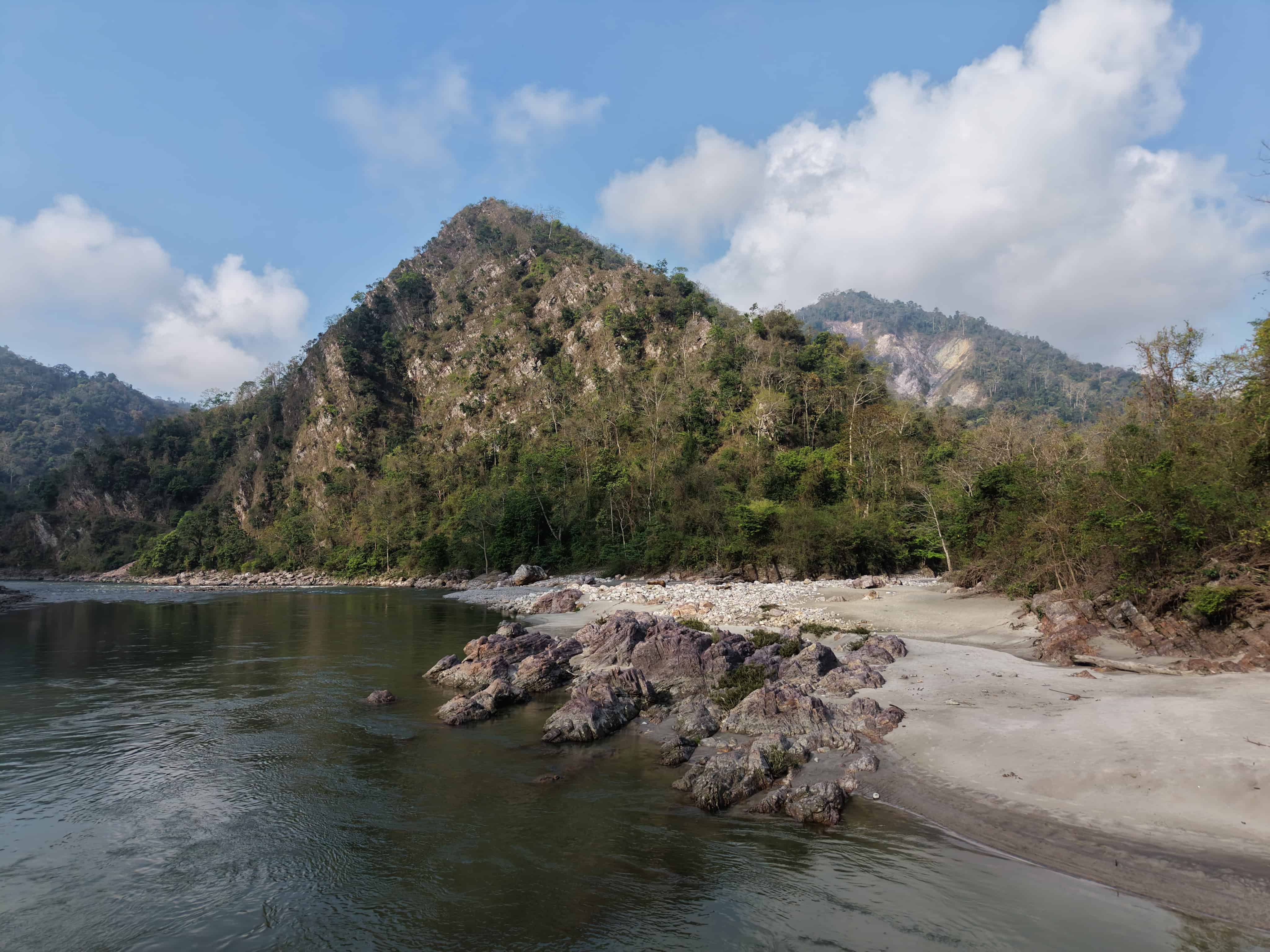
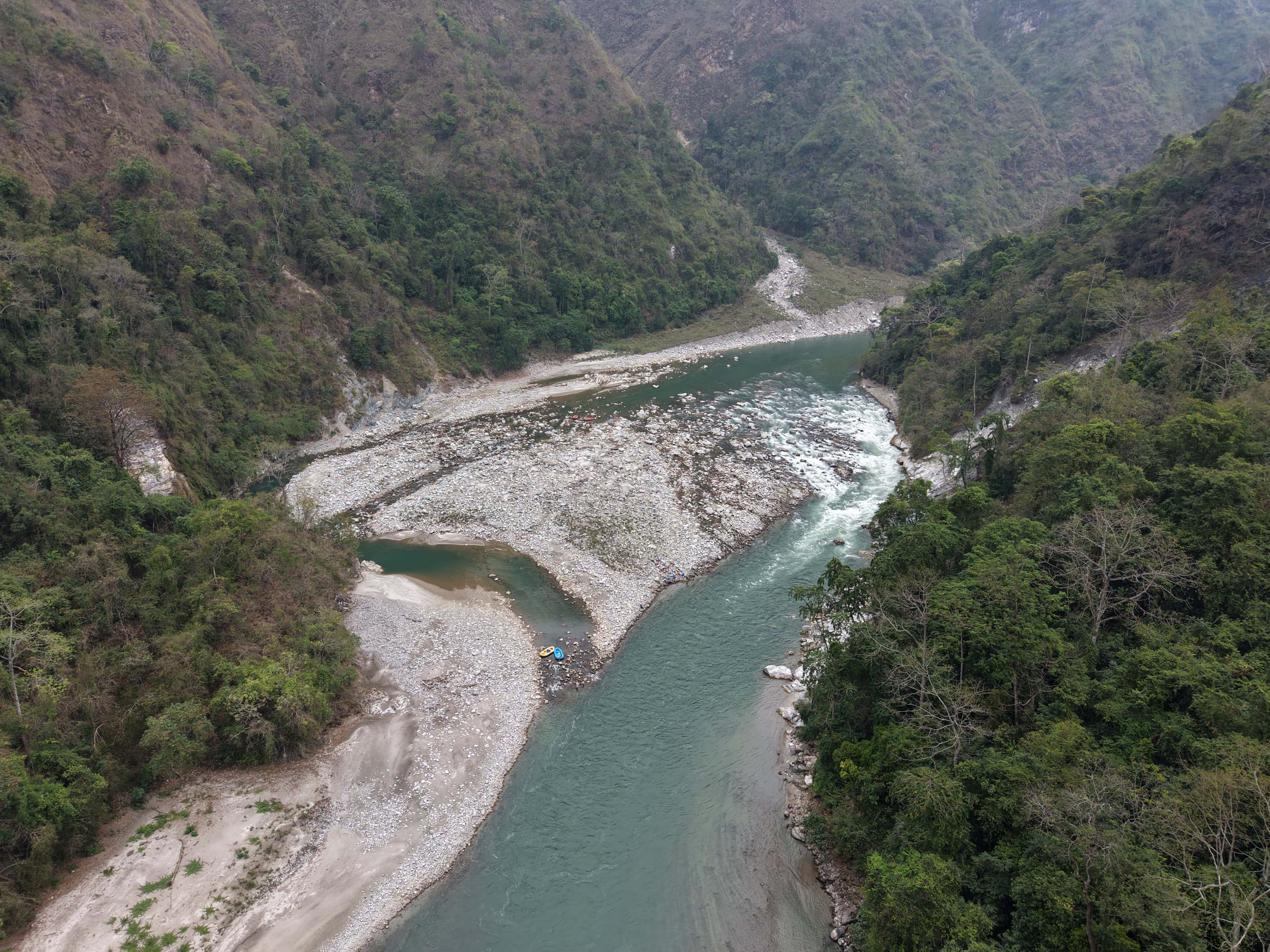
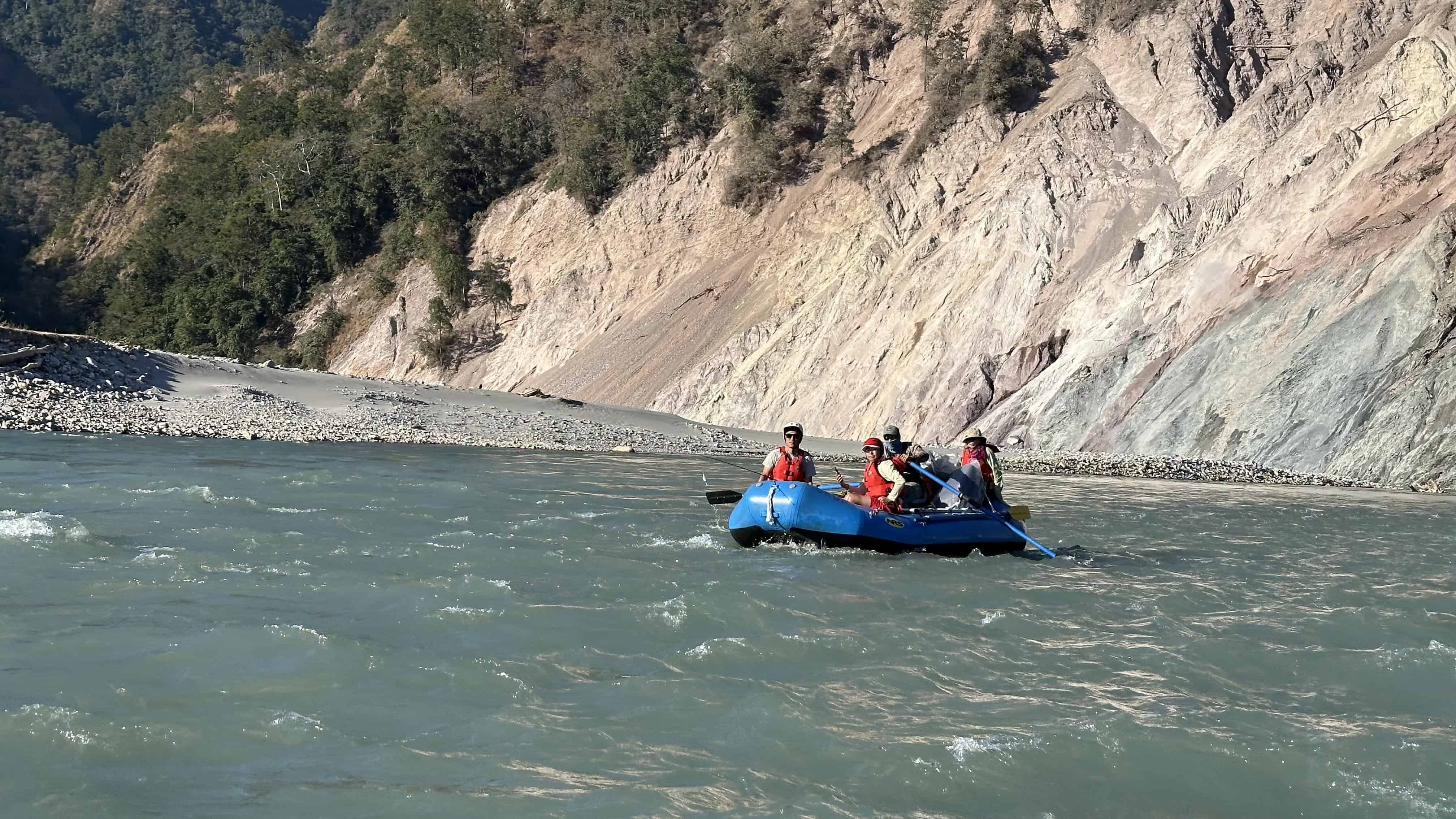
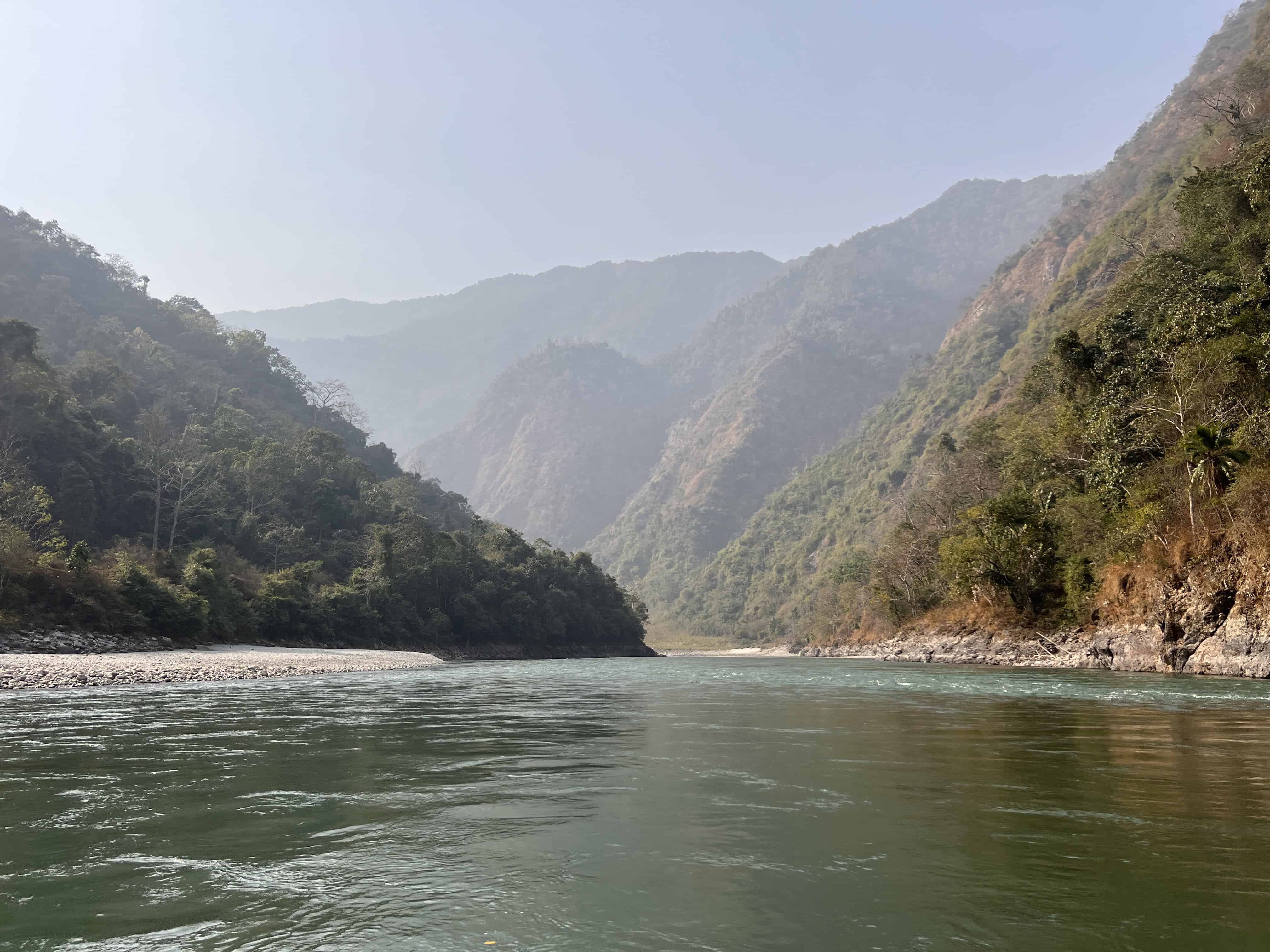
- Raft Through Remote Wilderness: A multi-day rafting journey through isolated river country, with riverside camps set up along the way. The route moves through remote sections of valley with limited road access, very few settlements, and long stretches of untouched landscape.
- Experience Bhutanese Culture and Himalayan Heritage: Bhutan is one of the most culturally distinct countries in Asia, shaped by Vajrayana Buddhism, traditional architecture, mountain monasteries, dzongs, and living local customs.
- One of the World’s Most Conservation-Focused Countries: Bhutan is known for its pristine environment, high forest cover, and carbon-negative identity. Conservation is part of the country’s national philosophy and tourism model, making it a fitting destination for travellers who value wild places and responsible adventure.
9 Day Adventure
$9,340 per angler
- 8 nights accommodation
- 5 days guided rafting, camping and mahseer fishing
- All transfers and expedition logistics within Bhutan
- All meals and beverages during the expedition
- Bhutan visa arrangements, Sustainable Development Fee, fishing permits, conservation fees
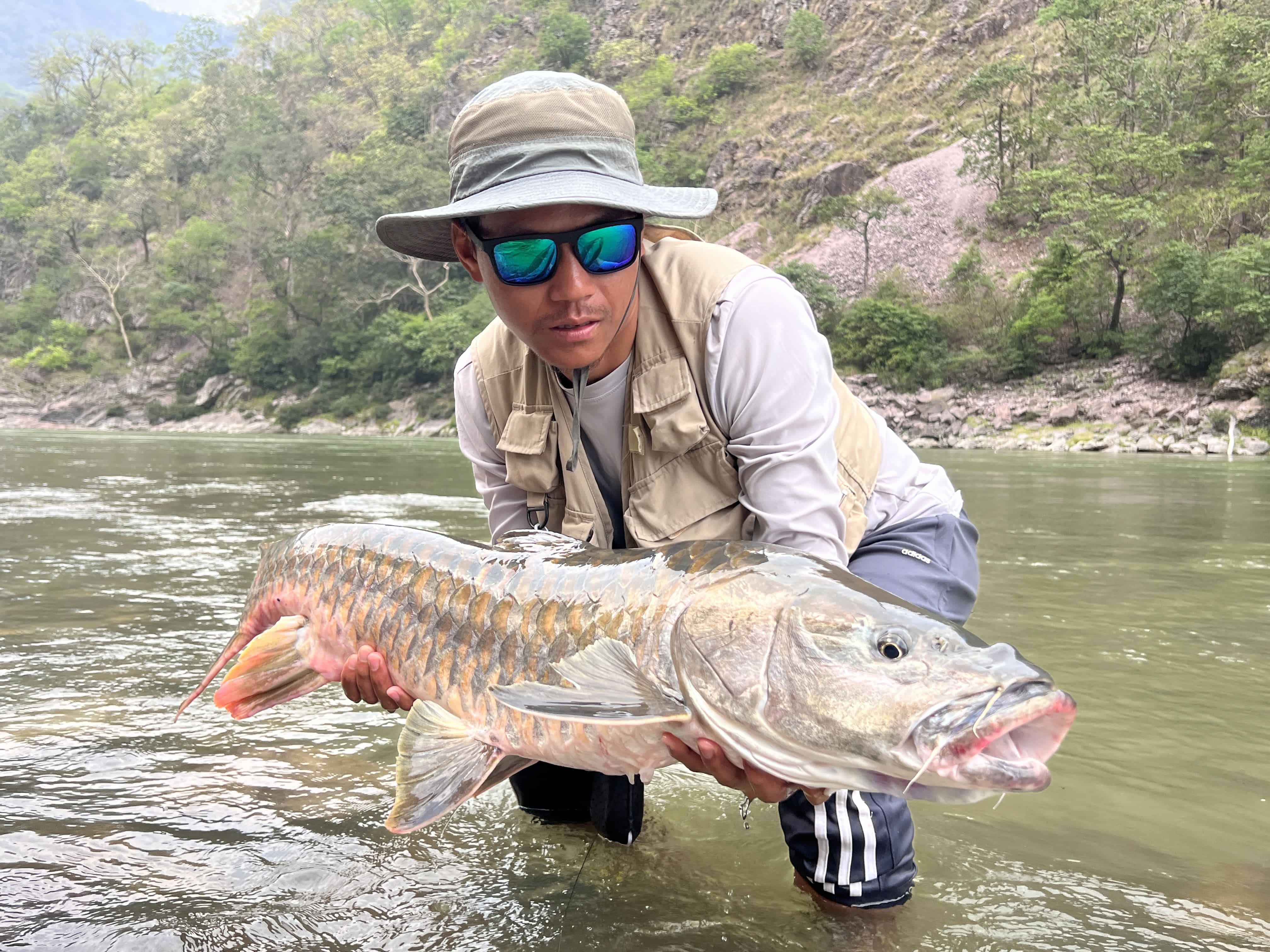
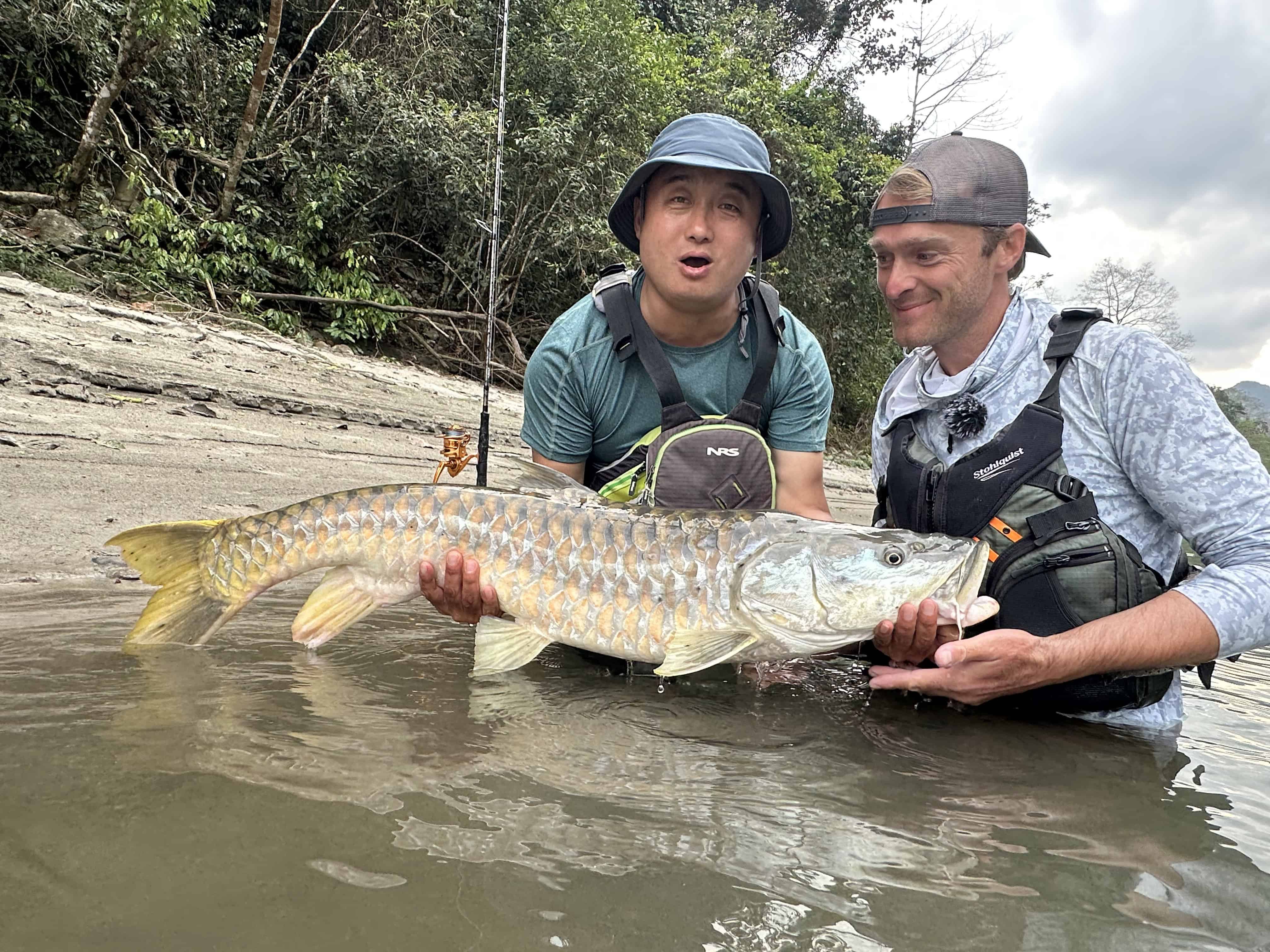
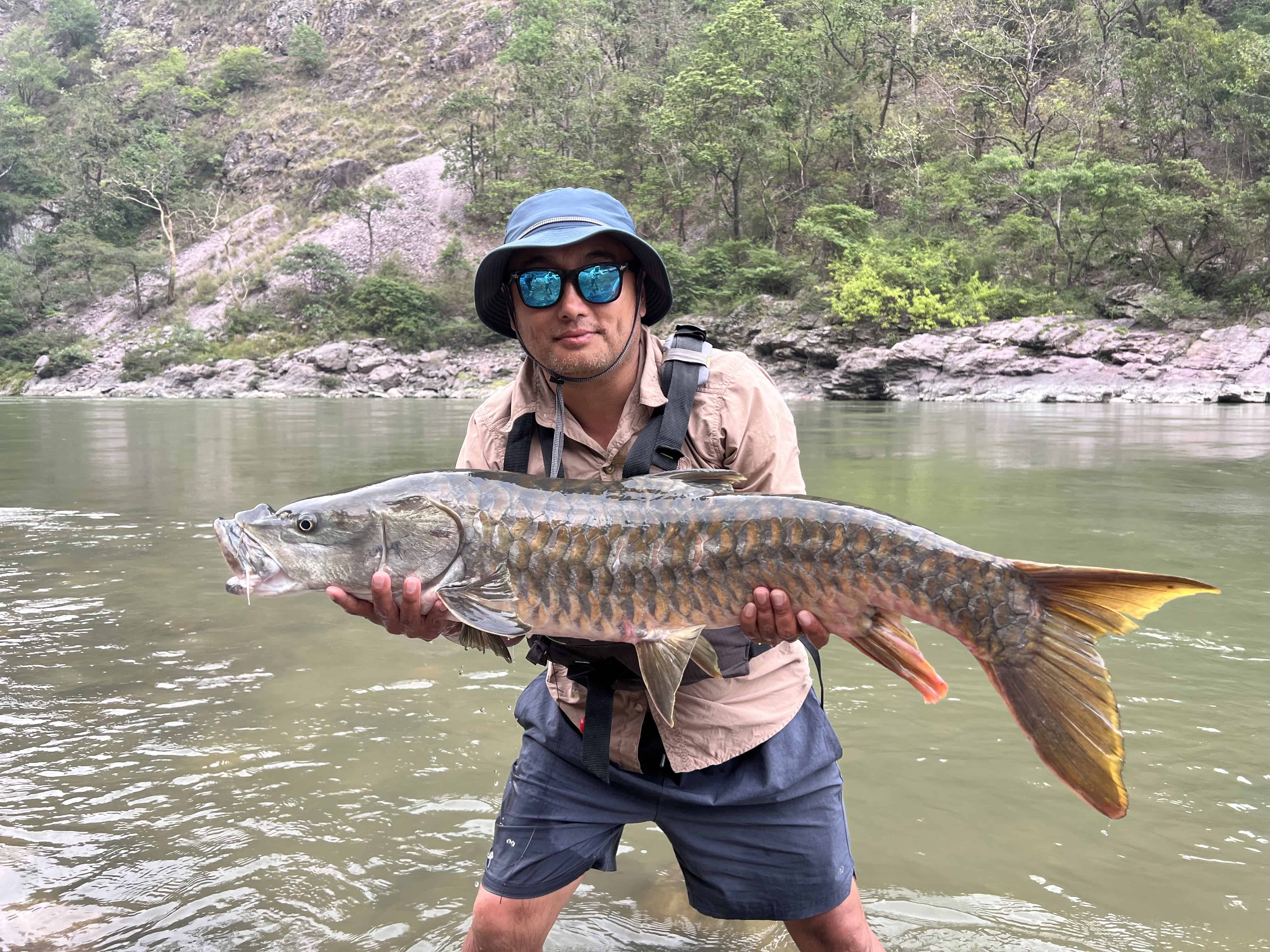
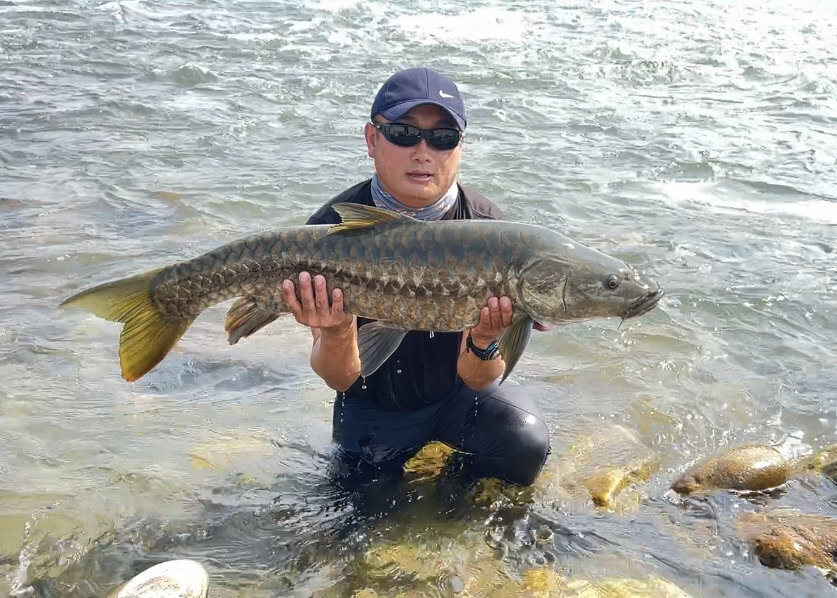
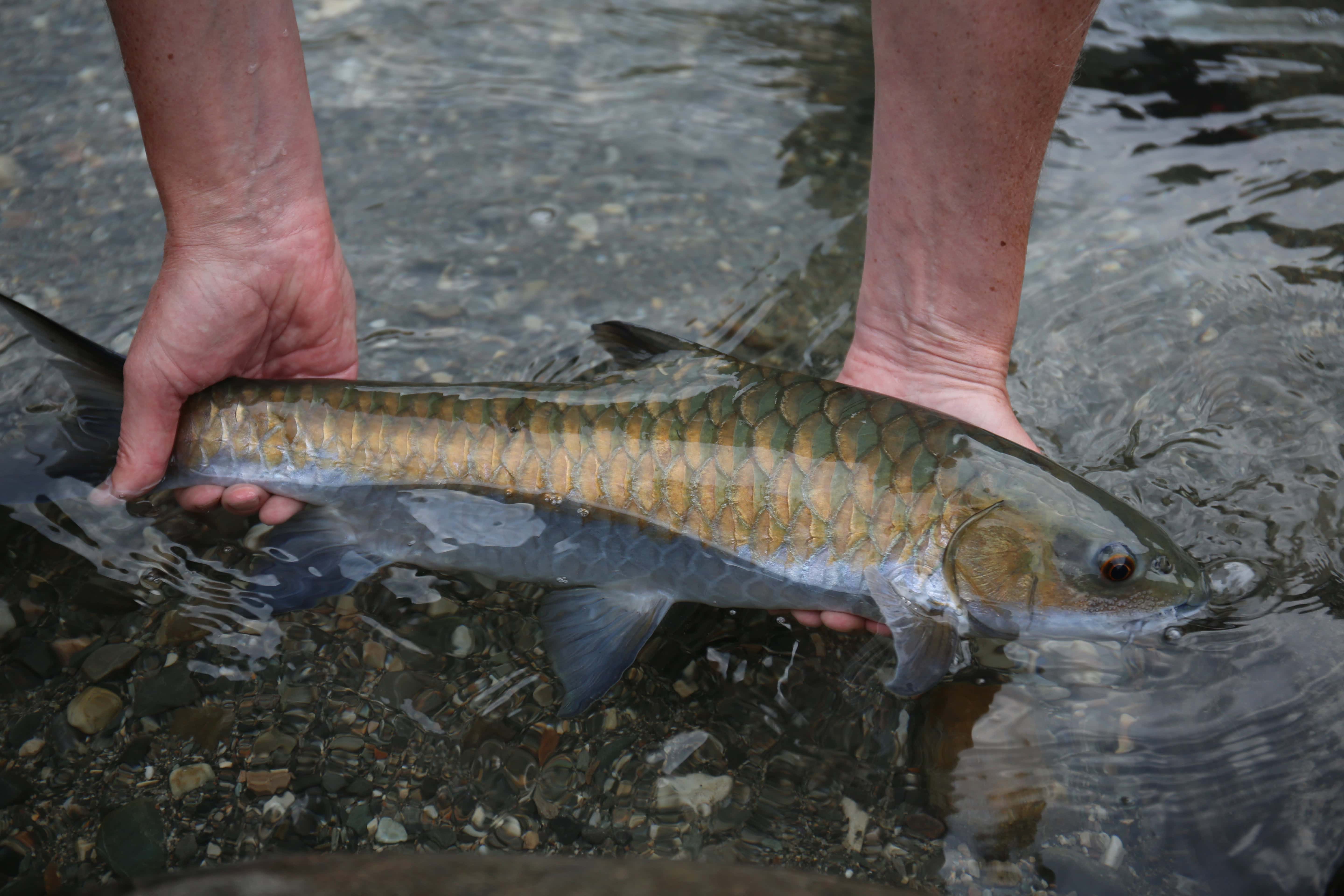
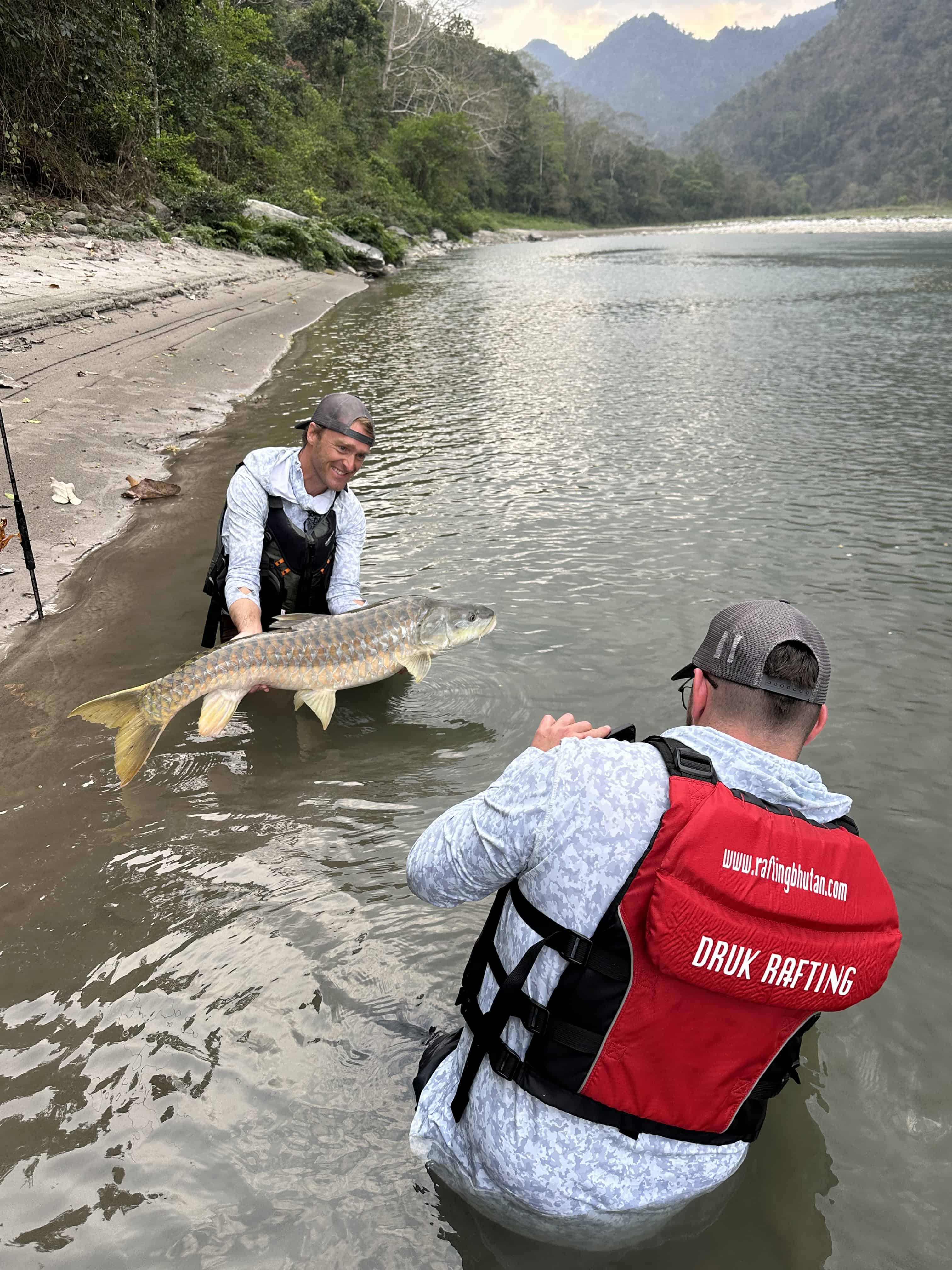
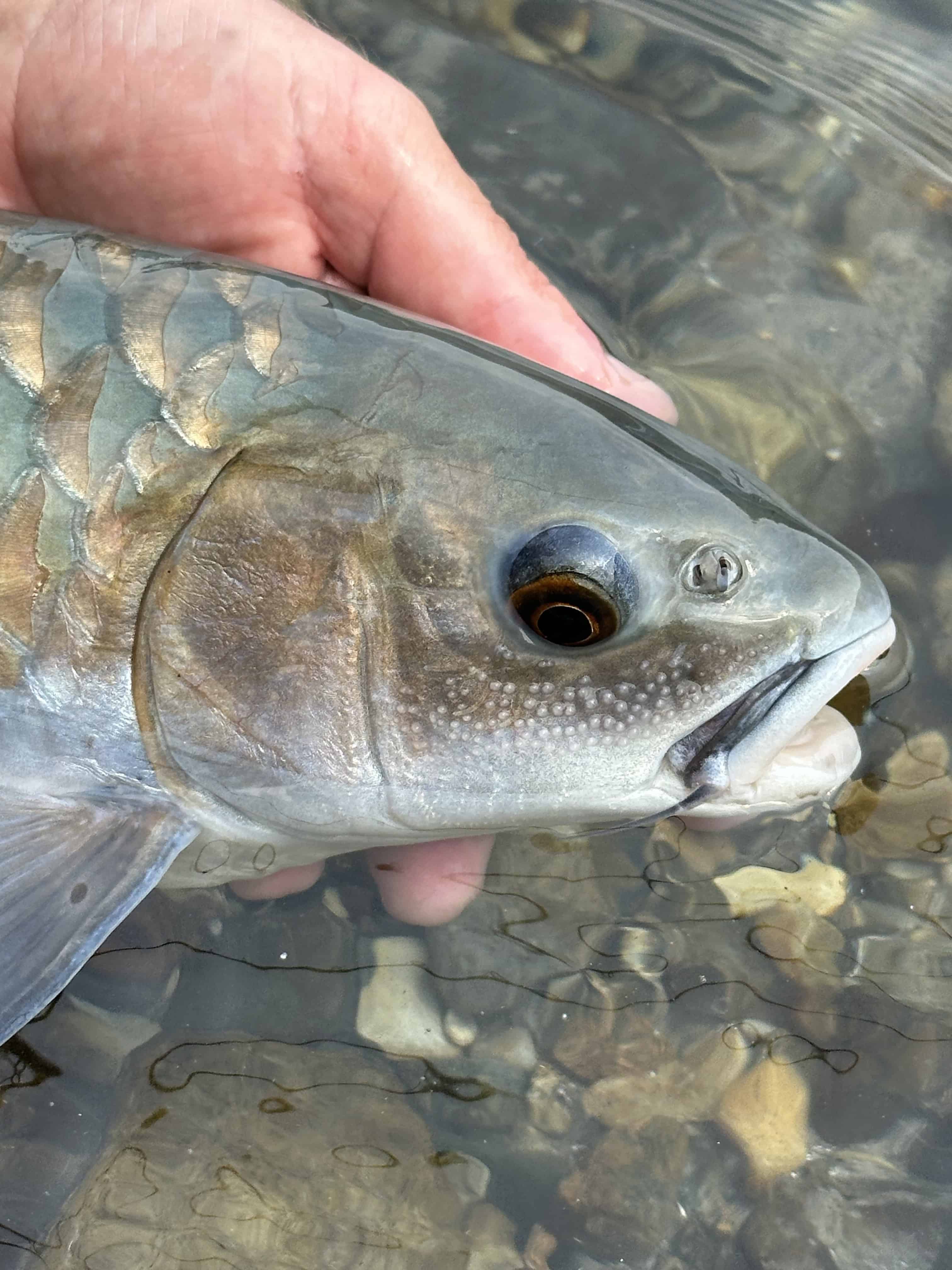
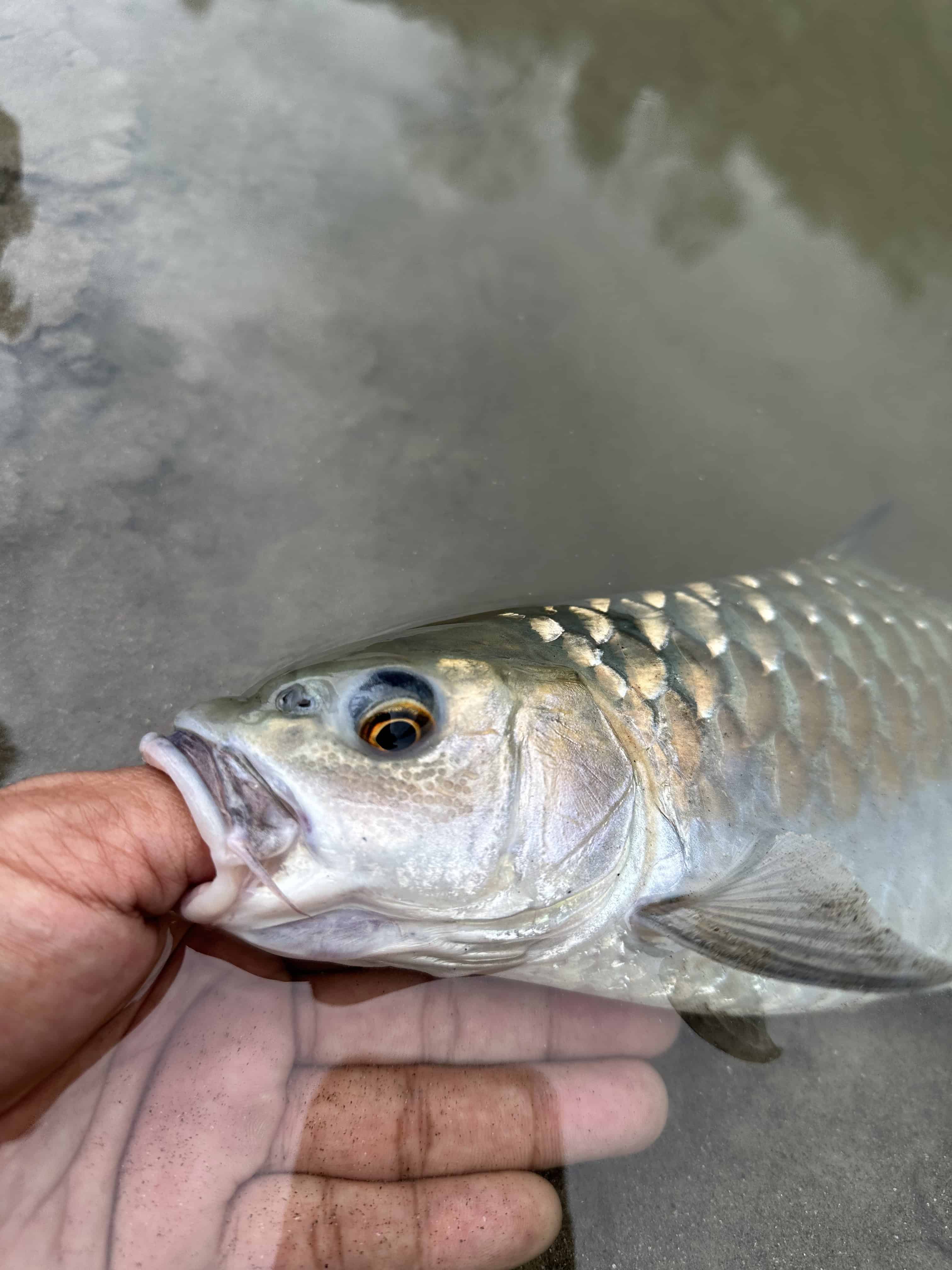
Golden Mahseer (Tor putitora) is the headline target species when travelling to the Himalayas. A powerful river fish, made for fast water, deep pools, rocky runs, and big boulder-strewn waters. Finding one is never guaranteed. They feed on a wide range of things, including aquatic insects, small fish, plant matter, fruit, seeds, and whatever else the river gives them, which makes them a great species to target on both fly and spinning tackle. With their large scales, golden colour, strong body shape, and ability to live in heavy current, they have become one of the most iconic freshwater fish in the world. Bhutan is one of the best places to fish for them today, partly because its rivers are still wild and partly because these fish are heavily protected in many of the country’s river systems.
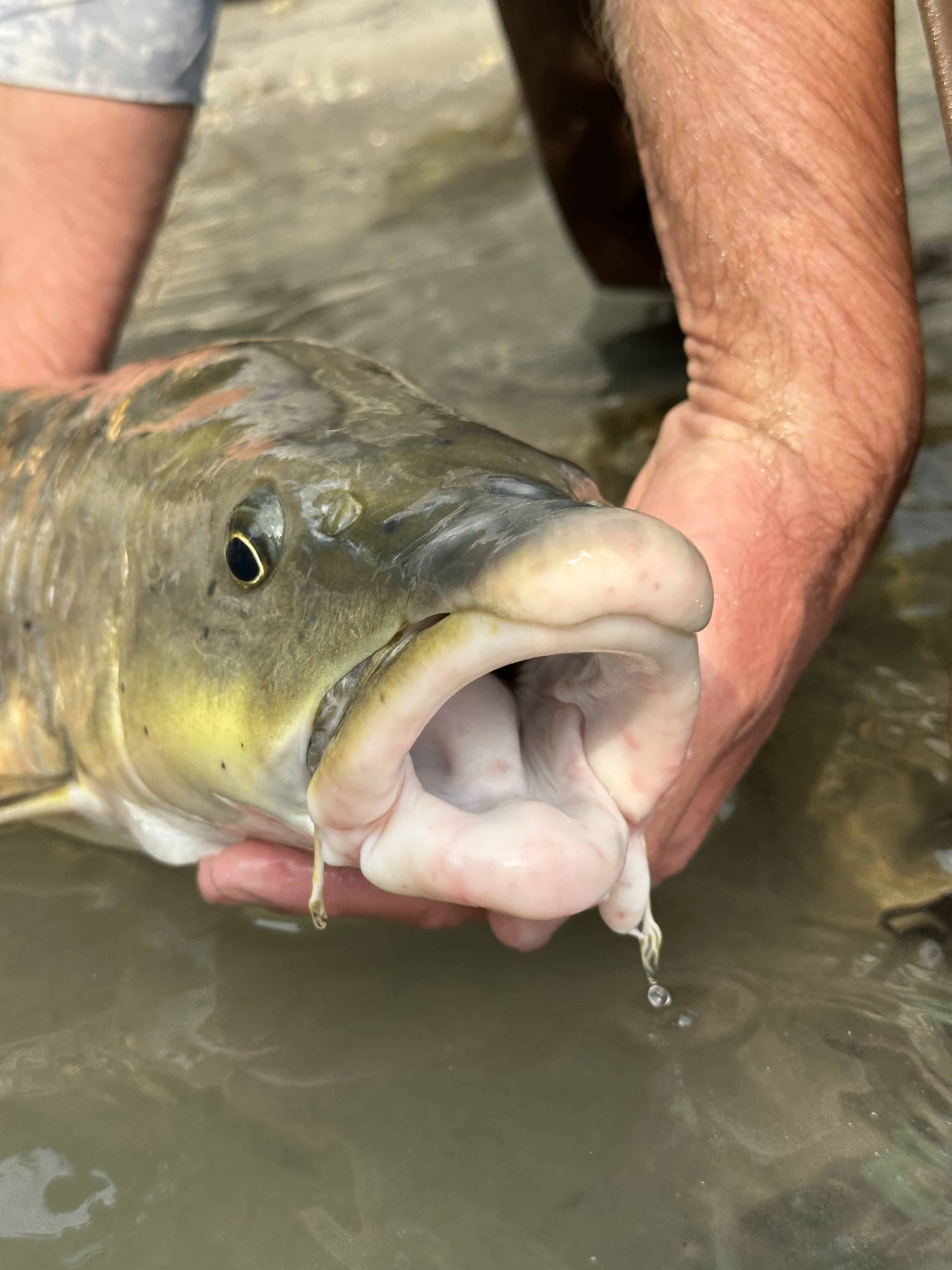
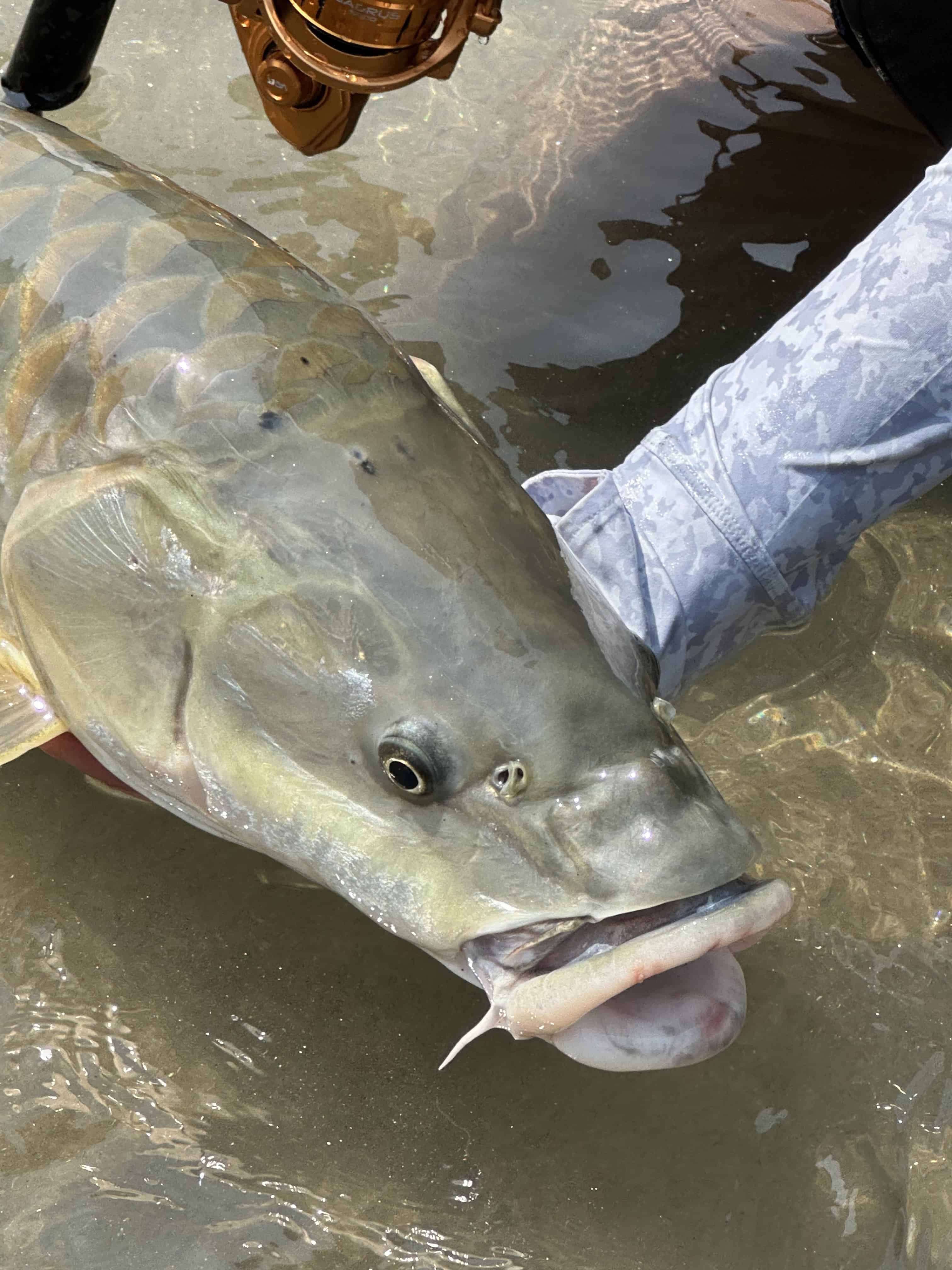
Chocolate Mahseer (Neolissochilus hexagonolepis) is the other lesser-known mahseer species in Bhutan, and it probably does not get talked about enough. It lives in many of the same rivers as Golden Mahseer, but it has its own look and character. These fish are darker, often with bronze, copper, green, or blue tones through the body, and they are thick, strong fish built for moving water. They may not grow as large as Golden Mahseer, but they are equally powerful in the current and well suited to Bhutan’s rocky river habitat. For anglers, they make the fishery more interesting because it is not just about chasing one famous species. You have two distinct mahseer living in the same protected Himalayan rivers, each with its own appeal, and both part of what makes Bhutan such a special freshwater destination.
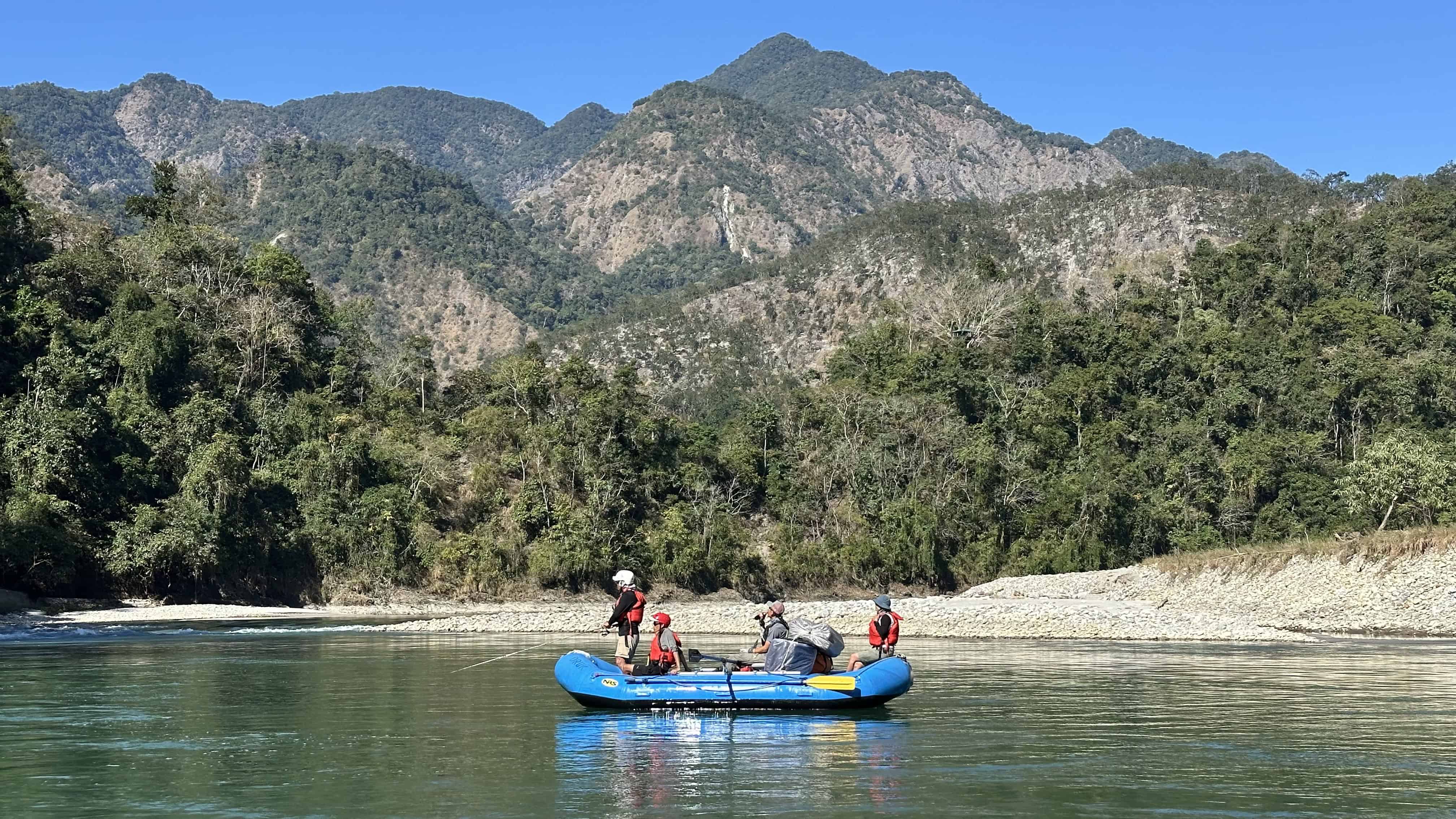
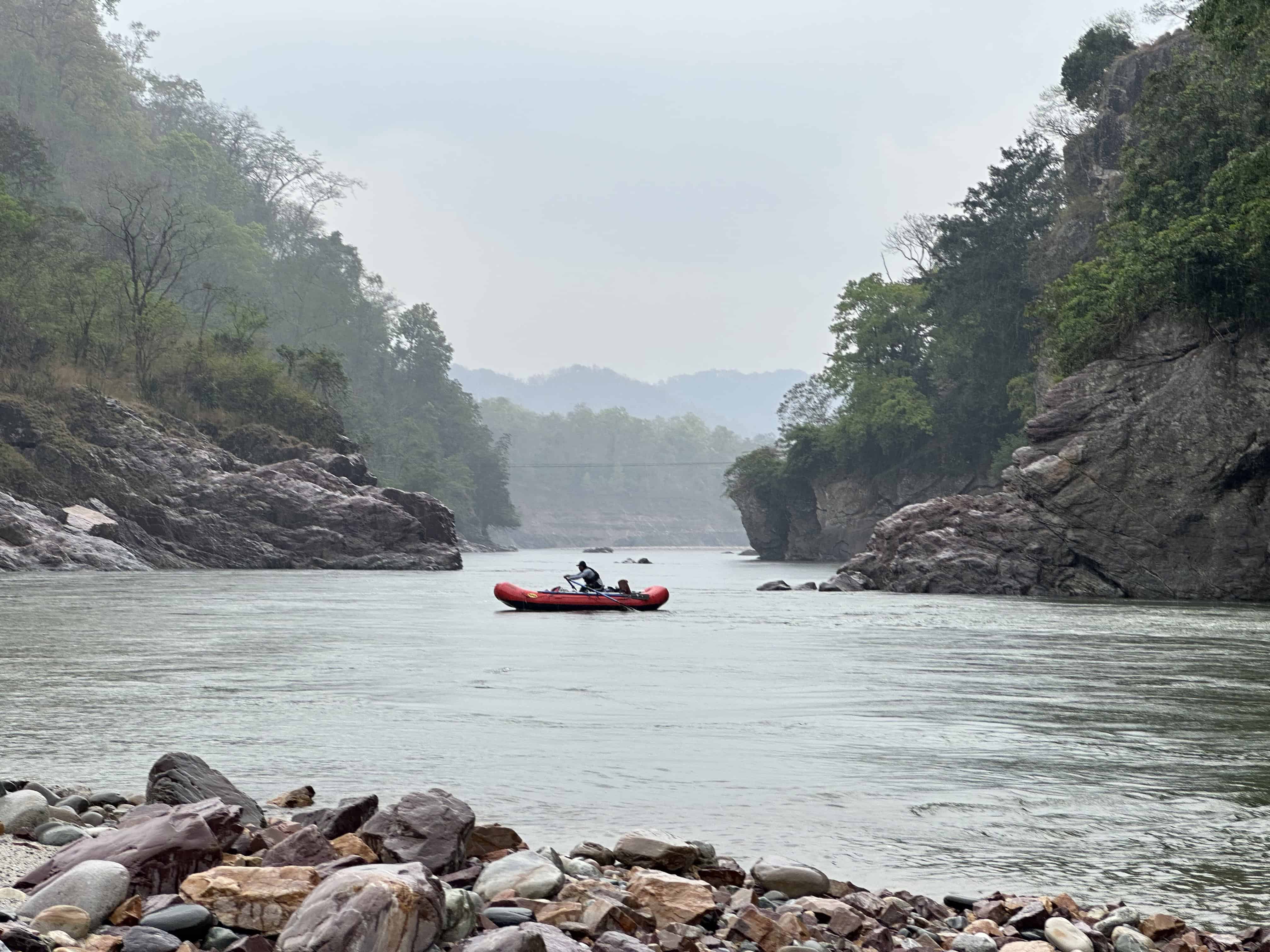
The fishing itself takes place as a rafting-based journey down a remote Bhutanese river, with anglers covering water with inflatable rafts, stopping to fish likely pools, runs, tributary mouths, and current seams along the way.
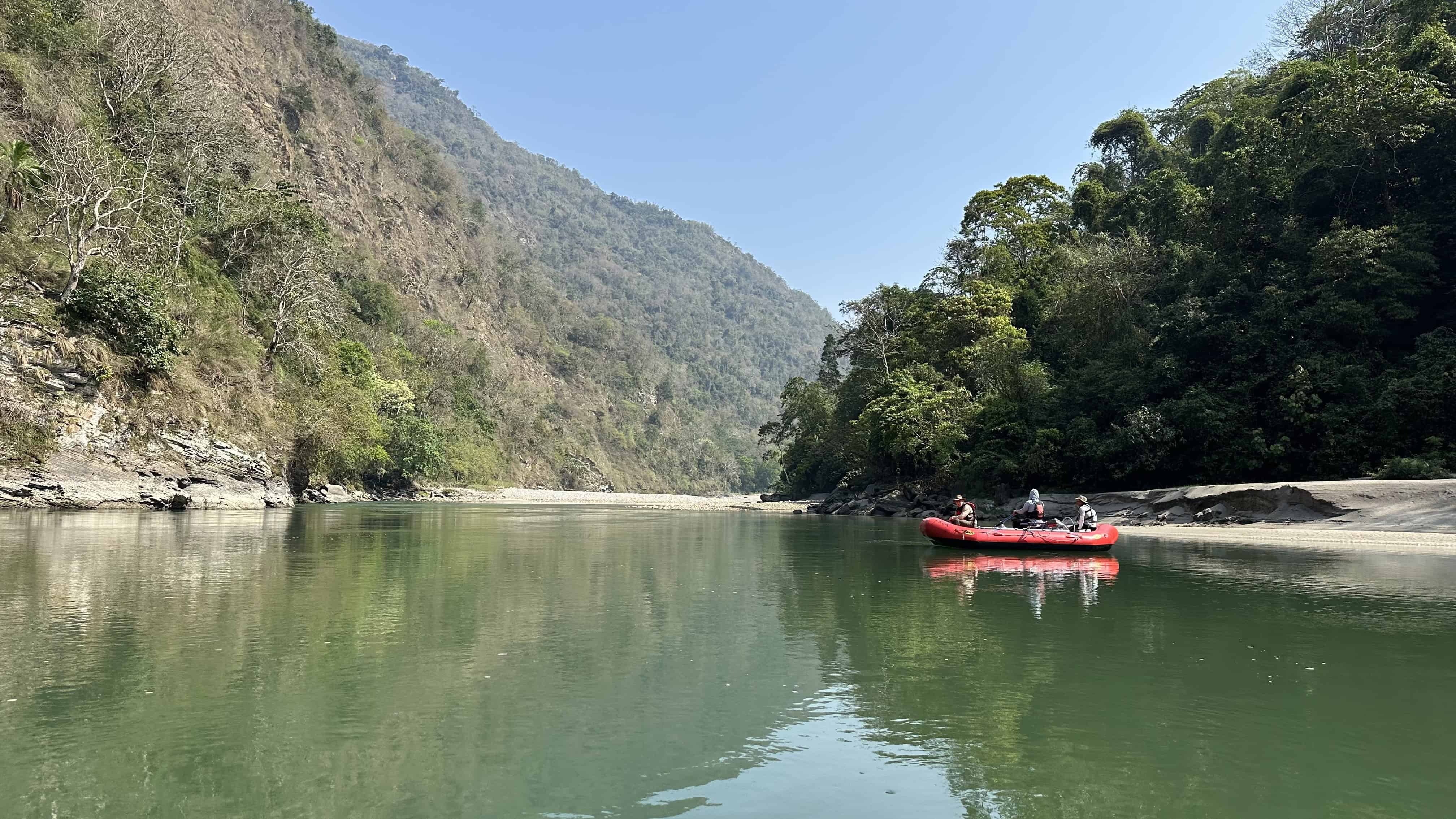
The rafting section is what really separates this trip from a normal fishing itinerary. Instead of fishing close to roads or returning to the same lodge each night, you drift deeper into the river system, reaching sections that are difficult to access any other way. These are the tougher, wilder, more remote stretches of water where the river starts to feel properly untouched, with long pools, rocky runs, tributary mouths, and quiet corners that rarely see anglers. Each day is built around moving with the river, stopping where the water looks right, and fishing the kind of places that could hold a serious Golden or Chocolate Mahseer.
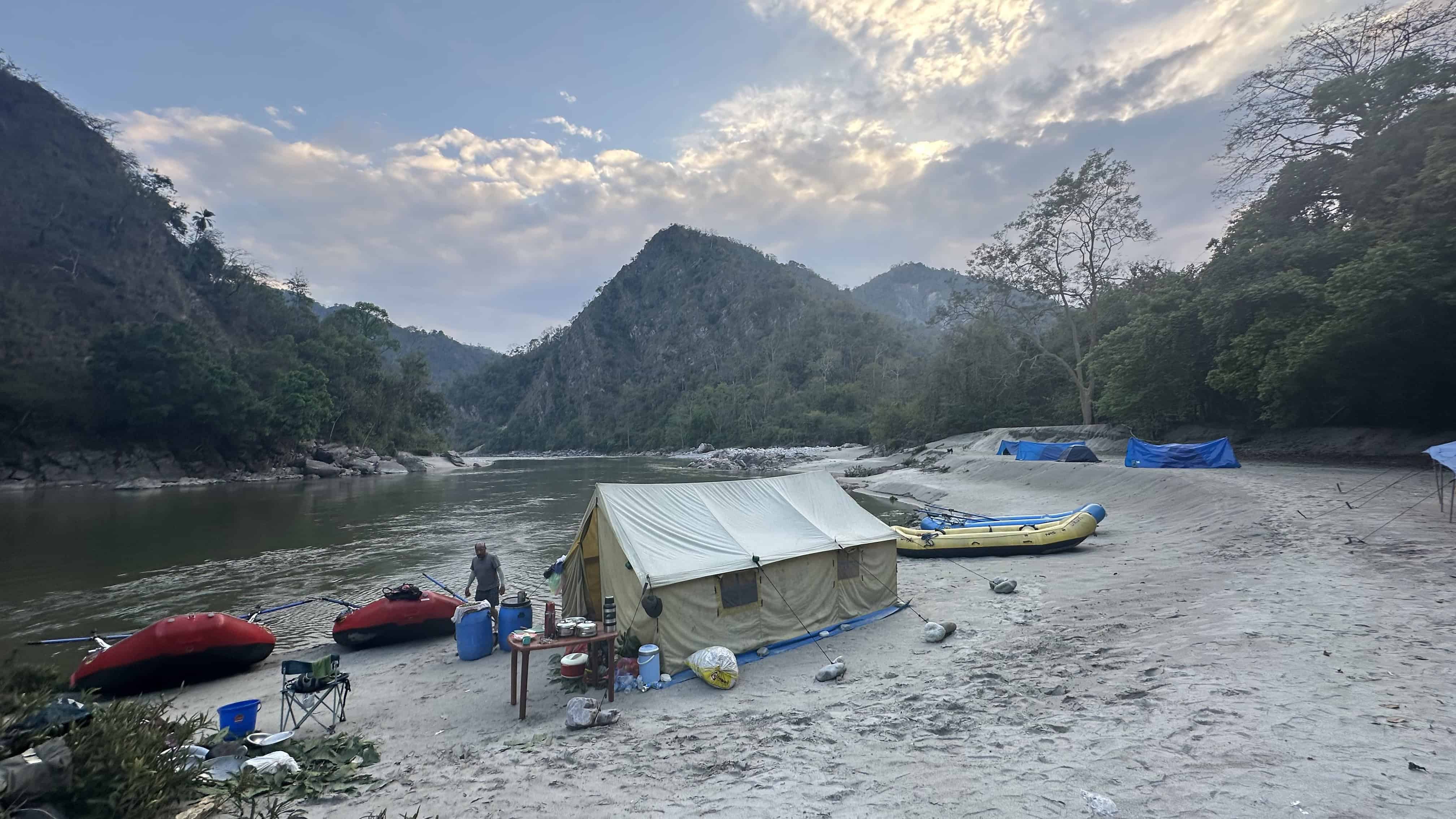
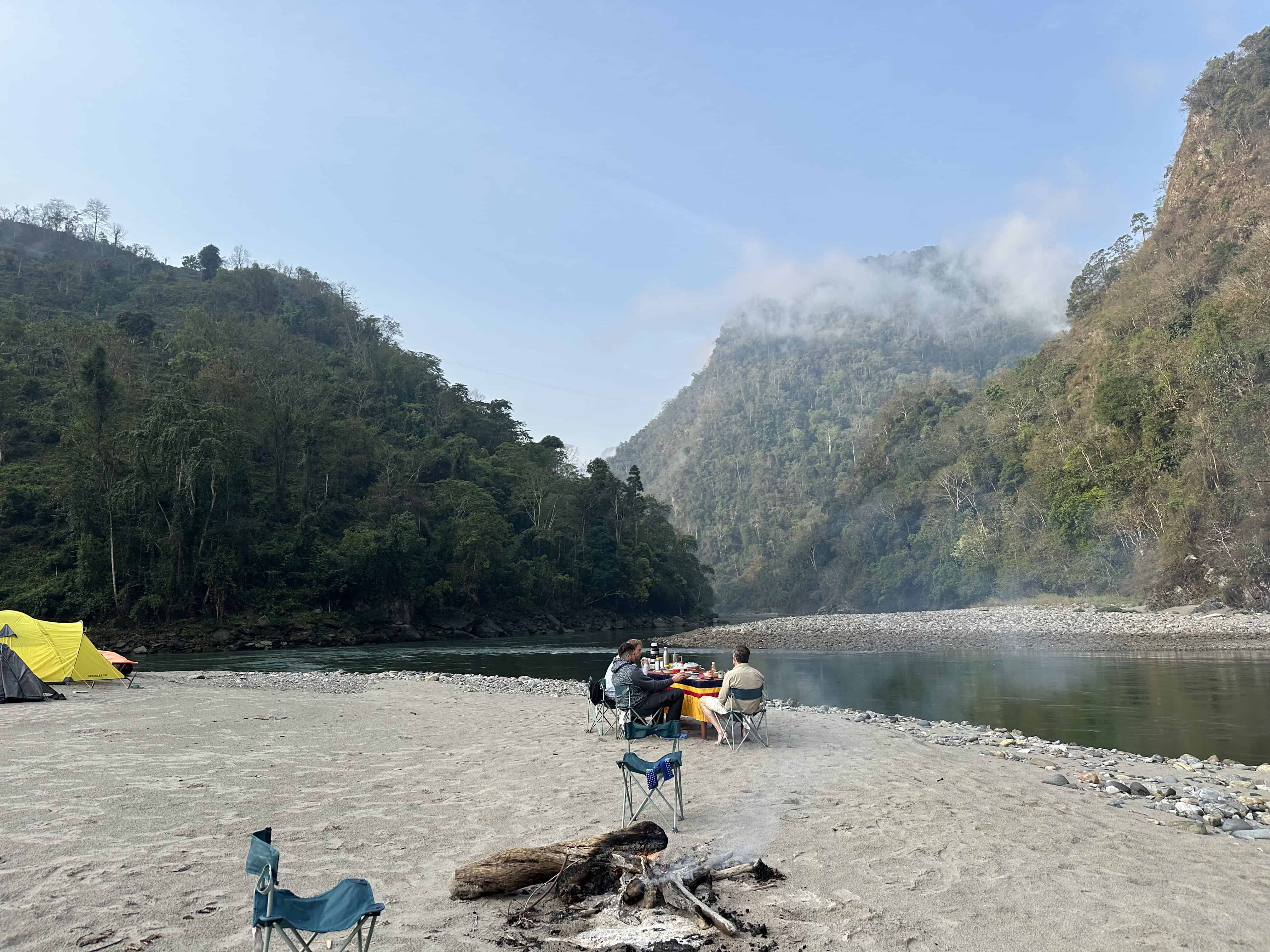
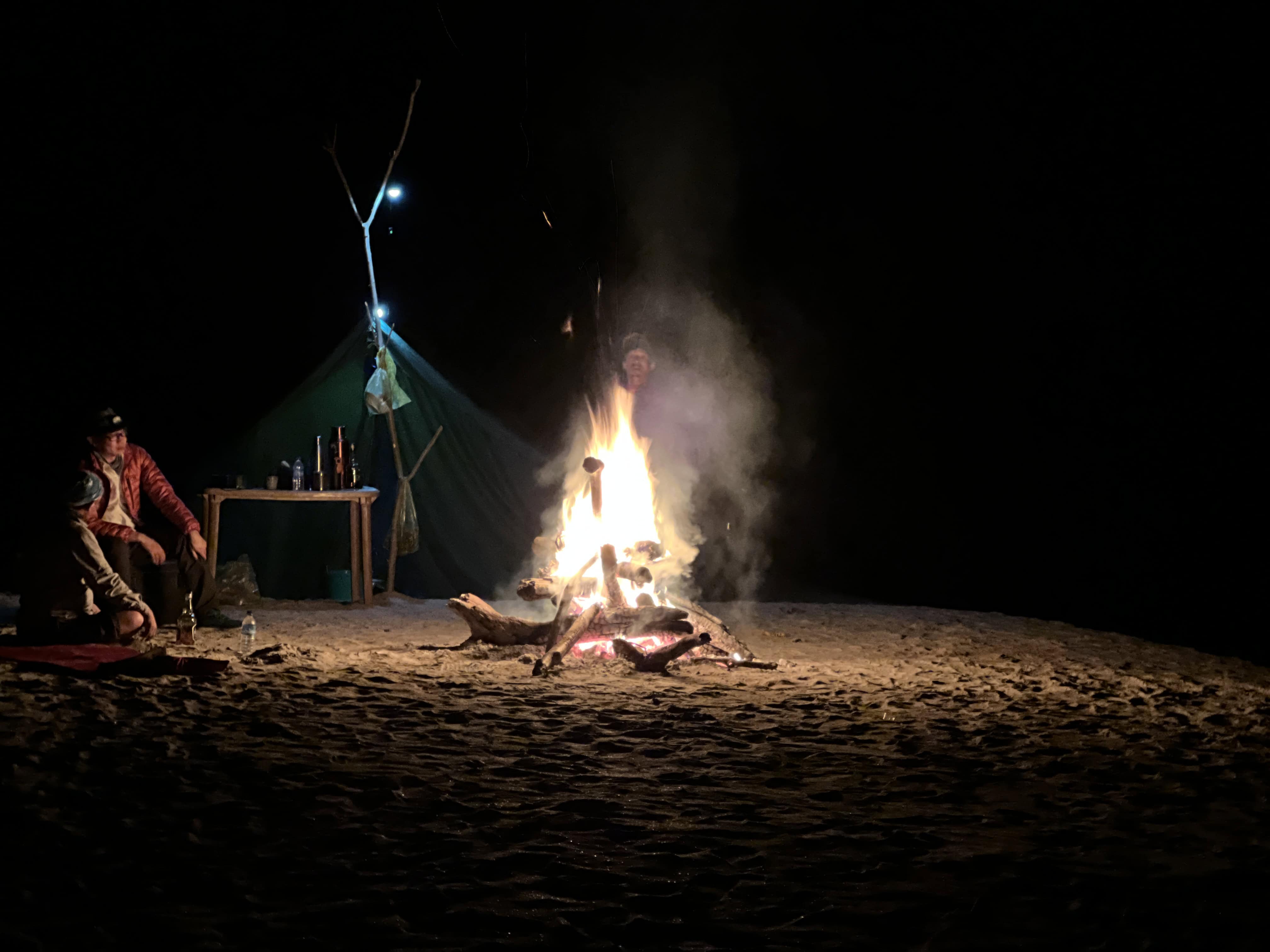
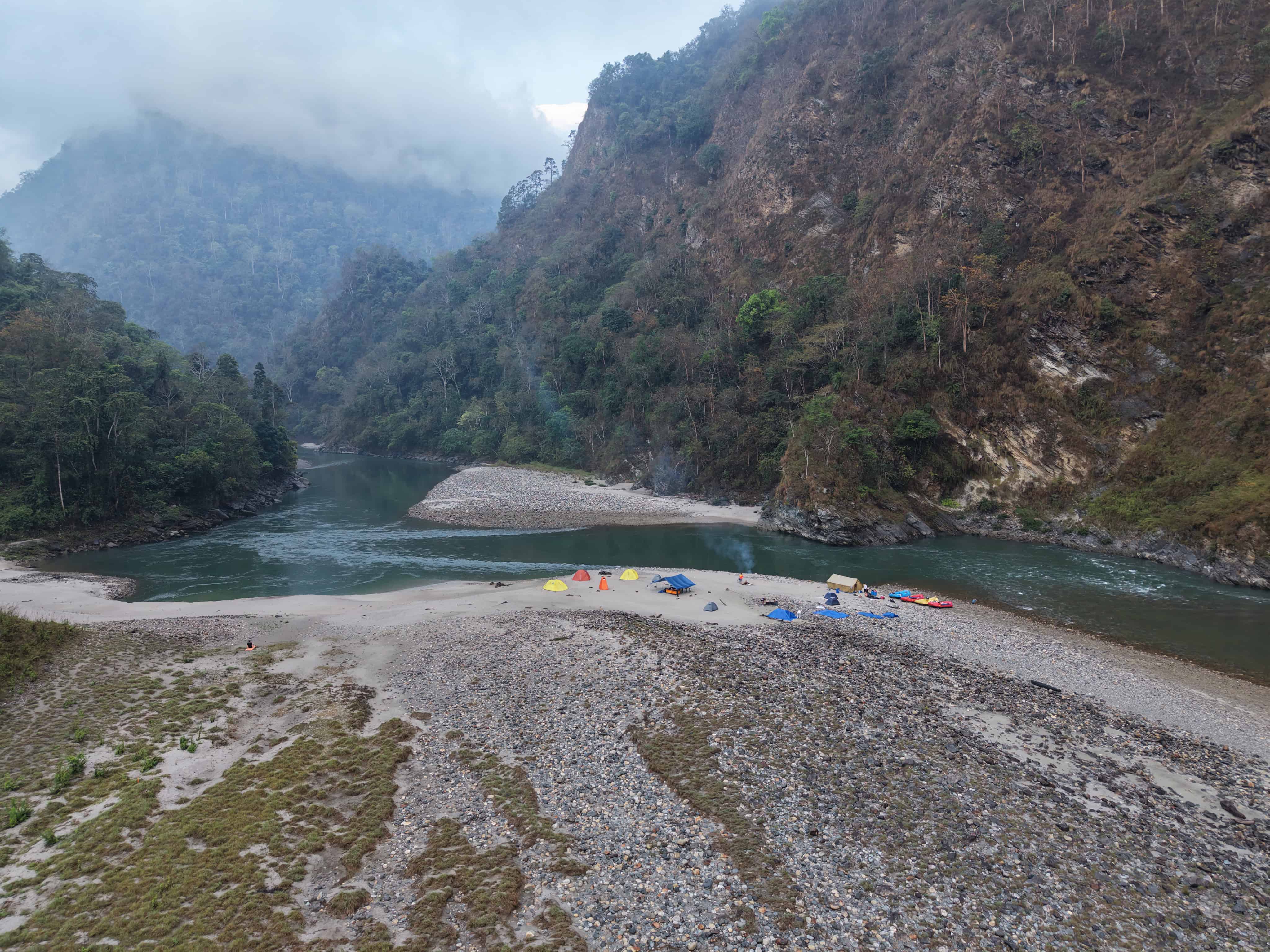
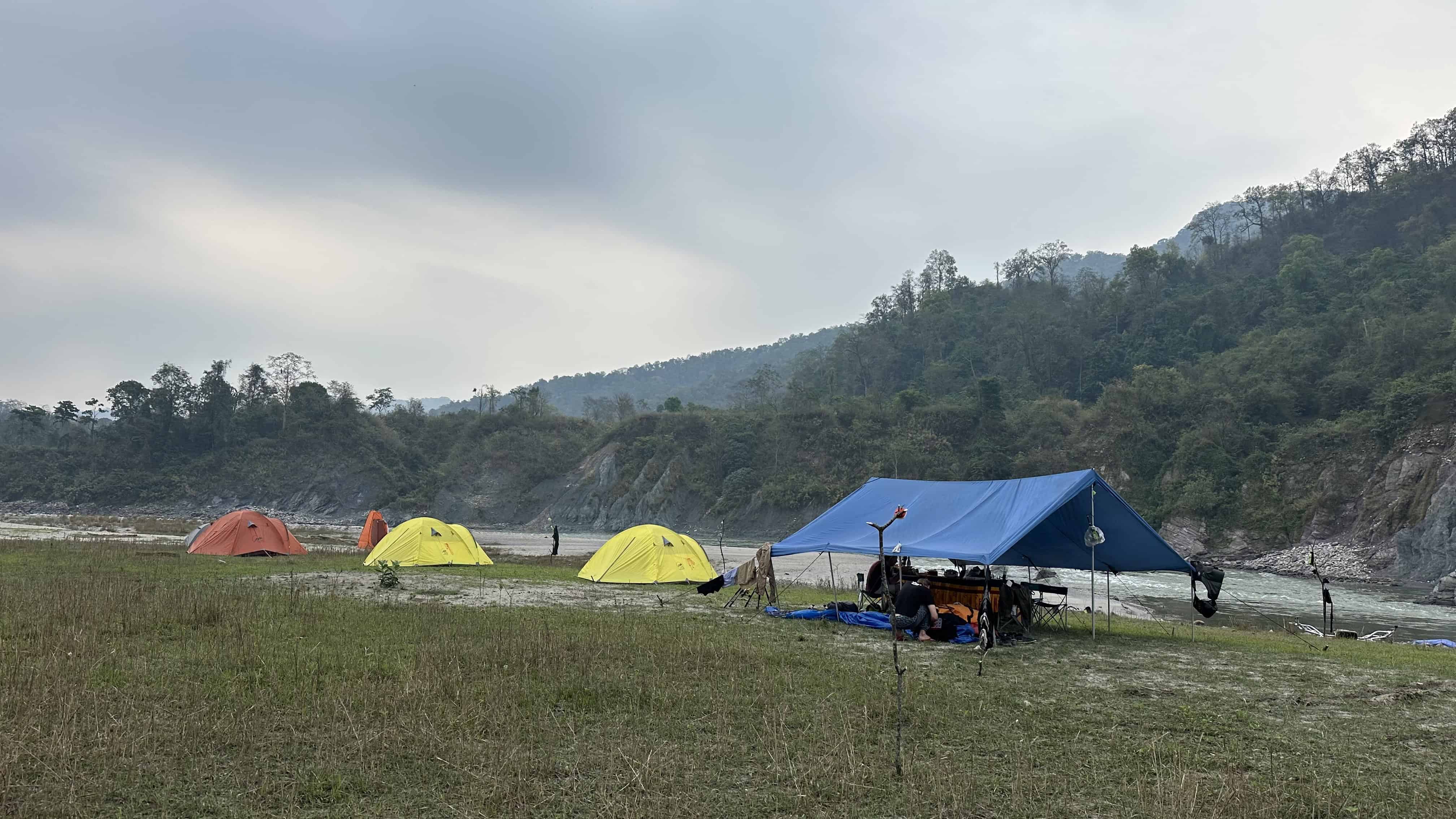
It is expedition-style adventure in the best sense. You travel by raft, fish as you go, and camp on the edge of the river. Evenings are spent on the riverbank, with simple wilderness camps, open skies, and the sound of the river running beside you. Then you wake up next to the water, pack up, and start again. There is something very honest about that kind of fishing. No crowds, no fixed beat, no easy access, just a remote Bhutanese river, a raft, a camp, and the chance of finding trophy fish in wild water.
Accommodation on this expedition is a mix of comfortable hotel stays and remote wilderness camping. The first two nights are spent in 3-star hotels, giving anglers time to arrive, settle in, and experience a bit of Bhutan before the river section begins. After the expedition, the final night before departure is also spent in a hotel, allowing for a proper shower, rest, and a more comfortable end to the journey before flying home.
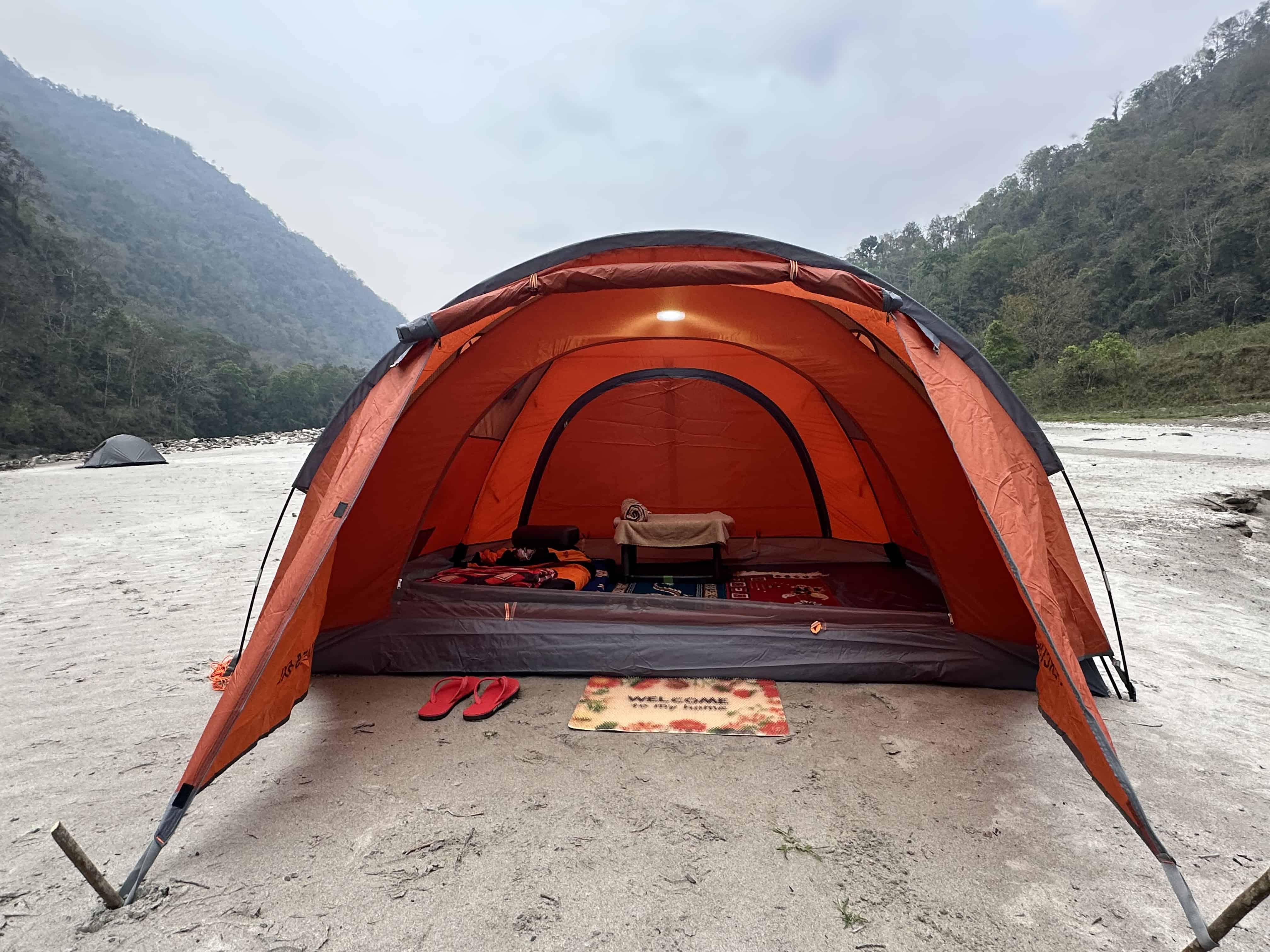
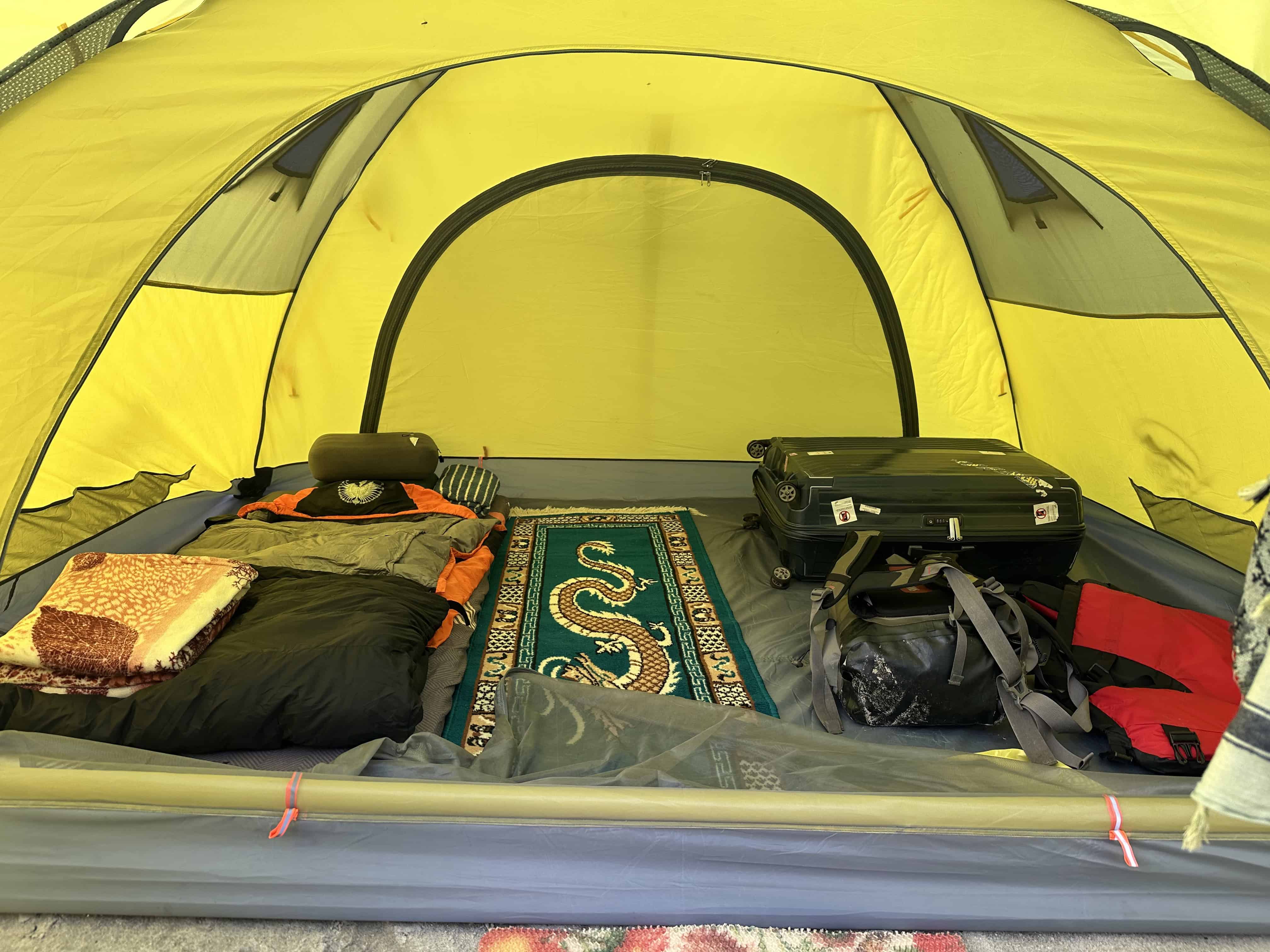
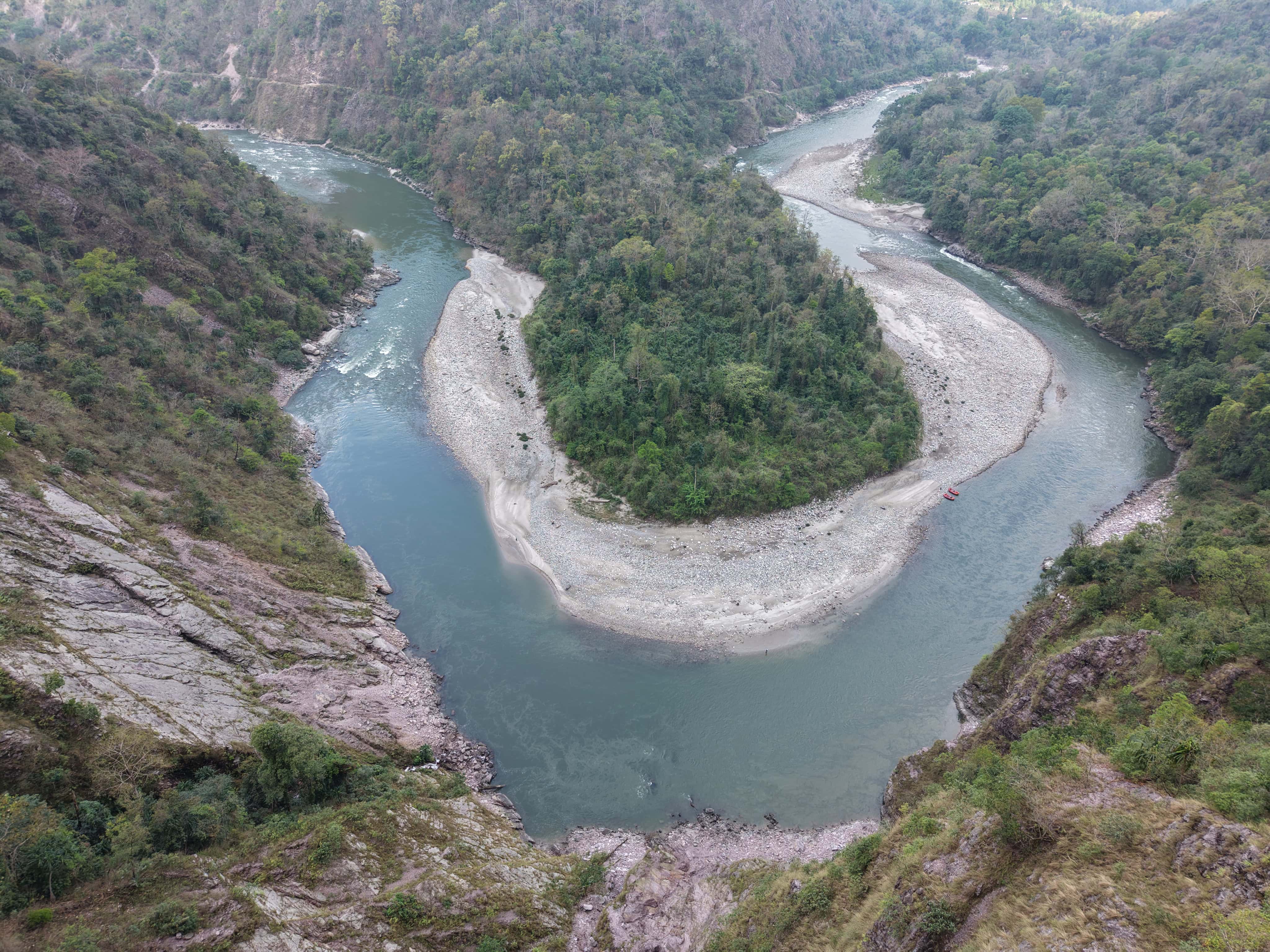
Once the rafting expedition begins, the accommodation shifts completely. Each night is spent in riverside camps set up along the Sunkosh River, with the group camping in remote sections of wilderness as they raft and fish downstream. This is a big part of what makes the trip different from a lodge-based fishing itinerary. You are sleeping beside the river you are fishing, waking up close to the water, and moving through areas that are difficult to reach any other way. The camps are simple, practical, and built around the rhythm of the expedition: raft, fish, camp, eat, sleep, and continue downstream the next day.
For those wanting to spend more time in the country, there is also the option to extend the trip after the river expedition. Bhutan has a lot more to offer beyond the fishing, from monasteries, mountain valleys, and cultural sites to hiking, wildlife, local food, and traditional villages.
Bhutan sits in the eastern Himalayas between India and China, with a landscape that moves from subtropical valleys and forested river systems in the south to high Himalayan mountains in the north.
How To Get There:
Anglers arrive through Paro International Airport. Direct connections are available from regional hubs such as India, Nepal, Bangladesh, Thailand, and Singapore. For most long-haul guests, the easiest routing is to fly into one of these Asian gateways, then connect onward to Paro.
Once in Bhutan, all internal logistics are handled as part of the expedition, including airport transfers, road transport, guides, accommodation, river logistics, camping support, fishing permits, and cultural sightseeing arrangements. The overland route includes Paro to Punakha via Dochula Pass, a transfer to the Sunkosh River launch point, and a final exit near Karmaling before returning by road to Paro departure.
8 Nights / 9 Days
Day 1: Arrival in Paro / Transfer to Thimphu
Arrive at Paro International Airport, located approximately 7,200 feet above sea level. After clearing arrivals, anglers are met and transferred to Thimphu, Bhutan’s capital city. Depending on arrival time, there may be an opportunity to explore the city and surrounding area. Thimphu is known for its calm pace, traditional character, and unique distinction as a capital city without traffic lights.
Overnight: Hotel in Thimphu
Day 2: Drive to Punakha via Dochula Pass
After breakfast, drive approximately 3-4 hours to Punakha, crossing the scenic Dochula Pass en route.
Overnight: Hotel in Punakha
Day 3: Transfer to the Sunkosh River / Expedition Begins
Drive approximately three hours to the Sunkosh River expedition starting point. After lunch on the riverside, begin the first rafting and fishing session with a gentle downstream float of approximately two to three hours. The first riverside camp is then set up along the riverbank.
Overnight: Riverside camp
Day 4: Full Day River Expedition and Fishing
After breakfast, continue rafting and fishing through remote wilderness sections of the Sunkosh Valley. The route passes through untouched landscapes with limited road access, very few settlements, and little visible human activity. Lunch is served during the expedition before continuing downstream to the next camp.
Overnight: Riverside camp
Day 5: River Navigation and Fishing Expedition
Continue the fishing expedition after breakfast, moving deeper into the river valley. During this section, the crew will manage one part of the river where the rafts need to be manually lined along the bank for approximately one hour. Fishing continues throughout the day as the expedition progresses downstream.
Overnight: Riverside camp
Day 6: Remote Wilderness Exploration
Following breakfast, continue downstream through another productive fishing stretch of the Sunkosh River. During the day, visit or pass through the remote settlement of Bara Gumti, an isolated area that remains unfamiliar even to many Bhutanese people.
Overnight: Riverside camp
Day 7: Fishing Through the Sunkosh Wilderness
After breakfast, continue floating and fishing through some of the most scenic and rewarding sections of the Sunkosh River. A picnic lunch is served en route as the group continues downstream through remote river country.
Overnight: Riverside camp
Day 8: Exit at Karmaling / Transfer to Paro
After breakfast, continue rafting downstream toward Karmaling, where the river expedition concludes. Following lunch, transfer by road to Paro, a drive of approximately six hours.
Overnight: Hotel in Paro
Day 9: Departure from Paro
Transfer to Paro International Airport for onward departure.
Optional Add-On: Tiger’s Nest Monastery Hike
Anglers who would like to extend their time in Bhutan can add an extra day in Paro to hike to Taktsang Monastery, better known as Tiger’s Nest. Perched on a cliffside above the Paro Valley, Tiger’s Nest is one of Bhutan’s most important cultural and religious landmarks, and one of the country’s most iconic travel experiences. The round-trip hike generally takes between six and eight hours, covering approximately five miles through pine forest and mountain trails. This add-on is ideal for guests who want to include one of Bhutan’s signature cultural highlights before departing.
Rates per angler:
US$9,340 per angler
What’s Included:
- All in-country logistics from arrival in Bhutan to departure, including airport transfers & road transportation.
- Guided fishing, river expedition support, rafting logistics, camping equipment, and wilderness camp arrangements.
- 8 Nights accommodation in a combination of 3-star hotels, and riverside wilderness camping.
- Meals and beverages on the expedition.
- Bhutan visa arrangements.
- Bhutan Sustainable Development Fee.
- Fishing permits.
- Conservation fees.
What’s Not Included:
- International flights to Bhutan.
- Fishing gear and tackle.
- Travel insurance.
- Optional add-ons.
GALLERY












Get in Touch to Join the Adventure:
Frequently Asked Questions:
Do I need a visa to visit Bhutan?
Yes. International travellers require a visa to enter Bhutan. The visa is arranged before arrival, through us. Bhutan’s Sustainable Development Fee and a one-off visa application fee will be included.
What is the Sustainable Development Fee?
The Sustainable Development Fee, often called the SDF, is a daily government levy paid by international visitors to Bhutan. It supports the country’s conservation, sustainability, infrastructure, healthcare, education, and responsible tourism model
How do I get to Bhutan?
Anglers fly into Paro International Airport, Bhutan’s main international gateway. There are no direct long-haul flights from North America or Europe, so most anglers will connect through regional hubs such as Bangkok, Delhi, Kolkata, Kathmandu, Dhaka, Singapore.
Do I need travel insurance for Bhutan?
Yes. Travel insurance is strongly recommended for all visitors to Bhutan. While mandatory travel insurance requirements were lifted in 2024, anglers should still travel with comprehensive cover, especially for medical care, delays, cancellations, lost baggage, and emergency evacuation. For remote or adventure-based itineraries, evacuation coverage is especially important.
What fishing gear should I bring with?
Anglers should bring their own fly fishing and/or spinning tackle, depending on how they prefer to fish. Large flies, streamers, spoons, lures, and suitable terminal tackle are important. A full list will be provided pre-trip.
Will I have phone signal or Wi-Fi at camp?
Connectivity is limited. Some Wi-Fi or cellular reception may be available, but guests should expect to be largely disconnected while at camp and on the river. The trip is best approached as a remote wilderness fishing experience.