
Skimmer Island Tarpon
Cabinda, Angola
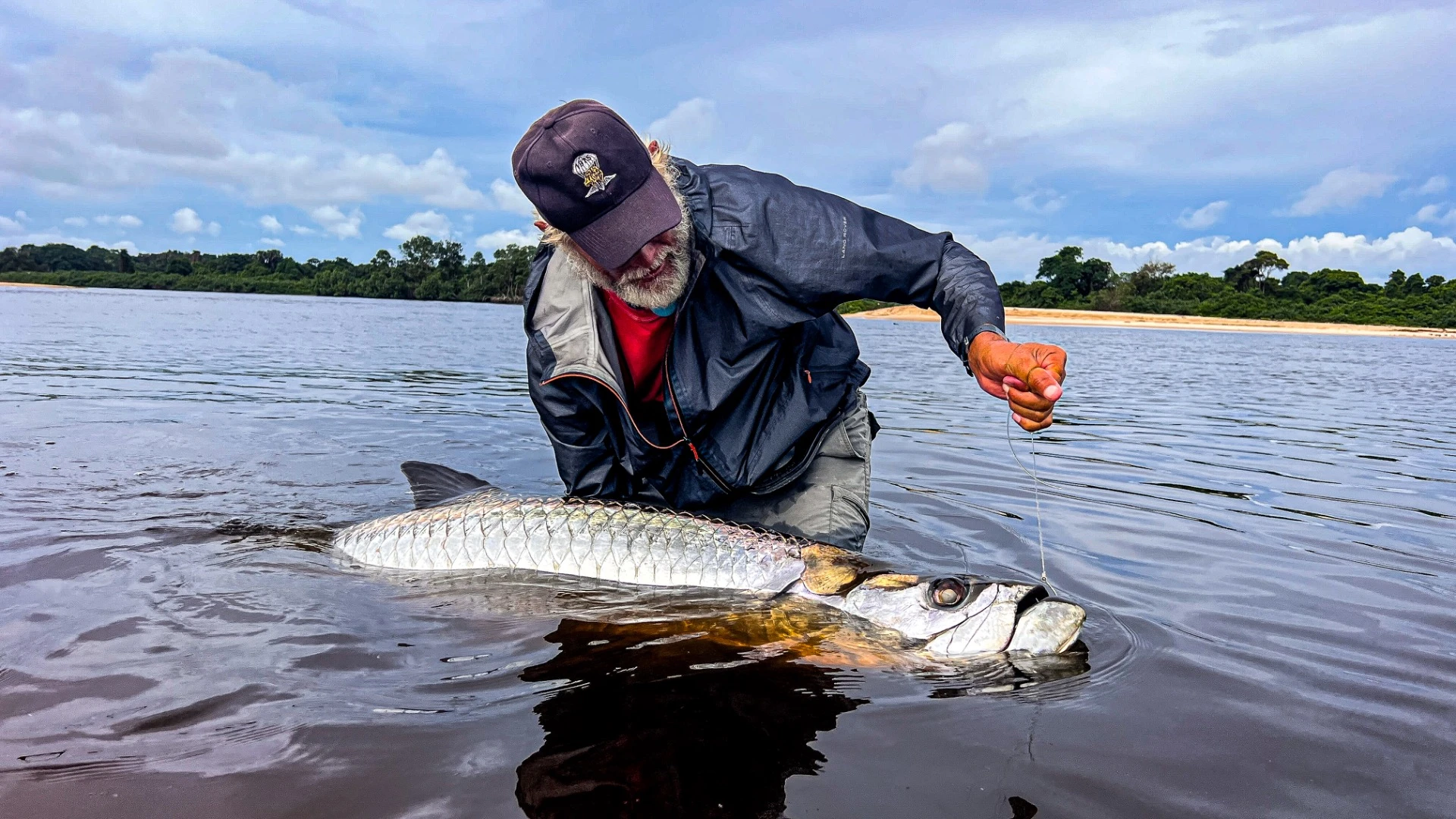
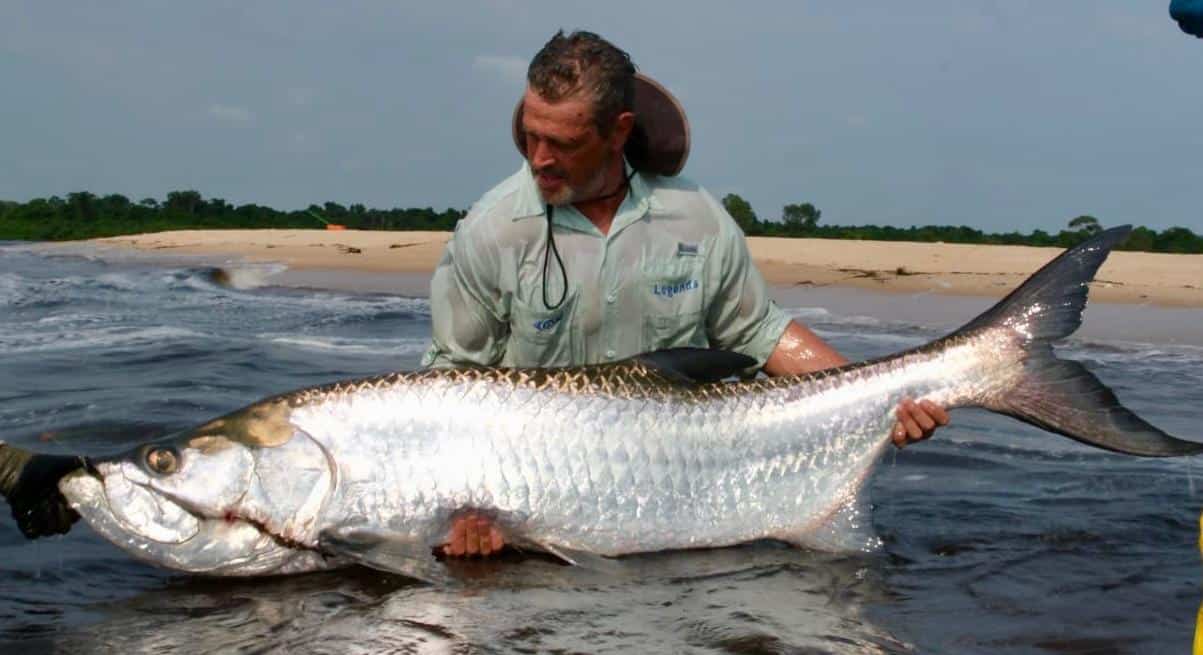
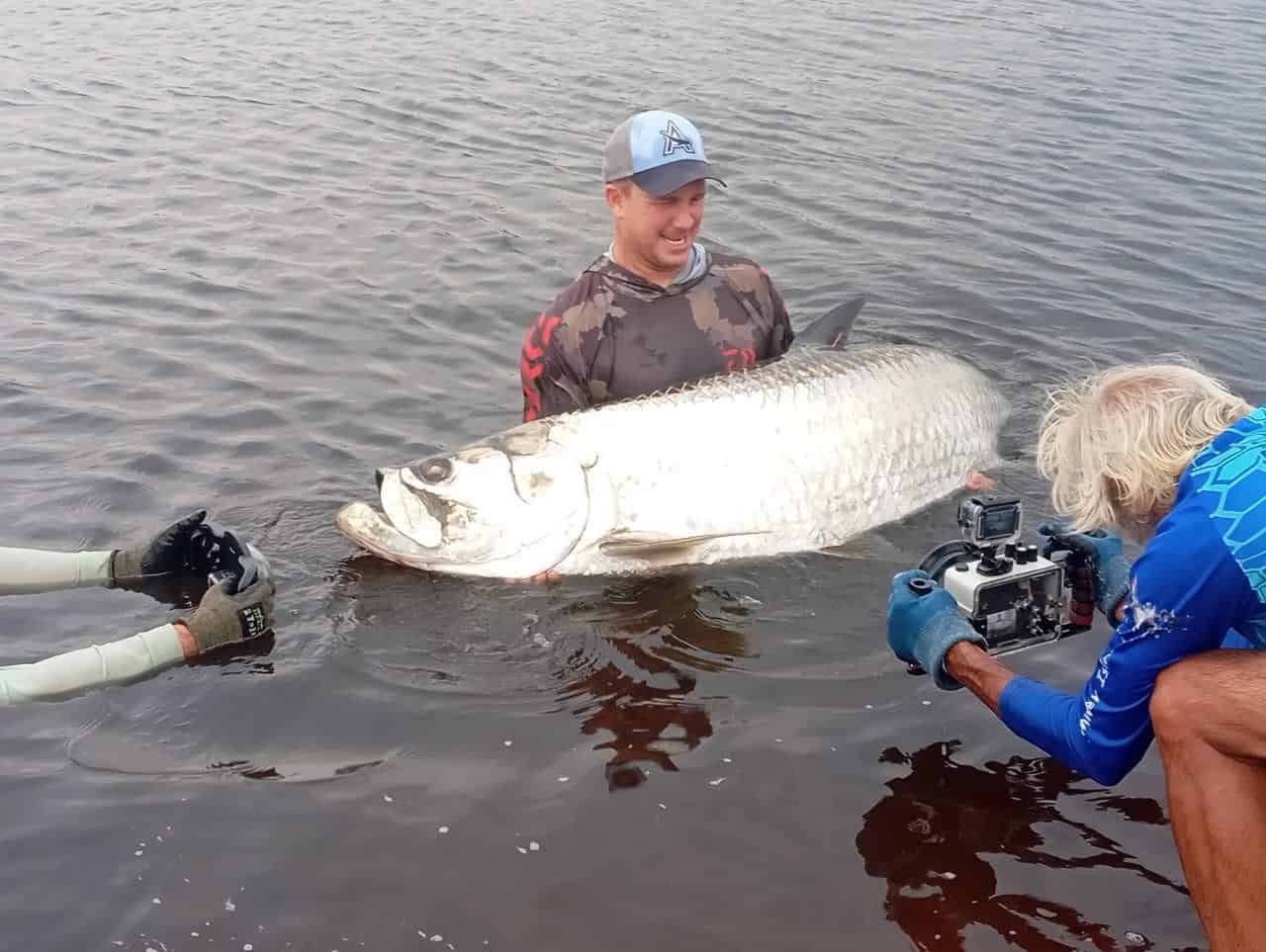
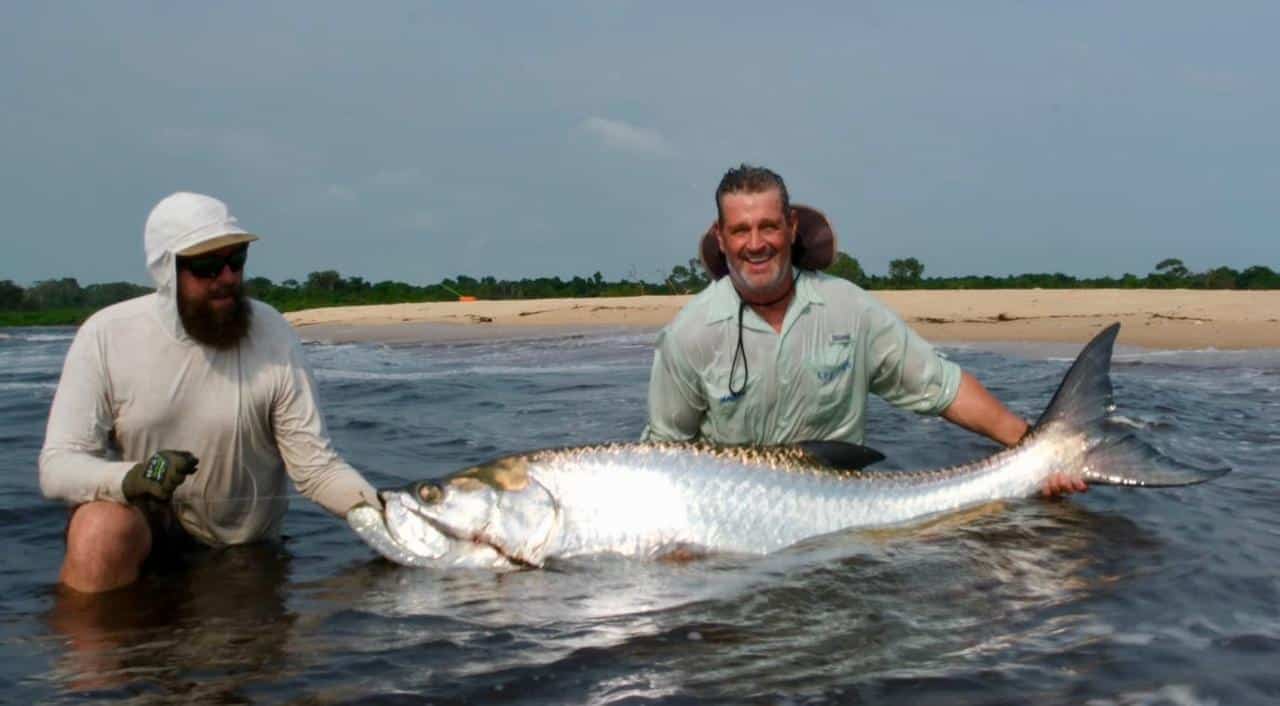
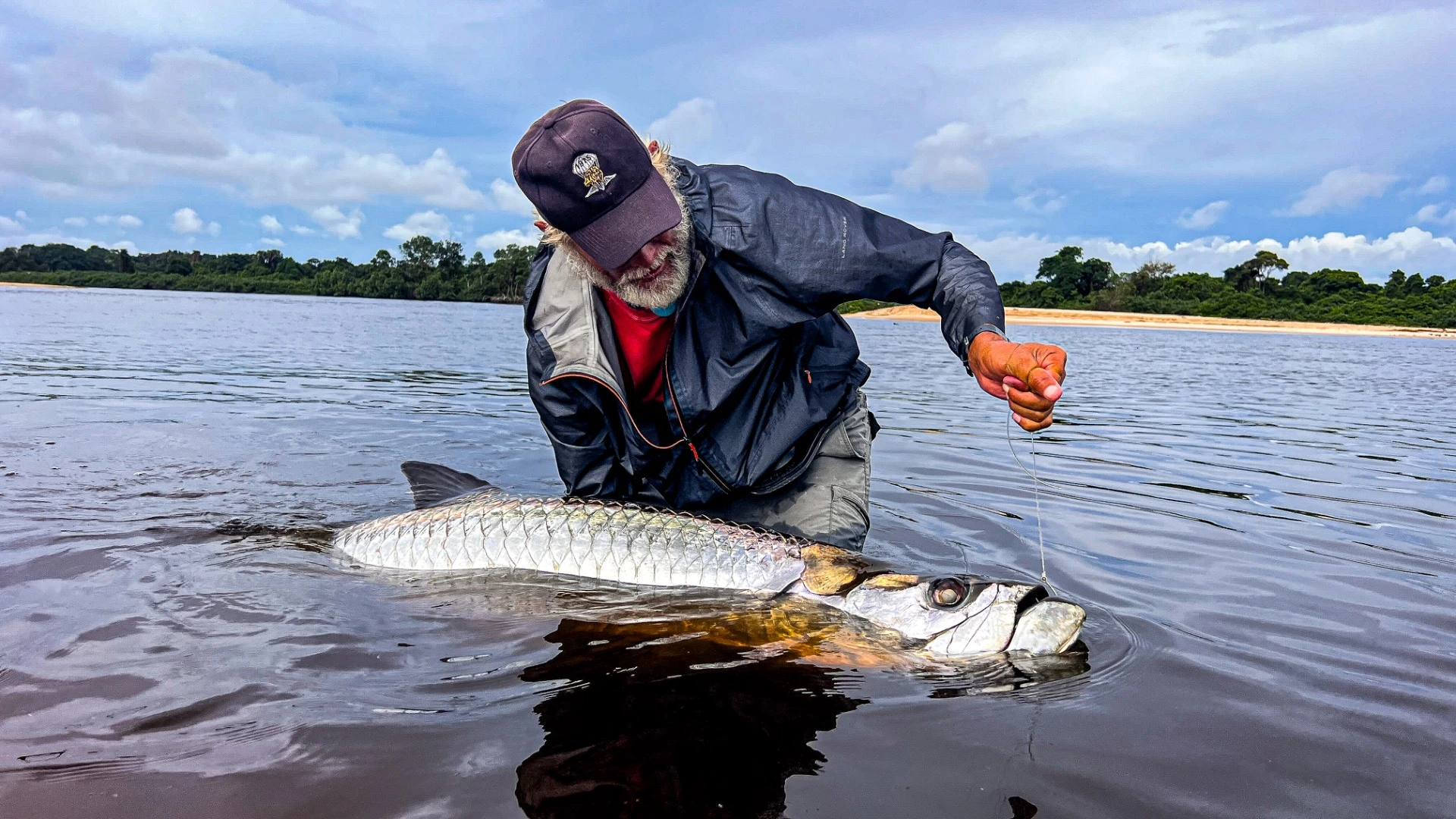
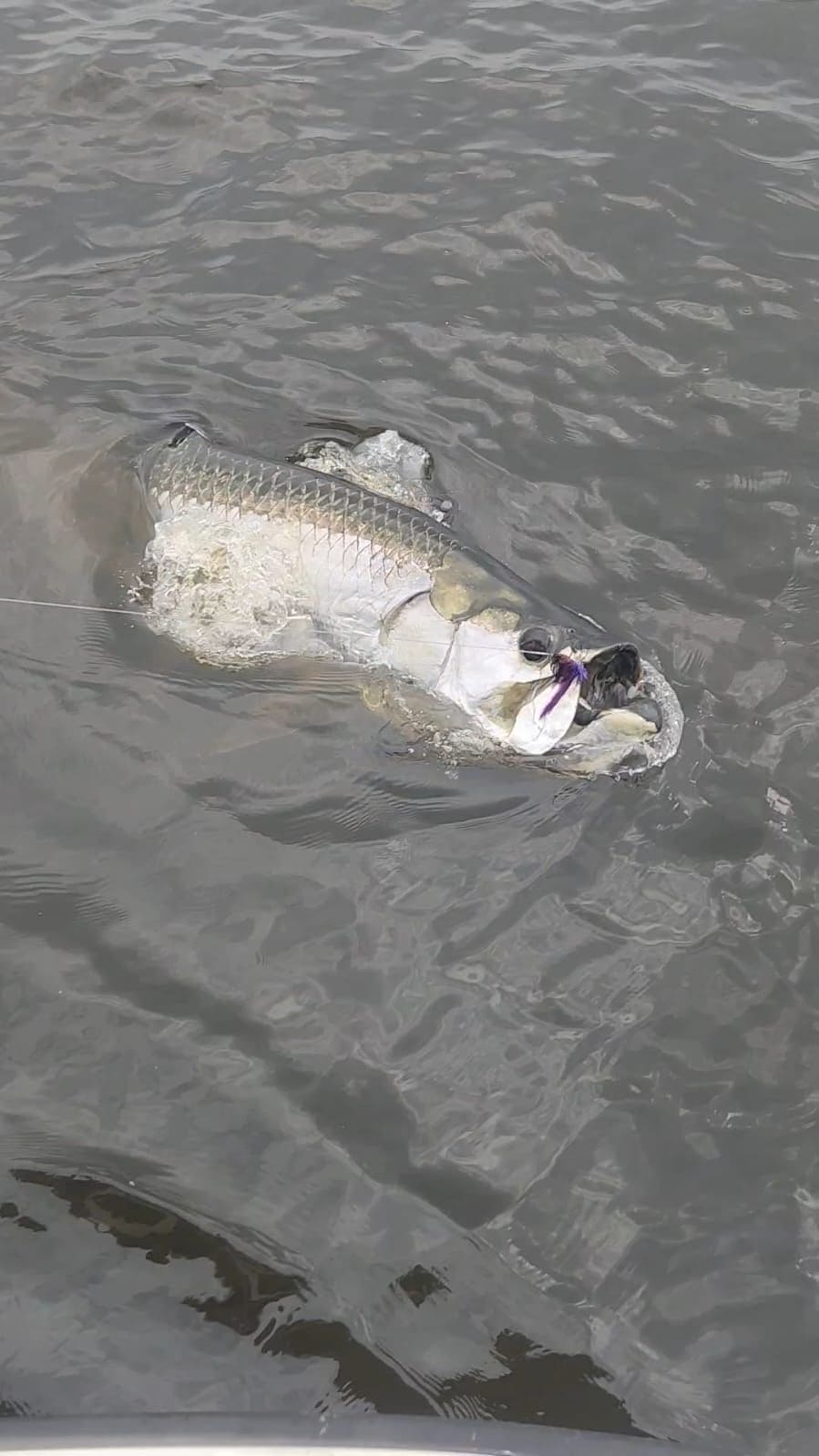
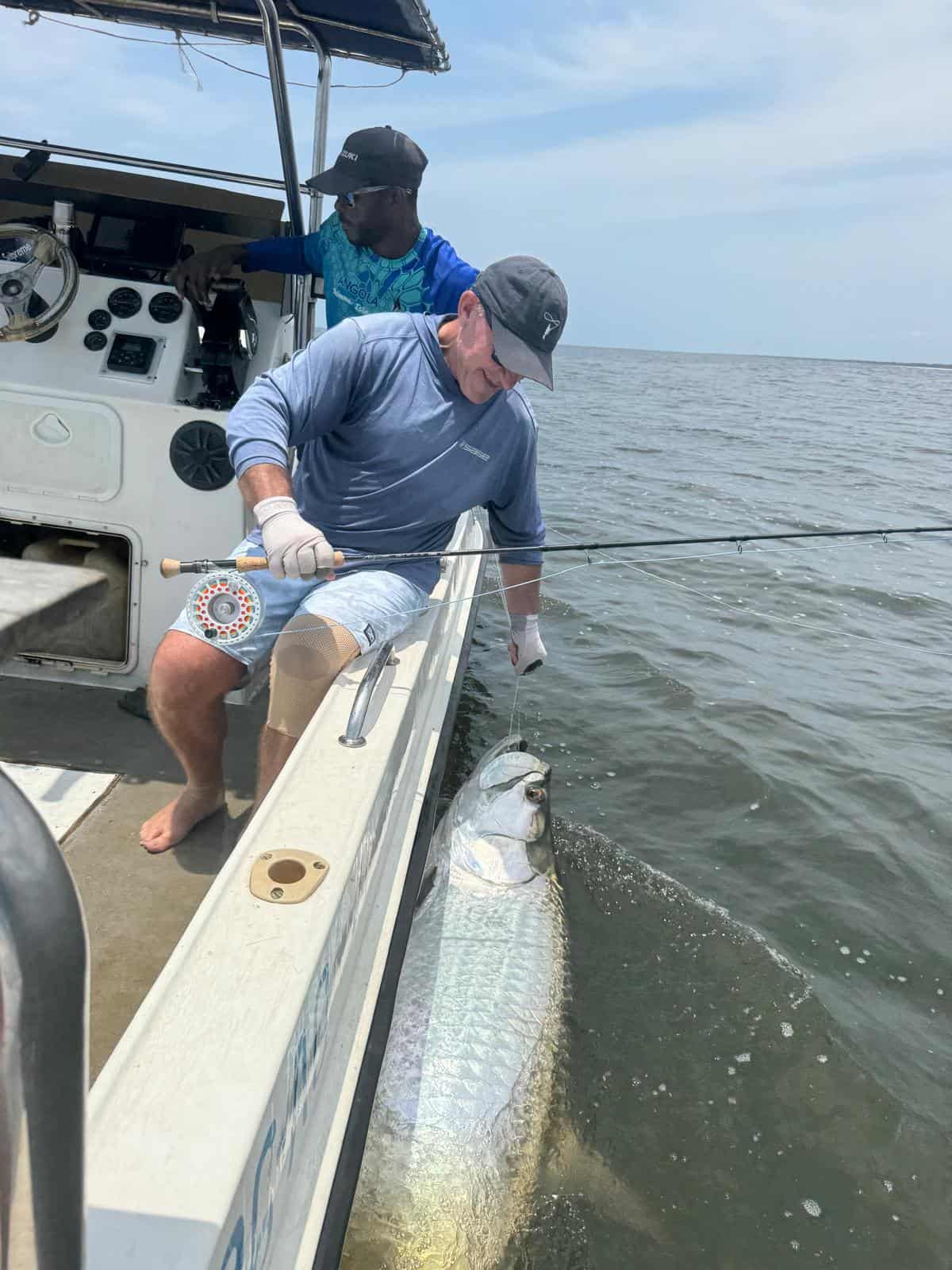
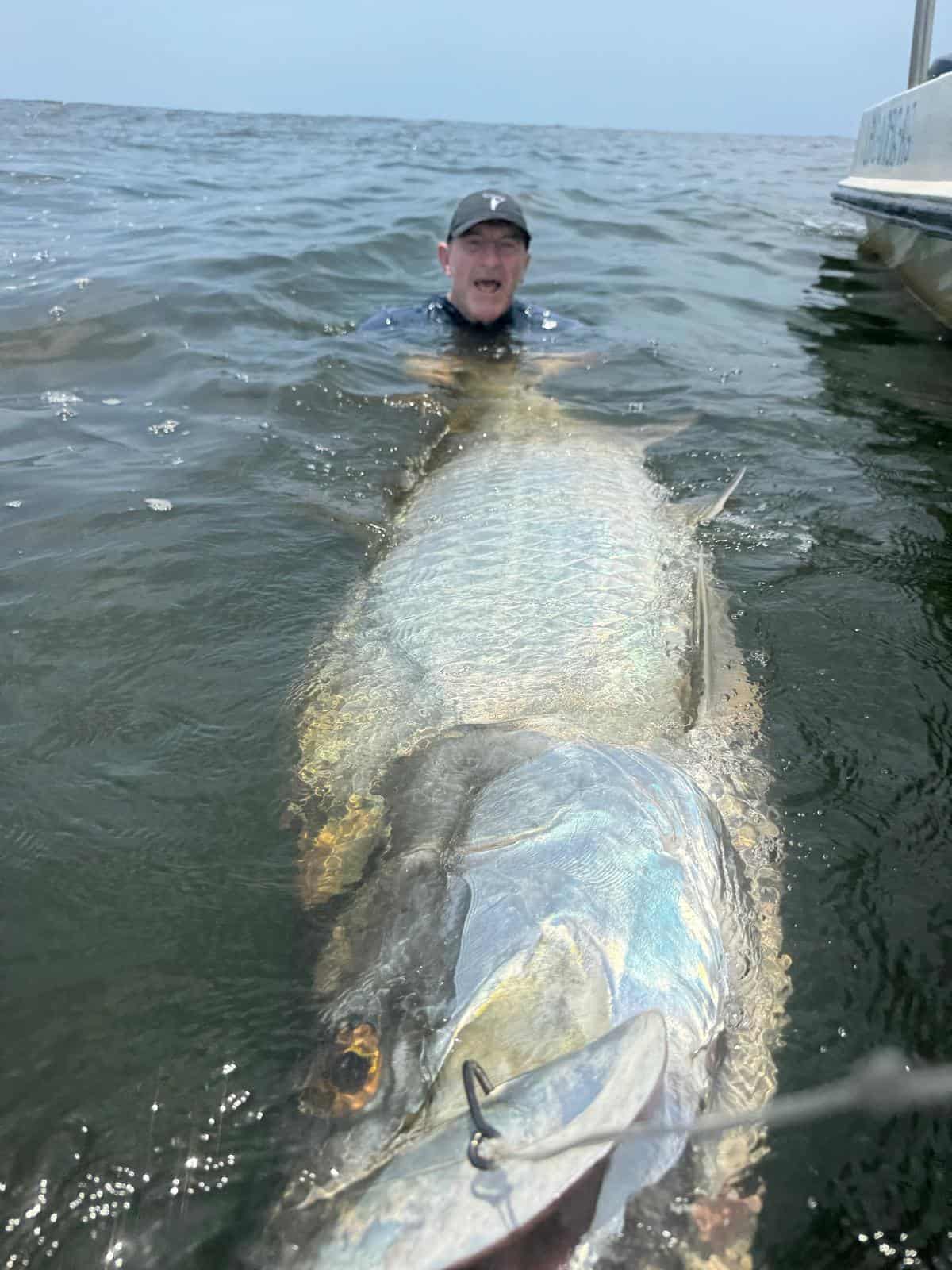
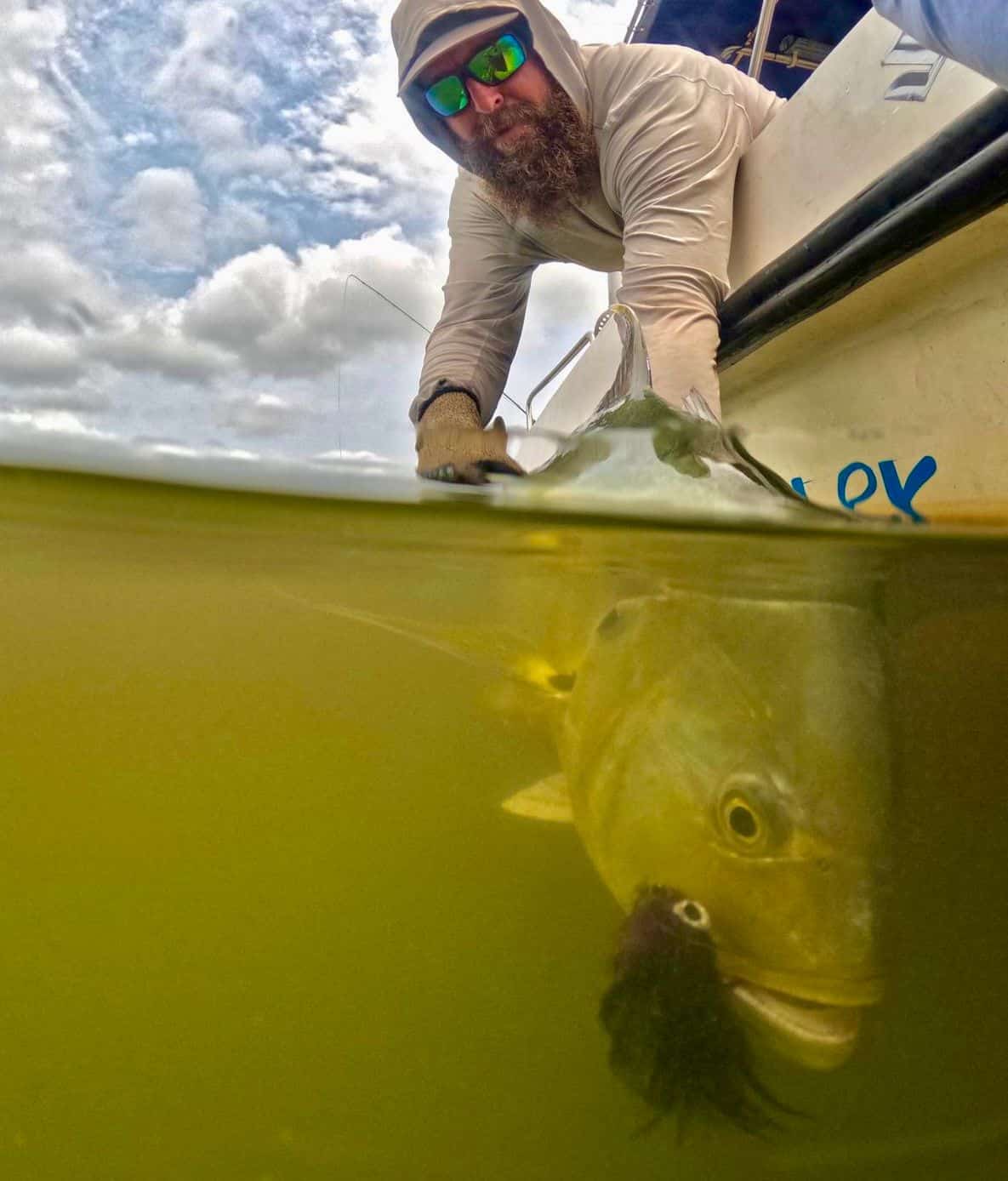
From the moment you land in Cabinda, the Angolan province nestled between the two Congo’s, you know you are in for an adventure. One of the few places in the world where 100kg+ Tarpon have been landed on fly, off the beach.




Accommodation
Tented Camp
Season
January – March
Species
Tarpon, Jack Crevalle, Senegalese Kob, Barracuda
Style
Fly-fishing & Spinning
Trophy Tarpon Destination in the heart of Africa
Highlights:
- Fly-fishing for massive West African Tarpon in a largely undiscovered location where very few anglers have ever set foot.
- World-class sightfishing and potential shots at 100kg+ Tarpon in the surf and inshore zone.
- Lush tropical rainforests and abundant wildlife, including elephant, buffalo, chimpanzee, and the lowland gorilla.
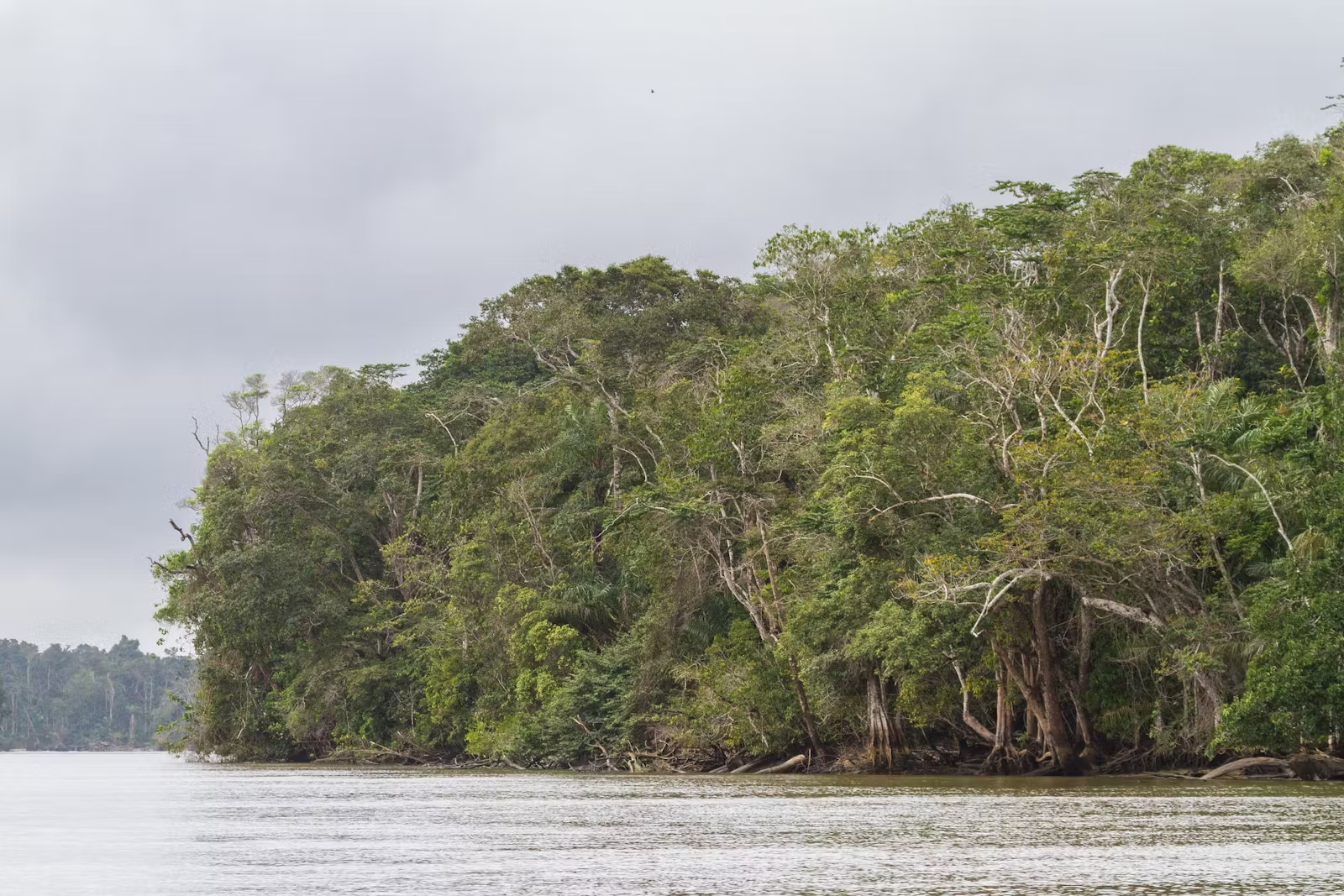
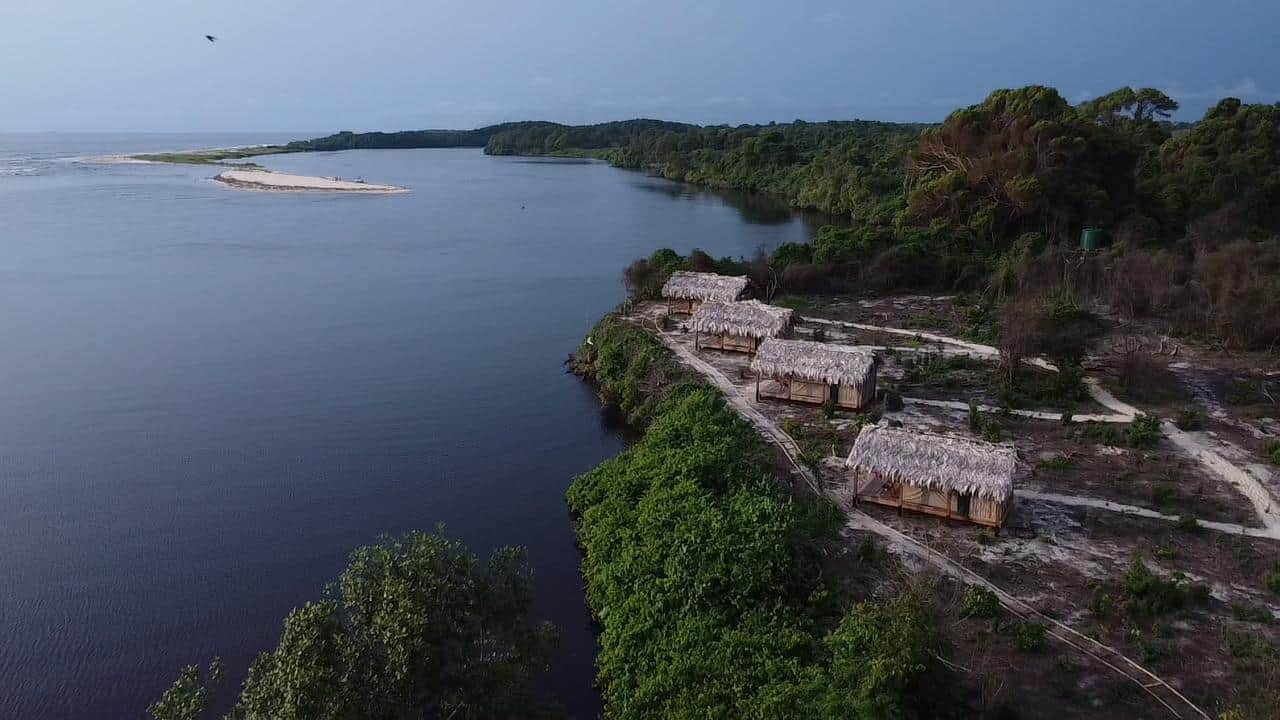
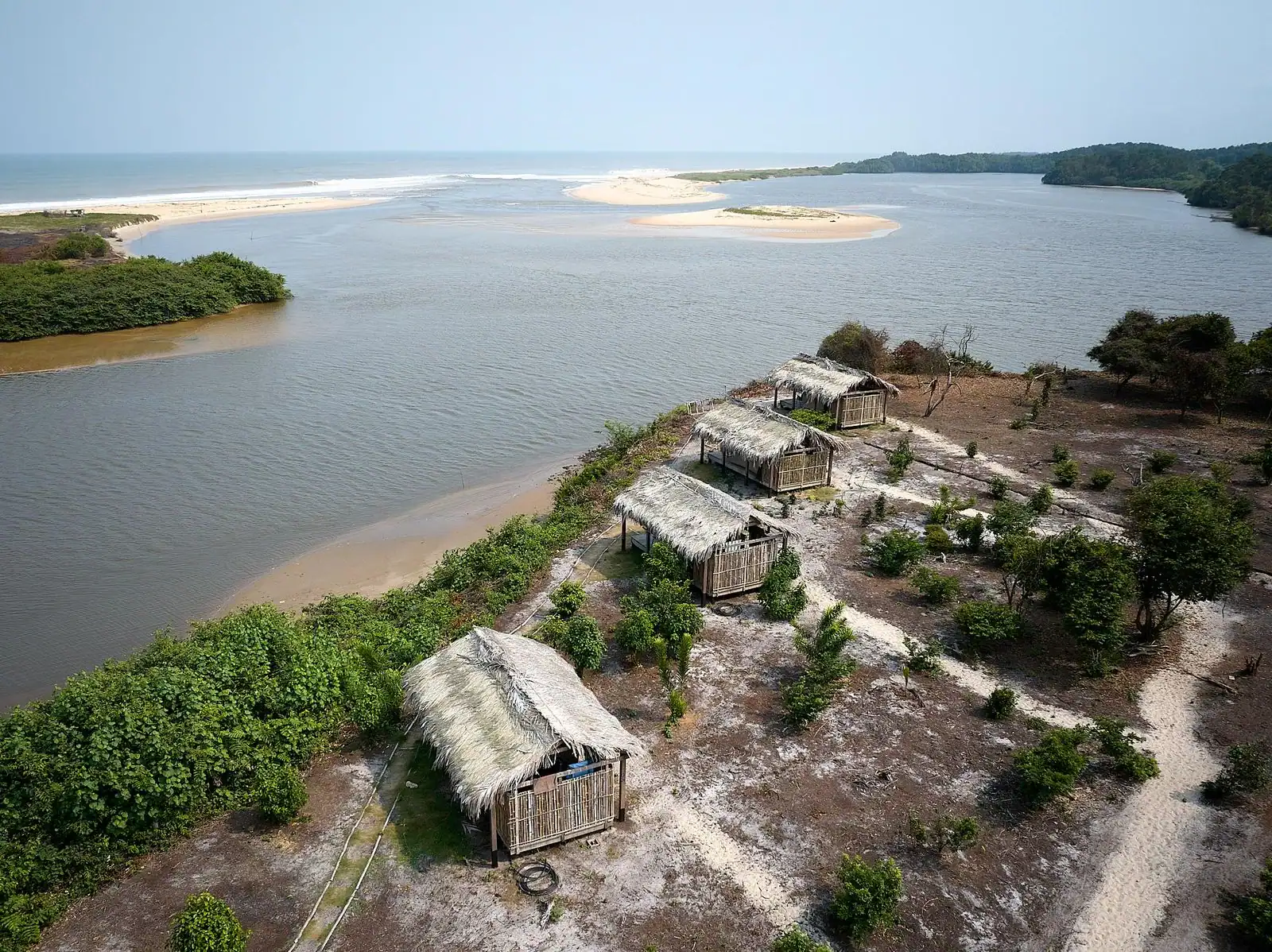
- A camp nestled amongst the mangrove forests, situated between the extensive Lake Massabi and the beautiful, wild and deserted beaches of Angola.
8 DAY PACKAGE
US$4,000 per angler
- Five full days guided fishing, including boat & fuel.
- Seven nights accommodation.
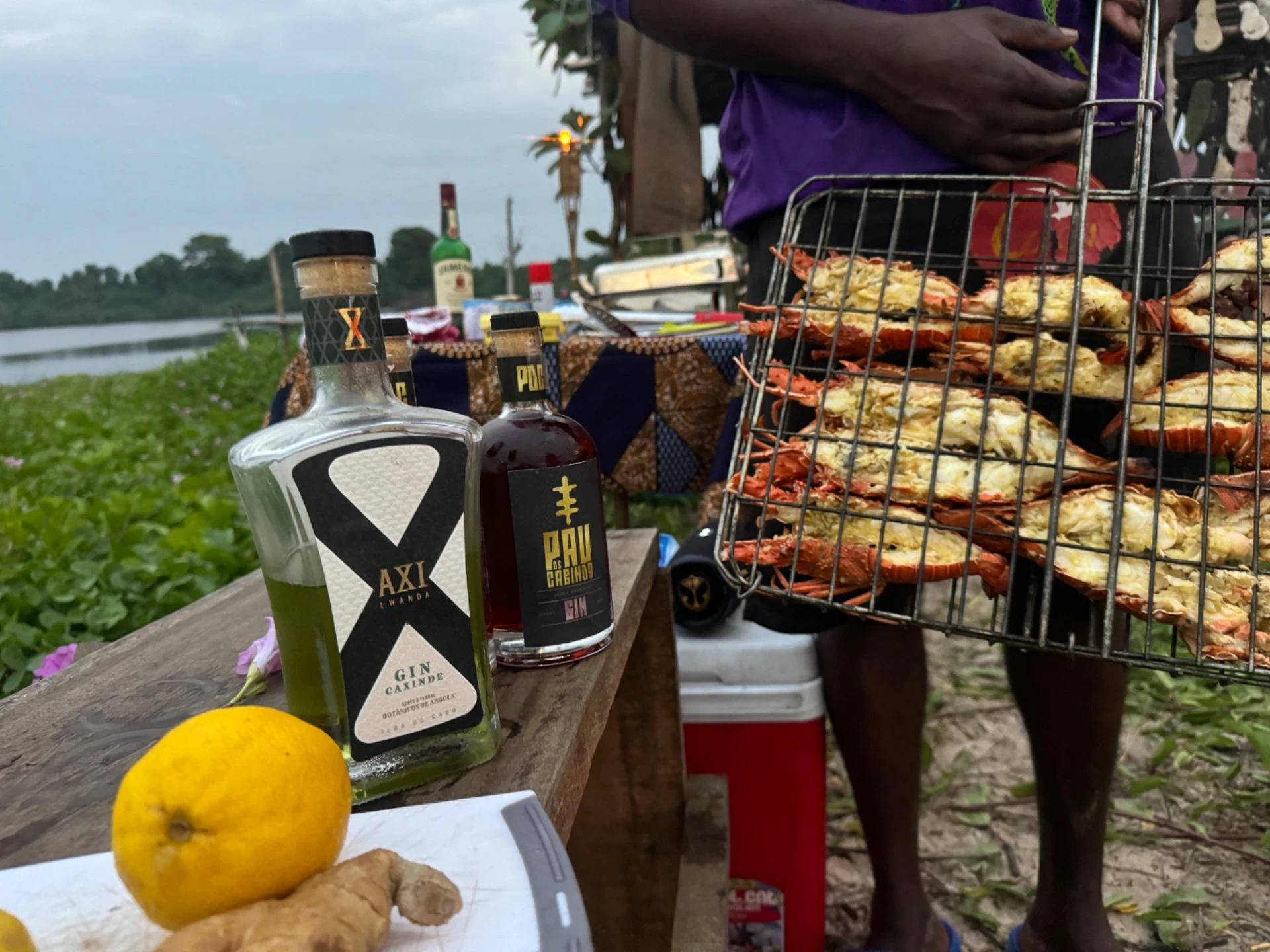
- All meals & drinks at camp.
- All transfers & domestic flights to Cabinda.
The coastline of Cabinda, Angola, particularly the waters south of Maiombe Forest National Park and around Lake Massabi, is one of West Africa’s most remarkable yet little-documented saltwater fly fishing destinations. Remote and largely untouched, this stretch of coastline offers some of the best opportunities anywhere in the world to target giant tarpon on the fly. It is one of only a handful of locations where tarpon exceeding 100kg have been successfully landed on fly tackle, making it an elite destination for those seeking the ultimate challenge in saltwater fly fishing.
Beyond tarpon, this stretch of coastline offers exceptional fly fishing for other hard-fighting species. Jack crevalle are present in large numbers, aggressively smashing surface flies and putting up a punishing fight. Senegalese kob, a highly sought-after West African species related to the more familiar mulloway or dusky kob, can also be caught on fly, often patrolling the surf and deeper channels where they ambush baitfish. Barracuda are another highlight of the fishery, their razor-sharp teeth and lightning-fast strikes making them an exhilarating target when casting the shallows. The diversity of species in these waters ensures that even on days when the tarpon are elusive, there are always powerful fish ready to test an angler’s skill and equipment.
Lake Massabi, located just inland from this rich marine ecosystem, adds another dimension to the region’s fishing potential. A vast coastal lagoon connected to the ocean via the Chicamba channel, it provides a sheltered environment where juvenile tarpon, jacks, and various estuarine species thrive. This brackish system can be highly productive for fly anglers, particularly when targeting tarpon that move in and out with the tides. The surrounding rainforest, home to species such as western lowland gorillas and Congo parrots, lends an almost prehistoric feel to the setting, adding to the mystique of the location.
What makes this area so special is not only the size and variety of fish but also the sheer wildness of the experience. The coastline remains largely untouched. This means that those who venture here must be well-prepared. Fly anglers who make the journey are rewarded with the chance to target true giants in a fishery that remains one of the most remote and least exploited tarpon habitats in the world.
For those seeking the ultimate saltwater fly fishing challenge, the waters of Skimmer Island offer an experience that is as intense as it is rewarding. With the possibility of hooking a 100kg tarpon on fly, every cast holds the potential for an encounter that few anglers will ever experience.
Lodging:
Located at the northern most point of Angola, and looking across into the Republic of Congo, the camp is nestled amongst the mangrove forests, situated between the extensive Lake Massabi and the beautiful, wild and deserted beaches of this part of Angola.
The drive is around 2 hours through gallery forests, and palm tree lined flood plains, approximately 1 hour from the boundary of Maiombe Forest National Park, home to an abundance of forest animals, elephant, buffalo, chimpanzee, and lowland gorilla. The abundant birdlife of the area is something to behold.
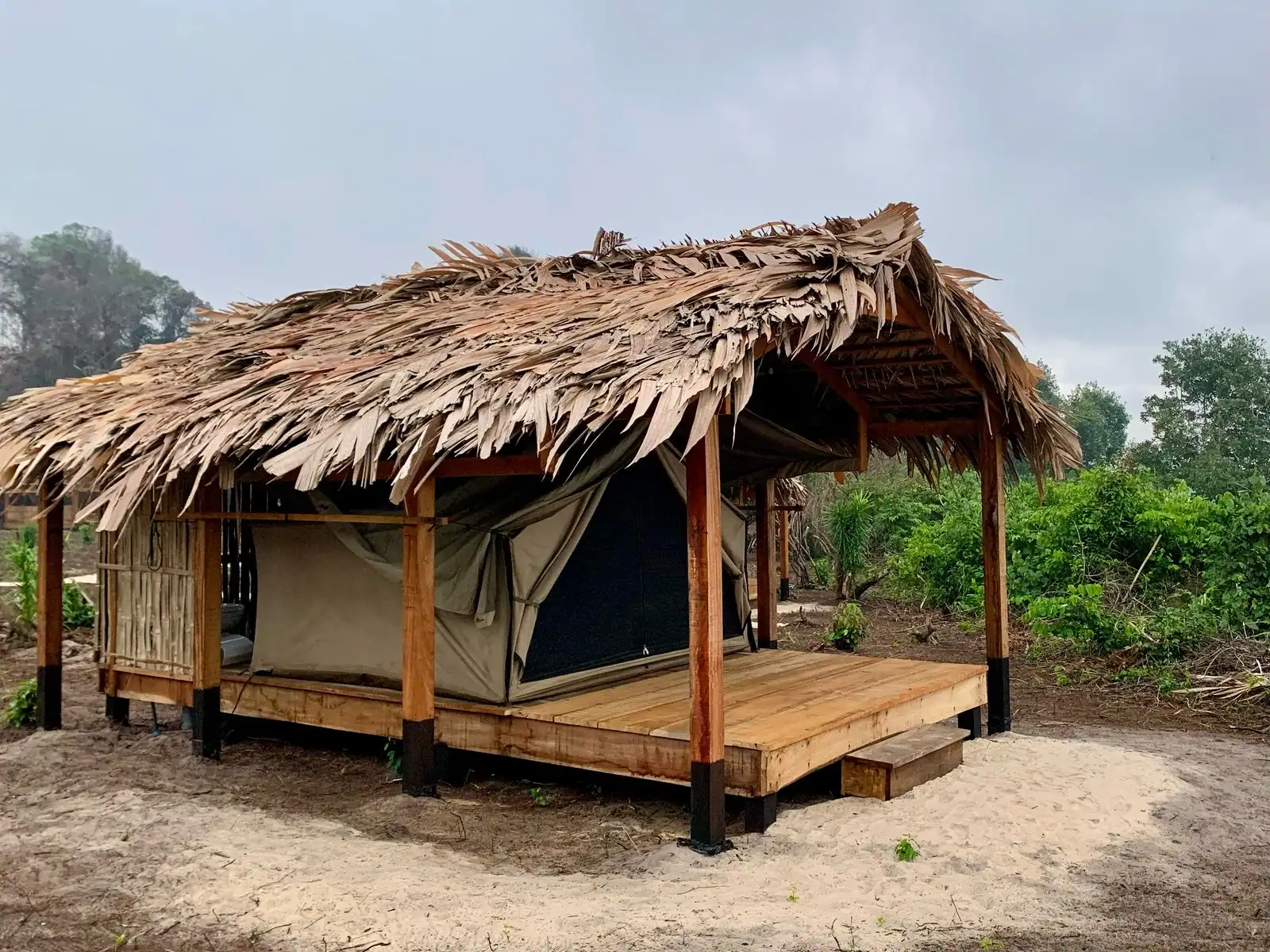
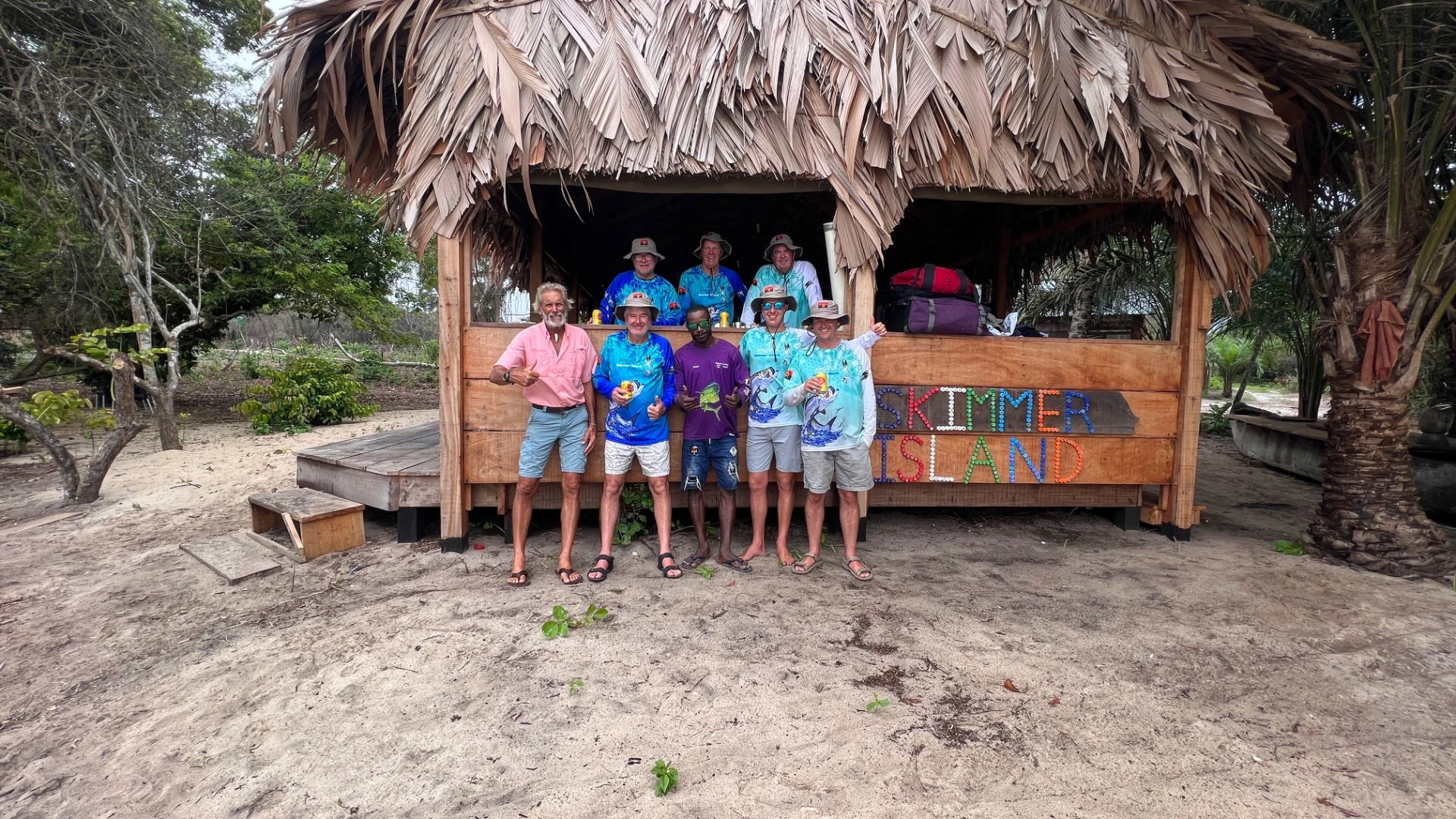
Accommodation at Skimmer Island is in the form of a canvas tented camp, each Meru tent set up with single configuration and its own en-suite bathroom. Each deck and tent has a 2nd covering of locally constructed banana leaf thatch roofing, keeping the interior of the tents cool and comfortable.
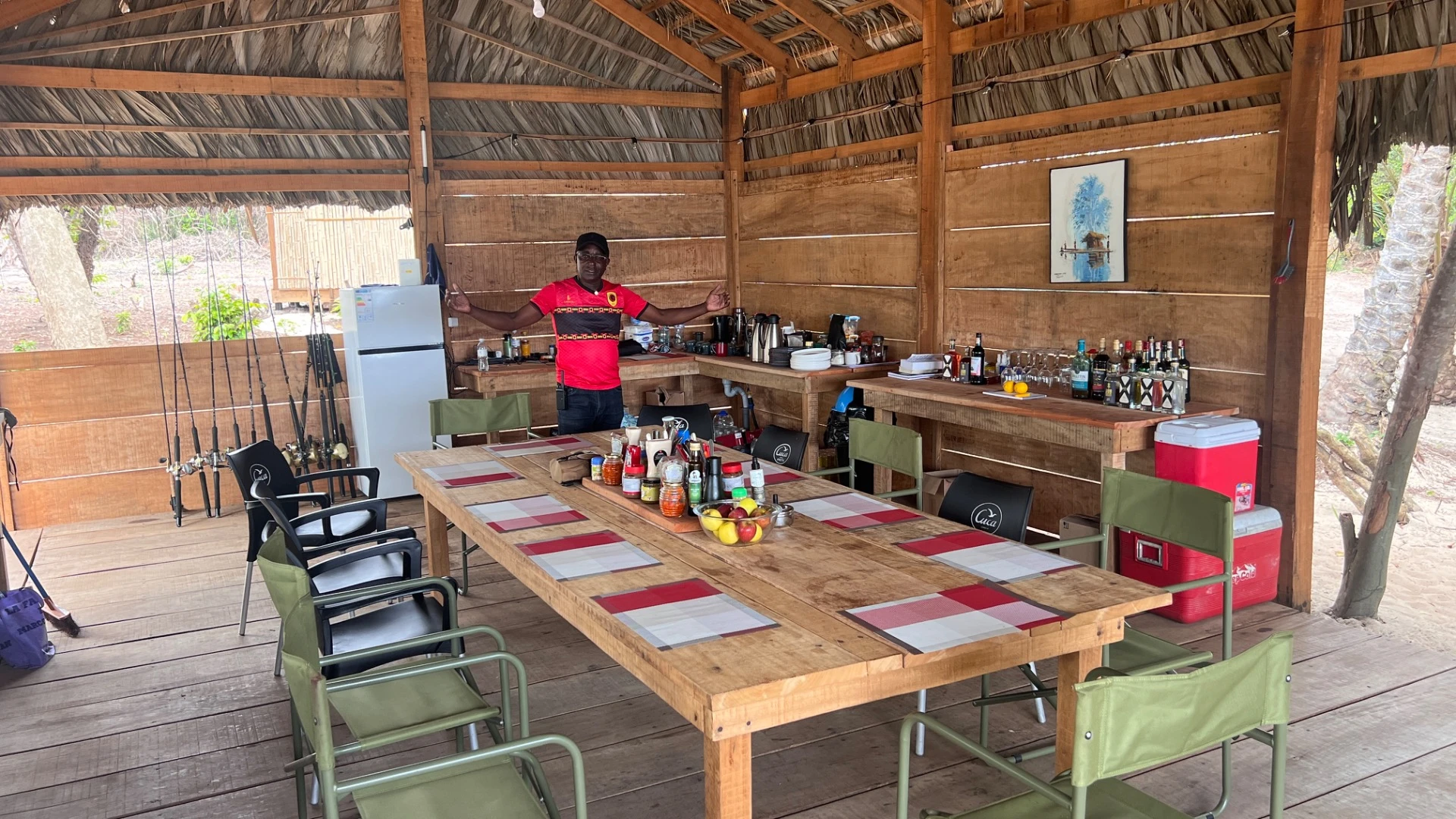
Whilst not a 5-star lodge, this rustic, but comfortable camp with all of the amenities of a luxury lodge will leave you touched and inspired by the surrounding beauty.
From the moment you land in Cabinda, the Angolan province nestled between the 2 Congo’s, you know you are in for an adventure.
Cabinda is a province of Angola located on the Atlantic coast in the northwest corner of the country. It has an area of 11,350 square km and is home to an estimated population of over 500,000 people. Cabinda is famous for its abundant oil reserves, which account for a large portion of Angola’s national income. The province is also well known for its lush tropical forests and wildlife, including several species of primates, antelopes, and other exotic animals.
How to get there:
Fly into Cabinda Airport via Luanda, the capital of Angola. Direct flights to Luanda are available from several locations. From Cabinda it is roughly a 2 hour drive to Skimmer Island.
Documents Required:
A valid passport is required. Visas are not required for all members of the SADEC, as well as G20 member states.
Travel Arrangements:
We will advise on best flight options, as well as any other travel related questions.
Itinerary
Total Trip Duration: 8 – 9 days
Day 1:
Arrive in Luanda, Angola. Lunch. Scheduled flight to Cabinda (45 mins).
Arrive in Cabinda on evening of day 1.
Transfer to Futila Beach Resort. Overnight.
Day 2:
4×4 transfer north to Lake Massabi, and Skimmer Island Camp. Arrive by 10h00.
Day 2 to 6:
Fishing days at Skimmer Island Camp.
Day 7:
4×4 transfer back to Cabinda Airport, for flight to Luanda.
Overnight at Luanda hotel (if required).
Day 8:
Flight out of Luanda.
Rates per angler:
7 nights, 5 days fishing: $4,000 USD (based on 4 anglers in group)
What’s Included:
• Five full days of guided fishing.
• Boats and fuel.
• All accommodation requirements in Angola.
• All meals and drinks, in camp. Bed & breakfast in hotels outside of camp.
• Internal/domestic flights.
• Transfers to and from airport.
• Meet & greet by English speaking person in Luanda, and Cabinda.
What’s Not Included:
• International flights.
• Tips for guides/staff.
• Fishing tackle.
• Premium alcohol brands.
GALLERY













Frequently Asked Questions:
What makes Skimmer Island a unique destination for tarpon fishing?
Skimmer Island sits in Cabinda’s remote northern coast and offers anglers a rare chance to sight-fish for 100 kg+ African tarpon—truly some of the largest in the world landed on fly. The lodge’s secluded location ensures minimal fishing pressure and truly wild, untouched fisheries.
What is the prime fishing season at Skimmer Island?
Fishing at Skimmer Island is concentrated in the peak tarpon season, running from January through March—when anglers enjoy their best chance at hooking giant Silver Kings.
Besides tarpon, what other species might I catch there?
In addition to giant tarpon, the fishery includes strong species like Jack Crevalle, Senegalese Kob, and Barracuda, offering exciting variety and action.
What fishing techniques are used at Skimmer Island?
Anglers can choose between fly fishing and spinning — both effective ways to target giant tarpon and other species in these clear, dynamic waters.
How do I travel to Skimmer Island and get around Angola?
Most routes begin with a flight into Luanda, followed by a charter or onward flight to Cabinda. From there, transfers bring anglers to the lodge—meaning multiple steps but equipped to deliver remote convenience.
When is the best overall season for tarpon fishing in Angola?
Tarpon are most active in warmer months (December to March), especially along the central and northern coasts, including near the Kwanza and Cabinda regions.
What gear is recommended for tarpon fishing in Angola?
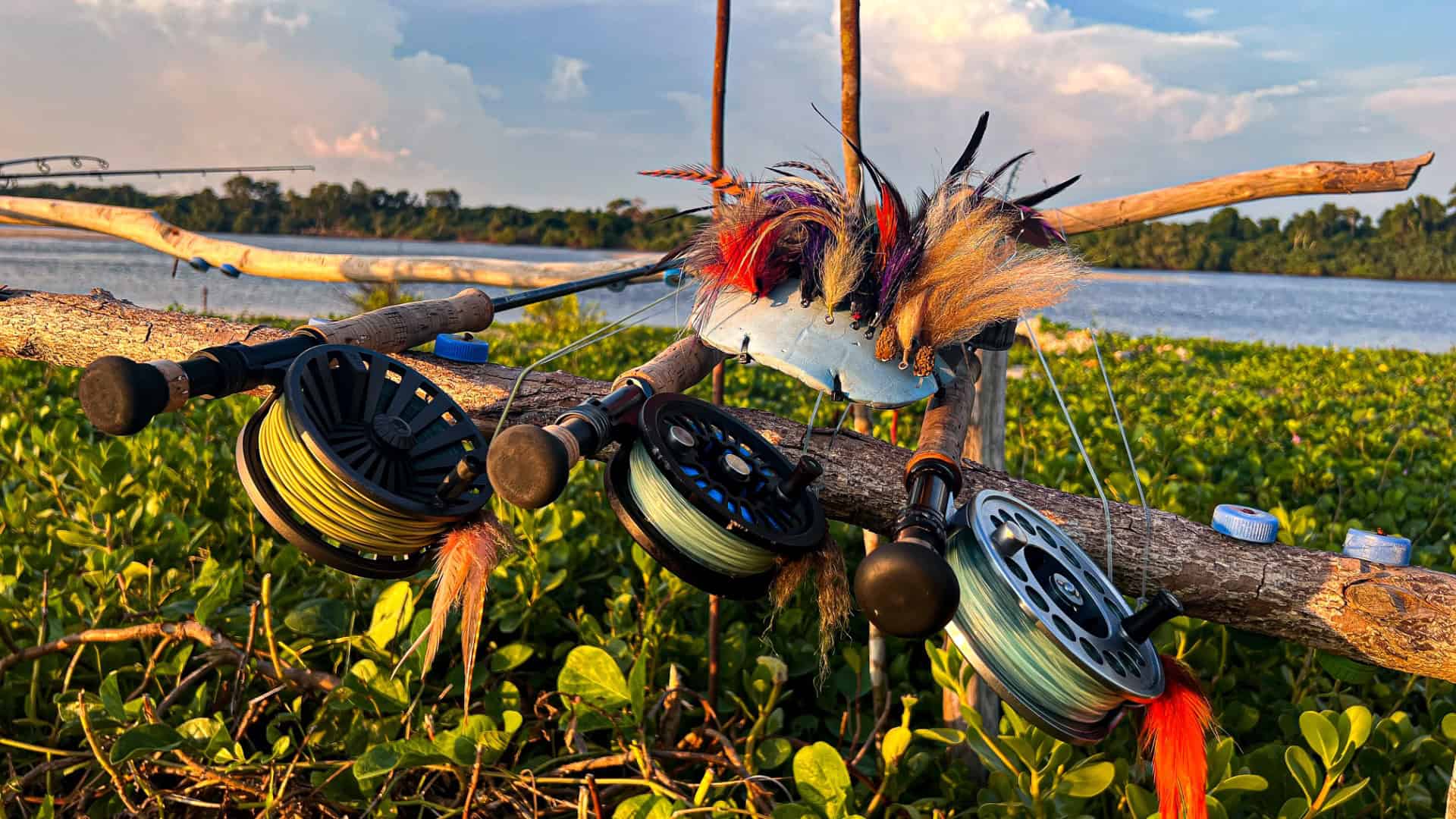
Expect to use heavy-duty fly rods (12‑weight), or spinning/conventional setups loaded with 50–80 lb braid and matching leader—necessary for battling these acrobatic giants.
Do you offer any other fishing trips in Africa?
Yes. We offer trips all over Africa, from Uganda to Gabon, and Zambia to Mozambique. View trips in Africa.