
Trinidad Fishing Guide
Fishing in Trinidad: Where the Caribbean Meets the Atlantic
Trinidad, the southern gateway to the Caribbean, offers one of the most dynamic sportfishing scenes in the Western Hemisphere. Hugging Venezuela’s coast, this island is swept by powerful currents from the Orinoco River, creating fertile feeding grounds that attract everything from towering silver tarpon to bluewater predators like wahoo, sailfish, and yellowfin tuna. If you dream of casting to fish that could shatter your personal best, Trinidad belongs at the top of your bucket list.
Top Fishing Regions in Trinidad
Gulf of Paria
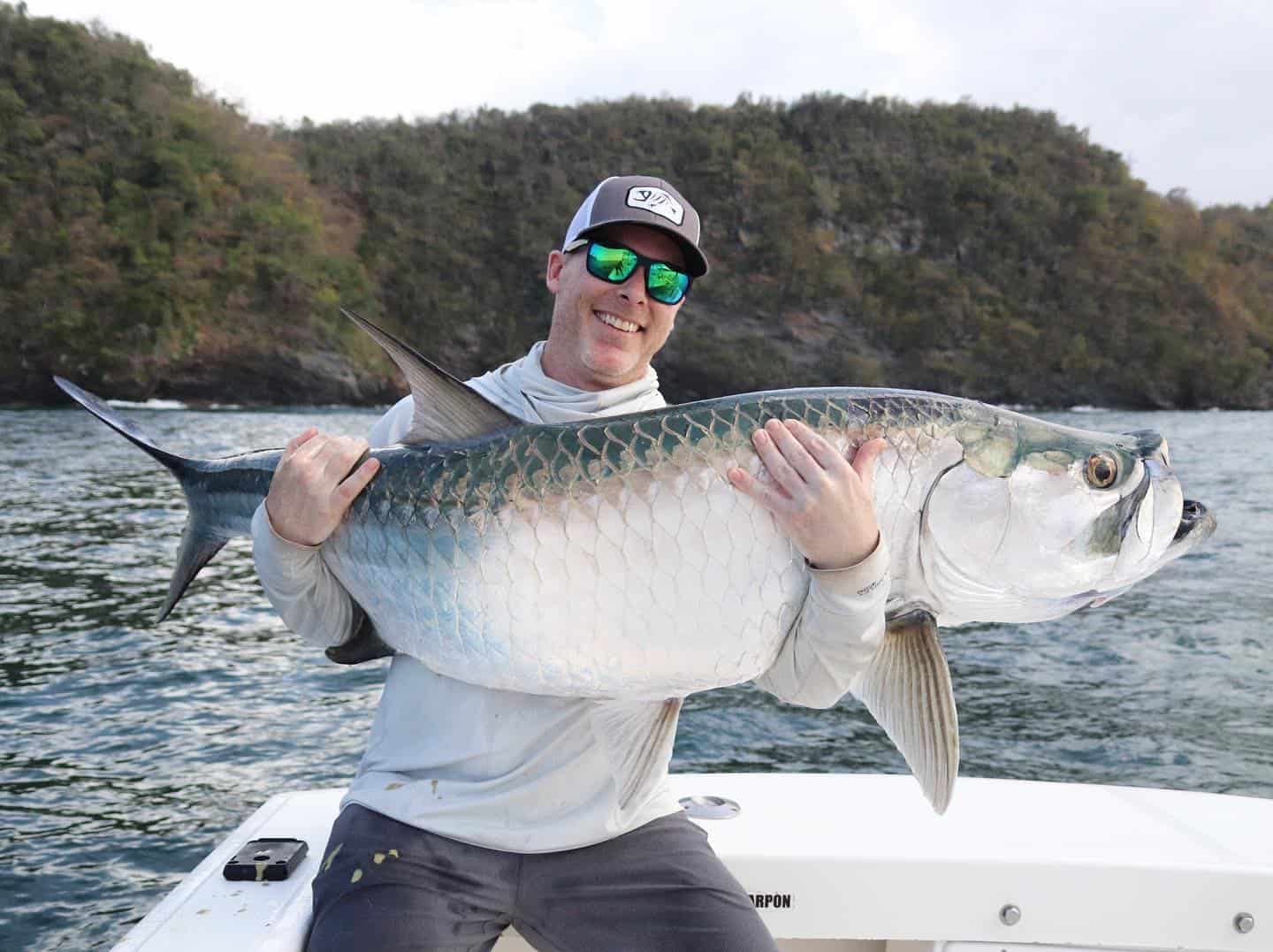
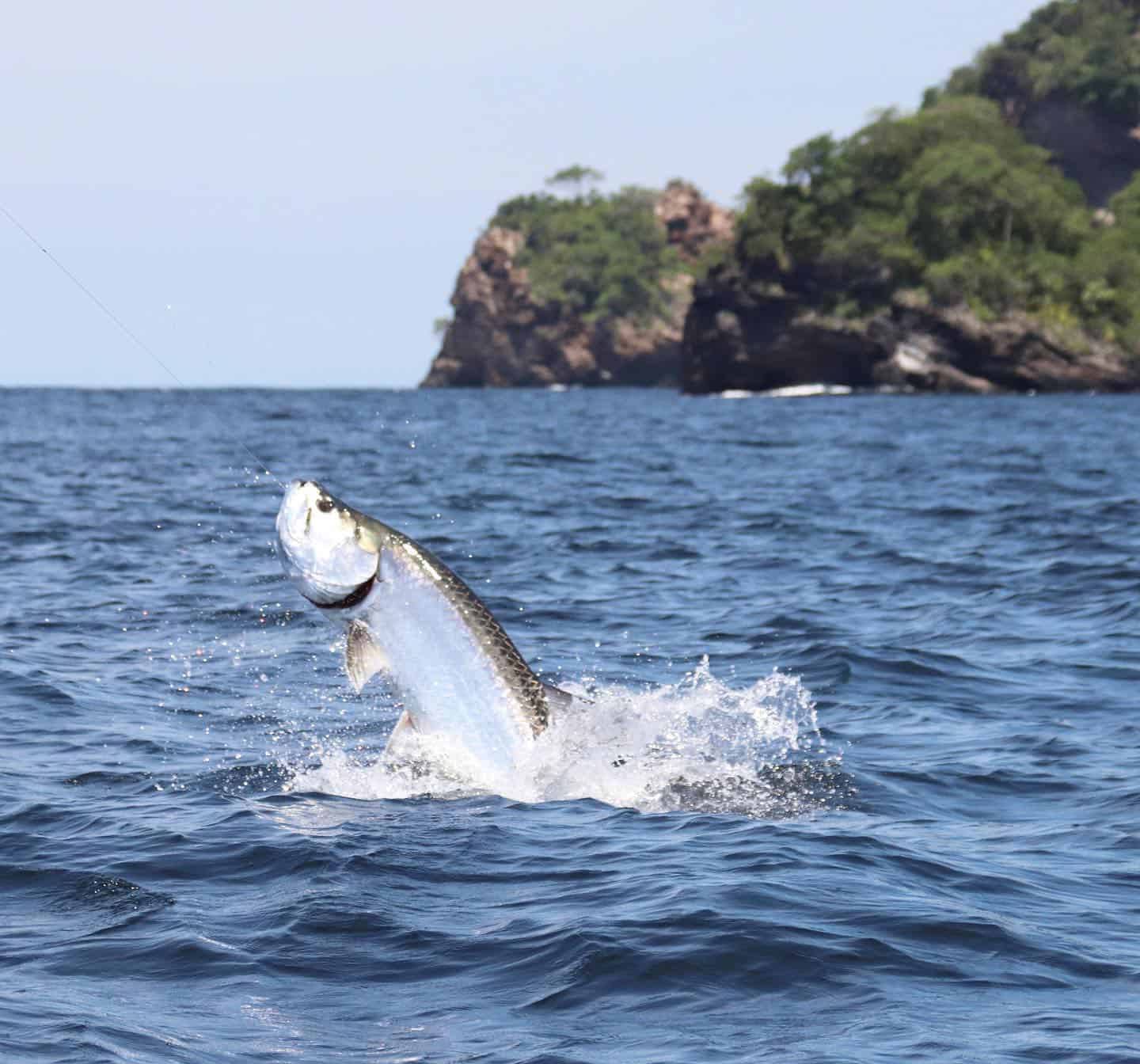
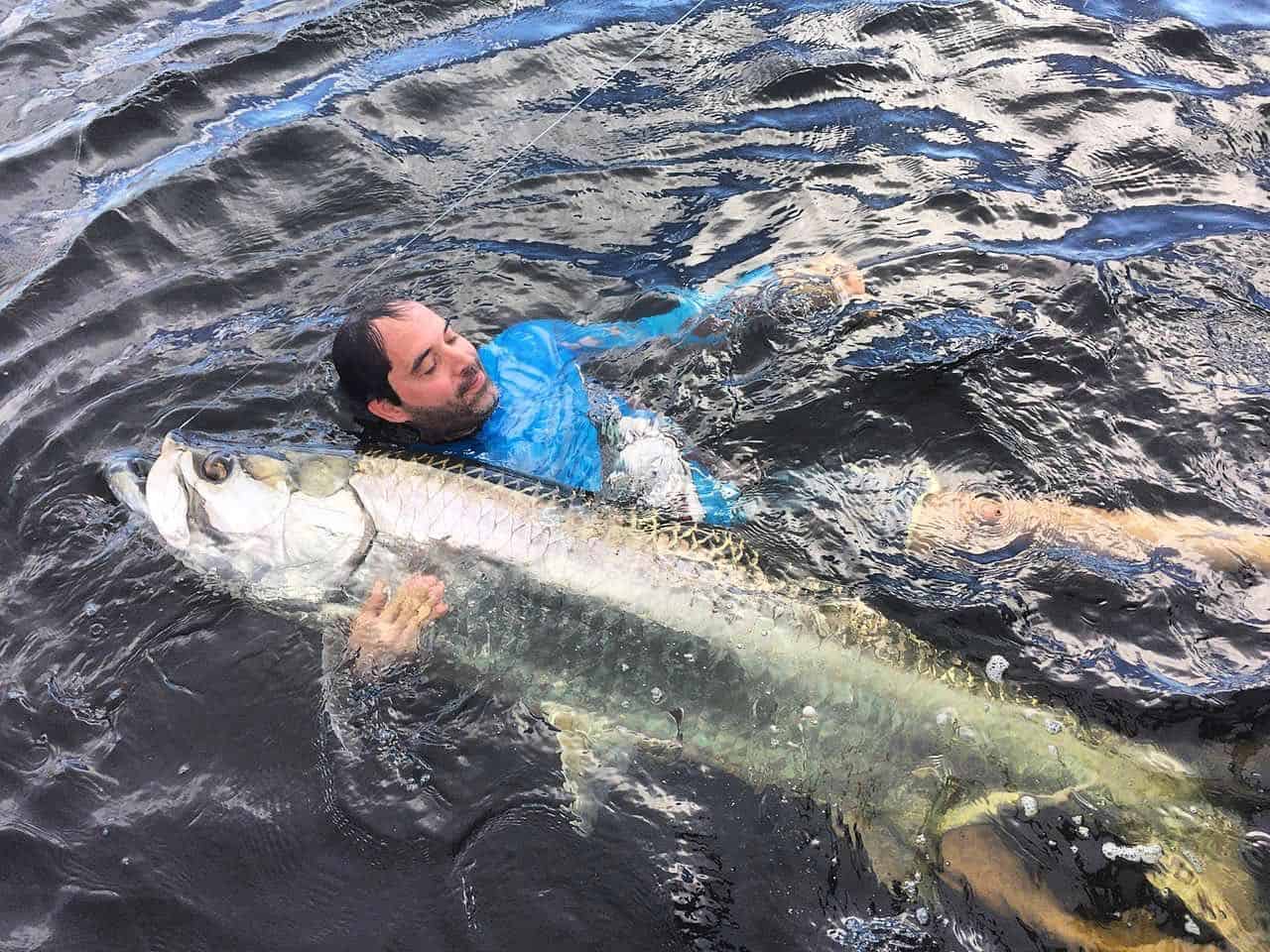
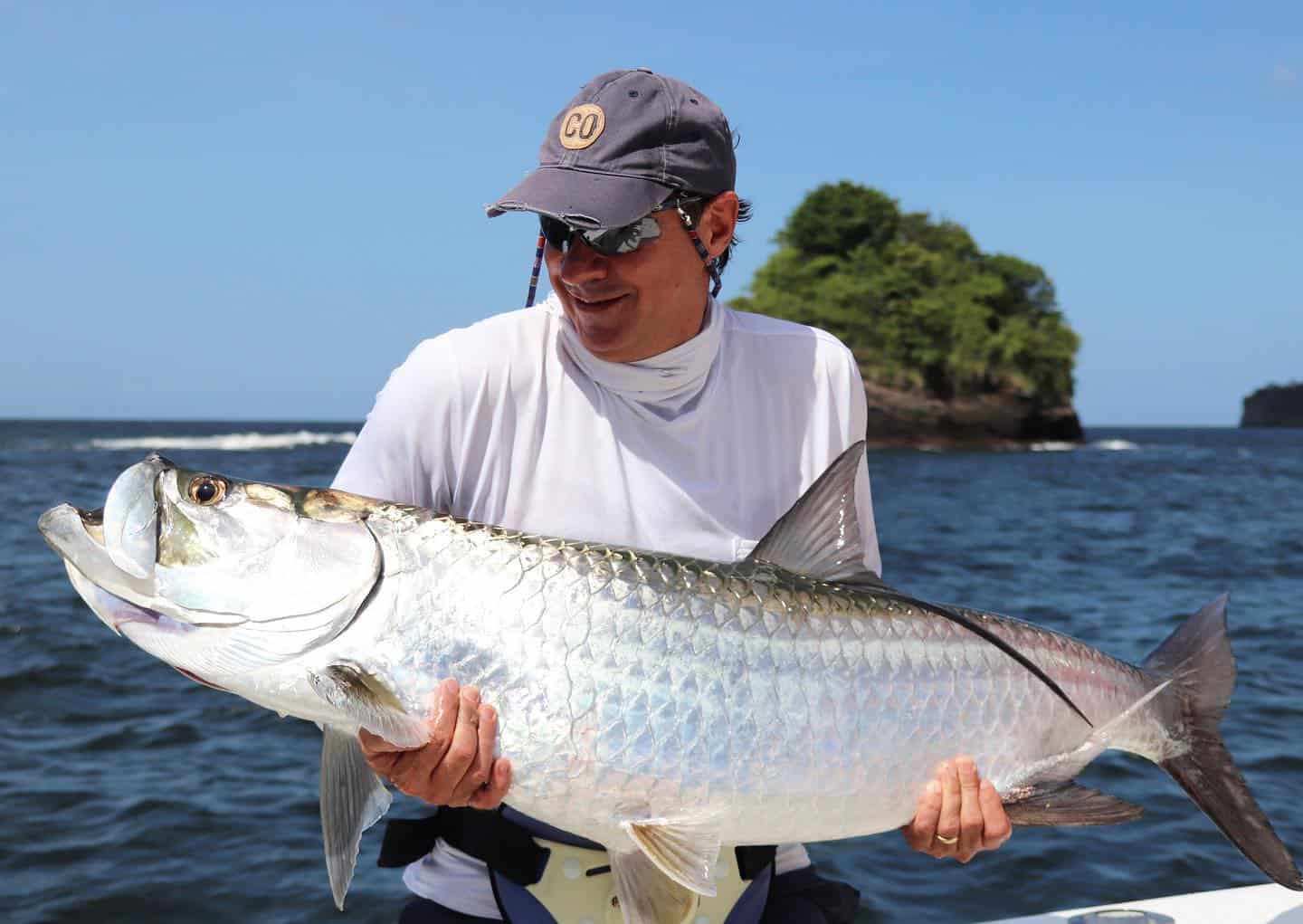
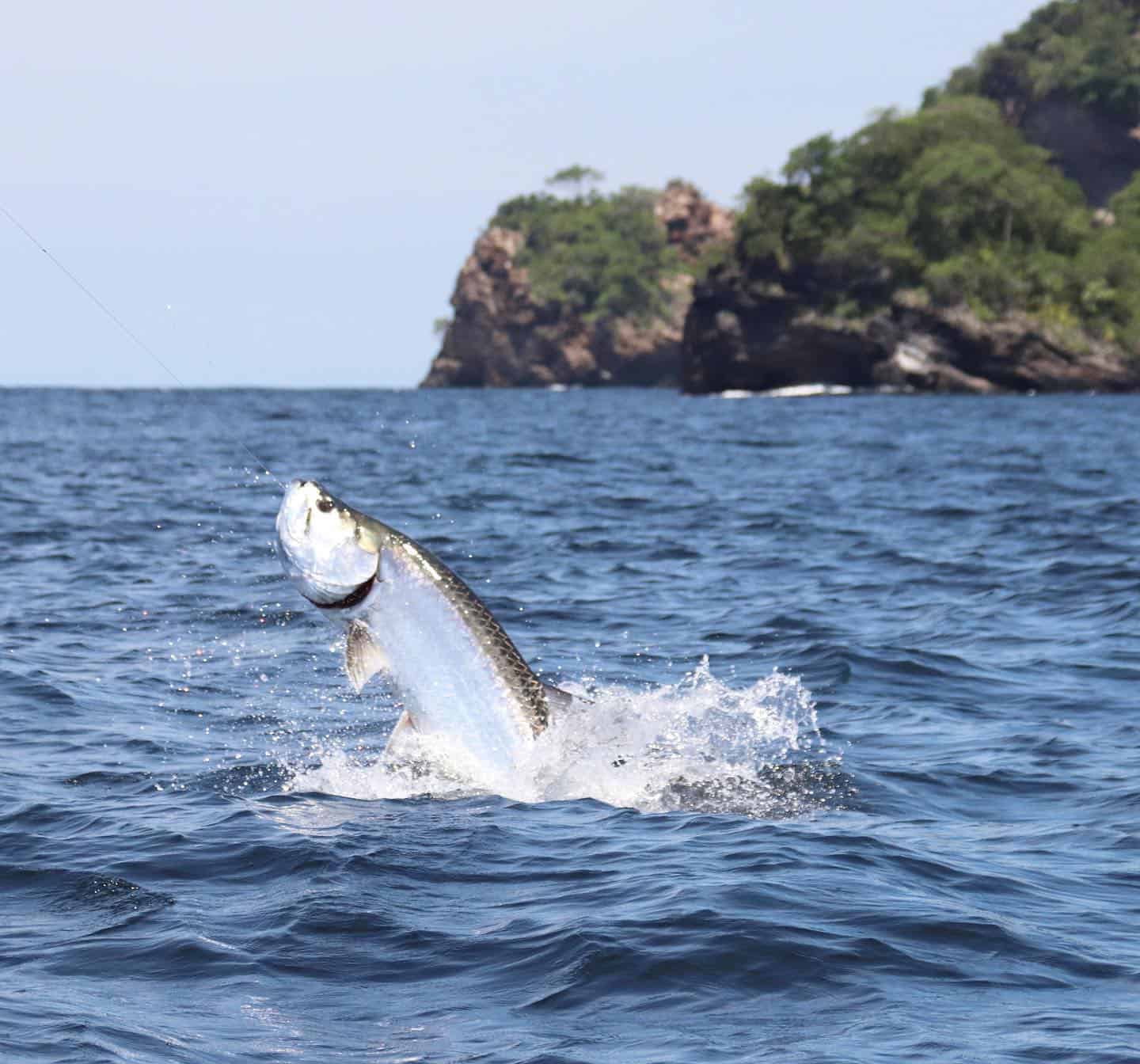
Trinidad’s Gulf of Paria has earned a reputation as one of the most reliable tarpon fisheries anywhere. Here, enormous schools of baitfish funnel into the muddy waters near the Caroni and Ortoire River mouths, drawing in tarpon that regularly exceed 150 pounds. Anglers have recorded fish surpassing the 200-pound mark. The hot months from March through September see explosive action, with dawn and dusk often delivering the most bites. Most charters drift live mullet or cast large soft plastics on heavy spinning tackle. This fishery offers year-round opportunity, but seasonal migrations peak in late spring and summer when the water clarity and bait concentrations align.
North Coast (Caribbean Sea)
Stretching from the Diego Martin area to Blanchisseuse, Trinidad’s north coast is a prime zone for trolling along steep drop-offs and rocky points. You’ll encounter wahoo, king mackerel, barracuda, and occasional dorado. Between December and April, cool water currents bring schools of pelagics within easy range of local charter boats, and strikes can be fast and furious.
East Coast and Atlantic Drop-offs
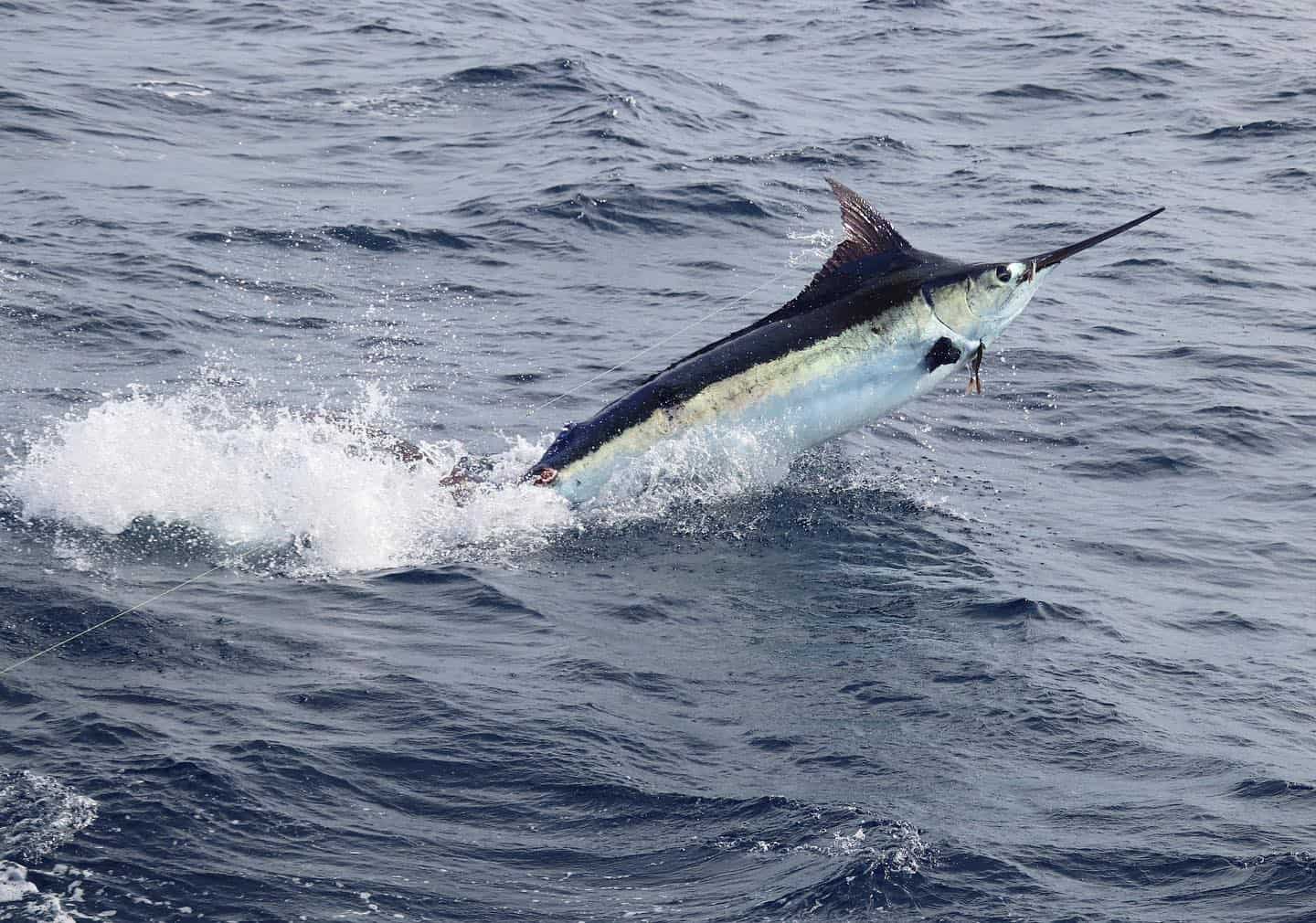
The eastern side of Trinidad meets the open Atlantic, where the continental shelf plunges into deep canyons teeming with big-game species. Here, anglers pursue yellowfin tuna, marlin, and sailfish, especially between December and April when the offshore action is at its peak. Launch points in Toco and Mayaro are the best access for offshore runs to these fertile waters.
Mangrove Estuaries and River Mouths
On the west and south coasts, the Ortoire, Caroni, and Nariva rivers carve out labyrinthine estuaries rich in nutrients and baitfish. These zones produce not just tarpon but also snook, jack crevalle, permit, and cubera snapper. Light-tackle enthusiasts often find these backwaters as thrilling as the Gulf itself.
Notable Species to Target
- Tarpon: Year-round opportunities with peak season March through September. Fish exceeding 150 pounds are common.
- Snook: Lurking around mangrove roots and tidal creeks, especially during the rainy season.
- King Mackerel: Abundant on the north coast between December and March.
- Wahoo: Best action offshore during winter months.
- Yellowfin Tuna: Found along eastern drop-offs December through April.
- Sailfish and Marlin: Less predictable but possible offshore encounters, especially in early spring.
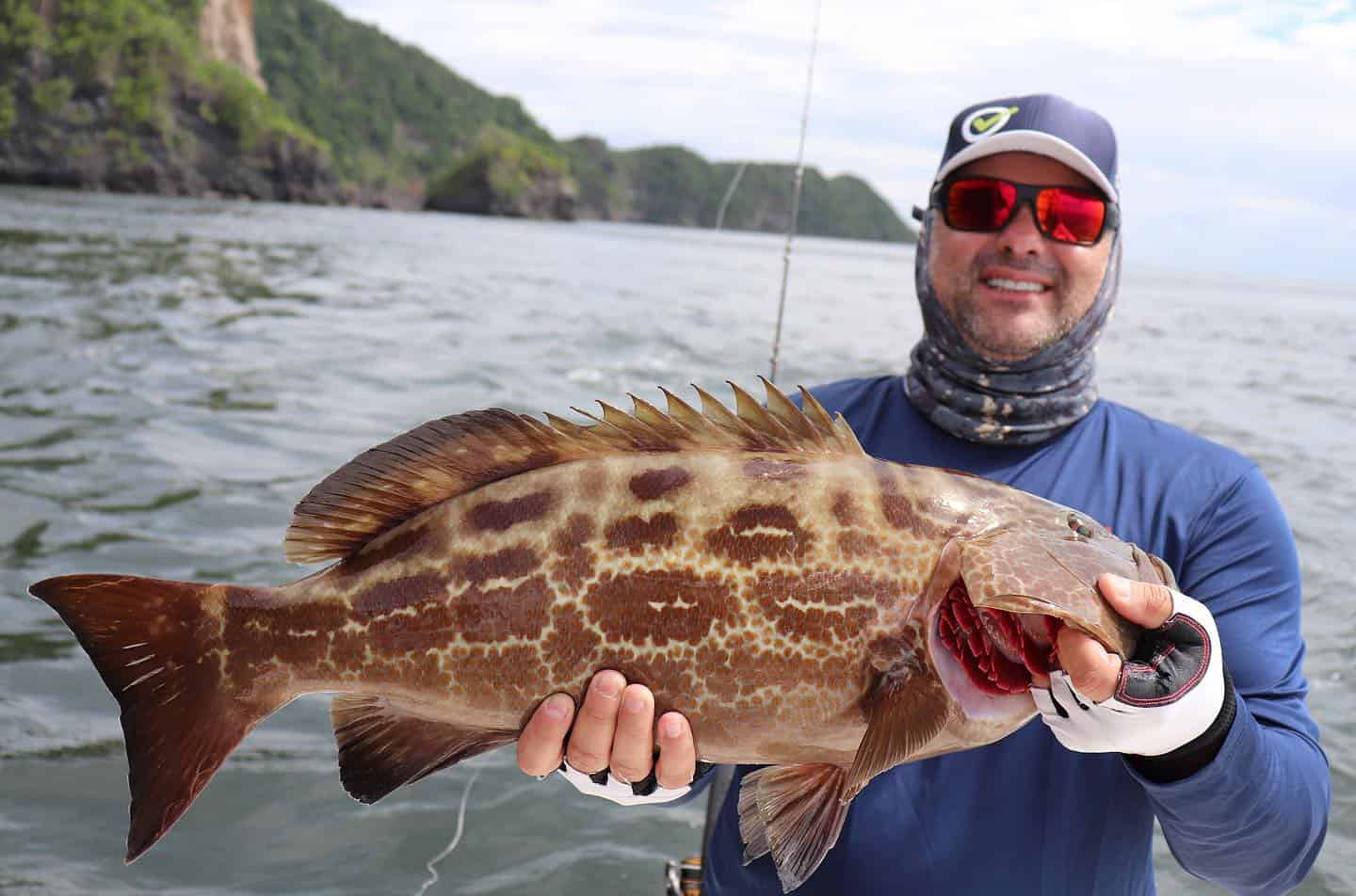
- Cubera Snapper: Occasionally caught near river mouths and reefs.
Seasons and Climate
November to April: Offshore prime time with tuna, wahoo, king mackerel, and billfish migrating close to the island.
March to September: Peak tarpon season with larger aggregations in the Gulf of Paria.
Year-round: Estuarine species including snook, snapper, and smaller tarpon remain available.
Trinidad’s tropical climate means daytime highs between 28 and 32°C (82–90°F). The rainy season lasts from June through December, when afternoon thunderstorms are common.
Travel Logistics and Tackle Tips
Getting There: Piarco International Airport serves as the main entry point and sits roughly 30 minutes from Port of Spain and most charter hubs.
Charters: Many of the best tarpon operators run trips from Chaguaramas and Claxton Bay on the Gulf. For offshore adventures, consider Toco or Mayaro. Guides like Monster Tarpon Charters specialize in big tarpon fishing, offering decades of local experience and proven techniques.
Licensing: Recreational fishing doesn’t require a formal license for catch-and-release charters, but it’s wise to check current regulations with your outfitter.
Tackle: Heavy spinning outfits with 50–80 lb braid and fluorocarbon leaders up to 130 lb are standard for tarpon. Offshore trips call for 30–50 lb trolling gear and stand-up harnesses. Many local charters supply all tackle, but bringing your own rods is welcome.
Tips for Visiting Anglers
Most tarpon charters launch before sunrise to beat the heat and catch the early bite. Be prepared for humidity, sudden squalls, and long battles with fish that can easily spool reels and test your stamina. Even experienced anglers consider Trinidad’s tarpon among the hardest-fighting fish anywhere.
If you prefer variety, combine a few days of tarpon hunting with offshore excursions for wahoo and tuna. This blend of inshore giants and offshore predators is what makes Trinidad unique in the Caribbean fishing scene.
Why Fish Trinidad?
Few destinations offer such reliable shots at tarpon over 100 pounds, often in calm Gulf waters less than a mile from shore. Combined with accessible offshore drop-offs teeming with pelagics, Trinidad provides a dynamic, world-class fishery that remains surprisingly uncrowded. Between the island’s welcoming guides, authentic Creole cuisine, and remarkable biodiversity, a fishing trip to Trinidad is as much about culture and adventure as the catches themselves.

Ready to land the fish of a lifetime? Reach out to our expert team and start planning your Trinidad fishing adventure today.