
Destination: Iceland
Fly Fishing in Iceland: A Bucket List Destination for Traveling Anglers
Iceland has become one of the most coveted fly fishing destinations in the world, and for good reason. This island nation in the North Atlantic combines wild, glacial rivers with extraordinary scenery and a unique variety of species that can all be pursued with a fly rod. For anglers who dream of ticking off the most memorable fishing experiences on the planet, Iceland deserves a place near the top of the list.
The Species: Salmon, Trout, and Char
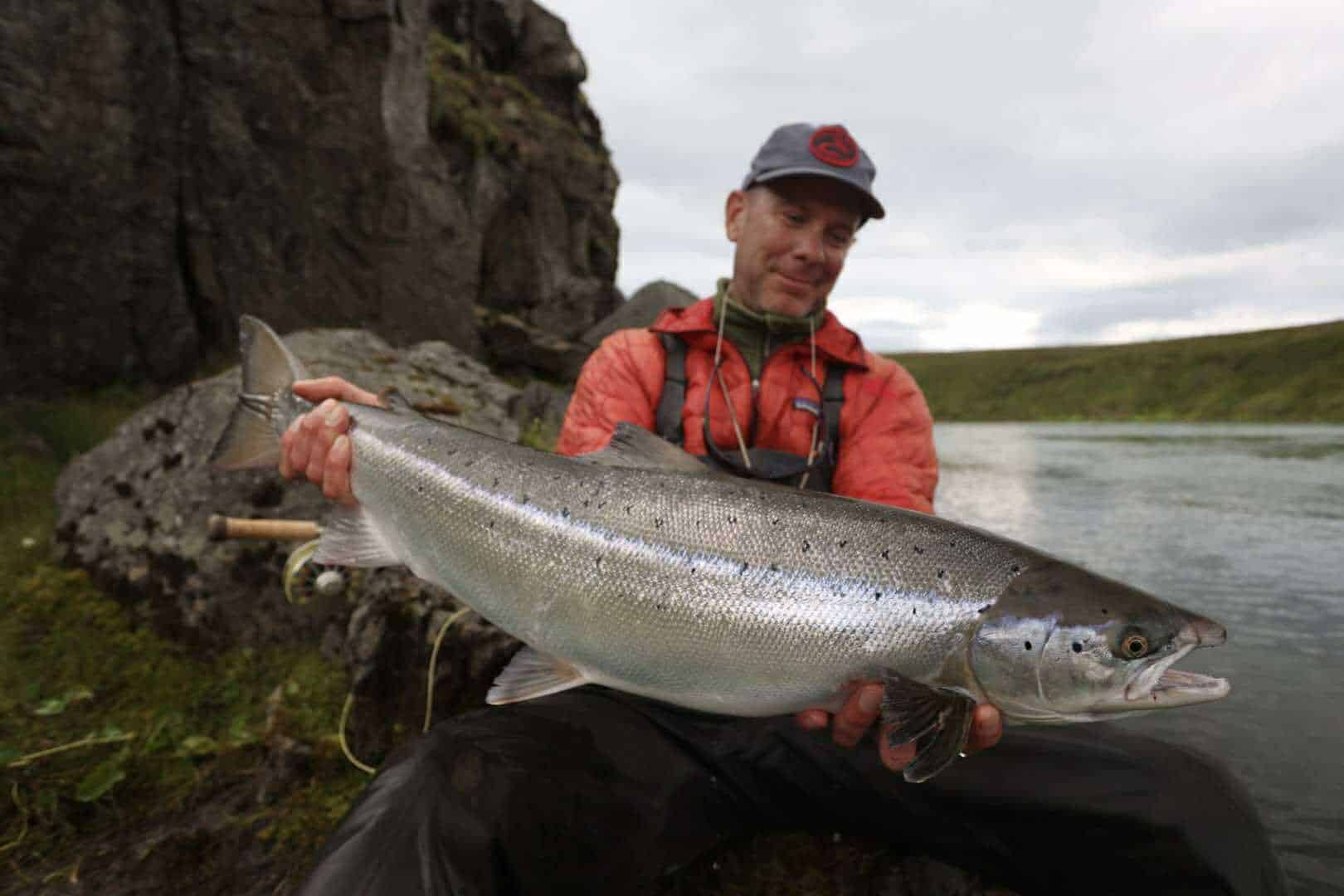
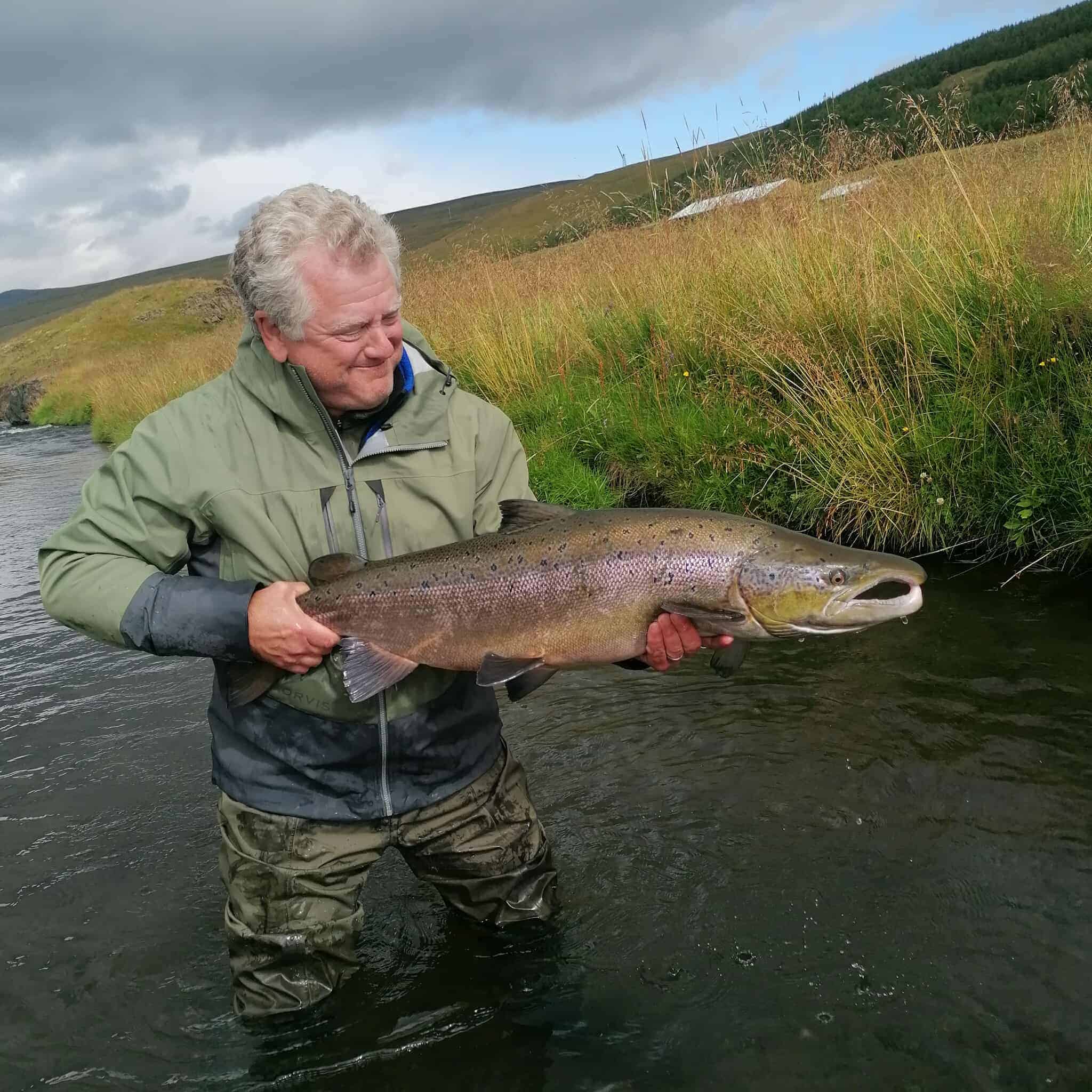
Iceland’s rivers are famous for their Atlantic salmon runs, which begin in June and peak in July and August. These fish aren’t as large as the salmon of Norway or Russia, but what they lack in size they make up for in numbers and their willingness to take surface flies. Few places on earth offer such reliable action for salmon on small hitch tubes and dry flies.
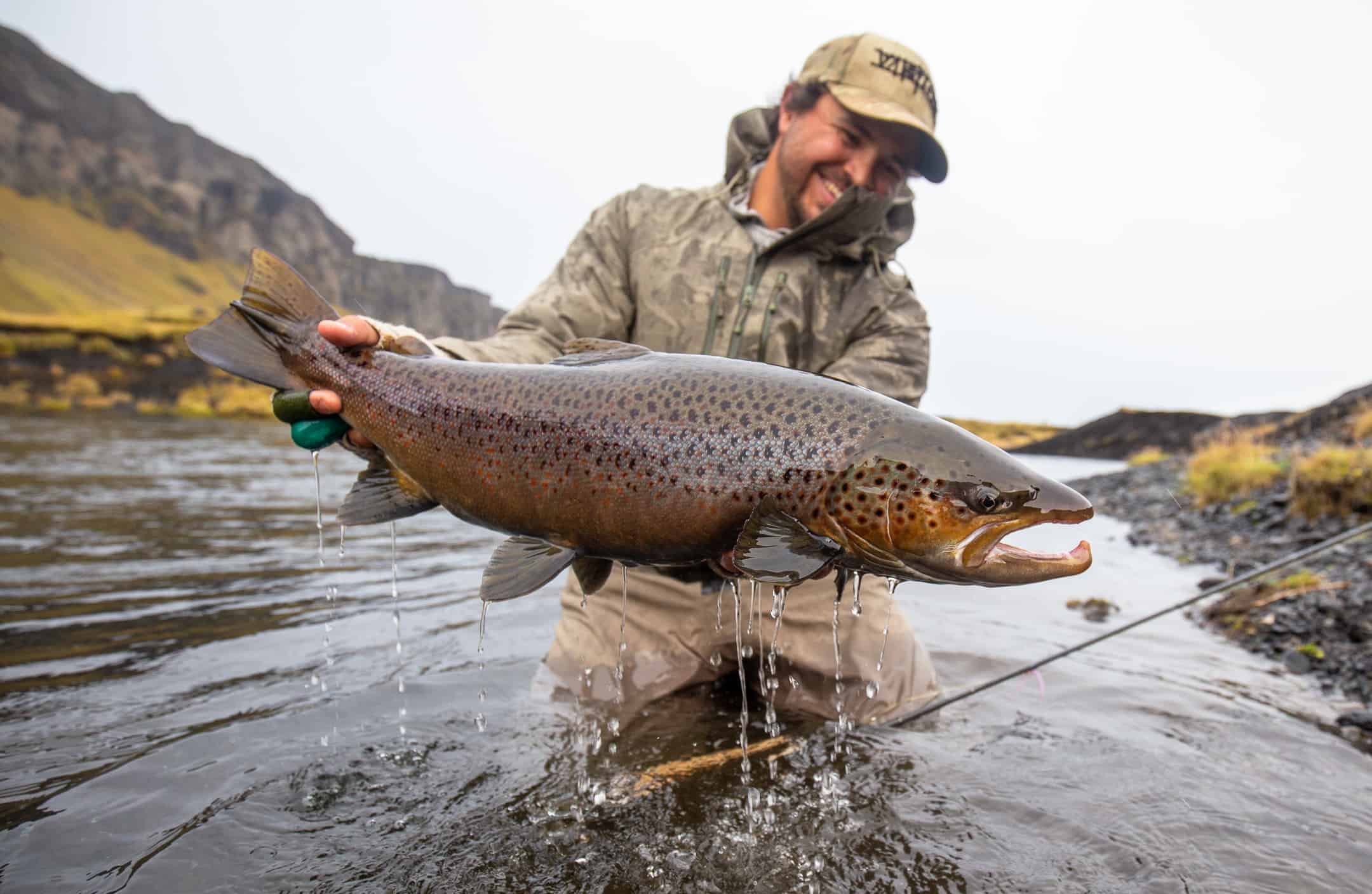
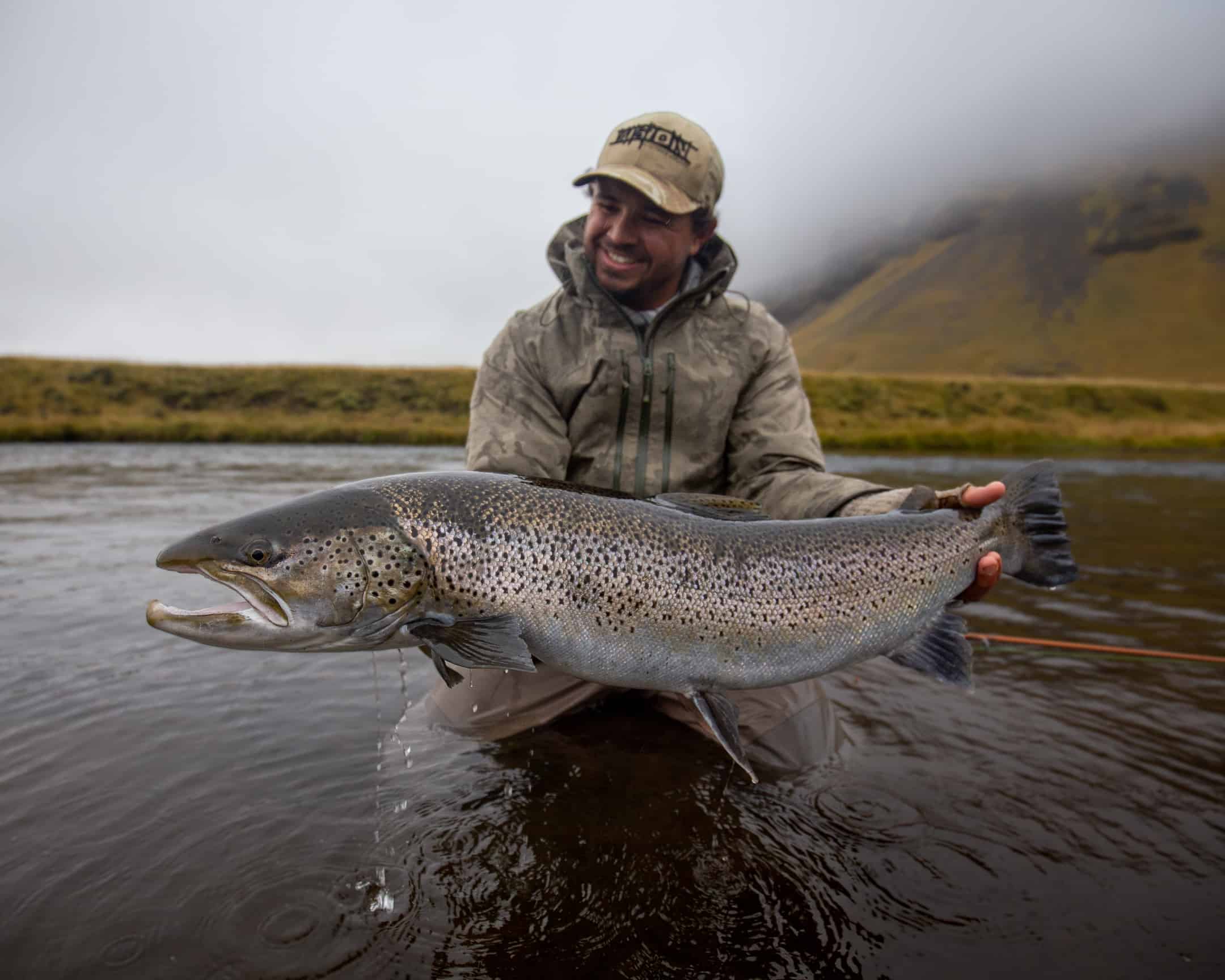
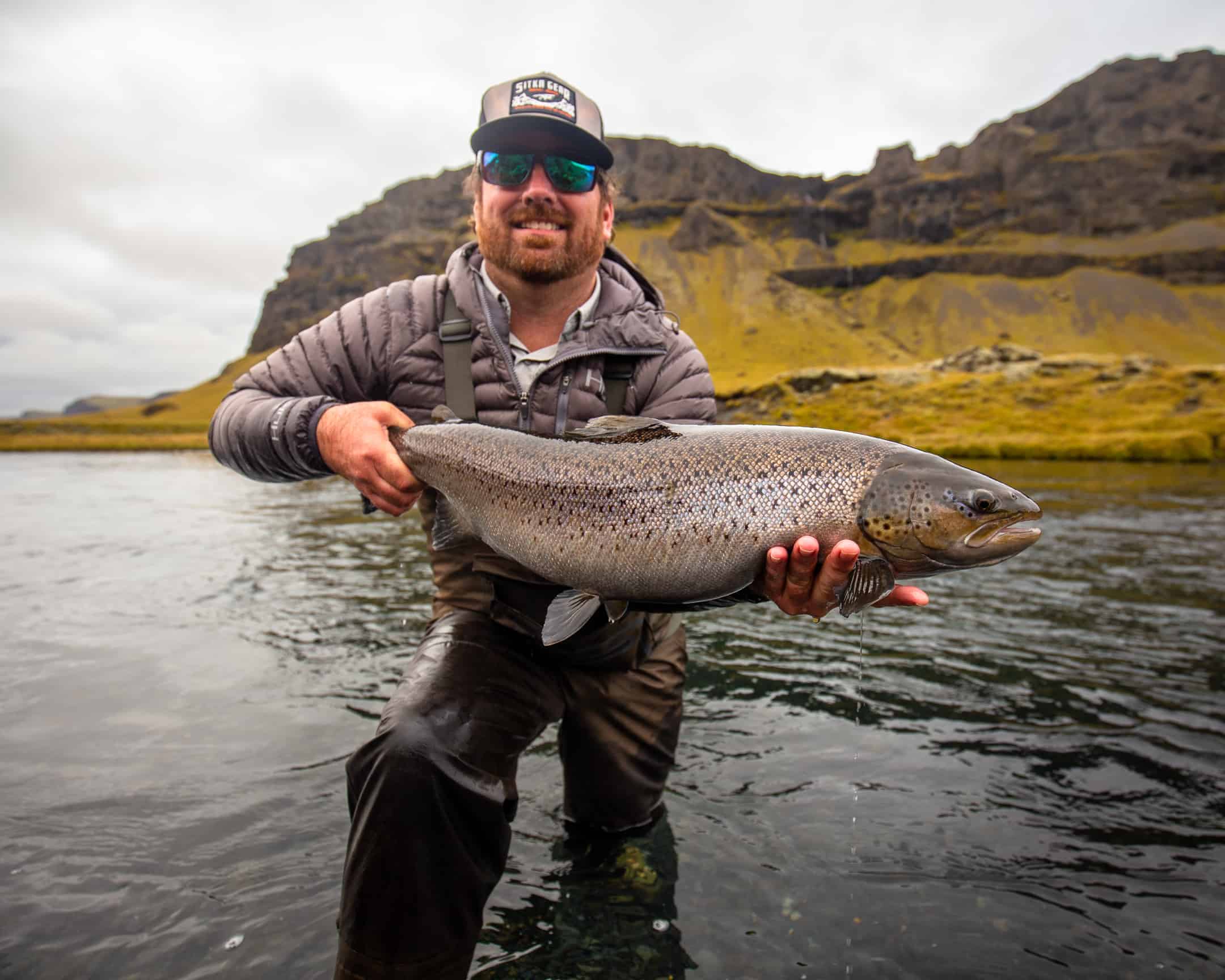
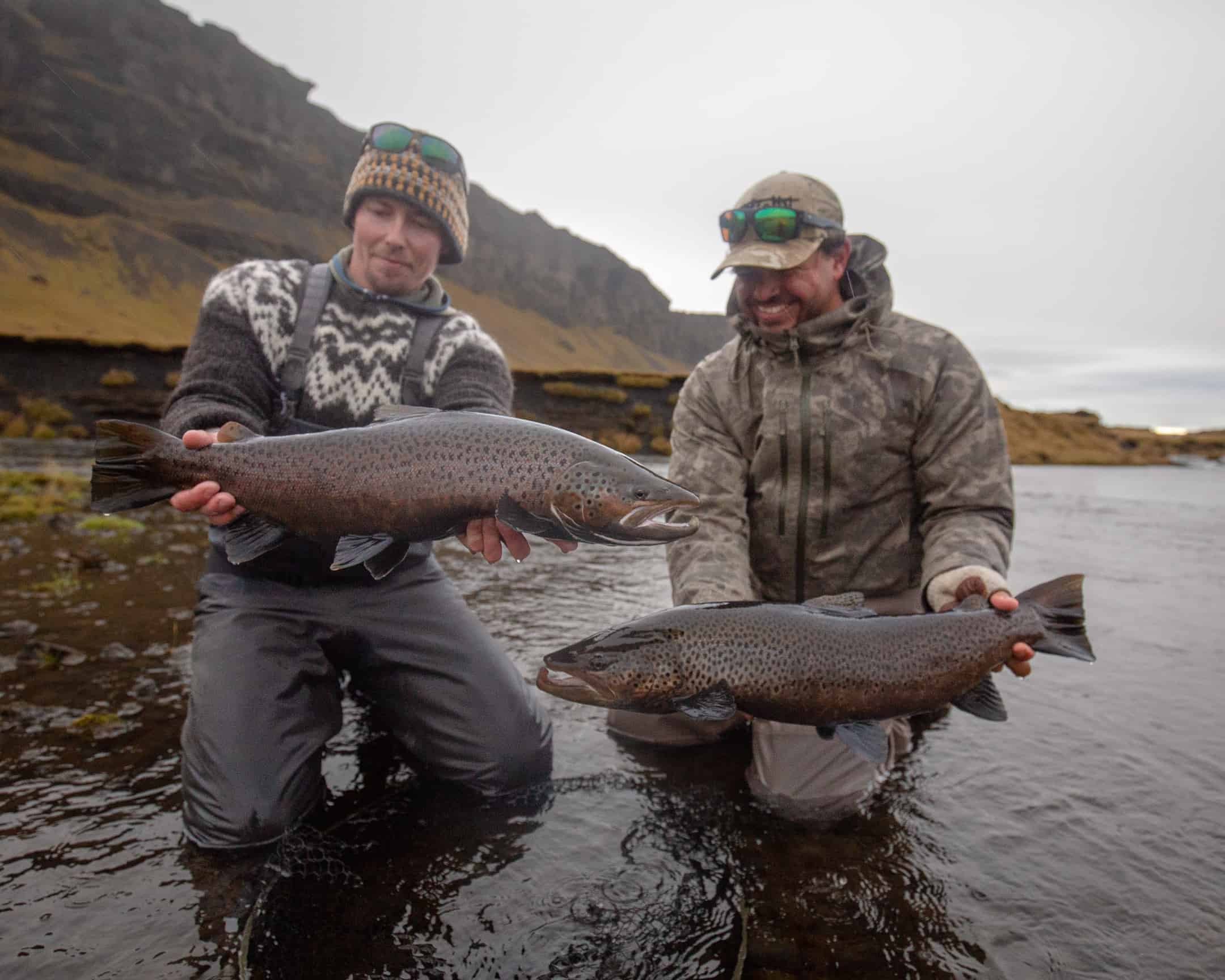
Alongside salmon, anglers can target wild brown trout, some of which grow to extraordinary sizes thanks to Iceland’s fertile, nutrient-rich lake systems. The most celebrated brown trout fishing is found in Lake Thingvallavatn, where trophy fish over 20 pounds are regularly landed each season. Iceland also offers arguably the best trophy sea-run brown trout opportunities, especially in the south coast rivers where chrome-bright fish surge upstream in autumn.
Then there is the Arctic char, a species that adds real variety to any Icelandic itinerary. Char thrive in both lakes and rivers, providing consistent sport and striking colors that range from silver to deep orange. For traveling anglers, the chance to pursue salmon, trout, and char in a single trip is one of Iceland’s strongest appeals.


The Rivers and Waters
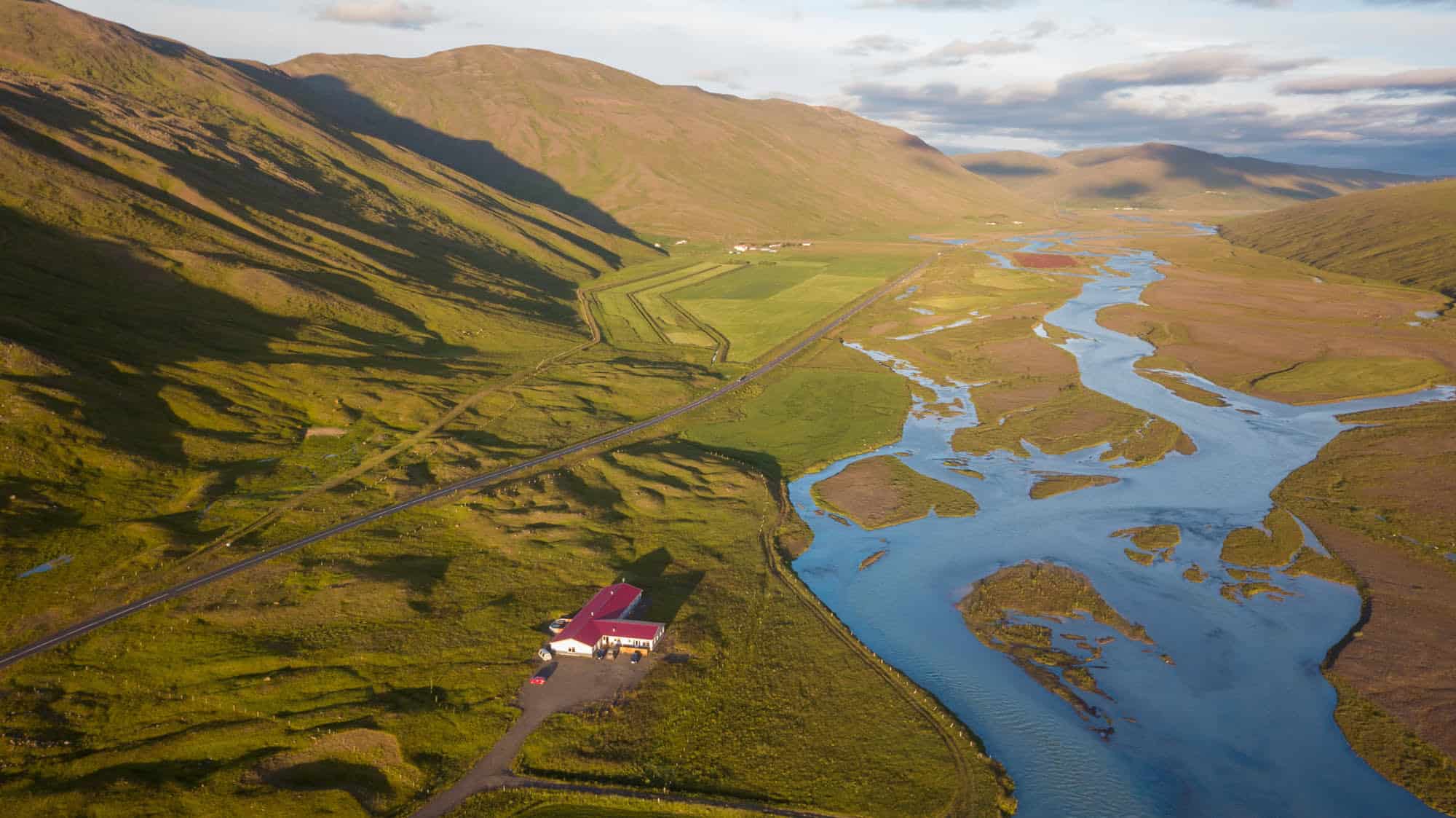
Iceland’s rivers are as diverse as the fish that run them. The Laxa in Adaldal is one of the country’s most legendary salmon rivers, known for its broad pools and prolific runs. The West Ranga and East Ranga are highly productive, regularly producing some of the highest salmon catch numbers in the country. Smaller rivers like the Hofsá or Midfjardará offer more intimate fishing experiences with spectacular landscapes surrounding every bend.
For trout, the Lake Thingvallavatn system is unmatched, with giant browns that test both gear and skill. In the Highlands, remote rivers such as the Kaldakvísl and Tungnaá offer wild brown trout and char in settings that feel otherworldly—lava fields, black sand deserts, and glacial-fed channels cutting through rugged valleys.
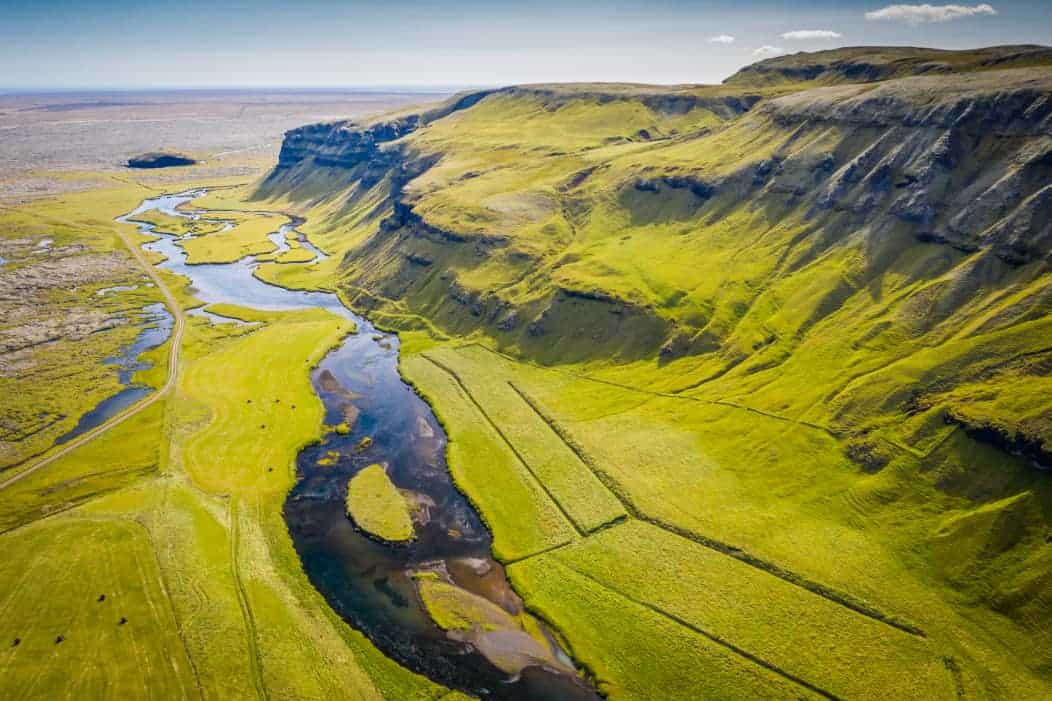

The Scenery: Otherworldly Beauty
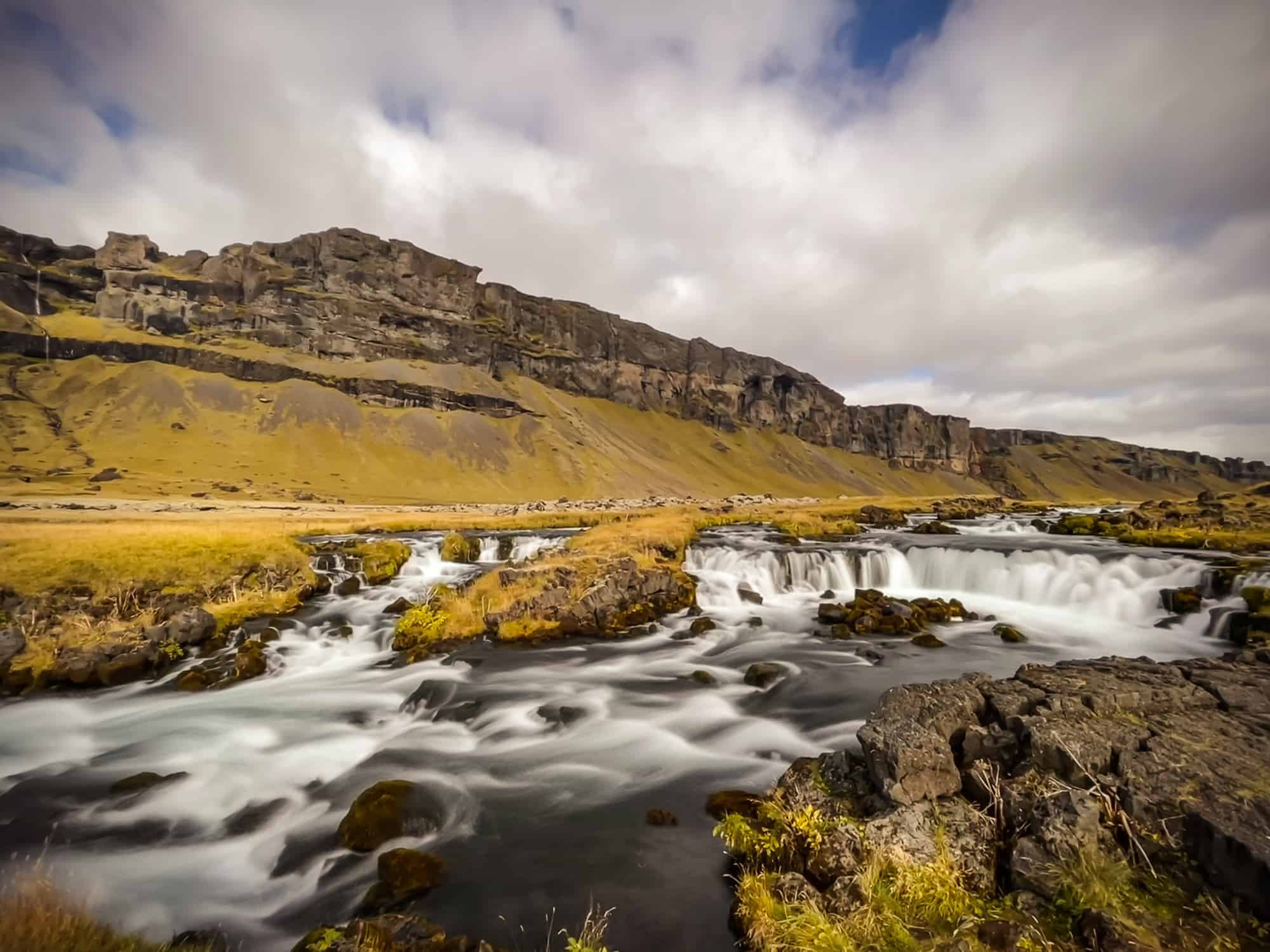
Fishing in Iceland is as much about the environment as it is about the fish. The landscape is a dramatic mix of volcanic rock, moss-covered lava fields, tumbling waterfalls, and sweeping valleys. On some days you’ll cast beneath snowcapped peaks; on others, you’ll wade through gin-clear water with glaciers shining on the horizon. The midnight sun during summer means long fishing hours, while the crisp air and stark beauty make every moment on the river unforgettable.
Beyond the fishing, travelers can explore geysers, hot springs, volcanic craters, and black sand beaches—all within a few hours’ drive of major fishing rivers. It’s this combination of angling adventure and natural wonder that makes Iceland unique.
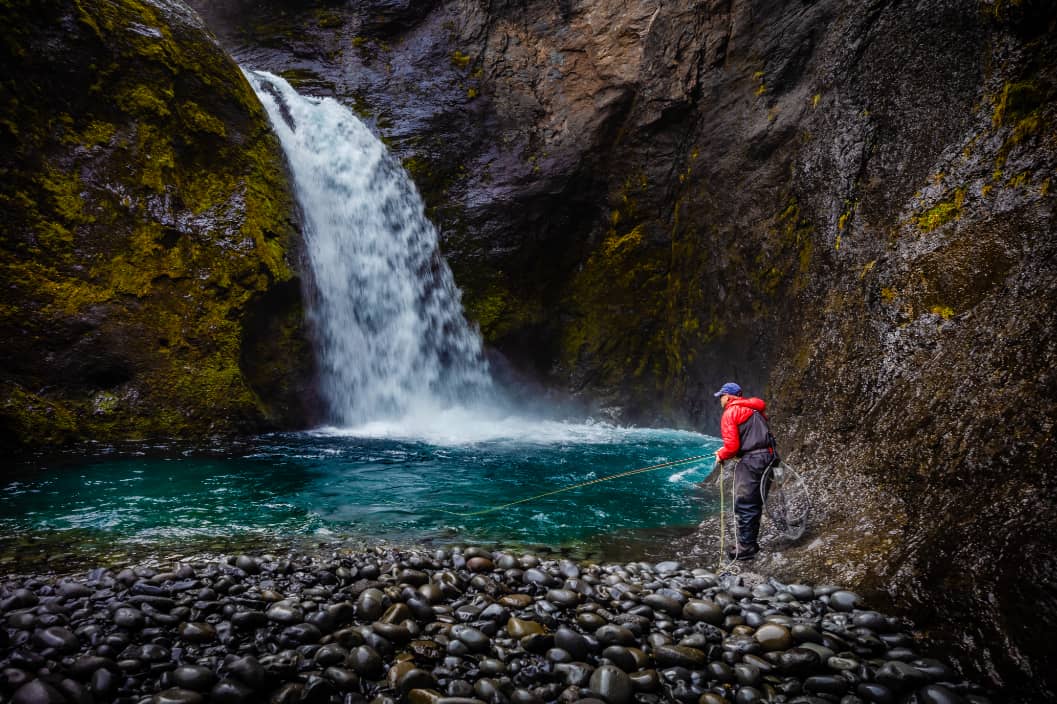

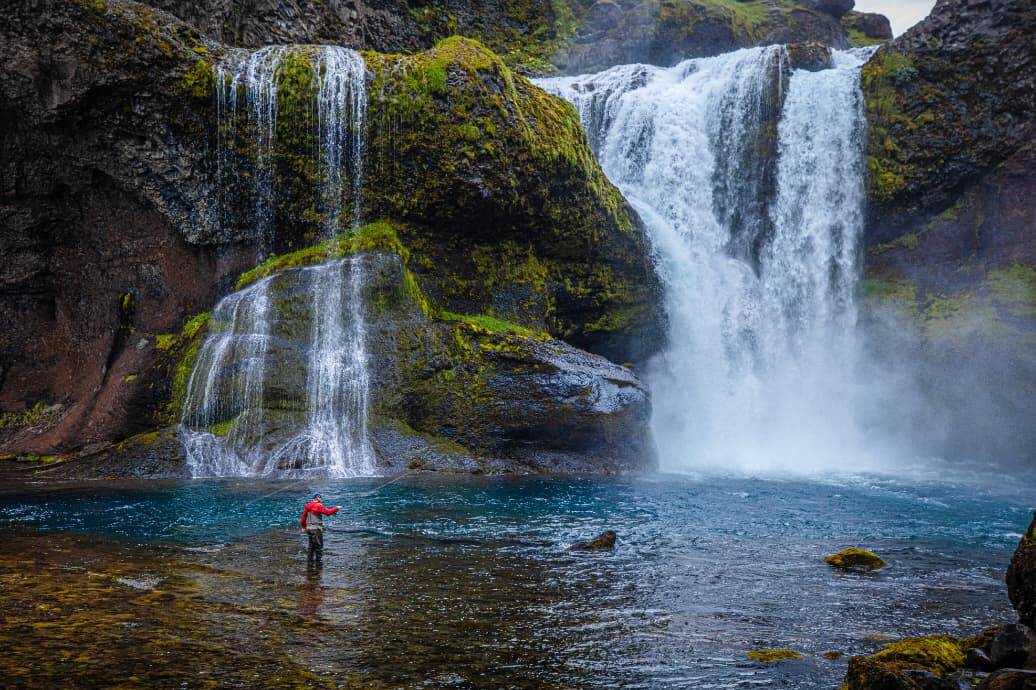
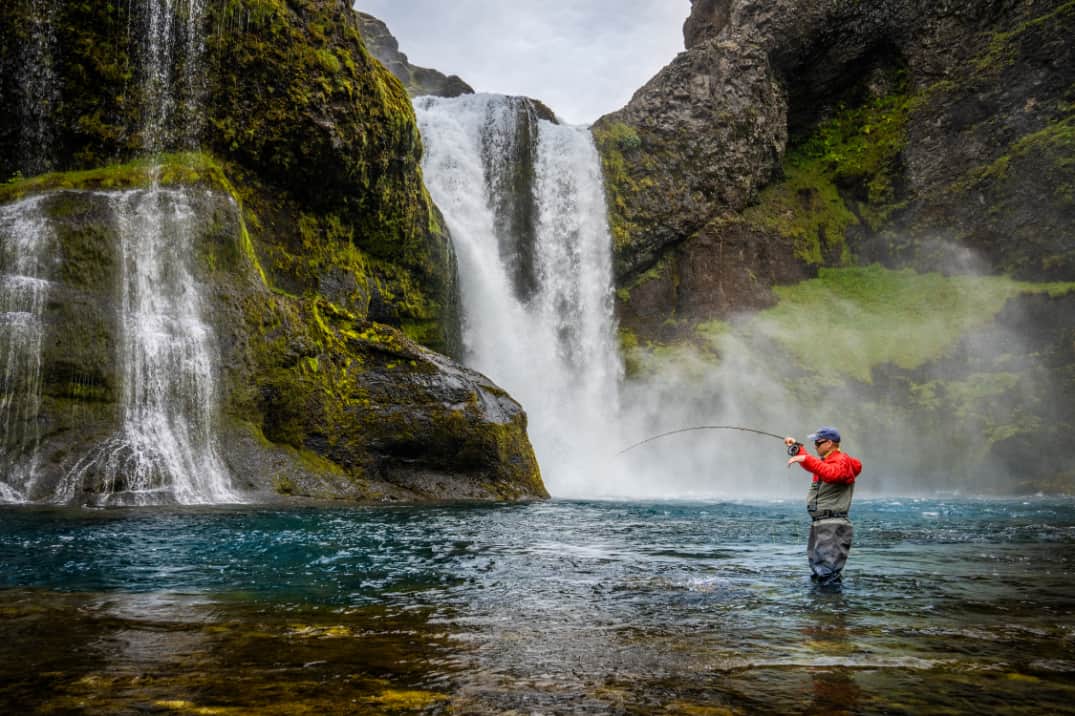
Why Iceland Belongs on Your Bucket List
For the traveling angler, Iceland offers something few places can match: species diversity, reliable fishing conditions, stunning natural beauty, and a strong catch-and-release culture that protects its waters for the future. It’s a destination where you can swing flies for salmon in the morning, stalk trophy browns in a lake by afternoon, and finish the day catching Arctic char in a highland stream.
Add to that Iceland’s accessibility—just a five-hour flight from the East Coast of North America or three hours from much of Europe—and it becomes clear why so many anglers rank it as a must-visit destination. Whether your goal is to land your first Atlantic salmon, chase a twenty-pound brown trout, or simply experience one of the most beautiful fishing landscapes on earth, Iceland more than delivers.
Ready to make Iceland part of your angling story? Start planning your adventure today and secure your spot on some of the world’s most iconic rivers.
Explore Fishing Lodges in Iceland
Frequently Asked Questions:
When is the best time to fish in Iceland?
The prime season runs from June through September. Salmon fishing typically peaks in July and August, while trophy brown trout are best targeted in spring (April–May) and autumn (September). Arctic char can be caught consistently throughout summer.
Do I need to bring my own gear?
Most anglers bring their own rods, reels, and waders, but high-quality gear rentals are available at many lodges and outfitters. It’s worth confirming in advance, especially for spey rods and wading boots that suit Iceland’s rivers.
Is catch and release required?
Yes, the majority of Iceland’s salmon rivers are strictly catch and release, and many trout and char waters follow the same practice. This conservation approach helps preserve fish populations and ensures healthy runs for future seasons.