
Destination: Gabon
Fishing in Gabon: A Guide to Africa's Last Eden
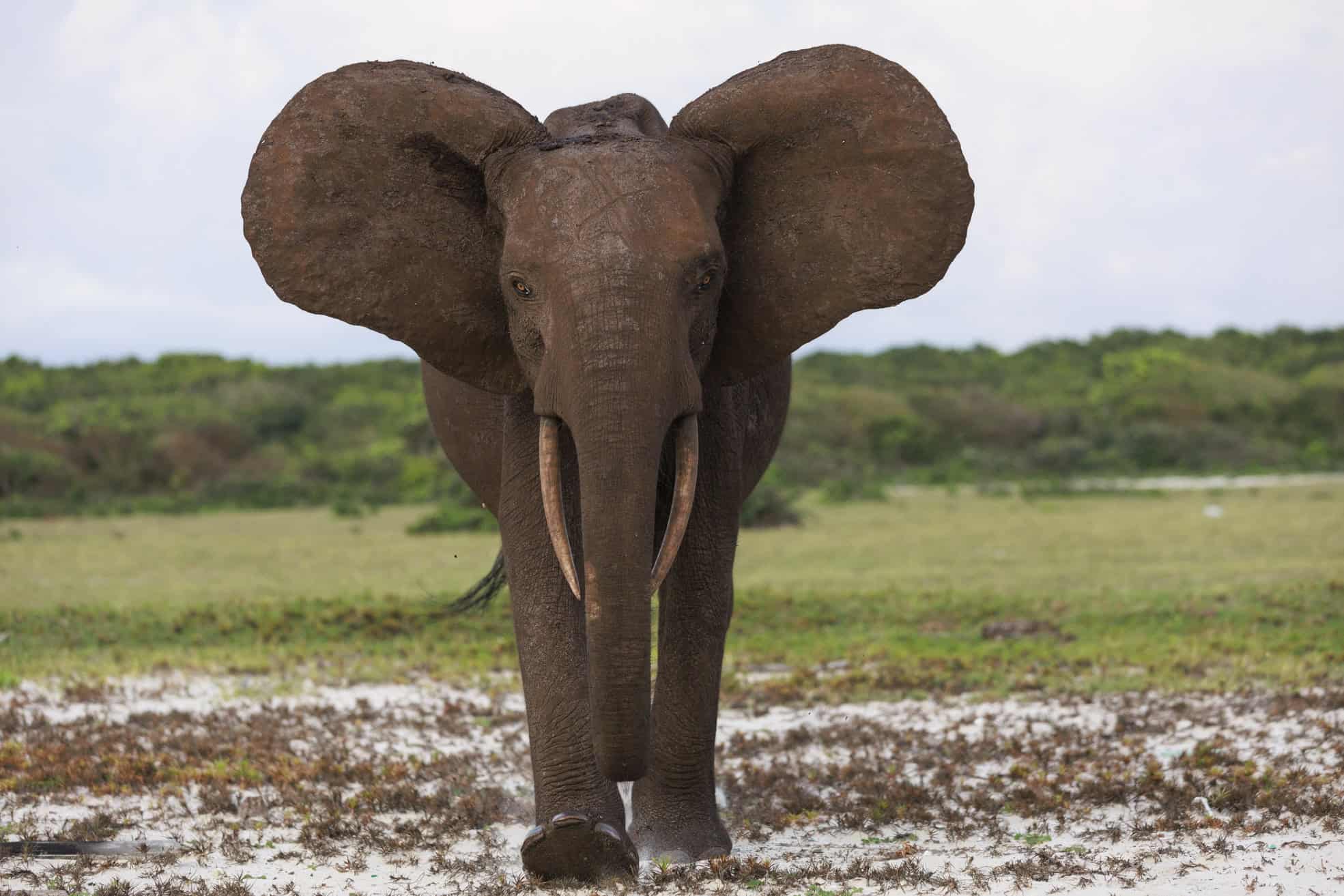
Gabon is a bucket list destination on Africa’s west coast that remains astonishingly wild. With 13 national parks protecting over 10% of its territory, this country boasts some of the highest wildlife concentrations (including Africa’s densest forest elephant population) on the continent. Unlike more traveled safari destinations, Gabon’s jungles, savannas, lagoons and untouched coastlines feel like a last frontier. A place where you can cast a line in the surf while forest elephants, hippos or even gorillas wander the beach beside you. For adventurous anglers and wildlife enthusiasts, Gabon offers a rare chance to experience pristine wilderness and target trophy fish, all in the same trip.


Loango National Park
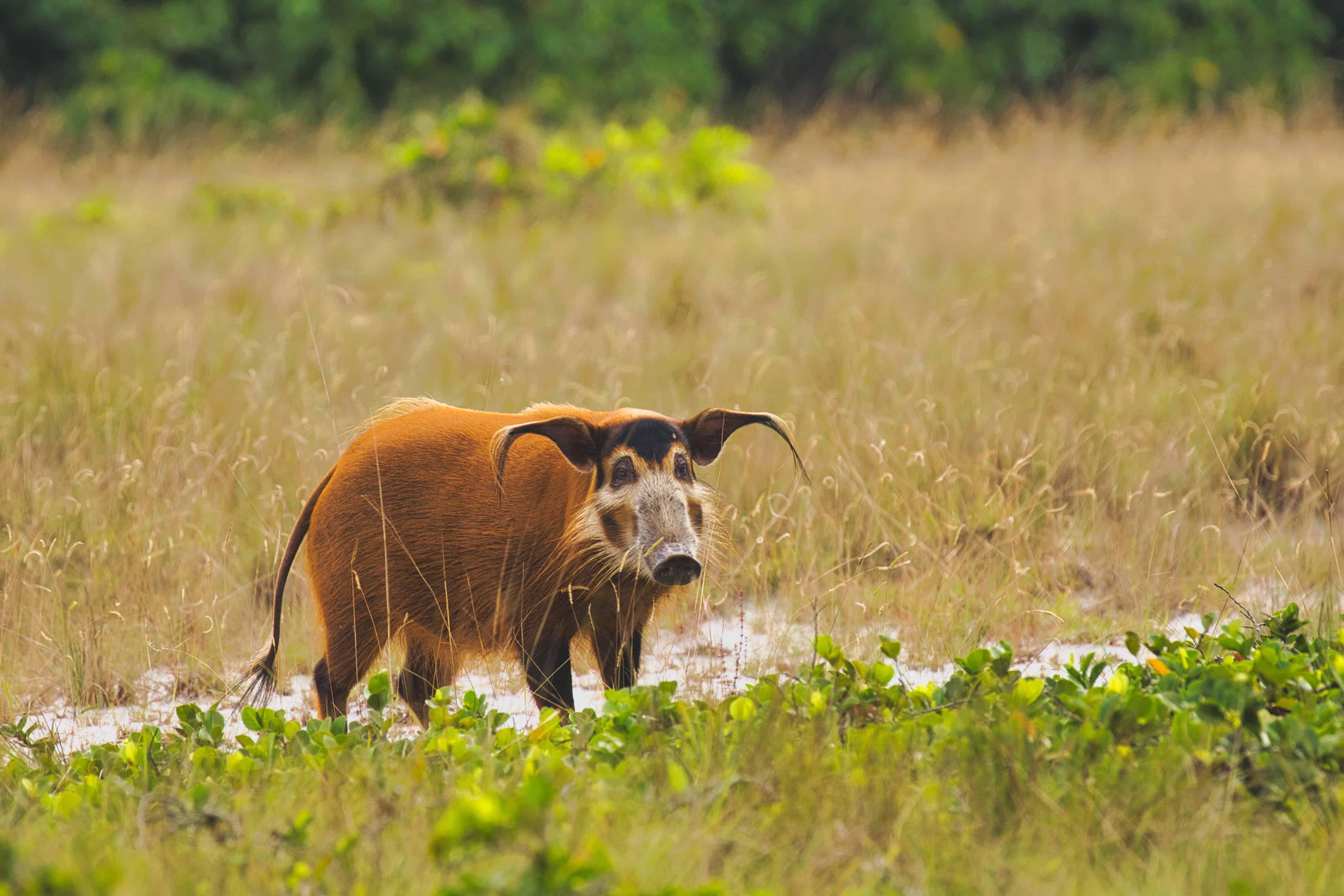
Loango National Park is Gabon’s superstar reserve, a spectacular mosaic of rainforest, savanna, wetlands and beach along the Atlantic. It’s famous for extraordinary scenes of wildlife on the shore. In fact, forest elephants, buffalo, hippos, red river hogs, and even lowland gorillas inhabit this park’s forests and grassy flats right up to the ocean’s edge. Depending on the season, you might spot humpback whales breaching just offshore or dolphins playing in the surf, and from November through February thousands of sea turtles (leatherback, olive ridley, and hawksbill) come ashore to nest on Loango’s beaches.
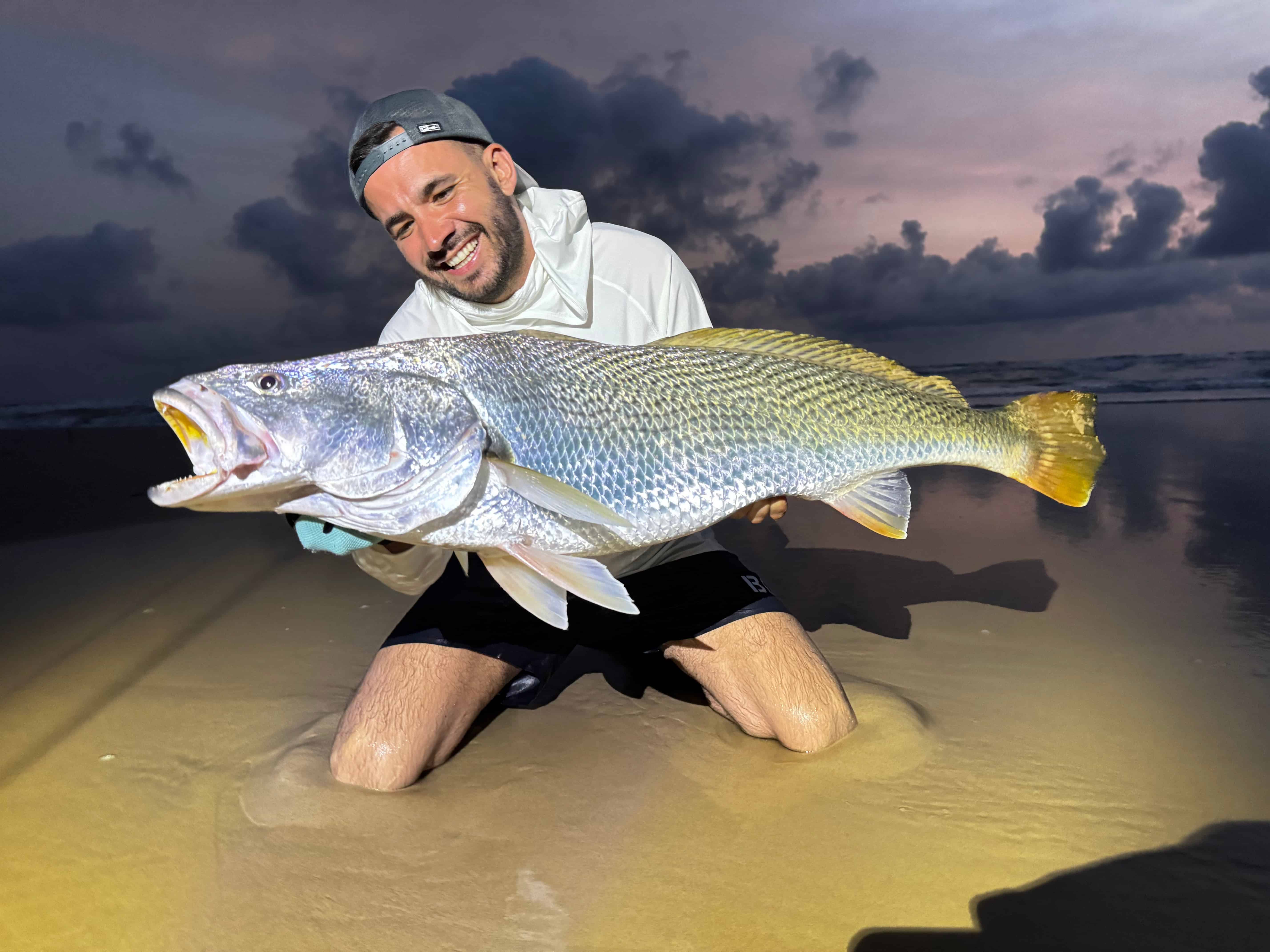
Beyond its wildlife, Loango is also the place that put Gabon on the map for sports fishing. The park’s two main fishing areas – Iguela Lagoon in the north and Sette Cama in the south – attract anglers from around the globe with their promise of big fish in a breathtaking setting. Here, untouched beaches and estuaries hold an abundance of large predatory fish (and yes, occasionally a curious hippo or elephant watching from afar). Loango’s waters teem with tarpon, cubera snapper, giant african threadfin, jacks, and barracuda, to name a few. Whether you’re fly fishing the estuary channels or casting plugs from the beach, Loango delivers in more ways than one.
Moukalaba-Doudou National Park
This is Gabon’s third-largest park, covering a vast area of humid rainforest interwoven with savannah grasslands. Moukalaba-Doudou is renowned for having one of the highest concentrations of primates in Gabon. Troops of western lowland gorillas and chimpanzees thrive in its jungles, alongside other monkeys and forest wildlife. Tracking these great apes through dense foliage – and finally observing a silverback and his family up close – is an awe-inspiring adventure for any wildlife enthusiast.
Moukalaba-Doudou’s diversity doesn’t end with primates. The park’s mix of ecosystems supports everything from forest elephants and buffalo to hippos wallowing in its rivers. Birdlife is prolific too – over 380 bird species have been recorded here, including rarities like the vermiculated fishing owl and rosy bee-eaters.
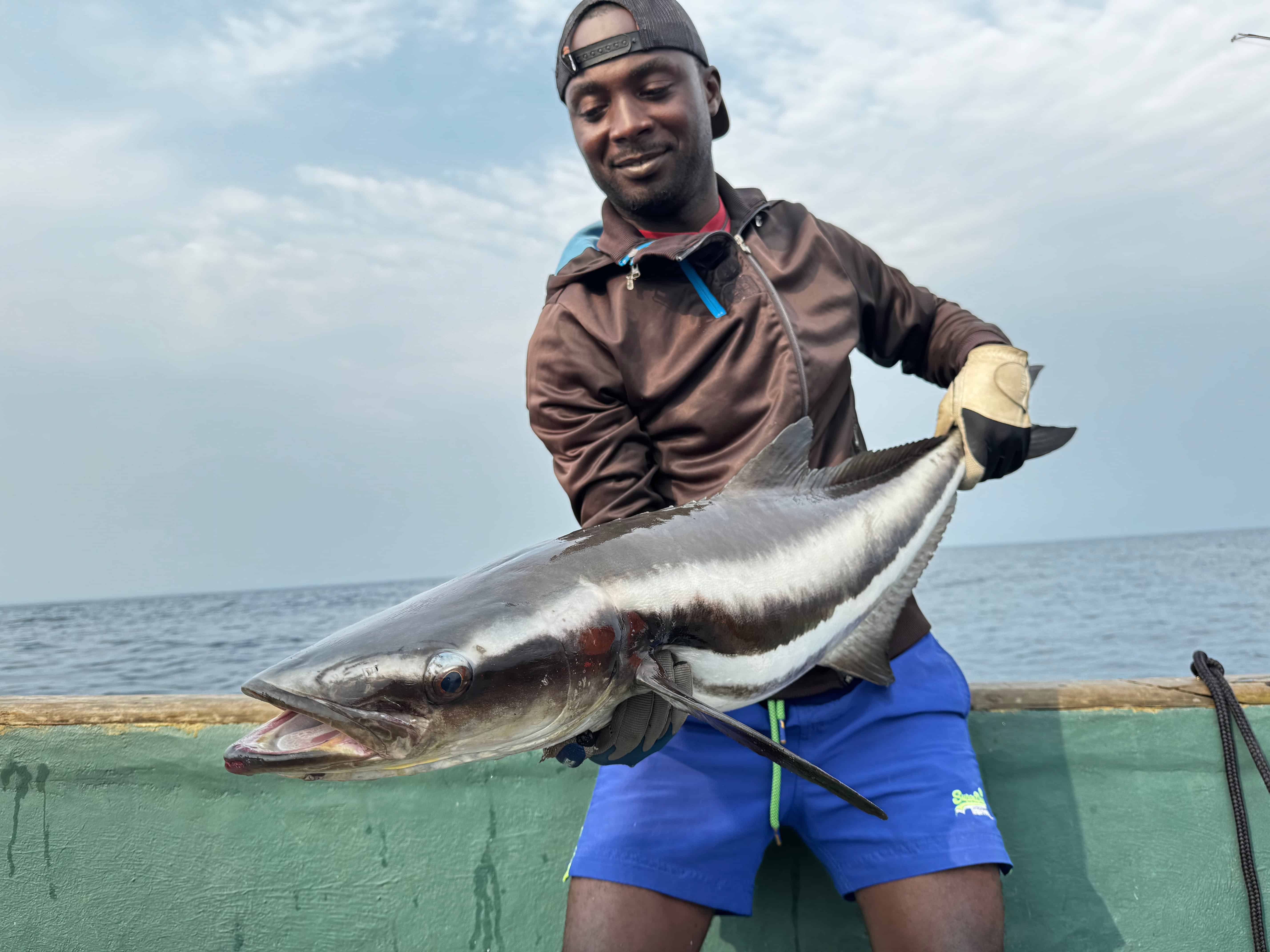
In terms of fishing it is as raw and uncharted as you get. The Nyanga river mouth is one of Gabon’s wildest lagoons, largely untouched due to its isolation. Its exceptional preservation is evident with the last Sawfish recorded in Gabon being caught here. Like Loango, trophy tarpon, snapper, threadfin, and a variety of other species can be caught in both the estuary and surf.


When to Visit Gabon
Generally, the dry season from June to September is considered the best time for wildlife viewing. During these months, rain is scarce and the weather is milder, which means easier hiking and safari conditions.
For anglers, however, the rainy season offers prime action. Gabon’s wet season runs roughly October through May, bringing heavier rains and high humidity. While that can make general travel muddier, the rains rejuvenate the rivers and lagoons – and the big fish come alive. The peak fishing months are November to March, when baitfish are plentiful and trophy tarpon, threadfin and others feed aggressively near the river mouths. November through February is prime time for trophy tarpon off the beaches. This overlaps nicely with Gabon’s turtle nesting season too – visit between November and February and you could be catching a giant tarpon at noon, then watching a 200-kg leatherback turtle labor up the beach after dark to lay her eggs. The shoulder months (May-June and late Sept-October) can also be rewarding if you want a balance – slightly less rain than peak wet season, yet some good fishing opportunities and active wildlife.
Gabon’s appeal lies in its raw, unpredictable nature. This isn’t a manicured safari park or a crowded charter-fishing port – it’s a place where nature is in charge. Bring a flexible attitude (and good rain gear in wet months), and you’ll be rewarded with thrilling wildlife encounters and world-class fishing that few other destinations on Earth can match.
We’re excited to announce that we now have secured access to two new camps in both Loango and Moukalaba-Doudou National Parks, giving anglers the rare chance to fish some of the most untouched waters on the planet. This is your opportunity to combine world-class fishing with Africa’s wildest safari experiences – all in one unforgettable journey. Get in touch to secure your spot.
Frequently Asked Questions:
Do I need a visa to visit Gabon?
Yes. Most travelers, including those from the US, Canada, UK, and EU, require a visa / entry-authorization letter to enter Gabon. This is the equivalent of a visa. The online process is notoriously slow but we can assist anglers if needed.
Are there health precautions I should take before traveling to Gabon?
Yes. Yellow fever vaccination is required for entry, and proof may be requested on arrival. Malaria is present in Gabon, so bringing antimalarial medication is strongly advised. Travelers should also pack insect repellent and basic first-aid supplies.
What’s the language situation in Gabon?
French is the official language. In Libreville and with some guides, you’ll find basic English, but in rural areas and parks it’s very limited. Learning a few French phrases will go a long way.