
The Esox slam
The Esox Slam: Muskellunge, Tiger Muskie, Northern Pike, Southern Pike, and Amur Pike
The genus Esox represents some of the most formidable freshwater predators in the world. Commonly known as pikes, these elongated, torpedo-shaped fish are renowned for their speed, aggression, and voracious appetites. The genus includes several species, but four stand out due to their size, distribution, and ecological significance: the muskellunge (Esox masquinongy), northern pike (Esox lucius), southern pike (Esox cisalpinus), and Amur pike (Esox reicherti). The tiger muskie hybrid (Esox masquinongy × Esox lucius) completes the slam as one of the most sought-after catches in the pike family.
Each species shares the classic pike body plan—long, cylindrical, and built for ambush predation—but they differ in their habitats, markings, and evolutionary adaptations. While the muskellunge is the undisputed king in terms of size, the northern pike is the most widespread. The southern pike, only recently recognized as a separate species, is native to Italy and parts of the Balkans, while the Amur pike is an East Asian counterpart with unique coloration.
1. Muskellunge (Esox masquinongy)
The fish of 10,000 casts. The muskellunge, often called “muskie” or “musky,” is the largest member of the Esox genus and one of North America’s most sought-after freshwater game fish. It is an apex predator in its ecosystem, growing to immense sizes and displaying extraordinary hunting abilities. Their intelligence, wariness, and tendency to follow lures without striking make them one of the most challenging and rewarding freshwater game fish to catch.
Physical Characteristics
Muskellunge have a long, cylindrical body with a pointed snout and sharp teeth designed for seizing prey. They are usually light brown or silver with dark, irregular vertical bars and spots that provide camouflage in weedy waters. Unlike the northern pike, which has a more uniform pattern, muskies display a wide variety of markings, with some individuals having almost no discernible pattern at all. They can grow well over 50 inches (127 cm) in length and exceed 50 pounds (22.7 kg), with some specimens surpassing 70 pounds (31.8 kg).
Habitat and Distribution
Muskellunge are primarily found in the freshwater systems of North America, particularly in the Great Lakes, St. Lawrence River, Hudson Bay drainage, and the upper Mississippi River basin. They thrive in large lakes, slow-moving rivers, and reservoirs with abundant aquatic vegetation, which provides cover for ambushing prey. Muskies prefer cool, clear waters with moderate current and a rich supply of forage fish.
Behavior and Diet
Muskellunge are solitary, ambush predators that rely on their explosive speed to capture prey. They feed on a diverse diet, including fish (such as perch, suckers, and even smaller pike), amphibians, waterfowl, and small mammals. Their feeding strategy involves short bursts of speed, striking with incredible precision. Due to their large size and aggressive nature, they have few natural predators apart from humans.
Significance and Conservation
Muskellunge are highly prized by anglers due to their size and the challenge they present. The species is subject to strict catch-and-release regulations in many areas to prevent overharvesting. While not endangered, habitat degradation and pollution have impacted some populations, prompting conservation efforts to preserve their natural environments.



The Tiger Muskie Hybrid
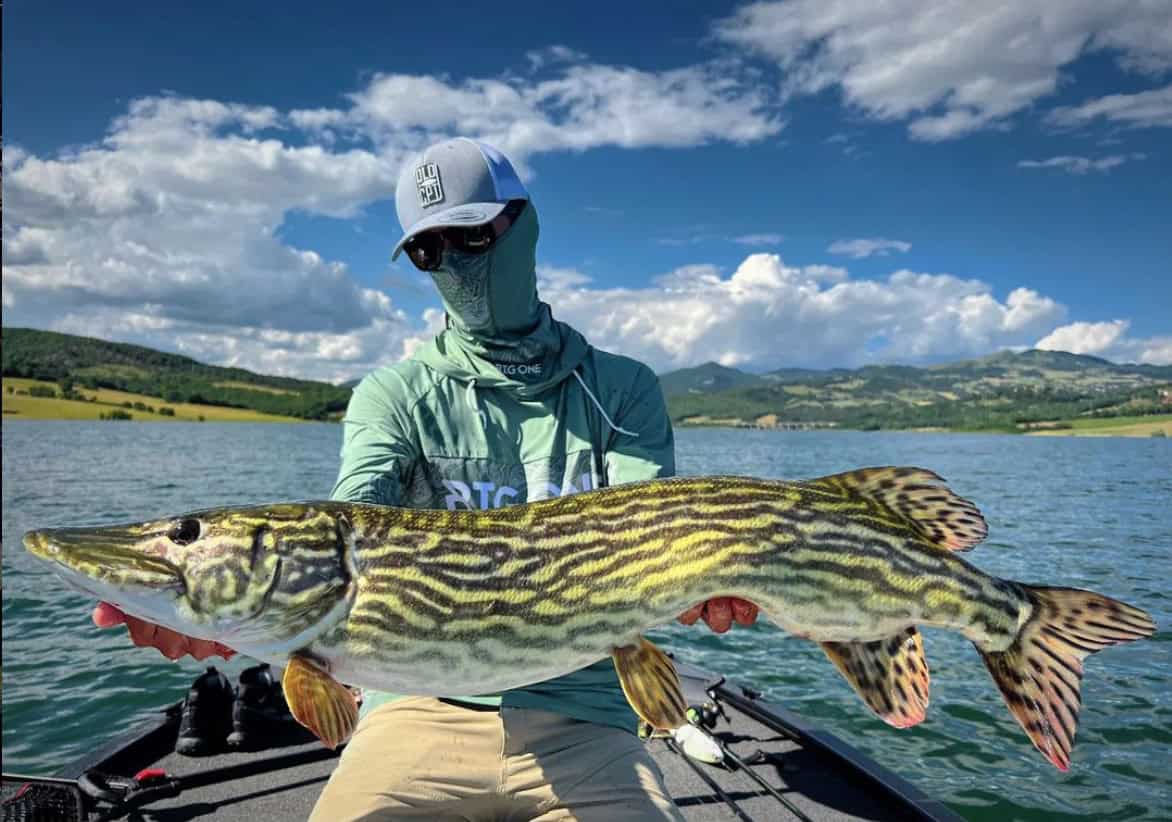
One of the most fascinating aspects of muskellunge biology is their ability to hybridize with northern pike, producing a crossbreed known as the tiger muskie (Esox masquinongy × Esox lucius). This hybrid exhibits characteristics of both parent species, including the elongated body of a muskie and the distinctive barred patterning of a northern pike. Tiger muskies are typically sterile and grow faster than either parent species, making them a popular sport fish in regions where they are found. They possess the aggression of a northern pike combined with the size potential of a muskie, making them a formidable predator and a prized catch among anglers.




2. Northern Pike (Esox lucius)
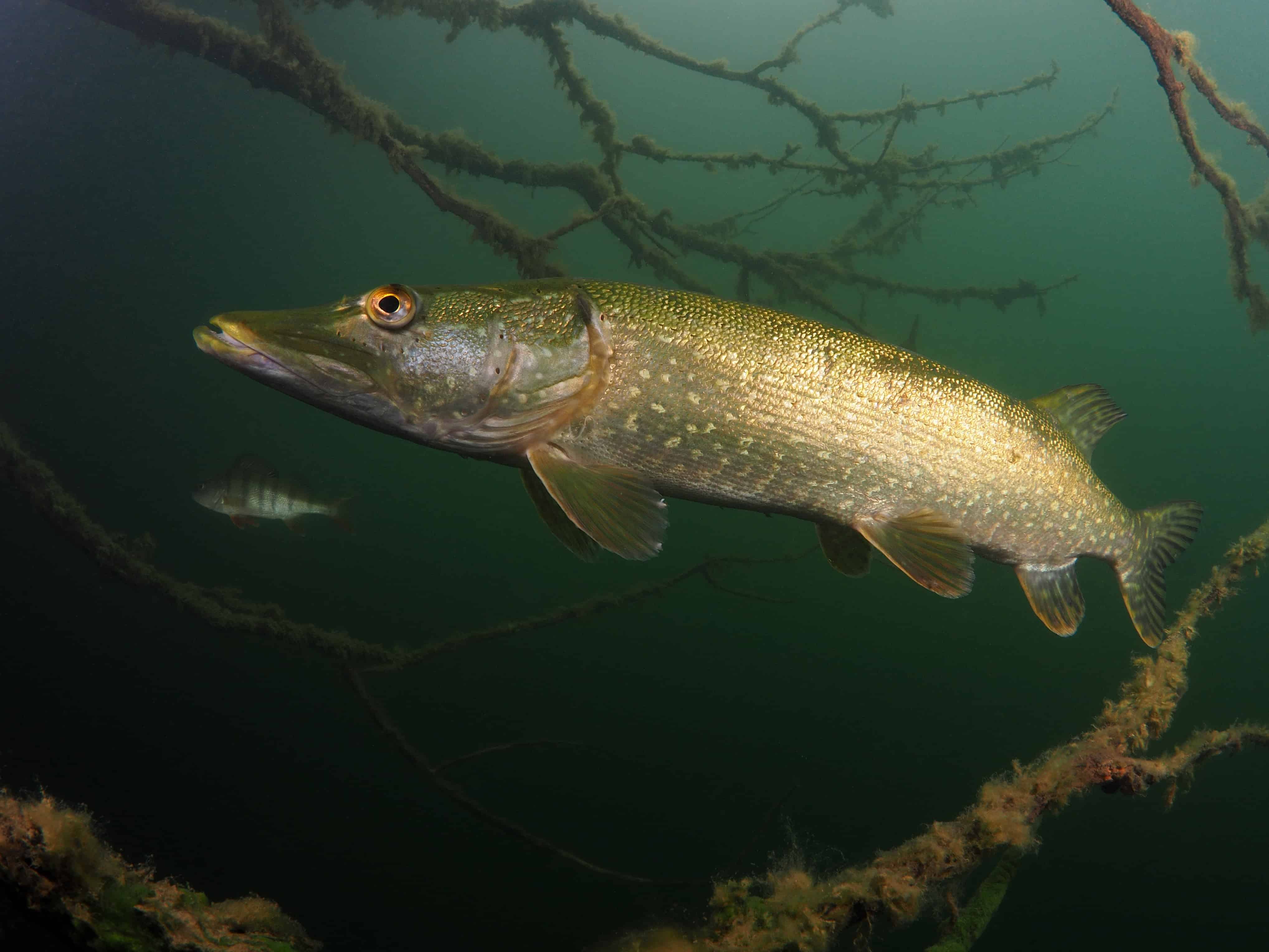
The northern pike, often simply called “pike,” is one of the most widespread predatory fish in the Northern Hemisphere. Its adaptability, aggressive nature, and impressive size make it a dominant species in many freshwater ecosystems. Larger pike frequently eat smaller ones, and some trophy-sized pike have even been found choking on fish too big to swallow.
Physical Characteristics
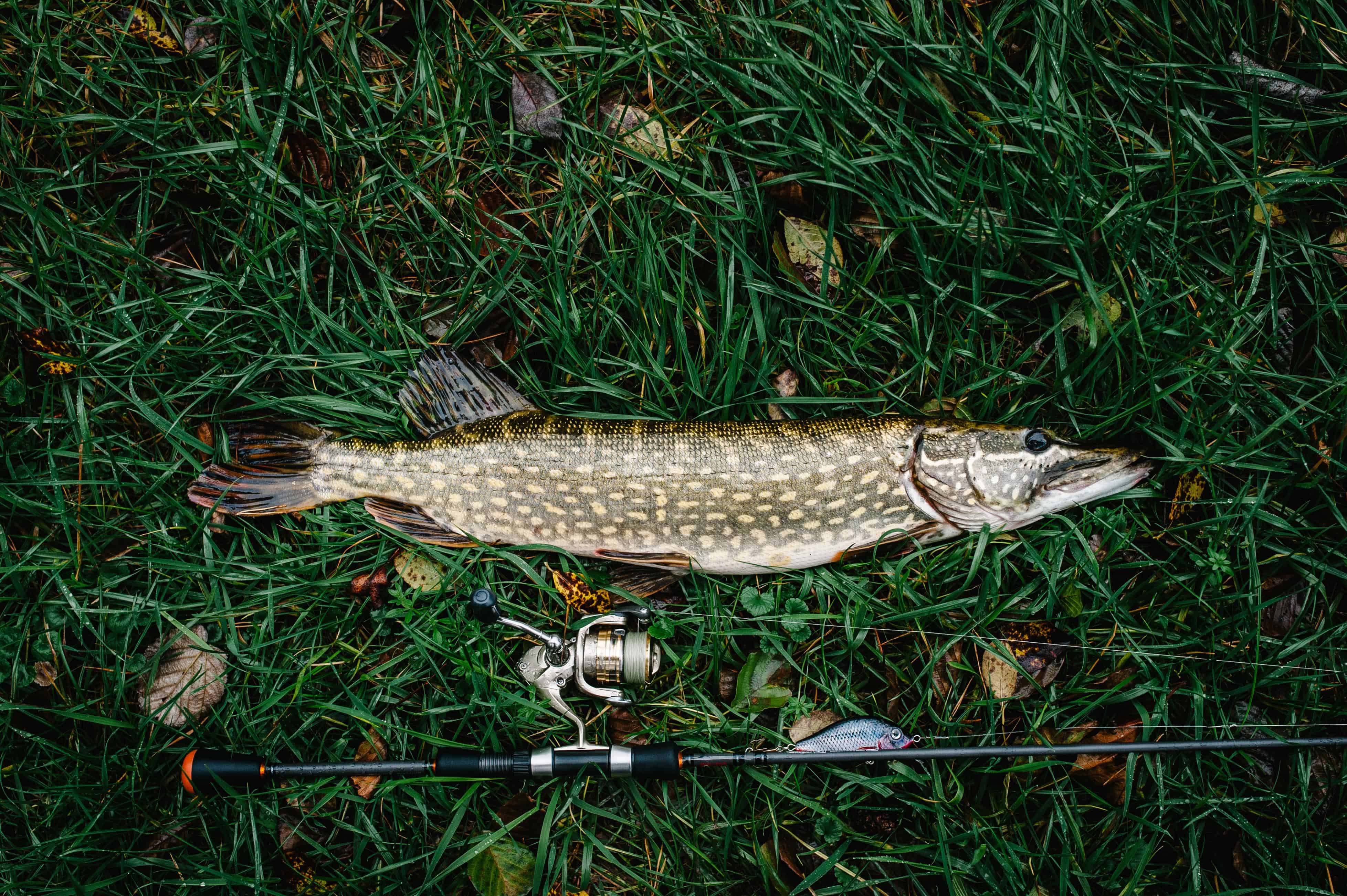
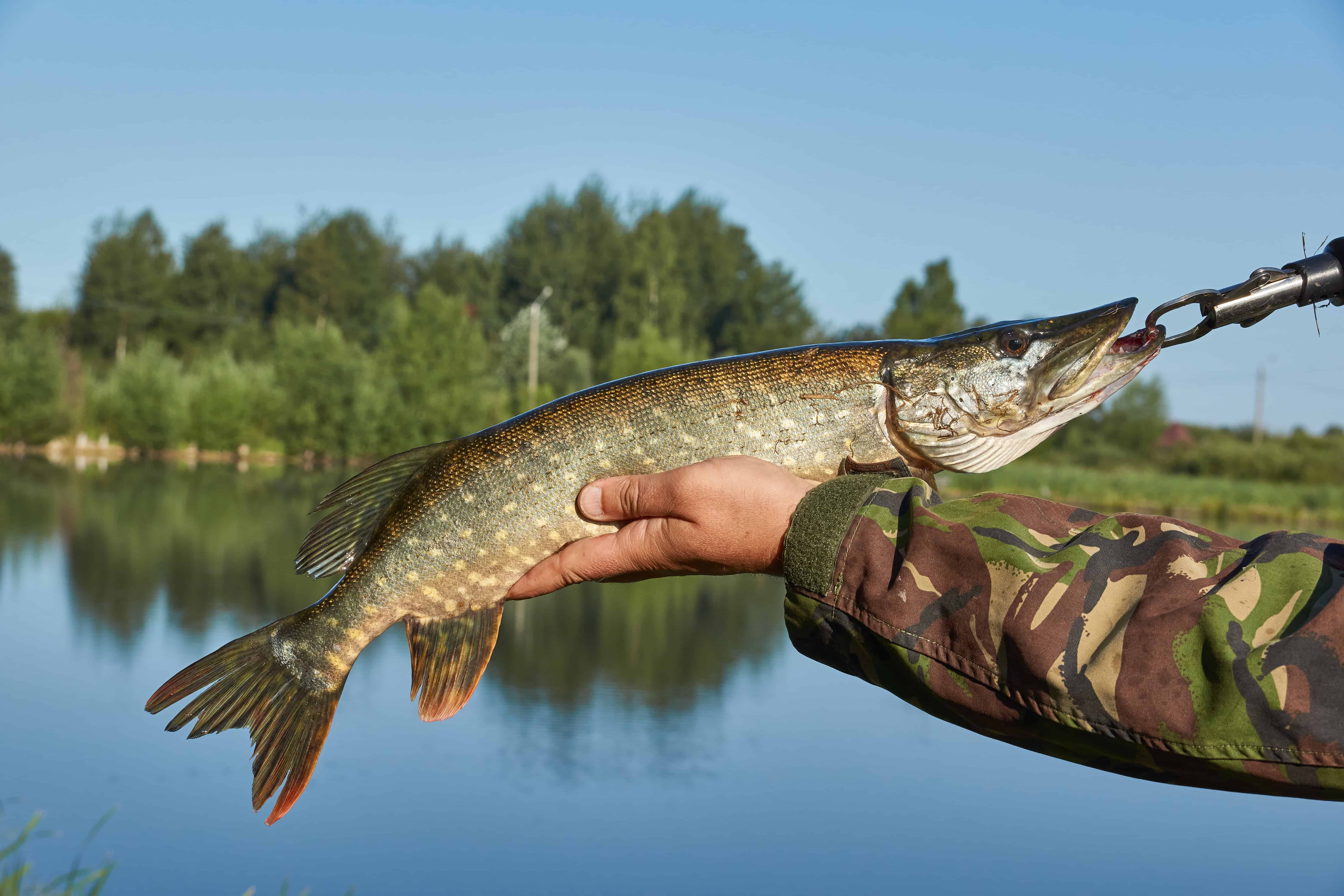
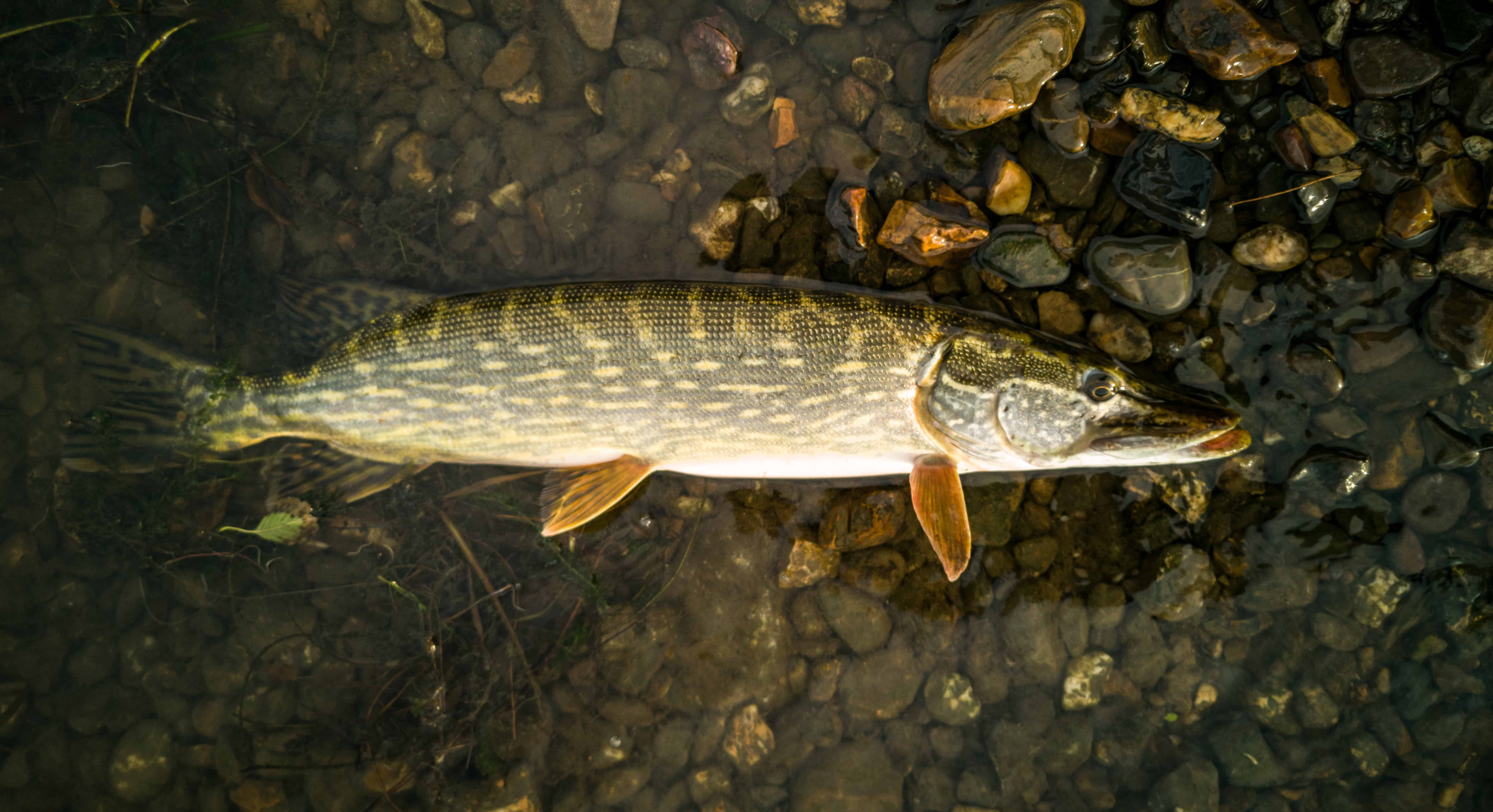
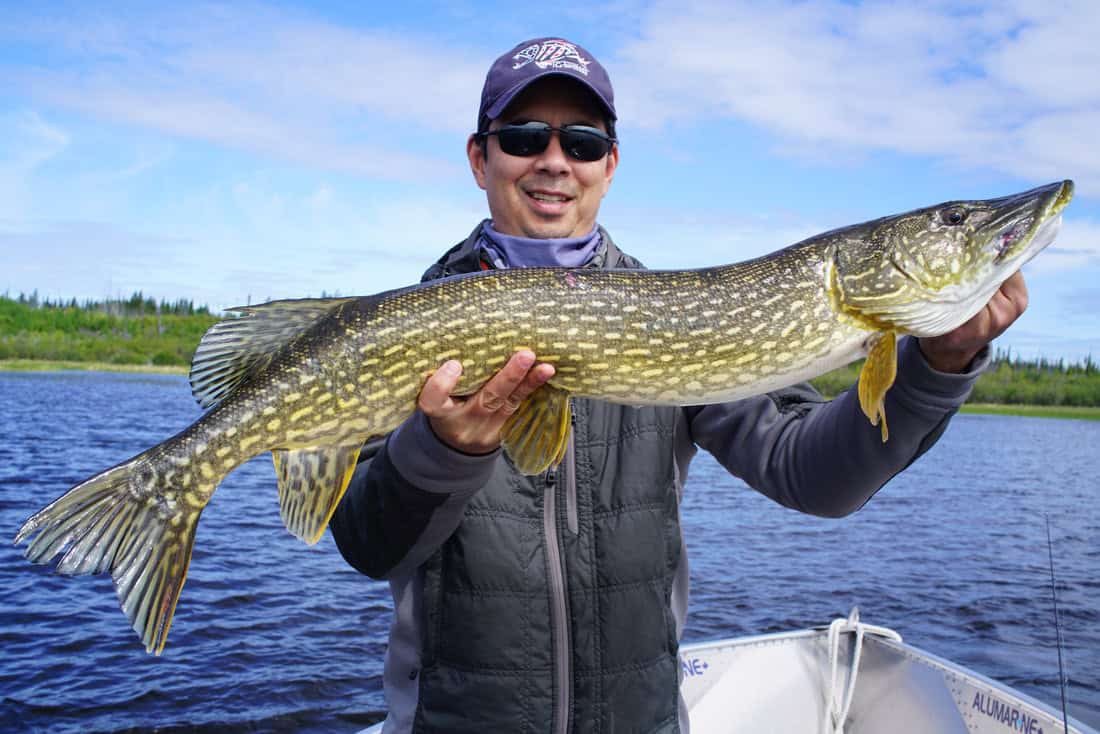
Northern pike are characterized by their elongated body, broad snout, and sharp teeth. Their coloration is typically olive-green, with yellow or white spots along their flanks. Unlike muskellunge, their markings are more uniform and consistent. The belly is white, and the fins often have a reddish hue. They can grow up to 50 inches (127 cm) and weigh over 40 pounds (18 kg), though most individuals are significantly smaller.
Habitat and Distribution
Pike are native to a vast range of freshwater systems across North America, Europe, and Asia. They thrive in lakes, rivers, and slow-moving streams, favoring weedy shallows where they can ambush prey. Northern pike are extremely resilient and can tolerate a variety of environmental conditions, including brackish water and colder temperatures.
Behavior and Diet
Northern pike are aggressive ambush predators that rely on stealth and sudden bursts of speed to catch their prey. They primarily feed on fish but will also consume amphibians, birds, and small mammals. Their sharp teeth and strong jaws allow them to tackle prey nearly half their own size.
Significance and Conservation
Northern pike are a popular target for anglers, with their explosive strikes and powerful fights making them an exciting catch. While not as acrobatic as some game fish, pike put up a strong, head-shaking battle with occasional jumps. However, in some regions, they are considered an invasive species due to their ability to outcompete native fish. Conservation efforts focus on habitat preservation, as well as management strategies to prevent their spread into non-native ecosystems.


3. Southern Pike (Esox cisalpinus)
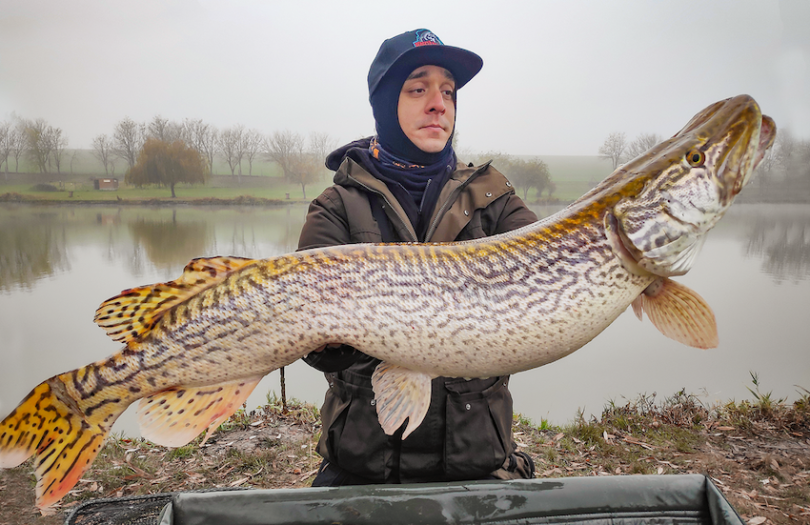
The southern pike, also known as the Italian pike, is a relatively newly recognized species within the Esox genus. It was long thought to be a regional variant of the northern pike, but genetic studies confirmed it as a distinct species. Compared to the northern pike, the southern pike tends to spawn in slightly warmer temperatures and shallower waters. This adaptation is believed to have developed due to its distribution in the warmer climates of Italy and parts of the Balkans. Anglers have noted that the southern pike tends to be warier and more difficult to catch than its northern cousin. While it shares the same ambush predation style, it is often described as less aggressive when it comes to taking bait, making it a prized but challenging catch.
Physical Characteristics
Southern pike closely resemble northern pike but tend to have a more golden-brown coloration with less distinct patterning. Their spots are often irregular and more scattered. They can reach lengths of over 40 inches (102 cm) and weigh up to 20 pounds (9 kg), making them slightly smaller on average than their northern relatives.
Habitat and Distribution
This species is native to Italy and parts of the Balkans, where it inhabits freshwater lakes, slow-moving rivers, and reservoirs. It prefers warmer waters compared to the northern pike and thrives in environments with abundant submerged vegetation.
Significance and Conservation
Due to its limited range, the southern pike is more vulnerable to habitat destruction and water pollution than its northern counterpart. Conservation efforts focus on habitat preservation and preventing hybridization. One of the biggest threats to the genetic purity of the southern pike is hybridization with introduced northern pike. In areas where both species coexist, they can interbreed, potentially diluting the distinct genetic traits of the Italian pike population. Conservation efforts focus on protecting pure populations from this threat.
Looking to tick the Italian Pike off your bucket list? Check out this trip aimed specifically at targeting this elusive species in Italy’s great lakes.



4. Amur Pike (Esox reicherti)
The Amur pike is a lesser-known yet fascinating member of the Esox genus, distinguished not only by its striking appearance but also by its relative isolation from its more famous relatives. Unlike the northern pike, which has a vast range across the Northern Hemisphere, the Amur pike is confined to select river systems in East Asia, making it one of the more regionally specialized species of the group. Its unique coloration and aggressive hunting style have made it an increasingly sought-after game fish, particularly among adventurous anglers willing to explore the remote waters of Russia, China, and Mongolia. Despite its limited range, the Amur pike has managed to thrive in its habitat, demonstrating remarkable adaptability to cold, fluctuating environments. Some local fishing communities believe it has mystical qualities due to its elusive nature and powerful strikes, reinforcing its status as an enigmatic predator of the East.
Physical Characteristics
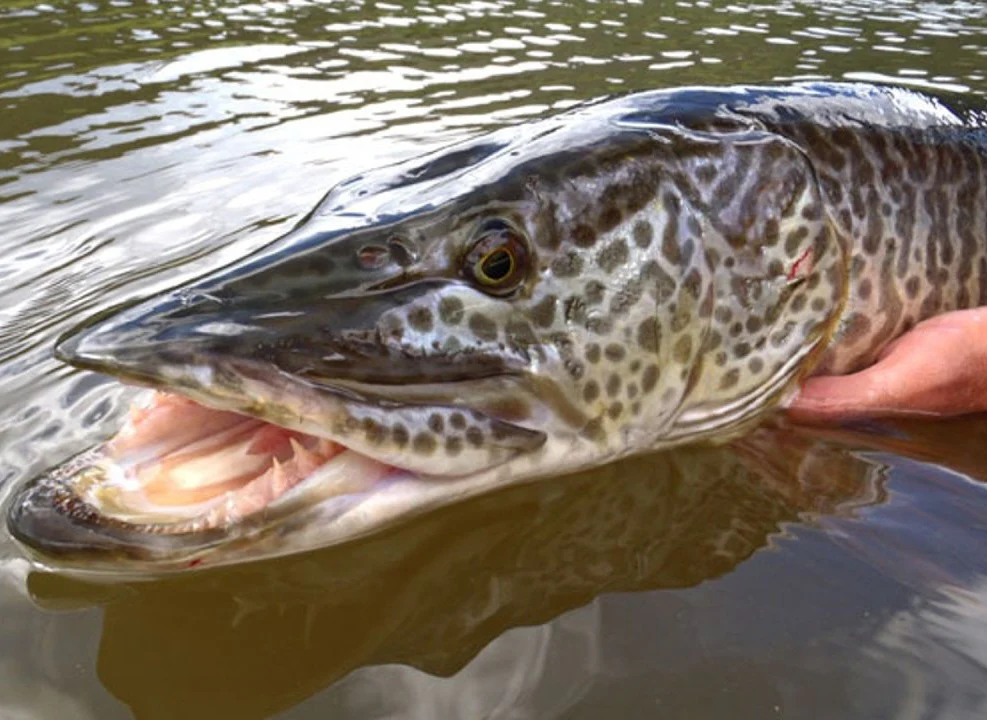
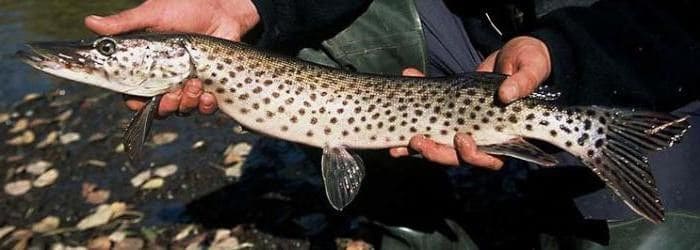
Amur pike share the elongated, torpedo-like body shape common to all members of the Esox genus, but their coloration sets them apart. Unlike the olive-green hues of northern pike or the varying patterns of muskellunge, Amur pike exhibit a striking silver-gray body adorned with black, net-like markings. This pattern provides excellent camouflage in the weedy, murky waters they inhabit. They can reach lengths of over 45 inches (114 cm) and weigh up to 30 pounds (13.6 kg), making them a formidable predator in their ecosystem.
Habitat and Distribution
Amur pike are primarily found in the freshwater systems of the Amur River basin, which spans parts of Russia and China. However, they are also present in several Mongolian river systems, particularly those connected to the Amur drainage. These fish thrive in slow-moving, vegetated waters, including lakes, backwaters, and large river floodplains, where they rely on dense aquatic plants for ambush hunting.
Behavior and Diet
Like other pike species, the Amur pike is an ambush predator that relies on stealth and speed to capture prey. It primarily feeds on fish but will also consume amphibians and small aquatic mammals when available. Due to its relatively isolated habitat, its diet is often dictated by the local fish species within its range.
Significance and Conservation
While the Amur pike is less well-known than its North American and European counterparts, it has gained attention among anglers and ichthyologists for its unique appearance and aggressive nature. Unlike northern pike, it has a much more restricted range, making it more susceptible to habitat degradation, climate change, and human activity. Overfishing and pollution in parts of its range have raised some conservation concerns, though it is not currently classified as a threatened species. Continued monitoring and habitat protection efforts will be crucial in ensuring the stability of Amur pike populations in the future.



The Esox genus represents some of the most efficient freshwater predators on the planet. Each species—the muskellunge, northern pike, southern pike, and Amur pike—has evolved unique adaptations to its environment while retaining the classic characteristics that make pike such formidable hunters. Whether in North America, Europe, or Asia, these fish play a crucial role in maintaining ecological balance and continue to captivate anglers and biologists alike.