
Cuba Fishing Guide
Fishing in Cuba: The Ultimate Guide to Bonefish, Tarpon, and Permit
Cuba is one of the last truly unspoiled saltwater fishing destinations in the Caribbean. Protected marine ecosystems, minimal commercial development, and carefully managed fisheries have preserved its remarkable flats and backcountry lagoons. Anglers from the United States and Canada travel here to target trophy bonefish, elusive permit, and acrobatic tarpon in vast, shallow habitats that feel frozen in time.
Why Fish Cuba?
Cuba offers a combination of factors that make it unique in the Caribbean. The country’s marine parks, such as Jardines de la Reina, are managed under strict conservation rules. Catch and release policies, low angling pressure, and carefully regulated access help maintain thriving fish populations. The flats are expansive and diverse, with clean white sand, turtle grass, and mangrove channels that create perfect conditions for sight fishing. While many Caribbean fisheries have become crowded or overdeveloped, Cuba remains pristine and uncrowded.
Main Fishing Areas in Cuba
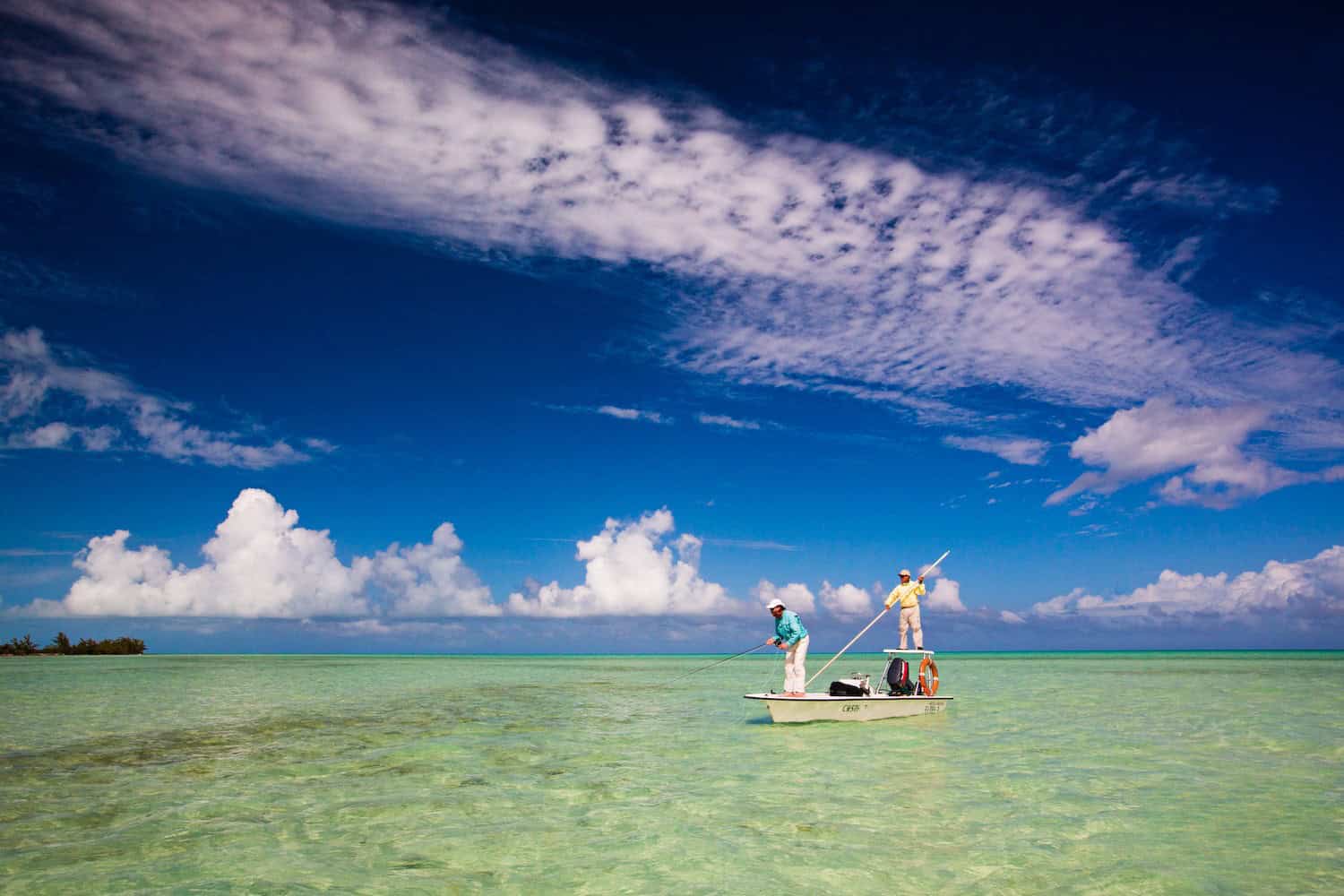
Jardines de la Reina (Gardens of the Queen) is the flagship Cuban fishery and often described as the best flats destination in the Caribbean. Located about 60 miles south of the mainland, this protected marine park stretches over 800 islands and cays. Anglers fish from skiffs by day and return each evening to comfortable liveaboard yachts. The variety here is unmatched: bonefish tailing in shallow bays, permit cruising over coral edges, and tarpon rolling in mangrove lagoons.
Cayo Largo is an island complex southwest of Havana known for crystal-clear flats and a very high success rate for Grand Slams (bonefish, tarpon, and permit in a single day). The guides are experienced and professional, and the infrastructure includes modern skiffs, established lodges, and convenient air connections.
Zapata Peninsula is one of Cuba’s wildest areas. This UNESCO Biosphere Reserve features a maze of mangroves, creeks, and channels that hold excellent populations of juvenile tarpon and snook. Fewer anglers venture here, so pressure is minimal, and the fishing can feel like a true expedition.
Target Species
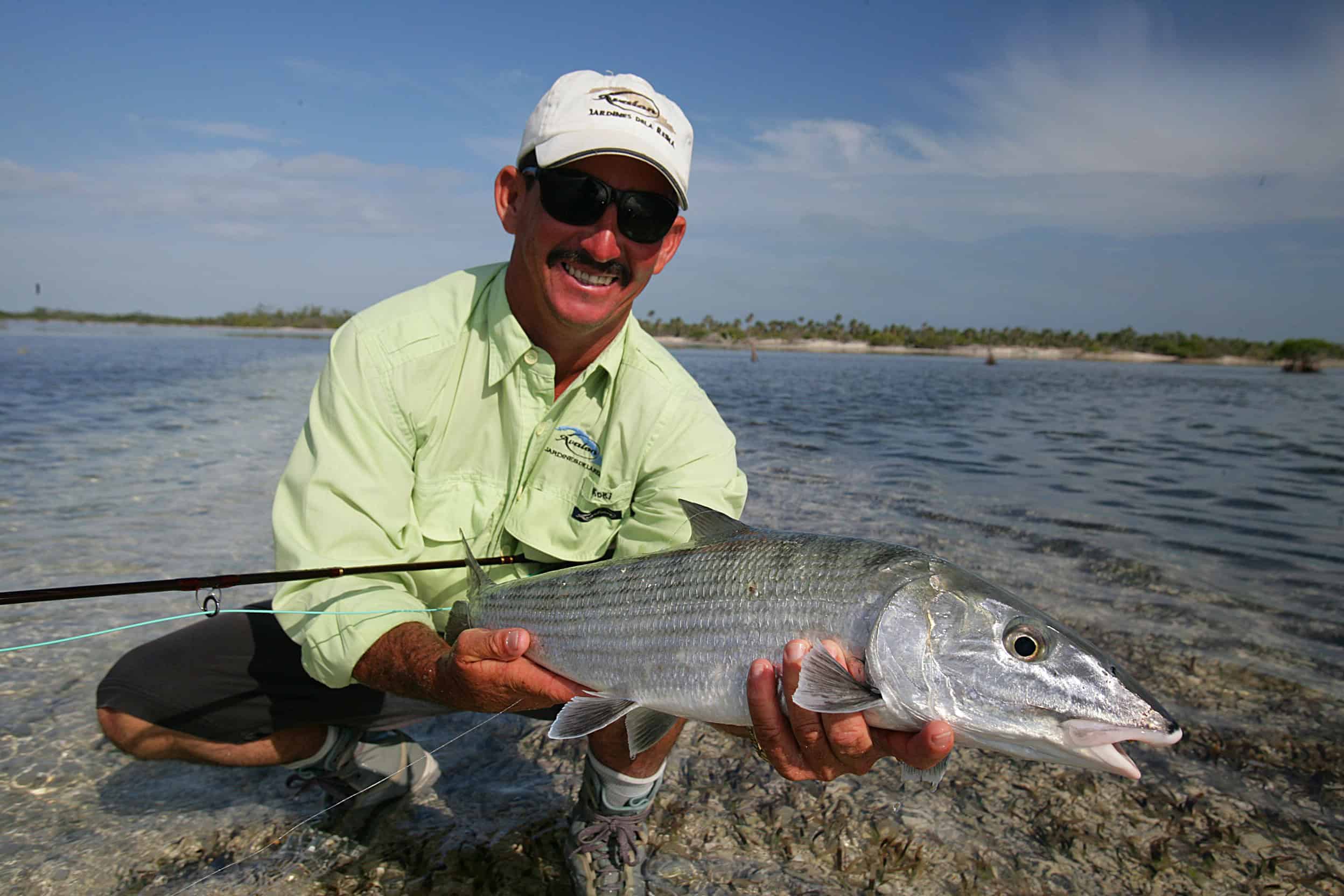
Bonefish are the mainstay species in Cuba. Average fish weigh 3 to 6 pounds, but 8-pound fish are not uncommon. The sheer abundance of bonefish makes Cuba an excellent destination for both beginners and advanced flats anglers.
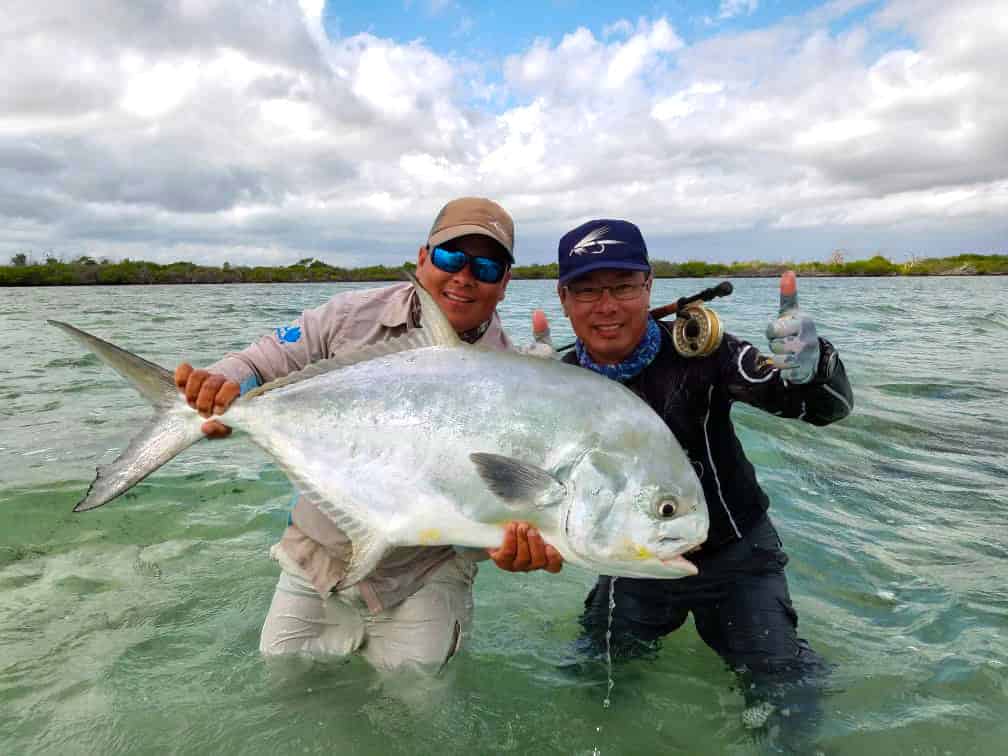
Permit are considered the holy grail of saltwater fly fishing. Cuba’s permit population is healthy, with fish commonly ranging from 10 to 25 pounds. Cayo Largo and Jardines de la Reina are especially known for consistent permit encounters.
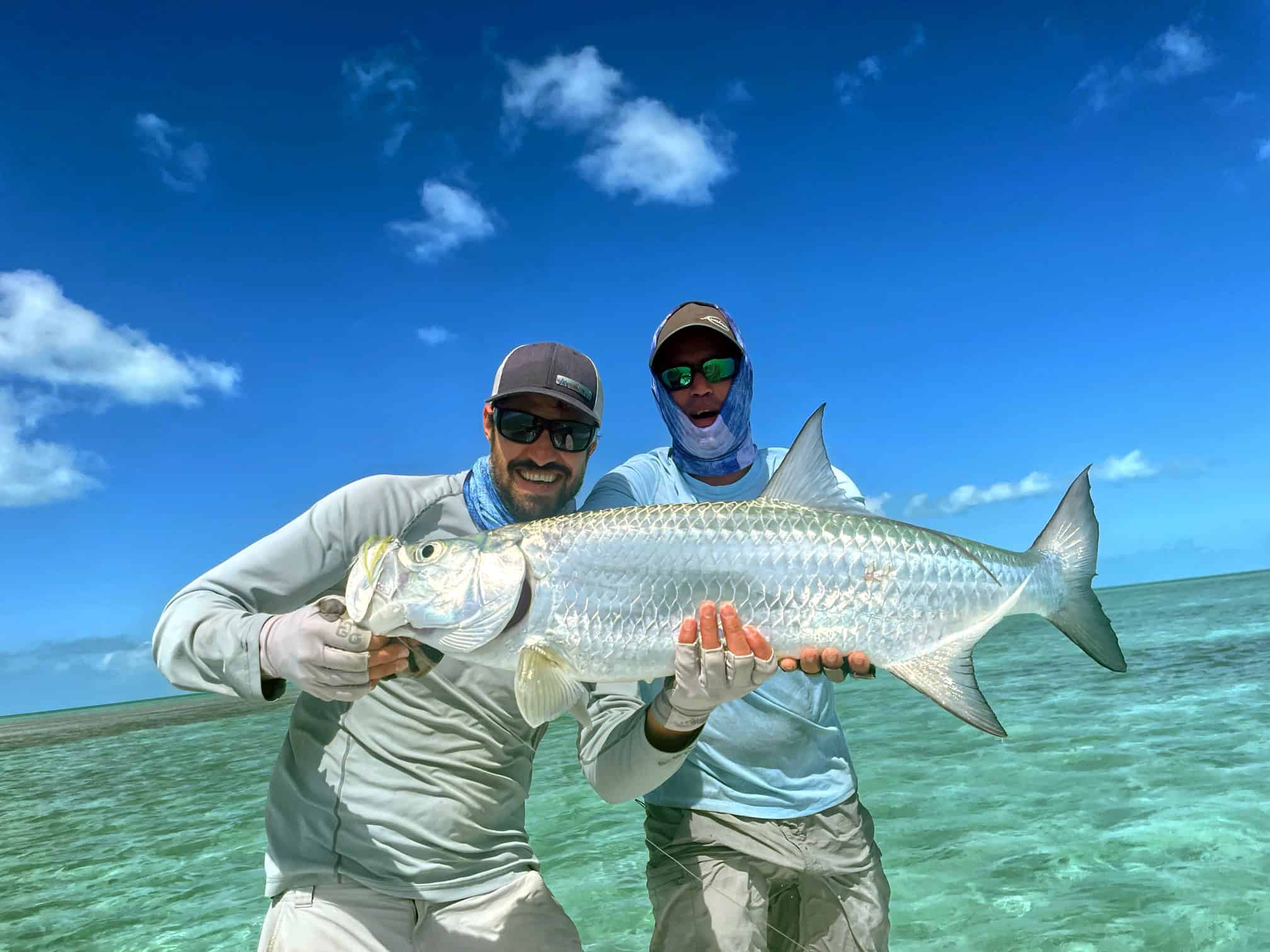
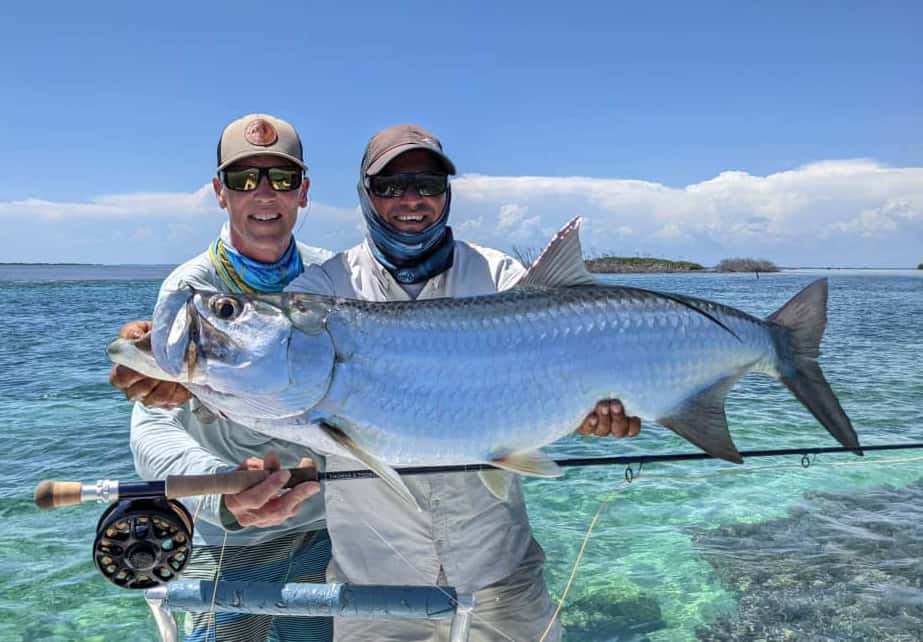
Tarpon are present year-round. Resident juveniles under 40 pounds live in the mangroves, while larger migratory tarpon arrive between April and August, offering shots at fish over 100 pounds.
Other species you may encounter include snook, barracuda, jacks, snapper, and triggerfish.
Best Time to Fish Cuba
Cuba is a year-round destination, but certain times of year offer better conditions depending on your target species. The dry season from November to April brings stable weather, pleasant temperatures, and minimal rainfall. This period is especially good for bonefish and permit. The tarpon migration peaks between April and August, when large adult fish move into shallow channels and lagoons. If you are focused on big tarpon, plan your trip in late spring or early summer.
Travel Logistics and Entry Requirements
Most anglers traveling to Cuba fly into José Martí International Airport in Havana. From Havana, you may take a domestic flight or charter to your final destination, such as Cayo Largo or the Jardines de la Reina departure point. Canadians can visit Cuba with a standard tourist card, which is often provided by airlines or purchased in advance.
U.S. citizens can legally visit Cuba under specific travel categories, such as educational, cultural, or research trips. Most reputable outfitters work with licensed travel service providers to ensure compliance with U.S. regulations. Always confirm your paperwork and travel category before booking flights.
Note that American credit and debit cards generally do not work in Cuba. Bring sufficient cash (euros are often preferred over U.S. dollars) and change money upon arrival.
Lodging and Fishing Operations
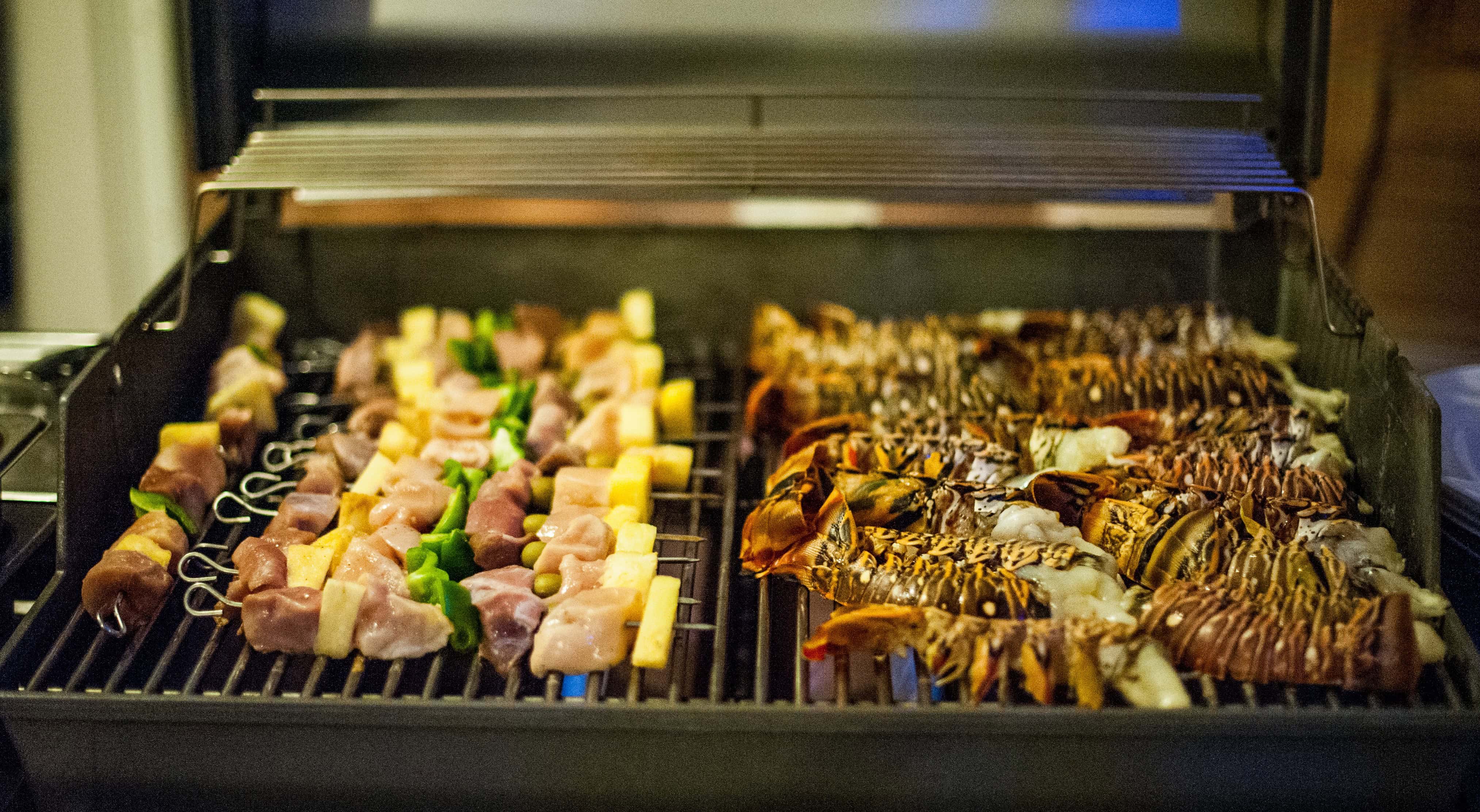
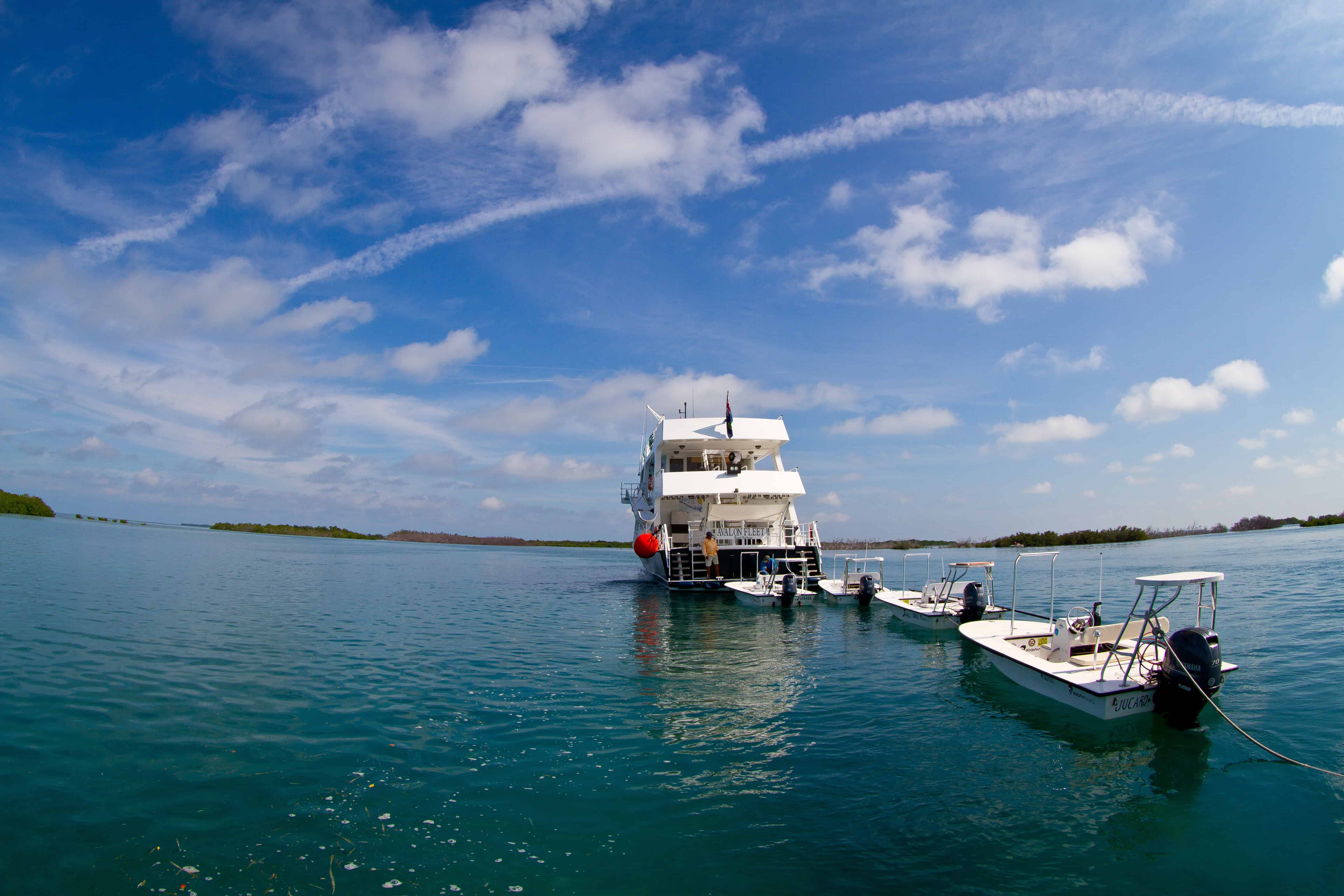
Most anglers fishing Jardines de la Reina stay on liveaboard yachts operated by Avalon, the exclusive outfitter for this region. The Avalon Fleet I and II and the Georgiana offer comfortable private cabins, chef-prepared meals, and daily guided skiff fishing. This liveaboard format allows you to access remote flats without returning to shore each night.
In Cayo Largo, anglers often stay at Hotel Sol Cayo Largo, which is convenient to the marina and offers modern amenities, or at private rental casas if you prefer more local accommodations.
In the Zapata Peninsula, fishing is typically lodge-based, with daily skiff departures to explore backcountry lagoons.
What to Bring
Bring 8- and 9-weight rods for bonefish and permit, and 10- to 12-weight rods for tarpon. Saltwater floating fly lines are essential. Leaders typically run 10- to 16-pound fluorocarbon for bonefish and heavier shock tippets for tarpon. Pack a good selection of flies, including crab and shrimp patterns for permit, Clousers and Gotchas for bonefish, and black-and-purple or red-and-black tarpon streamers.
You will also need flats wading boots, sun-protective clothing, polarized sunglasses, a waterproof pack, insect repellent, and basic first aid supplies. Bring any essential medications, as pharmacies can be limited outside Havana.
Conservation and Sustainability
Cuba has earned a reputation as a leader in marine conservation. Strict limits on angler numbers, catch-and-release mandates, and careful management of fishing concessions have kept fish populations healthy. When you fish in Cuba, you contribute directly to the protection of these fisheries through concession fees and research partnerships.
Why Choose Cuba for Your Next Fishing Trip
Cuba offers one of the richest and most authentic saltwater fishing experiences in the Western Hemisphere. You will find expansive flats with minimal pressure, healthy fish populations, and a sense of place that feels timeless. Beyond the fishing, you can explore vibrant Havana, experience Cuban music and cuisine, and immerse yourself in the Caribbean’s most unique culture.
For North American anglers seeking a destination that combines world-class flats fishing with adventure and history, Cuba deserves a top spot on any bucket list. Whether you are targeting your first bonefish or chasing the challenge of a permit on fly, Cuba promises an unforgettable fishing journey.

Ready to fish Cuba’s legendary flats?
Contact us to plan your Cuba fishing adventure or browse our recommended outfitters and travel packages.