
Belize Fishing Guide
Fishing in Belize: A Travelling Angler’s Guide
Belize has earned a reputation as one of the Caribbean’s most spectacular sportfishing destinations. With its miles of gin-clear flats, vibrant coral reefs, and deep blue offshore waters, this tiny country punches far above its weight in variety and thrill. Whether you dream of stalking the Grand Slam trio on fly—permit, bonefish, and tarpon—or chasing billfish beyond the reef, Belize promises an unforgettable adventure.
Below, you’ll find everything you need to plan a fishing trip here, from the prime seasons to the best regions and practical details.
Fishing Regions & What They Offer
Ambergris Caye and Northern Flats
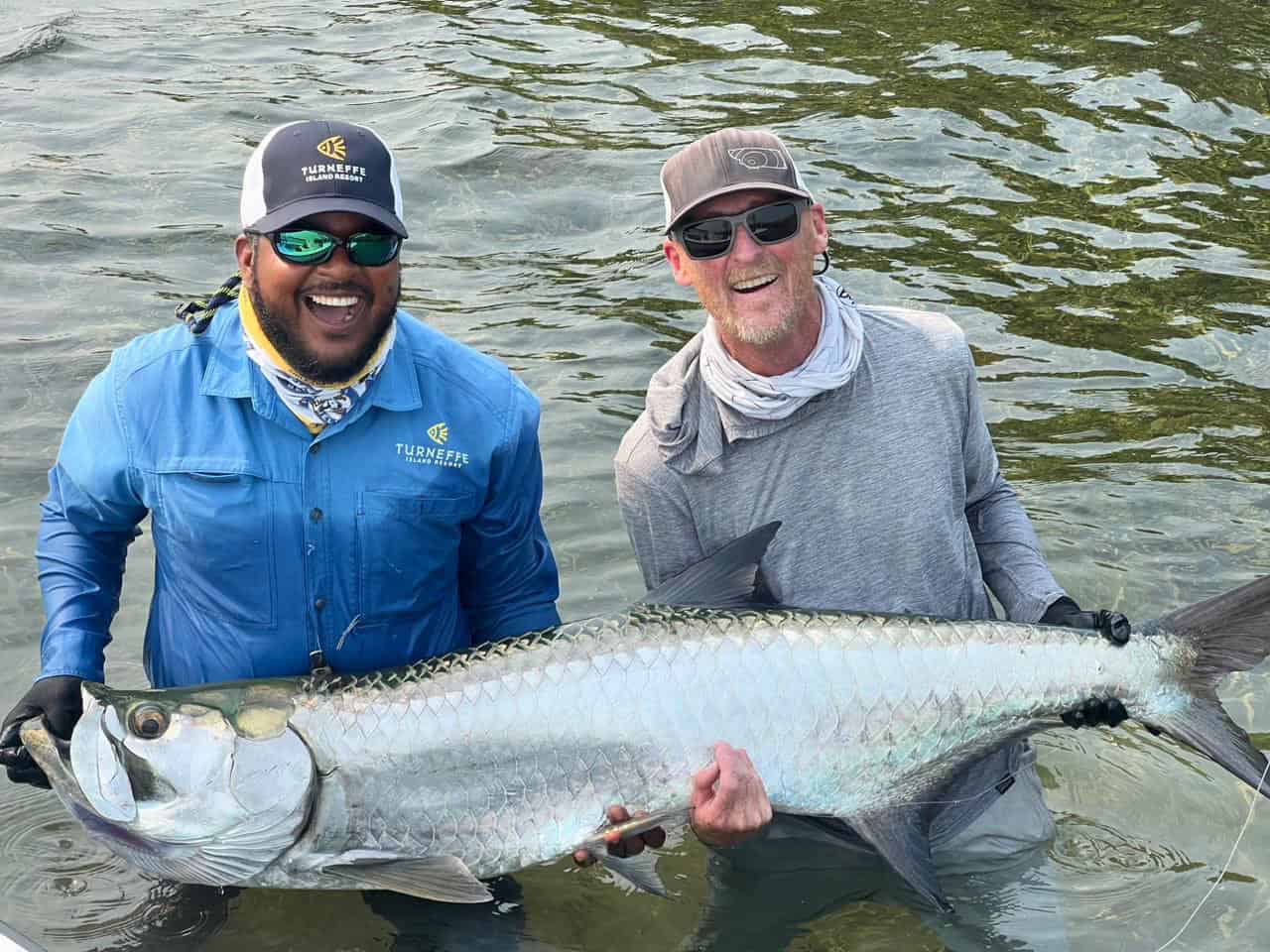
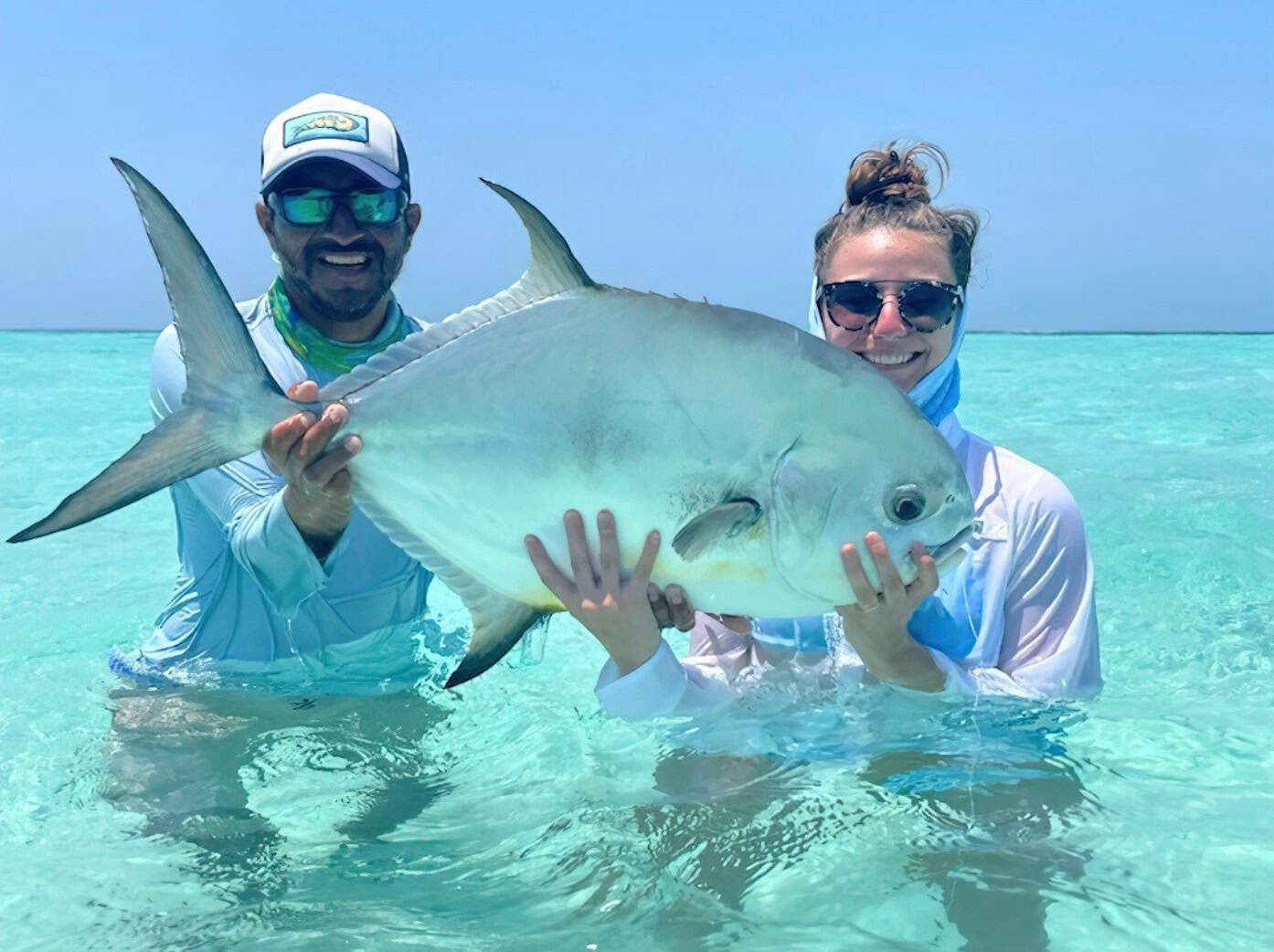
This is Belize’s most famous fly-fishing playground. The pancake flats that stretch from Ambergris Caye north toward the Bacalar Chico Marine Reserve are prime permit territory. Few places on earth see as many anglers dedicate their entire trip to this one elusive fish. Permit are the region’s crown jewel, found year-round with the peak from April through September. Bonefish are abundant in shallower flats, best from March to October. Juvenile tarpon (20–60 lbs) are resident year-round, with migratory adults arriving June through September. Barracuda and snapper are always willing to oblige when the flats’ stars are shy. Ambergris Caye Package
Turneffe Atoll
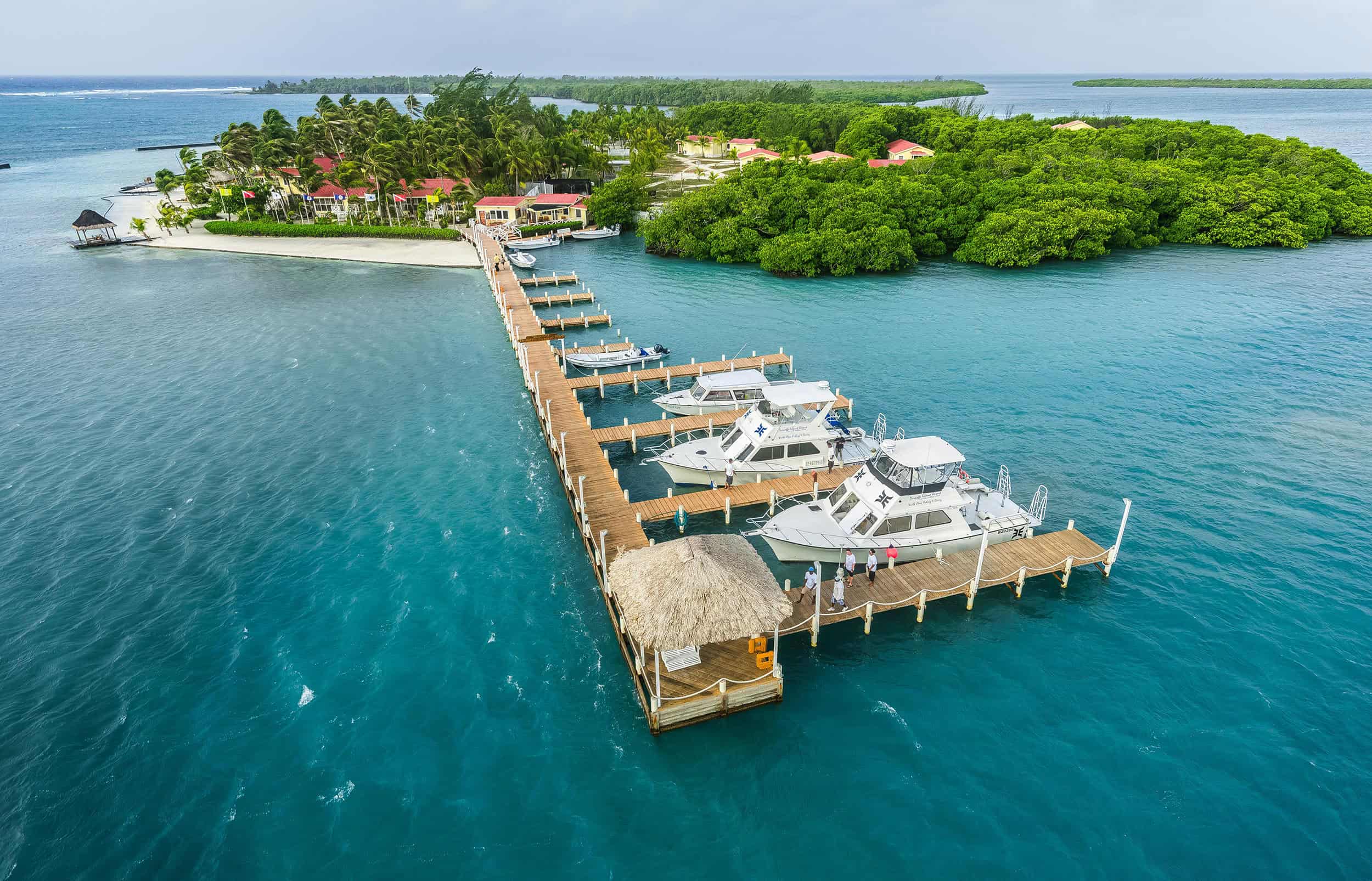
About 20 miles offshore, Turneffe is the largest coral atoll in the Western Hemisphere. The endless flats, mangrove channels, and coral lagoons are a fly angler’s dream. Bonefish provide reliable action year-round. Permit are common along the edges of the flats. Tarpon fishing is excellent in summer. Jacks and snook frequent the lagoons and creeks. Turneffe Atoll Package
Placencia and Southern Coast
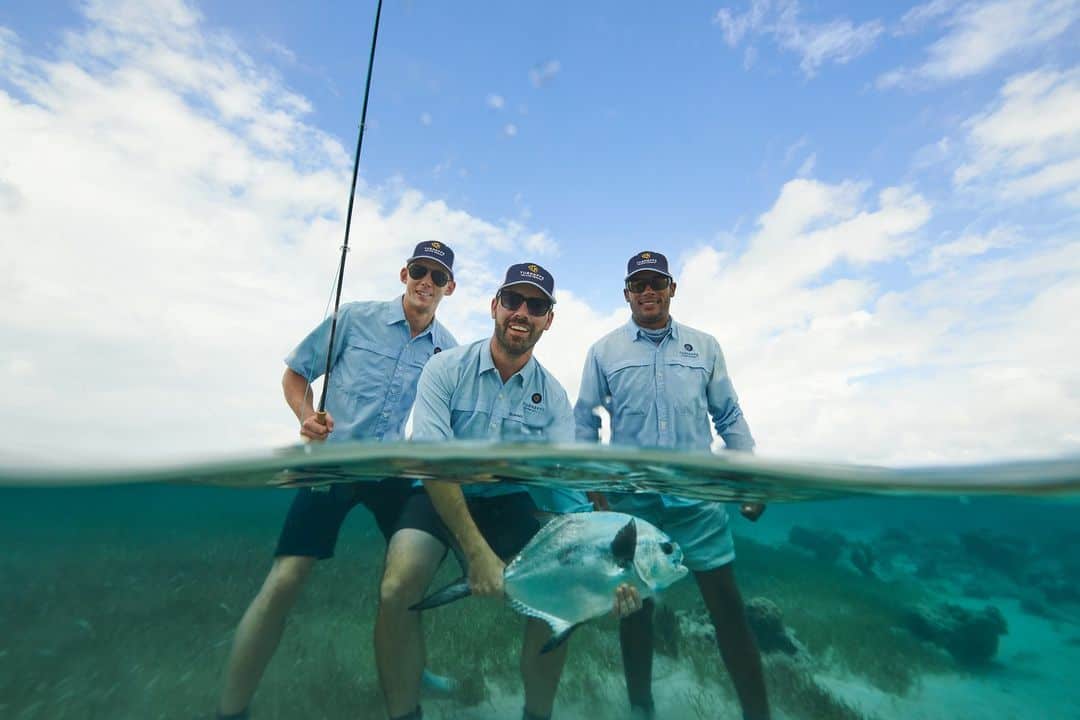
Placencia’s mix of flats and blue water makes it an ideal all-round base. Just offshore, the Sapodilla Cayes and Gladden Spit offer exceptional opportunities. Southern flats hold some of the largest permit in Belize. Bonefish are plentiful, though slightly less dense than Turneffe. Tarpon fishing peaks May through September. From March to June, whale shark encounters often overlap with fishing days. The reef and offshore fishery holds wahoo, dorado, tuna, and billfish.
Deep Sea and Reef Fishing
The outer reef offers prolific action for conventional anglers. From Belize City, San Pedro, or Placencia, boats run daily trips targeting snapper and grouper year-round. King mackerel, wahoo, and dorado are best from November through March. Sailfish and marlin show up May through September.
Best Seasons by Species
| Species | Peak Season |
|---|---|
| Permit | April to September |
| Bonefish | Year-round, best March to October |
| Tarpon | June to September (migratory), juveniles year-round |
| Snook | November to March |
| Wahoo | November to March |
| Sailfish | May to September |
Techniques and Gear
Fly Fishing
Rods: 8-weight for bonefish, 9 or 10-weight for permit, 10 to 12-weight for tarpon
Lines: Floating lines with tropical cores
Leaders: 9 to 12 feet, fluorocarbon tippets recommended
Flies: For permit, spawning shrimp patterns and raghead crabs in tan or olive. For bonefish, Gotchas, Crazy Charlies, and small mantis shrimp. For tarpon, cockroach and toad patterns in black, purple, or chartreuse.
Spin and Conventional Tackle
Medium spinning outfits are great for barracuda and jacks. Heavier setups work best for reef and offshore species. Jigs, poppers, and trolling lures all produce results offshore.
Fishing Lodges and Charters
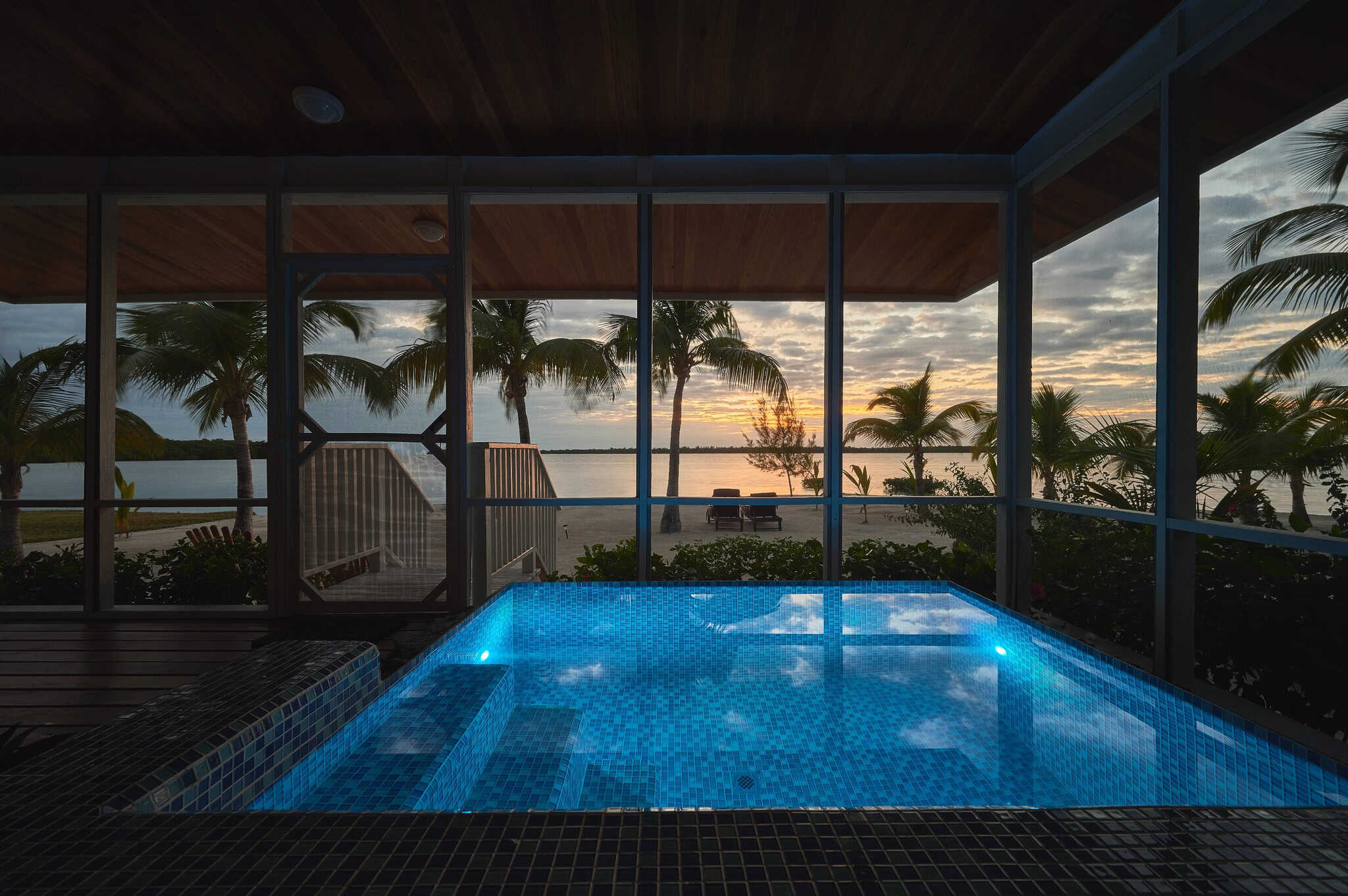
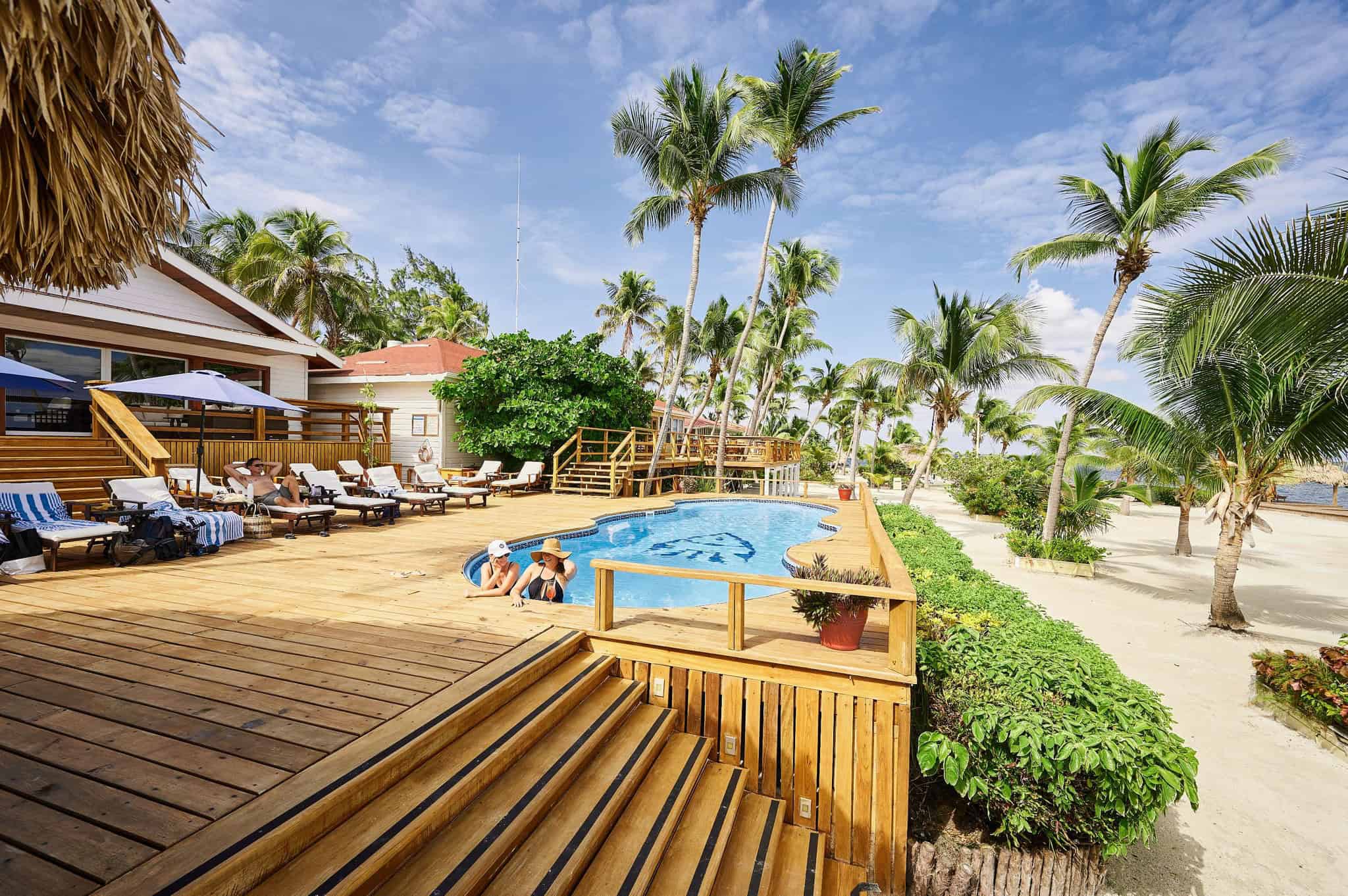
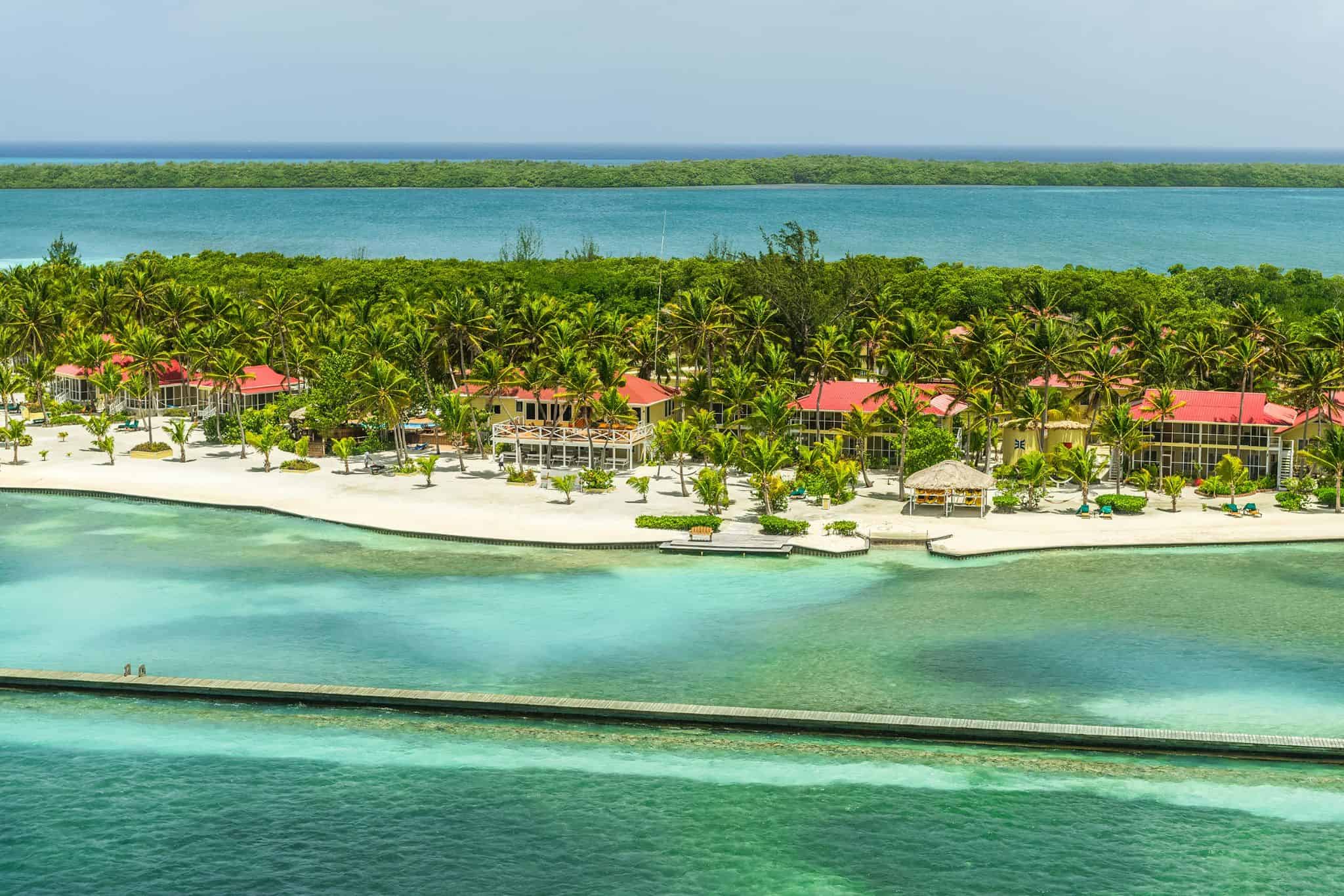
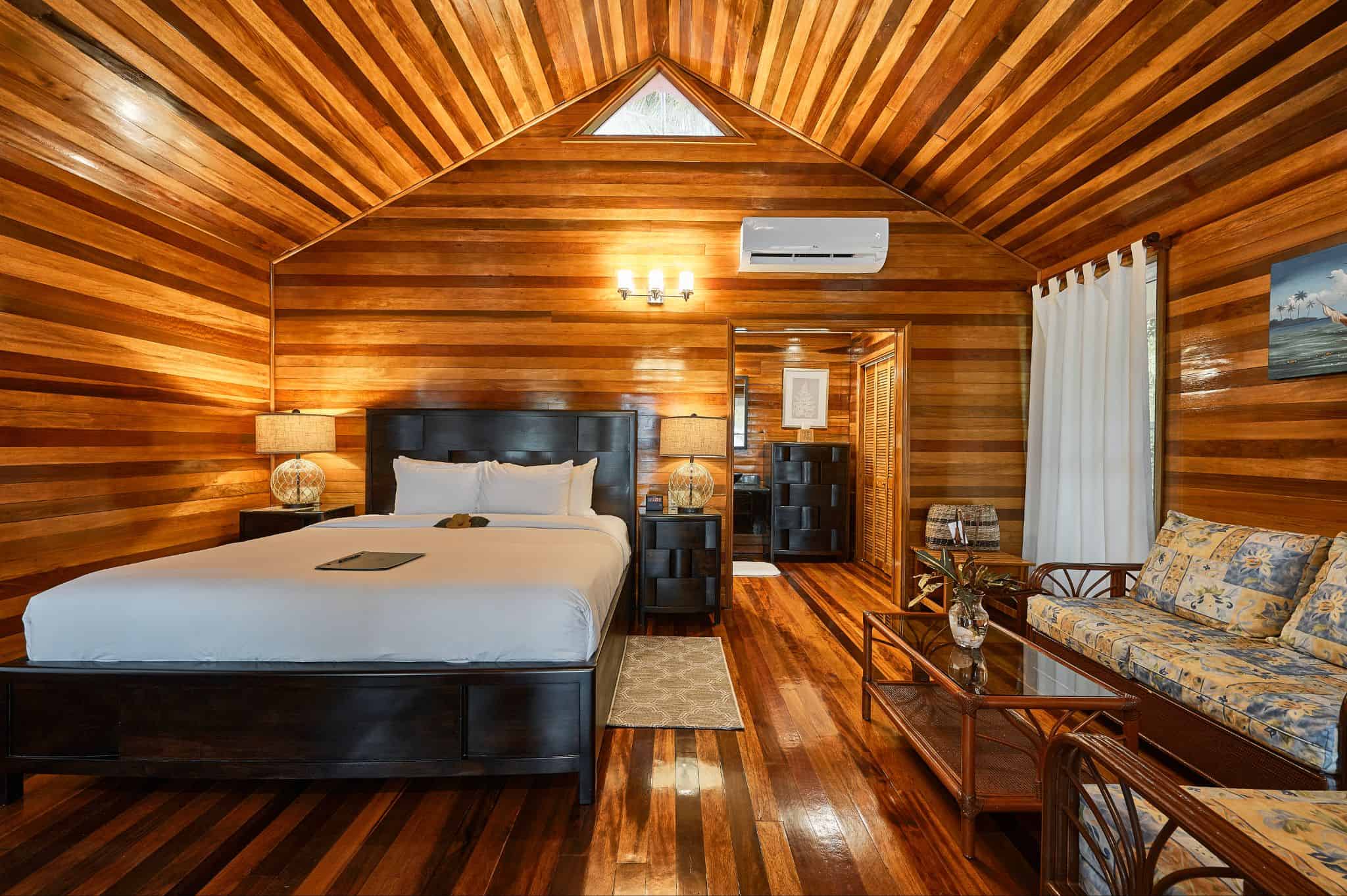
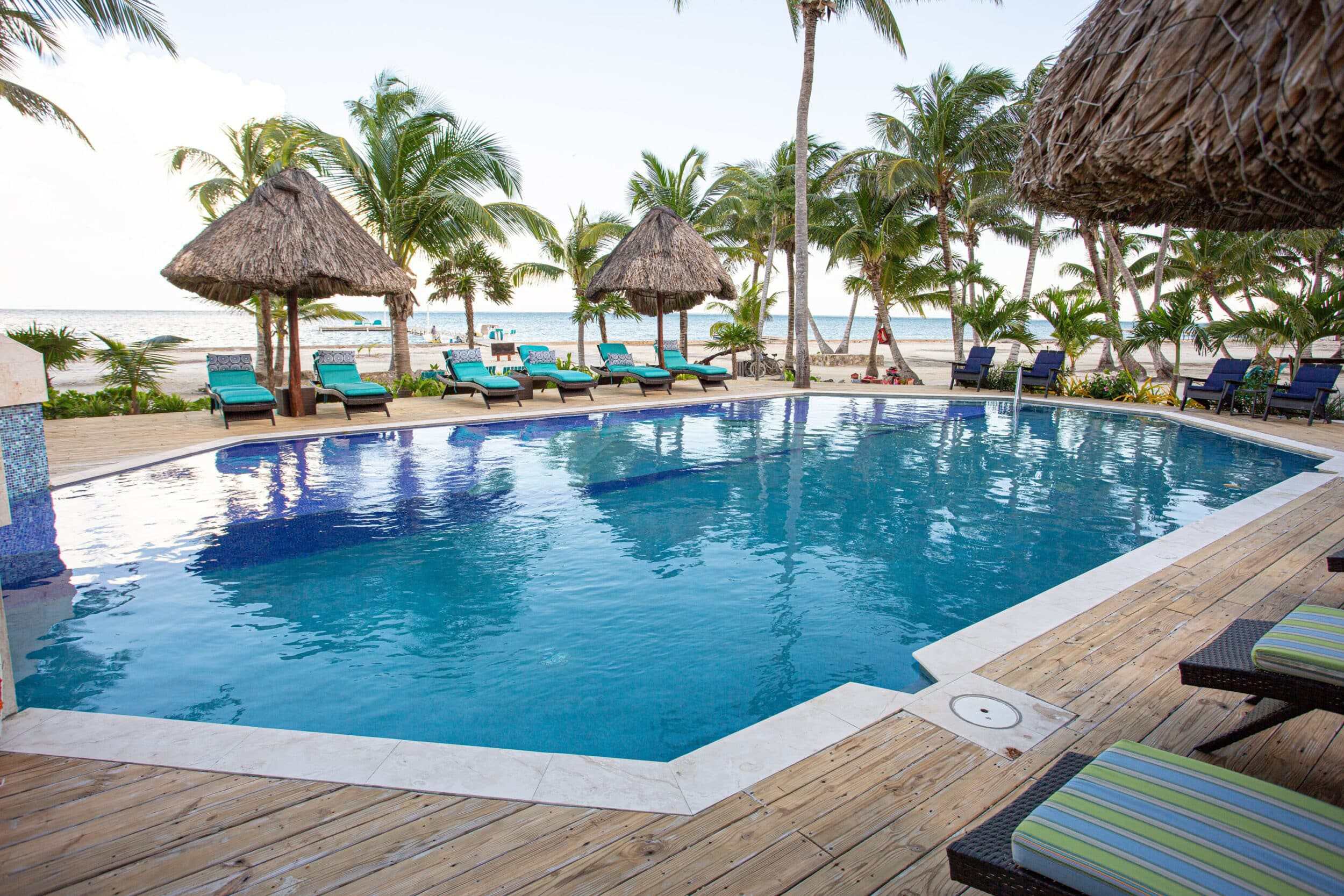
Some of the Caribbean’s finest fishing lodges are here. Notable options include El Pescador Lodge on Ambergris Caye, a legendary base with expert guides and Grand Slam ambitions. Turneffe Island Resort is combines luxury and epic flats. Blue Horizon Lodge in Placencia specializes in permit-focused trips with quick access to the southern flats. Belize River Lodge near Belize City offers a unique blend of river, flats, and reef fishing.
Charters can also be arranged from San Pedro, Placencia, or Hopkins for day trips and offshore excursions.
Licenses and Regulations
All anglers need a fishing license, which most lodges and guides can arrange for you. Catch-and-release is required for all bonefish, tarpon, and permit. Reef species have size and bag limits, so check with your guide or the Belize Fisheries Department before you go. Barbless hooks are strongly recommended to protect fish.
Travel Logistics
Access
Fly into Philip S.W. Goldson International Airport (BZE). From Belize City, connect to Ambergris Caye by water taxi or domestic flight. Placencia and Hopkins are reached by short flights or scenic drives.
What to Pack
Polarized sunglasses with amber or copper lenses. Lightweight long sleeves, Buff, and reef-safe sunscreen for sun protection. A quality rain jacket, as tropical showers come fast. Waterproof camera or phone case. Insect repellent for evenings. Your own tackle if you prefer familiar gear, though lodges also provide equipment.
Why Belize for Fishing
Belize has a rare combination of accessibility, English-speaking guides, and unpressured fisheries. You can target three Grand Slam species in a single day, then be back at your cabana with a cold Belikin beer by sunset. The country’s conservation-minded approach means the flats and reefs are teeming with life and will be for generations to come.


Start Planning Your Belize Fishing Adventure Today
Contact us to customize your trip, book expert guides, and secure the best fishing lodges in Belize.