
Amanzi Zambezi
Tigerfishing Safari on the Lower Zambezi River, Zambia
Amanzi Zambezi Lodge: Where Tigerfish and Safari Dreams Collide on Zambia’s Lower Zambezi
Tucked away in a remote corner of Zambia’s Lower Zambezi National Park, Amanzi Zambezi Lodge is the kind of place that doesn’t just check the boxes for a wilderness adventure — it redefines what a fishing and safari trip can be. For serious anglers with a taste for Africa’s raw beauty and the ferocity of tigerfish, this lodge sits right in the heart of the action. But it’s not just the fishing that draws travelers from around the world. Amanzi offers a rare blend of luxurious seclusion, wildlife immersion, and river-based adventure that’s hard to beat.
A Hidden Gem on the Zambezi
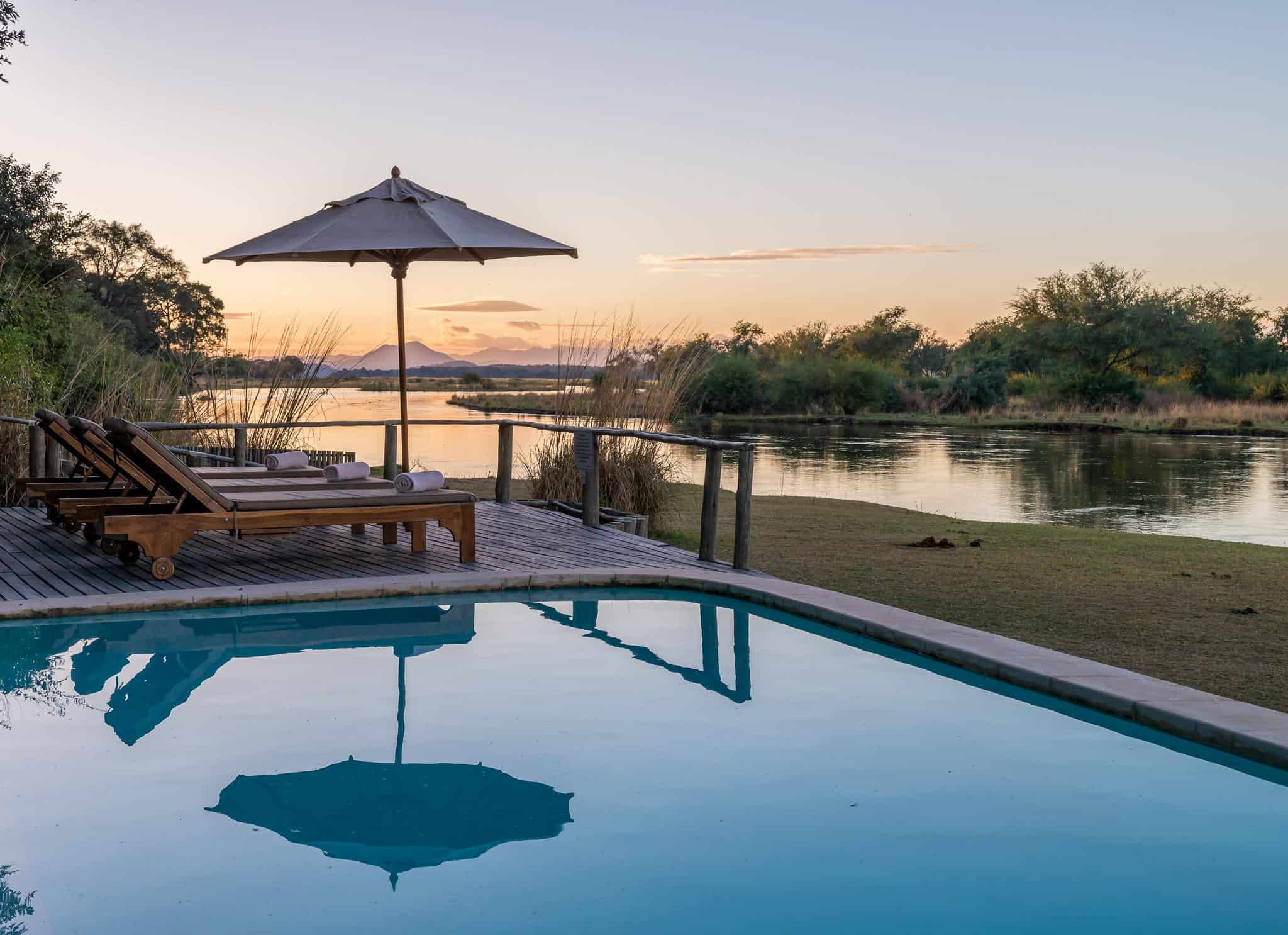
The Lower Zambezi is one of southern Africa’s most pristine national parks, flanked by the Zambezi Escarpment to the north and the meandering Zambezi River to the south. Unlike some of Africa’s better-known parks, the Lower Zambezi remains blissfully uncrowded. Amanzi Lodge is set on the banks of a quiet channel off the main river, surrounded by winterthorn trees and thick bushveld. The name Amanzi means “water” in several Bantu languages, and here, water truly is life — bringing in birds, elephants, hippos, crocodiles, and of course, tigerfish.
The lodge is intimate, with only four spacious tented suites, each perched on raised timber platforms and offering sweeping views of the river. With a maximum of eight guests, it never feels busy, and the attention to detail and personalized service are top-notch. The rooms themselves blend canvas, teak, and copper finishes, creating a stylish but earthy feel. Floor-to-ceiling gauze windows let in the sounds of nature — from laughing hippos to the haunting whoop of hyenas — while keeping the bugs out. You’ll fall asleep to the chorus of the bush and wake to sunrise painting the river gold.




Tigerfishing on the Zambezi
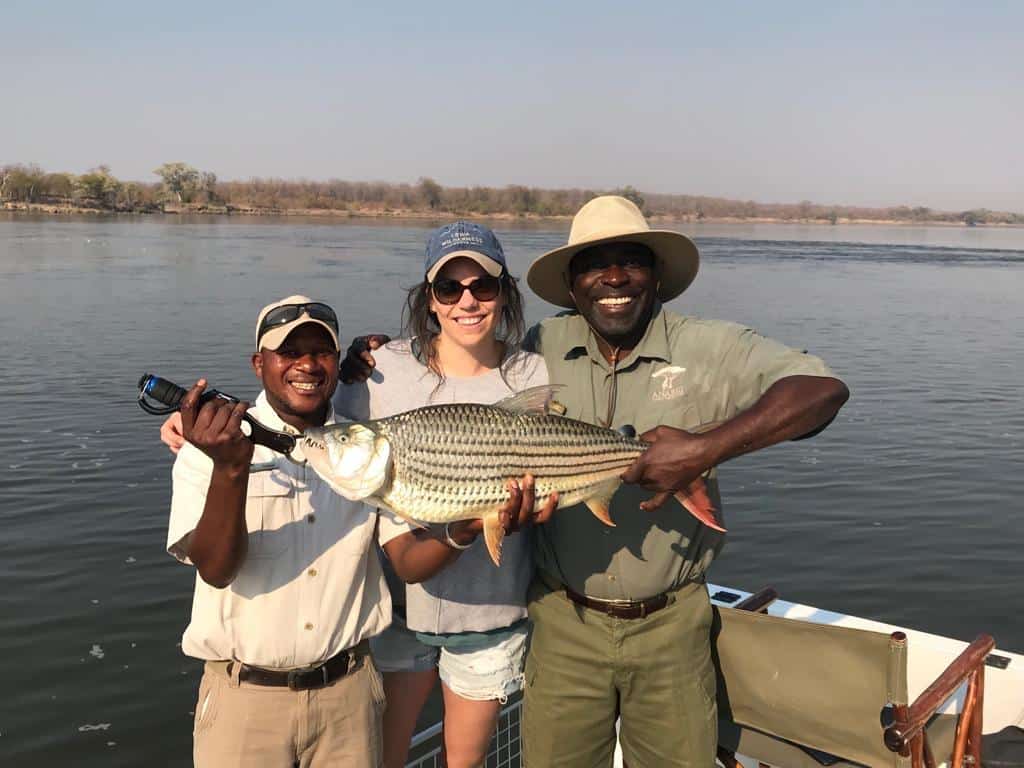
Now let’s talk tigerfish — the real reason many anglers make the pilgrimage to the Lower Zambezi. With their explosive runs, sky-high leaps, and fearsome teeth, Hydrocynus vittatus is one of the continent’s most electrifying game fish. The waters around Amanzi are ideal tigerfish habitat: deep main channels, swirling eddies, submerged structure, and oxygen-rich rapids. This section of the river also sees relatively little pressure compared to more famous tigerfishing destinations, so the fish tend to be less wary.
Fishing is mostly done from 18-foot aluminium boats, each rigged for fly and conventional tackle. The guides know the river intimately and are quick to spot the subtle signs — diving birds, nervous baitfish, changes in current — that indicate a tiger is near. Whether you’re stripping flashy streamers on an 8-weight or casting spinners along submerged sandbanks, the strikes here are often sudden and violent.
Tigerfish in this stretch can exceed 10 pounds, but larger specimens are caught, especially in October and November, when water temperatures rise and the fish become more aggressive. If you’re on fly, expect long casts, hard strips, and plenty of missed takes — this is not finesse fishing. It’s fast, physical, and utterly addictive.
Beyond tigerfish, the river also holds vundu (a heavyweight catfish that can reach 50 kg), bream species, and the occasional sharp-toothed African pike. Fly anglers looking to mix things up can even target nembwe, a hard-hitting cichlid that loves structure and hits flies like a ton of bricks.




A Classic Safari Experience
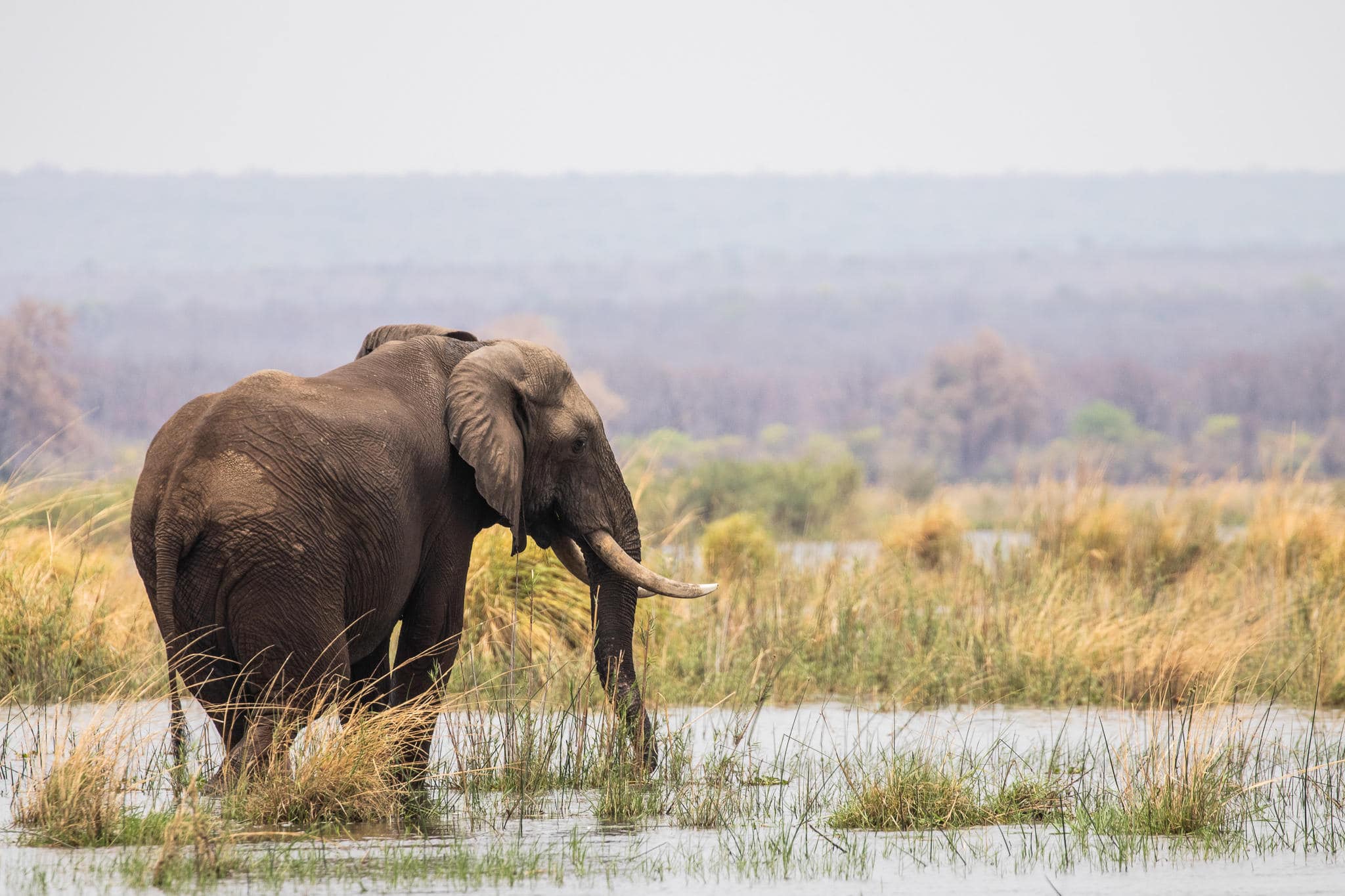
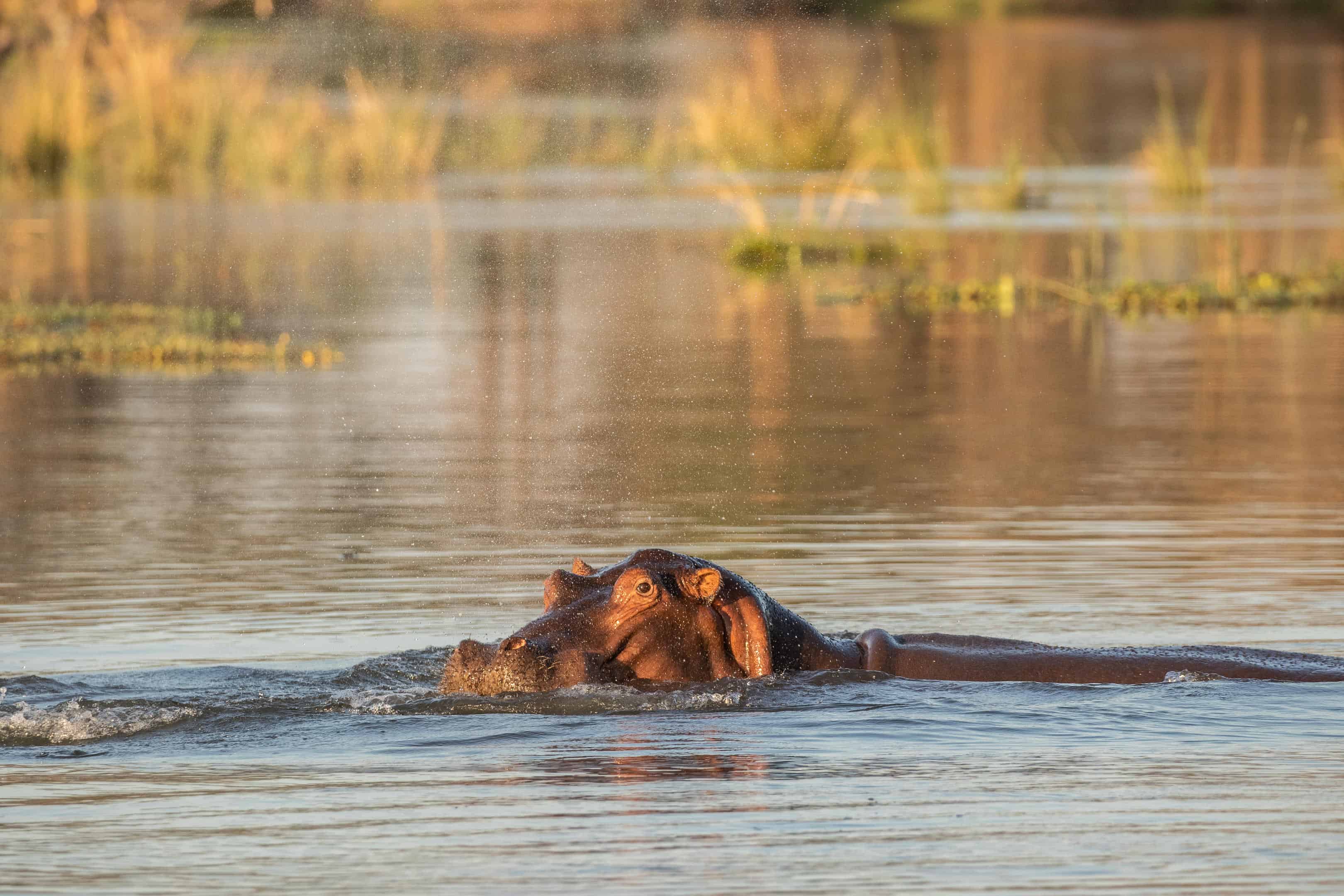
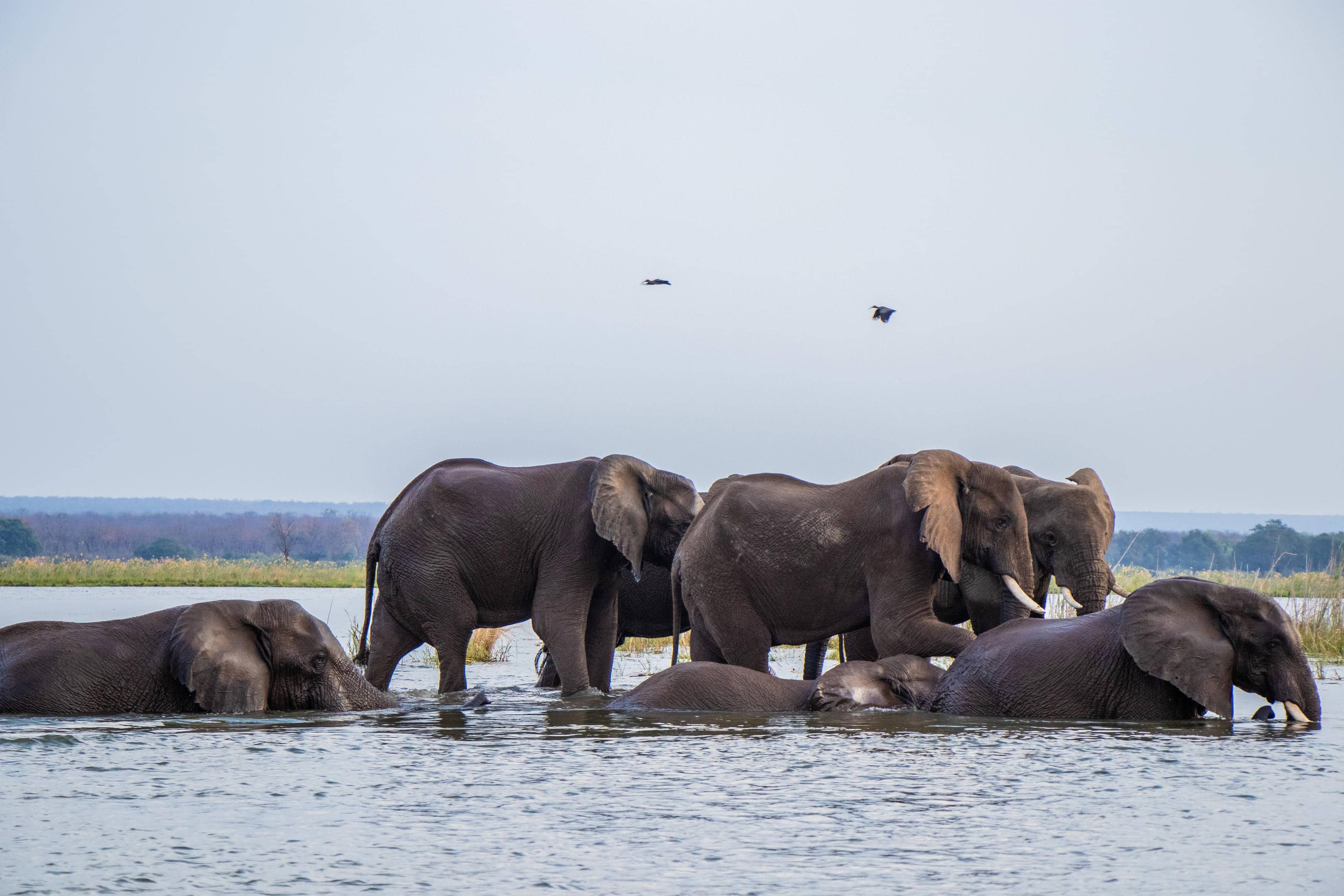
Fishing might be your main draw, but it would be a mistake to ignore the safari side of Amanzi. You’re in the heart of one of Africa’s great wildernesses, and wildlife is everywhere. Elephants frequently wander through camp or swim across the river within casting distance. Pods of hippo snort and bellow day and night. Crocodiles sun themselves on the sandbanks. This is not a zoo — it’s the real thing.
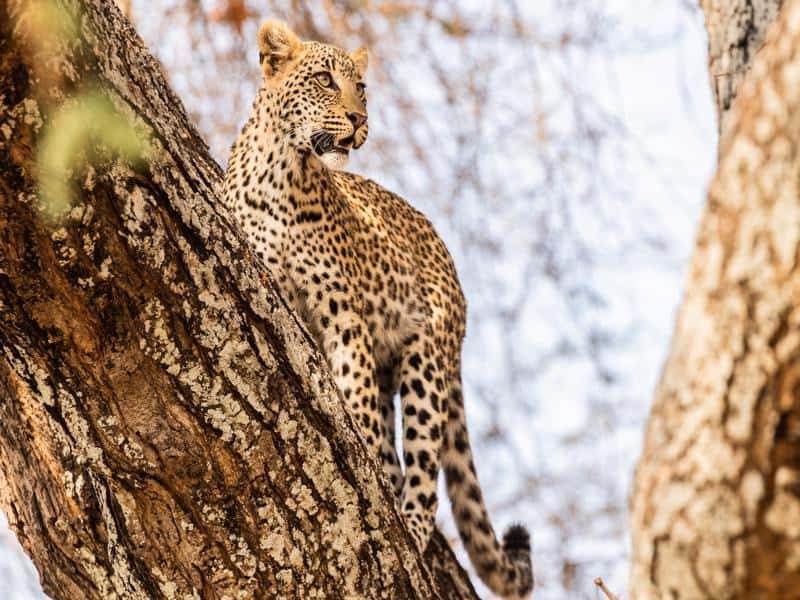
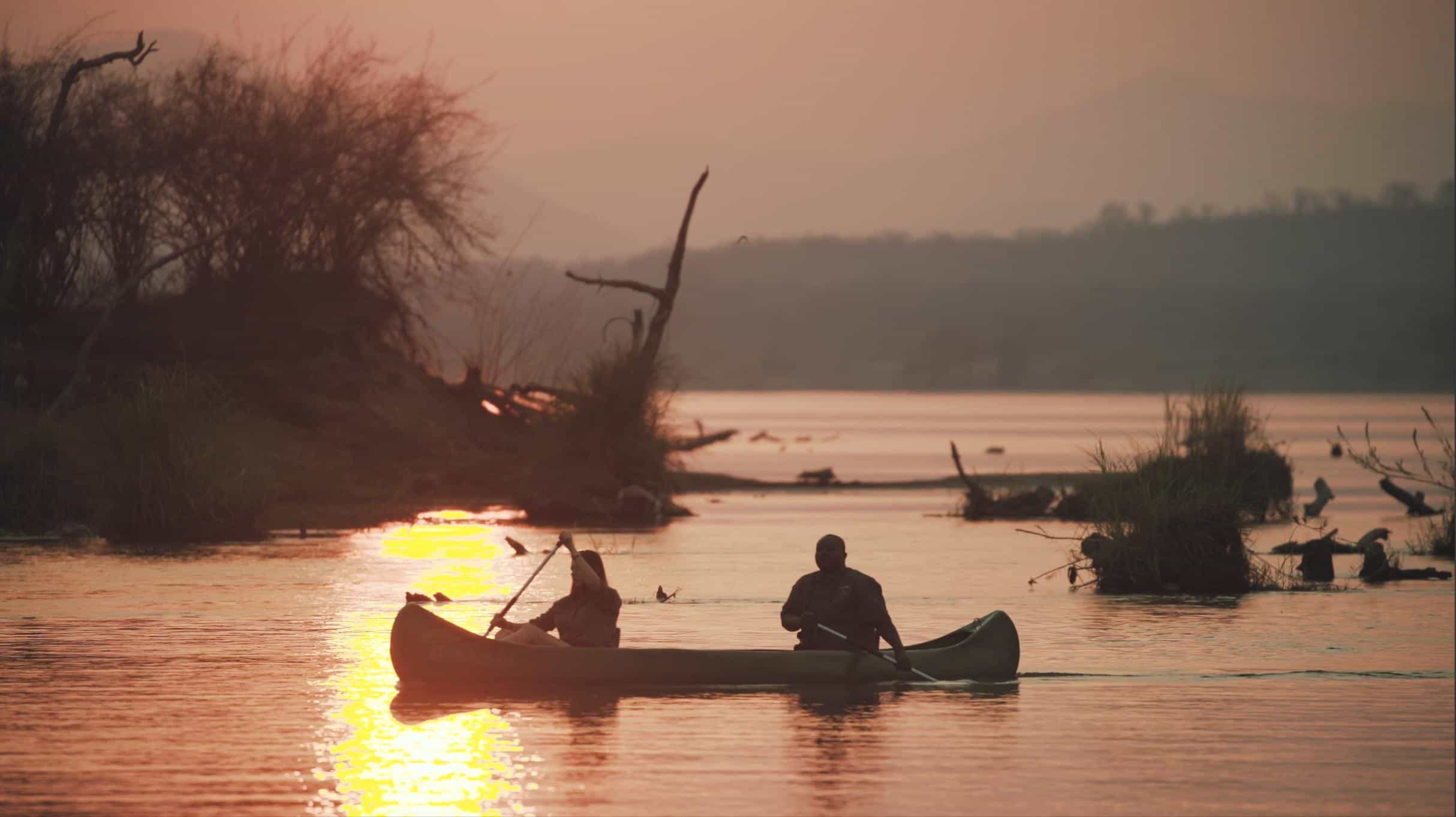
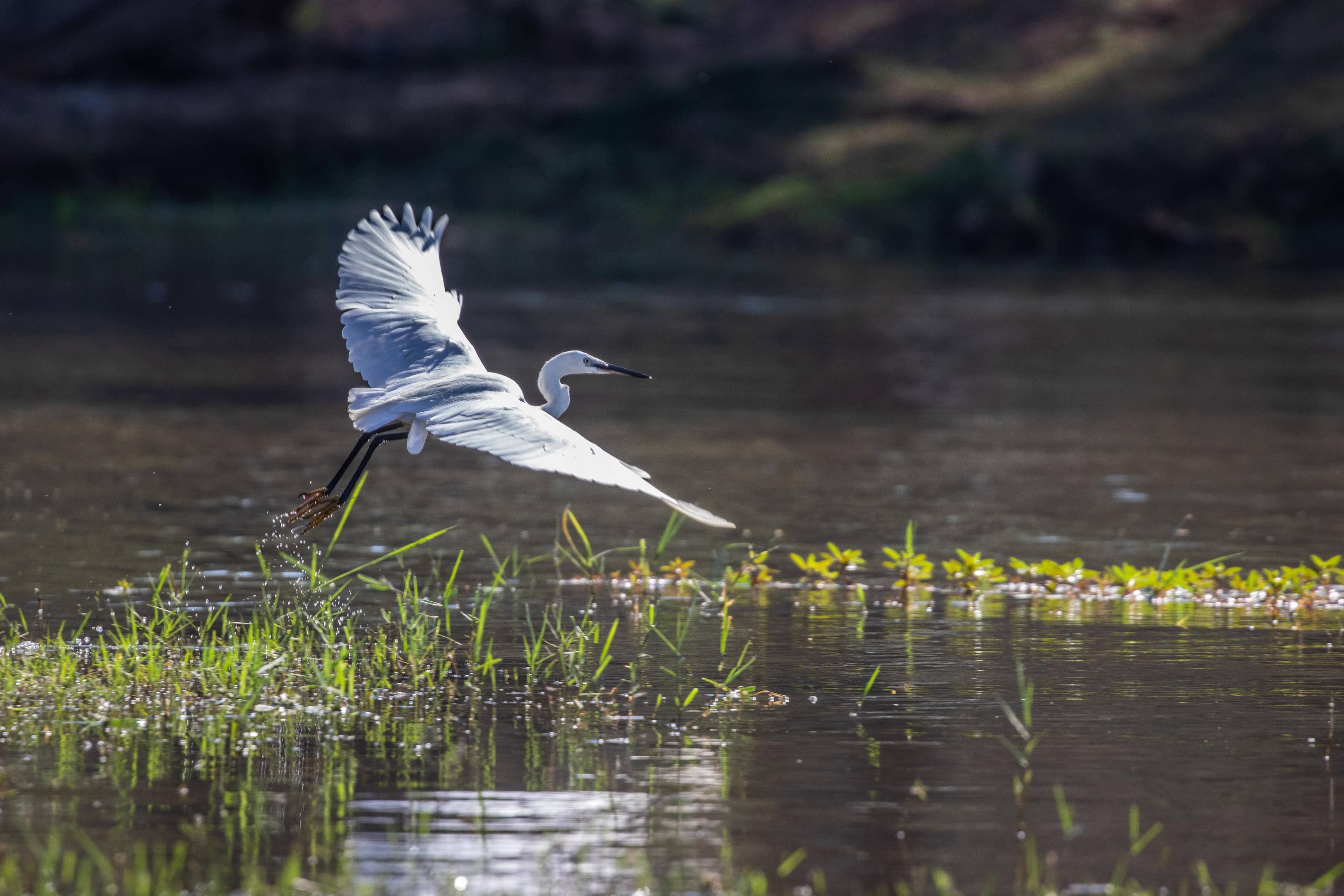
Game drives and walking safaris are led by experienced, licensed guides who know the park’s rhythms. You’ll see herds of buffalo, prides of lion, and if you’re lucky, maybe a leopard lounging in a winterthorn tree or a pack of wild dogs on the hunt. Birdlife is prolific, with fish eagles, African skimmers, bee-eaters, and countless others putting on a daily airshow. You can also explore the river by canoe or boat, drifting quietly past elephants feeding in the shallows or catching the sunset with a cold Mosi lager in hand.
One of Amanzi’s advantages is its connection to its sister lodge, Anabezi, which lies just upstream. Guests can split time between the two for a deeper exploration of the park. Anabezi is slightly larger and more opulent, while Amanzi retains a more private, secluded charm — a perfect setup for anglers who want to combine hardcore fishing with high-end comfort.
Getting There and When to Go
Accessing Amanzi Zambezi Lodge involves a short bush flight from Lusaka to Jeki Airstrip, followed by a scenic game-drive transfer or riverboat ride into camp. Travel logistics are handled smoothly by the lodge team, and despite the remote setting, getting there is easier than it sounds.
The fishing season runs roughly from June through November, with the late dry season (August to November) considered peak for tigerfish. Water clarity improves, the river drops, and the fish are more active. For safari viewing, September and October are also prime, as wildlife congregates around the remaining water sources and vegetation thins out.
The Final Word
Amanzi Zambezi Lodge is an experience that grabs you by the soul. It’s for anglers who dream of tigerfish tearing across a Zambezi channel, and for travelers who want to wake up to elephants outside their tent and fall asleep under stars brighter than anywhere else on Earth. It’s luxurious without being pretentious, wild without being reckless, and deeply connected to the landscape it inhabits.
For those who crave a trip where the fishing is wild, the wildlife is abundant, and the river writes its own stories, Amanzi delivers in spades. Bring your camera, your sense of adventure, and a healthy stock of wire leaders. The Lower Zambezi is calling.
For more info about a tigerfishing safari, get in touch with our team below for quotes and exclusive deals and let us plan your next bucket list trip.
Frequently Asked Questions:
What makes tigerfishing on the Zambezi River so exciting?
The Zambezi River is world-famous for its tigerfish, a ferocious predator known for razor-sharp teeth, blistering runs, and spectacular aerial jumps. Anglers regularly hook fish in the 8–15 lb range, with trophies topping 20 lbs. The thrill lies in the strike — tigerfish hit hard and fight dirty, making them one of Africa’s most exciting freshwater sport fish.
When is the best time of year to fish for tigerfish on the Zambezi?
The peak tigerfishing season on the Zambezi runs from June through November, when water levels are lower and fish concentrate in main channels, pools, and eddies. Early mornings and late afternoons are the most productive times, with spinning, trolling, and fly fishing all effective methods.
Can I combine a Zambezi fishing trip with a safari in Zambia?
Yes, many anglers pair tigerfishing with a safari in Zambia. The Lower Zambezi National Park is home to elephants, buffalo, lions, and leopards, and game drives or walking safaris are easily combined with days on the water. It’s one of the few places in Africa where you can cast for tigerfish in the morning and spot a pride of lions that afternoon. For more info on African safaris, visit Bucket List Safari.
Why we recommend Amanzi Zambezi for a fishing safari?
Amanzi Zambezi Lodge offers a luxury wilderness experience on the banks of the Zambezi River. With just a handful of spacious tented suites overlooking the water, the lodge combines exclusivity with comfort. Combine guided tigerfishing excursions, boat safaris, and game drives, as well as gourmet dining and stunning views of hippos and elephants right from camp.